
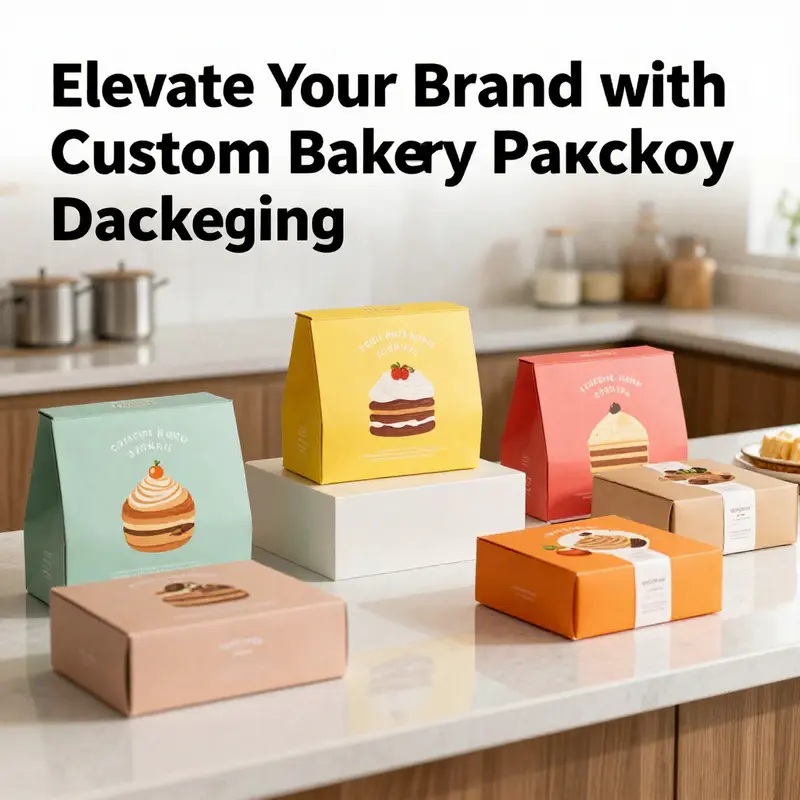
Custom bakery packaging boxes have become indispensable tools for businesses aiming to make an impression. For Bubble Tea Shops, Restaurants, Food Trucks, and Event Planners, the right packaging doesn’t just hold baked goods; it represents your brand identity, promotes sustainability, and enhances the customer experience. This article explores the essential materials and sustainability aspects of custom bakery packaging, dives into innovative designs that provide added functionality, and outlines diverse applications for these boxes across multiple sectors. Each chapter will provide insights into how to choose effective packaging that highlights your offerings and meets your unique operational needs.
Beyond the Box: Material Choices and Sustainable Craft in Custom Bakery Packaging
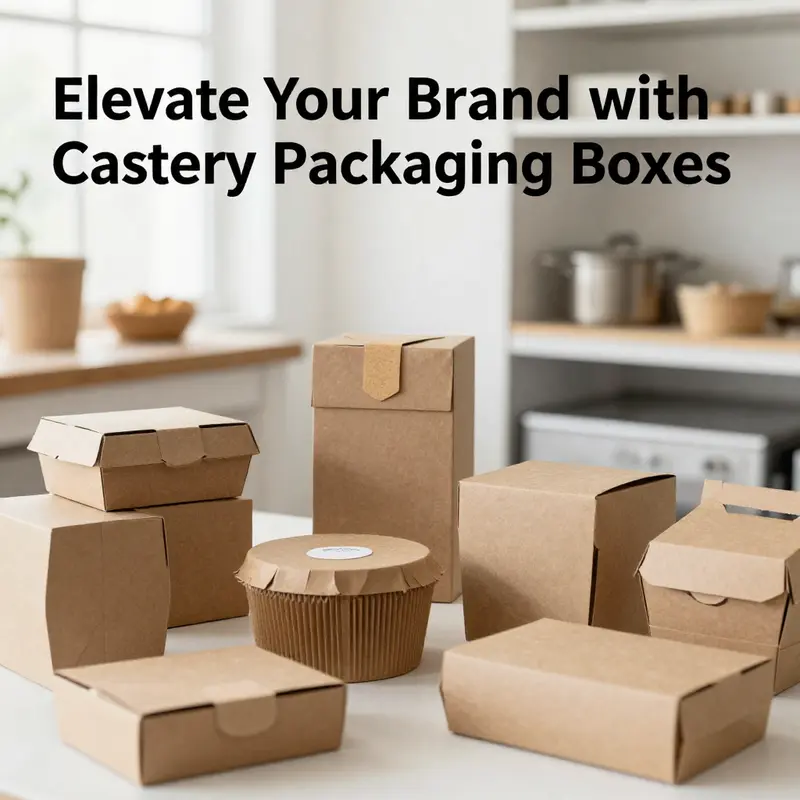
Material choices in custom bakery packaging are more than a practical concern; they are a conversation with customers about values, quality, and responsibility. A bakery’s packaging does more than hold a pastry; it communicates the brand’s story, preserves freshness, and frames the experience of unboxing a treat. In an era when shoppers scrutinize the environmental footprint of every purchase, the materials used for bakery boxes—paperboard, cardstock, and plastics such as PET or polypropylene—have become a hinge point between aesthetics and responsibility. The best packaging blends form and function so seamlessly that the consumer notices the product first, while the packaging quietly reinforces trust, convenience, and sustainability. The materials debate is not a zero-sum game between beauty and ecology; it is an invitation to design boxes that protect, entice, and endure in the complex lifecycle of a baked good.
At the heart of material selection is an honesty about what the product needs. Paperboard and cardstock offer a natural, tactile surface that can convey warmth and craftsmanship. Paperboard typically provides a sturdy barrier against moisture and contamination, making it suitable for a wide range of bakery items where breathability and freshness are priorities. When responsibly sourced, paperboard can carry a rustic, organic appeal that aligns with brands focused on natural ingredients, vegan offerings, or health-conscious formulations. But sustainability is not a blanket certification; it is a profile that depends on how the material is sourced and managed through its lifecycle. The promise of compostability or recyclability hinges on supply chains that are transparent and accountable. Consumers increasingly expect traceable origins, second-life opportunities, and clear end-of-life instructions. In response, many manufacturers emphasize FSC-certified paperboard or recycled content as part of a broader commitment to responsible forest management and material stewardship. This careful attention to sourcing helps prevent box waste from becoming a reputational risk for brands that position themselves as eco-friendly while using unreliably sourced stock.
Cardstock, by contrast, often showcases premium branding possibilities. Its smooth surface accommodates high-fidelity printing, foil stamping, and embossing that elevate the visual impact of gift-ready or premium range boxes. Yet cardstock brings its own sustainability narrative. When produced from renewable wood pulp and paired with responsible finishing processes, it contributes a refined, eco-aware image. The same durability constraints that make cardstock ideal for display also demand attention to moisture and grease resistance. For oily or wet products, designers frequently pair cardstock with inner liners or treated coatings to maintain integrity and keep the exterior pristine. The balance between rigidity, aesthetic finish, and barrier properties is a continuous calibration; the goal is a packaging experience that feels luxurious without compromising practical performance. In many cases, brands lean on premium finishes—foil accents, soft-touch coatings, or subtle debossing—to create sophistication without compromising recyclability or introducing complicated recycling streams.
Synthetic plastics, including PET and polypropylene, occupy a different sphere entirely. They offer exceptional barrier properties and clarity, allowing customers to view the product through a transparent window while preserving moisture and grease resistance. This visibility can be a powerful marketing tool, particularly for items whose appearance communicates quality, texture, and freshness. PET and similar plastics also enable durable, stackable designs that protect delicate pastries during transit and in display cases. However, plastics carry a longer-term environmental question mark. While some plastics are recyclable or even reusable, their end-of-life fate depends heavily on local waste infrastructure and consumer behavior. The debate is not about erasing plastic, but about designing for reuse and recycling where possible, and labeling products in ways that guide proper disposal. In this sense, sustainability shifts from a material’s inherent properties to its context: how it is manufactured, how it is used, and how it is recovered after use. Forward-thinking brands look for plastics that can be recycled in established streams, incorporate recycled content, or are engineered to minimize microplastic release. These choices reflect a broader commitment to closing the loop and reducing the footprint of the packaging itself.
A growing strand in the material conversation is hybridization. The industry increasingly experiments with combining materials to harvest the strengths of each while offsetting their weaknesses. A common approach is to place a durable, outer box made from paperboard or high-quality cardstock around an inner liner that provides excellent moisture protection or grease resistance. In some cases, outer packaging is designed to be compostable or recyclable, while inner components are made from materials that better shield sensitive contents. Plant-based alternatives, such as bio-based or compostable polymers, are explored to reduce fossil fuel dependence while maintaining clear visibility and robust protection. The result is a family of packaging solutions that respects environmental considerations without sacrificing presentation or product integrity. Yet hybrid solutions require careful communication to ensure end-of-life processes remain straightforward for consumers and local recycling facilities alike. Clarity in labeling, material identification, and disposal instructions becomes an integral part of the design rather than an afterthought.
Sustainability certifications play a pivotal role in guiding brands and consumers toward better choices. Certifications such as the Forest Stewardship Council (FSC) credential for paper-based components signal responsible forest management and supply chain integrity. When a box bears FSC certification, it reassures customers that the materials originate from responsibly managed sources and that harvesting practices meet stringent environmental and social criteria. Beyond FSC, certifications like EPRFrancePacking and EPRGermanyPacking reflect evolving national and European perspectives on producer responsibility and end-of-life stewardship. These programs mandate that manufacturers finance the take-back or recycling of packaging materials, aligning production with circular economy principles. For bakery brands, such certifications are not merely compliance flags; they are market signals that reinforce a commitment to responsible manufacturing, reduce reputational risk, and support branding that is consistent with sustainability narratives. They also help brands navigate regulatory expectations as packaging waste legislation becomes more sophisticated and widespread.
The practical implications of material choice extend into the day-to-day realities of bakery operations. From a procurement perspective, the decision often involves balancing costs, supply reliability, and lead times with environmental criteria and consumer appeal. The economics of sustainability can be subtle. While some eco-friendly options may carry higher upfront costs, they can yield long-term benefits through customer loyalty, premium positioning, and reduced waste. For instance, a bakery that chooses FSC-certified paperboard for most of its line may attract customers who value provenance and responsible sourcing, and the alignment with sustainability standards can simplify communications with retailers and event organizers. In contrast, where speed and price dominate, a simple, economical solution might be favored, with a view to gradually integrating higher-grade, certification-backed materials as the brand grows and scales its packaging capabilities.
Design and functionality are inseparable from the material conversation. The most successful packaging communicates a brand’s story through tactile textures, color palettes, and finishes while delivering practical benefits such as portability, ease of use, and product protection. Logo printing and branding are not merely decorative; they are part of a packaging ecosystem that reinforces identity at the moment a customer first touches the box. Modern printers can offer a spectrum of finishes—from CMYK full-color coverage to UV coating or debossed textures—that elevate perception without compromising recyclability. When applying these finishes, the material choice must remain compatible with the intended end-of-life path. For example, a coated outer layer on a paperboard box might enhance retail shelf impact but could complicate recycling unless the coating is designed to separate cleanly from the substrate. The design discipline, therefore, embraces the material’s properties and its disposal context, ensuring that the final product is not only beautiful but also responsible and practical to recycle or compost where available.
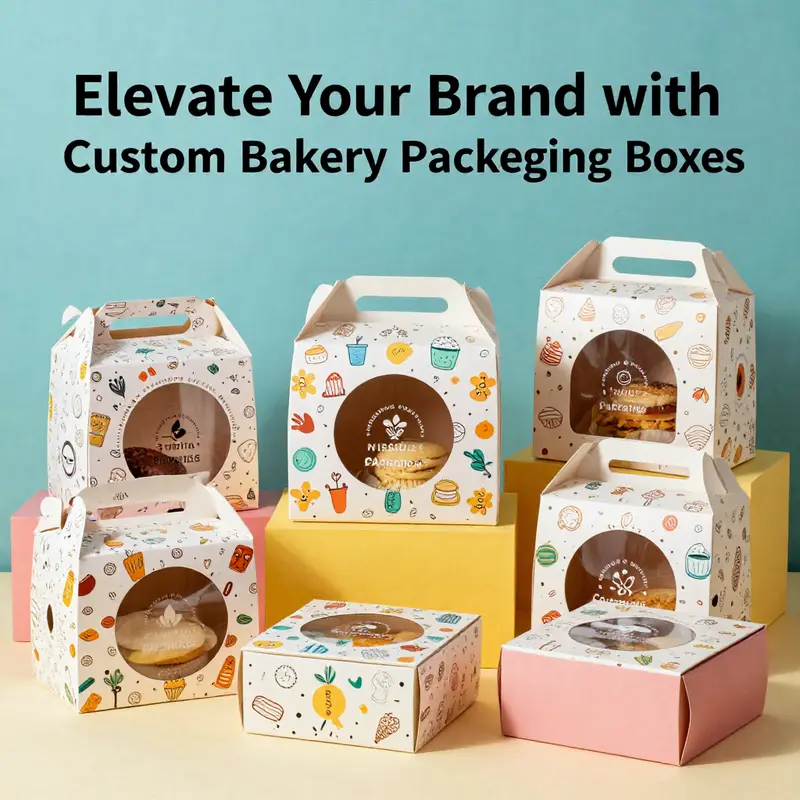
Interactive features further blur the line between packaging and product experience. Handles—such as ergonomic rope handles or tear-resistant straps—improve portability for customers who carry multiple items. Foldable structures can reduce wasted space during transport and storage, while stackable designs optimize shelf presence and distribution efficiency. Windowed designs—transparent panels set into the box lid or wall—enable consumers to appreciate the quality of the baked goods without opening the container. These elements can create a sense of anticipation and trust, especially when the product inside is delicate, like glistening glazed donuts or intricately layered pastries. Window design must be consistent with the chosen material and its barrier properties; misalignment can lead to moisture ingress, fogging, or impact on product quality. When done well, windowed designs become a silent salesperson, enabling customers to preview the texture and colors that describe the bakery’s craft. A practical example of this principle is the boxed presentation of cakes and pastries that combine a kraft paper exterior with a window, allowing the product’s visual appeal to shine while maintaining a compostable outer shell. For reference, a widely used example in the industry features picnic kraft paper cake boxes with clear windows, which demonstrates how a natural exterior can be married to a transparent opening without sacrificing sustainability or elegance. See more here: Picnic kraft paper cake boxes with clear windows.
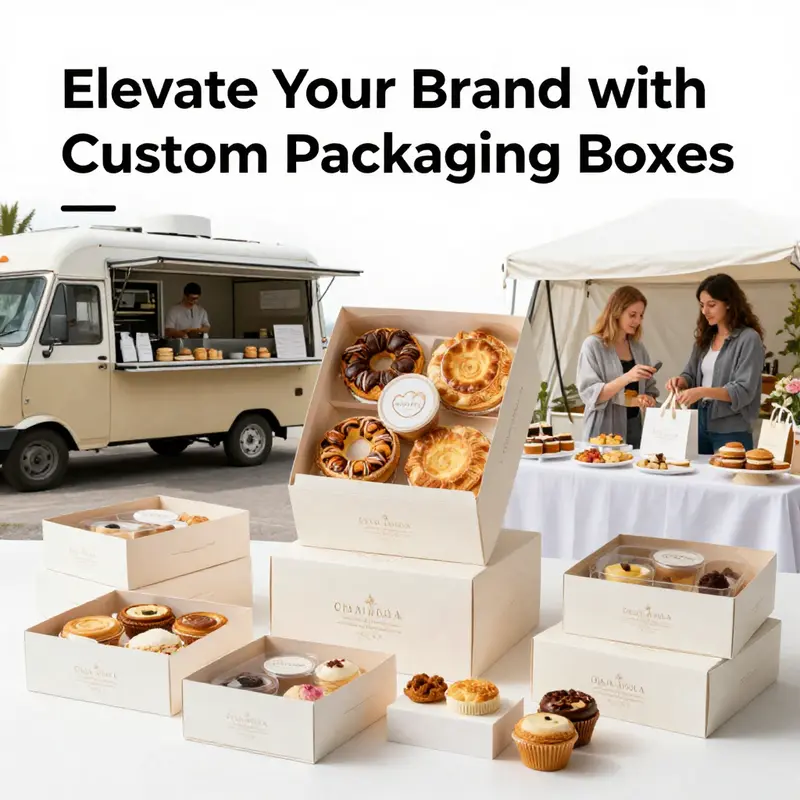
Applications across the bakery landscape increasingly reflect the marriage of material science and consumer expectations. In retail and gift settings, there is a premium demand for packaging that signals celebration and quality. Round or square boxes with refined finishes and careful typography are popular for weddings, birthdays, and corporate gifts, where the unboxing moment becomes part of the brand’s storytelling. Takeout and fast-casual operations prioritize convenience and sustainability, leaning toward biodegradable paper containers and inner liners that protect against grease and moisture while minimizing plastic waste. For events and corporate programs, custom-designed packaging boxes can function as promotional keepsakes, so the choice of material and finish contributes to the overall perception of the brand’s commitment to the environment. In shipping and distribution, sturdier corrugated solutions dominate when long-haul delivery or multi-week storage is involved, and double-sided printing enables brands to maintain a consistent identity across multiple channels.
The pricing and procurement landscape for bakery packaging underscore that the most sustainable choice is not a single material but a system. It requires a supplier ecosystem that can provide consistent quality, traceable sourcing, and scalable production. OEM and ODM partnerships are common in this space, enabling bakeries to collaborate with manufacturers to tailor packaging to their exact brand identity, product portfolio, and distribution model. With a steady demand for sustainable packaging concepts, many suppliers position themselves as end-to-end partners who can deliver not only the raw materials but also the finishing processes, branding, and logistics support necessary to bring a cohesive packaging program to life. The result is a thoughtfully engineered solution that respects the planet while elevating the product and the brand’s story.
In closing, the materials used for custom bakery packaging boxes are not simply a technical choice; they are a strategic decision that informs brand perception, customer experience, and environmental responsibility. The best solutions emerge from a deliberate synthesis of paperboard’s natural warmth, cardstock’s premium finish, and the clarity and barrier advantages of plastics where used judiciously. Hybrid approaches that combine outer sustainability with inner protection, coupled with transparent labeling and robust end-of-life plans, are increasingly common and effective. Certifications such as FSC, EPR France Packing, and EPR Germany Packing provide credible signals that a brand is serious about stewardship, while consumer expectations for eco-conscious packaging continue to rise. The future of custom bakery packaging will likely be defined by materials that deliver beauty, protect freshness, and support a circular economy—a design brief that challenges us to imagine packaging as a responsible, enduring part of the bakery experience rather than a disposable afterthought. The packaging story, in other words, is a key chapter in how a bakery demonstrates care for its craft, its customers, and the world they share.
The Visible Craft: Designing Custom Bakery Packaging Boxes for Freshness, Brand Identity, and Customer Experience
Packaging is more than a protective shell. In the world of bakery goods, it is a portable ambassador that travels with the product from oven to shelves, from store to home, and sometimes across continents. The best custom bakery packaging boxes combine visual appeal with practical performance, reinforcing a bakery’s story while preserving aroma, texture, and freshness. They are a focal point for brand identity, a tool for product protection, and a stage for customer delight. When designed with intention, packaging can elevate a simple pastry into a memorable moment, a gift, or a sign of sustainable responsibility. In this chapter we explore how design and materials converge to create packaging that not only holds a product but also communicates a bakery’s values, supports efficient handling, and adapts to a wide range of contexts—from counter displays in a boutique shop to large-scale takeout operations and high-stakes event packaging. The argument is simple but powerful: thoughtful packaging design is a strategic asset, not an afterthought, and it hinges on material choices, structural design, and branding techniques that together drive quality perception and consumer trust.
Material selection anchors the entire design. The choice of material influences durability, moisture management, heat resistance, weight, and, crucially, sustainability. Kraft paper, known for its natural aesthetic and eco-friendly credentials, has become a staple for disposable containers and gift-worthy packaging. Its rugged texture and brown-tinted surface convey a down-to-earth appeal that resonates with consumers seeking simplicity and responsibility. Kraft paper can be laminated or treated to improve moisture resistance, yet the core appeal remains its compostable, recyclable character. Corrugated paper offers a different set of advantages. Its fluted interior provides robust shock absorption and structural integrity, making it ideal for shipping boxes and larger items such as round cake boxes. The durability of corrugated stock protects delicate layers and reduces the risk of crushing during transport, which in turn preserves the visual integrity of the product. White cardboard, by contrast, caters to premium packaging needs. Its clean, smooth surface serves as a canvas for refined finishing techniques such as hot stamping, embossing, and screen printing. For weddings, anniversaries, or boutique gifts, white cardboard boxes can present a luxury experience that signals quality and care, elevating the perceived value of the items inside. Transparent PET film offers another path. A clear window can be integrated into a box to provide a tantalizing glimpse of the product while maintaining structural integrity and hygiene. When combined with a lightweight, moisture-resistant liner, PET windows enable customers to view chocolate glazes, intricate frosting, or the sheen of glazed fruit without opening the package. Each material brings a different set of advantages, and the optimal choice often depends on the product type, the environment, and the intended consumer experience.
Sustainability is no longer a niche consideration; it is a baseline expectation in modern packaging. The design challenge is to deliver eco-conscious choices without sacrificing performance. FSC certification, which attests to responsibly sourced fibers, has become a common benchmark for brands seeking to demonstrate ethical material provenance. In many markets, packaging decisions are guided by additional certifications or local regulatory requirements that promote recyclability and end-of-life stewardship. Beyond forest stewardship, there is growing attention to the lifecycle of packaging innovations—how easy it is to recycle, whether the materials are compostable, and how production processes minimize waste and energy use. In practice, this translates into selecting recycled or partially recycled substrates, choosing inks and coatings that are compatible with recycling streams, and employing design strategies that reduce material use without compromising strength. The aim is to balance durability and shelf life with a responsible footprint. In addition to FSC, certifications and programs that emphasize seedling-based sourcing or other forest-positive initiatives help brands communicate a broader commitment to sustainability. This alignment between material choice and certification reassures customers that their purchase supports responsible practices, which in turn strengthens brand equity and loyalty.
The role of window design in modern bakery packaging deserves particular attention. A well-placed window can transform a box from a mere container into a stage for the product, inviting curiosity and encouraging purchase decisions. Windowed designs rely on a window film that must meet hygiene and moisture considerations while remaining optically appealing. Biodegradable or compostable window films are increasingly common, aligning with the sustainability narrative and reducing plastic leakage into disposal streams. When a window is used, the box structure must work in concert with it. A foldable, folder-style design—often simplified into a two- or three-panel arrangement—creates quick access while showcasing the product, which is especially beneficial for delicate pastries, colorful macarons, or glossy cakes. The rigidity of the box around the window helps protect the product during handling, while the packaging itself remains easy to store and stack. In terms of performance, a 1 mm thickness provides a favorable balance of stiffness and weight, contributing to moisture resistance and overall protection. A UV coating further enhances surface durability, helping to guard against scuffs and minor abrasions that can occur during transport or display. The combination of a robust exterior with a transparent window creates a synergy where form matches function: the consumer can appreciate the product’s appearance at a glance while the box still provides the necessary barrier against external conditions.
Branding and customization sit at the heart of design for bakery packaging. Modern customization goes far beyond simply adding a logo. High-quality printing can be engaged in CMYK four-color offset, which enables a broad palette for brand colors and intricate photographic imagery that captures the textures of a pastry, the gleam of a glaze, or the delicate dusting of sugar. Embossing and debossing introduce tactile depth, giving a premium texture that customers can feel as they hold the box. UV coating adds a subtle gloss or spot highlights, catching light and drawing attention to key design elements. Gold foil finishes remain a powerful option for premium events or seasonal campaigns, signaling exclusivity and craftsmanship. The challenge for designers is to balance the richness of branding with the practicalities of production, storage, and price. A bold, richly printed design can attract attention on a crowded shelf, yet it must also be legible from a distance and legible in the quick traffic of a takeout line. In addition, the design must be adaptable to a range of sizes and shapes. The most versatile packaging systems are modular, with foldable structures that can be produced in multiple formats without requiring a full redesign for each product line. This adaptability helps bakeries manage seasonal themes, promotions, and limited-edition collections while maintaining a consistent brand language across all touchpoints.
To illustrate how these elements come together in practice, consider how a box is designed to support efficient handling during peak hours. A well-thought-out design considers ergonomic aspects such as carrying comfort, stackability, and stability when opened on a crowded counter. Some designs incorporate ergonomic rope handles or foldable handles that make it easier to carry heavier boxes without compromising the aesthetics. Others emphasize a flat-fold or nested arrangement that minimizes space in storage and during transport. The more confident the end user feels when lifting and carrying the box, the more likely they are to associate that positive physical experience with the brand behind the product. Visual cues on the exterior—the color story, the font, the texture—combine with tactile cues on the interior, such as a smooth liner or a subtle embossed seal, to reinforce a story of care and quality. The packaging thus serves as a narrative device, telling customers that the bakery takes pride in every aspect of its craft, from recipe to delivery. For products intended as gifts or event favors, the box can function as a keepsake, thanks to premium finishes, careful typography, and attention to finishing details like ribbons or printed liners. The packaging ceases to be disposable in the consumer’s eye; it becomes part of the gifting experience and a reminder of the brand at moments beyond the initial taste.
From a business perspective, the economics of packaging design matter as much as aesthetics. Bulk production through OEM and ODM arrangements enables bakeries to translate a design concept into scalable packaging solutions. Suppliers that offer customization for logos, sizes, and finish options can produce boxes that align with brand guidelines while meeting any regulatory constraints around food-contact materials. The economics of scale mean that larger quantities typically reduce per-unit costs, a critical consideration for bakeries with high daily volumes or expanding retail footprints. The pricing landscape can vary widely by material, finish, and complexity. For example, more economical kraft paper options may be priced to incentivize high-volume orders, while premium white cardboard with sophisticated finishes commands a higher per-unit price but also elevates the perceived value of the product. Eco-friendly donut packaging and other sustainable options are increasingly priced competitively, helping brands maintain margins while delivering on a sustainability promise. In practice, a bakery may experiment with different stock choices and finishes to determine the most effective combination of cost, performance, and consumer response for each product category. The end goal is a packaging system that is consistent in appearance and performance, yet flexible enough to accommodate evolving product lines, seasonal campaigns, and shifting consumer expectations.
The promise of modern packaging also extends into the realm of distribution and retail strategy. Durable corrugated boxes with double-sided printing are well suited to shipping and distribution, ensuring products arrive intact over long distances. This durability reduces the likelihood of damage during transit and helps maintain unbroken brand presentation when the product is unpacked at its final destination. For retailers, the windowed designs offer an opportunity to entice customers with a direct view of the product while maintaining the integrity of the packaging. A neat, unobtrusive window that reveals a well-presented pastry can drive impulse purchases and elevate the perceived freshness of the item. The balance between visibility and protection is delicate; a window that is too large may compromise moisture barrier or structural rigidity, while a window that is too small may diminish the product’s visual appeal. Hence the design often includes a carefully calibrated window shape and size, aligned with the product’s dimensions and weight distribution, to maintain a harmonious aesthetic and functional integrity.
In practice, the packaging ecosystem extends beyond the box itself. Some brands integrate a full packaging suite that includes liners, inserts, ribbons, and decorative closures. A liner that provides a moisture barrier can be essential for wet pastries or items with glazes that could otherwise seep through the box material. Insert cards with a brief brand story or care instructions can deepen customer engagement, turning a simple takeaway into an experience. Ribbons and seals add a ceremonial touch for gifts, weddings, or corporate events, while precise color matching with the brand palette reinforces recognition and memory. The interplay between exterior design and interior details creates a holistic sensory experience that extends beyond immediate retail impact to long-term brand recall. When customers recall their purchase, they often remember how it felt to hold the box, how the lid opened, and what impression the packaging left. These memories can translate into repeat purchases and word-of-mouth referrals that grow a bakery’s customer base more effectively than promotions alone.
To connect this design philosophy to tangible sourcing realities, it helps to consider how a bakery negotiates with packaging suppliers. For businesses seeking scalable and customizable solutions, major wholesale platforms provide access to a broad range of materials, finishes, and production capabilities. These platforms enable bakeries to source bulk orders, compare prices, and collaborate with manufacturers on OEM or ODM arrangements. The advantage is not just price, but the breadth of options and the ability to tailor to brand needs without compromising on quality. A well-structured supplier relationship can shorten lead times, ensure consistent quality, and enable rapid adaptation to seasonal demand. The key is clear communication about material preferences, required certifications, printing methods, and performance expectations under real-world conditions such as cold storage, humidity, or travel. With careful planning, a bakery can implement a packaging system that not only protects the product but also elevates its market presence and customer satisfaction across channels.
For readers seeking practical examples of how these ideas translate into real-world packaging choices, a representative case is found on widely accessible product pages that illustrate the concept of windowed, kraft-based boxes designed for bakery goods. This example shows how a simple foldable structure, combined with a clear window and careful material selection, can deliver a high-impact display while maintaining performance standards. The page demonstrates how a two-panel or three-panel folding approach can create a sturdy yet portable solution that stacks efficiently, reduces waste, and presents the product in a compelling way. It is a reminder that the right design can harmonize visibility, protection, and brand storytelling in a single, elegant package. For a practical example of kraft paper boxes with clear windows that balance visibility with protection, see this page: kraft paper cake boxes with clear windows.
The conversation around packaging is not complete without acknowledging the sourcing landscape. A bakery does not have to produce its own boxes; rather, it can partner with manufacturers that offer design support, customization options, and scalable production capabilities. OEM and ODM partnerships enable brands to translate their visual identity into packaging that can be produced at the required volumes and with consistent quality. Over time, this collaboration can lead to a packaging system that evolves with the brand, accommodating seasonal motifs, limited edition flavors, and shifts in consumer expectations without sacrificing coherence or performance. The result is a packaging ecosystem that is as resilient as the bakery’s recipes, able to withstand the rigors of distribution while remaining visually evocative and aligned with the brand’s mission. As consumer expectations continue to evolve toward sustainability, transparency, and tactile delight, the packaging becomes a living extension of the bakery’s craft—a moving advertisement that reinforces trust, enhances perceived value, and strengthens the relationship between product and person.
From a practical standpoint, the content above reflects a synthesis of current insights into materials, structure, and branding. It emphasizes how a carefully chosen substrate, combined with a thoughtful geometry and precise finishing, creates packaging that supports product integrity and elevates customer perception. It also highlights how brands can leverage advanced printing and finishing techniques to convey a clear and consistent message while preserving the functional characteristics that shoppers rely on. In sum, the design and functionality of custom bakery packaging boxes are a convergence of art and science: artistry in visual storytelling and science in material performance and process efficiency. When executed with discipline and creativity, packaging becomes not just a container but a strategic asset that strengthens brand equity, drives sales, and enriches the customer journey across retail, takeout, events, and beyond.
External resource for further context on supplier listings and packaging solutions: https://www.alibaba.com/product-detail/Custom-Logo-1kg-Packing-Gable-Cake-Box_1600792574314.html
null
null
Final thoughts
Custom bakery packaging boxes serve as key components in promoting your brand’s identity, ensuring product freshness, and delivering a memorable experience for your customers. With a strategic focus on sustainable materials, creative designs, and appropriate applications, these packaging solutions can set your business apart in a competitive marketplace. As customers increasingly look for eco-friendly options, incorporating sustainable practices into your packaging strategy could not only meet consumer preferences but enhance your reputation as a responsible vendor. Invest in custom packaging that resonates with your values and enhances your product offerings.