
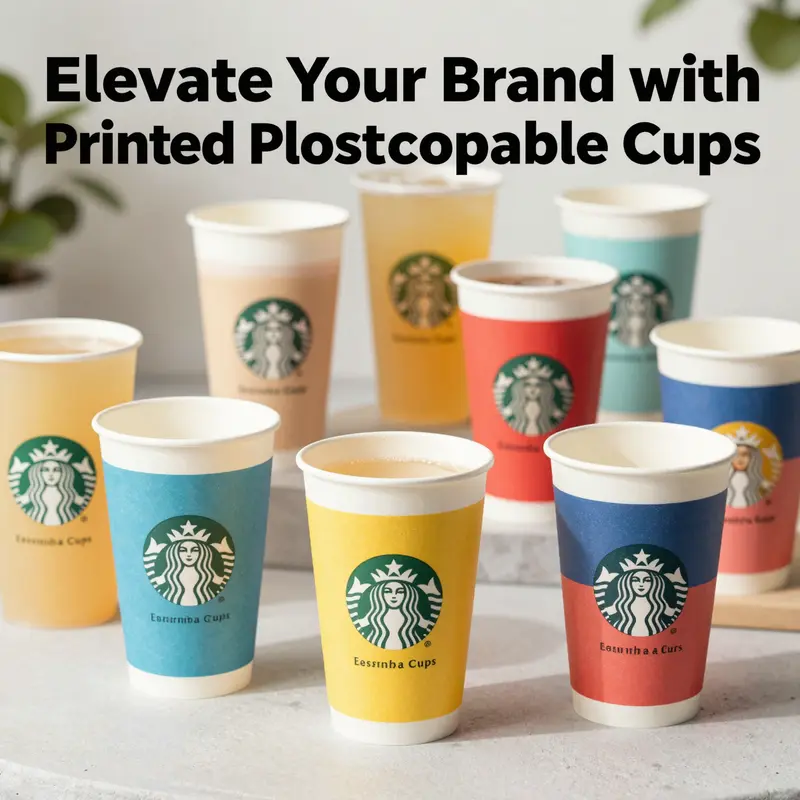
Custom printed plastic disposable cups serve as crucial branding tools while offering practicality for beverage-serving businesses. From bubble tea shops to catering services, these cups are not just about functionality—they play a vital role in enhancing brand visibility and customer experience. This article delves into the different materials used in these cups, their economic advantages, the environmental impact and sustainability practices important for your business, and effective marketing strategies to leverage these versatile products. By the end of your reading journey, you will have a comprehensive understanding of how custom printed cups can serve your operational and promotional goals.
Layered Choices: Materials, Performance, and Brand Impact in Custom Printed Plastic Disposable Cups
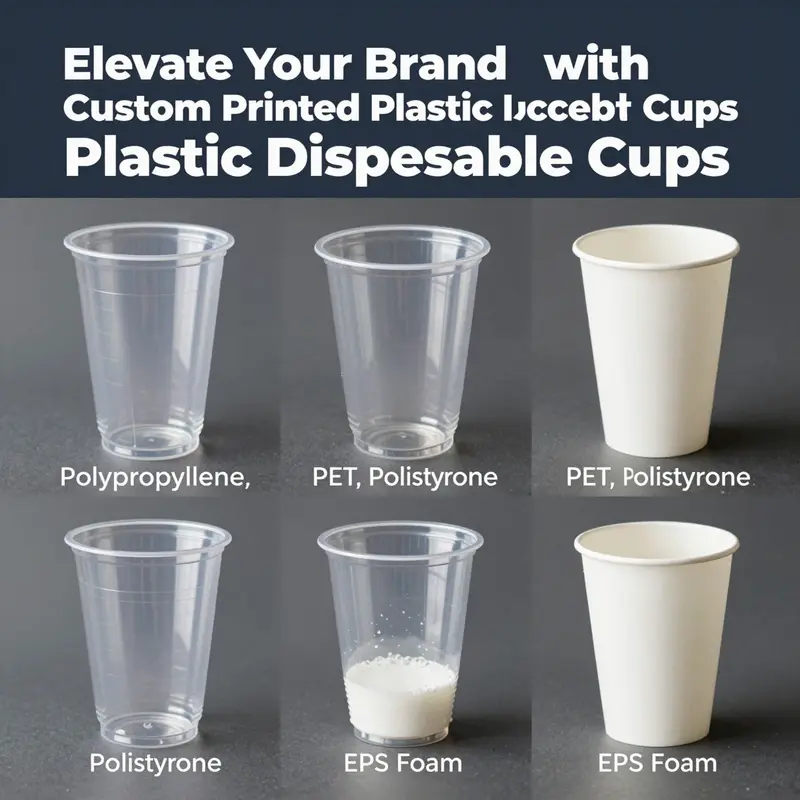
Choosing the right plastic material for a custom printed disposable cup shapes the entire brand experience. Material affects durability, heat tolerance, printability, and the consumer’s perception of quality. In mass customization, polypropylene (PP) is known for strength and heat resistance, shaping a reliable grip and enabling bold branding through flexographic printing. Polystyrene (PS) offers clarity for cold beverages and economical production, but faces environmental concerns and recycling challenges. PET provides exceptional clarity and strength, supporting premium aesthetics and transparent branding, though at a higher cost and with region-dependent recycling streams. Expanded polystyrene foam (EPS) delivers insulation and comfort but carries a complex environmental footprint; many programs are moving away from foam or requiring recyclable/compostable variants. Beyond these, newer options such as biodegradable or plant-based plastics are considered, but require transparent disclosures about disposal and recyclability. Printing compatibility, ink adhesion, and lifecycle considerations are also essential, and cross-functional collaboration among design, materials, and manufacturing teams yields the most consistent results. Finally, end-of-life messaging and disposal guidance influence brand trust, so brands should pair material choices with clear consumer instructions and certifications. In sum, the material choice is not just a backdrop but a strategic lever that impacts performance, perception, and responsibility across the cup’s journey from production to disposal.
Brand on the Move: The Economic Edge of Custom Printed Plastic Disposable Cups
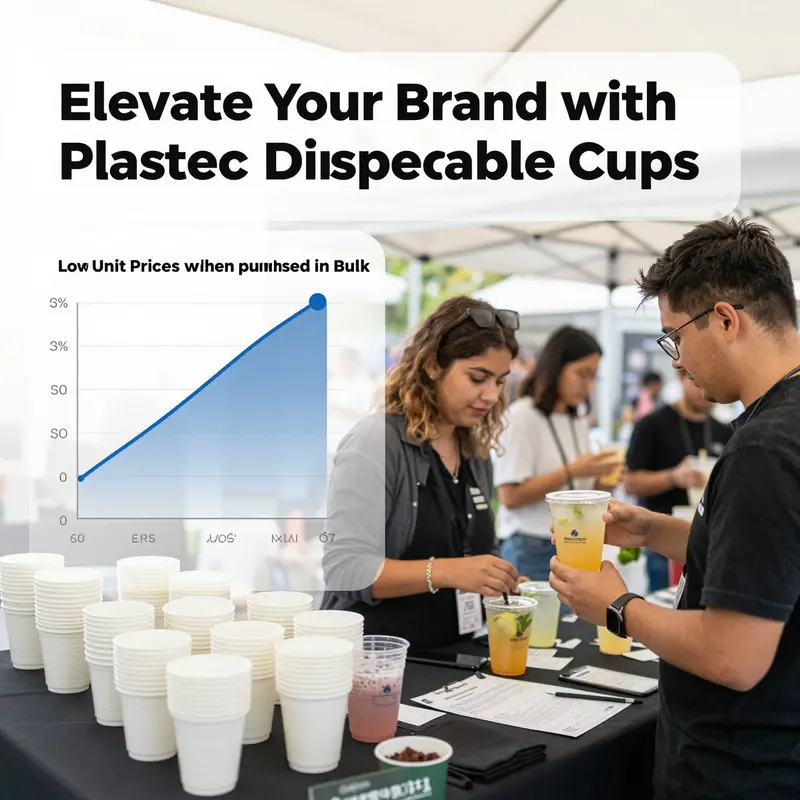
A product that seems simple at first glance can quietly drive a surprising amount of value when it is branded with care and produced at scale. Custom printed plastic disposable cups sit at the intersection of utility and marketing, offering a cost-efficient vehicle for brand presence, customer experience, and operational efficiency. The economic advantages are not just about the price tag per cup but about how a single design can ripple across supply chains, customer touchpoints, and ongoing promotional efforts. When a brand chooses to print its logo, color palette, and messaging directly onto a cup, it deploys a mobile billboard that travels with every customer, every sip, and every conversation that follows. This chapter examines that economic logic in a cohesive way, tracing how material choice, production speed, and design flexibility collectively translate into a durable return on investment for modern beverage operations, retail settings, and large-scale events.
At the core of the cost advantage is the material infrastructure. Polypropylene, the most common base for these cups, is abundant and easy to process. Its resilience and heat tolerance make it suitable for both hot drinks and cold beverages, yet its scalability keeps unit costs competitively low even as orders climb into the millions. This abundance translates directly into lower manufacturing costs per cup, a critical factor for start-ups seeking affordability and for established brands running nationwide campaigns. When manufacturers can produce millions of units with minimal incremental effort, the economics tilt in favor of those who adopt custom printed cups as a standard practice rather than a one-off promotional gimmick. In practical terms, this means a typical price per cup in bulk—ranging in the low pennies—becomes not just a line item but a flexible lever for pricing promotions, loyalty initiatives, and value-added services.
But price is only part of the story. The speed of production—especially via flexographic printing—creates a second, equally potent economic benefit. Flexography is well suited to continuous, high-volume runs and translates into rapid application of logos, branding, and complex designs directly onto the cup surface. For brands running seasonal campaigns or rotating menus, this speed reduces downtime between runs, shortens lead times, and limits the working capital they must commit to inventories of customized items. In marketing terms, speed converts a camera-ready concept into a scalable asset that powers a consistent, repeatable exposure. The result is not just a lower per-unit cost but a more predictable, higher cadence advertising schedule. When a hospitality brand can refresh its cups in step with promotions, the cumulative effect on consumer recall and purchase intent becomes measurable and meaningful, especially when every served drink doubles as an impression, a data point, and a brand touchpoint.
A third economic pillar rests in the inherent promotional value of the cup itself. Each cup acts as a compact billboard in a setting where people frequently carry, show, and reuse the branding in their daily routines. In a coffee shop corridor, for example, customers walking to work with a branded cup create exposure beyond the four walls of the store. For events, festivals, and promotional pop-ups, printed cups extend the reach of a campaign long after the live activity ends. This “on-the-go” advertising is cost-effective because it leverages existing drink service—the incremental media spend is replaced with a single, integrated production and printing process. In effect, you are paying for a durable, portable medium rather than purchasing separate advertising placements. The return shows up in brand recall, loyalty, and the propensity for customers to choose the branded option again when the cup is part of a broader experience—a session at a cafe, a protein shake after a workout, or a quick pickup before a meeting.
Logistics and supply chain advantages compound the economic argument. The lightweight and compact nature of plastic disposable cups leads to lower shipping and storage costs. Space becomes a strategic asset when inventory is centralized for national campaigns or distributed across multiple locations. Fewer pallets and lighter loads reduce freight costs and carbon footprints, which equipment-heavy operations often overlook in pursuit of short-term savings. In a multi-site operation, the ability to stock a standardized, branded cup at each location reduces the risk of stockouts and last-minute substitutions that erode brand consistency. A uniform cup design across a region or country reinforces recognition, supports cross-channel promotions, and simplifies procurement workflows. The savings are not solely in dollars—they also translate into operational simplicity, reduced labor for stock management, and more reliable brand execution across campaigns.
Design flexibility, a defining feature of custom printed cups, is closely tied to economic outcomes. Full-color printing, precise logo reproduction, and multi-hued designs enable brands to convey personality and messaging with the same tool used to serve beverages. The result is a design asset that persists through multiple campaigns with limited retooling. The capability to place logos and messages on the cup surface without incurring steep setup costs makes frequent experimentation more feasible. For small businesses and startups, this means the opportunity to test different seasonal visuals, partnerships, or event themes without incurring prohibitive design or tooling fees. For larger brands, design flexibility supports portfolio-wide campaigns and localized adaptations that preserve a cohesive brand identity while respecting regional preferences. The net effect is a more dynamic marketing strategy where the cup becomes a central, cost-efficient component of the brand’s storytelling.
Material choices inevitably influence the economics too. Polypropylene provides a reliable balance of performance and cost. PET cups offer a clear canvas that enhances the beverage’s visual appeal, which can increase perceived value and, in some cases, willingness to pay a premium for premium beverages. Polystyrene, especially in foam-insulated variants, can offer exceptional thermal insulation but raises environmental and disposal considerations. Expanded polystyrene foam brings strong heat retention for outdoor events but comes with recycling and regulatory challenges. The choice among these materials—while requiring attention to sustainability goals and regulatory constraints—can be tuned to the campaign’s logistics, climate, and audience expectations. The price differentials among materials may be modest per unit, but when multiplied across millions of cups, even small percentages translate into meaningful budget implications.
This is where sustainability trends intersect with economics. Brands increasingly align function with responsibility by adopting recyclable or compostable PET alternatives, or by selecting materials and inks that minimize environmental impact. The market is responding with more sustainable options, yet recyclability and compostability remain nuanced challenges. The economic calculus therefore includes not just the raw unit cost but the lifecycle costs tied to disposal, recycling streams, and regulatory compliance. Minimalist packaging and clear disposal labeling reduce ink usage and improve end-of-life outcomes, potentially lowering post-consumer waste management costs and improving a brand’s sustainability score in consumer perception. For a company evaluating a large rollout, these considerations can indeed shift the total cost of ownership over the life of a campaign, especially when the branding effort is meant to travel widely across venues and geographies.
The strategic implications extend beyond a single campaign. When a business adopts custom printed cups as a core mechanism of its marketing mix, it gains a scalable asset that supports ongoing promotions, loyalty programs, and seasonal menus. The cups become vehicles for data-informed engagement—by coordinating cup designs with specific menus, events, or geographies, brands can tie in loyalty incentives, QR codes, or short messages that prompt customer actions. The cost efficiency of mass production makes these experiments financially viable and operationally feasible. This synergy between branding and beverage service often yields a higher return on ad spend (ROAS) because every cup contributes to attention, recall, and conversion without requiring separate media buys or additional collateral. A café network, for instance, can deploy a coordinated color story or a seasonal motif across dozens of locations without sacrificing speed or inflating overhead. The result is a streamlined, cost-aware approach to aggressive growth and extended market reach.
To illustrate how these economics translate into everyday decisions, consider a hypothetical yet plausible scenario. A mid-sized beverage chain plans a nationwide summer campaign with limited-time offers and a loyalty push. Rather than producing a separate set of promotional materials, the brand commissions a series of fully branded PP cups that align with the campaign’s color palette and messaging. The cups are printed in a single facility, enabling bulk scheduling that matches production cycles with peak store demand. Through efficient shipping, the chain reduces interim inventories at each location, and by leveraging the lightweight nature of the cups, it minimizes freight and handling costs. The marketing team integrates a simple, memorable design that travels with customers, transforming cups into consistent brand reminders. While the upfront investment in custom printing is notable, the long tail of increased customer visits, repeat purchases, and cross-sell opportunities justifies the spend when measured against the campaign’s duration and scale.
A practical note on implementation: for businesses seeking to balance performance with sustainability, the design process should emphasize durability and legibility across wavelengths of light, temperatures, and handling conditions. Clear labeling about disposal or recycling can further enhance consumer perceptions and reduce confusion at the end of life. In practice, this means choosing imprint methods that resist fading, selecting inks with good adhesion to the cup material, and coordinating with packaging labels that help guide customers toward responsible disposal. The goal is to preserve brand integrity while supporting environmental goals, a balance that increasingly resonates with stakeholders, from customers to investors.
In sum, the economic benefits of custom printed plastic disposable cups emerge from a combination of low unit costs, high-speed production, expansive branding potential, and logistics efficiency. When aligned with thoughtful material choices and sustainability considerations, these cups become more than containers for beverages; they become engines of growth, loyalty, and visibility that can be scaled to fit a wide range of business models. The return is not solely measured in immediate revenue or cost savings but in the durable, multiplatform presence the cup design offers—an asset that travels with customers, reinforces brand identity, and supports a marketing program that is both nimble and repeatable. For brands committed to rapid, consistent, and cost-conscious growth, custom printed cups present a compelling, integrated solution that blends product performance with strategic communication. For readers seeking practical pathways to deepen this approach, a wealth of takeaway packaging resources can provide complementary ideas and templates to support theme-based promotions and coordinated branding efforts, such as custom takeaway packaging supplies and disposable tableware for theme party.
External resource: https://www.epa.gov/recycle/materials-plastics
From Convenience to Footprint: Navigating the Environmental Impact and Sustainable Pathways of Custom Printed Plastic Cups
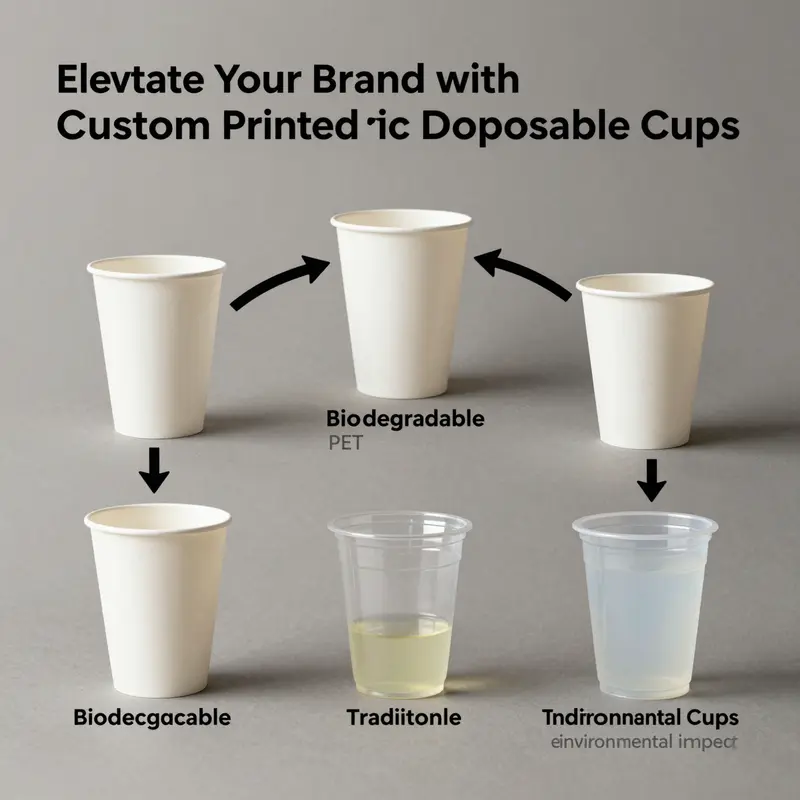
The journey of custom printed plastic disposable cups from a symbol of fast, convenient service to a focal point in sustainability debates mirrors the broader arc of modern packaging. These cups, engineered to carry branding in vibrant color while delivering reliable performance at scale, have become a standard feature at events, promotions, and coffee counters alike. Yet as brands seek to translate visibility into responsible practice, the environmental footprint of these single-use vessels comes under closer scrutiny. This tension—between the undeniable utility of customization and the pressing need to reduce waste—frames a narrative in which material choices, end-of-life pathways, and consumer behavior all intertwine. Understanding this interconnected web is essential for any organization aiming to balance brand impact with environmental stewardship, and it helps explain why the design and disposal of these cups increasingly matter as much as the cup’s color or logo.
A core factor in sustainability is material selection. The most common options—polypropylene (PP) and high-density polyethylene (HDPE) variants—offer a spectrum of performance benefits. PP cups are celebrated for heat resistance and durability, making them well-suited to hot beverages. They are lightweight for transport and resistant to cracking, features that support both service efficiency and user experience. PET cups, known for their clarity and shatter resistance, excel with cold drinks where the beverage’s hue can be showcased through the cup itself. The ability to present a drink’s color and appeal without visual distortion contributes to perceived quality and can influence consumer perception of freshness and value. Polystyrene (PS) and expanded polystyrene (EPS) foams, while offering strong insulation and tactile comfort during handling, come with mounting environmental concerns. The foam structure and its recycling challenges often complicate diversion from landfills, especially in regions where municipal streams are not equipped to manage such materials.
The reality of disposal further complicates sustainability calculations. In practice, many cups arrive at end-of-life with moisture barriers, internal linings, or multi-layer constructions intended to improve performance or shelf life. A lining of polyethylene, for instance, can impede straightforward recycling, even when the cup body itself is formed from a recyclable polymer. This multi-layer architecture—plastic cup plus moisture barrier—presents a classic recycling dilemma. In some cases, what is advertised as “recyclable” in consumer packaging databases or product pages may not translate into true recyclability within a local collection system. The disconnect between labeling and local capabilities can result in cups winding up in landfills or incineration, undermining the intended environmental benefits of recycling programs.
A growing segment of the industry seeks to address this gap through material innovations. Bioplastics, especially polylactic acid (PLA) and similar bio-based resins, offer a compostable option when disposed of in the right infrastructure. PLA-lined cups can break down under industrial composting conditions, reducing residual plastics in the environment over the long term. But the promise of compostability hinges on the availability of industrial facilities capable of processing these streams, and on consumer participation in the correct disposal pathways. Home composting, with its variable temperatures and microbe populations, rarely provides the conditions needed for these materials to degrade as intended. The availability and accessibility of such composting facilities constitute a significant barrier to widespread adoption, particularly in regions where curbside composting is not yet established or where composting plants are sparse. The practical, real-world impact of PLA and other bio-based cups thus depends as much on the waste management landscape as on the material properties themselves.
In the absence of robust composting or recycling infrastructure, a concerted emphasis on design for recycling becomes crucial. Minimalist packaging, reduced ink coverage, and clearer, more actionable disposal labels can help guide consumers toward appropriate streams. If a cup is designed to minimize the number of components and surface decoration, it reduces the energy and resources required for recycling and processing. Certifications and standard labeling—such as those indicating suitability for recycling or composting—can also reduce consumer confusion. When a product communicates clearly that it should be placed in a specific stream, the likelihood of proper sorting increases. Yet labeling is only part of the solution; the system must be ready to receive those streams. Without reliable collection, sorting, and processing, even the most thoughtfully designed cups can fail to deliver environmental benefits.
The broader sustainability narrative also encompasses governance and policy signals that shape manufacturing choices. Some manufacturers have begun to align with certifications that convey credible environmental performance. For example, certifications can indicate compliance with composting or recycling standards, helping brands communicate trustworthy stewardship to their customers. In practice, however, achieving and maintaining certification requires ongoing testing, auditing, and supply chain transparency. It also implies a degree of standardization that may constrain some branding ambitions in the short term. Still, as consumer demand for sustainable products grows, the willingness to adopt certifications rises, and with it the potential for a more predictable end-of-life outcome for printed cups.
Beyond the material sciences and policy frameworks, consumer behavior plays a decisive role in real-world sustainability. Even cups designed for recyclability can underperform if disposal guidance is unclear or if recycling facilities are not accessible locally. This is where education—paired with clear labeling and convenient disposal options—becomes as essential as the cup’s physical construction. Brands that invest in educating customers about where to dispose of cups, what happens to those cups after use, and why certain streams are preferred will often encounter higher diversion rates. In addition, when brands demonstrate a careful alignment between product design and waste systems—such as selecting materials with demonstrated compatibility with existing municipal streams or investing in compostable options where industrial facilities exist—consumers perceive a stronger commitment to sustainability. The result can be a virtuous cycle: improved disposal behavior reinforces the value of greener materials and better end-of-life infrastructure, which in turn motivates further material innovation and better labeling.
A practical approach to advancing sustainability in custom printed cups is to embrace a lifecycle perspective that begins with design and ends with disposal. Designers can select materials that balance performance with recyclability, reduce the complexity of cup structures, and minimize the need for non-recyclable linings. Carriers of branding can also consider how the cup’s aesthetic communicates environmental values. A cup that looks premium yet emphasizes recyclability or compostability can reinforce a brand’s sustainability narrative without sacrificing visual impact. The interplay between aesthetics and responsibility is delicate, but when done thoughtfully, it strengthens brand integrity and consumer trust.
To illustrate how this balance works in practice, consider the role of single-use cups in contexts such as coffee shops, events, and promotional campaigns. In hot beverage service, PP cups offer heat resistance and durability, ensuring a comfortable user experience and reducing concerns about leakage or deformation during handling. In cold beverage service, PET cups provide transparency and visual appeal, enabling customers to appreciate the beverage’s color and clarity. Yet the same cup types carry responsibilities: colorfast inks, food-contact safety, and compatibility with lids, straws, and sleeve designs that influence overall waste generation. Each design decision—from the label’s color density to the choice of lid and cap to the possibility of sleeves—affects not only branding outcomes but also end-of-life performance. In environments where attention to waste streams is high, brands may opt for cups that are fully recyclable in standard municipal systems and clearly labeled as such, while also investing in consumer education and convenient collection points within the event footprint.
The evolving sustainability landscape pushes manufacturers to explore alternatives that reconcile high performance with lower environmental burden. Examining the lifecycle of a typical custom printed cup reveals both the potential and the limitations of current options. Plastic cups that rely on PP or PET can be recycled, but the fate of the cup is often determined by the efficiency of local recycling programs and the presence of compatible processing streams. In some cases, cups marketed as recyclable are sent to facilities that are not in a position to process them, undermining the intended environmental benefits. Conversely, bioplastics such as PLA provide compostability but require industrial facilities to function optimally. They may not perform equally well in all regional contexts, particularly where composting services are underdeveloped or absent.
This is not a call to abandon customization or to reject plastic altogether. Rather, it is an invitation to align design, material science, and waste management in ways that maximize the likelihood that a cup will be diverted from landfills and repurposed or degraded as intended. It is also a reminder that sustainability is not a one-time decision but an ongoing process. It involves continually assessing the performance of materials, staying abreast of advances in bioplastics and recycling technologies, and engaging with waste management stakeholders to ensure that the intended end-of-life pathways exist and function effectively. In that sense, the chapter’s core message is less about choosing a single “green” option and more about orchestrating a responsible, transparent system that links branding choices to real-world waste streams.
To support this alignment, brands can incorporate several best practices. First, select materials with clearly documented end-of-life performance in local contexts. If a municipality can process PLA composting, leverage that pathway aggressively; if not, favor materials with proven recyclability within the local curbside or drop-off programs. Second, minimize complexity. A simpler structure with a single polymer and straightforward barrier can be easier to sort and recycle. Third, pursue certifications and labeling that convey credible disposal guidance. Clear, easy-to-understand disposal icons or short statements can guide consumers more effectively than vague labels. Fourth, design campaigns around disposal awareness. Use in-store signage, event staff, and consumer outreach to explain how to dispose of cups correctly, reinforcing the link between purchase, branding, and environmental outcomes. Finally, consider the broader packaging ecosystem. Where feasible, bundle interactive promotions with take-back programs or partnerships that ensure used cups are diverted from landfills and directed toward recycling or composting streams.
For readers seeking a tangible touchpoint that exemplifies the intersection of product design and end-of-life considerations, the discussion can extend to the physical cup itself. A disposable cup, while often dismissed as simple, can embody a system’s maturity when it integrates materials, printing, and end-of-life pathways into a cohesive solution. When you encounter a cup that displays a clear disposal instruction, a credible certification, and a design that minimizes ink usage, you are observing a small but meaningful step toward a more circular economy. This is where the conversation about sustainability moves from theory to everyday practice, and where brand strategies can ultimately translate into measurable environmental outcomes without compromising the usability and impact of customization.
As the industry journeys toward greener options, it is essential to recognize both the progress and the gaps. Material science keeps pushing the envelope, offering options with better heat performance, improved barrier properties, and potential for compostability. Yet the environmental benefits of these innovations depend on the infrastructural systems that can receive and correctly process the resulting streams. In many regions, the gap between product design and waste management capacity remains the limiting factor. Bridging that gap will require coordinated action among manufacturers, policymakers, waste managers, and consumers. It will involve investment in sorting technologies, expansion of composting facilities, and the harmonization of labeling standards so that disposal instructions are both visible and actionable.
For now, the most practical path forward is a combination of thoughtful design, responsible material choice, and clear consumer guidance. The ideal scenario is one where a custom printed cup not only carries a brand’s identity with vivid color and durable print but also communicates its own end-of-life story with credibility and clarity. When a cup can be recycled in a standard municipal program, or composted in an industrial facility, and when that pathway is supported by genuine consumer participation, the environmental impact of these cups can be meaningfully reduced. Until infrastructure catches up with design innovation, brands will need to navigate trade-offs with transparency and a commitment to continuous improvement. In this ongoing journey, every decision—material choice, print coverage, disposal labeling, and consumer education—contributes to a broader transition toward more sustainable packaging without sacrificing the power of brand storytelling that custom printed cups uniquely enable. For readers exploring practical options that align with this path, consider reviewing a catalog of disposable clear plastic cups designed for outdoor and event use, which can serve as a reference point for how durability, visibility, and disposability intersect in real-world settings: disposable clear plastic cup for outdoor events. This kind of reference helps bridge the gap between aesthetics and end-of-life responsibility, reminding brands that sustainability is not an add-on but a core dimension of modern packaging design.
Ultimately, the environmental impact of custom printed plastic cups is not a fixed outcome but a dynamic performance metric. It depends on the materials chosen, the printing process, the product’s intended use, the end-of-life infrastructure available, and the behaviors of the people who handle them. By embracing a lifecycle mindset, brands can pursue attractive, high-impact cups that also respect the planet. The goal is not to eliminate disposables but to optimize them—so that the tiny, colorful vessel that carries a message also carries a message about responsibility. With thoughtful material choices, clear disposal pathways, and a willingness to engage with waste systems, custom printed cups can remain a valuable branding tool while contributing meaningfully to a more sustainable packaging landscape.
External reference for further context and research: https://www.alibaba.com/product-detail/500ml-700ml-90mm-caliber-disposable-coffee_1600432893347.html?spm=a2700.1.wissu.1&src=1&search=1
Branding in Every Sip: Turning Custom Printed Cups into Continuous Marketing Momentum
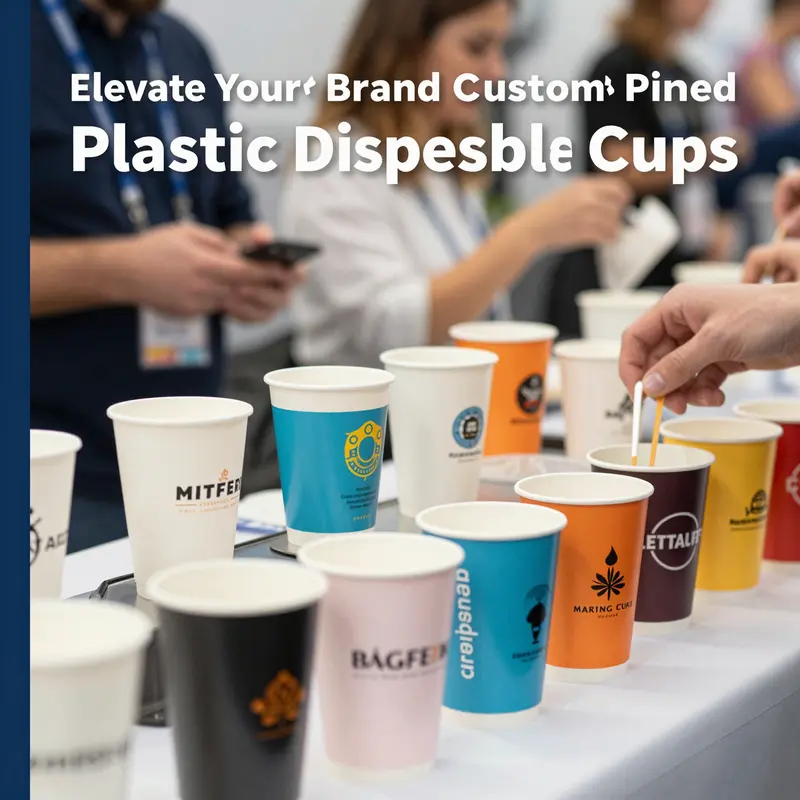
A beverage is never just a beverage when it travels through a cup that carries a brand’s mark. Custom printed plastic disposable cups shape moments of interaction, yet they also accumulate as a silent, repetitive campaign in the hands of customers. In markets crowded with choices, these cups do more than hold drinks; they stage micro-moments of recognition, curiosity, and loyalty. The research that underpins this chapter confirms a striking insight: when branding is applied with intention to everyday touchpoints, unaided brand recall rises by about 45 percent. That statistic isn’t a boast about fancy packaging alone; it’s a reminder that the simplest items—when designed with discipline and aligned with consumer values—can become reliable engines for memory and engagement. If a customer reaches for a cold drink at a festival, a coffee shop, or a roadside event, the cup in their hand becomes a portable billboard that also invites a deeper brand experience long after the last sip has been swallowed. The opportunity is not just to decorate a cup, but to orchestrate a coherent narrative—one that ties visual identity, messaging, and customer journey into a single, repeatable interaction.
At the heart of that orchestration is thoughtful material selection and design discipline. The most common plastics used for custom printed cups—polypropylene for hot beverages, PET for cold drinks, and polystyrene or expanded polystyrene for insulation—each bring practical attributes that shape a brand’s story. PP’s heat resistance and sturdy feel lend themselves to premium coffee moments, while PET’s clarity can showcase the color of a smoothie or tea, turning the drink into a vivid, almost cinematic display. These material choices influence not only performance and ergonomics, but also how a brand is perceived. A clear PET cup with carefully engineered color accents communicates transparency and modernity; a robust PP cup can convey reliability and warmth. In conversations with designers and operations teams, the consensus is that the right material choice supports not just safety and functionality, but the emotional tone a brand wants to convey in a brief, everyday encounter.
Alongside material considerations, the printing method and level of customization are decisive for impact. Advances in full-color, high-resolution printing enable cups to carry bold logos, intricate gradients, and multi-hued branding elements that were once confined to larger packaging formats. The possibility of dual-side logo placement, paired with complementary messaging on the opposite side, ensures visibility regardless of how the cup is held. This strategy is more than aesthetic; it’s a practical tactic to sustain brand presence during moments of consumption and disposal. The research highlights how such design decisions can expand exposure windows, nudging customers toward digital interactions—whether scanning a QR code for a special offer or following social handles for ongoing conversations. It’s the kind of layered experience that turns a routine purchase into an ongoing brand dialogue, extending the value of the cup beyond the moment of service.
From a cost perspective, custom printed disposable cups remain one of the most scalable branding channels. Bulk production supports low unit costs, with typical ranges that make large-scale promotions financially feasible. This affordability is crucial for events, festivals, and promotions where the same message needs to travel with thousands of people, many of whom may encounter the cup only briefly. When a brand can deliver consistent, legible, visually appealing prints at scale, it creates a reliable cadence of exposure. The practical upside is complemented by the strategic one: cups can be engineered to reinforce a brand promise over time, not just on a single occasion. Consider how a cup’s color palette, typography, and iconography can reflect a brand’s core values—playful and inclusive for a family-friendly event, or clean and premium for a boutique hospitality concept. The objective is a durable, repeatable imprint that feels coherent across all touchpoints, from the first sip to the moment of disposal.
Design discipline also carries a responsibility to sustainability. The modern consumer landscape increasingly values eco-conscious choices, and responsible branding does not excuse environmental impact. Manufacturers are responding by offering biodegradable PET alternatives and certifications that signal a commitment to circularity. Yet recyclability remains a challenge for some plastic types, especially EPS and PS. To balance performance with sustainability, brands are pursuing minimalist packaging designs that reduce ink usage and opting for recyclable or compostable material certifications such as recognized industry standards. The effect is twofold: it aligns with consumer expectations around environmental stewardship and it clarifies disposal pathways for end-users, helping to reduce missteps in recycling streams. In practice, this means fewer inks and simpler color schemes can be just as effective as more elaborate prints, while still delivering a strong brand impression. The goal becomes clear: powerful branding that respects the life cycle of the product and the communities it serves.
The chapter’s core strategies revolve around how brands can integrate dual-side branding, premium finishes, and sustainable materials into a single, coherent cup experience. Dual-side branding, as already described, ensures visibility no matter how the cup is oriented in a hand or a tray. A primary logo on one side can be paired with a secondary message—whether a slogan, social media handle, or QR code—on the opposite side. The design logic is pragmatic: consumers are more likely to notice and engage when the cup becomes a tiny, portable advertisement that also invites a digital action. A QR code on the back, for example, can unlock loyalty rewards or exclusive content, while a social handle on the front invites ongoing connections. The effect isn’t merely about increasing followers; it’s about guiding customers toward meaningful interactions that extend the brand relationship beyond a single transaction.
A premium finish, such as foil accents on transparent cups, adds a tactile and visual cue of quality. Gold, silver, or rose-gold foil on clear cups can elevate a brand’s perception, creating an upscale feel without sacrificing practicality. This approach is particularly effective for venues aiming to project a refined image, such as boutique cafes or curated event catering. The foil treatment communicates attention to detail and aspirational value, helping a brand stand out in a crowded field. Hairline foil touches must be designed with restraint, however, to avoid signaling overstatement. The contrast between the sleek metal-like sheen and the simplicity of the cup’s shape often offers the neat, modern aesthetic that many contemporary brands seek. The result is a sophisticated experience that remains anchored in everyday utility.
For brands targeting eco-conscious audiences, biodegradable or compostable cup options offer a compelling branding narrative. The ability to communicate environmental responsibility while retaining strong visual presence opens a pathway to purpose-driven marketing. A 20-ounce clear biodegradable cup, printed with a brand’s color story, demonstrates how sustainability and branding can be fused into a single asset. It is essential, in this case, to pair the print with transparent messaging about disposal. Clear labeling helps consumers understand how to dispose of or recycle the cup in the appropriate system, supporting both the brand’s environmental commitments and local waste-management practices. Certifications such as OK Compost or other recognized marks offer additional reassurance to customers who value credible sustainability claims. This alignment between product performance and ethical positioning enhances brand credibility and fosters trust over time.
The integration of sustainability and branding cannot be seen as a cosmetic add-on. It must be embedded in the brand’s storytelling and operational choices. Consumers today expect brands to be consistent across channels and touchpoints. When a cup reinforces a brand’s story through color, typography, and messaging while also signaling responsible environmental stewardship, the overall experience feels coherent and purposeful. The result is not only stronger recall but a heightened sense of brand affinity. The research data reinforce this viewpoint by illustrating how a well-conceived cup design can contribute to a measurable lift in unaided recall, which in turn can drive repeat business, referrals, and social sharing. In this sense, the cup becomes a small but potent stage on which a brand can perform its value proposition—a stage that travels widely with every customer and every event.
To bring these ideas to life within a real-world context, consider the role of packaging design as part of a broader experiential strategy. A brand that treats cups as a core element of its experiential loop—merging on-site aesthetics with digital engagement—can leverage these touchpoints to reinforce loyalty. An event or venue might pair custom cups with a limited-time offer, a scavenger-hunt QR code, or an anniversary message that invites guests to participate in a broader brand narrative. In this way, the cup becomes not just a container, but a conduit for ongoing dialogue with customers. The best programs are those that treat every sip as a step in a longer customer journey rather than a standalone moment. That perspective shifts the job of the cup from being a simple vessel to a deliberate, strategic asset within a brand’s lifecycle.
From a supply-chain perspective, the practical logistics of producing custom printed cups should not be overlooked. Bulk production supports favorable unit costs, which opens up opportunities for large-scale promotions with consistent quality. A well-planned design process respects printing limitations and production timelines, ensuring that the final product is faithful to the brand’s intent. The most successful campaigns align color palettes with brand guidelines, select legible typography, and maintain a balance between bold visual statements and the cup’s inherent readability. A unified approach to color, texture, and messaging reduces the risk of misinterpretation and helps ensure that the cup communicates clearly even in a quick-service context where consumers have only a moment to glance before their attention moves along.
As a practical takeaway for practitioners, think about the cup as part of an integrated marketing toolkit. The same design system that governs a storefront display, a packaging sleeve, or a menu layout can extend to the cup, reinforcing the same values in a different medium. The potential to link physical branding with digital experiences offers a robust framework for measuring impact. For example, print quality, color fidelity, and the legibility of the logo at typical viewing distances become quality signals of the brand. The cup’s ability to attract attention without being visually intrusive is a delicate balance that can be refined through iterative testing, feedback loops, and close collaboration between brand, packaging, and operations teams.
Finally, the role of ethical considerations should be acknowledged as part of responsible branding. The choice to offer biodegradable or recyclable cups, and to clearly label disposal directions, reflects a brand’s integrity and concern for the community. This alignment with environmental values can resonate with modern consumers who look for brands that practice what they preach in both communication and practice. When carefully executed, sustainability messaging does not appear as a marketing gimmick; it becomes part of the brand’s character and a reason for customers to align themselves with it. In this way, the cup contributes to a broader narrative that honors both performance and purpose, turning everyday consumption into an expression of shared values.
To connect these ideas to actionable steps, teams can start by mapping their brand’s core identity to a two-sided cup design. Establish the primary logo and a secondary message that can be read during typical use. Consider where foil accents might elevate the perceived value without overwhelming the design. Decide whether to communicate sustainability through clear disposability messaging or through a more subtle, icon-based indication. Then test across use scenarios—hot beverages, cold drinks, and on-the-go service—and observe how the design supports quick recognition, ease of use, and engagement opportunities. The goal is a cohesive, repeatable process that makes custom printed cups a reliable, scalable driver of brand recall and consumer interaction, not a one-off novelty.
One practical example in the broader ecosystem of branding demonstrates how such approaches can work at scale. A textured, multi-color cup that highlights a logo on one side and a QR code on the other can generate a measurable lift when offered at events, cafes, and mobile pop-ups. The QR code can deliver exclusive offers or link customers to loyalty programs, while the design itself remains legible from a distance in a bustling environment. A well-executed program can capitalize on the familiarity of the cup to deepen brand recognition and drive meaningful digital engagement, turning a single-handled moment into multiple touchpoints along the customer journey. For teams aiming to replicate or customize such a program, the concept is simple: consistency in print quality, clarity of messaging, and alignment with sustainability goals create a durable value proposition that compounds with each cup handed to a customer. If you’re exploring options for themed parties or large-scale events, a thoughtful internal collaboration with packaging design, marketing, and operations can yield a consistent, compelling experience that travels with the customer well beyond the event itself.
For designers and brand stewards seeking a concrete path to execution, a few practical steps can anchor the process. Begin with a concise design brief that captures brand values, color systems, and typography. Specify print requirements, including color profiles, resolution, and any foil or specialty finishes. Define disposal messaging and certifications to communicate sustainability commitments clearly. Outline the dual-side concept, ensuring the primary logo reads well from typical viewing angles and that the secondary message complements rather than competes with the main identity. Finally, create a simple testing protocol to gauge visibility, legibility, and engagement at scale. The results may guide refinements before a full production run, helping ensure that each cup not only serves a drink but also sustains a brand narrative across thousands of interactions.
In sum, custom printed disposable cups can be more than a practical necessity; they can be a foundational element of a brand’s storytelling architecture. When designed with dual-side branding, premium finishes, and a commitment to sustainability, these cups transform ordinary sipping moments into purposeful brand experiences. They become portable, repeatable ambassadors that travel with customers, carry brand memories, and invite ongoing dialogue across channels and occasions. The chapter’s insights show a compelling path: treat every cup as a brand asset, invest in design discipline, and align with consumer expectations for responsible packaging. In doing so, the act of serving a beverage becomes a meaningful extension of a brand’s promise, a constant reminder of who you are, and a reason for customers to return.
Internal link for further context on packaging integration and event-ready disposable tableware can be explored through this resource: custom takeaway packaging and disposable tableware for theme party.
External reference for broader context on materials and sustainability considerations: https://www.alibaba.com/product-detail/20oz-Custom-Printed-Clear-Biodegradable-Disposable_1600783116932.html
Final thoughts
By embracing custom printed plastic disposable cups, businesses in the beverage industry can not only enhance their branding but also achieve cost efficiencies and meet environmental challenges head-on. Understanding the materials, along with strategic marketing, empowers brands to make choices that appeal to eco-conscious consumers while maintaining practicality. As a versatile and impactful branding tool, custom printed cups can elevate customer experiences, making them a smart choice for bubble tea shops, restaurants, food trucks, catering services, and event planners alike. Remember, the right choice in disposable tableware can transform your service and reception.