
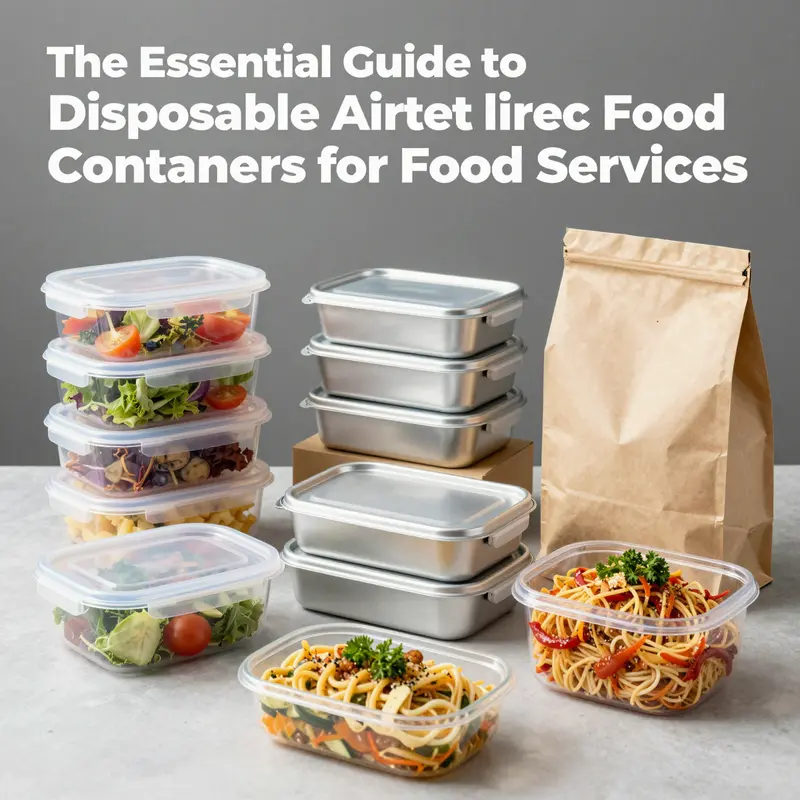
Navigating the world of disposable airtight food containers can feel overwhelming, especially for businesses in the food service industry. Whether you run a bubble tea shop, a bustling restaurant, a food truck, or are part of an event planning team, selecting the right containers is crucial for maintaining food quality and convenience. In this guide, we will explore three primary options: plastic airtight containers known for their versatility and cost-effectiveness, aluminum foil containers recognized for their thermal performance and security, and bagasse containers that champion sustainability. Each chapter will delve into the unique features of these containers, equipping you with the knowledge you need to enhance your food service operations.
Maximizing Freshness and Minimizing Waste: The Versatile Economics of Plastic Airtight Food Containers
Maximizing Freshness and Minimizing Waste: The Versatile Economics of Plastic Airtight Food Containers
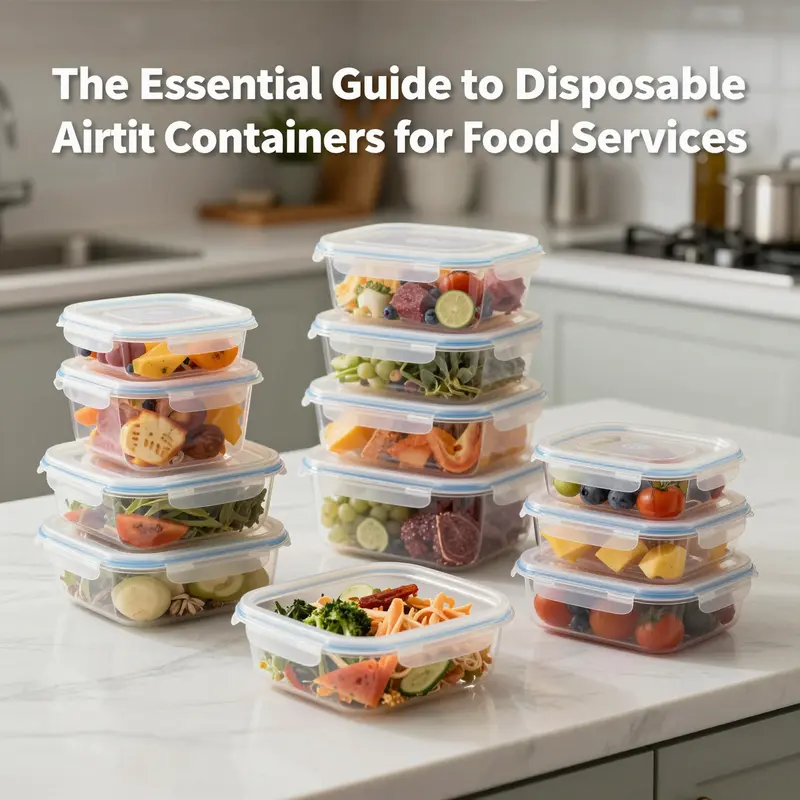
Plastic airtight food containers stand at the intersection of everyday practicality and strategic food management. They are not merely convenient receptacles; they are calibrated tools designed to lock in freshness, support efficient meal preparation, and streamline the logistics of storage, transport, and service. In kitchens ranging from a homey apartment to a bustling catering operation, their value rests on a combination of material science, thoughtful design, and the economics of scale. When examined through the lens of shelf life extension, versatility, and cost-effectiveness, plastic airtight containers reveal a nuanced balance between performance and practicality that helps minimize waste while keeping meal quality high.
First, the shelf life argument anchors much of the enthusiasm for these containers. Air and moisture are the primary enemies of freshness, driving staling, moisture migration, and microbial growth in unfriendly environments. High-quality, truly airtight containers create a barrier that slows these processes, and research in food-safety and storage sciences repeatedly shows how the right kind of seal can meaningfully extend usable life. In practical terms, a well-sealed, non-reactive plastic container can extend shelf life by up to half again as long as food is kept within safe temperature ranges and the container itself remains intact. The result is not only reduced waste but also more predictable inventory characteristics for homes and businesses that rely on precise planning. The science behind this is not about magic; it is about preventing air ingress, moisture exchange, and oxidative reactions where possible. The gain in freshness is particularly evident for prepared meals, sauces, and components that are frequently reheated or combined during service.
That foundational value is complemented by the sheer versatility that plastic airtight containers offer. The spectrum of designs and sizes is broad enough to cover many operational needs without forcing compromises. In commercial settings, modular systems with interlocking lids and stackable bodies optimize storage density in refrigerated or dry-stores. These are not merely space-saving features; they translate into real cost savings, especially in facilities that handle dozens or hundreds of individual portions daily. The combination of secure seals and reliable ergonomics reduces spill incidents during transport and handling, a factor that directly touches food safety, customer satisfaction, and labor efficiency.
Consider the typical range of plastic options and what they enable. For meals and sauces where microwaving is part of the workflow, heat-resistant plastics crafted from polypropylene (PP) or high-density polyethylene (HDPE) are common. PP, in particular, offers robust heat resistance, tolerating temperatures up to around 120°C without losing structural integrity. That capability makes it a practical choice for meal prep containers intended for reheating in consumer kitchens or service settings where quick, convenient heating is valued. At the same time, many standard plastics are not microwave-safe forever; they wear under repeated heating cycles, and prolonged exposure to high heat can degrade their performance or raise concerns about leaching. This is why the distinction between truly microwave-safe variants and containers that are only safe for cold or cool-service uses matters for both safety and longevity.
The PET family, often used in 200ml round containers, adds another layer of versatility. PET can offer excellent clarity for product visibility, tamper-evident closures for safety, and reliable leak resistance when paired with well-engineered lids. In automated packaging lines, PET’s rigidity and surface stability help maintain consistent sealing and shape integrity through filling, capping, and downstream handling. For smaller portions designed to be grab-and-go, PET’s light weight and clarity make it a practical choice that supports efficient display and inventory control while still delivering airtight performance when paired with appropriate lids.
Expanding beyond single-compartment designs, multi-compartment configurations demonstrate another facet of versatility that is often decisive for menu planning and consumer convenience. A 2-, 3-, or 5-compartment layout enables a single container to hold diverse components—proteins, vegetables, grains, even sauces—without cross-contact or leakage. This capacity is particularly valuable for meal-prep routines and takeout services that aim to preserve the sensory integrity of distinct elements. The compartments must be engineered not only for leak resistance but also for even heat distribution and ease of handling in automated systems. In practice, these features reduce the need for extra packaging, which lowers material use and simplifies disposal or recycling processes for end users.
A critical element of the economic equation is the balance between upfront cost and long-term value. Plastic containers often present a compelling unit price, especially in bulk, with bulk-discount opportunities that appeal to high-volume operations. It is not unusual to find lower per-unit pricing when orders scale, which makes these containers particularly attractive for takeout services and catering where volume is predictable. Yet the real value lies not only in the initial purchase price but in durability and performance over repeated use, washing, and re-filling cycles. A container that cracks, warps, or loses its seal after a few cycles undermines the stated cost advantage and creates downstream waste—the opposite of the intended efficiency. Selecting materials that resist cracking, maintain seal integrity, and withstand repeated heat or cold exposure is essential to capturing long-term cost savings. In other words, the cheapest option at first glance is not always the cheapest option over the life of the product.
In evaluating cost-effectiveness, it helps to consider both the baseline material properties and the lifecycle footprint. PP’s heat tolerance, HDPE’s toughness, and PET’s rigidity each map to different use cases. For hot meals prepared in advance, containers designed to tolerate reheating without distortion are essential. For cold storage and salads, sturdiness and reliable seals guard against limp textures and moisture migration. The ability to recycle plastics once they reach the end of their usable life also factors into the economics, particularly for operations with sustainability goals. Many plastics are recyclable and can be converted into post-consumer recycled content, enabling a circular flow that reduces raw material demand. The interplay of recyclability, durability, and reusability shapes a sustainable cost model that many operators increasingly value, even as the option to shift toward more eco-friendly alternatives, like bagasse or other biodegradable choices, remains on the horizon for some contexts.
The procurement landscape adds another layer of nuance. For buyers managing large fleets of containers, pricing is only part of the picture. Lead times, supplier reliability, and customization options—such as logo branding, lid design, and compartment configurations—become critical. In a market where speed to market matters, the ability to source practical, standardized designs rapidly can outperform marginal gains from higher-priced, bespoke solutions. Some platforms emphasize bulk discounts, while others highlight compatibility with existing workflows or machinery. This sells not just containers but a smoother operational rhythm, reducing changeovers and training needs for staff. The practical implications are clear: the best value is achieved not merely by chasing the lowest unit price but by balancing upfront cost, durability across cycles, compatibility with reheating or freezing protocols, and alignment with sustainability goals.
The environmental conversation loops back to the core trade-offs that define consumer choice. Plastic containers offer convenience, visibility, and robust performance, but they also carry concerns about plastic waste and potential chemical exposure when misused. For households and businesses that prioritize a lower environmental footprint, biodegradable or compostable options—such as bagasse-based containers—represent a meaningful shift. Bagasse is derived from sugarcane pulp, a renewable byproduct, and these containers are typically 100% biodegradable and microwave- and freezer-safe. They tend to be more fragile than their plastic counterparts, and they often cost a bit more per unit, which can affect feasibility in high-volume, low-cost contexts. On balance, plastic remains the default for many operations because of its durability, cost structure, and scalable supply, especially when combined with responsible disposal and recycling practices. Yet the growing demand for sustainable alternatives means many buyers will weigh bagasse and similar materials as part of an overall packaging strategy that seeks to minimize life-cycle impact while preserving the benefits of airtight containment.
All of these considerations converge in the daily decisions that shape how people store, transport, and enjoy food. For consumers, a core question is how to choose a container that matches the intended use, whether that is a home meal-prep routine, a hospital or school catering program, or a takeout operation that must withstand transit. The answer is seldom a single property—it’s a balance among seal integrity, heat tolerance, leak resistance, and the capacity to handle the dishwasher or microwave regime anticipated by users. A truly airtight seal is a function of the lid geometry, gasket material, and the mating surfaces of the container body. Even with high-grade plastics, improper closure or rough handling can compromise the seal, inviting air and moisture to creep in over time. In practice, the best performers are designed with user behavior in mind: snug closures that require a deliberate press-to-seal action, reinforced rims to resist deformation during handling, and clear indicators that confirm a container is securely sealed before transport.
From a consumer education standpoint, understanding these subtle distinctions helps prevent overreliance on vague claims of “airtight” without context. A container labeled airtight may still allow slow gas permeability if the seal is compromised or if the container is subjected to repeated aggressive washing cycles that degrade the gasket or the lid’s edge. This is not a condemnation of plastic altogether but a reminder that performance is a product of materials, engineering, and user practices alike. The interplay of these factors shapes real-world outcomes: longer freshness, fewer spoilage events, more efficient meal prep, and a more predictable supply chain.
For those who want to connect the theory to hands-on design and procurement decisions, a practical approach is to emphasize modularity and compatibility. A modular system—with standard base sizes and compatible lids—lets kitchens scale without being forced into a new set of containers when a menu expands or a service line grows. Interlocking features can dramatically improve space efficiency in cold-storage racks and on prep benches, helping teams maximize every inch of available space. In this context, the choice of materials becomes a strategic move, aligning with the anticipated usage pattern: mass-market takeout and quick-service operations often lean toward PP-based systems for their cost and heat tolerance, while high-end catering might justify the expense of more robust systems designed for heavy rotation and repeated re-use.
One way to translate these ideas into tangible purchasing decisions is to anchor selection to a few guiding questions: How hot will the meals be when stored or transported? How many components need to be separated for storage or reheating? What is the expected service life, and how will the containers be cleaned? Are there environmental or regulatory considerations that push toward recyclable materials or compostable alternatives? Answers to these questions help ensure that the chosen containers deliver on their promised airtight performance without inviting hidden costs from damaged seals, leaching risks, or premature disposal. In an environment where efficiency and safety are non-negotiable, investing in dependable, well-engineered plastics that align with the intended usage remains a sound strategy for many operators.
For readers seeking real-world guidance that ties these ideas to concrete product families and procurement practices, there is an accessible resource that frames the technicalities of container standards, properties, and industrial applications. The guide outlines keys to understanding how 22oz plastic food containers are designed for performance in both storage and service contexts. This material complements the practical narrative here by providing a standards-oriented lens through which to view the trade-offs between different plastics, lid designs, and compartment configurations. It can help buyers translate marketing claims into measurable, performance-based criteria and support more informed supplier conversations. External resource: 22oz plastic food container standards.
To bring the viewpoint from theory to the showroom floor, consider a concrete nearby example of how design choices shape outcomes in a real packaging ecosystem. A representative line of eco-friendly takeout boxes for food packaging demonstrates how sustainability can be woven into a practical airtight system without sacrificing function. These containers balance microwave safety, grease resistance, and leak mitigation while offering a visually appealing presentation that supports brand storytelling in takeaway services. They are a reminder that the quest for airtight performance does not stop at the seal; it extends to the full packaging experience, from ingredient visibility to handling comfort and recyclability at the end of life. For readers looking to explore a concrete case that resonates with the themes above, you can examine this product line as a reference point for how design choices translate into everyday effectiveness in food storage and service. eco-friendly takeout boxes for food packaging.
In summary, plastic airtight containers remain a foundational technology in modern food storage and service. Their versatility spans simple, single-portion meals to intricate, multi-compartment configurations that respect both portion control and flavor integrity. The cost-effectiveness of plastics, when evaluated as a lifecycle proposition rather than a snapshot price, often reveals a favorable balance of durability, performance, and supply chain efficiency. At the same time, the environmental considerations surrounding plastic waste and the growing demand for sustainable packaging push buyers to weigh alternatives like bagasse for certain applications, ensuring that the packaging strategy as a whole aligns with broader goals around waste reduction and resource stewardship. The most effective practice is to match container design to the anticipated use, to prioritize true airtight performance over generic claims, and to pair material choice with responsible disposal practices that maximize reuse, recycling, or composting potential where feasible.
For researchers, practitioners, and executives alike, the ongoing challenge is to align product capabilities with operational realities. This means recognizing that a container’s airtight claim is only as strong as its seal, which depends on lid geometry, gasket materials, and how carefully users close and store the container. It means acknowledging that heat tolerance matters not only for reheating but for storage stability in varied climates. It means balancing initial cost against long-term value, factoring in the cost of waste and the efficiency gains from streamlined preparation and transport. And it means staying vigilant about environmental outcomes, even as the convenience of plastic packaging continues to drive food-system improvements across homes and enterprises. The right choice, implemented consistently, can preserve freshness, reduce waste, and support a more efficient, resilient food ecosystem.
Guardians of Freshness: The Thermal Mastery and Security of Aluminum Foil Food Containers
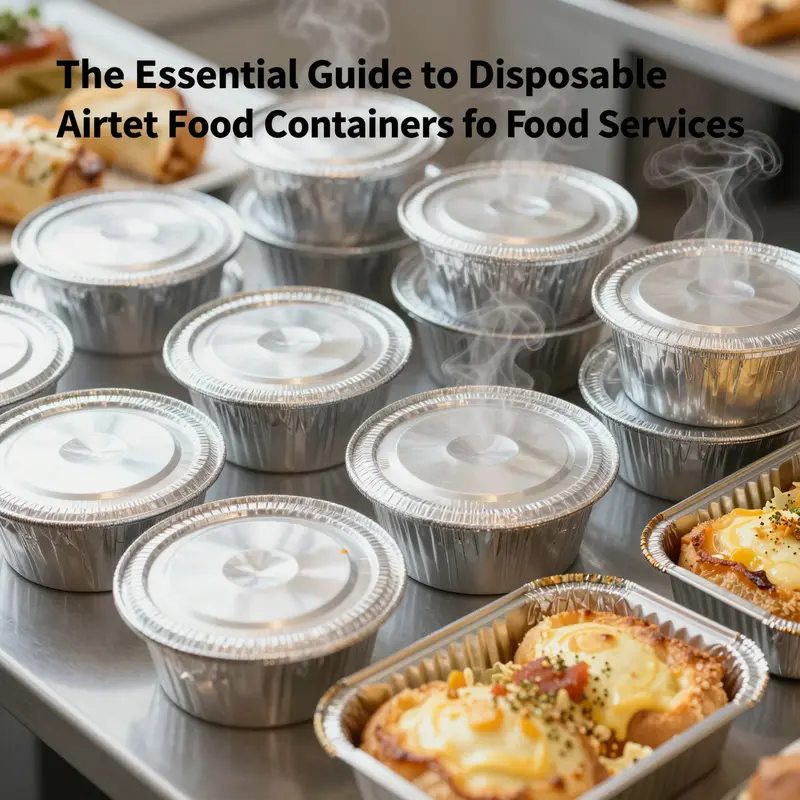
Aluminum foil containers have become a quiet backbone of modern food service and transport, prized for how they balance heat, moisture, and mess in a single, portable vessel. Their value rests not only in convenience but in a disciplined science of how metal, space, and design interact to preserve quality from kitchen to customer. The very surface of aluminum, reflective and smooth, acts as a highly effective barrier against heat transfer by radiation. In practical terms, that means hot meals lose less of their initial warmth during transit, and cold foods retain their chill longer when wrapped in a container that resists the creep of ambient temperatures. The payoff is measurable in sensory experience and food safety: plates that stay steaming when expected, desserts that stay firm rather than wilt, and sauces that arrive with the intended texture rather than a diluted or oily separation. In sectors such as airline catering and meal-delivery ecosystems, this thermal behavior translates into predictable performance, enabling operators to design service models around reliable temperature maintenance rather than last-minute improvisations. The story of aluminum foil containers is thus as much about physics as it is about logistics, with material choice shaping the journey from oven to mouth.
Among the several configurations that populate this category, two examples stand out for their distinct strengths and intended roles. Type A containers embody a composite approach that stacks a thin yet strong aluminum envelope around a core of insulating material, typically a foam or polymer layer, often with a lining that adds rigidity. The specification cited in technical literature describes a structure with modest but meaningful thickness—an outer aluminum shell enclosing a layer of insulating material, designed to slow heat exchange and reinforce the container’s shape. This design yields superior thermal retention and a more rigid profile, which is especially valuable when premium meals are delivered where the presentation, stability, and perceived quality matter. The result is a container that can be lighter on the hand yet heavier on the sustaining of temperature, a balance that translates into a dining experience that feels deliberate and cared-for, even before the first bite.
Type C containers, by contrast, embrace a bolder, all-foil approach. They are built from thicker aluminum—the equivalent of a sturdier shell—with reinforced corners and seams that stand up to the rigors of mass handling and long-haul transport. The emphasis here is durability in the broadest sense: robust containment that resists denting, tearing, or creasing even when stacked high in a loading bay or subjected to the bumps of a courier route. The all-foil construction conducts heat rapidly, so the design takes advantage of this to deliver even distribution of warmth when the meal is kept inside a sealed, grease-resistant environment. For large portions or hearty dishes that require secure containment across challenging journeys, Type C containers offer a level of reliability that is difficult to achieve with lighter, more flexible packaging.
But the utility of aluminum foil containers goes beyond their thermal properties. The security of the container—how well it protects its contents from spills, contamination, and environmental exposure—derives from both the material’s innate characteristics and the engineering of its seals. The metal’s impermeability to moisture and air, when paired with carefully designed closures, creates a system in which leakage becomes a manageable risk rather than an inevitability. A sealed interior keeps the pack free from external intrusions and minimizes the risk of grease migration, which is essential for both hygiene and handling efficiency. In food service, the ability to transport hot or cold items without compromising the integrity of sauces, gravies, or moisture-rich components is a core value of this packaging class. The leak-resistance offered by the right combination of flat lockwell or crimped seams ensures that the container can endure jostling in transit without sacrificing the meal’s presentation or safety. In practical terms, this translates to fewer complaints about spills at handoff points, fewer returns due to compromised packaging, and a better overall customer experience where the contents arrive as intended, intact and ready to serve.
The security advantages extend into the realm of handling and storage as well. The lightweight yet sturdy profile of aluminum foil containers makes them easy to stack, transport, and store in kitchens and warehouses where space is at a premium. The uniform geometry of foil trays and their lids contributes to predictable packing densities, which improves loading efficiency and reduces the likelihood of crushed or deformed containers during movement. When combined with moisture and grease resistance, these features create a package that resists early breakdown, even in environments where humidity or oily residues would otherwise threaten a product’s presentation. The security story, then, is a blend of containment, resilience, and discipline: a metal envelope that both guards what lies inside and speaks to a responsible, controlled approach to packaging and distribution.
From an environmental standpoint, aluminum foil containers carry their own set of considerations. When properly cleaned and sorted, these containers are 100% recyclable, a factor that aligns with contemporary sustainability goals across foodservice sectors that seek to minimize long-term waste streams. The recycling equation, however, is only as strong as the downstream sorting and cleaning processes. Contaminants such as food residues, oils, and coatings can hinder recycling efficiency, so practical use often includes a brief, accessible disposal protocol: cool, empty, and rinse before recycling. This simple step helps ensure that aluminum containers re-enter the material loop rather than contribute to landfill mass. In the broader picture, aluminum’s recyclability supports a circular economy approach, where the energy and material investments of production can be recaptured in new containers with relatively lower environmental impact compared with virgin production. Still, the discussion of sustainability must acknowledge trade-offs: while aluminum foil containers excel in performance and cleanliness, they represent a single-use solution. As consumer expectations shift toward greener options, the packaging ecosystem increasingly presents a spectrum of configurations that blend performance with environmental responsibility, including hybrid approaches and reusable or compostable alternatives in contexts where waste reduction is a priority.
An important practical nuance regards microwave use. Aluminum is a metal, and microwaves interact with metals in ways that can complicate heating. Some foil containers are designed with microwave-safe intent or with guidance specific to their shape and thickness, but caution remains essential. The general rule in many kitchens is to avoid placing metallic containers directly in household microwave ovens unless the manufacturer’s instructions authorize it and specify how to do so safely. When used in ovens or with conventional reheating methods, these containers shine: they are built to withstand high temperatures and offer predictable performance without the risk of leaking or losing their shape. This makes them a versatile option for service models that require oven reheating at the point of consumption or swift, on-site warming, where the container itself can be part of the serving dish rather than a disposable wrapper or separate vessel.
In transit-heavy settings such as airline catering or long-haul delivery services, the container’s design often reflects the practical demands of the journey. The physical integrity of the vessel matters as much as the temperature it preserves. A secure seal is essential for preventing moisture from migrating to the outer surface, where condensation can create mess and potential microbial concerns if not managed. The seal’s durability ensures that cargo handling, stacking, and palletization do not compromise the food inside. The results are tangible: better control over the meal’s sensory attributes, reduced risk of cross-contamination, and a logistics chain that can be planned around a consistent level of quality. The choice between a Type A-style composite insulation approach and a Type C thick, all-foil strategy usually hinges on the nature of the dish, the expected duration of transport, and the required balance between weight, rigidity, and cost. In premium service contexts, Type A’s enhanced thermal retention and rigid profile can be a crucial differentiator. For larger portions or high-volume operations where durability and straightforward handling take priority, Type C’s robust build and corrosion resistance deliver essential value.
Despite these advantages, a careful comparison with other material families remains necessary. Plastic and aluminum each offer unique advantages. Plastic, with a lighter weight and cost advantage, can be highly effective for short trips and lower-price points, but it often falls short on heat retention over longer durations and can raise concerns about chemical leaching under certain conditions. Aluminum, by contrast, excels in thermal stability and unswerving containment, particularly in scenarios where meals must endure substantial transit times without degradation of texture or moisture balance. The decision, therefore, rests on the specific use-case matrix: temperature stability, rigour of handling, environmental considerations, and the acceptable cost structure within a given service model. The overarching narrative is one of purposeful material choice that respects both performance and responsibility, acknowledging that no single solution perfectly fits all potential paths from kitchen to consumer.
To ground this discussion in a practical sense, consider how these containers function within a broader ecosystem of disposable packaging. The aluminum foil container’s performance profiles complement other options such as bagasse or molded fiber in contexts where a different sustainability profile is desired. For example, bagasse-based packages offer a renewable, compostable alternative, while aluminum foil trays provide superior thermal performance, long-range durability, and a reliable seal that is well-suited for professional kitchens and transportation networks that demand repeatable outcomes. The packaging decision thus often involves a portfolio approach, where each material serves a particular function in the supply chain, and operators select the right tool for the job at hand. This mindset aligns with a broader trend toward minimizing waste while maintaining service quality—recognizing that the most sustainable choice depends not only on the material itself but on how it is used, reused, or recovered after service.
For practitioners seeking to translate these properties into day-to-day practice, several considerations emerge. First, effective use hinges on selecting the appropriate container for the dish’s temperature profile and portion size. A hearty meal with thick sauces may benefit from Type C’s sturdy, all-foil structure, where the risk of deformation or leakage is minimized during stacking and transit. A lighter, more delicate meal might gain from Type A’s composite construction, where the added insulation reduces temperature fluctuations during shorter trips. Second, proper sealing and lid design are not mere conveniences but essential components of food safety. A robust seal prevents cross-contamination and reduces the chance of spillage in transit, while also contributing to a cleaner end-user experience when the meal is opened. Third, cleaning and recycling processes must be considered as part of a broader environmental strategy. While aluminum is recyclable, the system works best when containers are free of food residue and properly sorted, a small but meaningful step in reducing overall waste and energy consumption across the supply chain.
From a design standpoint, these considerations can drive improvements in the container’s geometry and materials. Engineers and designers might optimize the thickness distribution to balance heat conduction, strength, and weight, while refining the seam geometry to maximize leak resistance under dynamic loads. Advances in coatings and surface treatments can further reduce browning or sticking of foods and ease the cleaning process after use, contributing to a more hygienic lifecycle. In combination with the right storage and transport protocols, the aluminum foil container remains a pragmatic, reliable workhorse for many food service operators who must meet strict performance criteria without sacrificing speed or safety.
In closing, the story of aluminum foil containers is one of measured science meeting operational practicality. The thermal mastery offered by their reflective surface and engineered structures translates into consistent temperature retention and meal integrity across a spectrum of service contexts. The security provided by moisture, air, and grease resistance, coupled with resilient seals, makes them a trusted choice for handling, transport, and presentation. Environmental considerations foreground recyclability and responsible disposal, acknowledging both the benefits and the responsibilities embedded in single-use packaging. Microwave use remains a nuanced area, requiring adherence to manufacturer guidance and a careful appraisal of the container’s design and intended use. Taken together, these attributes form a compelling case for aluminum foil containers as a versatile, dependable option in the disposable airtight landscape, particularly in applications where performance, safety, and efficiency are paramount.
For further reading that places these properties in a broader material science context, see this external resource on the material properties, standards, and engineering uses of aluminium foil disposable food containers: https://www.benjaminross.com/aluminium-foil-disposable-food-container-for-soup. Additionally, for practitioners seeking practical sourcing and examples of real-world packaging options, you can explore this example resource on disposable aluminum foil containers, which provides insights into takeout and baking applications and serves as a reference for design considerations in high-throughput environments.
Bagasse at Scale: The Quiet Transformation of Airtight, Disposable Packaging
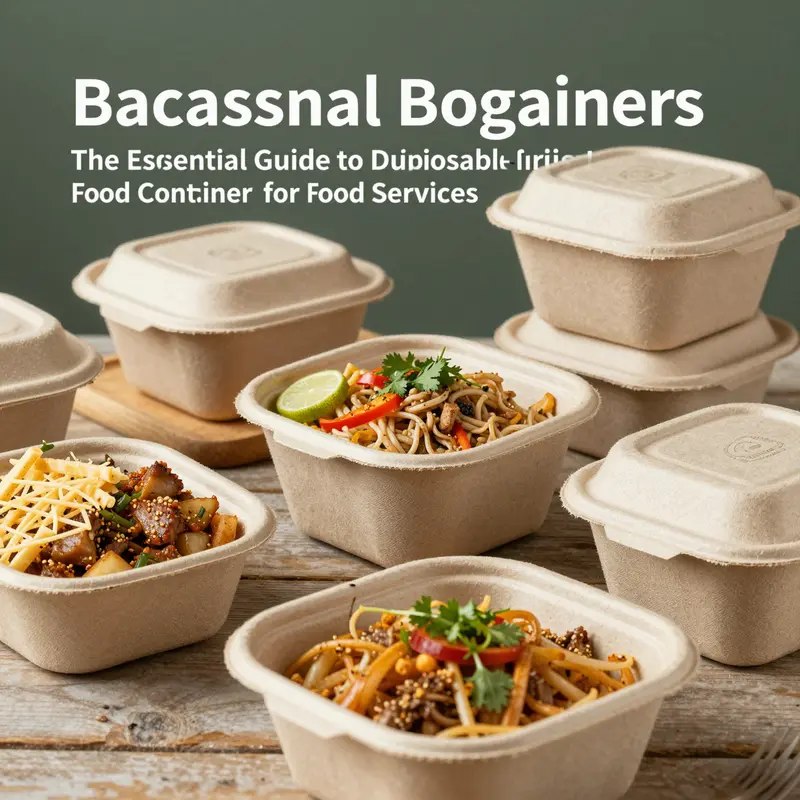
Bagasse at scale is quietly reshaping the landscape of disposable, airtight food containers. Derived from the fibrous residue left after sugarcane juice is extracted, bagasse offers a compelling blend of strength, safety, and sustainability. It is not merely an alternative to plastic; it is a material engineered to align freshness with responsibility. Bagasse compounds the narrative of airtight packaging by delivering a robust barrier against moisture and air while slashing the environmental footprint that accompanies single-use options. In a market that prizes quick, clean, and convenient solutions, bagasse-backed containers demonstrate how a renewable byproduct can power a modern logistics chain without compromising on performance or the planet.
From the first layer of material science to the final moment of handling in a crowded takeout line, bagasse containers are designed to protect what matters most in food service: flavor, texture, and safety. The pulp fibers inherent in bagasse are naturally strong, and when formed into rigid, lid-sealed vessels, they resist deformation under heat and weight. They are heat-tolerant enough to handle hot, wet, or heavy foods without collapsing or leaking. This makes them suitable for meal-prep portions, sandwich packs, hot entrées, and day-old leftovers that must travel through the cold chain and still arrive intact. The heat resistance—up to about 200°F in common formulations—means kitchens can prepare and transport items with less concern about the package failing when steamy contents press against the lid. And because bagasse is compostable under industrial conditions, disposal workflows can align with circular economy goals rather than end in landfill.
The airtight performance is more than a label; it is a design discipline. Modern bagasse containers incorporate tight-sealing lids, moisture-resistant coatings, and interlocking features that enhance integrity during transport. Seals are engineered to resist seepage when liquids or sauces are present, and the lids are shaped to interlock with the base in ways that reduce the likelihood of accidental opening during stacking or jostling in transit. These innovations matter for takeout, catering, and meal-delivery services, where the last mile can determine whether a hot meal arrives hot and a cold item remains cold. In many iterations, bagasse packaging also embraces multi-compartment configurations. Think 3–5 compartments that keep components separated—no more soggy salads meeting sauces and grains—while still fitting within a single container, reducing the need for additional clamshells or sleeves.
A critical advantage of bagasse is its compatibility with cold chain logistics. Dairy, meats, and fresh produce benefit from an airtight environment that slows moisture exchange and helps preserve perishables for a longer window. In practice, this means restaurants and distributors can extend shelf life for certain items without resorting to plastics that remain in landfills for centuries. It also supports operators who must manage inventory with variable demand, because the rigid, stackable design of bagasse containers translates into efficient warehouse storage and easier forecasting. The products are usually designed to be microwave- and freezer-safe, enabling quick re-heating for leftovers without the consumer environment turning the container into a hazard or a mess. This feature is especially valuable for meal-prep services that promise ready-to-eat options within hours of preparation.
The sustainability narrative around bagasse containers extends beyond their biodegradability. Bagasse rests on a renewable feedstock—sugarcane pulp—that would otherwise be a byproduct of another process. Using it for packaging closes a loop: the material is derived from a plant, used for containment, and, after disposal, can re-enter the composting stream under appropriate conditions. The environmental benefits multiply when manufacturers optimize the product lifecycle. A well-engineered bagasse container reduces fossil fuel dependence, cuts the energy intensity typical of virgin plastic production, and diminishes greenhouse gas emissions associated with waste. In this sense, bagasse embodies a practical, scalable approach to single-use packaging that resonates with circular economy principles rather than undermining them.
Designers of bagasse containers have responded to industry demand for efficiency and sustainability with features that address real-world use. Tight seals keep contents from leaking in transit, while moisture-resistant coatings protect the interior from dampness that could compromise barrier integrity. Interlocking lids and base-geometry that resists warping during stacking help packing teams minimize spillage and optimize palletization. The result is a package that behaves like a sturdy, re-usable-feeling product but is fully disposable and compostable after use. The demand for such a solution is evident in wholesale and food-service channels where high-volume orders require not only reliable performance but also predictable end-of-life handling and minimized waste streams.
Equally important is the balance bagasse strikes between rigidity and resilience. The material offers a surprising level of stiffness for its weight, which translates into reliable cradling of hot meals and saucy components. Yet, bagasse remains lighter than many rigid plastics, reducing shipping weights and helping operators achieve better freight efficiency. The dual advantage of density and disposability means bagasse can outperform some paper and carton alternatives in terms of moisture control and seal integrity, particularly when paired with well-designed lids and coatings. This makes bagasse a versatile option not just for simple takeout boxes but for more complex meal bundles or multi-item deliveries where the packaging must stand up to secure transport without becoming a source of waste or contamination.
The market dynamics around sustainable packaging are shifting in favor of bagasse, reinforcing its strategic value. As regulations tighten on single-use plastics and consumers increasingly scrutinize the life cycle of their purchases, bagasse stands out as a concrete, scalable solution. Its production relies on existing agricultural value chains, and its end-of-life pathway—industrial composting—aligns with broader environmental objectives rather than creating additional downstream burdens. The design emphasis on stackability and nestability further enhances its appeal to wholesalers and food-service operators. Stacking efficiency translates into tangible savings: a tighter footprint in storage and reduced shipping volume can shave substantial costs over the course of a product line. In practice, this means bagasse containers can contribute to leaner logistics while maintaining airtight performance that preserves freshness.
The sourcing narrative around bagasse is not isolated from the broader supply ecosystem. Raw material volumes from sugarcane byproducts vary with harvest cycles and regional agricultural practices. Yet the adaptability of bagasse production processes—molding, forming, and coating—has enabled manufacturers to scale up to meet growing demand for eco-friendly packaging. Innovations in interlocking geometries and lid designs are often paired with process improvements that optimize yield and reduce waste in production lines. The result is a product family that can be tailored to different meal formats, from compact sandwiches to larger hot entrees, without sacrificing the airtight seal or the compostable end-of-life outcome. The interplay between material science, design engineering, and supply-chain logistics is the quiet engine behind bagasse’s rising prominence in airtight disposable packaging.
In considering the lifecycle of bagasse packaging, it is important to acknowledge consumer education and disposal infrastructure. Industrial composting facilities, equipped to handle bagasse at scale, are the critical endpoint where the material completes its journey. Home composting can sometimes be inconsistent, and compostability claims are strongest where appropriate facilities exist. For brands and operators, clear labeling about end-of-life options helps consumers make the right choice at the point of disposal. The packaging must also communicate its compostable nature in a way that does not mislead about home composting feasibility. Proper guidance reduces confusion and improves the likelihood that the bagasse container will return to the organic stream rather than polluting other waste streams.
The broader implications for sustainability strategies are meaningful. Bagasse introduces a credible path for reducing plastic usage in takeout and meal-prep contexts without sacrificing the reliability demanded by food-service operators. Its compatibility with cold-chain shipping ensures that dairy and produce can be contained securely while minimizing waste from packaging failure. The innovations around moisture resistance and sealing mechanisms further strengthen its viability for a wide array of foods, including those with high moisture content or sauces that might otherwise compromise containment. Taken together, these characteristics position bagasse as a forward-looking component of a resilient, responsible packaging portfolio.
As a practical point for decision-makers in kitchens and distribution networks, there is a clear case for bagasse as part of a diversified packaging strategy. It offers a credible alternative to plastics in many applications, particularly for takeout and meal-prep lines that value airtight integrity and post-use disposal as a core consideration. It also complements other sustainable options, such as compostable starch-based or paper-based containers, by providing a distinct combination of rigidity, moisture control, and seal reliability that some customers prioritize. The result is a packaging ecosystem that supports brand promises around freshness, safety, and ecological accountability, while also delivering the operational advantages of stackability, reduced weight, and efficient storage. In this light, bagasse is not a niche choice but a scalable, strategic option for modern food packaging portfolios.
For businesses seeking concrete, real-world examples of bagasse in action, consider the takeaway and catering environments where multi-compartment designs and interlocking lids are particularly valued. These features support complex meals that must stay visually and sensorily intact from kitchen to consumer. Bagasse-based options also play well with the rise of responsible procurement practices, which favor renewable materials and supply-chain transparency. As the market expands, manufacturers continue to refine formulations and processing methods to optimize barrier properties, heat resistance, and overall performance without compromising compostability. In practice, this translates into a product line capable of handling hot meals, cold items, and mixed meals within a single, airtight package.
The industry implications extend beyond the immediate kitchen and into wholesale distribution and farm-to-market logistics. Stackable, nestable designs reduce warehousing footprints and packaging waste across the supply chain. They streamline inventory management, enabling distributors to consolidate orders and simplify transport planning. The environmental trade-offs favor bagasse when the goal is to minimize non-biodegradable waste while still delivering consistent performance and reliability. This alignment with both operational needs and environmental goals makes bagasse a compelling framework for sustainable packaging in a world that increasingly prioritizes responsible choices.
In sum, bagasse containers deliver a practical convergence of performance and responsibility. They embody a design philosophy that respects the integrity of the food inside while honoring broader commitments to resource stewardship. They are suited to applications ranging from takeout meals to meal prep and beyond. They enable cold-chain integrity, offer strong barrier properties, and present a credible path to end-of-life solutions through composting. For decision-makers, bagasse represents a strategic asset in a portfolio that seeks to balance customer expectations for freshness and convenience with a growing imperative to reduce single-use plastic waste. The future-ready promise of bagasse lies not only in its current capabilities but in the ongoing innovations that expand its versatility, improve its processing efficiency, and broaden its acceptance among regulators, retailers, and consumers alike.
To explore further the manufacturing standards and industry implementation of bagasse containers, one widely cited resource provides a comprehensive overview of the material’s capabilities, performance metrics, and lifecycle considerations: https://www.bagassecontainerfactory.com/
Internal link for readers seeking practical examples of eco-friendly, disposable packaging that aligns with bagasse’s sustainability ethos:
For a concrete example of compostable packaging alternatives designed for takeaway, you can explore disposable kraft paper bowls with lids for takeaway. This option demonstrates how renewable materials can deliver effective containment and user-friendly design in everyday food-service settings. disposable kraft paper bowls with lids for takeaway.
Final thoughts
Understanding your options for disposable airtight food containers is essential for maximizing the efficiency and quality of your food service business. The choice between plastic, aluminum, and bagasse depends on your specific needs, whether that’s cost-efficiency, thermal performance, or sustainability. With the right information, you can make an informed decision that not only meets your operational requirements but also resonates with your customers’ values. Choose the best fit for your establishment, and elevate your service standards today!