
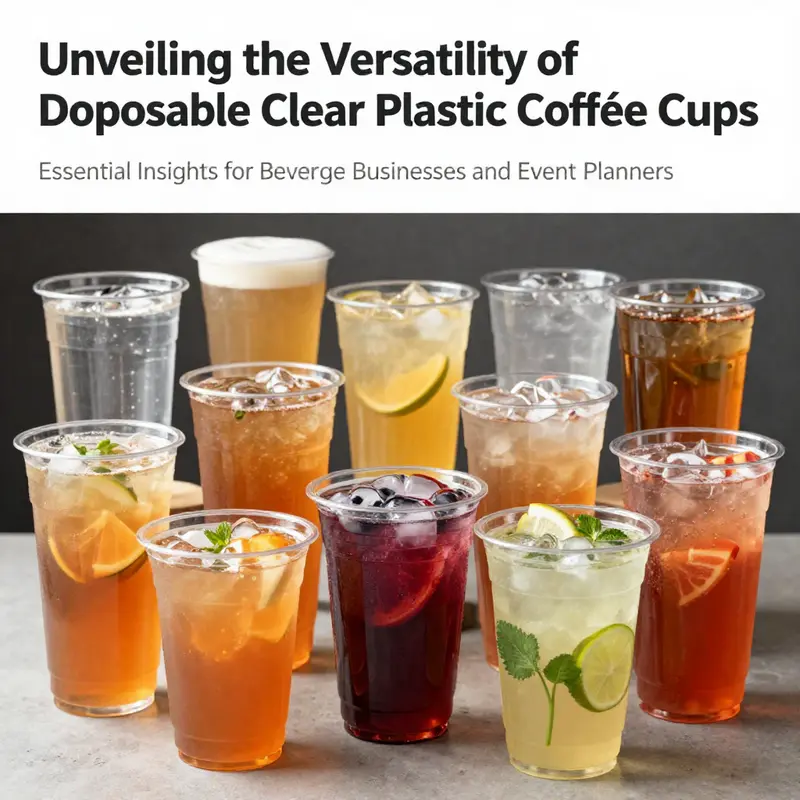
Disposable clear plastic coffee cups have revolutionized beverage service across various sectors, captivating coffee shops, beverage chains, and catering services alike. Their convenience, affordability, and aesthetic appeal make them a go-to choice for serving a variety of drinks, from classic coffees to trendy bubble teas. As we explore the manufacturing process, market trends, environmental implications, consumer preferences, and regulations surrounding these versatile cups, we aim to provide key insights that will benefit businesses looking to refine their service offerings. Understanding this comprehensive landscape will enable professionals in the food and beverage industry to make informed decisions that enhance their service quality and align with consumer expectations.
From Melt to Moment: The Precision Cascade Behind Clear Plastic Coffee Cups
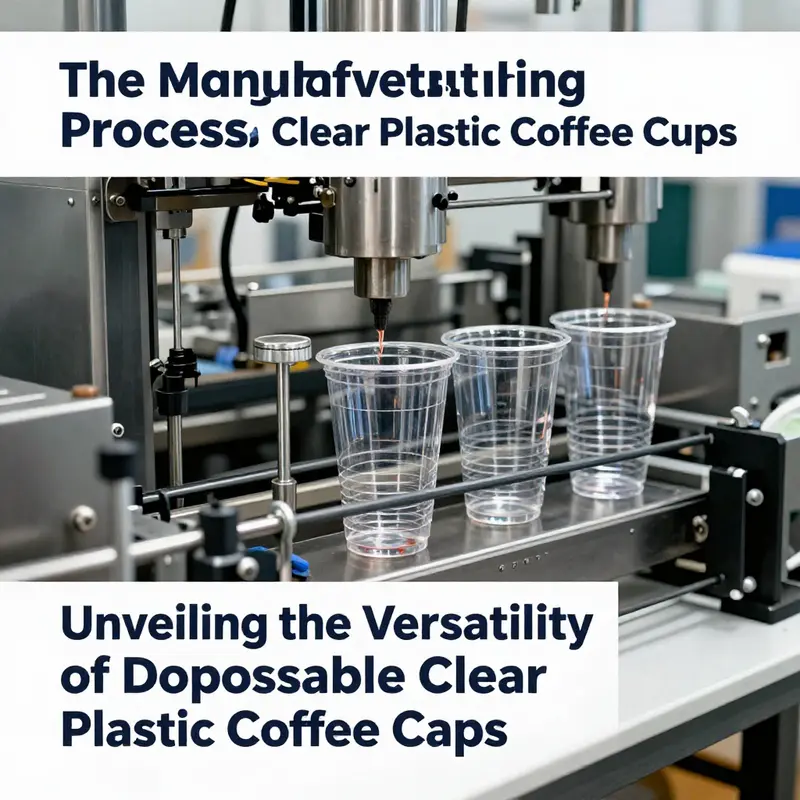
In a modern beverage service, the final moment a cup holds the drink is the visible tip of a carefully engineered chain that begins long before the cup ever meets a counter. The manufacturing process of disposable clear plastic coffee cups is a ballet of automation, material science, and relentless quality discipline. At the heart of this system are fully automatic forming machines that orchestrate an almost hands-free production flow. The result is not just a stack of cups, but a repeatable, scalable, and hygienic interface between liquid and life, capable of serving a hot espresso or a chilling smoothie with equal reliability.
The journey starts with raw plastic, typically a blend of food-grade polymers chosen for clarity, rigidity, and resilience. Polypropylene and polystyrene have long been the workhorses of this category, prized for their transparent appeal and their behavior under temperature swings. In some corners of the market, the more versatile PET formulation makes an appearance, lending extra clarity and stiffness to the cup walls. The choice of material matters beyond aesthetics. It governs how a cup feels in a hand, how it insulates, and how it interacts with lids and seals that guard against leaks. These choices ripple outward to affect downstream processes, from forming to stacking and packaging, creating a ripple effect that touches every node of the factory.
Forming is the first decisive act in the transformation from sheet to cup. A flat plastic sheet is heated and pressed into the curved geometry of a cup, a process known as thermoforming. The control systems on modern lines monitor temperature, pressure, and timing with almost clinical precision. The cup’s silhouette arises as if by choreography, every contour calibrated to balance stiffness with a comfortable grip. The bottom is formed and sealed in a way that ensures a leak-proof base, a detail that may seem small but is essential for both customer trust and operational efficiency in a busy cafe or catering event. When a brand wishes to leave a mark, printing can be integrated into the line. Digital or flexographic printing can apply branding, subtle designs, or stage-appropriate graphics without slowing the throughput. The opportunity to tailor a cup’s appearance in real time, rather than relying on later post-processing, is a hallmark of modern, automated production.
Quality control threads through the line as an invisible, continuous chorus. Integrated sensors watch for thinning in the walls, misalignment in the forming tools, and seal integrity at the base. A tiny defect—whether a micro-thin spot or a slight warpage—can cascade into customer dissatisfaction or even a spill during transit. The beauty of automation here is not just speed but vigilance. Defects are detected and corrected in-line, with automated adjustments to temperature or forming pressure, and with reject mechanisms that remove imperfect cups before they leave the system. The result is a remarkably low defect rate across tens or hundreds of thousands of cups in a single shift.
Once formed and inspected, the cups pass into a stacking phase that is anything but trivial. Stacking systems keep cups aligned to prevent jams and maintain a smooth handoff to labeling or packaging modules. The concept of a “one-piece flow” becomes tangible as cups move from forming to stacking with minimal human touch. When brands require additional features, such as branding labels or moisture- or temperature-resistant coatings, these steps can be integrated without interrupting the rhythm of the line. The same line that forms and inspects can, if needed, apply a final touch that helps the cups survive the rigors of transport—from a doorway to a delivery truck—without compromising the beverage’s integrity.
The efficiency of this cascade is striking. Fully automatic systems can churn out 120 to 200 cups per minute, a throughput that makes them the backbone of large-scale operators who must meet high-volume demand with consistent quality. The economics reflect a balance between upfront investment and long-run savings. A complete, turnkey automatic forming line carries a six-figure price tag, typically in the range of twenty-six to thirty-six thousand dollars per set, but it pays back through labor reductions, tighter tolerances, and the ability to scale output to match peak beverage periods. In practice, this means a café or a contract manufacturer can standardize its cup quality across dozens of outlets or events, ensuring that a customer’s iced coffee, tea, or smoothie looks the same from the first sip to the last.
Yet the story of manufacturing is not without its constraints. The machines demand dedicated space, robust electrical and air infrastructure, and ongoing technical support for maintenance and calibration. Space constraints and the need for skilled operators can deter smaller players who would benefit from high-volume efficiency but lack the capital or footprint for a full production line. For those who want to participate in the market without building their own plant, ready-made options exist. Suppliers on global marketplaces offer clear cups in bulk with a range of lid types and branding possibilities. These alternatives provide a lower barrier to entry while still delivering the clarity and reliability customers expect from the clear cup format. In many cases, these off-the-shelf options can be paired with customization, such as logo printing or color-matched lids, to support brand consistency without investing in an entire forming operation.
Sustainability remains a vital thread in the fabric of modern cup manufacturing. As consumer expectations evolve, producers increasingly explore compostable or bio-based possibilities. Plant-based options, including PLA-based variants, offer a route toward reduced environmental impact, though they require appropriate composting infrastructure to realize their benefits. The market’s response has been to diversify material choices, enabling brands to align packaging with sustainability goals while preserving the transparency and rigidity that customers associate with a premium cup experience. The trade-offs—in performance, cost, and waste management—are navigated at the design and procurement stage, illustrating how manufacturing choices ripple outward to affect a cafe’s overall sustainability profile.
For teams who want to see how the entire system comes together in practice, the concept of integrated sourcing and customization is central. The same line that forms and stamps cups can accommodate different lid geometries, integrated straw slots, or different finish treatments such as matte or glossy surfaces. The result is a family of cups that maintain a consistent visual identity across sizes, whether the setting is a quiet coffee shop, a bustling fast casual venue, or a large-scale event. In this sense, the manufacturing process is more than a sequence of steps; it is a design philosophy that makes artistry out of precision. The cups become a vehicle for the beverage and a conduit for brand storytelling, all produced with a rhythm that mirrors the cadence of service itself.
For readers seeking an example of how the production realities translate into market options, the broader supply ecosystem offers a spectrum of pathways. Some buyers source fully finished cups directly from manufacturers who specialize in high-volume, customized runs, while others turn to wholesale suppliers who can offer rapid re-stocking for events or seasonal menus. A useful example of this continuum is the availability of clear cups with lids and straws in bulk, suitable for iced beverages across various service contexts. If you’re curious about a practical reference that demonstrates the kind of packaging ensemble discussed here, you can explore a product page that showcases disposable clear plastic cups designed for outdoor events and everyday use. This page reflects how the clear cup format serves both function and presentation, from picnic gatherings to cafe counter-service. disposable clear plastic cup outdoor picnic pet cup drinking cup for parties birthdays weddings camping utensils
The manufacturing narrative also nods to the broader industry context, including advanced machinery that can be found on global platforms. An overview of automatic forming machinery illustrates the scale of automation that drives these lines and clarifies why the capital investment is justified for operators aiming to serve sustained demand. The automation blueprint reveals why output, consistency, and safety keep rising in importance as the market expands. It is a reminder that every perfect, clear cup that leaves the factory is the product of decisions made well upstream—from material selection to forming temperature, from seal integrity to print alignment—and that these decisions collectively shape the customer experience.
External reference for further technical context can be found in industry literature documenting automatic forming machinery. https://www.alibaba.com/product-detail/Automatic-Forming-Machine-for-Manufacturing_1600894724714.html
Shifting Currents: Market Trends Reshaping the Future of Disposable Clear Plastic Coffee Cups
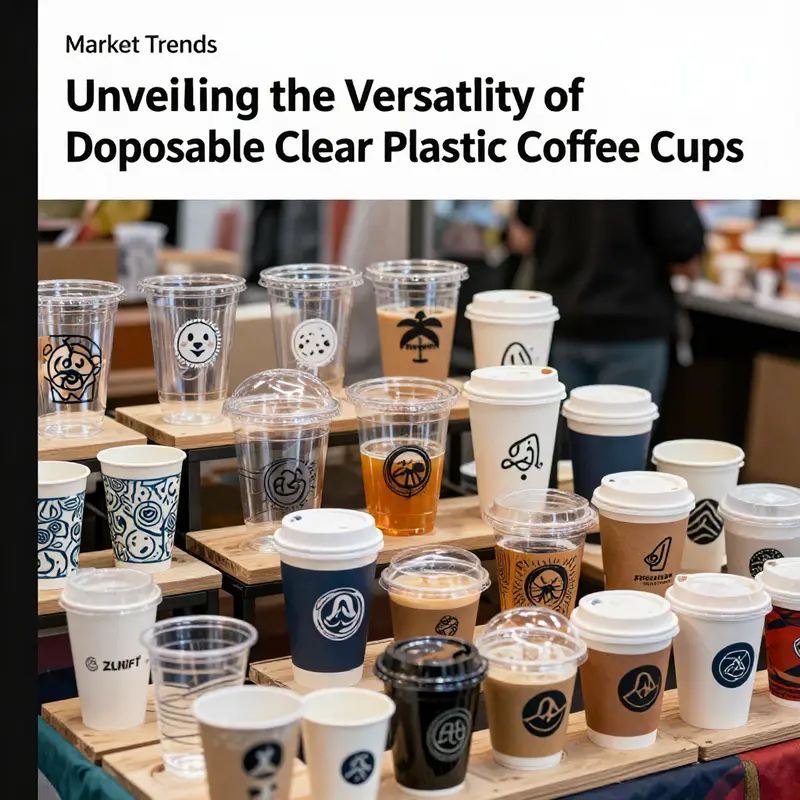
The market for disposable clear plastic coffee cups sits at a crossroads where demand for rapid service and visibility of beverages collides with rising scrutiny over environmental impact. On one hand, the appeal of a crystal-clear cup—showcasing the layered tones of iced coffee, tea, or smoothie—remains a competitive edge for retailers and venues that prize aesthetics as part of the customer experience. On the other hand, the broader category of disposable beverage vessels is undergoing a quiet but decisive reengineering. Industry analyses project a solid overall growth trajectory, with a double-digit pace in the coming years, yet the specific segment of clear plastic coffee cups faces intensified headwinds from evolving consumer preferences and tighter regulatory controls. That tension is shaping how operators plan procurement, design, and even their branding narratives.
Market dynamics in this space are rarely linear. The growth projections—often cited around a 14% compound annual growth rate from 2026 to 2033 for disposable beverage cups in aggregate—mask a more nuanced reality for the clear plastic coffee cup niche. While overall demand for convenient, hygienic single-use vessels remains high in fast-service environments, the share of this particular format is subject to shifting risk and opportunity. The robust demand is driven by the need to serve hot and cold drinks quickly, minimize spillage during takeout, and maintain product visibility that can entice impulse purchases. Yet as operators expand delivery channels and seek consistency across channels, the temptation to diversify beyond a single material or format grows stronger, especially where price sensitivity intersects with sustainability concerns.
Consumer expectations are no longer anchored solely to convenience. A growing cohort of customers now evaluates packaging through the lens of environmental impact, recyclability, and corporate responsibility. The chatter around sustainable practices isn’t a passing trend; it informs what people are willing to purchase and which brands they choose to support. This translates into a palpable shift toward materials and designs that can align with broader environmental goals. Paper-based options, compostable or bio-based materials, and clearer signaling of end-of-life options are increasingly becoming non-negotiable elements for many operators who want to protect their reputations and maintain consumer trust. In practice, this means that even as the clear plastic cup remains technically capable of delivering high clarity and temperature resilience, its appeal may be tempered by questions about recyclability, litter, and the feasibility of responsible disposal at scale.
Regulatory influences loom large in shaping what is viable in the market. Across regions, there have been tighter restrictions on single-use plastics and the introduction of taxes aimed at reducing the environmental footprint of disposable goods. Such policies compress margins and complicate the economics of continued reliance on traditional clear plastic cups. For some operators, this regulatory pressure translates into slower adoption of new inventory or a strategic pause while evaluating alternatives. For others, it accelerates experimentation with alternative materials and end-of-life solutions, as compliance becomes a market differentiator rather than a mere burden. The regulatory environment thus acts as a catalytic force, nudging the market toward more sustainable packaging ecosystems while preserving enough demand for functional plastic for a transitional period.
From the innovation side, manufacturers are not standing still. The push toward sustainability is visible in the exploration of bio-based plastics and improved recyclability, as well as the development of compostable formats that can be integrated into existing takeaway workflows. These advances aim to preserve the practical advantages of disposable cups—clarity, light weight, and cost effectiveness—while reducing environmental trade-offs. Bioplastics, particularly those derived from plant-based sources, are being assessed for their performance in hot and cold beverage contexts, capacity to withstand handling during transport, and compatibility with current recycling streams. The goal is not to abandon convenience but to offer a bridge to a more responsible regime where consumers can enjoy the same visual appeal and reliability without compromising their environmental values.
In practice, this means brands and suppliers are reimagining the entire packaging proposition. The design language around cups is becoming more conscious of end-of-life realities. Clear cups may be paired with lids and straws that are explicitly labeled for recycling, or with sleeve options that reduce surface contamination and improve the efficiency of downstream sorting. The conversation around customization also shifts, as logos and branding must now be integrated with materials and processes that support sustainability claims. Some suppliers are expanding customization beyond logos to include shapes, finishes, and lids engineered for reduced leakage while also enabling safer disposal, all without sacrificing the marketing impact of a transparent cup that showcases the beverage. This broader design reassessment underscores the tension between aesthetics, usability, and environmental responsibility.
For operators seeking inspiration beyond the conventional cup, there is a growing ecosystem of alternative packaging solutions. In this shifting landscape, the notion of responsible choice extends beyond the cup itself to the broader takeaway packaging family. A notable development is the emergence of eco-friendly takeout options that can be seamlessly integrated into a diversified product lineup. As a practical resource, eco-friendly takeout boxes for food packaging illustrates how brands are expanding their packaging portfolios to emphasize sustainability while preserving the user experience. The integration of such options helps reinforce a brand’s commitment to responsible sourcing, while still supporting the fast-service capabilities customers expect.
Economic considerations remain a constant companion to regulatory and consumer-driven pressures. Purchasing habits, supplier lead times, and unit costs all factor into decision-making. Bulk procurement volumes can cushion some price volatility, but operators must weigh the total cost of ownership, including potential fees for recycling programs or take-back initiatives. In environments where margins are tight and throughput is essential, the incentive to opt for a proven, clear, low-cost vessel remains strong. Yet even within that framework, more operators are budgeting for transitional strategies—planning to phase in recyclable or compostable components, pilot programs for mixed-material packaging, and education campaigns for staff and customers about proper disposal.
If the industry moves in the direction indicated by regulatory signals and consumer expectations, what does success look like for the clear plastic cup category? The answer lies in a balanced blend of performance, sustainability, and adaptability. Cups that deliver reliable insulation, clarity, and spill resistance will still be valued for certain contexts, particularly where speed and visibility are critical. However, the market is likely to trend toward a mosaic of solutions, where clear plastic still has a role but is complemented by paper-based, compostable, or bio-based alternatives for many use cases. The path forward is not an abrupt departure from today’s practices but a measured transition that preserves the advantages of disposables while dramatically reducing environmental trade-offs.
For researchers and practitioners, the evolving landscape invites a broader conversation about the lifecycle of packaging. It calls for improved recycling capabilities, more transparent labeling about end-of-life options, and supply chains that can support circularity without compromising operational efficiency. The interplay between consumer preference, regulatory actions, and material science will continue to steer investment, influence product development, and shape how businesses communicate value. As the market adapts, the visual clarity of a beverage in a transparent cup will remain a powerful driver—yet it will be framed within a narrative that centers sustainability as a core component of modern service design.
External resource: For deeper growth projections and key market drivers, see the LinkedIn analysis on disposable beverage cups market growth, trends, and forecast for 2026 and beyond. https://www.linkedin.com/pulse/disposable-beverage-cups-market-growth-trends-forecast-2026/
Clear Cups, Heavy Footprints: Tracing the Environmental Toll of Disposable Coffee Cups
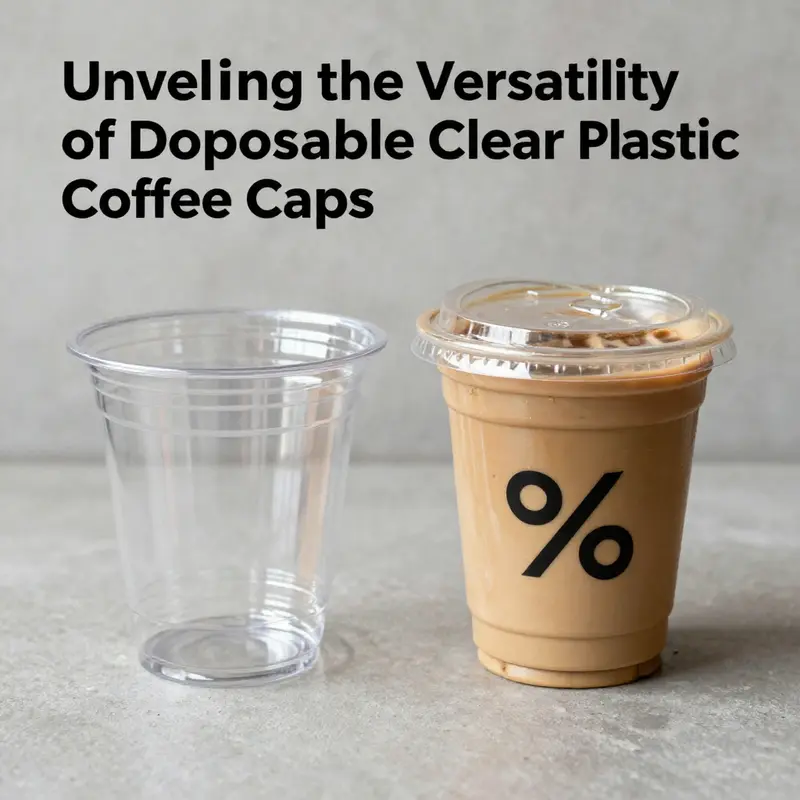
The transparent, stackable ease of disposable clear plastic coffee cups has made them a mainstay in cafes, offices, and countless events. Their clarity showcases the beverage inside, turning a simple drink into a visual experience. In crowded service environments, they resist condensation, feel sturdy in hand, and pair easily with a lid and straw for take-away chaos or quiet sips at a desk. Yet behind this convenience lies a complex web of environmental costs that rarely show up on a menu. The chapter that follows looks past the surface appeal and asks what happens from cradle to grave—and what choices both producers and users can make when the goal is to balance practicality with responsibility. It is a narrative about materials, systems, and the long shadows cast by a single-use habit that has become almost invisible in everyday life.
The production of clear plastic cups is strongly linked to fossil fuel extraction and refinement. The base resins, often derived from petrochemicals, require energy-intensive steps that release greenhouse gases and consume substantial water and land resources. The design choice for clarity and rigidity adds to the energy budget, because manufacturing processes must deliver not only the resin but also the additives that optimize transparency, rigidity, and heat tolerance. Temperature resistance matters because many cups are used for hot beverages as well as cold. Achieving a reliable performance across a broad temperature range demands careful formulation and quality control, further embedding the production footprint in every cup. Even when the end product seems simple, its manufacture is a chain of inputs and outputs that begins far from the cup’s final resting place and ends in a landscape shaped by disposal decisions and waste management capabilities.
Disposal, however, is where the most visible environmental challenges emerge. These cups are designed for single use, and in many parts of the world the waste stream is not an efficient pathway for recovery. Contamination from residues is one of the main reasons cups fail to enter recycling streams. When a cup carries a smoothie, coffee, or sauce, the remaining organic matter clings to the interior and exterior surfaces, complicating sorting and processing. Even when a facility is equipped to recycle clear plastics, the cleaning, sorting, and separation steps must function flawlessly for high-quality output. In practice, many facilities struggle with inconsistencies in collection, labeling, and throughput, which reduces the likelihood that a cup becomes a feedstock for new products rather than an ordinary landfill payload. The gap between theoretical recyclability and real-world recovery becomes a chasm that many municipalities and operators cannot cross due to budget, infrastructure, or policy limitations.
Litter and leakage add another dimension to the environmental costs. In outdoor events, high winds and careless disposal can scatter cups across streets, parks, and waterways. Once in landfills, these cups persist for long times, especially in anaerobic conditions. They slowly contribute to the growing mass of plastics in the environment and may release low levels of additives or degradation products as they break down. The cumulative effect is not merely aesthetic blight; it involves potential impacts on soil and water quality, as well as the energetic costs of maintaining waste streams that must handle a traffic of cups alongside other packaging. The methane and other gases emitted by anaerobic decomposition in landfills are particularly troubling because methane is a potent greenhouse gas with a disproportionate warming effect over a 20-year horizon. Thus, even modest volumes of single-use cups accumulate climate-relevant emissions through their paths to disposal.
The lifecycle footprint does not end at disposal. The production and packaging stages consume energy and water, contributing to resource depletion and emissions well before a cup reaches a consumer. The energy mix used by manufacturers, the efficiency of their facilities, and the efficiencies gained through process optimization all influence the ultimate carbon, water, and chemical footprints attached to a single cup. Moreover, the global recycling rate for plastics remains an area of concern; even in places with robust programs, rates often stay well below ten percent. When recycling does occur, the material quality tends to degrade with repeated processing, a phenomenon known as downcycling. The result is that recovered plastics are more likely to become lower-value products rather than direct material for future beverage cups. This attrition compounds the environmental costs embedded in each unit and raises questions about the long-term sustainability of relying on polymers that are inherently difficult to capture and reintegrate into closed-loop systems.
A competing narrative that some observers bring forward centers on paper-based or compostable alternatives. The discussion is not simply about choosing one material over another; it is about how each option integrates with waste management systems and consumer behavior. Paper cups, for example, often rely on plastic linings for grease resistance and moisture management. Those linings complicate recycling and may limit compostability depending on local facilities. Clear plastic cups, by contrast, can be technically recyclable in theory, but the practical recovery rates remain stubbornly low. The larger issue is not the intrinsic flaw of any single material but the set of system-wide barriers that prevent high recovery and reuse rates. In this light, the environmental story of disposable cups becomes a mirror for waste governance: the gaps in collection, sorting, and treatment largely determine the fate of the material long after the beverage is gone.
Amid these concerns, innovation persists. Some manufacturers are exploring compostable or bio-based polymers that aim to reduce reliance on fossil fuels and to align with composting infrastructure in certain regions. Others experiment with double-wall designs, better lids, and improved sealants to enhance performance while seeking to minimize waste through more efficient production and end-of-life pathways. Yet even with improved materials or clever engineering, the fundamental question remains: can a system built on single-use items deliver sustainability once the entire lifecycle is considered? The most convincing answers are rarely found in a single technology; they emerge from how producers, businesses, and consumers align incentives, invest in recycling and composting capabilities, and adapt purchasing habits to reduce unnecessary waste.
In this broader market context, one supplier’s listing for a disposable clear plastic cup illustrates the scale and versatility of the product in contemporary consumption. It highlights how such items are positioned for a wide range of uses—from parties to everyday office life—and how the same form factor can be adapted with lids, straws, and branded finishes to meet diverse needs. The link below points to a listing that showcases the practical marketing language around these cups, including their breadth of application and the ways they are bundled for events and gatherings. disposable-clear-plastic-cup-outdoor-picnic-pet-cup-drinking-cup-for-parties-birthdays-weddings-camping-utensils
The path forward for the disposable cup, then, is not a single reform but a constellation of actions. It includes designing products that are easier to recycle, investing in sorting and processing capacity, and encouraging consumer choices that favor reuse, refill, or return programs where feasible. Businesses can play a pivotal role by selecting suppliers who disclose lifecycle data, by supporting local take-back schemes, and by educating staff and customers about waste separation and disposal options. Policymakers, too, have a part to play—through incentives for recycling infrastructure, standards for labeling and material composition, and funding for advanced sorting technologies that can reclaim plastics that are otherwise lost to landfill. The convergence of these efforts holds the potential to shift the environmental profile of a seemingly simple beverage service item from a linear, one-and-done use to a more circular, resource-conscious practice.
Ultimately, the story of disposable clear plastic cups is a reminder that everyday choices ripple outward. The cup that cools an iced coffee or carries a latte to a conference may seem trivial in isolation, but its lifecycle intersects with energy use, material science, waste management, and climate policy. Acknowledging that intersection is the first step toward meaningful change. For operators who cannot eliminate the need for convenient, transparent cups overnight, the next best path is to pursue improvement across the lifecycle: prevent contamination to improve recyclability, support facilities that can transform collected plastics back into usable inputs, and explore alternate materials and service models that reduce reliance on single-use items while preserving the advantages consumers expect. In doing so, the beverage experience can remain visually appealing and equally responsible, a balance that aligns practical service with stewardship of the environment.
External reading: For a broader lifecycle assessment and comparison of disposable and reusable cup systems, see the governmental analysis of environmental impacts and recommended waste-management practices at https://www.gov.uk/government/publications/assessing-the-environmental-impact-of-disposable-and-reusable-cups
Seeing Through Preference: The Visual, Safety, and Sustainability Dynamics of Disposable Clear Plastic Coffee Cups

The transparent cup that holds a coffee shop’s iced latte or a vibrant fruit smoothie has long been more than a simple vessel. It is a consent form, a promise of freshness, and a mirror for evolving values all at once. Consumers are drawn first to the visual language of a drink—the way a caramel swirl catches light, the way a layered beverage reveals its textures, the glimmer of condensation on a cool cup. This immediacy of sight, provided by a clear cup, shapes expectations. When a drink looks right, it feels right. The cup becomes part of the sensory experience, not merely a container, and that perception often translates into willingness to pay a premium for a product that appears pristine and fresh. Yet the visual appeal does not exist in a vacuum. It travels through a maze of safety signals and environmental narratives that are increasingly audible to customers who drink with their eyes and their consciences alike. The same cup that showcases a drink’s resonance can also trigger questions about what touches it and how that touch might influence health or the planet over the lifecycle of the product. In other words, preference today is a negotiation between aesthetics and accountability, a balance that operators must strike with care if they want to retain loyalty in a market that prizes both clarity and candor.
The functional benefits of disposable clear plastic cups cannot be overstated. Their transparency communicates cleanliness and quality at a glance, while their rigidity and clarity make them practical for both hot and cold beverages. They readily accommodate lids, sip holes, and straw-compatible designs, enabling spill-resistant transport for busy patrons on the go. This combination of visibility and durability is part of what has cemented the clear cup as a staple across a wide range of food-service contexts, from bustling coffee counters to casual dining and large events. The format also aligns with the growing habit of beverages being judged by their presentation as much as by taste. In many cases, a drink’s perceived value hinges on the moment a customer sees it shimmer through a pristine, transparent wall, inviting a deeper sensory engagement before the first sip is taken.
But as the appeal of the cup grows, so too does scrutiny of what the cup itself might contribute to health considerations. Credible voices have drawn attention to the presence of chemical compounds in some “biodegradable” or alternative-label cups, underscoring that labels alone seldom guarantee safety. Reports emphasize that certain materials used in disposable cups can harbor substances such as PFAS or other potentially harmful compounds, which can migrate into hot beverages under certain conditions. This has widened the conversation beyond hygiene and taste to include chemical safety and market transparency. Consumers, conditioned by widespread media coverage and a growing habit of due diligence, increasingly demand certification marks, ingredient disclosures, and third-party testing data that can be interpreted without specialist knowledge. The shift is less about banning the cup as a concept and more about elevating the quality of information a consumer can access before choosing a product. In this context, the notion of “food-grade” is not a mere label; it becomes a baseline expectation, with many buyers seeking additional assurances that the cup’s materials have been vetted for entire use cycles, from production to disposal.
This evolving safety discourse intersects with a broader currents in sustainability. The appeal of clear cups remains buoyed by convenience and cost-effectiveness, yet a rising cohort of consumers is actively seeking alternatives that reduce environmental impact. The push toward genuine sustainability has translated into several practical shifts. Reuse and return models, often labeled as loop systems, have gained visibility in urban coffee cultures and at events that emphasize sustainable hospitality. In these arrangements, customers pay a small deposit or fee to return cups for cleaning and reuse, helping to close the loop on single-use consumption. This circular approach reflects a broader understanding of environmental stewardship: the problem isn’t only the single-use artifact but the total lifecycle from production through end-of-life. And for many buyers, the most compelling evidence of commitment to this lifecycle is transparency—clear information about material choices, the presence or absence of recycled content, and the availability of genuine compostability where applicable. The literature and industry reports suggest that consumers are willing to support systems that make the lifecycle visible and controllable, even if those systems require some behavioral changes, such as returning cups or participating in take-back programs.
Amid these shifts, material innovation continues to push at the edges of what a clear cup can do. Discussions among designers and manufacturers point to a future where clarity does not have to come at the expense of environmental responsibility. Plant-based alternatives, improved recyclability, and labeling practices that clearly indicate end-of-life pathways are part of ongoing conversations about safer, more sustainable cups. At the same time, the efficiency and reliability of current clear plastic formulations keep them indispensable for many operators. The challenge for producers and buyers is thus not a simple either/or choice but a nuanced decision about which combination of features best serves a given context. For example, a cafe that serves high-volume iced beverages might prioritize stiffness and lid compatibility, while a festival organizer may place greater emphasis on reusability and recovery. The ability to customize—whether through shape, finish, or branding—adds another layer of complexity but also opportunity, enabling operators to align their cups with a broader brand narrative while signaling a commitment to quality and care.
This convergence of visuals, health considerations, and sustainability expectations influences procurement behavior in practical ways. Operators increasingly seek materials and processes that offer verifiable safety credentials and lifecycle data. They want cups that perform under heat without warping, resist leakage under transport, and present a crystal-clear appearance that preserves the drink’s perceived freshness. They also want to minimize the risk of greenwashing by demanding third-party certifications that can be interpreted by staff and customers alike. The storytelling around these cups, therefore, has to be honest and precise: the cup must be clear, but also clearly safe, clearly durable, and clearly responsible in its environmental claims. In parallel, customers are drawn to solutions that offer tangible commitments—such as verified recyclability or certified compostability—paired with convenient usage. This dual demand for clarity and accountability has created a fertile ground for new partnerships and innovations, where suppliers collaborate with eateries to deliver packaging that matches the expectations of a more informed consumer without sacrificing practicality on the floor.
In the spirit of practical adaptability, businesses often explore ways to extend the lifecycle of the cup beyond a single use. For niche events and themed experiences, for instance, some operators invest in customized takeaway packaging and disposable tableware for theme parties. The idea is not to erase the single-use function but to embed it within a broader framework of responsible use, reuse, or easy recycling. Such customization can be a strategic differentiator, signaling an attitude toward environmental stewardship while maintaining the convenience customers expect. The ability to tailor the look—via finishes, branding, or lid styles—gives venues a chance to tell a distinctive story without abandoning the clear cup that customers recognize and trust. This approach mirrors a larger industry movement toward design that honors both user experience and ecological accountability, a balance that is increasingly rewarded by customers who prize transparency as much as taste.
As this chapter of consumer preference unfolds, the broader market is watching closely how clear cups will evolve. The questions are not only about safety and cleanliness but about how to reconcile convenience with a lifecycle that respects resources and minimizes harm. Operators who embrace transparency, who choose materials with clear end-of-life pathways, and who participate in systems that recover and reuse or responsibly recycle cups will likely find that trust translates into sustained patronage. The cup, in other words, remains a powerful vehicle for experience, but its future depends on whether its transparency extends beyond appearance to encompass an honest account of materials, safety, and environmental impact. In that sense, preference is no longer simply about how a cup looks when filled; it is about how clearly a cup communicates its entire journey from cradle to cradle.
External resource: https://www.thepaper.cn/newsDetailforward21589373
Clear Compliance: Navigating the Regulatory Labyrinth Surrounding Disposable Clear Plastic Coffee Cups
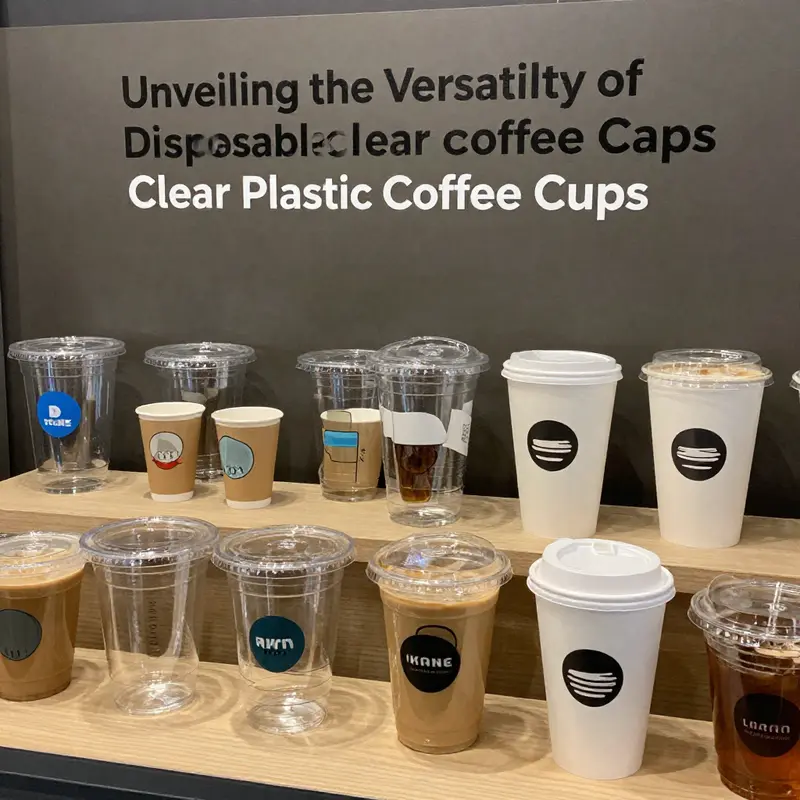
Regulations around disposable clear plastic coffee cups are not a single blueprint but a shifting landscape that blends public health, environmental stewardship, and practical business needs. For operators who rely on the transparency and versatility of these cups, the rules governing their manufacture, use, and end-of-life are as important as the cups’ clear appeal. The story of regulation begins with material choice and ends with how cups are disposed of, recycled, or composted. In between, regulators weigh the risks of leaching, the risks of shedding microplastics, and the realities of recycling infrastructure. This chapter traces that path, underscoring why compliance is more than a checkbox and how it reshapes sourcing, design, and daily operations.
Across regions, bans and restrictions on certain types of single-use plastics have accelerated the broader shift away from durable yet stubbornly persistent waste. In many parts of the world, polystyrene cups—often marketed for their clarity and rigidity—are facing phased-out status or outright bans. This is not merely a cosmetic change; it reflects concerns about recyclability, persistence in the environment, and the realities of post-consumer waste streams. The European Union has explicitly targeted some single-use plastics for restriction, aligning with a broader push toward more sustainable packaging systems. Those regulatory moves push manufacturers to rethink whether clarity can be preserved with alternative materials or with innovative, recyclable configurations rather than with traditionally used PS formulations. The upshot for operators is clear: the choice of cup material can determine a business’s eligibility for certain markets and its long-term waste management options.
A central regulatory concern that intensifies scrutiny around disposable cups is the potential release of microplastics into beverages. A 2024 study published in a major scientific repository found that single-use cups can transfer measurable amounts of microplastics to both hot and cold drinks. Although the quantities and conditions vary, this body of evidence reinforces a precautionary impetus within policy circles. Regulators are increasingly considering limits on materials that shed microplastics or require enhanced filtration and containment strategies within industrial and consumer-use settings. This research does not exist in isolation; it feeds into regulatory dialogues about labeling, consumer education, and the development of end-of-life pathways that minimize environmental release. For businesses, the implication is twofold: first, to monitor and adapt to evolving material standards; second, to invest in transparent communication about what is in the cup and what happens after the cup is used.
Recycling and end-of-life standards form another major axis of regulation. Cups made from recyclable plastics such as PET may enjoy favorable placement under certain local recycling schemes, but the effectiveness of recycling hinges on infrastructure. Regions with robust, accessible recycling streams have clearer pathways for reclaiming clear cups, while others struggle with contamination, collection, and processing bottlenecks. In this context, the appeal of eco-friendly options—whether post-consumer recycled content or plant-based alternatives—must be weighed against real-world capabilities. Regulations increasingly encourage or require manufacturers to provide recyclability information, labeling that guides sorting, and even take-back schemes that support the proper processing of cups at end of life. Consumers, too, are increasingly steered toward choices that fit local recycling realities, a trend that has real consequences for how brands design and market their products.
Food safety and material compliance remain non-negotiable anchors for regulatory systems. In the United States, cups used for beverages must meet FDA food-grade safety standards, ensuring that materials do not leach harmful substances when in contact with hot liquids or acidic beverages. In Europe, EFSA guidelines play a parallel role, emphasizing safety in the presence of heat and the potential for interaction with foods and drinks. These standards influence everything from the choice of resin to the handling of pigments, adhesives, and surface finishes. They also intersect with regulatory expectations around temperature resistance, lid compatibility, and seal integrity. A cup that looks clear and clean but carries substandard material qualifications can create liability for a business and erode consumer trust. The regulatory message here is straightforward: performance and safety cannot be sacrificed for convenience, especially when the cups encounter heat during service or transport.
Regulatory attention also points to regional divergence with practical implications for global operators. The European framework, with its Single-Use Plastics directive and related measures, emphasizes reduction in non-recyclable materials and more stringent end-of-life management. In other regions, rules may emphasize different aspects, such as labeling clarity, minimum recycled content, or restrictions on specific polymers. The lack of a universal standard means operators must map regulatory expectations not only to target markets but also to supply chains that cross borders. This may involve supplier audits, documentation of material compliance, and ongoing surveillance of regulatory changes that could alter the eligibility of cups for sale in particular jurisdictions. The risk of noncompliance extends beyond fines; it can disrupt supply and erode consumer confidence if a brand is perceived as behind the regulatory curve.
Against this regulatory backdrop, the industry has explored several paths. Some players lean into alternatives that promise better end-of-life outcomes, such as plant-based bioplastics or compostable blends. Others emphasize enhanced recyclability, opting for clear cups designed specifically for compatibility with established recycling streams. A critical nuance here is the difference between compostable and biodegradable in practical settings. Compostable does not guarantee that a cup will break down in municipal composting facilities, and not all facilities accept compostable plastics. This underscores why regulatory alignment with local infrastructure is essential for any claims about sustainability. Businesses must not only select materials with favorable regulatory profiles but also ensure that those choices match local disposal capabilities and consumer understanding.
Styling and user experience remain relevant in regulatory decision-making because the surface of a cup communicates compliance as well as aesthetics. A cup that remains clear after hot beverage contact, resists delamination, and maintains lid-fit integrity under transport conditions is less likely to invite regulatory concerns about leakage, consumer safety, or misrepresentation. The interplay between design and regulation is intimate: clearer cups can still be engineered to minimize risk, while features such as lid compatibility, sip holes, and straw access must satisfy both safety and labeling requirements. This intersection of form and function helps explain why some operators engage in supplier collaboration that extends beyond price to include material science, testing, and documentation that can withstand regulatory scrutiny.
For practitioners seeking practical guidance within this complex framework, the journey often begins with clear supplier expectations and rigorous due diligence. Companies should demand evidence of compliance across the full life cycle—from resin sources and manufacturing processes to finished cups and their end-of-life handling. Transparent documentation, including test results, certifications, and material disclosures, supports due diligence and eases regulatory audits. It also supports consumer education, which is increasingly a regulatory and market expectation. To explore real-world packaging options that align with current regulatory thinking while enabling themed or branded experiences, consider resources that discuss customized packaging and disposable tableware for events. This example demonstrates how brands balance creative packaging with compliance requirements in practice, ensuring that even visually distinctive products stay within legal boundaries while delivering the expected user experience. Custom takeaway packaging and disposable tableware for theme parties.
As regulations evolve, stakeholders in the disposable cup ecosystem—manufacturers, distributors, retailers, and venues—must stay nimble. Monitoring policy developments, participating in industry forums, and investing in compliant, future-ready solutions can mitigate regulatory risk. This is not only about avoiding penalties; it’s about maintaining a sustainable, consistent brand promise in a market where environmental and health concerns increasingly shape consumer choices. The regulatory path ahead is likely to emphasize transparency, recyclability, and safe design, with continued attention to microplastic issues and to the infrastructure that turns cups into resources rather than waste. For readers seeking a broader, regulator-focused perspective, the European Environment Agency provides comprehensive information on Single-Use Plastics and related policies, which helps contextualize how regional rules interact with global supply chains. External resource: https://www.eea.europa.eu/themes/waste/sustainable-consumption-and-production/single-use-plastics.
Final thoughts
In summary, disposable clear plastic coffee cups are not only essential for beverage service but are also at the forefront of a changing industry characterized by evolving consumer preferences and increasing regulatory scrutiny. By understanding the manufacturing processes, market dynamics, environmental impacts, and consumer expectations, businesses can strategically position themselves in a competitive landscape. Ultimately, the success of using these cups relies on an informed approach that balances convenience, sustainability, and aesthetic appeal. As we forge ahead, keeping these insights in mind will be crucial for beverage businesses, event planners, and food service providers looking to flourish in today’s marketplace.