
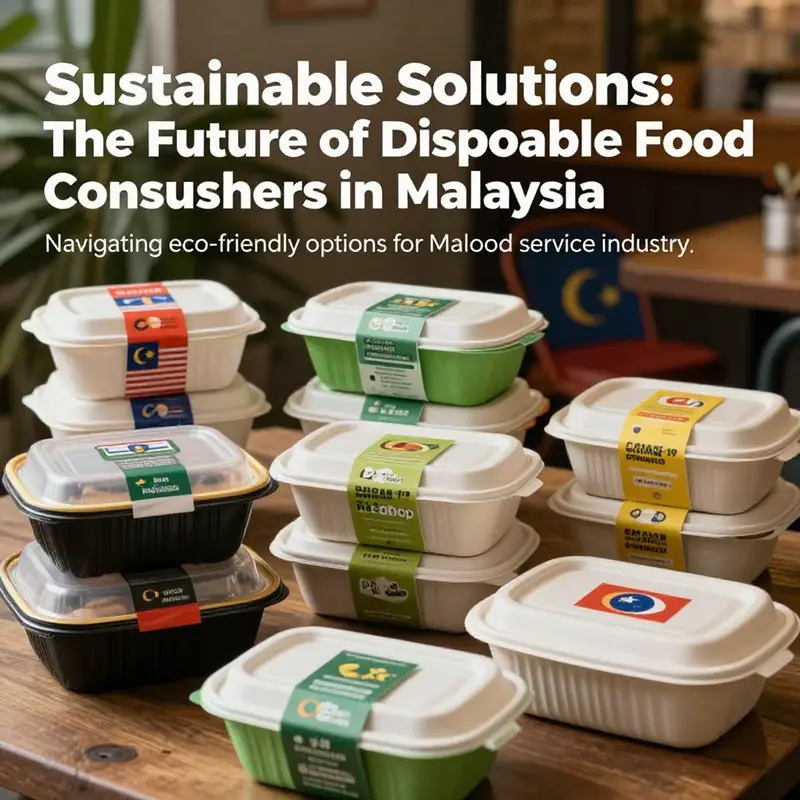
As Malaysia’s food service industry evolves, the demand for disposable food containers is being reshaped by sustainability initiatives and consumer desires to minimize plastic waste. Beverage chains, restaurants, food trucks, and catering services are increasingly seeking eco-friendly solutions to align their offerings with a growing trend toward sustainability. This article explores three significant aspects: the sustainability trends in disposable food containers, the regulatory landscape guiding these products, and the dynamics of suppliers within the market. Together, these chapters provide a comprehensive understanding of how businesses can adapt to current consumer preferences and regulatory pressures while enhancing their brand reputation through responsible choices.
From Convenience to Conscious Choice: Sustainability Trends Redefining Malaysia’s Disposable Food Containers
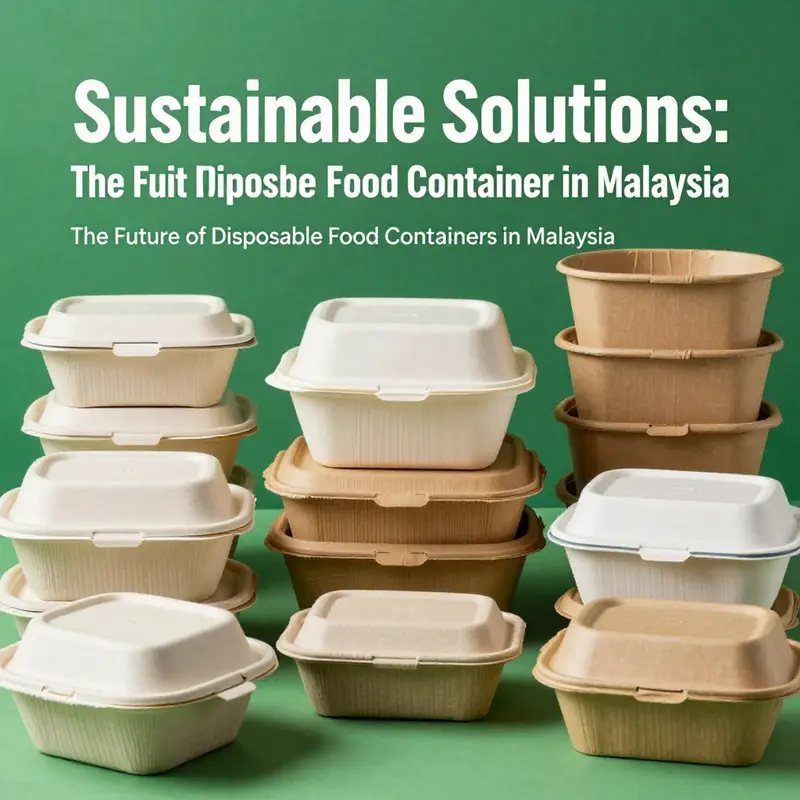
Malaysia’s appetite for disposable food containers has long mirrored the country’s vibrant, on-the-go dining culture. Street stalls, coffee shops, food courts, and the surging takeout economy all depend on packaging that preserves safety, maintains temperature, and travels with minimal fuss from kitchen to customer. Yet beneath the surface of this everyday practicality lies a sweeping transformation shaped by sustainability. The old equation—convenience at any environmental cost—has begun to tilt toward a more deliberate balance. Consumers are increasingly aware that packaging is not just an empty vessel but a link in a broader chain that links food safety, waste management, and resource stewardship. This awareness is not a momentary sentiment but a durable shift that blends market demand with policy signals, scientific advances, and evolving waste infrastructures. The result is a market that still prizes reliability and efficiency but now does so within a framework that prizes clarity about disposal, lower overall environmental impact, and a path toward a more circular economy. As Malaysia’s disposable container sector navigates this shift, the narrative moves beyond the simple question of what can be used to what should be used, under what conditions, and for what end-of-life outcome.
The impetus for change is multi-layered. On the one hand, the demand for convenience remains robust; the modern consumer expects quick service, portability, and the assurance that food remains safe and appetizing, regardless of whether it is consumed at a street corner, in a car, or in a shared workspace. On the other hand, environmental awareness has grown from a niche concern into a mainstream consideration that affects brand perception, regulatory risk, and cost structures. People now scrutinize how waste is generated, where it ends up, and how disposal infrastructure handles it. They question whether a container is simply biodegradable because it breaks down, or whether it truly minimizes environmental burden when recycled, composted, or returned to the supply chain. This logic extends to the business community, where operators are assessing packaging choices not just for performance and price but for the likely end-of-life scenario and the integrity of that scenario in local waste systems.
The sustainability narrative in Malaysia’s disposable container market centers on a convergence of practical design, material innovation, and a clearer understanding of end-of-life pathways. A core driver is the long-term commitment to reduce single-use plastic waste, a policy aspiration that has gained traction through local restrictions, municipal guidelines, and industry-wide efforts to avoid polluting microplastics. While there is no single nationwide ban that has been uniformly implemented, a patchwork of state and municipal rules has created a testing ground for greener options. Penang’s advocacy in 2018, which catalyzed discussions about bans on certain single-use utensils and food containers, illustrates how civil society and regulators intersect to influence corporate behavior. The practical effect is a demand signal: operators need packaging that aligns with consumer expectations and regulatory reality, packaging that can be disposed of with minimal friction and in a way that supports waste system efficiencies rather than undermines them. The market, in turn, responds with a broader palette of options that aim to harmonize safety, performance, and environmental responsibility.
In this environment, the shift toward eco-friendly materials has gained tangible momentum. Paperboard, favored for its familiarity and printability, continues to play a central role in many takeaway formats. It is being supplemented, and in some cases replaced, by plant-based alternatives such as bagasse—the fibrous byproduct of sugarcane processing—and bamboo, which lend themselves to compostable or at least more easily recoverable forms. The appeal of these materials lies not only in renewability but in the potential for reduced life-cycle emissions when managed correctly. Industry conversations emphasize that the environmental benefits hinge on the entire value chain—from responsibly sourced inputs to manufacturing practices that minimize energy use, to end-of-life options that truly reduce pollution. It is essential to note, however, that some of the most widely marketed “biodegradable” or “compostable” plastics require industrial-scale composting facilities and precise temperature regimes to break down. If such facilities are not accessible, or if consumer disposal paths lead to mixed waste streams, the anticipated environmental advantages can be diminished or even negated. This awareness has sharpened the market’s emphasis on clear labeling, credible certification, and the development of disposal infrastructure that can realize the promised environmental outcomes.
Material choices are increasingly informed by life-cycle thinking. When prepared to scale, plant-based materials can offer advantages in terms of resource inputs and end-of-life opportunities. Paperboard-based solutions provide a familiar baseline for safety and consumer confidence, while compostable options introduce the possibility of diverting waste from landfills for those facilities equipped to handle it. The environmental discourse often frames these materials in terms of their carbon footprint across the supply chain. In some cases, carbon-neutral or low-carbon footprints are achievable when the entire chain—from agricultural inputs to transport to processing—is optimized and when end-of-life streams are robust enough to recover value or allow for safe degradation. The broader aim is a packaging ecosystem that respects food safety, reduces overall waste, and integrates with urban waste management systems. Yet realizing this vision requires more than material substitution. It calls for design that reduces material intensity, packaging that encourages correct disposal, and consumer education that supports separation of streams so that recycling and composting can occur with minimal contamination.
The shift toward sustainability is inseparable from the economics of packaging. Sustainable materials frequently carry higher production costs, a reality that affects decisions at both the supplier and buyer levels. Operators weigh these costs against waste disposal fees, potential landfill charges, and the reputational benefits of greener packaging. In a market where price sensitivity remains pronounced, success often hinges on a pragmatic mix: core products in more sustainable formats for brands and segments that demand environmental responsibility, while still offering cost-competitive options for other lines. This balancing act underscores the importance of packaging design that reduces waste without sacrificing performance. In practice, this could mean innovations in coatings that improve moisture resistance and heat tolerance while supporting recyclability, or in lid designs that prevent leakage without complicating the recycling process. The industry’s goal is to squeeze more function and reliability from each gram of material, thereby lowering the overall waste footprint without inflating costs beyond what customers can bear.
Moisture sensitivity and shelf life anxiety are nontrivial concerns for sustainable packaging. Some eco-friendly options can be more susceptible to humidity and may exhibit different behavior under heat than conventional plastics. These technical nuances matter in Malaysia’s climate and consumption patterns, where meals may travel in warm weather or during long commutes. To counter these challenges, designers are refining multilayer configurations and surface coatings that maintain structural integrity and food safety while enabling end-of-life options that don’t compromise environmental goals. The result is a design discipline that treats the packaging as an ingredient in the safety of the food, the experience of the consumer, and the efficiency of waste systems. The trade-offs are negotiated through rigorous testing, transparent labeling, and an open dialogue with waste-management partners about how a given material should be processed once it leaves the consumer’s hands.
A key concern in the sustainability discourse is the availability and reliability of disposal infrastructure. Industrial composting facilities, recycling streams, and the capacity to implement effective waste sorting are not distributed evenly across Malaysia. In areas where composting capacity is limited, even seemingly suitable packaging can face practical barriers to achieving its environmental promise. In such contexts, the industry’s emphasis shifts toward packaging that is either readily recyclable with existing municipal programs or that can be safely disposed of in ways that minimize environmental harm. This dependency on infrastructure explains why labeling is so critical: precise, unambiguous guidance helps households and businesses sort materials correctly, ensuring that compostable items do not end up in landfills where their breakdown cannot occur, and that recyclables do not contaminate compost streams. Clear labeling also supports brand integrity, as consumers increasingly expect packaging to tell them not only what it is made of, but where and how it should be disposed of. The quality of information attached to a product can become as important as the product’s price or performance in the eyes of the consumer.
The regulatory landscape in Malaysia reinforces these dynamics, even if national harmonization remains a work in progress. Local regulations and green procurement policies increasingly incentivize or require sustainable packaging choices. The result is a market where compliance aligns with consumer expectations and corporate strategy. For suppliers and manufacturers, this creates both opportunities and responsibilities: opportunities to differentiate through verified sustainability credentials and responsibilities to ensure that labeling is credible and disposal pathways are practical. The industry’s forward trajectory will depend on coherent policy signals, continued material innovation, and the expansion of disposal infrastructure that can translate environmental intent into real-world outcomes.
From a business strategy perspective, sustainability is becoming a core driver of competitive advantage. Packaging is no longer solely a vessel for food; it is a signal of a brand’s values and a functional component of a company’s waste management plan. When packaging is designed with end-of-life outcomes in mind, it becomes part of a broader system that reduces waste, simplifies recycling, and lowers environmental risk. This holistic approach resonates with urban consumers, who increasingly equate responsible packaging with responsible business practices. It also resonates with regulators and municipalities seeking to curb pollution and microplastic contamination, ultimately creating a business environment where sustainable choices are not only desirable but strategically advantageous.
The future outlook for sustainable disposable packaging in Malaysia remains cautiously optimistic. Innovation continues to yield new material blends and processing methods that improve performance while expanding the range of end-of-life options. Policy signals are likely to intensify, further rewarding operations that can demonstrate measurable waste reduction, higher recycling or composting rates, and transparent environmental reporting. As more facilities come online and consumer education broadens, the gap between what is technically feasible and what is practically accessible will narrow. The pace of adoption will vary across sectors and regions, but the trajectory is clear: packaging choices will increasingly reflect a balance between immediate needs and long-term environmental considerations. This balance will shape not only product design but also procurement strategies, logistics planning, and consumer engagement.
To anchor these reflections in a broader context, industry analyses offer longer horizon perspectives on market growth, technology diffusion, and policy evolution. These resources emphasize that sustainability in packaging is not a single technology but a system of choices—materials, design, manufacturing energy, logistics, and end-of-life infrastructure—that collectively determine environmental impact. The most valuable insights arise when stakeholders compare options on robust, standardized bases rather than marketing claims alone. For readers seeking a concise window into industry thinking and market expectations, the broader analysis highlights ongoing momentum in sustainable disposable packaging across Malaysia, with growth supported by policy signals and continued material innovation: industry projection.
In practical terms, the translation of these trends into daily operations involves several coordinated moves. Packaging designers and manufacturers experiment with liner materials and barrier coatings that extend heat tolerance and moisture resistance while preserving recyclability. They aim to keep packaging lightweight without compromising durability, an objective that reduces material use and energy consumption during production and transport. They also explore designs that facilitate easier opening, reuse, or flattening after use, features that can improve consumer convenience and support more efficient waste-stream processing. The objective is not to replace plastic with a greener alternative in a vacuum but to reimagine the entire packaging system so that each component contributes to safety, performance, and end-of-life clarity. When such design thinking is paired with credible labeling and accessible disposal options, the customer experience improves and waste contamination risks decline.
Consumer education plays a central role in this evolution. Clear guidance about whether a container is recyclable, compostable, or suitable only for landfill reduces confusion, enabling households and businesses to sort packaging more effectively. In Malaysia, as in many markets, education is not a one-off effort; it requires ongoing collaboration among policymakers, manufacturers, and waste-management operators to ensure that disposal pathways are practical and aligned with population behavior. End-of-life guidance must reflect real disposal conditions rather than marketing promises. When well executed, labeling increases consumer confidence and reinforces brand trust, ultimately supporting broader adoption of sustainable packaging across foodservice and retail channels.
The internal dynamics of the industry also reveal a practical path forward for those seeking to implement sustainability at scale. A representative example of eco-friendly, multi-compartment packaging formats in practice—useful for meals that include separate components or sauces—can be explored here: eco-friendly-disposable-3-compartment-food-grade-packaging-box-for-fast-food-high-quality-takeout-boxes-for-fried-chicken-french-fries-packaging.
Taken together, these strands—consumer expectations, regulatory signals, material science, and infrastructure readiness—shape a sustainability trajectory that is neither abrupt nor uniform but progressively consolidating. Malaysia’s disposable food container sector is moving toward packaging that respects food safety and performance while aspiring toward lower environmental impact, clearer disposal guidance, and greater transparency about end-of-life outcomes. The journey is marked by iterative improvements in materials, processing, and design, as well as by ongoing investments in disposal and recycling capabilities that can translate environmental intent into real progress. The market’s resilience will depend on sustaining this integrated approach—combining credible labeling, robust material performance, and practical waste-management pathways that align with local contexts. In this sense, sustainability is not merely a trend to be observed; it is a framework for decision-making that shapes product development, supplier partnerships, and the experiential expectations of consumers who increasingly want packaging that stands up to both the rigors of modern life and the responsibilities of a shared environment.
For readers seeking a concise synthesis of market outlook and sustainability dynamics, the broader industry analysis linked at the end of this chapter provides longer-run projections and scenario planning. It reinforces the view that sustainable packaging in Malaysia will continue to evolve as material innovations mature, disposal infrastructure expands, and policy tools refine incentives and penalties to drive responsible packaging at scale. In the meantime, the industry’s momentum remains evident: smaller, smarter packaging footprints; enhanced waste-management integration; and a growing emphasis on end-of-life performance as a core criterion in packaging design and selection. The path ahead invites continued collaboration among researchers, manufacturers, policymakers, and consumers alike. When these actors converge around shared objectives, Malaysia’s disposable food container ecosystem can advance toward a future in which convenience coexists with stewardship, and where every box, cup, and lid carries not just a meal but a promise of a cleaner, healthier environment.
External resource for further context on market projections and sustainability trends: industry projection.
Clarifying Safety, Standards, and Sustainability in Malaysia’s Disposable Food Containers
Malaysia’s food service landscape sits at a delicate crossroads. On one side is the practical demand for disposable containers that keep meals safe, fresh, and convenient in a fast-paced economy. On the other is a dense regulatory and institutional framework designed to protect public health, guide fair trade, and steer industry toward sustainability. The following chapter traces the through line from public health safeguards embedded in the Food Act and its accompanying regulations to the practical implications for manufacturers, importers, and restaurant operators. It also considers how evolving consumer expectations—driven in part by environmental awareness and corporate responsibility—intersect with the regulatory framework that governs what can touch food, how it can be produced, and how it must be disposed of. In this context, the disposable container market in Malaysia is not a free arena of choice but a regulated field where safety, traceability, and environmental accountability converge with commercial opportunity.
The central spine of Malaysia’s regulatory regime for food contact materials rests with the 1983 Food Act and the 1985 Food Regulations, administered by the Food Safety and Quality Division (FSQD) of the Ministry of Health (MOH). These instruments codify a philosophy that packaging materials touching food must not become a source of contamination or exposure to harmful substances. The regulations emphasize a risk-based approach to safety, performance, and protective measures rather than a fixed list of approved or banned substances. They acknowledge that suitability can vary with processing conditions, storage environments, and the specific foods involved, but maintain a constant commitment to preventing contaminants from migrating into meals and to safeguarding the integrity of the entire supply chain.
A notable facet of the regime is the prohibition of materials capable of transferring toxic elements into food. P.U. (A) 437/1985, Part VI of the Food Regulations, explicitly bans packaging materials that might deliver lead, antimony, arsenic, cadmium, or other hazardous elements into the food supply. This is a strict chemical safety filter that requires manufacturers to demonstrate inertness or safe migration profiles under expected use. For suppliers and manufacturers, this means pre-market evaluation, chemical characterization of additives, and robust testing to ensure any potential migration stays within permissible limits. For buyers—whether restaurants, retailers, or distributors—this creates a baseline expectation that packaging materials do not introduce dangerous elements through contact surfaces, inks, coatings, or additives. It also situates Malaysia within a broader safety dialogue that emphasizes risk reduction rather than simple portability.
The system does not rely on a formal positive or negative list of materials. Instead, it emphasizes general safety principles and performance standards. Materials intended for food contact must prove safety through appropriate scientific evaluation. A material used in one jurisdiction may still need to demonstrate that its use does not pose a risk under realistic migration conditions in Malaysia. New materials or composites can enter the market if equipped with robust safety data and compliant performance with FSQD guidance. This flexibility supports innovation—biodegradable, compostable, or recycled-content options—while preserving a safety-first ethos and a dynamic framework of ongoing testing and guidance updates.
Malaysia’s regulatory stance also accommodates international harmonization. Compliance with international standards and practices is encouraged as biodegradable and recyclable packaging gains traction. Materials such as paper-based products, greaseproof bags, bakery wraps, and takeaway containers are increasingly expected to meet environmental as well as safety criteria. The policy landscape seeks to balance public health protection with the adoption of sustainable packaging solutions, mindful of regional trade agreements like the Regional Comprehensive Economic Partnership (RCEP) and cross-border technical barriers to trade. Businesses should pair innovation with transparent documentation and compliance strategies that satisfy both safety and environmental performance without compromising safety.
The import dimension is likewise structured. For importers and manufacturers, adherence to customs procedures under the 1977 Customs Act is mandatory. The import process requires a clear manifest detailing product description, quantity, weight, value, HS code, and origin, submitted through designated ports of entry. Non-compliance can cause delays, penalties, or rejection at the border. Yet the process serves a protective function: ensuring traceability, proper classification, and evaluation for safety and environmental impact. It supports regulatory oversight of trade flows, helps regulators monitor risk, and ensures products meet national standards before reaching consumers. This audit-like framework links safety, trade, and environmental objectives into a coherent policy architecture.
Beyond chemical safety and border controls, sustainability is increasingly embedded in policy and practice. Public interest and consumer expectations focus on the lifecycle of disposable containers—from sourcing and manufacturing to disposal, reuse, and recycling. FSQD is attentive to whether packaging materials are genuinely compatible with a circular economy rather than relying on green marketing claims. Concerns about greenwashing, and the need for clearer labeling and disposal guidance, have prompted discussions about disposal infrastructure, including industrial composting and robust recycling streams. When disposal realities are clear, environmental claims carry credible weight and are more readily validated in practice.
This convergence of safety, trade compliance, and environmental accountability shapes how Malaysian businesses position themselves in the market. A growing share of the disposable container sector is moving toward materials perceived as more sustainable—such as bagasse, bamboo, and paper-based solutions—provided that these alternatives can be demonstrated as safe and credible in environmental performance. Documentation for new materials typically includes evidence of migration limits, processing stability, and compatibility with various food types, along with supply-chain traceability. The aim is to protect consumers while enabling innovation and credible environmental outcomes. The broader regional and international standards ecosystem can serve as helpful benchmarks, but must be interpreted in light of Malaysia’s specific public health objectives and enforcement capacity.
For suppliers and manufacturers, practical implications include rigorous testing and certification to demonstrate safety in contact with food, labeling that informs users about safe usage and disposal methods, and supply-chain transparency for traceability. In parallel, the market’s sustainability shift affects restaurants and food-service operators, who must balance cost, performance, and environmental impact. Substitution must not introduce new risks; performance under hot, greasy, or wet conditions must be validated, and disposal guidance must be clearly communicated to staff and customers. Clear labeling about compostability, recyclability, and viable disposal pathways is essential to avoid misinterpretation and maximize environmental benefits.
In practice, the regulatory framework emphasizes documentation and cross-border clarity for packaging materials sourced overseas. Importers must ensure compliance with Malaysian chemical safety criteria and provide accurate product descriptions, quantities, values, HS codes, and origins. This reduces the risk of border delays or rejections and reinforces a broader duty to ensure packaging materials are safe for intended foods and contexts. The architecture aims to enable safer, more responsible, and increasingly sustainable packaging solutions to thrive in Malaysia’s diverse food-service economy.
As the landscape evolves, transparent labeling and disposal infrastructure remain central. Practical labeling helps consumers understand not only safety for contact with food but also how to dispose of containers responsibly within local waste systems. Collaboration among regulators, industry players, and waste-management partners is crucial to realize meaningful environmental benefits without compromising safety or consumer clarity. The day-to-day decision-making of packaging procurement should balance safety validation, environmental credibility, and accessible information for staff and customers. This triad forms the backbone of compliant, responsible packaging choices in a market that is both competitive and conscientious.
In summary, Malaysia’s regulatory landscape for disposable food containers weaves together safety standards, import controls, and environmental stewardship. It begins with strong protections against toxic migration and ends with practical considerations of customs, labeling, and disposal realities. As the market moves toward more sustainable options, the framework serves as a guide to ensure that safety and public trust are not sacrificed in pursuit of environmental gains. For practitioners, the path forward is clear: rigorous safety validation, credible environmental labeling, and transparent supply-chain documentation that aligns with national policy and global best practice.
Rethinking Convenience: Market Currents, Sustainability, and the Network of Suppliers in Malaysia’s Disposable Food Container Scene
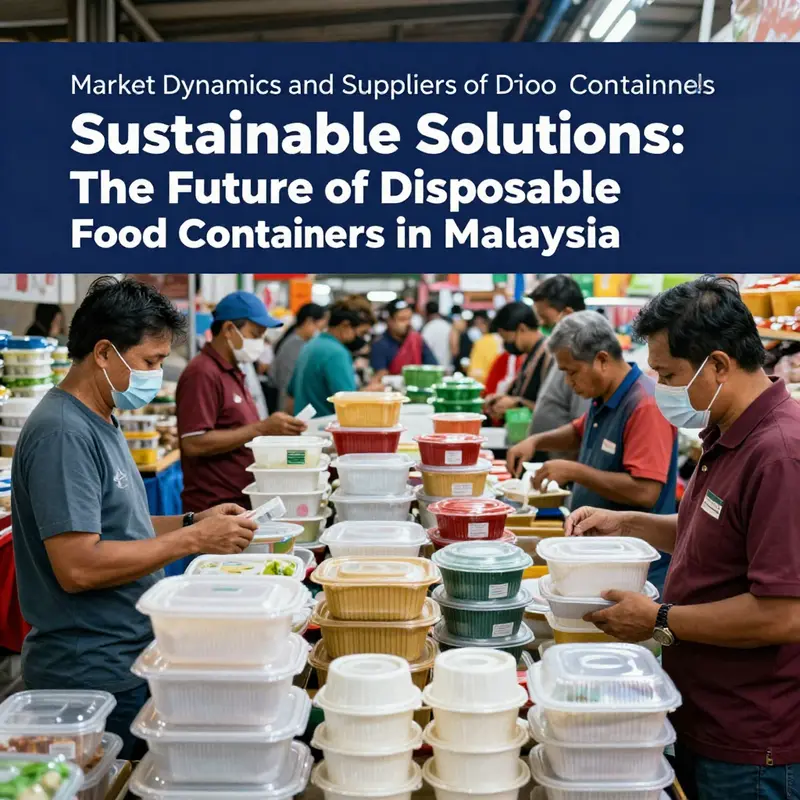
Malaysia’s appetite for disposable food containers reflects a broader global shift toward convenience without sacrificing environmental accountability. The market, shaped by rapid urban growth, a vibrant food service sector, and evolving regulatory expectations, has evolved from a simple supply chain of plastic wares into a nuanced ecosystem where material science, labeling clarity, and strategic sourcing intersect. In 2023, the broader disposable packaging market in Malaysia stood at an estimated USD 1.2 billion, a figure that hints at both the scale of the current demand and the potential for continued expansion through 2033. Yet the surface story is only a doorway to a more complex narrative about how businesses balance cost, performance, and responsibility while navigating a landscape of shifting policies and consumer sentiment. What emerges is a cohesive portrait of a market in flux, where the drivers of growth—convenience, regulatory momentum, and technological progress—are increasingly harmonized with a rising imperative to reduce plastic waste and to cultivate supply chains capable of delivering safer, more sustainable choices to a diverse array of customers.
The demand for disposable food containers in Malaysia is largely propelled by the same forces that accelerate dining-out and food delivery across many Asian urban economies. Consumers increasingly value speed, consistency, and portion control, and foodservice operators—from local hawker stalls to multinational quick-service outlets—seek packaging that preserves temperature, prevents leaks, and maintains the integrity of the product during transport. The practical benefits of disposables—lightweight handling, standardized portioning, and ease of stacking and storage—translate into tangible operational efficiencies for restaurants, caterers, and mobile vendors alike. When paired with the growth of food delivery platforms and the rise of ghost kitchens, the demand for dependable, safe, and cleanable packaging becomes even more pronounced. In this context, the packaging itself is not merely a container but a critical component of the service proposition, influencing customer experience, brand perception, and repeat business.
Regulatory changes have accelerated the pace at which the market adopts more sustainable options. While a comprehensive national ban on single-use plastics remains elusive, policy efforts at the state and municipal levels have become more assertive. The Penang Consumers Association’s advocacy in 2018 for a nationwide restriction on single-use utensils and containers signaled a shift toward disciplined disposal behavior and a preference for alternatives. Since then, several states and municipalities have implemented restrictions that curb the most problematic categories of disposables, creating a more favorable environment for compostable and biodegradable options. For manufacturers and suppliers, these regulatory signals translate into a demand for transparency in labeling and for products designed with disposal realities in mind. The industry now considers not only the performance of a container in the kitchen or the field but also the conditions under which it will break down, and the infrastructure needed to realize that breakdown. The conversation about “biodegradable” and “compostable” materials has become more nuanced as it becomes clear that industrial composting facilities often demand high temperatures and controlled conditions that are not universally available in every municipal landfill or household compost heap. As a result, clearer labeling and consumer education are essential parts of the packaging landscape, ensuring that customers understand the proper disposal pathways and that the environmental benefits claimed by suppliers align with on-the-ground capabilities.
This regulatory milieu has further spurred interest in sustainable material alternatives such as plant-based plastics, bagasse from sugarcane fiber, bamboo, and paper. PLA (polylactic acid) and similar bioplastics have found a niche within the market as compostable options, particularly for applications where heat resistance and moisture barriers are critical. Yet the practical realities of decomposition mean that these products often require industrial composting facilities to achieve meaningful breakdown. This nuance complicates the green claims around some products and has led suppliers to refine their messaging and to pursue more robust disposal infrastructure partnerships. In Malaysia’s dense urban locales, where the footprint of single-use plastics is conspicuous, the appeal of plant-based alternatives is strong. Businesses see an opportunity to differentiate themselves on sustainability without compromising the efficiency and reliability that customers expect from disposable packaging. In effect, the market is experimenting with a spectrum of options—ranging from traditional plastics that have been engineered for better performance and recyclability to sustainable materials designed to minimize environmental impact—while navigating the practical limitations of end-of-life processing.
Sourcing and supplier networks underpin this evolving landscape. The market in Malaysia is a blend of local manufacturing capacity and international supply networks. Local producers bring an intimate understanding of the regional climate, regulatory environment, and consumer preferences, while international players contribute scale, cost efficiencies, and access to a wider range of materials and designs. The resulting mix yields a diverse catalog that spans plastic clamshells, trays, cups, and cutlery, as well as increasingly popular sustainable formats featuring biodegradable or compostable construction. These offerings are not limited to a single application; they span fast food, casual dining, catering, street vending, and retail packaging, reflecting a broad-based demand across food service channels. In practice, this means operators can select from a menu of containers tailored to different temperature ranges, food types, and service models, from microwave-safe options to grease-resistant liners suitable for fried foods. The market’s breadth is a product of both the economic realities of scale and the growing demand for customization that helps brands deliver consistent customer experiences across channels.
With competition comes the imperative for reliability and safety. Suppliers are minting a wide array of products designed to meet rigorous food-grade standards, leak resistance, and microwave compatibility. The push toward standardized and durable designs is particularly evident in the rise of containers that can withstand daily handling in high-volume settings, including food carts and multiple-shift operations. These innovations are informed by ongoing research in packaging science, which seeks to balance barrier properties, heat resistance, and mechanical strength with sustainability characteristics. What emerges is a market in which the container is no longer a peripheral afterthought but a core component of operational efficiency, customer satisfaction, and brand integrity. The interplay between form, function, and environmental responsibility is the thread that ties together material choices, product design, and the expectations of regulators, retailers, and consumers.
In this ecosystem, sourcing solutions have become more strategic and networked. Businesses increasingly rely on trade directories, industry associations, and professional networks to identify reputable suppliers and manufacturers. The practical value of these networks lies in transparency, quality assurance, and risk management. When operators commit to sustainable packaging, they must assess a supplier’s material credentials, manufacturing practices, and ability to meet demand in a reliable timetable. For many players, the decision hinges on a balance between cost, performance, and environmental impact. A crucial dimension of this balance is the capacity to maintain consistent stock levels across changing demand cycles, from the holiday season to peak delivery periods. In this sense, the supply chain for disposable containers resembles a living system that must adapt to shifts in culinary trends, regulatory rhetoric, and consumer expectations.
Sustainability remains a defining trend, and its trajectory is shaped by both supply-side and demand-side dynamics. On the demand side, consumer awareness about plastic waste and the lifecycle of packaging has grown markedly. As shoppers and diners demand greater accountability, businesses respond by incorporating compostable and biodegradable options into their menus and packaging assortments. The supply side witnesses a corresponding expansion in the availability of alternatives, with innovations in bagasse and bamboo-based containers, as well as recycled-content papers and mold-resistant coatings that support longer shelf life and safer handling. But while these materials offer compelling environmental advantages, they require careful product stewardship. Labels must accurately convey disposal pathways, and facilities must exist to treat these materials properly. Without robust recycling and composting infrastructure, even the most well-intentioned options can underperform from an environmental standpoint. This realization has spurred a more transparent and conscientious approach to marketing, with clearer guidance about end-of-life options and realistic expectations about decomposition timelines.
One of the most interesting developments in Malaysia’s disposable container market is the emergence of durable, recyclable, and reusable design concepts that align with the broader circular economy goals. While the core product category remains disposables, manufacturers are experimenting with modular design features that facilitate recycling or reuse, where feasible. For instance, containers with standardized dimensions can be integrated into returnable systems or shared-use fleets, reducing waste and enabling more cost-efficient waste management over the long run. In parallel, there is growing interest in converting shipping containers into semi-permanent or permanent food stalls, a concept that has spawned demand for packaging that is not only hygienic and durable but also compatible with high-volume, day-to-day operations. These containerized concepts—often called container food carts—underscore how packaging needs extend beyond a single-use event to support a broader business model that emphasizes reliability, speed, and consistent hygiene in mobile or semi-permanent settings. The packaging requirements for such operations emphasize leak control, heat stability, and ease of cleanup, reinforcing the importance of design choices that minimize waste and maximize operational efficiency.
From a practical standpoint, the Malaysian market’s growth is buoyed by the ability of suppliers to offer an integrated value proposition. This includes not only a wide array of product formats but also guidance on material selection, disposal considerations, and regulatory compliance. The modern supplier recognizes that packaging is part of a brand narrative and an operational backbone. As such, interactions between buyers and suppliers extend beyond price lists to cover topics such as labeling accuracy, food-grade certifications, compatibility with heating methods, and the environmental claims associated with the product. In many cases, buyers seek a holistic package that includes technical support on usage, waste management strategies, and alignment with local disposal infrastructure. This kind of collaboration is critical when navigating the fine print of biodegradable and compostable claims, ensuring customers understand what is feasible within their disposal context and what remains aspirational.
The market’s forward march is also about the information layer—the labeling, the certifications, and the transparency that help customers make informed choices. Given the heterogeneity of disposal environments across Malaysia—from urban centers with advanced waste management to smaller towns with limited infrastructure—there is a growing need for packaging that communicates, in clear terms, how the product should be handled after use. Greenwashing concerns have pushed regulators and industry groups to demand more precise disclosures about the conditions required for decomposition and the extent to which a product can be recycled. In practice, responsible suppliers are investing in labeling that specifies material composition, composting class, and any post-consumer recycling guidance. This kind of clarity not only serves environmental objectives but also protects brands from misrepresentation and helps ensure consumer trust remains intact as markets evolve.
Against this backdrop, the spatial distribution of supply channels matters as well. In Malaysia, the ability to source—from both local manufacturers and overseas suppliers—depends on efficient logistics, quality control, and robust forecasting. For domestic operators, proximity to manufacturers can translate into shorter lead times, lower freight costs, and more agile response to demand spikes. For multinational or regional players, the ability to consolidate orders, negotiate favorable terms for large volumes, and coordinate across multiple product lines becomes a decisive factor in competitiveness. Even as digital platforms enable broader access to suppliers, the human element—relationships, reputation, and the track record of on-time delivery—continues to anchor trust in the marketplace. The rise of professional networks and trade directories provides a critical bridge between manufacturers and buyers, enabling a more strategic approach to procurement and risk management, while reducing the friction often associated with sourcing disposable packaging in a fast-moving sector.
In keeping with the broader research landscape, it is important to note a practical example of how product design and sustainability intersect in everyday use. Consider the trend toward plant-based and compostable formats that can withstand a range of temperatures and driving conditions typical of takeout and delivery operations. To meet these demands, designers are prioritizing barrier properties and moisture control, ensuring that sauces and stews do not compromise container integrity while also maintaining a clean and convenient eating experience for customers. The resulting products must perform under the varied realities of Malaysian service channels—from vending stalls to upscale delivery to event catering—without compromising safety or waste management objectives. The multi-layered considerations involved in selecting disposable containers thus extend beyond immediate costs to touch upon customer satisfaction, brand messaging, and the societal imperative to minimize waste and increase resource efficiency.
From a strategic perspective, the chapter’s core narrative highlights the tension between cost-driven economies of scale and the need for responsible stewardship. High-volume operators may gravitate toward traditional plastics when price and performance dominate, while mid- to long-term sustainability goals push many players toward alternative materials that reduce environmental impact, even if those options might carry a higher upfront cost or require more intricate disposal pathways. The market’s momentum suggests a pragmatic path forward: embrace a portfolio approach that combines durable, reusable or returnable options where feasible, with biodegradable and compostable alternatives for segments where end-of-life management is well supported. Such a portfolio approach helps ensure operational resilience—minimizing supply disruption, reducing waste, and preserving a service experience that aligns with evolving customer expectations. It also provides a framework for evaluating the true environmental costs of different packaging choices, including material production, transport, end-of-life processing, and the capacity of local facilities to handle the expected waste stream.
For practitioners seeking actionable insights, the Malaysian packaging landscape underscores the importance of aligning procurement strategies with end-of-life realities. Operators can strengthen their sustainability profile by selecting materials with verified certifications and by participating in programs that promote proper disposal. In this sense, sustainability is not a passive attribute but an active program that requires collaboration across suppliers, waste management providers, policymakers, and the consumer base. By fostering clarity around disposal pathways and by investing in relationships that support steady supply and quality assurance, businesses can navigate the complexities of a rapidly evolving market while delivering predictable service quality. The result is a packaging ecosystem that supports growth in the food service sector, reinforces brand integrity, and advances environmental objectives in a manner that is both commercially viable and socially responsible.
To illustrate how the market is evolving in practical terms, consider the broader trend of container customization. Operators increasingly demand packaging that reflects brand identity while offering functional advantages such as microwavable safety, leak resistance, and ease of stacking. Customization extends from basic shapes and sizes to innovative features like windowed bakery boxes, reinforced corners for heavy dishes, or compartments that facilitate segregated servings. While such innovations can elevate the customer experience, they also introduce additional considerations for waste management and recycling. In response, some suppliers are offering modular designs that can be swapped or upgraded without replacing the entire line, supporting a more flexible approach to packaging that can adapt to changing menus and service models. This kind of adaptability is particularly valuable in Malaysia’s dynamic market, where consumer preferences, regulatory signals, and operational realities can shift quickly, and where packaging decisions reverberate across the entire value chain—from raw material sourcing to end-user experience.
One practical takeaway from the current dynamics is the importance of strategic partnerships that extend beyond simple purchase agreements. The most resilient operators are those that cultivate supplier relationships built on mutual alignment around sustainability targets, reliable delivery schedules, and ongoing product development. In many cases, such partnerships include knowledge sharing on labeling, disposal best practices, and collaborative exploration of new materials that balance performance with environmental stewardship. The result is not only better packaging but a more resilient supply chain, better risk management, and stronger competitive differentiation in an otherwise crowded market. For readers seeking deeper immersion into these themes, a broader industry perspective can be gained by examining the Malaysia Disposable Packaging Market Size 2026-2033 on LinkedIn, which provides a landscape view of growth trajectories, regulatory influences, and market segmentation across the region.
In this evolving scene, one can imagine the chapter ahead building on these insights by tracing the lifecycle of a typical disposable container—from its design through procurement, use, and end-of-life management. Such a lifecycle approach helps illustrate how decisions at each stage influence sustainability outcomes and how suppliers, manufacturers, and buyers can collaborate to close the loop. It also clarifies how policy signals and consumer expectations translate into concrete design choices and operational practices. The trajectory is clear: as urbanization intensifies and as the appetite for convenient, high-quality food experiences grows, Malaysia’s disposable container market will continue to adapt. It will favor materials and designs that offer reliable performance, transparent sustainability, and the versatility necessary to support a broad spectrum of food service models. The resulting ecosystem will be characterized by a careful balance of cost, quality, and environmental accountability, with the packaging itself serving as a bridge between a thriving food culture and a shared commitment to responsible waste management.
As the market evolves, the interplay between local solutions and global influences will remain pivotal. Local manufacturers bring an intimate understanding of the regulatory terrain, the climate, and the logistics networks that operate within the country. International players contribute scale, advanced materials, and new manufacturing practices that can be localized to meet Southeast Asia’s unique needs. The best opportunities for growth will likely emerge where these forces converge: a robust, transparent supply chain; a portfolio of packaging options tailored to different segments of the food service economy; and an adherence to labeling and disposal guidance that helps consumers make informed, responsible choices. In other words, Malaysia’s disposable food container market is moving toward a future in which packaging is recognized not simply as a consumable item but as a strategic element of a sustainable and efficient food system.
Internal link example: eco-friendly disposable 3-compartment packaging illustrates a growing demand for multi-compartment formats designed to deliver convenient, portion-controlled meals while balancing the need for environmental responsibility. This kind of packaging aligns with operators who pursue menu differentiation and enhanced customer experience, especially in settings where sauces, sides, and mains require careful separation but must still arrive at the table as a cohesive meal. The design philosophy behind such offerings emphasizes not only functional performance but also end-of-life considerations, a factor that increasingly informs procurement choices and supplier partnerships. As the market continues to mature, the ability to offer a coherent package that meets safety standards, temperature performance, and sustainability expectations will be a differentiator for suppliers and a deciding factor for buyers.
External resource: For a broader industry perspective on market growth and regulatory context, see the Malaysia Disposable Packaging Market Size 2026-2033 on LinkedIn: https://www.linkedin.com/pulse/malaysia-disposable-packaging-market-size-2026-2033-xyz/
Final thoughts
The shift towards sustainable disposable food containers in Malaysia offers exciting opportunities for businesses in the food service industry. As consumers become more aware of their environmental impact, integrating eco-friendly options is not just a trend but a necessity. By understanding current sustainability trends, adhering to regulations, and sourcing from responsible suppliers, beverage chains, restaurants, food trucks, and catering services can lead the way in sustainable practices. Making these choices not only benefits the planet but also solidifies brand loyalty among environmentally conscious consumers.