

In the competitive landscape of food service, the choice of disposable food containers plays a pivotal role in maintaining operational efficiency and customer satisfaction. For businesses like bubble tea shops, restaurants, food trucks, catering services, event planners, and corporate procurement teams, understanding the nuances of sourcing wholesale food containers can enhance service offerings and boost brand credibility. This article delves into the critical elements of product quality, inventory management, material options, and global supply chain dynamics, empowering businesses to make informed decisions and forge long-lasting partnerships with reliable suppliers.
Quality That Holds: Mastering Consistency in UK Wholesale Disposable Food Containers
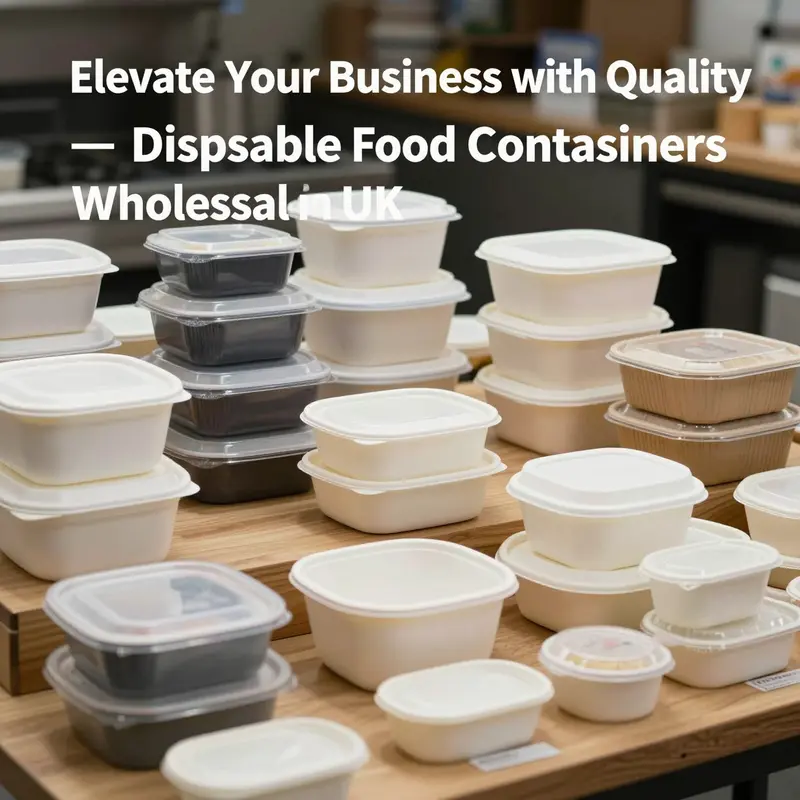
In wholesale markets for disposable food containers within the UK, quality is not a luxury; it is the foundation on which service, safety, and reputation are built. When a business sells meals, whether through dine-in, takeout, or delivery, the packaging is more than a protective envelope. It is part of the dining experience, an instrument of trust, and a visible commitment to standards. The journey from supplier to plate passes through an unbroken chain of expectations: the container must be sturdy enough to carry hot or oily contents without deformation; it should seal reliably to prevent leakage; it must look professional on the shelf or in the customer’s hands; and it should align with regulatory requirements and evolving consumer preferences around sustainability. In a market where margins depend on operational efficiency, consistent quality in packaging translates into fewer slip ups, steadier supply, and a stronger brand impression across channels, from bustling food trucks to catering services.
Central to achieving this consistency is the material science behind plastic and paper packaging. PET and PP dominate the plastic segment in the UK wholesale context due to their lightweight strength and favorable mechanical properties. PET’s clarity can showcase the food appealingly, which is valued for boxes that display salads, layered meals, or desserts. Polypropylene, with moisture resistance and versatility, offers a robust balance of rigidity and flexibility that suits a wide range of containers, from lids to multi-part setups. The practical implications are clear: when a consumer sees a well made container during delivery, the likelihood of spills or compromised presentation drops, and the perceived value of the meal rises. Yet every material choice carries trade offs. PET’s clarity can waver under certain temperatures, and PP, while heat-tolerant for many applications, can warp if subjected to sustained high temperatures or aggressive stacking. For businesses, these trade offs reinforce the need to select packaging that aligns with the specific use case—whether it is a heat retentive lunch box for hot meals, an airtight container for soups and sauces, or a leakage resistant box for fried items.
Quality control is the next pillar of consistency. Reputable suppliers bring disciplined manufacturing practices that translate into uniformity across batches. Standardized dimensions, precise material thickness, and reliable sealing properties are deliberate outcomes of calibrated processes and rigorous testing. For items such as anti-fog lids, or airtight containers designed for delicate fillings like dim sum or sushi, the tolerances matter more than aesthetics. A lid that fits snugly across a thousand units should fit the next thousand. This repeatability reduces the risk of customer complaints, returns, or the nightmare of repackaging and refunds. In practice, a supplier’s QA program should cover dimensional accuracy, moisture and heat resistance, seal strength, and barrier performance. It also encompasses traceability: the ability to identify a batch, trace its origins, and verify the materials used in every lot. These controls are especially critical during peak demand when turnover is high and the consequences of a single batch flaw can cascade across multiple outlets.
The regulatory framework anchors quality in a visible, verifiable way. In the UK, food contact materials and products must align with safety standards and labeling requirements that protect consumer health and guide responsible usage. Official guidance highlights testing, proper certification, and accurate information about the materials suitability for contact with different foods and temperatures. While specifics may evolve, the core principle remains: packaging should be traceable, safe, and appropriate for its intended use. The technical landscape is complemented by classifications such as HS codes for plastic packaging, which help buyers compare products, understand duties, and plan procurement with clarity. For wholesale buyers, these standards guide the selection of suppliers who can deliver reliable, compliant packages at scale.
Within this framework, the economics of consistency appear in MOQs and customization options. Many established suppliers work with orders that offer scalable production, often with minimum quantities around ten thousand sets. This is not a barrier to quality; it signals that the supplier has invested in process stability, supply chain visibility, and long-run efficiency. When a buyer commits to larger volumes, the benefits extend beyond price: tighter tolerances, more consistent printing or branding, and the potential for standardized packaging across menus and outlets. Customization is not merely about aesthetics; it can improve usability, reduce waste, or reinforce brand identity in a way that strengthens recognition and loyalty. The ability to adjust sizes, colors, and labeling while preserving batch consistency is a key advantage of partnering with credible wholesalers who can manage repeatable production cycles.
Sustainability threads through the conversation about quality and consistency as well. The modern consumer ecology favors options that balance performance with environmental responsibility. This push has led many UK businesses to consider more sustainable materials, such as paper-based or recycled-content options, which can meet safety and performance expectations while reducing environmental impact. Paper containers designed to be nontoxic, biodegradable, and safe for food contact are gaining traction, especially when paired with clear labeling about compostability or recycling. The challenge is to retain the reliability customers expect from plastic packaging, particularly for hot or oily foods where barrier properties and moisture control are critical. Suppliers respond with barrier coatings and eco-friendly coatings that do not compromise seal integrity, and with customization options aligned to sustainability goals. The result is a packaging ecosystem where performance, safety, and environmental stewardship reinforce one another.
In practice, buyers weigh criteria such as compliance with UK food contact regulations, consistency across orders, reliability of on-time delivery, customization capability, and sustainability credentials. The decision framework centers on a supplier’s ability to blend performance with accountability, including traceability, rigorous testing, and transparent QA. A reliable UK wholesaler can offer more than a catalog of containers: they can provide a stable platform of supply that underpins brand integrity and operational efficiency. By ensuring product uniformity across batches, they reduce friction from returns, complaints, and misaligned expectations. They also support inventory management during busy periods, preventing stockouts that would interrupt service or force compromised packaging choices.
To anchor decisions in practice, consider customization pathways that reinforce brand presence and sustainability goals. Suppliers can tailor packaging to reflect visual identity, enabling clear on-pack branding, color coding for meal lines, or printed information about recycling or compostability. Such customization must still respect the manufacturer’s quality gates, ensuring that branding does not interfere with seal integrity or barrier performance. The best partnerships emerge from collaboration between buyers and suppliers, with a shared commitment to containers that perform under pressure and align with a brand’s mission and customer expectations.
For readers seeking broader context, official guidance on testing, material safety, and labeling remains a critical touchstone. Buyers should request detailed technical specifications, including material composition, barrier properties, seal strength, and compatibility with heating or cooling regimes. MOQs and lead times should be discussed upfront to align with calendars and promotions. Because the supply chain is global, buyers should assess a supplier’s capacity to maintain quality across international shipments, manage customs documentation, and comply with regional differences in food safety requirements. A progressive buyer also considers sustainability credentials, such as recycled content, compostability certifications, and environmental policies, to ensure the partnership supports performance goals and environmental commitments.
Ultimately, consistent quality in disposable food containers is a holistic commitment to safety, reliability, and brand trust across the supply chain, from raw materials to finished goods, and across dine-in, takeout, and delivery experiences. When a buyer can rely on a supplier to deliver uniform products that perform as expected under peak pressures, the operation gains resilience. This resilience translates into steadier throughput, fewer disruptions, and a cohesive brand narrative that resonates with customers.
Stock, Sustainability, and Scale: Mastering Inventory Management in UK Wholesale Disposable Food Containers
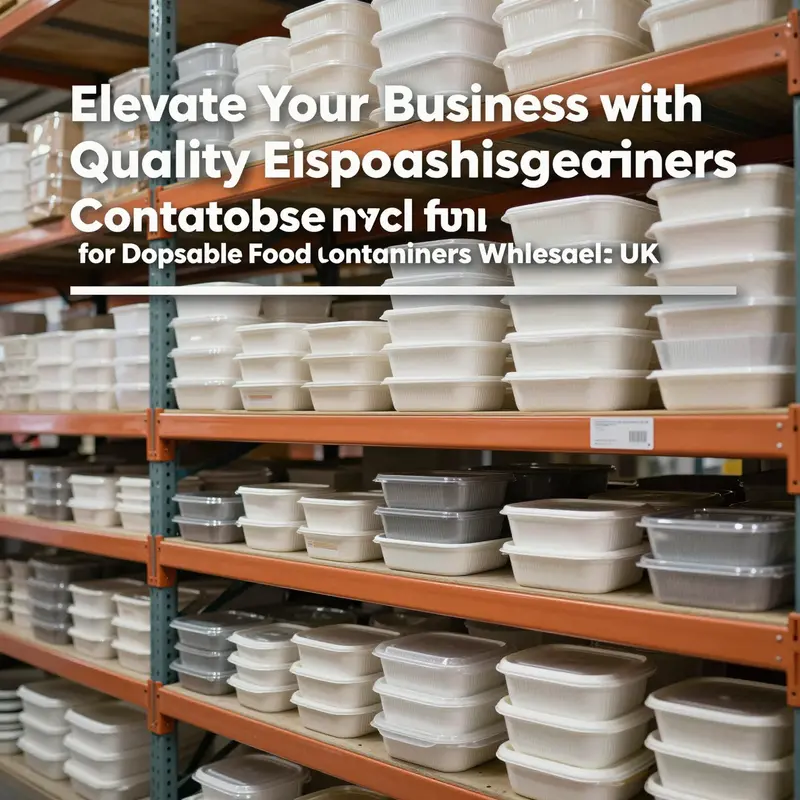
In the wholesale landscape for disposable food containers across the UK, inventory management is not merely a backroom function; it is a strategic capability that underpins operational reliability, brand integrity, and financial performance. When a caterer or retailer relies on a steady supply of containers—from plastic clamshells and paperboard boxes to biodegradable takeaway format s—the margin between uninterrupted service and an embarrassing stockout is often a well-executed inventory strategy. The challenge is not only to have the right number of items on hand but to ensure the right mix, the right quality, and the right pace of replenishment across fluctuating demand. Seasonal spikes tied to holidays, festivals, and large events collide with the relentless cadence of day-to-day orders from restaurants, meal-prep services, food trucks, and pop-up vendors. In this context, a well-designed inventory program acts as a living map that aligns supplier capabilities with customer demand while maintaining cost discipline and safeguarding brand standards. The core idea is simple in theory: balance supply with anticipated need, but in practice, achieving this balance requires foresight, discipline, and the right technical support to translate forecast into fill-rate performance across warehouses and transportation networks. The starting point is a clear understanding of product variety and the roles these containers play in different channels. Plastic and paperboard containers are often deployed for standard takeout and meal-prep formats, whereas environmentally friendly or compostable options are increasingly preferred by brands making sustainability a selling point. The value of inventory control grows when a wholesaler can segment products by usage, value, and turnover rate. This is not a cold exercise in counting; it is a dynamic discipline that integrates forecast accuracy, supplier reliability, regulatory considerations, and digital visibility. Demand forecasting, at its core, is a probabilistic exercise that translates historical sales into actionable thresholds. In the UK wholesale market, where lead times can hinge on international production schedules, forecasting must account for both corporate accounts and high-volume events. The most robust forecasts blend internal sales history with external indicators: event calendars, hospitality hiring trends, weather patterns that influence outdoor dining and festival attendance, and even macroeconomic signals that alter discretionary food expenditure. The result is a set of inventory targets that guide purchasing and replenishment cycles. When these targets are paired with a digital inventory layer, a business gains the ability to observe stock health in real time and adjust capacity quickly. A digital system that supports barcode scanning, centralized data, and multi-warehouse visibility transforms forecasting from an abstract plan into concrete actions. It enables rapid reallocation of stock from one location to another, prioritization of high-turnover items, and tighter control over safety stock. The consequence is smoother order fulfillment, fewer stockouts, and faster responses to spikes in demand that can arise from promotions, menu changes, or seasonal menus. In parallel with forecasting, vendor-managed inventory (VMI) represents a powerful mechanism to reduce administrative load while bolstering reliability for fast-moving items such as popular plastic clamshells, paperboard takeaway boxes, and biodegradable containers. In a VMI arrangement, suppliers monitor stock levels and replenish according to mutually agreed thresholds, leveraging their production and logistics capabilities to keep shelves filled. This approach shines in operations with high turnover and thin margins, where even short interruptions in supply can ripple into delayed deliveries and dissatisfied customers. For UK wholesalers, VMI can be especially effective when the sourcing network includes producers with scale in regions like Asia, where large factories support consistent output and predictable lead times. The trade-off is the need for robust communication, transparent data sharing, and clearly defined replenishment rules. When these elements are in place, VMI reduces administrative overhead, accelerates replenishment cycles, and increases the probability that essential containers remain in optimal stock levels across multiple sites. Beyond forecasting and VMI, the ABC analysis framework adds a practical discipline for prioritizing control and investment. A-items, representing high-value, fast-moving stock such as premium eco-friendly containers or specialized three-piece sets, warrant tighter inventory control, more frequent cycle counts, and a proactive safety stock strategy. B-items occupy an intermediate position, where attention is still required but not at the same intensity as A-items. C-items, which typically include lower-value, slower-moving formats, can absorb periodic review cycles and promotional incentives to maintain lean carrying costs. The rationale is straightforward: allocate resources proportional to potential value and risk. By applying ABC analysis, wholesalers can preserve capital, reduce obsolescence, and preserve capacity for items with the greatest impact on service levels. The emphasis, however, must extend beyond numbers to the regulatory and sustainability dimensions that increasingly shape the UK packaging market. Inventory decisions must reflect environmental obligations, including Extended Producer Responsibility (EPR) for packaging, which places accountability for end-of-life management on producers and, by extension, their supply networks. For a wholesaler, this means not only stocking compliant products but maintaining visibility into the sustainability characteristics of each item, such as recyclability, compostability, and certifications. As consumer expectations tilt toward greener packaging, inventory teams must verify that biodegradable or compostable options meet local standards and labeling requirements. The PAS 108:2023 standard for industrial compostability provides a benchmark for industrial compostability, and accurate labeling helps reduce returns and reputational risk. In practice, this regulatory alignment translates to stock-level decisions that favor compliant items during replenishment planning and promotional planning, ensuring that the product mix remains aligned with sustainability goals and customer expectations. The shift toward greener solutions also has cost implications, requiring a careful assessment of total cost of ownership and the potential for premium pricing on sustainable formats. Inventory systems must capture these nuances, allowing procurement teams to monitor price volatility, supplier lead times, and the environmental attributes of each container type. A digital inventory platform that supports real-time tracking across multiple warehouses becomes essential in this context. It enables accurate batch traceability, easy recall management if needed, and seamless integration with order management and delivery software. The result is a more resilient supply chain that can adapt to disruptions—whether they originate in transit, at a supplier, or within a manufacturing hub overseas. The global supply chain for disposable containers remains concentrated in manufacturing hubs where thermoforming and injection molding capabilities fuel scale. Suppliers in regions like China can produce at high volumes, offering competitive pricing and consistent quality when managed through structured sourcing agreements. UK distributors, meanwhile, benefit from proximity to customers and the ability to blend local stock with imported lines to optimize lead times and delivery windows. The key is building a symbiotic relationship with suppliers that balances cost, reliability, and compliance. A robust supplier network supports not only day-to-day replenishment but also long-range capacity planning. By nurturing strategic partnerships, wholesalers can secure favorable lead times, favorable terms for customization, and the flexibility to respond to sudden demand surges without compromising service levels. When considering customization options, the potential to tailor packaging to brand identity and specific use cases can be a differentiator. For wholesalers seeking flexible customization and reliable lead times, such as options for branded or tailored sizes, consider suppliers offering custom takeaway packaging supplies. This approach aligns inventory management with the broader branding and sustainability strategies that drive loyalty in the food service sector. The practical implication is that inventory decisions become part of a holistic business model, one that treats stock not as a passive liability but as a strategic asset that enables growth while reinforcing a brand’s promise. To realize this, wholesalers must invest in digital capabilities that unify forecasting, replenishment, and regulatory compliance. A cloud-based inventory management system with barcode scanning and real-time visibility across warehouses provides the backbone for accurate cycle counting, efficient stock rotation, and rapid misplacement resolution. It supports a data-driven culture where managers can monitor service levels, track stock aging, and anticipate stockouts before they occur. It also facilitates more effective collaboration with suppliers by sharing forecast data and consumption patterns, enabling joint planning and faster response to market changes. In terms of practical execution, the plan is to establish a governance model that includes regular forecast review, performance KPIs, and scenario planning for peak periods and unexpected disruption. This involves aligning purchasing calendars with procurement windows, production schedules, and transport capacity. It also means integrating sustainability data into the core of stock management, so teams can quickly identify which items contribute most to a lower environmental footprint and which may require substitution when supply conditions shift. The overarching objective is to deliver consistent product performance—no leaks, no compromises in seal integrity, and no misfit lids—while maintaining a diverse portfolio that satisfies a wide range of customer preferences. That consistency is not incidental; it is the outcome of disciplined stock management, supplier collaboration, and transparent data flows that connect the factory floor to the customer’s doorstep. When done well, inventory management supports not only operational efficiency but also a credible brand narrative around reliability and responsibility. It becomes a competitive differentiator in a market where the pace of takeout and delivery continues to accelerate. For readers who want to explore practical examples and deeper guidance, linking to supplier resources that emphasize customization and reliable lead times can be useful. For instance, you can explore tailored packaging solutions in the context of custom takeaway packaging supplies. External considerations also play a critical role. The regulatory and environmental landscape is evolving, and staying compliant requires ongoing attention to rules around packaging waste and end-of-life management. The UK’s extended producer responsibility framework and evolving standards for compostability are central to long-term procurement strategy. As consumer demand for greener packaging grows, wholesalers must balance performance, cost, and environmental impact while preserving the integrity of the customer experience. This balance hinges on a robust, integrated approach to inventory—one that combines demand signals, supplier collaboration, regulatory awareness, and digital precision. The end result is a resilient supply chain capable of delivering consistent, compliant, and sustainable packaging options at scale across the UK market. For further context on the regulatory dimension and broader sustainability considerations, see the UK government resources on Extended Producer Responsibility for Packaging. External resource: https://www.gov.uk/government/publications/extended-producer-responsibility-for-packaging-ep-r-consultation-response-summary-and-next-steps/extended-producer-responsibility-for-packaging-ep-r-consultation-response-summary-and-next-steps/
Material Truths in the UK Disposable Food Container Wholesale: Choosing Between Plastic, Foam, and Eco-Friendly Paper
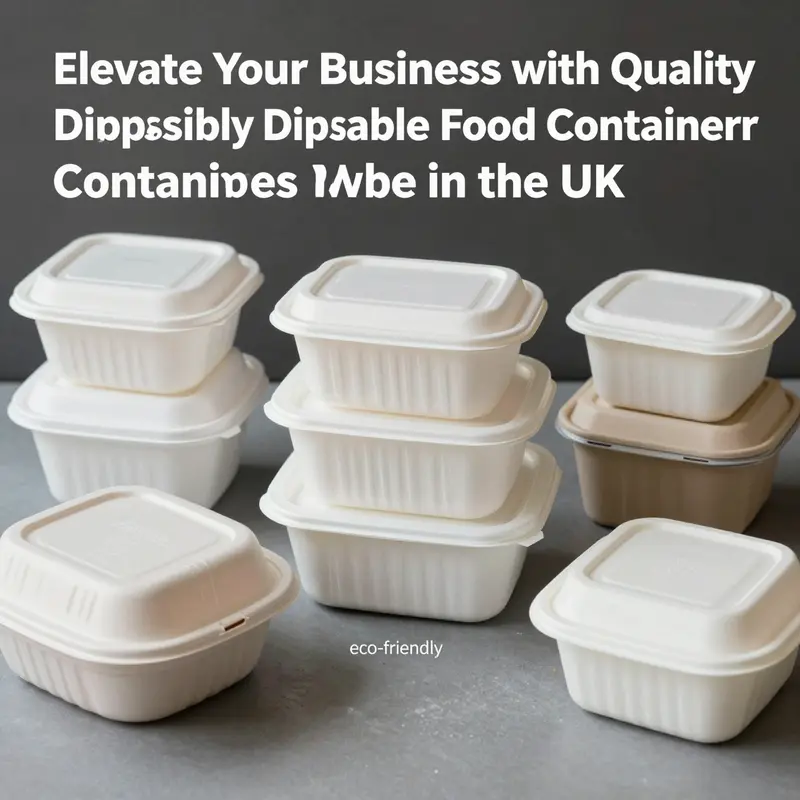
Sourcing disposable food containers in the UK wholesale market presents more than a simple choice between sizes and lids. It is a decision that threads through brand perception, operational efficiency, and environmental responsibility. In the busiest kitchens and on the most demanding delivery routes, the material you select for packaging can either support a smooth flow of meals from prep to plate or become a bottleneck that compromises temperature, integrity, and the customer experience. The wholesale landscape makes this even more complex: buyers are not just choosing containers; they are choosing partnerships with suppliers who can guarantee consistency, deliver on time during peak demand, and align with evolving sustainability expectations. In this context, three broad material families dominate the market in the United Kingdom, each with its own logic of use, performance profile, and long-term implications for cost, waste streams, and brand storytelling. Plastic, particularly polypropylene (PP) and polyethylene (PE), remains the most widely used option because it offers durability, light weight, and cost efficiency. These containers store leftovers, hold prepared meals, and support both refrigerated and ambient service models with minimal risk of leakage when lids seal properly. Their clear or translucent formulations let customers visually inspect contents, which can be a valuable feature in fast-moving takeout and delivery channels where presentation matters as much as function. Yet, there are meaningful constraints to this practicality. High-temperature cooking or direct microwaving can push PP and PE toward warping or deformation if the design is pushed beyond recommended limits, and over time the materials can absorb odors, which is compounded in environments with frequent reuse or heavy spice loads. Environmental considerations further complicate the calculus: although plastics enable precise portion control and lightweight transport, recycling streams for plastics differ by region, and end-of-life outcomes hinge on local infrastructure, consumer participation, and corporate responsibility policies. For businesses facing seasonal surges or sudden spikes in orders from food truck fleets, pop-up markets, or high-volume restaurants, bulk purchasing from a trusted wholesale supplier is not merely a cost-saving tactic—it is a strategic cushion against stockouts that can derail service during peak weeks. A reliable supplier can steward continuity by forecasting demand, maintaining safety stock, and delivering consistent batches that minimize variation in thickness, sealing strength, or tamped-in moisture resistance. In a market where uniformity underpins a professional brand image, the value of dependable batch-to-batch consistency cannot be overstated. The next dimension in the material conversation is foam, specifically expanded polystyrene (EPS). Foam containers are prized for thermal insulation and shock-absorption properties. The insulation profiles of EPS help maintain both hot and cold items during transit, providing a margin of safety for foods that require heat retention or careful handling after leaving the kitchen. The structural resilience of foam containers makes them less prone to crushing during stacked transport, which is a practical advantage for caterers moving dozens or hundreds of meals in a single shift. However, the economic calculus for foam is increasingly framed by environmental considerations and regulatory shifts that have tightened demand for more sustainable alternatives. In many UK markets, procurement teams weigh the higher upfront cost and potential supply constraints against the performance benefits of foam, especially for hot items or for shipments when temperature control is a critical service factor. The third material stream—paper-based and other fiber-derived options—has gained ground as consumer and corporate brands push toward greener packaging narratives. Eco-friendly options such as paper takeout containers, often made from recycled fibers and designed to be biodegradable or compostable, offer compelling advantages for brands seeking to signal environmental stewardship. The commercial appeal here lies in the alignment of sustainability messaging with performance features like grease resistance, moisture management, and the ability to customize branding through printing and sizes. The market now frequently features paper-based trays and bowls in sizes that cover a wide range of meals, from compact snack boxes to larger, multi-compartment containers ideal for balanced meal servings. The proliferation of these options is partly driven by consumer demand for greener packaging and regulatory encouragement toward more responsible disposal. Yet, even with paper’s appeal, there are practical realities to manage. Paper-based containers must balance resistance to grease and oils with structural integrity, particularly in microwave or high-humidity environments. Certification for food contact safety, often backed by stringent UK and EU guidelines, is essential to reassure customers and retailers that packaging materials will not impart flavors or contaminants to meals. Customization capabilities—brand logos, color schemes, and size variations—also play a growing role in the wholesale decision. A compelling pathway for many operators is to combine sustainability with branding potential, using paper-based options that still meet the functional demands of takeout, meal prep kits, and catering deliveries. For brands pursuing eco-friendly options, there is a practical path that blends environmental goals with market demand: eco-friendly takeout boxes for food packaging. This approach supports both sustainability targets and brand personalization, enabling businesses to communicate values to customers without sacrificing performance in transit or service reliability. But the material decision cannot be separated from the broader supply chain and the sourcing model that underpins wholesale operations. Global manufacturing hubs, particularly in parts of Asia, have built upstream capabilities that allow for scale, customization, and cost efficiency. Large, vertically integrated facilities in industrial clusters can produce millions of units per month, leveraging thermoforming and injection-molding technologies to meet diverse packaging requirements. For UK distributors, the challenge is to translate that scale into consistent supply across multiple retailers, caterers, and service channels while ensuring compliance with UK and EU food safety standards, maintaining robust lead times, and managing the environmental footprint of shipping and disposal. The procurement mindset, therefore, must combine technical diligence with value-driven sourcing. A sophisticated wholesale buyer will evaluate suppliers on several axes: compliance with food safety standards, the ability to customize and scale, production reliability, and sustainability credentials. Compliance is not a one-off checkbox but an ongoing process that includes documentation about materials, processing methods, and end-of-life options. Suppliers who can provide explicit declarations of conformity, clear labeling, and traceability across batches tend to outperform in markets where audits and regulatory updates are routine. Customization capacity matters because branding remains a differentiator in crowded foodservice environments. The ability to tailor sizes, print branding on containers, and adjust packaging configurations to suit different menu formats—from compact grab-and-go items to multi-compartment meals—can convert a simple packaging decision into a strategic marketing asset. Production reliability, meanwhile, is not only about meeting a single order but about maintaining uptime during peak periods. In wholesale terms, a dependable partner reduces the risk of stockouts during holidays, promotional periods, and seasonal spikes, ensuring that service levels stay intact and customer experience remains consistent. Sustainability credentials are increasingly non-negotiable as corporate buyers integrate environmental goals into supplier evaluation. This encompasses recyclability, the availability of recycled-content materials, and the transparency of the supply chain. Some operators aim to minimize waste by selecting containers designed for recycling streams or compostable formats, while others seek to balance performance with the feasibility of end-of-life management. The decision to lean into plastic, foam, or paper is seldom binary. It is a nuanced trade-off between performance characteristics—such as heat resistance, leak-proof sealing, and insulation—and broader goals around waste streams, recycling infrastructure, and public perception. In practice, the wholesale choice often maps onto how a business views its own operations and its customers. A meal delivery service prioritizing compact, lightweight shipping might lean toward PP or PET containers with strong lid-sealing properties, paired with clear labeling that communicates safety and reuse guidance. A catering operation serving events with long transport windows may prefer foam for its resilience and thermal stability, coupled with a clear disposal plan that aligns with local recycling or composting capabilities. A brand emphasizing sustainability and circular economy principles may choose paper-based solutions and invest in supplier partnerships that provide certified compostable options, traceability, and customization that reinforces brand values while remaining compatible with the regional disposal infrastructure. Regardless of the material chosen, inventory management remains a central concern for wholesale buyers. Seasonal demand, promotional campaigns, and the nature of service channels—whether dine-in, takeaway, or delivery—greatly influence stock levels and replenishment timing. A reliable wholesale partner helps maintain continuity by forecasting demand, securing bulk purchases, and coordinating with freight and customs to minimize delays. The result is a more predictable supply chain, reduced risk of stockouts, and a smoother customer experience across all channels. The sustainability narrative increasingly informs procurement decisions alongside performance metrics. Consumers are more attuned to packaging life cycles, and retailers expect packaging to perform under real-world conditions while offering credible end-of-life options. This means that the wholesale market must supply materials that not only meet the immediate functional requirements but can also be redirected into appropriate recycling or compost streams. It is here that the choice between plastic, foam, and eco-friendly paper becomes a reflection of a business’s broader philosophy and its commitments to responsible packaging. The material decision also interacts with branding and marketing strategy. Containers become an outward sign of a company’s values, and the right balance of design, material choice, and logistical reliability can reinforce a message of quality and care. In a landscape where suppliers are increasingly evaluated on their environmental stewardship, the ability to source from partners who align with these values without compromising on performance is a competitive asset. Suppliers who demonstrate robust product specifications, consistent batch quality, and transparent impact data tend to outpace rivals in securing long-term contracts and preferred terms. The pathway to this outcome lies in a deliberate, evidence-based evaluation of materials, combined with a practical understanding of how those materials perform in real-world operations. Businesses must translate laboratory properties into field performance: how a plastic container seals under shipping vibrations, how a paper-based box resists grease from a spicy sauce, or how foam holds its shape when a delivery person negotiates stairs and rain. The conversation then circles back to the wholesale decision as a strategic partnership. Wholesale buyers should seek suppliers who can articulate a clear roadmap for sustainability, backed by certifications, recycling guidance, and a track record of reliable fulfillment. They should also look for suppliers who can provide flexible ordering terms, scalable production, and the ability to adapt to evolving customer demands without sacrificing consistency. In sum, the UK disposable food container wholesale market is defined by three core material families—plastic, foam, and eco-friendly paper—but the real value lies in how effectively a buyer couples material performance with supply reliability and sustainability considerations. The most successful partnerships transcend a single transaction; they are built on a shared commitment to quality, a clear understanding of end-of-life realities, and a collaborative approach to innovation. As brands continue to evolve in response to consumer expectations and regulatory landscapes, the ideal container will be one that performs where it matters—protecting food integrity in transit, supporting efficient operations, and telling a story of responsibility that resonates with customers long after the meal is finished. For those charting a path through this landscape, the takeaway is straightforward: align material choice with both operational realities and environmental goals, and cultivate supplier relationships that can scale with demand while upholding safety and trust. External resource: https://www.food.gov.uk/business-guidance/packaging
From Global Hubs to UK Counters: Navigating the Wholesale Terrain of Disposable Food Containers
The wholesale landscape for disposable food containers in the United Kingdom sits at a crossroads where global manufacturing scales meet local delivery expectations. Demand in the sector remains robust, driven by takeout, delivery, and dine-in services, and by efficiency imperatives that define modern food service operations. In this environment, the anatomy of the supply chain matters as much as the containers themselves. The most successful buyers are those who align with suppliers capable of delivering consistent quality across batches while navigating fluctuating input costs, evolving regulation, and a shift toward sustainability. When a restaurant, cafe, or mobile outlet sources wholesale packaging, they are choosing a partner that can absorb operational risk through reliable lid fit, seal integrity, and performance in hot, oily, or moisture-rich contexts. Misalignment can lead to leakage, seal failure, or misrepresentation, undermining brand perception, delivery times, and food safety, and impacting customer trust and repeat business. The UK market, with its high concentration of wholesalers, values a steady supply chain and the ability to scale during seasonal peaks or promotions. In this sense, supplier choice becomes strategic, shaping kitchen workflow, inventory planning, and cross-channel packaging quality.
At a macro level, the UK disposable containers market remains notably consolidated. The top five players command a substantial share of revenue, guiding pricing, distribution networks, and the horizon of innovation. This concentration enables efficiency at scale: bulk resin sourcing, standardized production lines, and robust service levels designed to prevent stockouts. For buyers, negotiating power and reliability are closely tied to the performance of a few key partners. It also means that during periods of disruption—whether due to global supply shocks, port congestion, or regulatory shifts—the ripple effects are magnified. When a handful of suppliers command a large slice of the market, resilience becomes less about breadth of options and more about depth of contingency planning, including diversification of material types and nearshore or domestic sourcing where feasible. It is precisely here that the tension between global scale and regional resilience becomes most visible. The UK’s proximity to European markets logically supports diversified routes and blended procurement strategies, yet the shadow of geopolitical and logistical headwinds can still steer buyers toward longer-term agreements that prioritize reliability and predictable pricing over the flexibility of fast-changing markets.
Regulatory influences loom large in shaping which materials and packaging formats gain traction. The UK’s environmental regulatory trajectory—highlighted by directives aimed at reducing single-use plastics and promoting circular economy principles—has sharpened the focus on sustainable alternatives. A growing segment of the market now leans toward compostable or recyclable materials such as PLA and paper-based containers, even as traditional plastics continue to hold cost and performance advantages in some applications. This transition is not purely environmental; it is deeply strategic. Suppliers are reorganizing production lines or forming new partnerships to accommodate increasingly stringent food-contact standards, enhanced end-of-life considerations, and compatibility with sorting and recycling streams. The consequence for wholesalers and their customers is a packaging ecosystem that rewards transparency around material composition, end-of-life guidance, and the ability to certify safety and compliance across different markets. The procurement logic extends beyond initial purchase costs to lifecycle costs, including waste management, potential refunds, and the risk of regulatory retrofits if standards tighten further. In this context, the capacity to customize packaging—whether through size, form factor, or branding—becomes an additional lever. Customization offers brands the chance to reinforce their identity while still aligning with sustainability goals. The challenge remains balancing customization with the economies of scale that a consolidated market tends to demand.
The narrative of material transition is echoed in market projections for the broader disposable plastic containers segment. While the total market value was already substantial in prior years, projections indicate a continued shift toward eco-friendly variants. The global market is expected to grow from billions in the mid-2020s into the higher tens of billions within a couple of years, with eco-conscious formats driving a meaningful portion of that expansion. This shift reflects consumer expectations for greener options and business incentives to reduce the environmental impact of delivery and packaging. For UK wholesalers, the implication is clear: a portfolio that blends conventional, cost-efficient plastics with sustainable alternatives offers the flexibility needed to serve a diverse customer base while aligning with long-term regulatory and societal trends. Yet the pace of transition also underscores the importance of supply chain timing. The availability of certified compostable or recyclable materials, the reliability of supply chains for bio-based resins, and the capacity of conversion equipment to produce new formats are all critical variables. The industry responds by investing in new line capacity, exploring multi-material solutions, and fostering collaborations with converters who can seamlessly translate new materials into reliable, user-friendly containers.
The equipment landscape that underpins these shifts is itself expanding. The market for disposable plastic container-making machinery is growing in value, reflecting heightened investment in production capacity and automation. Regions with favorable cost structures are expanding their output, a trend that could influence UK import dynamics and reshoring considerations. The implication for UK wholesalers is twofold. First, it creates an opportunity to secure more favorable terms through integrated sourcing arrangements that combine container supply with the necessary converting capabilities. Second, it raises the importance of evaluating supplier readiness for new materials and formats. A supplier who can deliver not only standard three-piece containers but also innovative, eco-friendly configurations with consistent quality across large volumes is more likely to provide value in the long run. This is essential in fast-paced food service environments where throughput, temperature exposure, and leak resistance must be maintained under repeated use and at scale.
Logistical challenges continue to shape the operational calculus of wholesale procurement. Transportation costs, customs compliance, and the broader carbon footprint of shipping a billion units annually from distant manufacturing hubs are tangible realities. In response, a growing segment of UK wholesalers is considering nearshoring or cultivating domestic production partnerships to bolster supply chain resilience. Such strategies aim to reduce lead times, simplify regulatory compliance, and minimize the risk of stockouts during peak demand. For businesses, the practical takeaway is to pursue supplier agreements that include flexible inventory models, responsive restock windows, and transparent communication channels that can adapt to surges in demand without compromising service levels. It also means prioritizing packaging suppliers who can provide robust refunds and damage-replacement policies. In a market where customization and sustainability coexist with cost pressures, having clear, enforceable service-level agreements protects profit margins and preserves brand integrity when orders arrive late or imperfect.
To make sense of these dynamics, buyers must translate industry signals into actionable procurement strategies. Compliance with safety standards from authorities such as food-safety agencies is non-negotiable, and suppliers who can demonstrate provenance, traceability, and clear labeling on packaging materials hold a distinct advantage. Customization capabilities—ranging from logo printing to tailored sizes and configurations—should be evaluated alongside production reliability and the supplier’s sustainability credentials. A holistic evaluation also considers the supplier’s broader capabilities: access to recycled or renewable materials, the ability to provide end-of-life guidance, and the capacity to manage large, multi-channel campaigns without compromising quality. In practice, this means building consortium-style sourcing with a plan for long-range supply, including contingencies for raw material shortages or changes in regulatory requirements. It also means adopting a tissue of relationships with converters and distributors that can align with seasonal calendars and promotional events, ensuring that even during peak periods, every container remains fit for purpose—neatly sealing in warmth, moisture, and fragrance, and conveying a consistent brand message.
Within this context, a practical example for a brand seeking a greener, customizable takeout solution might involve exploring multi-compartment packaging that balances portion control with leak resistance, while also offering branding opportunities and clear, on-package information about recyclability or compostability. The option to integrate branding or color customization without sacrificing performance can be a differentiator in crowded markets. For brands exploring these choices, a careful assessment of supplier capabilities is essential. It is not only about whether a given container can hold foods securely, but whether the entire packaging solution—lid integrity, heat resistance, grease resistance, and compatibility with standard takeaway workflows—works in harmony with the operation’s menu, delivery cadence, and sustainability commitments. In practice, the procurement team should map out the lifecycle of each packaging solution: how it performs during transport, how it behaves under heat and oil exposure, how it interacts with cold storage and reheating, and how the end user experiences opening and disposing of the container. Only by tracing this lifecycle can buyers determine the true cost of ownership, including waste management, refunds, and potential delays in fulfillment.
An important aspect of this lifecycle is the alignment with digital and physical logistics at the wholesale level. Real-time data on material sourcing, supplier reliability, and logistics performance can illuminate weak points before they become disruptive. Industry reports, such as those from trusted market analytics sources, provide a broader context for a UK buyer’s decision. These insights help a buyer understand how market consolidation, regulatory pathways, and sustainability trajectories interact with price, lead times, and product performance. For instance, the continued growth of eco-friendly formats may require longer lead times as supply chains retool to accommodate new materials and processing methods. Conversely, the near-term demand for reliable, cost-effective packaging in high-volume segments—like food trucks and pop-up markets—still rewards suppliers who can deliver volume without sacrificing quality or speed. The overall direction is toward a balanced portfolio that supports the transition to greener packaging while preserving the reliability and efficiency that underpin daily operations.
To connect theory with practice, consider the role of a supplier who can offer a coherent package of products, services, and guarantees that align with the UK’s market realities. A practical approach might favor wholesalers who can demonstrate a robust risk management framework, a transparent approach to refunds for delayed or damaged orders, and the flexibility to scale across multiple formats and materials. The emphasis is on steady reliability, not merely on the lowest unit price. In this sense, successful procurement becomes a strategic exercise in building long-term partnerships that recognize the realities of a dynamic regulatory environment, evolving consumer preferences, and the imperative to reduce environmental impact without compromising operational performance.
For readers seeking a concrete entry point into this evolving ecosystem, one avenue is to explore examples of eco-conscious packaging options that maintain the trusted performance required in fast-paced service contexts. A representative option—highlighted here as a model of greener design—offers a three-compartment, food-grade packaging box designed for fast-food applications, combining sturdy construction with a credible environmental profile. This type of packaging can support portion control, reduce leakage risk, and enable a cleaner hand-off from kitchen to customer. It also illustrates how customization can align with sustainable priorities, providing space for branding while remaining compatible with standard waste streams. In markets like the UK, where regulatory and social expectations increasingly favor responsible packaging, such solutions exemplify how wholesale channels can deliver both performance and principle in one package. The idea is not to replace traditional plastics overnight but to build a transitional path that preserves service levels and brand presentation while expanding the menu of materials that retailers, caterers, and delivery operators can responsibly deploy. This balance—between reliability and responsibility—defines the current and future state of disposable food containers wholesale in the UK.
As the sector continues to evolve, buyers should remain attentive to the broader context in which these products exist. The push toward greener options will influence material availability, recycling infrastructure, and end-of-life practices. Suppliers that can articulate a clear, verifiable plan for sustainable sourcing, transparent labeling, and measurable improvements over time will likely emerge as preferred partners. The UK market’s emphasis on consistency, reliability, and scale will continue to shape how these partnerships form, how risk is managed, and how innovation is deployed. In the meantime, businesses should capitalize on the existing strengths of the wholesale ecosystem—the ability to deliver uniform quality, maintain stock across peak periods, and provide a stable, scalable foundation for multi-channel packaging strategies—while remaining open to the transformative potential of sustainable materials and smarter, more adaptable logistics. This is the essence of thriving in a global supply chain that remains deeply connected to local needs, as UK operators blend international sourcing with domestic resilience to keep customers satisfied, brands intact, and sustainability goals within reach.
Final thoughts
Choosing the right disposable food containers is essential for any food service business aiming to deliver high-quality products while maintaining customer trust and satisfaction. Emphasizing product quality and consistency, implementing smart inventory management strategies, exploring diverse material options, and understanding global supply chain dynamics can significantly elevate your brand and operational efficiency. By focusing on these aspects, businesses can secure reliable partnerships with suppliers who align with their service goals and sustainability commitments, setting the stage for success.