
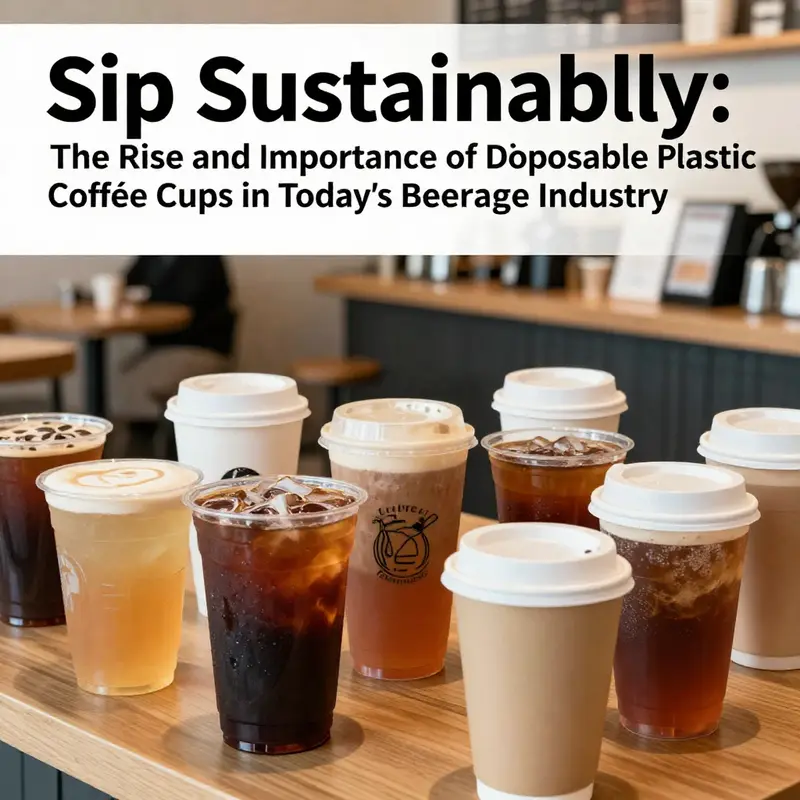
Disposable plastic coffee cups are an essential aspect of today’s beverage service, favored by bubble tea shops, coffee chains, and catering services alike. These single-use containers offer convenience and efficiency, aligning with the fast-paced demands of the industry. In this exploration, we will delve into their material composition, highlighting the benefits that contribute to durability and safety. As we move forward, we’ll examine the economic impact of these cups on businesses and how they streamline operations while catering to consumer needs. However, with this convenience comes a significant environmental challenge, a topic we must confront as we seek sustainable practices. Finally, we’ll discuss current market trends and the alternatives available that can shape the future of disposable packaging in the beverage industry. This comprehensive overview aims to equip businesses with knowledge to make informed choices about their disposable coffee cup usage.
null
null
The Price of Convenience: The Economic Burden and Practical Realities of Disposable Plastic Coffee Cups
Every morning, a familiar pattern unfolds in cities and towns around the world. Baristas move with practiced efficiency, mugs clink in the hands of hurried commuters, and the ritual of a freshly brewed coffee travels from the counter to the street in a disposable container. The disposable plastic coffee cup sits at the intersection of comfort and commerce: it is the instrument that seals a fast, efficient takeaway experience while locking in a set of economic and environmental consequences that rarely show up on the price tag. The appeal is undeniable. The cup is light, designed for grab-and-go convenience, and made from materials that can be molded and molded again into a range of shapes, lids, and insulators. It makes the business of serving coffee at scale possible, especially in takeout-driven markets where speed translates into customer satisfaction and turnover. But beneath the surface of ease lies a complex financial dynamic. The cost of a cup at the register is only a fraction of the total economic footprint—one that extends into waste management, environmental remediation, and the broader social costs that accompany plastic pollution across landscapes and waterways.
In the United States, the sheer volume of cup waste offers a stark starting point for understanding this footprint. Estimates indicate that roughly 50 billion disposable coffee cups are discarded each year. While many of these are paper cups with a polyethylene lining, which complicates standard recycling streams, the scale mirrors the mounting pressures that fast-service sectors place on municipal systems. The issue is not merely the cup in isolation but the way entire waste streams evolve when cup design, consumer habits, and local recycling capabilities intersect. If we consider paper cups as a benchmark for the problem, the polyethylene lining makes them nontrivial to process through conventional municipal programs. This realization reframes the economic calculation: the low unit cost of a single cup at sale belies a much larger, aggregate cost borne by communities through waste management, landfilling, and the pollution cleanup that follows.
The broader economic costs attributed to plastic pollution, including disposable cups, have been modeled to be substantial. A leading analysis estimated the annual cost at about USD 139 billion. This figure traverses multiple domains: the destruction and degradation of ecosystems, health impacts from polluted environments, and the cleanup burdens that cities and taxpayers fund to restore contaminated land and water sources. It also captures indirect costs like lost tourism value, reduced recreational opportunities, and the long-term economic drag on communities that rely on clean environments for their livelihoods. In other words, the expense is not just a line-item on a municipal budget but a systemic strain on the value chains that sustain local economies. The cup thus becomes a visible, tangible symbol of a broader set of externalities that accompany disposable convenience.
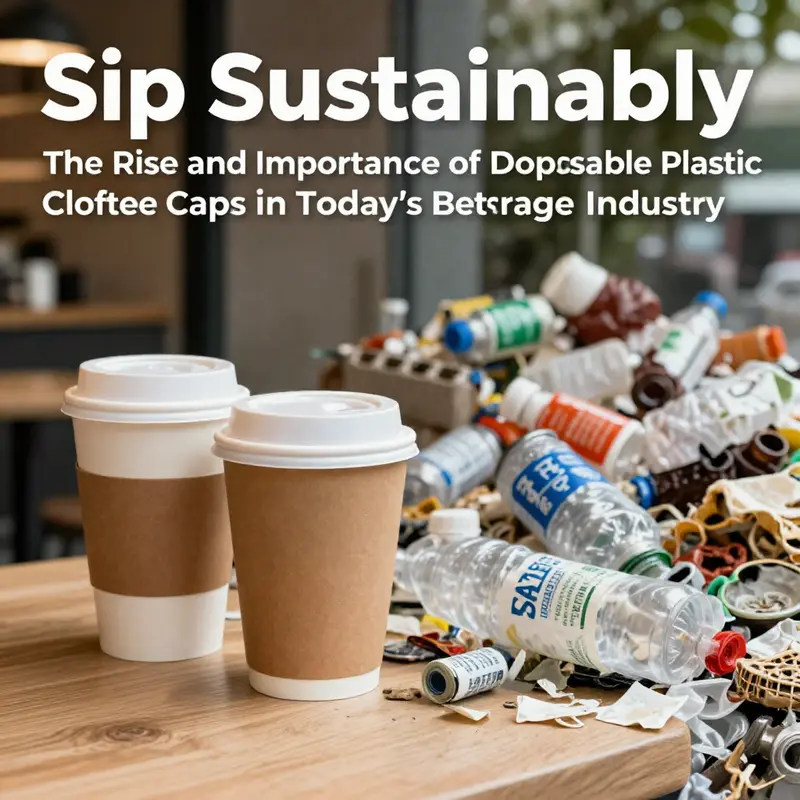
From a waste-management perspective, the challenges are as instructive as the costs. The contamination of discarded cups is a recurring financial risk for municipalities. Residual liquids, sugar residues, and food particles complicate processing in specialized recycling streams. The result is a higher rate of rejection by recycling facilities, which drives up processing expenses and reduces the recovered material value. Leachate formation is another concern; when liquids and organics linger within a landfill-bound cup, they can contribute to toxic liquid buildup that threatens groundwater quality and requires expensive containment measures. Even when a cup is technically recyclable in theory, the practical realities of sorting, contamination, and the uneven availability of dedicated recycling infrastructure can stymie efforts to close the loop. The economic message here is consistent: the simplest path—throw it away—carries hidden costs that accumulate for years and across jurisdictions.
In business terms, the cost structure of disposable cups influences everything from menu pricing to brand positioning. Cafés and quick-service restaurants rely on these cups to expedite service, reduce cleanup time, and maintain a predictable customer experience. Bulk procurement typically offers economies of scale, so the per-unit cost can be extraordinarily low when orders reach into the millions. The ability to source inexpensive cups in bulk creates a powerful incentive to default to single-use options, even as local regulations, consumer sentiment, and corporate social responsibility programs pressure operators to re-evaluate waste strategies. The tension is real: the short-term savings of a low-cost cup can be outweighed by long-term liabilities associated with waste disposal, regulatory compliance, and reputational risk tied to environmental footprints. This mismatch drives some operators to experiment with alternate packaging strategies, such as reusable containers or compostable paper cups, in the hope of balancing cost with environmental stewardship.
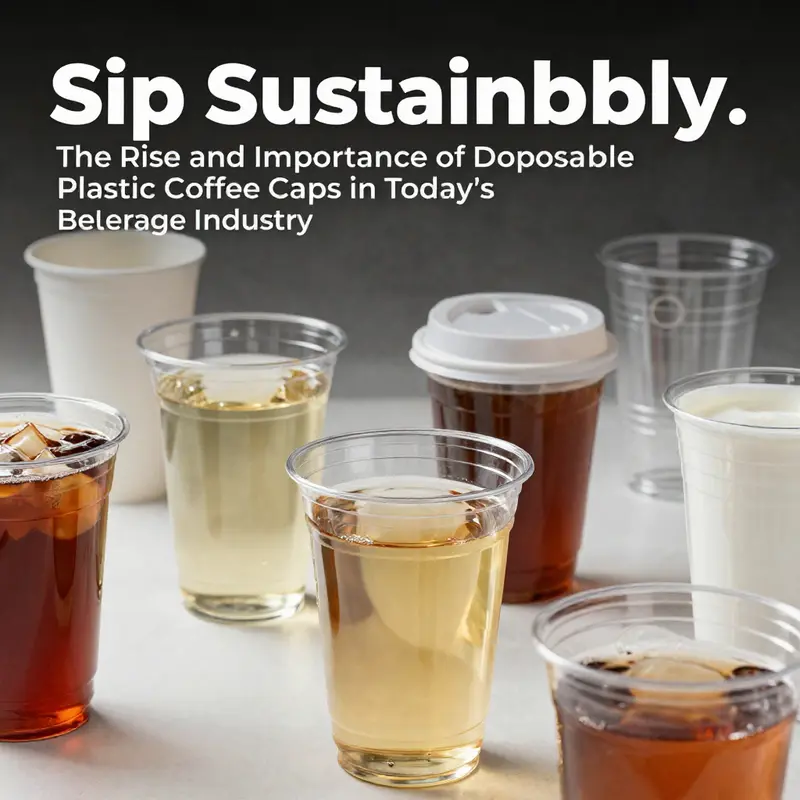
In this context, it is helpful to consider the cup’s design and its implications for waste and reuse. Most disposable hot beverage cups are designed for durability and clarity, with materials optimized for direct contact with drinks. Polypropylene (PP) and polyethylene terephthalate (PET) are common choices, each offering a mix of strength, heat resistance, and transparency that makes beverages visually appealing. For hot drinks, some models incorporate insulation—double-wall constructions or foam linings—to reduce heat transfer to the outer surface. This feature improves safety and comfort for customers who are on the move, but it adds weight and cost and can complicate recyclability due to the meshing of materials inside the cup. On the other hand, insulated designs are not universal solutions; they create additional waste streams through their composite nature, which complicates end-of-life processing and can reduce the material’s overall circularity.
The economics of cup design also intersect with branding and consumer behavior. A cup is part of the product experience, a small stage on which the beverage’s color, aroma, and quality are framed for the consumer. Transparent PET cups, for example, maximize visual appeal by highlighting the coffee’s color and crema, potentially elevating perceived value. Yet that aesthetic comes with a cost: when the cup can’t be easily recycled or when it is used in settings that strain municipal recovery systems, the initial visual payoff becomes a longer-term environmental liability. In this sense, the cup’s design embodies a trade-off between consumer satisfaction and the realities of waste management. Businesses must weigh how much value is assigned to presentation against the cumulative costs of waste, contamination, and disposal. The result is a nuanced decision matrix that varies by locale, consumer demographics, and the evolving policy landscape surrounding takeout packaging.
The procurement side of the equation is equally telling. While the direct price per cup is a straightforward line item, the total cost of ownership includes waste disposal, potential recycling surcharges, and the externalities associated with litter and environmental cleanup. In some markets, the logistics of transporting, storing, and distributing vast numbers of cups become a marginal cost that scales with the business’s footprint. The economics of takeout packaging thus become a microcosm of broader supply-chain discipline: small cost choices at scale can generate large, cumulative effects, especially when the system’s capacity to recycle or recover materials is imperfect or uneven across regions. This is why some operators are exploring reusable programs as a way to reduce both waste and long-run costs. Lifecycle analyses suggest that repeated use of a single reusable mug or cup can dramatically reduce waste generation and the associated economic burdens, but realizing those benefits requires changes in consumer behavior, infrastructure for cleaning and redistribution, and consistent hygiene practices.
The lifecycle question is central to understanding the true cost of disposable cups. A lifecycle perspective reveals how the initial manufacturing energy, raw material extraction, transport, use-phase emissions, and end-of-life handling contribute to the overall environmental and economic burden. In practice, the long tail of costs often dwarfs the immediate price paid at the counter. When considering alternatives, such as refilling or reusing, the analysis shifts to a different set of variables: user participation rates, the durability and cleanliness of reusables, and the level of investment required in cleaning facilities or deposit-return systems. The economics of reusables are favorable over time if a community or business can sustain high adoption rates and if the infrastructure exists to support reliable reprocessing. But the transition is not purely a matter of price; it requires a cultural and logistical shift that aligns consumer behavior with the realities of a circular economy.
From a policy and market perspective, the story of disposable cups is a case study in alignment between incentives and outcomes. When jurisdictions introduce measures that reward recycling, reduce litter, or encourage reusable options, the economics of cup consumption begin to tilt toward sustainable configurations. Similarly, when waste management systems are optimized—through enhanced sorting technologies, better contamination controls, and targeted investment in recycling capacity—the true costs of disposal can be moderated. In the absence of such alignment, the economic calculus remains heavily in favor of convenience, at least in the short term. Consumers benefit from lower upfront costs and ease of access, while the public sector bears the burden of managing a costly waste stream that is difficult to monetize directly at the point of consumption.
To illustrate one practical dimension of this issue, consider the role of marketplace dynamics in supply and branding. The takeout cup market operates on a high-volume, low-margin model. Bulk suppliers can offer extremely competitive per-unit prices, and the same cup might be used across diverse settings—from coffee-to-go counters to events and catering. The economics of scale can mask the social costs embedded in the product’s life cycle. This tension is at the heart of many debates about single-use packaging: how to balance economic viability for businesses with the imperative to reduce environmental harm and public health risks associated with waste streams. The path forward, in many communities, involves a combination of better design, improved end-of-life processing, and policies that incentivize reuse while maintaining the reliability of beverage service.
For readers seeking a compact example of a disposable clear plastic cup used in varied settings, see this product page: disposable clear plastic cup for parties and picnics. While the page itself is a commercial listing, it highlights a common configuration—clear, lightweight, and compatible with lids and straws—that typifies the cups that populate many takeaway beverage ecosystems. The link serves as a concrete reference to the kind of packaging under discussion, underscoring how a seemingly small product can anchor a larger chain of economic and environmental considerations. A broader understanding, of course, requires moving beyond the optics of packaging to examine how waste management infrastructures, consumer behaviors, and policy instruments influence the ultimate cost profile.
Ultimately, the question is not whether disposable cups will continue to be part of the beverage service, but how they will be integrated into a system that accounts for externalities and aims for circularity. The economic conversation around these cups should be about more than price per unit; it must address the full spectrum of costs and benefits—labor, energy, land use, ecosystem services, and public health—across both urban and rural contexts. In that sense, the chapter on the economic impact of disposable plastic coffee cups invites readers to connect the micro-level decisions of a single café to macro-level questions about waste governance, consumer responsibility, and the resilience of supply chains in a world where resource scarcity and climate considerations are increasingly salient. The chapter thus invites a holistic reckoning, one that honors the reality of today’s takeout culture while laying groundwork for a more sustainable, economically rational path forward.
External Resource: https://www.epa.gov/sustainable-management-waste/impact-disposable-cups
null
null
Market Currents, Turning Points, and the Path to Alternatives
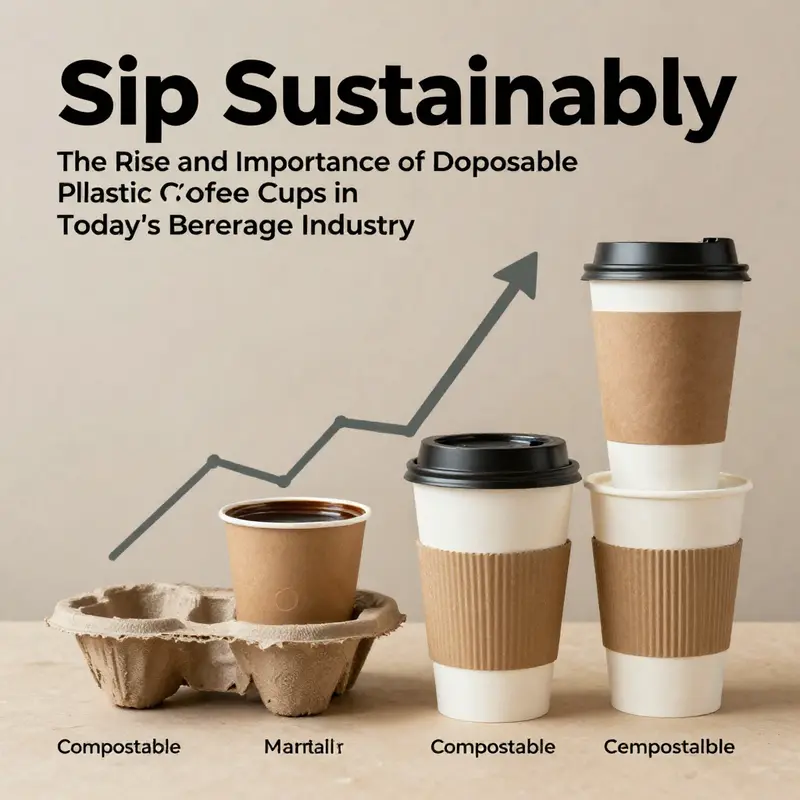
The market for disposable plastic coffee cups reveals a balance between convenience and environmental concerns. In urban settings, takeout culture drives demand for lightweight, inexpensive cups that can keep a beverage safe during transport. At the same time, waste management concerns in many regions push researchers and policymakers to rethink materials and end-of-life pathways. This chapter surveys how design choices—materials, thickness, coatings, and lid compatibility—affect performance and recyclability. It also examines the economics of scale that enable low unit costs and fast service in busy venues, and contrasts that with the growing interest in reusable systems and biodegradable options. The central question is how the industry can sustain service standards while reducing environmental impact, through better recycling, smarter packaging design, and potential shifts toward reuse models, region by region.
Final thoughts
In summary, disposable plastic coffee cups serve as a practical solution for beverage service across various sectors, including bubble tea shops and catering services. While their material composition ensures safety and functionality, the economic advantages are undeniable, allowing businesses to focus on service efficiency. However, we cannot overlook the pressing environmental concerns that accompany their use. As the industry evolves, staying attuned to emerging trends and alternatives is crucial for responsible sourcing and operations. By balancing convenience with sustainability, businesses can better align with consumer values and environmental efforts. Adopting innovative packaging solutions will pave the way for a more sustainable future in beverage service.