

For bubble tea shops, restaurants, and event planners alike, the choice of disposable plastic cups and glasses can significantly impact both presentation and functionality. Understanding the manufacturing process of these essential items not only enhances product selection but also ensures alignment with brand values and consumer expectations. This article explores the blow molding process, the materials involved, economic factors influencing production, environmental sustainability practices, and the latest market trends. Collectively, these chapters offer a comprehensive view of how disposable plastic cup and glass manufacturing plays a vital role in contemporary beverage service and packaging solutions.
Melt, Mold, and Momentum: The Quiet Rigor Behind Disposable Plastic Cups and Glasses
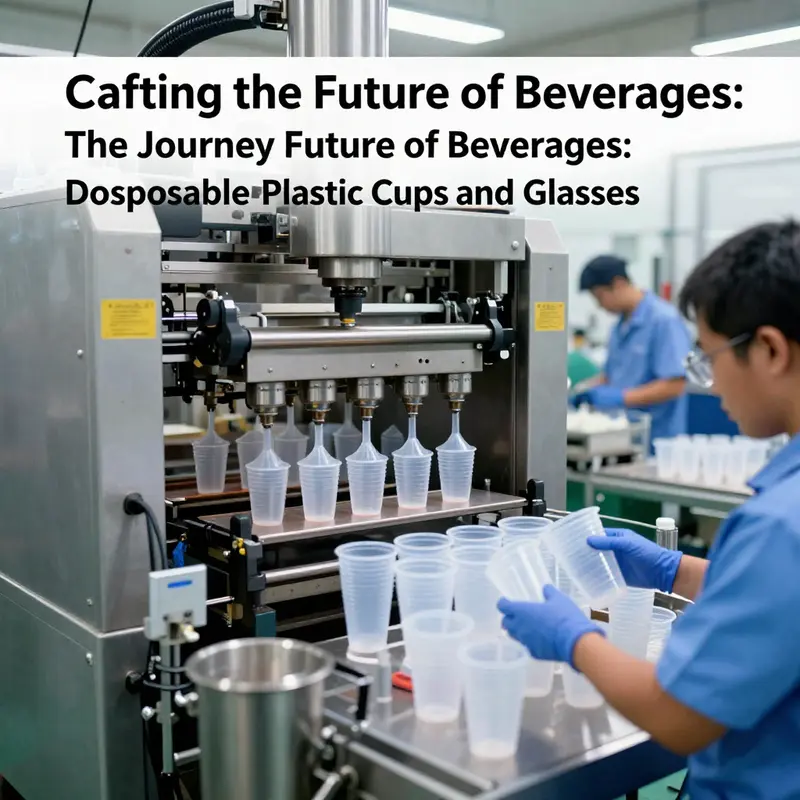
The ubiquity of disposable plastic cups and glasses hides a remarkably exacting craft. Behind every brisk service at a café, every festival refill, and every take‑out beverage, there is a sequence of controlled physics and deliberate design choices. Blow molding, the workhorse of hollow, thin‑walled plastic containers, translates melted resin into a predictable, lightweight vessel at speeds that meet market demand while maintaining performance.
The process begins with a preform, a short, tube‑like slug of polymer selected from materials such as PET, PS, or PP. The preform must be heated and oriented with precision before it can become a hollow object. When the resin reaches the right pliability, it is placed into a mold cavity and inflated with compressed air until it presses outward and conforms to every contour of the mold. As the temperature cools and the plastic solidifies, the part emerges as a seamless form—an achievement of geometric fidelity and material discipline. The result is a cup or glass that balances a surprisingly thin wall with rigidity, a combination essential for stacking, handling, and consumer use.
Blow molding’s appeal is rooted in its efficiency and ability to produce uniform walls at scale. In a typical line, cycles repeat with tight control: every preform heated to the same temperature window, every mold closed with exact alignment, every puff of air calibrated to a precise pressure. The harmony of these steps yields thin but strong walls and a surface finish that supports the clarity many consumers expect from transparent cups. When done well, cups leave the mold with consistent geometry, predictable optical properties, and the stacking reliability retailers depend on.
Within the broader landscape of plastic forming, blow molding sits alongside injection molding and thermoforming. Each family serves different product needs, but blow molding has a decisive niche for hollow, thin‑walled shapes with minimal seams and relatively low wall mass. The economics are notable: equipment costs for blow molding lines tend to be lower than high‑throughput injection molding setups, while per‑unit material and energy use are tuned through precise process control. Global industry analysis places extrusion blow molding at the forefront of many container applications, driven by demand across consumer goods, medical, and industrial sectors.
Three primary techniques shape what is possible: extrusion blow molding (EBM), injection blow molding (IBM), and injection stretch blow molding (ISBM). EBM dominates roughly three quarters of applications and scales from milliliter vials to large industrial containers. For standard drinking cups, bottles, and many symmetrical containers, EBM provides a cost‑effective path to high volumes, consistent wall thicknesses, and smooth exterior surfaces that are essential for stacking, labeling, and consumer handling.
Technological progress continues to push the envelope. Modern blow molding lines increasingly rely on computer‑controlled automation to coordinate resin handling, preform feeding, heating, mold actuation, air inflation, and cooling cycles. Rapid mold changeover systems minimize downtime when switching products, and multi‑layer designs expand functional possibilities by improving barrier properties or aesthetics. Advances in fixture design and alignment accuracy reduce waste and tighten tolerances, producing higher yields and more predictable outputs.
Production scale matters for end‑user experience. Modern lines can reach tens of thousands of units per hour, enabling suppliers to meet mass distribution needs while maintaining quality control. The fastest systems still respect the physical limits of the resin, mold geometry, and cooling dynamics. Factories balance flexibility and throughput when choosing between semi‑automatic lines—suitable for experimentation and lower capital—or fully automatic lines that emphasize constant throughput and robotic handling for large export markets.
The broader packaging ecosystem benefits from blow molding’s reliability and versatility. The same principles that produce a clear, rigid cup also support branded variations through color, finish, and printing. Consider the disposable clear plastic cup used in many casual settings: disposable clear plastic cup. The interplay of design and process—wall thickness, resin selection, mold geometry, and cooling strategy—continues to drive improvements in performance and cost efficiency, keeping blow molding at the heart of scalable packaging.
Melt, Molds, and Modernity: Materials and Technologies Shaping Disposable Plastic Cups and Glasses
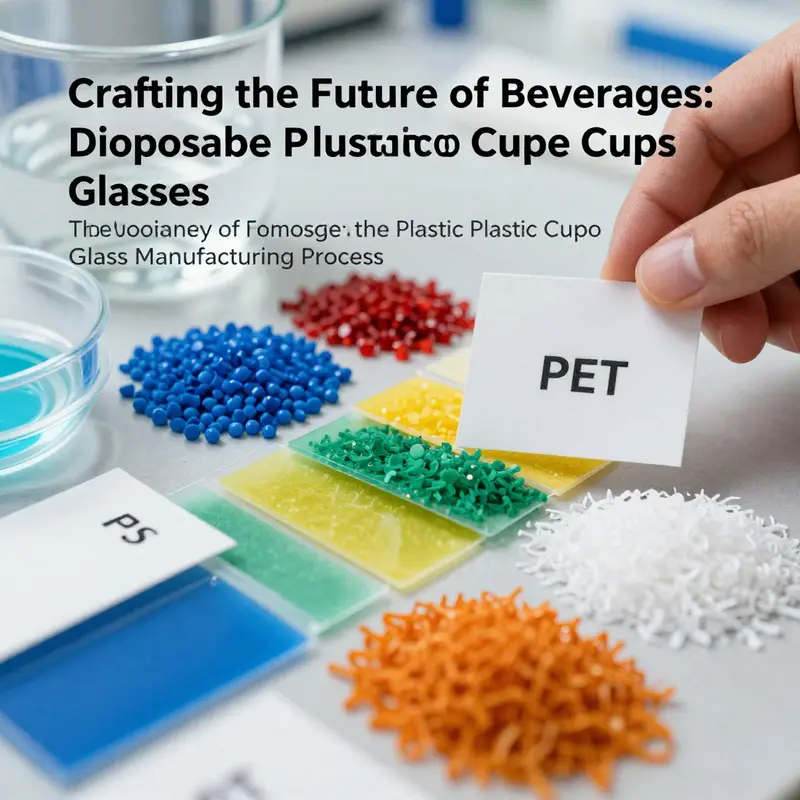
The materials chosen for disposable cups and glasses do not merely fill a role of containment; they define performance, safety, and sustainability across the entire production chain. In this landscape, the interplay between resin properties and the forming technologies that shape them determines how a finished cup behaves—from clarity and stiffness to heat tolerance and recyclability. The dominant materials—PET, PP, PS, and related variants—each bring a distinct balance of attributes that drive decisions about which cups are suited for cold beverages, hot drinks, or more demanding applications. PET stands out for its transparency, strength, and recyclability, making it a natural choice for cold beverage applications where the consumer expects a crystal-clear cup that shows the contents. PP, with its higher heat resistance, opens the door to hot drinks and even light hot-fill processes, while PS offers rigidity at a lower cost for standard cold cups. High-impact polystyrene (HIPS) extends durability for more rugged, everyday use, while PVC—still found in some segments—carries environmental considerations that limit its adoption in new lines. Rounding out the materials family are bioplastics like polylactic acid (PLA), which are increasingly explored by operators seeking reduced environmental impact. Each material category carries processing implications: PLA, for instance, can demand specialized processing conditions and a careful assessment of end-of-life options, since industrial composting streams differ from recycling streams for traditional plastics.
The practical choice among these materials hinges on a balance of properties. Clarity is paramount for cups intended to showcase beverages—especially in cafés and retail displays—where PET’s optical performance and low haze make it difficult to replace. Heat resistance matters when a cup will contain hot beverages; PP’s higher softening temperature and resilience to hot liquids help prevent deformation or warping. Rigidity and stiffness, often provided by PS and HIPS, influence consumer perception of quality and the cup’s ability to resist collapse under handling. The environmental dimension cannot be ignored, as recyclability and the capacity to integrate with established waste streams guide material selection in many markets. PLA’s appeal lies in its renewable origins and reduced reliance on fossil feedstocks, but its performance in hot-fill scenarios and its compatibility with recycling streams require careful planning. In practice, many facilities calibrate their material mix to meet the needs of specific customers, beverage categories, or regional waste-management realities, sometimes even offering multi-material lines where a PET or PLA version coexists with a polypropylene option for hot beverages.
The thickness of the sheet or preform walls is another critical design parameter. A typical spectrum spans roughly 0.2 millimeters to 1.2 millimeters, with thinner walls favored for cost and weight-sensitive applications, and thicker walls chosen to enhance heat resistance or rigidity. This range affords manufacturers the flexibility to tailor wall thickness to the intended use, from a slim cup for grab-and-go coffee at a bustling event to a sturdier vessel for longer service at a crowded venue. In tandem with material choice, thickness tolerance must be tightly controlled to maintain uniform wall thickness across the entire cup, ensuring consistent performance and a predictable consumer experience. The forming technology must translate the selected material and thickness into a stable geometry, preserving optical clarity where required and avoiding distortions that could compromise barrier properties or stacking efficiency.
The technologies that drive this translation are highly automated and tightly integrated into the factory floor’s rhythm. While the opening overview of this topic often evokes blow molding and preforms, many modern cup and glass lines rely on automated thermoforming machines. These systems form hollow cups from sheets with an emphasis on feed, forming, and trimming cycles that synchronize under programmable control. The PLC-driven controls regulate cycle timing, temperatures, and clamping forces to produce consistent shapes and wall thicknesses while minimizing scrap. Automation does not merely speed production; it reduces operator intervention by significant margins. Multi-station configurations can cut manual handling substantially, enabling a smoother transition from high-volume output to customized runs without sacrificing throughput. In practical terms, a high-speed thermoforming line can produce hundreds or even thousands of units per hour, with cycle times tuned to a specific material-thickness combination and cup geometry. The result is a seamless, scalable process that aligns with demand while maintaining uniformity in wall thickness and optical properties.
Hygiene and safety considerations are inseparable from material and process choices. Equipment is commonly constructed from stainless steel to resist corrosion, support clean-in-place routines, and satisfy food-contact standards. The materials themselves are selected to be compatible with food-contact requirements, such as FDA guidelines for PET and other polymers used in beverage applications. Certification ecosystems—CE, ISO, and other regional standards—anchor the factory’s operating discipline, ensuring that both the machinery and the finished cups meet broad-scope safety and quality expectations. These standards also shape maintenance regimes, validation protocols, and traceability practices that ensure consistent performance across shifts and batches. In this environment, the coupling of material science with meticulous process control becomes a competitive differentiator, not only for product quality but for the long-term reliability of supply chains.
With efficiency and customization in mind, many manufacturers pursue flexible automation strategies. Semi-automatic lines, which blend manual loading with automated forming and cooling, offer a cost-efficient pathway for small-to-mid-sized operations seeking to balance throughput with customization. Fully automatic high-speed lines, conversely, leverage robotics, automated feeding and unloading, and advanced quality sensors to maximize output for large-scale, export-oriented facilities. The design philosophy behind these lines emphasizes not only speed but precision—ensuring consistent wall thickness, accurate diameters, and stable stacking characteristics that simplify downstream packing and distribution. The result is a robust platform capable of switching between standard, branded shapes and bespoke geometries without a protracted downtime. The combination of process automation and flexible materials enables a spectrum of offerings—from simple cold cups to hot-serve vessels and even custom-printed designs that reinforce branding.
The packaging ecosystem around these cups completes the narrative. For instance, the same forming platforms can support a range of accessory designs that enhance user experience, from lids and beverage carriers to printed surfaces that communicate product safety information and brand identity. A lightweight, clear PET cup for cold beverages can be paired with a compatibility-tested lid and printing workflow that preserves clarity while enabling branding. In events and hospitality settings, a disposable clear plastic cup serves not just as a container but as a canvas for visual storytelling. For more on these event-specific applications, see Disposable Clear Plastic Cups for Parties and Events. This internal reference illustrates how material and process choices converge with packaging accessories to satisfy consumer expectations and operational realities.
The story extends to sustainability and end-of-life management. Recyclability hinges on material selection, compatibility with local recycling streams, and the ease with which cups can be separated from other waste. PET’s recyclability is a major advantage in many regions, while PP may be relatively easier to recycle in some markets but can pose challenges in others if not widely collected. PLA offers an appealing renewable feedstock narrative, yet its end-of-life outcomes depend on the availability of industrial composting or specialized recycling streams. These environmental considerations feed back into the design and manufacturing choices, guiding decisions on wall thickness, printing, coatings, and even the use of multi-layer structures that might complicate recycling. The net effect is a design space that rewards material innovations and process efficiencies while pushing manufacturers to align with evolving regulatory and consumer expectations.
External standards and ongoing research continue to shape these decisions. For a broader view of standards and best practices relevant to materials and manufacturing in this sector, refer to ISO resources. The integration of material science with advanced automation remains the driver of both quality and scalability, enabling manufacturers to deliver cups and glasses that meet safety, performance, and sustainability goals in an increasingly demanding market.
As the chapter closes on this material-technology convergence, the focus shifts toward how these choices translate into real-world outcomes. The right combination of polymer type, wall thickness, and forming technology yields cups that are clear, stiff, and stable; that resist deformation during handling; and that perform reliably across a spectrum of beverages and temperatures. It also means building a production line that can pivot quickly between standard, branded designs and custom, limited-run programs without sacrificing speed. Operators who master these levers—material selection, thickness discipline, and automated thermoforming control—unlock a competitive edge in a field defined by high volume, tight tolerances, and evolving sustainability expectations. For those seeking a concrete example of how these considerations play into product offerings, the linked reference provides a window into one facet of the broader ecosystem: Disposable Clear Plastic Cups for Parties and Events. External standards and the continual push for better performance and recyclability will keep shaping this landscape as manufacturers explore new resins, barrier layers, and processing methods. To widen the lens further, readers may consult ISO resources for standards guidance and best practices across global manufacturing environments: https://www.iso.org
Economic Currents Behind Blow-Molded Convenience: Material Costs, Energy, and Demand Shaping Disposable Cups and Glasses
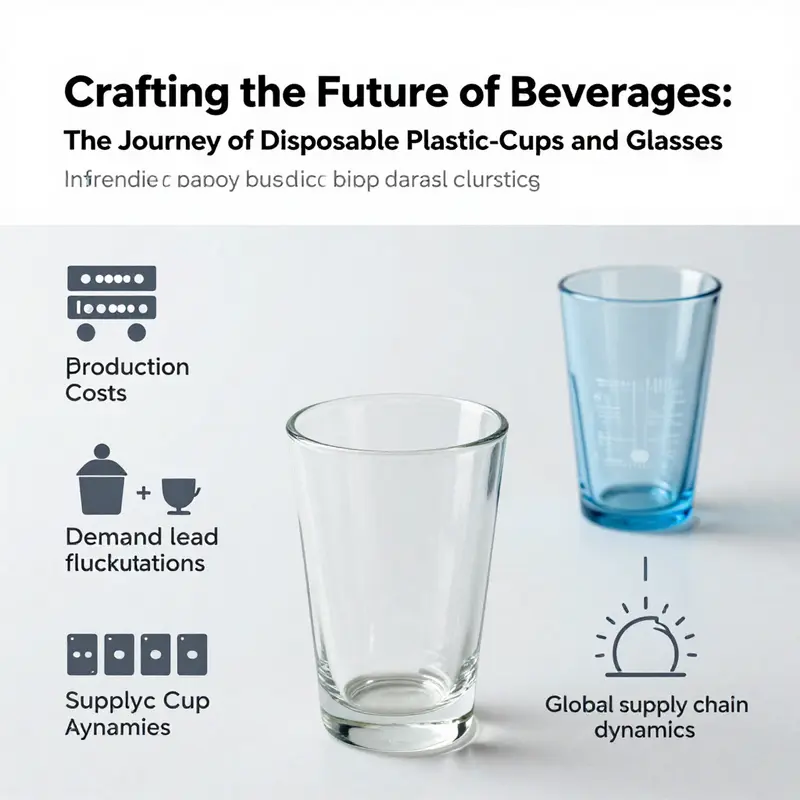
The disposable cup and glass manufacturing cycle begins with a sequence of precise, high-speed steps, yet the rhythm of production is set long before the first preform is heated. In modern plants, the blow-molding process transforms thermoplastic preforms into hollow, thin-walled containers with remarkable efficiency. But the choice of material, the price of energy, and the pulse of consumer demand determine which path a line runs, how quickly it cycles, and how competitive a product remains on shelves and in shipments. Economic forces thus act as an invisible co‑engineer, shaping everything from material selection and equipment configuration to the marketing terms that accompany a single-use container. The narrative of cost and value, rather than the story of design alone, defines the daily realities of producing disposable cups and glasses at scale.
At the core of the economics are raw material costs. Plastic cups rely on feedstocks rooted in petroleum, with polymers such as PET, PS, and PP forming the backbone of most mainstream options. Fluctuations in crude oil and natural gas translate directly into production costs, because resin pricing tracks energy markets and petrochemical feedstock availability. When crude prices spike, the entire cost structure of preforms and molded cups shifts upward, and manufacturers must decide whether to pass costs to buyers, absorb margins, or adjust product specifications to restore profitability. In contrast, glass cups hinge on silica sand as the primary input, yet even here pricing is not insulated from global market dynamics. Sand supply, energy-intensive firing, and the mix of cullet versus virgin feed influence both material cost and energy intensity. The volatility in global commodity markets, therefore, reverberates through both plastic and glass lines, compressing margins and elevating the need for precise cost accounting, strategic sourcing, and agile pricing.
Energy prices compound this effect. Glass production is notoriously energy intensive, requiring high-temperature furnaces that demand substantial heating and maintenance. Any upward shift in electricity or fuel costs directly inflates unit costs, especially for large-volume plants that operate continuous, high-throughput furnaces. Plastics benefit from energy efficiency gains in blow molding, but energy remains a meaningful share of operating expenses, particularly in cooling and conditioning preforms, as well as in downstream cooling and trimming stages. The interplay between energy cost and throughput creates a delicate balance: higher energy prices can erode margins if cycle times cannot be reduced without compromising quality. Consequently, facilities invest in energy recovery systems, insulation, and process optimization to lower per-unit energy consumption. Where feasible, manufacturers explore alternative energy sources, improved heat-exchange networks, and refurbishment of older lines to keep energy expenditures in check. The overarching theme is clear: energy price trajectories strongly influence decisions about line speed, furnace maintenance, and the geographic siting of plants, since regional energy costs can tilt the economics of offshore manufacturing versus domestic production.
Market demand dynamics add another layer of complexity. A growing demand for on-the-go beverage consumption has driven expansion in disposable cup production, with brands and retailers seeking reliable, lightweight solutions that preserve temperature, clarity, and stacking efficiency. Yet this demand exists in tension with rising consumer and regulatory scrutiny of single-use plastics. Governments and municipalities increasingly favor or mandate sustainable alternatives, recycling frameworks, and extended producer responsibility programs. Even as sales volumes rise, the cost appeal of alternatives—such as biodegradable or compostable cups—depends on a complex mix of feedstock availability, composting infrastructure, and consumer adoption rates. In many markets, compostable materials carry a price premium and require separate handling streams to realize environmental benefits. This creates a bifurcated cost landscape: the baseline plastic cup remains the most cost-competitive option for many applications, while alternatives promise environmental advantages but at higher production and logistics costs. The net effect is that manufacturers must not only forecast demand but also anticipate shifts in regulatory regimes and consumer expectations that could alter the relative value of different materials.
Sustainability considerations add a distinct cost dynamic. The push toward greener options often translates into higher raw material costs, investments in new formulations, and the need to validate new processing parameters. Biodegradable or compostable cup options may require specialized resins, different molding temperatures, or alternative cleanliness standards, all of which can demand capital expenditure and process requalification. Availability and scalability remain critical bottlenecks; even if a material meets performance criteria, the supply chain must deliver consistent quality at volume. This tempo of change nudges manufacturers toward modular line designs and flexible automation that can accommodate a mix of materials without sacrificing throughput. The consequence is a continuous assessment of trade-offs: do we incur higher material costs for a greener profile, or do we maintain existing lines and risk falling behind in a market increasingly sensitive to sustainability signals? The answer is rarely binary; it requires a strategic blend of sourcing, process adaptation, and careful staging of capital investments.
From a manufacturing science perspective, these economic pressures shape the very fabric of the blow-molding process. Decisions about wall thickness, clarity, and tamper-evident features are not driven solely by performance criteria; they are measured against cost per unit and yield. Thinner walls save material and energy in cooling but can require tighter process control to avoid defects. Higher cycle speeds boost output but may raise scrap rates if the tooling and preform heating profiles are not commensurate with the new rhythm. In practice, plants optimize preform design, mold geometry, and cooling circuits to achieve uniform wall thickness and optical clarity while maintaining a favorable cost basis. The choice between semi-automatic systems and fully automatic high-speed lines becomes a study in capital efficiency. Semi-automatic configurations offer lower upfront costs and greater flexibility for customization, a valuable option for mid-sized operations or startups experimenting with designs or materials. Fully automatic lines, with robotics and synchronized robotics, deliver maximum throughput and consistency, but demand a larger upfront investment and longer lead times to amortize.
The strategic implications extend beyond the shop floor. Inventory management, supplier risk, and logistics costs are amplified under uncertain material pricing. Tight coordination with resin suppliers allows better price hedging or contract terms that stabilize costs over a production horizon. Similarly, energy procurement strategies—spot versus long-term contracts, on-site generation, or co-generation—can cushion volatility and lock in more predictable margins. On the sustainability frontier, the need to align with regulatory targets can influence product mix decisions and capital budgeting. A plant might decide to invest in a modular line that can be reconfigured for different resins, enabling a swift response to market signals and policy changes without a total plant retrofit. Such adaptability is increasingly valuable as markets evolve toward circular economy principles and more stringent environmental standards.
For readers considering the broader ecosystem, the economics of disposable cups and glasses connect to packaging ecosystems beyond the bottle and box. In parallel with the core manufacturing process, there is a growing emphasis on designing for recyclability, compatibility with existing sorting streams, and minimized material loss through improved scrap recovery. These considerations, while environmental in intent, intersect with cost through the efficiency of recycling streams, the value of reclaimed resin or glass cullet, and the energy required to reprocess materials. As a result, the economic narrative expands from price per kilogram to value per unit across the product’s entire life cycle, including end-of-life management. In this context, industry players increasingly weigh the cost of maintaining compatibility with recycling infrastructure against the perceived environmental benefits and consumer expectations.
To connect the economic narrative with tangible choices, consider how a producer might navigate sustainability without disrupting profitability. A pragmatic path involves embracing eco-friendly packaging options where feasible, while preserving cost discipline on the core cup line. For example, manufacturers are exploring multi-component packaging solutions that can coexist with existing cup lines while signaling a greener footprint to customers. This approach aligns with the broader push toward responsible packaging, and it is reinforced by the notion that sustainable choices do not have to be a win-lose proposition. Rather, they can be integrated through careful material selection, process optimization, and supply chain resilience. eco-friendly-disposable-3-compartment-food-grade-packaging-box-for-fast-food-high-quality-takeout-boxes offers a lens into how packaging designers balance green credentials with practical performance, illustrating how the economics of sustainability intersect with everyday production decisions.
External references and broader market analyses underscore the scale of these dynamics. A comprehensive view of market size and price pressures highlights how raw material costs, energy prices, and evolving consumer preferences converge to guide strategic decisions across the sector. This broader perspective helps explain why manufacturers invest in flexible lines, energy-efficient technologies, and diversified material portfolios. It also clarifies why the trade-offs between traditional plastics, glass, and emerging alternatives remain central to cost management and competitiveness in a volatile global landscape. For readers seeking a macro view of the forces at play, a recent market analysis provides context on how demand growth, price elasticity, and regulatory developments interact in the disposable cups market.
External reference: https://www.marketsandmarkets.com/Market-Reports/disposable-cups-market-12879.html
Footprints in Thin Walls: Environmental Realities and Sustainability Practices in Disposable Plastic Cup Manufacturing
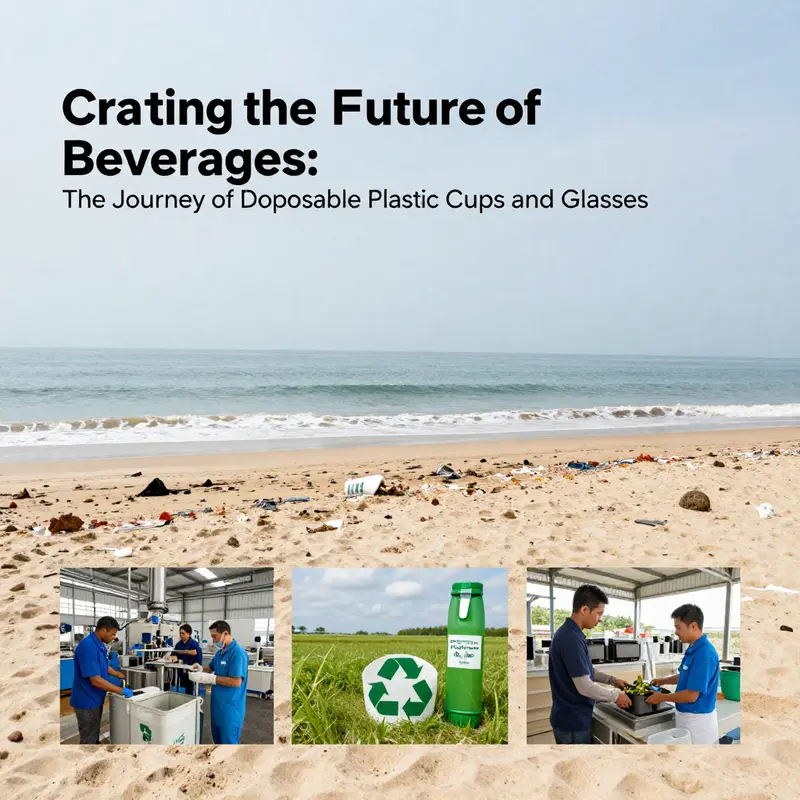
The environmental conversation surrounding disposable cups begins at the moment the plastic resin is melted and shaped into hollow forms with walls thin enough to hold liquid, yet sturdy enough to survive the handling, transport, and use. In the context of disposable cup manufacturing, the dominant dialogue has revolved around blow molding, the technique that turns a heated preform into a seamless, lightweight container. The research landscape for this chapter centers on PET, PP, and, to a lesser extent, PLA, while offering little to no information on glass manufacturing for disposable cups. That gap frames sustainability as life-cycle thinking rather than a snapshot of material properties, and it foregrounds how material choice, processing efficiency, and end-of-life options determine the environmental footprint of single-use beverage vessels.
PET stands out for clarity, strength, and recyclability. Its ability to form high-quality, transparent cups supports premium appearance and reliable barrier properties. Yet the very clarity that aids consumer appeal is tied to production realities: PET’s recycling stream is well established, but hot liquids pose risks of deformation and potential migration, which constrains some applications. When manufacturers incorporate recycled PET (rPET) into new cups, energy and emissions tied to remelting, cleaning, and extrusion must be balanced against gains from reduced virgin material use. The life-cycle orientation emphasizes how end-of-life fate can swing the overall environmental impact even when the initial forming is efficient.
PP offers a different set of trade-offs. In many blends, polypropylene provides a favorable balance between melt strength, clarity in some forms, and resilience. Its recyclability is generally solid, though recovery rates depend on local infrastructure and consumer participation. The environmental profile of PP contrasts with PLA, a biobased alternative that appears attractive in theory due to renewable feedstocks, but life-cycle analyses show that PLA’s performance does not consistently exceed PP, particularly when composting or specialized recycling streams are underdeveloped. The sustainability narrative thus extends beyond the factory floor to consumer behavior, waste segregation, and the policies that govern packaging waste.
These material dynamics unfold on the blow-molding line, where preform design affects wall-thickness uniformity and cooling efficiency. Uniform thin walls reduce material use without sacrificing rigidity, but achieving consistency demands precise temperature control, mold design, and process timing. The energy footprint of this stage depends on machine efficiency, control strategies, and heat-recovery potential. Scrap arising from trimming or defective parts erodes environmental benefits unless it is quickly ground and reintegrated as recycled content. Well-managed facilities minimize scrap through design-for-manufacturability and continuous process monitoring, linking material choice to upstream energy intensity and waste management performance.
Sustainability practices in this context increasingly adopt a systems perspective. Design-for-recyclability guides decisions about barriers, dyes, and additives that can complicate recycling streams. When cups are designed for mechanical recycling, the chain—from consumer disposal to curbside collection, sorting, and reprocessing—must be coherent. There is a strong emphasis on PET reuse through rPET content, which can reduce virgin material demand and energy use, but meaningful gains require robust post-consumer collection and a market that maintains resin purity. Contamination with colorants, adhesives, or non-PET plastics can degrade value and performance, affecting economics and environmental outcomes. The sustainability narrative thus extends beyond the factory floor to consumer behavior, waste segregation, and the policies that govern packaging waste.
Technological and operational improvements focus on energy and water efficiency. Blow-molding lines can adopt energy-recovery features, closed-loop cooling, and heat exchangers that reclaim heat from molten preforms and cooling circuits. When these measures align with renewable energy or greener electricity grids, the environmental dividend grows. Process optimization also reduces cycle times and variability in wall thickness, limiting material use and improving product uniformity. Design choices influence energy intensity: thicker walls or more complex shapes require more plastic and energy, while simple geometries enable higher throughput and less waste. The most sustainable setups harmonize material selection, process control, recycling capabilities, and energy sourcing into an auditable system.
The literature acknowledges a gap in glass-specific data within this scope. Glass cups can offer inertness and potentially long recyclability cycles, but their heavier mass increases transport energy and complicates waste management in a plastics-centric system. Without concrete glass metrics, cross-material assessments risk speculation. The practical takeaway remains: to advance sustainability, focus on life-cycle boundaries, robust recycling infrastructure, and transparent reporting across materials. In the meantime, the plastic cup family—PET, PP, and PLA variants—continues to evolve through process innovations, recycled-content strategies, and policy evolution that collectively steer the life cycle toward lower energy use, reduced material waste, and more effective reclamation of post-consumer streams. For researchers and practitioners, the challenge is to quantify full life cycles with clear boundaries, identify the levers that yield the greatest reductions, and strengthen interfaces between manufacturing, waste management, and consumer behavior.
Molding Momentum: Trends, Technology, and the Dual-Track Future of Disposable Plastic Cups and Premium Glassware
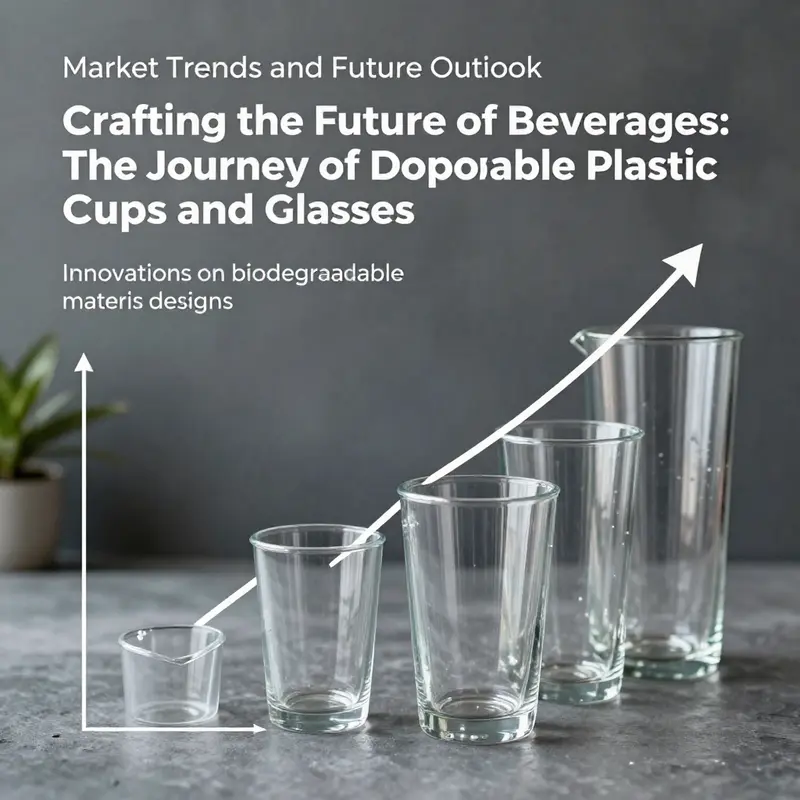
The manufacturing landscape for disposable cups and glasses sits at a quiet but deliberate inflection point. On one side, the relentless push for efficiency and cost discipline continues to reward the traditional blow molding workflow that turns a simple preform into a hollow, lightweight container with remarkable wall-thickness uniformity. On the other side, rising consumer awareness of plastic waste and the growing interest in premium, reusable, or recyclable options are pressing manufacturers to rethink materials, end-of-life strategies, and product aesthetics. In this environment, the blow molding process remains the backbone of high-volume production. It is fast, adaptable, and capable of producing a wide range of shapes with consistent clarity and wall integrity. Yet its trajectory is increasingly shaped by two interrelated forces: the evolution of production technology and the evolving expectations of a market that prizes both performance and responsibility.
At the heart of the plastic cup segment lies a steady but purposeful growth trajectory. Projections place the market on a trajectory of roughly 5 percent compound annual growth from 2025 to 2033, a pace that reflects ongoing investments in high-speed, energy-efficient blow molding technology. Modern machines have transformed from simple indexing lines into integrated systems that marry rapid cycle times with tight control over wall thickness and optical clarity. For cups designed to be visually appealing in a retail or branded environment, the ability to achieve uniform thickness across complex contours without sacrificing transparency is a decisive competitive edge. The equipment itself—rotational or in-mold configurations, integrated cooling, and smart servo-driven control—has evolved to minimize scrap and energy use while enabling more intricate, brand-synced designs that can differentiate a product on crowded shelves. That differentiation, in turn, feeds demand for customization, supporting shorter run lengths and faster time-to-market, a dynamic particularly valuable to retailers pursuing seasonal campaigns or limited-edition packaging.
But growth does not arrive without challenges. The upfront capital cost of high-speed blow molding lines remains a barrier for some small and mid-size players, and ongoing maintenance becomes a necessary discipline as screws, barrels, and preform handling gear wear under heavy production. Material contamination—whether from preforms, resins, or even process lubricants—poses a persistent risk to yield and quality. In response, manufacturers are adopting more robust inline inspection, upstream materials screening, and improved process controls. These controls help ensure that the final cups and their surfaces remain visually pristine and dimensionally consistent, a requirement for products that carry branding, logos, or premium finishes. Sustainability considerations also shape investment decisions. The market’s appetite for recyclable content and biodegradable options creates a demand for new resins and recycling streams, even as such materials can introduce processing quirks that demand revised processing windows and more precise temperature profiles.
The glass cup segment, though often positioned differently in the consumer imagination, plays an equally important role in this evolving narrative. In the Asia Pacific region, urbanization, rising disposable incomes, and a growing appetite for premium and designer tableware are contributing to a steady expansion of glass-based beverage solutions. While glass is not typically disposable in the same sense as plastic, the market’s trajectory toward higher quality and longer reuse cycles signals a broader shift in consumer expectations. Innovations in design, finishing, and digitization—such as laser engraving for branding, precision forming for delicate shapes, and integrated data collection that tracks production parameters—shape the next generation of glassware. In practice, this means that the line between single-use and premium reusable becomes more porous, especially in hospitality and high-end retail contexts where the perceived value of a container enhances the overall consumer experience and can align with sustainability narratives when reuse is emphasized.
Across both segments, the future will increasingly hinge on a forward-looking blend of efficiency, material science, and end-to-end system thinking. The market is bifurcating toward a dual-track evolution: continuous refinement of plastic cup production to meet rising demand for convenience, brandability, and cost-effectiveness; and a strategic pivot toward sustainable materials, recycling-driven design, and premium reusable options for regions and segments where environmental and experiential concerns dominate. In practice, this means more than just selecting a resin. It means rethinking preform design, optimizing mold cavities for easier demolding and better surface finishes, and leveraging digital tools to monitor quality in real time. Machines that once ran at fixed speeds are increasingly equipped with sensors, predictive maintenance, and AI-enabled control loops that tune parameters for changing resin chemistry or ambient conditions. The result is a manufacturing ecosystem that can respond to design shifts, regulatory developments, and shifting consumer preferences without sacrificing throughput.
From a materials perspective, PET, PS, and PP continue to anchor the disposable cup family, but the conversation is expanding to incorporate recycled content and bio-based alternatives where feasible. Each material brings its own processing discipline: PET’s clarity and strength, PS’s rigidity and cost effectiveness, PP’s chemical resistance and fluid compatibility. The challenge is to balance these material properties with downstream recycling streams and waste management frameworks. As sustainability considerations gain prominence, the industry is experimenting with barrier coatings, recycled-content resins, and even innovative fillers that can reduce weight without compromising performance. The aim is a cleaner materials loop that preserves product integrity while increasing the likelihood that cups will be recoverable, recyclable, or compostable depending on local infrastructure.
A practical consequence of these trends is the need for design-for-recycling mindset integrated early in the development cycle. Designers now collaborate more closely with process engineers to ensure that wall thickness, surface finish, and color transparency do not complicate downstream sorting or recycling. This is where the economics of scale intersect with environmental responsibility. High-throughput lines can justify the cost of more sophisticated preform designs and multi-cavity molds that yield uniform walls and seamless finishes. Yet as customization becomes more common, the challenge becomes preserving material efficiency while delivering the aesthetic traits customers expect—from smooth grip textures to bright, consistent branding that remains legible under heat and humidity. The industry’s response is to push for digital toolchains that simulate molding, cooling, and impact performance before a single batch is produced. In turn, this reduces trial-and-error cycles, speeds up time to market, and curtails waste.
In evaluating consumer-facing packaging possibilities, it helps to consider concrete examples of how design, branding, and functionality intersect. For instance, a clear plastic cup that maintains optical clarity under light exposure can become a powerful canvas for artwork and promotional messages in a retail environment or at an event. The ability to produce such cups at scale with consistent thickness, smooth surfaces, and accurate branding is a direct product of the convergence between advanced blow molding technology and smart process controls. For a practical snapshot of consumer-facing options, one can explore examples like disposable clear plastic cups designed for outdoor use, which illustrate how form and function coalesce in real-world settings. These cups balance durability with a lightweight profile, offering a reliable platform for beverages from water to juice to cold coffee. disposable clear plastic cup for outdoor use
The broader market context also includes social and regulatory dimensions that influence strategic choices. Governments and industry bodies are increasingly attentive to packaging waste, recycle rates, and consumer education. In some regions, there are incentives to adopt higher recycled-content materials or to redesign products to fit into circular economy models. In others, restrictions on single-use plastics stimulate experimentation with alternative materials or with programs that encourage reuse and deposit schemes. Across all of these dynamics, the manufacturing pipeline—from resin suppliers through blow molding machines to downstream recycling streams—must be resilient and adaptable. This is where partnerships and data sharing become valuable, enabling better forecasting, more precise raw-material specs, and faster product iterations that meet evolving standards without sacrificing the throughput that large-scale production demands.
Ultimately, the future of disposable cups and glassware rests on how well manufacturers translate the promise of modern blow molding technology into real-world value. The gains in cycle efficiency, material utilization, and surface quality are meaningful, but they only fully pay off when they align with a path toward sustainability and brand equity. The most successful producers will be those who weave together process discipline, material science, and consumer insight into a coherent strategy. They will be the ones who can offer lightweight designs with consistent thickness and clarity, provide options that fit both single-use convenience and reusable or recyclable aspirations, and maintain the reliability demanded by hospitality and retail contexts. In that sense, the chapter’s central question is not merely about how quickly cups can be produced, but about how thoughtfully the industry can shape the lifecycle of these containers—from preform to consumer and back into the recycling stream—or into a durable, premium glassware narrative where appropriate. The answer lies in embracing the dual-track future as a source of both resilience and opportunity, guided by technology, design, and an evolving sense of responsibility.
External reference for deeper technical context: The Science Behind Disposable Plastic Glass Production Line: Properties, Production, and Applications. https://www.plasticglasses.com/science-behind-disposable-plastic-glass-production-line/
Final thoughts
As disposable plastic cups and glasses continue to be indispensable in the food and beverage industry, understanding their manufacturing process unveils opportunities for businesses to refine their choice of materials and packaging. By focusing on innovative practices and sustainability, companies can align with consumer expectations and contribute positively to environmental preservation. The journey of these cups from manufacturing to serving your favorite beverages reflects broader market dynamics, paving the way for future advancements and conscientious choices in product selection.