
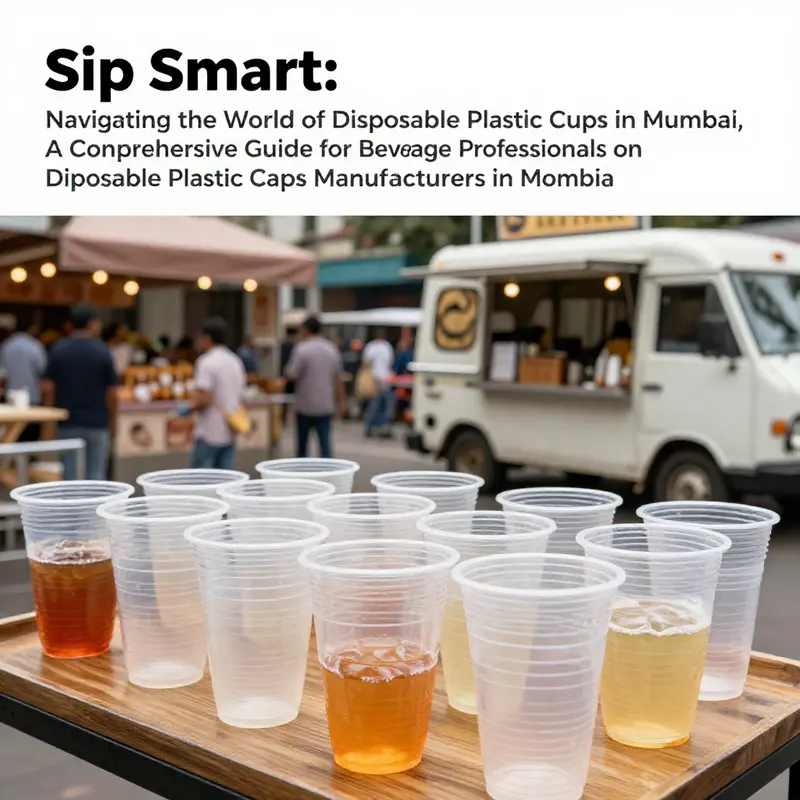
In today’s bustling Mumbai, the demand for disposable plastic cups is on the rise, fueled by the thriving beverage and food service sectors. With a mix of supplier expertise and innovative products, manufacturers in this city cater to an assortment of needs for bubble tea shops, restaurants, food trucks, and event planners. Each chapter of this guide explores different facets of the disposable plastic cup market: an overview of the industry landscape, the diverse product offerings, technological advancements in manufacturing, the economic implications, and sustainability challenges faced by these manufacturers. Together, they form a robust understanding of how disposable plastic cups support today’s vibrant business ecosystem.
Mumbai’s Disposable Cup Landscape: Materials, Market Forces, and Manufacturing Momentum
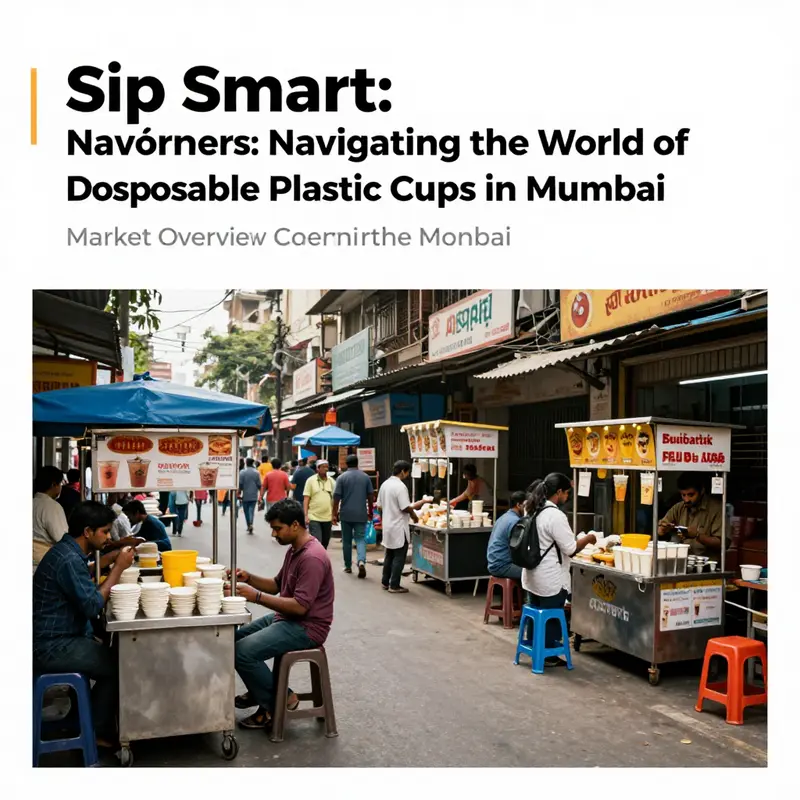
Market Snapshot and Manufacturing Trends in Mumbai
Mumbai hosts a dense, responsive cluster of disposable cup manufacturers serving the city’s hospitality and event sectors. Manufacturers range from compact workshops to mid-sized factories with automated lines. This geographic and operational mix enables rapid response to spikes in demand, seasonal orders, and custom requirements for events, food service chains, and retail outlets. The market’s backbone is not only volume but adaptability: producers fine-tune sizes, wall thicknesses, and finishes to match a broad set of use cases, from single-serve hot beverages to tall, chilled beverage cups that hold ice and retain shape.
Material choice shapes product performance and customer acceptance. Food-grade polypropylene (PP) is the primary resin used. It combines heat resistance, good stiffness, and chemical stability for contact with beverages. PP’s balance of properties makes it suitable for hot coffee cups and cold-drink tumblers alike. Manufacturers commonly select different PP grades and adjust wall thickness to meet intended uses. Thinner gauges fit single-use hot cups, while thicker, more rigid variants form chilled cups resistant to condensation and collapse when filled with ice.
Demand in Mumbai is steady and multifaceted. The city’s catering industry places large, recurring orders for corporate functions and weddings. Street vendors and quick-service outlets require economical, dependable cups for thousands of daily transactions. Seasonal festivals and tourist-driven events amplify short-term demand, prompting manufacturers to keep flexible capacity. The Food & Beverage sector’s expansion, including cloud kitchens and small cafes, also drives orders for standardized cup sizes and printed options. As consumer preferences evolve, many buyers prioritize hygiene, convenience, and consistent quality over the lowest price alone.
Product diversity is a market strength. Producers supply a spectrum of cup types: single-wall hot cups designed to withstand scalding liquids; thicker cold cups engineered to resist cracking and wetting; and clear plastic cups for presentations and events. Variations in rim design, stacking tolerance, and lid compatibility cater to logistics and point-of-sale needs. For customers seeking event-grade clarity, clear disposable cups are a common request because they showcase beverages and desserts more attractively than opaque counterparts. For procurement teams and event planners, a reliable source of clear, sturdy cups simplifies menu planning and presentation. For those options, vendors often link to product pages for specification review and ordering details, such as a disposable clear plastic cup for outdoor picnic and parties.
Health and safety are central to reputational risk and compliance. Manufacturers commonly emphasize BPA-free formulations and compliance with food-contact certifications. Many suppliers adhere to internal quality checks for melt flow index, dimensional accuracy, and odorless production. Traceability is increasingly important when clients require certificates for large institutional contracts. Buyers often request batch-level documentation to ensure raw materials meet regulatory thresholds and safety standards.
Technology investments are changing operational economics. Automated cup-making machines deliver consistent wall thickness and shape, reduce scrap rates, and allow rapid scale-up of output. Automation also improves dimensional accuracy, which matters when cups must fit standardized lids or carriers. Mid-to-large manufacturers invest in modular lines capable of switching between cup sizes with minimal downtime. These investments reduce labor intensity and enable competitive pricing while preserving quality. For certain manufacturers, automation also opens export opportunities. Consistent product tolerances and certified materials make Mumbai-produced cups attractive to buyers in nearby regions, including parts of Southeast Asia and the Middle East.
Sustainability conversations influence material selection and buyer choices. Though PP remains dominant, there is growing interest in alternatives and in measures to reduce environmental impact. Some clients explore compostable or biodegradable options, or prefer products that use recycled content. Manufacturers face technical and cost trade-offs when introducing such alternatives: compostable polymers may require different processing equipment, and recycled content can affect clarity and strength. As demand for eco-friendlier solutions rises, some producers test hybrid approaches—offering paper-based or fiber-plastic blends for certain use cases while retaining conventional PP for heat resistance and structural needs.
Economic forces shape day-to-day operations. Raw material prices, particularly polymer feedstock costs, fluctuate with global commodity cycles. These shifts affect margins and pricing strategy. To remain competitive, manufacturers optimize procurement, negotiate bulk raw-material contracts, and balance inventory risks with order lead times. Competitive pricing is especially important for local caterers and street-level vendors, who operate with narrow margins. At the same time, larger customers value reliability and consistent quality, sometimes accepting a modest premium for guaranteed supply and certified standards.
Market access and distribution are diverse. Local procurement often occurs through online business directories and specialized marketplaces where manufacturers list catalogs and minimum order quantities. For event planners and caterers, quick discovery of suppliers with specific capacities—such as stock availability for a weekend wedding or an urgent corporate luncheon—is critical. For some manufacturers, a visible online presence and an up-to-date product catalogue provide a significant competitive edge. Channels also include direct sales to food chains, exports through trading partners, and supply agreements with distributors who service smaller retail outlets.
Quality, lead times, and customization determine long-term relationships. Repeat buyers prefer suppliers who meet delivery schedules and offer predictable dimensional accuracy. Customization—such as colour matching, printing, and lid compatibility—adds value and fosters loyalty. In response, many manufacturers keep basic tooling for common sizes and offer flexible lead times for custom orders. This approach keeps the supply chain resilient during demand spikes and seasonal peaks.
The manufacturing ecosystem in Mumbai benefits from local clustering. Proximity to logistics hubs, a skilled workforce familiar with polymer processing, and access to regional raw material suppliers create operational efficiencies. However, growth is tempered by rising rents and regulatory scrutiny on single-use plastics. Manufacturers are adapting by improving process efficiency, diversifying product lines, and exploring alternative materials. Those who can balance cost, compliance, and sustainability will be best positioned to serve the city’s evolving market.
Mumbai’s disposable cup manufacturers operate at the intersection of utility and presentation. They supply functional everyday cups and visually appealing clear and rigid varieties for events. By combining material know-how, technological upgrades, and flexible production, they meet diverse buyer needs. At the same time, raw material economics and sustainability trends shape future directions. Buyers who understand these dynamics can source better, align procurement with event requirements, and influence manufacturers toward safer, greener options.
Source: https://www.indiaglitz.com/news/food-and-beverage-industry-in-mumbai-2026-12345
From Clarity to Customization: How Mumbai’s Disposable Cup Makers Shape Hospitality
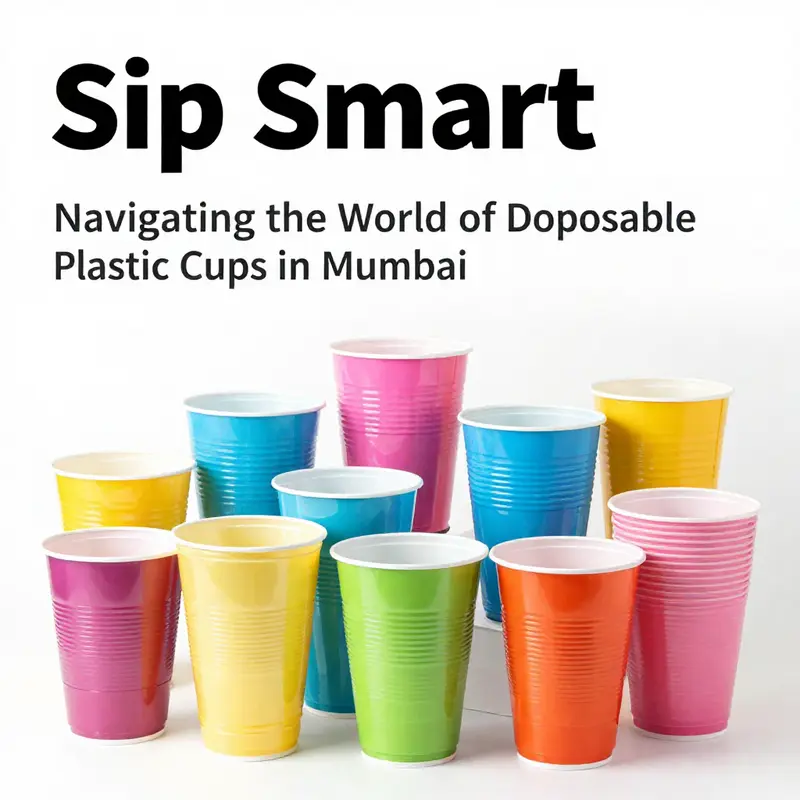
In Mumbai, the disposable cup sector functions as an interconnected ecosystem serving a diverse hospitality market, from neighborhood cafés to large banquet venues. Manufacturers respond to varied needs with an array of sizes, finishes, and customization options that help operators manage costs, control portions, and enhance guest perception.
Size variety is a defining feature. Small formats around 100 ml suit tastings and espresso shots, mid sizes serve soft drinks and juices, and larger formats of 500 ml or more accommodate smoothies and cocktails. These choices reflect operational requirements: smaller cups enable portion control and cost containment, while larger cups support upselling and streamlined service for high-volume contexts.
Design options expand practical utility into brand expression. Plain cups offer cost efficiency and neutrality; colored cups support mood and event coordination; and custom-printed cups carry logos, event themes, or sponsor messaging. Customization turns disposables into mobile branding tools that can reinforce an event’s identity and extend a venue’s presence beyond its walls. Suppliers increasingly bundle design assistance, reasonable minimums, and predictable lead times as part of the value proposition.
Temperature performance and material choices address everyday service realities. Cold-resistant designs with thicker walls and greater rigidity prevent condensation, preserve clarity, and maintain structural integrity under ice or foam. Food-grade polypropylene (PP) is widely used for its balance of stiffness, impact resistance, heat tolerance, and food-safety suitability. These material decisions support consistent product performance while keeping production and logistics efficient in a dense urban market.
Sustainability considerations are shaping product development. Many manufacturers prioritize recyclable and lightweight options to reduce environmental impact and align with evolving regulations and consumer expectations. While fully biodegradable single-use plastics remain challenging at scale, improving recyclability and reducing material mass are practical steps that manufacturers are adopting through material selection and packaging optimization.
Local manufacturing capabilities underpin product variety. Proximity to catering and event networks enables rapid prototyping, smaller minimums for custom runs, and quicker reorders. Digital catalogs and procurement platforms give buyers access to detailed assortments, facilitating comparisons of sizes, finishes, and printing options. This integration of design, tooling, and distribution is a competitive strength for Mumbai’s market.
For buyers, the practical implications are straightforward: event planners and operators can assemble coherent sets of cups matched to service scenarios—compact cups for tasting stations, mid-range sizes for beverage rounds, and large cups for specialty drinks—while maintaining a consistent visual theme through color or branding. Quick-service outlets typically favor a smaller, standardized set of sizes to simplify inventory and staff training. For themed events, printed cups add experiential value and carry the event narrative outward.
Overall, Mumbai’s disposable cup market succeeds through a blend of scale, craftsmanship, and responsiveness. The interplay of size, design, temperature performance, material science, and sustainability defines a product landscape that meets varied hospitality needs. The city demonstrates how a well-executed range of disposable cups can serve operational goals, communicate brand identity, and respond to environmental pressures simultaneously.
For examples of products and supplier listings, see representative online assortments such as: https://ecocupbowl.com/product/disposable-clear-plastic-cup-outdoor-picnic-pet-cup-drinking-cup-for-parties-birthdays-weddings-camping-utensils/.
In subsequent chapters we examine how buyers evaluate suppliers, how pricing and supply dynamics shape procurement, and how sustainability requirements will influence future cup design and end-of-life strategies.
Smart Lines and Material Shifts: How Mumbai’s Disposable Plastic Cup Makers Translate Technology into Reliability
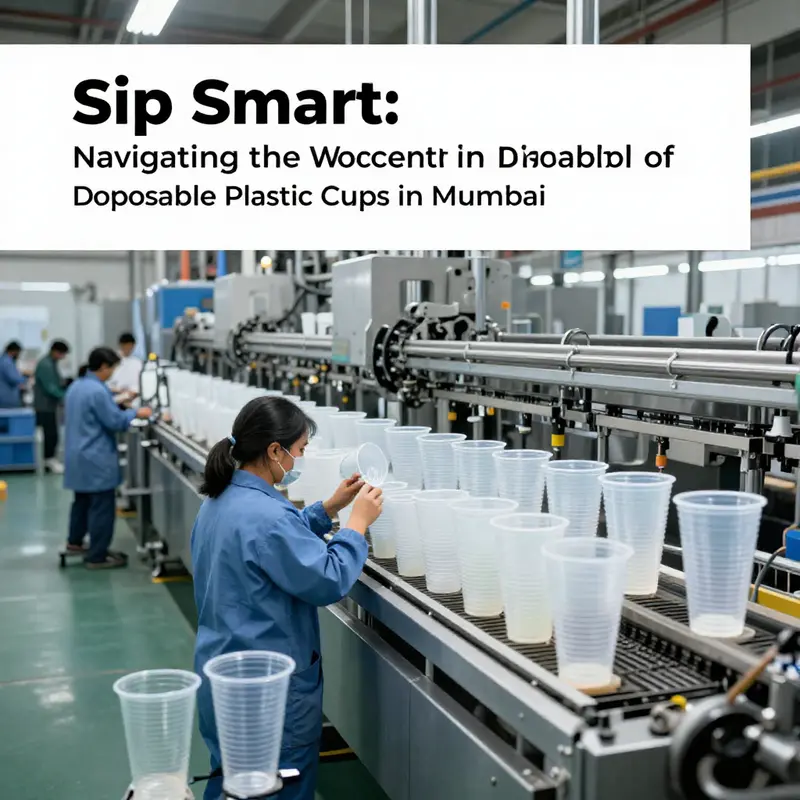
Smart lines are reshaping how disposable plastic cups are made in Mumbai. The city’s manufacturing hubs have moved from largely manual or semi-mechanized setups toward integrated, automated production lines. This change is driven by demand for consistent quality, faster turnaround, and lower per-unit costs. It also responds to increasing scrutiny over safety, material performance, and energy use. What follows is a cohesive look at the technological shifts transforming Mumbai’s disposable cup industry and how those shifts link production capability to market needs.
The most visible change is the adoption of high-speed automation. Modern cup forming machines combine rapid cycle times with precise control systems. Servo motors and PLC-based controllers adjust timing, pressure, and feed rates in real time. These systems cut dimensional variations and reduce malformed pieces. For manufacturers, that means fewer rejects, smaller scrap volumes, and steadier output against tight order schedules. Automated lines also shorten the lead time from raw resin to packaged goods, supporting clients that operate on tight event or retail timelines.
Quality control has become embedded, not bolted on. Inline inspection tools check wall thickness, rim consistency, and visual clarity as cups move on conveyor belts. Sensors flag deviations and trigger corrective actions automatically. Statistical process control is now common, helping engineers trace defects back to specific process settings. The result is greater confidence for food service buyers and event planners who require reliable, uniform cups. Consistency also simplifies downstream packaging and logistics, because predictable dimensions reduce the incidence of damage in transit.
Energy efficiency is a key outcome of modern machines. Optimized heating zones and targeted cooling paths reduce thermal waste. Faster cooling cycles shorten cycle times without increasing energy input. Some systems reclaim heat or use variable frequency drives to match motor output to demand. These efficiencies cut operational costs and shrink carbon footprints per unit. For mid-size producers, savings on utilities can quickly offset the capital cost of upgrading equipment, making energy-conscious investments financially practical.
Materials technology is advancing alongside machinery. There is a clear industry preference for higher-grade thermoplastics such as PET and PP. These polymers provide better clarity, toughness, and food safety characteristics compared with older low-grade resins. Improved raw materials help cups resist cracking and deformation, especially under temperature stress. That durability matters for both hot and cold beverage applications. At the same time, suppliers are experimenting with formulations that include recycled content while maintaining performance. The balance between durability and circularity is central to buyer requirements.
Smart manufacturing extends beyond the machine room. Remote diagnostics and predictive maintenance systems monitor vibration, temperature, and cycle profiles. Cloud-based dashboards give plant managers a live view of OEE, downtime causes, and maintenance schedules. Predictive alerts reduce emergency stoppages by flagging bearings or heaters that show early signs of wear. This approach raises uptime and keeps production lines running smoothly during peak demand. It also reduces the need for large spare-part inventories, because parts are ordered before failures occur.
These technological improvements affect more than production metrics. They change how manufacturers compete. High automation and better materials let larger producers scale while maintaining margins. Smaller firms can also compete by specializing in niche products or offering rapid, small-batch runs. Across the board, the ability to guarantee consistent cup quality becomes a market differentiator. Export-ready volumes become achievable when lines can sustain high throughput with minimal variance.
Regulatory and safety factors shape technology choices as well. Food contact compliance requires traceable material sourcing and controlled processing conditions. Modern lines facilitate traceability by logging material batches and process parameters. This data supports compliance audits and customer transparency. Process controls that limit contaminants and maintain correct melt temperatures reduce the risk of non-compliant material reaching consumers. In effect, automation helps firms meet both legal and buyer-driven standards.
Investment and workforce considerations follow technological adoption. Upgrading equipment involves capital expenditure and operational change. Skilled technicians are needed to program PLCs, maintain servo systems, and interpret diagnostic data. Training programs and partnerships with equipment suppliers are common ways firms close this skills gap. Over time, the shift in workforce skill sets raises the overall technical capability of the local manufacturing ecosystem.
Sustainability remains an unresolved but active frontier. While improved materials and faster lines lower waste and energy per cup, single-use plastics still raise disposal concerns. Some manufacturers are testing blends that allow easier recycling. Others are integrating recycled resin into non-food-contact portions of their product runs. The tension between meeting immediate market demand and aligning with long-term circularity goals is shaping procurement choices across the supply chain.
Technology is also enabling new product formats. Clear, lightweight cups with predictable dimensions support a range of packaging and merchandising strategies. For buyers seeking transparent drinkware, the manufacturing precision now available ensures visual appeal and stackability. Those interested in a representative sample can see product examples on the site for a disposable clear plastic cup offering. This kind of visible, demonstrable quality helps bridge the gap between technical capability and buyer confidence.
Finally, these advancements tie directly to the broader economic role of Mumbai’s manufacturers. High-output, reliable lines strengthen the city’s capacity to serve domestic hospitality and food service markets. They also improve prospects for export by meeting international quality expectations. As machinery becomes smarter and materials better, Mumbai’s plants are positioned to supply predictable volumes, even under seasonal or event-driven demand.
Taken together, automation, material upgrades, energy efficiency, and digital maintenance create a stronger manufacturing proposition. The immediate effects are fewer defects, lower unit costs, and higher throughput. The longer-term benefit is an industry better prepared for shifts in regulation and consumer expectations. For buyers and stakeholders, the practical advantage is tangible: cups that are consistent, safe, and delivered on schedule, supported by manufacturing systems that can be monitored and improved over time.
For more technical details on machine capabilities and suppliers, see this industry resource: https://www.mumbaiindustrial.com/plastic-cup-making-machines-india/.
Mumbai’s Disposable Plastic Cup Manufacturers: Economic Engines for Jobs, Trade and Innovation
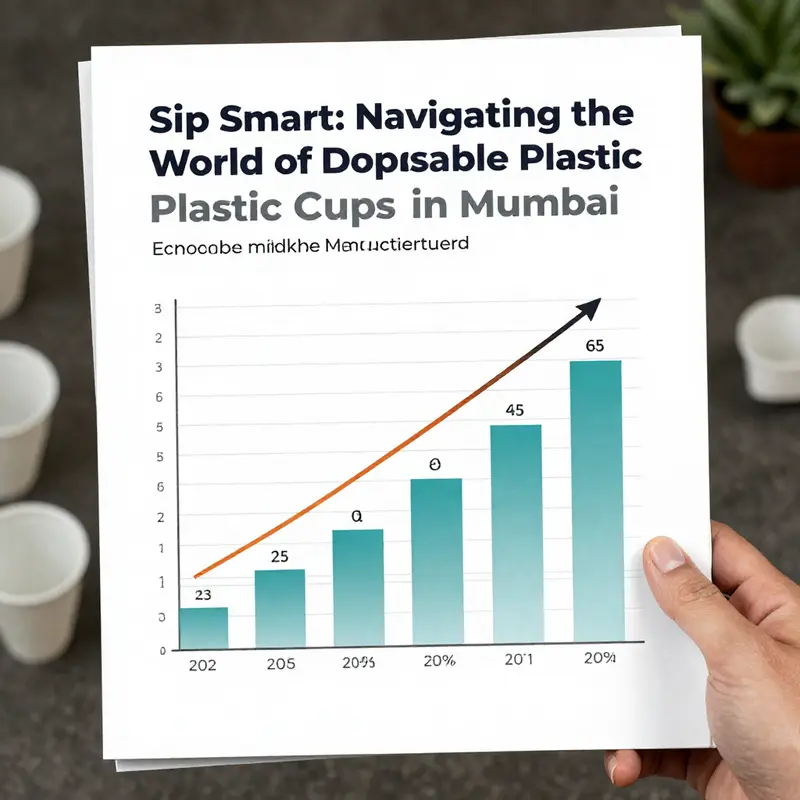
Mumbai’s disposable plastic cup manufacturers shape local economies in visible ways. Their factories and supply chains support employment, industrial output, and trade. They also influence the food service and hospitality sectors, where demand for convenient, hygienic disposables remains strong. This chapter examines how that industry converts raw materials into livelihoods, stimulates ancillary businesses, and adapts to regulatory and environmental pressures while pursuing efficiency and market reach.
The most direct economic effect is on employment. Production facilities require machine operators, quality controllers, and maintenance staff. Warehousing, order processing, and last-mile logistics add further jobs. Small and medium enterprises supply raw resins, spare parts, and services. These linkages distribute income across neighborhoods and suburbs, sustaining local retail and transport firms. Seasonal spikes tied to festivals, weddings, and conferences create temporary demand bursts. That pattern supports a mix of permanent and flexible roles in manufacturing and distribution.
Beyond jobs, manufacturing raises industrial output and stimulates upstream industries. Producing polypropylene cups depends on polymer suppliers, mold makers, and equipment providers. Injection molding and thermoforming units drive demand for precise tooling and regular maintenance. This creates a market for metal fabricators, electricians, and automation specialists. As factories modernize, they buy more energy-efficient machinery. Those investments raise productivity and, over time, lower per-unit costs, helping manufacturers stay price-competitive across India and for export markets.
Mumbai’s strategic geography amplifies these economic benefits. The city is a major port and commercial hub. Manufacturers take advantage of efficient freight links to source raw materials at scale. Proximity to large urban customers — caterers, event planners, foodservice chains, and street vendors — reduces distribution time and costs. Faster turnaround times strengthen relationships with buyers that need quick replenishment. Export opportunities also arise because shipping hubs nearby enable timely access to regional markets.
Market demand remains a driving force. Urban lifestyles and high event activity create steady consumption for single-use cups. Informal food vendors and cafes rely on affordable, food-safe cups for daily operations. Event management companies order in bulk for gatherings large and small. This steady need provides predictable order volumes that underpin investment planning. During peak seasons, manufacturers increase shifts and engage contract staff, further supporting local income flows.
Environmental regulation and shifting consumer preferences are reshaping economic decisions. Single-use plastics face scrutiny, which affects demand and compliance costs. Manufacturers respond by using food-grade polypropylene that is more recyclable. Some producers invest in recycling partnerships and material recovery plans. These shifts require capital and introduce operational complexity. Yet, they open new revenue streams. Recycled content and take-back programs appeal to buyers who seek lower environmental footprints. Over time, these initiatives can reduce raw material expenses and build resilience against regulatory restrictions.
Technological advances are another economic lever. Greater automation reduces waste and improves cycle times. Digital tools simplify inventory and order management. Better molds create consistent wall thicknesses, saving material without sacrificing strength. These improvements shrink production costs and enable competitive pricing. They also raise the technical threshold for market entry, favoring established manufacturers that can finance upgrades. For suppliers, this creates demand for after-sales support, spare parts, and training services, expanding ancillary business opportunities.
The industry’s supply chain fosters micro and small enterprises. Local workshops produce molds and metal parts. Transport operators handle moving finished goods across the metropolis. Packaging firms supply cartons and protective materials. Each node circulates money through the local economy. For many small suppliers, consistent orders from cup manufacturers are a foundation for business growth. That relationship encourages supplier specialization and deeper technical capabilities within the ecosystem.
Pricing dynamics reflect raw material volatility and competitive pressure. Resin prices, energy costs, and labor rates affect margins directly. Manufacturers hedge through bulk purchasing, long-term contracts, and efficiency investments. Competitive markets encourage differentiation through product quality, delivery reliability, and customization. Companies that offer a range of sizes, colors, and specifications capture larger shares of institutional clients. Those same firms also invest in compliance documentation and material testing to serve bigger buyers that demand certifications.
Export and inter-state distribution broaden revenue bases. Mumbai producers ship to neighboring states and overseas customers. Export revenues hedge domestic fluctuations and expand total demand. Shipping and customs formalities add complexity and costs. Yet, access to global buyers raises economies of scale, which can lower unit costs. When manufacturers succeed abroad, they attract more skilled labor and capital, fostering a virtuous growth cycle.
Socially, the industry contributes to local livelihoods and worker skills. Operators learn machine maintenance and quality assurance. Small business owners build managerial experience. That knowledge can transfer across manufacturing sectors. Community incomes linked to the industry support schools, clinics, and local services. When manufacturers engage in training, they enhance employability and raise productivity within the workforce.
Balancing growth with sustainability remains central. Investment in recyclable materials and processing systems brings short-term costs. But these investments protect market access and reduce long-term material spend. Partnerships with recyclers, and adopting circular practices, can create secondary markets for reprocessed polymers. Such markets reduce volatility in raw material sourcing and can offer a price advantage when oil or resin markets are turbulent.
In sum, disposable plastic cup manufacturers in Mumbai do more than produce tableware. They underpin jobs across several skill levels and enable entire supplier networks. Strategic location and port access expand market reach. Technological improvements and recycling initiatives provide routes to greater efficiency and regulatory compliance. These combined elements make the sector a significant economic engine for the city’s hospitality and foodservice supply chain, while pointing the way toward more sustainable manufacturing models.
For a deeper look into manufacturing trends and statistical context in this sector, authoritative industry data can be consulted at IndiaStat: https://www.indiastat.com/industries/plastic-products/manufacturing-of-plastic-cups-in-india. For a practical example of related product options used by foodservice businesses, see this internal product reference for disposable clear plastic cups: disposable clear plastic cup product page.
Balancing Growth and Green: Sustainability Hurdles for Disposable Plastic Cup Makers in Mumbai
Key sustainability barriers and practical responses
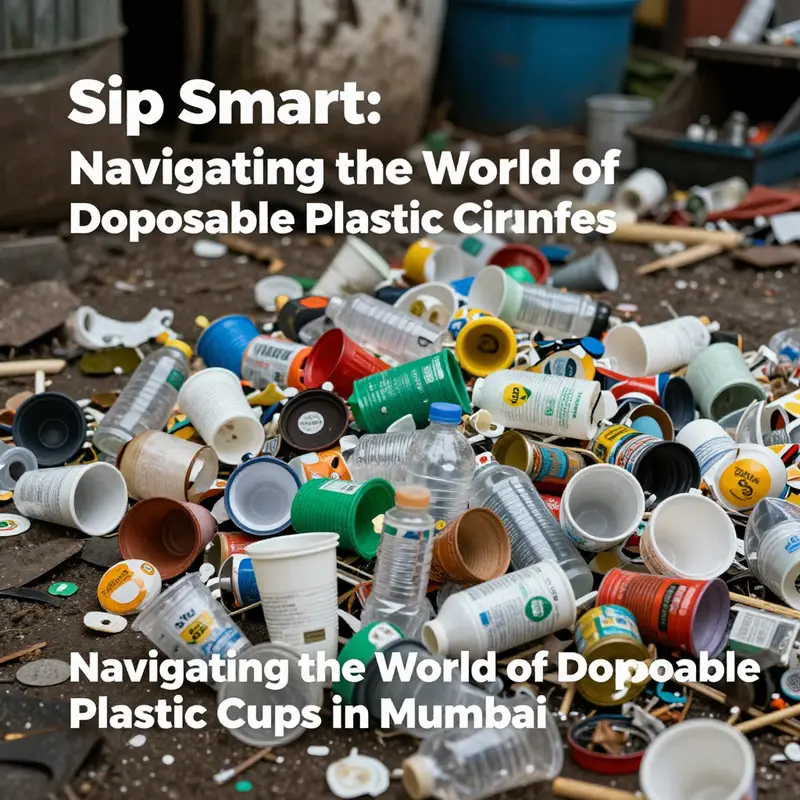
Manufacturers of disposable plastic cups in Mumbai operate at the intersection of rapid demand and growing environmental scrutiny. The catering, events, and food-service sectors rely heavily on single-use items for hygiene and convenience. That reliance exposes manufacturers to a set of sustainability challenges that are technical, social, and regulatory. These challenges do not exist in isolation. They interact, amplify costs, and shape investment decisions. Understanding how contamination, infrastructure gaps, material choices, public behaviour, and weak accountability combine helps explain why moving toward greener production is difficult.
A primary and persistent obstacle is contamination of post-use cups. Cups returned to waste streams often carry food residues or liquids. This contamination reduces the yield and quality of mechanically recycled polypropylene. Sorting systems demand clean, separated streams. When consumers discard cups into mixed bins, recyclers face higher processing costs. Many recyclable items become economically unrecoverable when mixed with organic waste. For manufacturers, this means the theoretical recyclability of a material rarely translates to an effective circular outcome on the ground. The cost of post-consumer washing, sorting, and reprocessing can negate the environmental benefit manufacturers claim for certain plastics.
Closely linked is the underdeveloped recycling infrastructure across Mumbai. Collection networks are fragmented, with informal and formal systems working in parallel but not always in coordination. Reliable supply chains for clean, post-consumer plastic are rare. Processors need consistent volumes, sorted by polymer and contamination level, to run cost-effective operations. Without such streams, manufacturers cannot count on recycled feedstock for production. This uncertainty discourages investment in lines designed to use a high percentage of recycled content. It also forces many manufacturers to continue relying on virgin resins, perpetuating fossil-fuel dependence and associated emissions.
Public awareness and disposal practices add another layer of complexity. Proper segregation at source is essential for any recycling model to succeed. Yet consumer behaviour remains uneven. Events, street vendors, and small eateries often lack the bins or the motivation to separate waste. Littering and mixed disposal are common. Improving public practice requires sustained outreach programs. It needs collaboration between industry, local government, and civic organizations. Manufacturers can support campaigns and offer incentives, but without wide participation, the benefits remain limited.
Material choice presents a paradox. Many disposable cups are produced from polypropylene due to its heat resistance and lower cost. PP feels like a pragmatic compromise: durable, widely processable, and technically recyclable. But production relies on fossil fuels. When cups are not captured by recycling systems, their environmental footprint remains significant. Alternative materials—bioplastics, compostable polymers, paper-laminates—promise lower lifecycle impacts in certain contexts. Yet they introduce new complications: higher costs, supply chain variability, uncertain end-of-life pathways, and compatibility issues with existing recycling or composting systems. Selecting materials therefore requires a systems view that accounts for collection, processing capacity, and contamination risks.
Regulation and extended producer responsibility (EPR) frameworks are uneven and evolving. Without clear, enforced rules that place accountability on manufacturers for the entire lifecycle, investment in sustainable alternatives remains commercially risky. Where policy encourages take-back, recycling targets, or financial contributions to waste management, manufacturers can plan and recoup costs. In weaker regulatory environments, the incentive to change is reduced. Consumers may demand greener products, but market signals alone rarely trigger the infrastructure overhaul required for systematic improvement.
Economic realities also matter. Competitive pricing, raw material availability, and margins influence every decision. Marginal increases in material cost can determine whether a manufacturer adopts a recyclable design or sticks with cheaper options. Export markets add pressure for compliance with international standards, yet local disposal contexts differ. A cup designed to meet overseas recycling norms may still be unsalvageable within Mumbai’s waste ecosystem. For many manufacturers, sustainability investments must contend with customer price sensitivity and the need to maintain market share.
Despite these obstacles, there are practical pathways manufacturers can pursue. Redesigning products for easier cleaning and sorting can reduce contamination impacts. Clear labeling that instructs users on disposal and separation helps improve sorting behaviour. Manufacturers can collaborate with event organizers and large buyers to establish collection programs that ensure cups return to recycling streams. Partnerships with informal waste collectors can formalize collection routes and create value for recovered materials. Investment in closed-loop systems for particular clients, like hotel chains or catering groups, can demonstrate viability at scale.
Technology offers additional options. Advances in washing and automated sorting increase the percentage of material that can be reclaimed. Chemical recycling, while still developing, promises to handle mixed or contaminated plastics that mechanical processes cannot. However, these technologies require capital, scale, and stable feedstock streams to be viable. Shared investments among producers, or public-private partnerships, can spread cost and risk.
Shifting demand toward alternative disposables can also reduce pressure on plastic streams. Paper-based cups, responsibly sourced, and designed for local composting or recycling may work better in some contexts. Complementary products such as biodegradable containers and wooden cutlery can help events and caterers lower plastic use. For manufacturers, diversifying into these items creates new revenue while reducing exposure to single-use plastic risks. For example, suppliers who expand into paper cups and biodegradable containers tap into an expanding market for greener tableware; these alternatives often integrate better with local waste solutions. See a practical example of disposable paper cups here: disposable paper cups.
Addressing sustainability effectively requires coordinated action. Manufacturers can push for clearer rules that align producer incentives with environmental outcomes. They can invest in design, process improvements, and selective material shifts. They can fund or participate in collection and public education campaigns. Ultimately, the challenge is systemic. No single actor can solve contamination, collection, market demand, and regulation alone. Success depends on partnerships across government, industry, waste managers, and consumers. For further context on market dynamics and product listings relevant to the sector, see this industry resource: https://www.alibaba.com/product-detail/Disposable-Plastic-Cup-In-Mumbai-India_1600452397862.html.
Final thoughts
The landscape of disposable plastic cups in Mumbai is a dynamic interplay of innovation, demand, and sustainability challenges. Manufacturers across the region provide crucial support to various sectors such as bubble tea shops, catering services, and corporate procurement teams. With advancements in technology and diverse product offerings, these manufacturers are paving the way for a more sustainable future, despite the inherent challenges. Understanding this market’s complexities enables businesses to make informed choices about suppliers and products. As the demand for convenient, disposable solutions continues to grow, so too does the potential for manufacturers to adapt and thrive in an ever-evolving marketplace.