
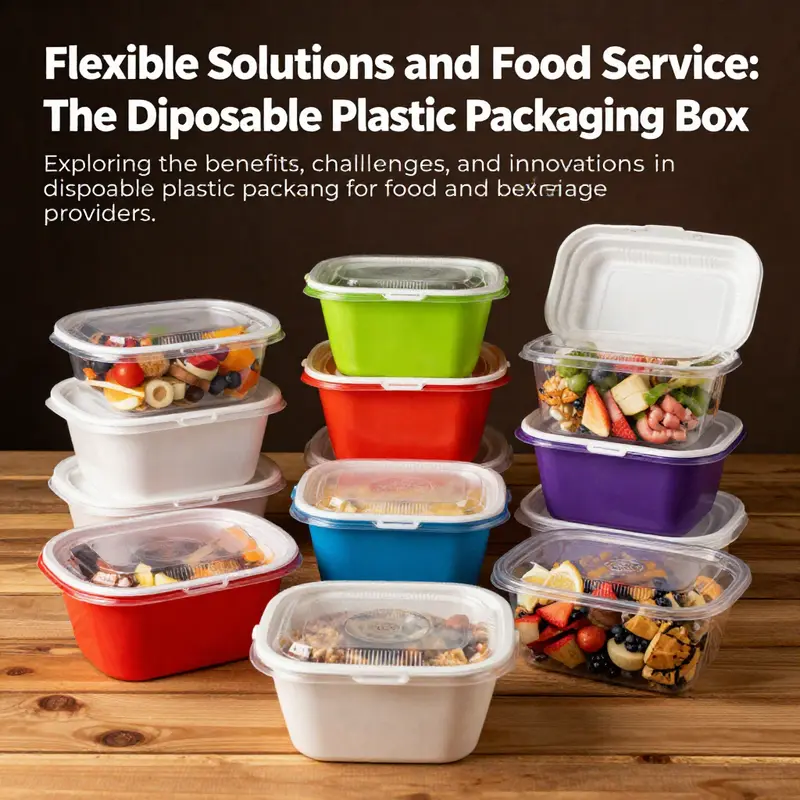
As food and beverage businesses navigate the demands of modern service, disposable plastic packaging boxes have emerged as essential tools for convenience and efficiency. From bubble tea shops to food trucks, these single-use containers offer a multitude of designs and materials that meet various operational needs. This article will explore the materials and types of disposable plastic packaging boxes, analyze production economics, consider their environmental impact, delve into recent technological advances, and look ahead to future trends and innovations. Each chapter builds on the next, providing a comprehensive view of this critical industry component.
From Clarity to Lockstep: A Comprehensive View of Materials, Forms, and Trade-Offs in Disposable Plastic Packaging Boxes
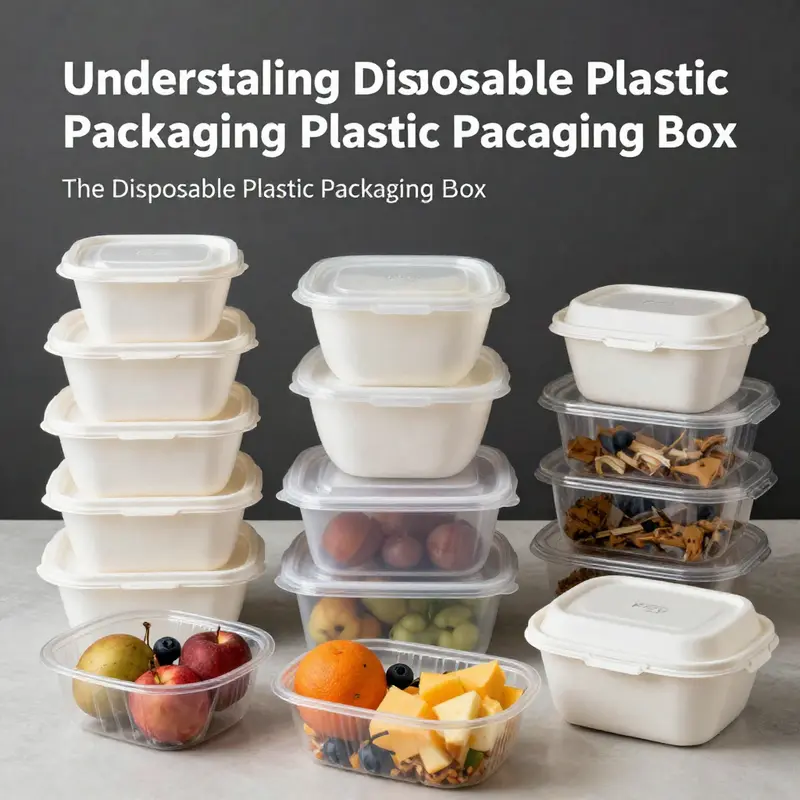
Disposable plastic packaging boxes function as more than simple vessels for food and merchandise. They are the interface between preparation, transport, display, and consumption, balancing immediate functional needs with longer-term concerns about cost, durability, and environmental impact. The choice of material and the shape of the box together determine how well the container preserves freshness, resists damage in transit, and presents the product to the end user. In kitchens and delivery fleets worldwide, a single decision about material can ripple through the supply chain, affecting handling, storage temperatures, microwave viability, and even the ease with which a business can pursue sustainable goals. As a result, understanding the materials and the kinds of boxes that accompany them is essential for anyone designing or selecting packaging for takeout, catering, or retail display.\n\nPET, PP, and multi-layered configurations sit at the heart of this landscape. PET is most commonly chosen when transparency matters. Its clarity allows consumers to see the contents, which can influence perceived freshness and appeal for items such as fresh produce, baked goods, or ready-to-eat meals. PET’s strength is largely a function of its molecular arrangement, which yields a lightweight yet sturdy box capable of withstanding typical handling during storefront stocking, handoffs to customers, and short-distance shipping. PET’s design advantages include visibility and printing potential, and food-contact safety assurances that can be printed directly onto the surface.\n\nPolypropylene, by contrast, often takes the lead when durability, heat resistance, and impact tolerance are paramount. PP containers are well suited to hot and cold foods alike, making them a common choice for lunch boxes, meal-prep kits, and takeout boxes that may experience varying temperatures in transit and at customers’ homes. The material’s inherent toughness translates into boxes that resist crushing, cracking, and warping even when stacked in transit or stored in shallow cupboards. Many PP designs incorporate venting options and are structured for stackability to optimize loading in delivery fleets and display on crowded shelves.\n\nBeyond these two polymers lie specialized multi-layered materials and structurally advanced blends designed to address scenarios where single-material boxes would struggle. Frozen storage, for instance, benefits from barrier properties that thwart moisture ingress and mass transfer, maintaining product quality over longer durations. Multi-layer configurations may combine heat-seal interfaces, puncture resistance, and moisture barriers to prevent leaks and preserve flavors and textures during freezing, transport, and thawing.\n\nThe design language of disposable packaging shapes much of how a product is perceived. Ventilated grids, hinged lids, or clamshell configurations are popular because they offer straightforward access, reliable protection, and easy stacking. The use of decorative shapes or branding elements can add value, but may also raise costs and complicate recycling streams. In many everyday applications, practicality guides design more than ornamentation.\n\nChoosing the right material and box type is rarely a single-point decision. It rests on a careful assessment of intended use, appearance, and sustainability goals. A balanced strategy often combines a clear primary box for display with design choices that support recycling or return-and-reuse where feasible. Packaging programs that emphasize brand identity while aligning with local recycling streams are increasingly common, and suppliers offer customizable yet scalable options to support both customer experience and logistics.\n\nManufacturing considerations flesh out the practical realities behind material selection. Injection molding provides precise, uniform walls and tight tolerances, while injection blow molding enables hollow, high-strength containers with complex geometries. These processes support reliable performance in transport and storage but come with trade-offs in tooling costs and process controls. For high-volume takeaway operations, the investment can be justified by improved seal integrity and lower waste, translating into faster service and lower total cost per unit.\n\nThe environmental conversation surrounding disposable plastic packaging is central to current choices. Recyclability, waste collection efficiency, and consumer behavior influence whether a given box contributes to a circular economy or ends up as waste. In practice, a systems approach, selecting materials that are easily recycled, designing for sorting, and supporting post-consumer collection, often yields the best balance of performance, cost, and environmental responsibility. Where needed, durable multi-layer constructions are used for barrier properties, provided they can be recycled or responsibly recovered within local streams.\n\nThe chapter closes with a practical takeaway: align material properties with product needs, manufacturing capabilities with market demand, and sustainability expectations with real-world waste-management infrastructure. By balancing performance, cost, and responsibility, businesses can select and design takeaway packaging that preserves product quality, supports efficient logistics, and remains compatible with local end-of-life streams. For readers seeking deeper background, additional resources on PET and food packaging can provide deeper materials science context.
The Economic Architecture of Disposable Plastic Packaging Boxes: Cost, Scale, and the Push Toward Sustainable Pricing
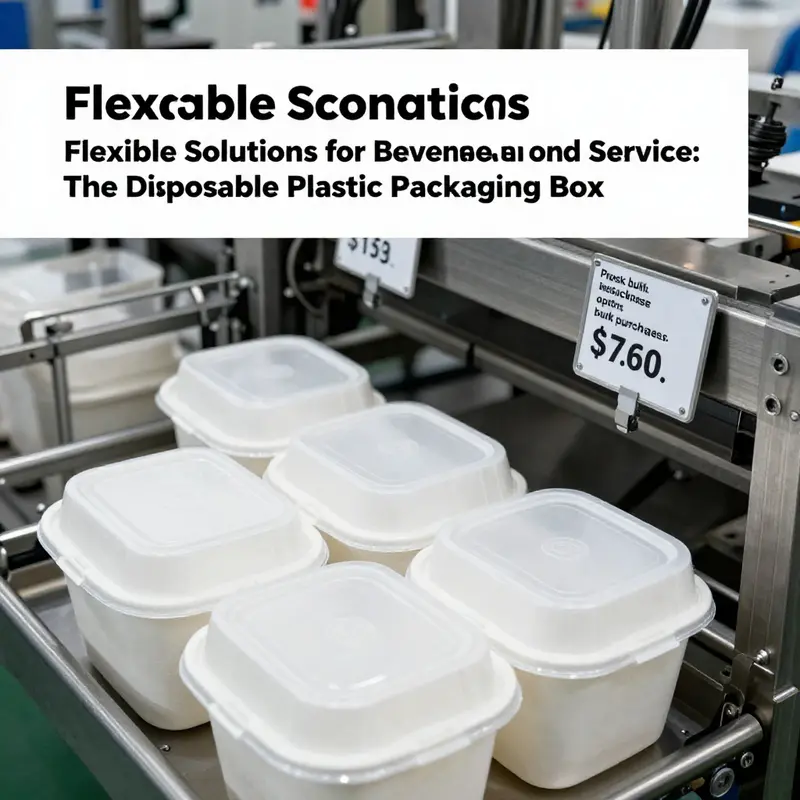
The economics of disposable plastic packaging boxes rests on a tight weave of material costs, manufacturing efficiency, demand dynamics, and regulatory pressures. These factors interact in a market that, in 2024, valued the global box segment at roughly 32.5 billion dollars and is projected to swell to about 50.2 billion by the end of the decade. The growth is not only a matter of consumer convenience; it reflects the way modern supply chains rely on lightweight, hygienic, and transportable containers to keep foods fresh and service experiences consistent from prep to plate. In this context, the unit price of a box is less a standalone figure than a reflection of scale, process discipline, and the ability to align production with fluctuating demand while navigating evolving rules about waste and packaging waste streams. The chapter that follows unfolds this architecture, showing how producers translate resin into reliable boxes and how buyers respond to price signals shaped by efficiency, risk, and the promise of safer, cleaner packaging for a turbocharged food economy.
Material costs form the most immediate lever in the cost equation. The spectrum of plastics used for disposable packaging—ranging from PET and polypropylene to polyvinyl chloride—carries distinct resin prices, performance profiles, and end-of-life implications. Polypropylene, for instance, often offers a favorable balance of toughness and clarity for fresh-keeping and takeout boxes, while PET provides rigidity and high clarity for display packaging. But resin cost is only part of the story. The manufacturing process itself—whether injection molding or injection blow molding—drives energy consumption, cycle times, and scrap rates, all of which translate into unit cost at scale. Industry data point to a practical illustration: a 200 millimeter long white PP fresh-keeping box designed for takeaway use can be sourced at roughly 0.04 to 0.087 dollars per unit, with a minimum order quantity in the low thousands. That spread captures differences in mold design, cycle time, and supplier capabilities, including the efficiency of trimming and flash removal. It also signals how quickly cost per piece can drop as volume rises, a central truth of the EPQ driven manufacturing mindset.
The Economic Production Quantity framework offers a lens to optimize batch size in this setting. EPQ weighs the tradeoff between the fixed costs of mold setup and the holding costs of inventory, seeking a sweet spot where total cost is minimized. In a world where a plant may switch between clamshells for fruits, modular boxes for meal kits, and specialized blister boxes for smaller packs, the EPQ approach becomes a practical discipline. It compels planners to align production runs with anticipated demand, reduce unplanned stockouts that disrupt service, and diminish the waste associated with overproduction. While a high-volume, standardized box can exploit a low unit cost, a diversified catalog with frequent design changes benefits from smaller, more agile runs that limit capital tied up in finished goods. The implication for profitability is clear: disciplined batch sizing unlocks durable margins even when resin prices fluctuate or when new formats require temporary changeovers.
Pricing strategies for disposable packaging boxes must balance competitive market positioning with the realities of cost structures and external pressures. Order volume continues to be a primary determinant of price, as larger commitments enable suppliers to spread fixed costs over more units and to offer volume discounts that improve the box’s total cost of ownership for customers. Customization—printing logos, color codes, or specialized lid configurations—adds a premium that must be weighed against brand impact and consumer recognition. Shipping and destination port considerations also matter; freight rates, duties, and the cadence of cross-border transit all influence final pricing, sometimes tipping the scale toward longer supplier lead times if a lower unit price comes at the cost of responsiveness.
Regulatory and societal scrutiny increasingly shapes pricing beyond simple economics. Environmental considerations are no longer a distant headline but a real determinant of how boxes are designed, produced, and disposed of. The non-biodegradable narrative surrounding disposable plastics has spurred a dual response from manufacturers: part of the market continues to prize the durability, light weight, and cost efficiency of conventional materials, while others pursue recycled content, improved recyclability, and even biodegradable alternatives for certain product lines. These transitions can raise raw material or processing costs in the short term, yet they also open pathways to regulatory compliance advantages and consumer trust signals that translate into long-run value. In practice, this means that pricing must incorporate not only resin price volatility and energy use but also the anticipated costs or savings associated with recycling programs, take-back schemes, and the potential need for post-consumer material considerations.
From the buyer’s viewpoint, the price of a disposable box is inseparable from its performance. The walls of modern boxes are designed to be robust enough to withstand transport, heat, and handling without compromising seal integrity or freshness. This durability, paired with a low weight, reduces transport costs and fuel consumption across the supply chain. The production choice between injection molding and injection blow molding affects not just cost but also the ability to realize certain form factors. Injection molding tends to deliver strong, seamless walls ideal for boxes with tight tolerances and complex geometry, while injection blow molding supports hollow, high-volume shapes that minimize material use. In either case, economies of scale and process optimization are what flip the economics from a breakeven proposition into a sustainable profit center for a manufacturer. In practice, this means that a mature operation with high machine utilization and tight energy controls can offer competitive prices even as resin costs swing, while a smaller operation may be more exposed to margin erosions during price spikes.
The economics are also sensitive to the competitive landscape and the design diversity required by food service operators. The market rewards containers that combine reliability with versatility: clamshells for fruits, compact fresh-keeping boxes for leftovers, and modular designs for meal prep and catering. The ability to produce a broad family of shapes and sizes at a predictable cadence is a function of equipment, tooling, and skilled labor. The scale effect is unmistakable: with a daily capacity on the order of hundreds of thousands of units for certain fruit clamshell designs, manufacturers can negotiate better supplier terms, secure faster cycle times, and maintain tighter control over waste. This scale is precisely what underpins the viability of low per-piece costs in the high-volume segment, while the design flexibility of injection-based processes supports the portfolio required by modern hospitality, retail, and e-commerce channels.
Against this backdrop, a practical observation emerges: profitability rests on a careful balance of cost disciplines and strategic responsiveness. The current market signals that the opportunity lies in achieving operational efficiency—through automation, better energy management, and reduced changeover times—while remaining adaptable to regulatory shifts and evolving consumer expectations around packaging sustainability. A manufacturer that can harness data to forecast demand, optimize EPQ-driven batch sizing, and align resin procurement with forward-looking price trends can maintain healthy margins even as external conditions shift. At the same time, it is sensible to acknowledge the value of exploring greener alternatives where feasible, a move that can broaden market access and align with longer-term policy trajectories. For readers exploring adjacent paths in packaging, see the options for eco-friendly takeout boxes that illustrate how sustainability and functionality can coexist in market-ready solutions. eco-friendly takeout boxes for food packaging.
In sum, the economics of disposable plastic packaging boxes hinge on the interplay of material costs, throughput efficiency, scale economies, and the speed at which producers can adapt to design changes and regulatory expectations. The most resilient players measure and manage energy use, target production runs that reflect true demand through robust forecasting, and price with an eye toward value rather than price alone. The result is a market that remains attractive for large-scale manufacturers capable of delivering reliable performance at competitive unit costs, while still inviting innovation in materials, processes, and end-of-life solutions that will shape pricing signals in the years to come.
Fragile Footprints: Tracing the Environmental Toll of Disposable Plastic Packaging Boxes in Food Distribution
The ordinary disposable plastic packaging box seems merely a practical tool in the dance of meals and commerce. Yet its ubiquity in food service and distribution binds it to a complex environmental story. These boxes, often made from polyethylene or polystyrene derivatives, are crafted to be light, cheap, and capable of protecting contents during short journeys from kitchen to consumer. Their virtue—convenience—makes them a staple, but that convenience travels a heavy load. In the lifecyle of the supply chain, the environmental footprint of these single-use containers unfolds in multiple stages, from fossil fuel extraction to the fate of waste long after a meal is consumed. A holistic view reveals a tension between the functional benefits they deliver and the planetary costs they incur through energy-intensive production, persistent pollution, and end-of-life pathways that rarely benefit the environment in the long run.
To begin with, the life-cycle footprint of disposable packaging is driven by the material’s origins in non-renewable sources. The energy required to transform crude oil into plastic resins is substantial, and the emissions accompanying that transformation accumulate across factories, transport routes, and processing plants. Studies and industry assessments commonly report greenhouse gas intensities that place plastic production among the more energy-intensive segments of the materials sector. When one ton of plastic is manufactured, the process can release several tons of CO₂ equivalents into the atmosphere. This disproportionate energy demand translates into a carbon burden that travels with each unit, especially when boxes are produced at scale to meet peak demand in takeaway and catering services. The arithmetic of scale matters here: a small number per unit may seem trivial, but when multiplied by millions of pieces daily, the aggregate impact becomes a major component of the sector’s climate footprint.
The post-use journey of these boxes is where the environmental story takes a darker turn. Global recycling rates for disposable plastic packaging lag far behind what is needed for meaningful environmental relief. With global recycling rates often cited as under 10 percent for plastic packaging, vast quantities are diverted toward landfills, incineration, or informal disposal in the environment. The fate of discarded boxes—whether they end up buried, burned, or swept into streams and waterways—determines not just waste statistics but actual ecological outcomes. In landfills, plastics can persist for decades, while incineration can recover energy only at the cost of releasing additional pollutants unless highly controlled technologies are in place. The lingering reality is that many of these products pass through a single life cycle and then fade into a landscape of persistent material.
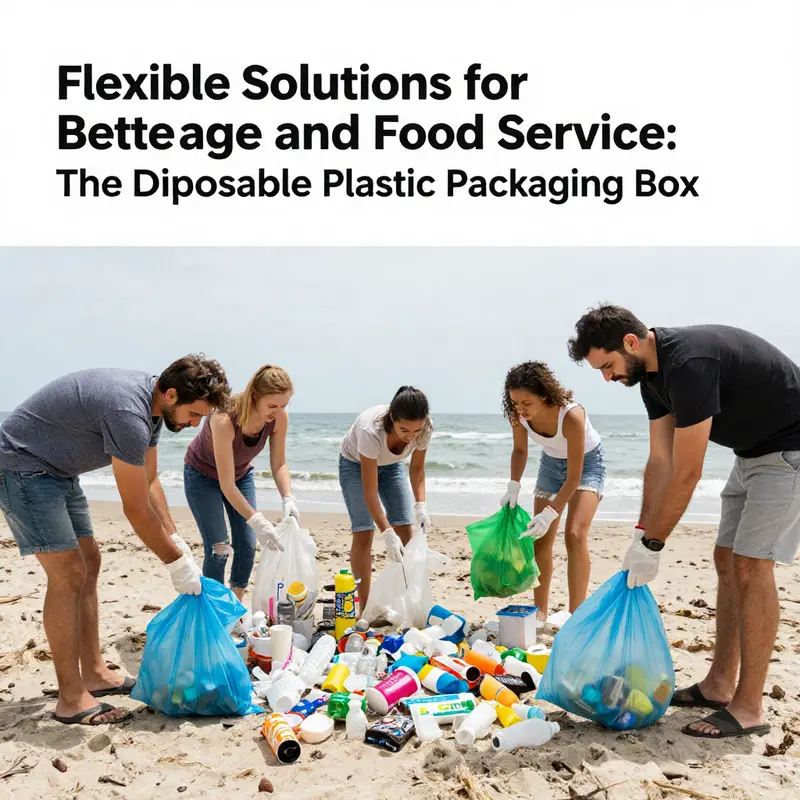
The persistence of plastics in the environment is a core concern. Photodegradation, not biodegradation, governs their fate in natural settings. Over hundreds to thousands of years, these materials fragment into microplastics that infiltrate soils, rivers, lakes, and oceans. The small particles become readily ingested by wildlife, causing internal injuries, reduced feeding, and, in some cases, death. The ripple effects extend through food chains, affecting a broad spectrum of organisms and ecosystem services. The global reach of microplastics is one of the most sobering findings in marine science; remote regions such as polar seas and deep-sea trenches are not immune to their presence. The United Nations Environment Programme has highlighted the scale of oceanic plastic inputs, noting that millions of tons of plastic enter the seas annually and that disposable food containers frequently appear among the items collected in beach cleanups. This is not a distant problem confined to a single coastline; it is a global pollution signal that reflects choices made across consumer cultures and production systems.
Transportation and logistics add another layer to the environmental burden. Pre-packaged foods travel across long distances through dense networks of trucking, rail, and maritime transport. Each leg of movement adds energy consumption and emissions, reinforcing a carbon footprint that is not solely tied to the box’s material makeup but to the entire supply chain. In this sense, the environmental cost of disposable packaging is inseparable from the geography of food distribution—the way products move from farm to fork often requires systems designed around speed and convenience rather than sustainability. The apparent trade-off is stark: structures built to preserve freshness and prevent cross-contamination can also magnify embodied energy and transport emissions when viewed through a life-cycle lens.
Amidst these concerns, the contrast with reusable alternatives presents a clearer path toward reduced environmental impact, albeit with its own complexities. When durable containers are used repeatedly and managed through proper logistics, their life-cycle emissions can be significantly lower than those of single-use boxes, even if those durable options are heavier. The critical factor is the system around reuse: responsible cleaning, efficient return micro-logistics, and appropriate end-of-life handling. In seafood and other sectors where high durability is essential, reusable crates have demonstrated lower climate burdens when designed and operated with a closed-loop mindset. This suggests that the environmental arithmetic favors reuse not as a blanket replacement for disposables but as part of a broader strategy that aligns material choice with responsible consumption patterns and robust infrastructure.
Design and material innovation offer a potential bridge between performance and sustainability. The industry has explored several routes to mitigate environmental impacts, including lighter-weight walls to reduce material use, improved barrier properties to extend shelf life without heavier packaging, and the incorporation of post-consumer recycled content to lower virgin-resin demand. Some designs also pursue multi-compartment configurations that preserve product integrity and reduce cross-contamination, potentially enabling more efficient cold-chain performance without increasing overall waste. However, even with such design optimizations, the environmental gains hinge on how these boxes are used, collected, and processed after the meal leaves the table. A box that is lighter but ends up in a landfill still contributes to long-term waste challenges, whereas one integrated into a circular system can reduce the need for virgin plastics over time. The economics of scale, manufacturing capabilities, and consumer expectations all shape which innovations gain traction and which are stalled by cost concerns.
The policy and business contexts surrounding disposable packaging exert a powerful influence on outcomes. Extended producer responsibility schemes, bans on certain single-use items, and incentives for recycled-content materials can shift the industry toward more sustainable configurations. At the same time, consumer behavior—preferences for convenient, leak-resistant, and microwave-safe designs—keeps demand buoyant for conventional formats. Balancing these forces requires a nuanced approach that combines material science with systems thinking. A pragmatic path might blend modest reductions in material intensity with stronger incentives for recycling readiness, such as standardized labeling, better waste separation, and investment in local upgrading capacities that transform collected plastic into viable feedstocks. In the near term, the market may continue to rely on a mix of solutions, each appropriate to different use cases, while the long-term horizon points to a gradual tilt toward circularity as infrastructure and policy align more closely with environmental objectives.
Within this evolving landscape, designers and manufacturers can weave sustainability into the fabric of everyday packaging. This includes seeking opportunities to increase recyclability, reduce the energy intensity of production, and promote reuse where feasible. The choice of polymers matters, but so does packaging geometry, closure systems, and compatibility with recycling streams. Even small shifts—such as optimizing sealing methods to minimize waste or selecting materials compatible with widely available recycling technologies—can accumulate meaningful benefits across millions of units. When suppliers also communicate the end-of-life pathways clearly, retailers and consumers can participate more confidently in recycling efforts, moving beyond the single-use mindset toward stewardship. The result is not merely a reduction in waste but a reorientation of value around materials, their life cycles, and the conditions that enable true circularity.
For readers seeking a concrete sense of how lifecycle thinking translates into practice, one can explore design and packaging options that emphasize environmental performance without compromising safety and usability. A notable example of the design-forward approach is the concept of eco-friendly, multi-compartment packaging that preserves food quality while striving to minimize resource use and waste. Such formats illustrate that environmental considerations can coexist with the functional demands of fast service and takeout operations. This balance is not a retreat from convenience but an invitation to rethink it through the lens of planetary health. If you want to see an example framed by accessible product concepts while keeping an eye on environmental implications, consider the concept page that highlights an eco-friendly, multi-compartment packaging box for fast-food contexts: eco-friendly disposable 3-compartment packaging box for fast food.
The environmental impact narrative also invites readers to weigh the moral and practical implications of current consumption patterns. The sheer pervasiveness of disposable packaging means even modest per-unit improvements, when scaled, can yield notable reductions in pollution, energy use, and resource depletion. At the same time, the chapter’s data and the broader literature underscore the urgency of accelerating recycling rates and creating viable reuse ecosystems. The interplay between manufacturing choices, waste management infrastructure, and consumer behavior ultimately determines whether disposable packaging remains a convenient staple or becomes a focus of strategic change designed to safeguard ecological integrity for future generations. As the field advances, stakeholders—from material scientists to logistical planners to policy designers—are called to collaborate on systems that reward safer, cleaner, and more enduring packaging solutions without sacrificing the benefits that modern food distribution relies upon.
External reading and further evidence deepen this understanding. A comprehensive lifecycle analysis of plastic packaging within seafood distribution crates offers a rigorous view of where environmental burdens accumulate and how different design choices alter outcomes. See the external resource for a detailed, peer-reviewed exploration of these dynamics: https://doi.org/10.1016/j.scitotenv.2024.175452
From Preforms to Seamless Walls: The Technology Driving Modern Disposable Plastic Packaging Boxes
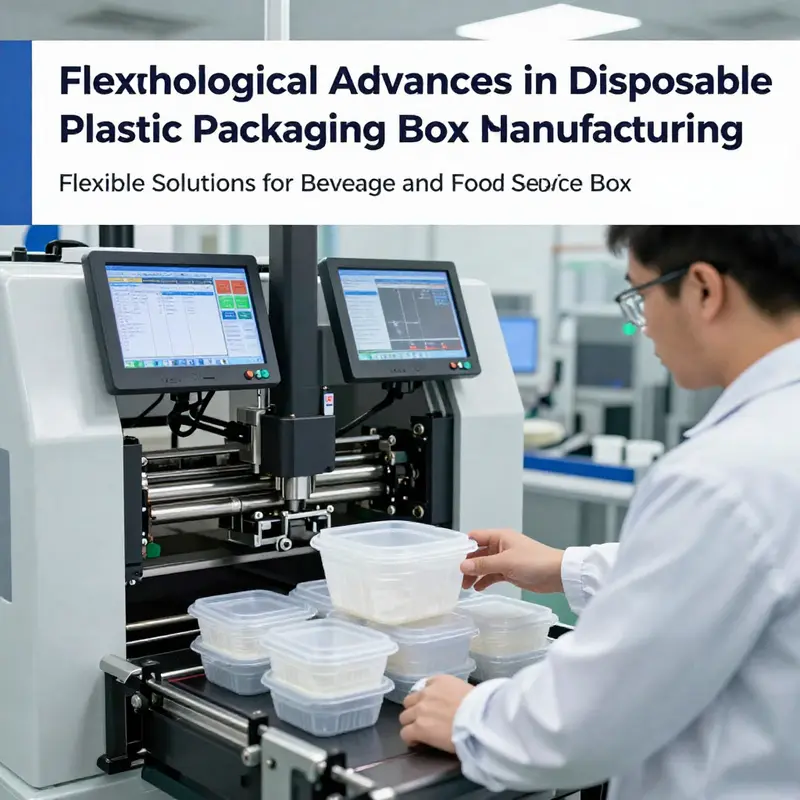
Disposable plastic packaging boxes have become more than simple containers; they are the quiet backbone of modern logistics, balancing speed, safety, and convenience in a way customers rarely notice until a meal arrives warm and intact. The chapter on their manufacture traces a path from basic molds to integrated systems that shape, seal, and protect with precision. At the core are two intertwined strands: the molding processes that define geometry and strength, and the material science that governs heat tolerance, chemical compatibility, and sustainability ambitions.
Blow molding, injection molding, and their hybrids translate plastic resin into exact forms. An injection molded preform is heated and expanded to its final shape. This approach yields high dimensional accuracy, tight tolerances, and the ability to create complex geometries with minimal waste. Uniform walls reduce the risk of leaks and simplify assembly, while single step forming lowers trimming requirements and scrap. The result is containers that perform in cold storage, hot fill, or microwave service while remaining economical at scale.
Material science broadens the palette beyond mere shape. Food grade polypropylene and polyethylene provide resilience under temperature cycling, chemical exposure, and moisture. The choice of resin sets the stage for safety, visibility, and downstream recycling. Advances in formulation support hot fill and microwave or freezer service, while maintaining clarity or strategic opacity for branding. Designers also consider recyclability and easy separation in mixed streams, aiming to keep packaging out of landfills while preserving performance.
Global manufacturing infrastructure underpins progress. Automated resin feeding, preform machining, and blow mold controls enable millions of units daily with minimal downtime. High throughput lines and precise process control reduce waste and ensure consistent quality. Efficient logistics and material flow support rapid fulfillment across regions, while specialized designs address tamper resistance or tailored barriers for different products.
Real world applications span food service, catering, and retail. A well made container resists leakage, preserves temperature, and presents contents well on arrival. The balance between stiffness, impact resistance, and barrier performance is crucial as containers withstand stacking and courier handling. The design also considers downstream processing, forms that support efficient storage, and branding that survives transit.
Sustainability remains a central driver. Efforts focus on recyclability, recyclate compatibility, and design for recycling. Reducing additives that hinder sorting, increasing post consumer recycled content where feasible, and enabling easier separation are common threads. The goal is to improve environmental footprint without sacrificing performance.
Looking ahead, the industry emphasizes smart design, improved closures, and tougher barrier properties. Cross industry learning from pharmaceutical and cosmetic packaging informs food packaging, enriching safety, hygiene, and convenience. Process and material innovations continue to push cycle times down, walls up, and end-of-life options broader, creating disposable boxes that perform reliably and responsibly.
Readers seeking deeper context may consult industry analyses that compare fabrication methods, materials, and recycling pathways, offering case studies across applications. In practice, the design choices from wall thickness to closure geometry shape not only product performance but also logistics cost and environmental impact.
From Convenience to Stewardship: The Next Wave of Disposable Plastic Packaging Boxes
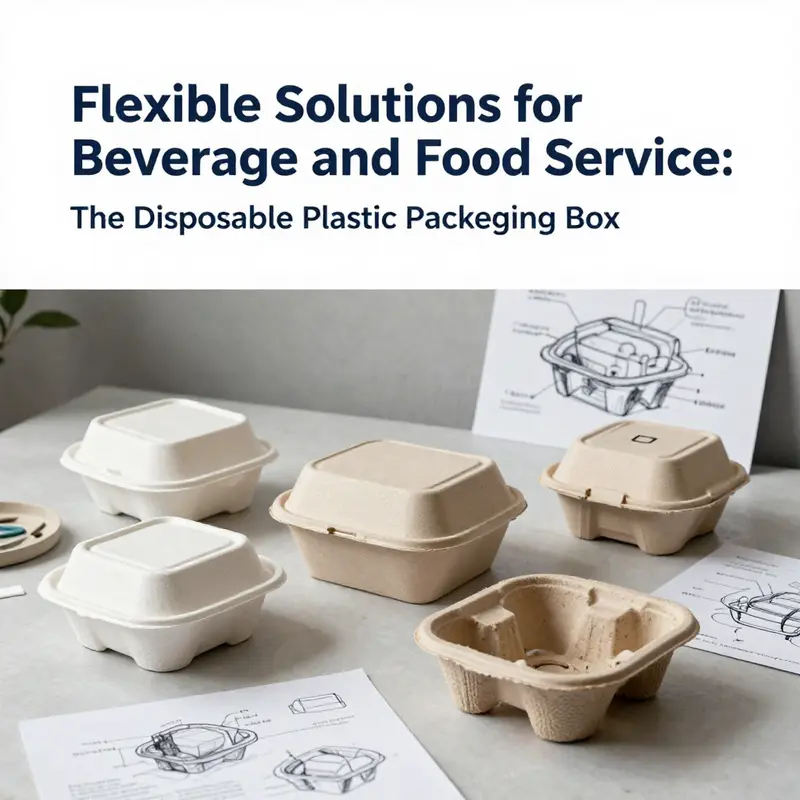
The future of disposable plastic packaging boxes is not about replacing a familiar convenience with a vague ideal. It is about redefining how a single-use container can still deliver reliability, protection, and hygienic trust while becoming more respectful of the environment and better aligned with evolving consumer expectations. The core promise remains unchanged: a lightweight, durable vessel that keeps contents fresh, protects during transit, and sits at the heart of busy kitchens, catering operations, and retail aisles. Yet alongside that promise, a quieter but decisive shift is underway. The packaging ecosystem is moving toward choices that minimize life-cycle impact without sacrificing performance. In this shift, the most promising developments unfold across several interwoven frontiers, where material science, manufacturing prowess, data-enabled awareness, and end-of-life responsibility converge to reshape what a disposable box can do.
One of the most transformative trends centers on bio-based and compostable plastics. Traditional plastics derived from fossil fuels have long faced scrutiny for their persistence. In response, researchers and manufacturers are advancing materials sourced from renewable resources such as starches, sugars, and cellulose. These bioplastics can offer similar barrier properties and strength to conventional polymers while discharging their environmental burden more quickly under appropriate industrial composting conditions. It is not merely a matter of substituting one polymer for another; it is about aligning resin chemistry with end-of-life infrastructure. Global production forecasts, as reported by industry analyses, point to a robust CAGR for bio-based plastics well into the next decade, signaling a durable market shift. Yet this trajectory also brings nuance. The benefits depend on how the bioplastic is processed, collected, and sorted in real recycling streams. Without compatible collection and processing, some gains can be lost to contamination or misrouting. The implication for designers and manufacturers is clear: material choice must be coordinated with recycling realities, not pursued in isolation.
This alignment naturally leads to advancements in how boxes are manufactured. Advanced manufacturing techniques—notably refined blow molding and injection molding—are enabling containers that are lighter, stronger, and more precisely shaped. Precision molds support complex geometries and integrated features, such as built-in handles or tamper-evident seals, without adding excess material. The result is materials with improved stiffness-to-weight ratios, better stackability for storage and transport, and enhanced resistance to puncture or leakage. The economic math is nuanced: while capital investment in high-precision equipment can be substantial, per-unit material usage drops, and waste from trimming can be minimized with tighter tolerances. The trade-off between up-front cost and long-run savings is a central conversation for manufacturers seeking to balance performance with sustainability targets.
Expanding the capability set, the packaging world is also embracing smart packaging. Even for single-use boxes, adding simple sensing layers or indicators can yield meaningful operational and consumer benefits. Temperature and humidity sensors, freshness indicators, or even time-temperature history stamps can be embedded to convey product condition at a glance. For perishable goods, these data points help maintain quality and safety, while for distributors they enable better stock management and reduce the risk of selling compromised items. Early pilots have shown that such features can contribute to appreciable reductions in waste by signaling when products approach threshold spoilage. Importantly, these innovations are designed to be unobtrusive and cost-conscious, preserving the affordability edge that makes disposable packaging compelling in the first place.
Alongside materials and intelligence, the industry is increasingly embracing circular economy models. End-of-life responsibility is no longer a niche consideration; it is a core design criterion. Companies are experimenting with box architectures that simplify recycling, minimize mixed plastics, and enable easier disassembly where needed. More ambitious programs connect packaging design with collection networks, enabling more efficient sorting and higher recovery rates. A notable industry trend is the launch of nationwide or region-wide take-back initiatives that aim for significant recovery and recycling targets over time. While the specifics vary, the throughline is consistent: the box should be designed for recyclability, the system should include convenient return or drop-off options, and partners across the value chain must coordinate around standardized recycling streams.
These evolutions inevitably intersect with real-world constraints. Grease resistance, food-contact compliance, microwave safety, and labeling requirements all influence material choice and finish. The more complex the design—such as opaque or decorative coatings, nested structures, or moisture barriers—the tougher the recycling path may become if not planned for. Designers must consider how inks, adhesives, and coatings behave in recycling facilities and whether the chosen materials stay compatible with common sorting technologies. In practice, this means balancing barrier performance with end-of-life clarity. It also means exploring recycled-content options that can deliver acceptable performance without compromising safety or cleanliness. The overarching aim is to maintain a robust supply chain built on clear, measurable environmental performance while preserving the consumer benefits that drive adoption in foodservice and retail.
A thread that runs through these trends is the encouragement of smarter, more informative packaging without erecting barriers to affordability. Consumers increasingly expect packaging to communicate clearly and to reflect a company’s commitment to the planet. This expectation can be met through transparent material choices, straightforward recycling instructions, and design that facilitates consumer handling and post-use processing. When a box is easy to recycle, easy to reuse where appropriate, and easy to understand in terms of its environmental footprint, it earns trust twice over: from the kitchen that relies on its reliability and from the community that benefits from reduced waste.
As the design space evolves, practical examples emerge that illustrate how a modern disposable box can deliver more value with less environmental impact. A design approach might emphasize modularity, allowing a single box family to cover a range of products by varying thickness, lid type, or internal features, thereby reducing the number of distinct plastic grades used across a brand family. Such standardization can simplify manufacturing, improve recycling compatibility, and cut downstream sorting complexity for recyclers. At the same time, incorporating consumer-friendly elements—like compact, easy-seal closures or resealable lids—can extend product freshness while preserving the simplicity of a single-use format. In this context, even small design choices ripple through the life cycle, influencing material flow, energy use in manufacturing, and post-use processing in a way that can accumulate meaningful environmental dividends over time.
One tangible outlet for linking design with consumer interaction is through targeted packaging variants. For instance, a packaging system designed for bakery or patisserie products can be offered in a bio-based, compostable variant without compromising the visual appeal that motivates purchase. At the same time, a generic takeaway box in a standard, recycled-content polymer can be optimized for speed in high-volume takeout environments, with tight tolerances that ensure a secure seal and minimal spillage. The dual-path approach acknowledges that different use cases demand different configurations, even within a single product family. It also reinforces the point that sustainability strategies can be profitably aligned with market needs rather than treated as a separate set of requirements.
Incorporating an internal example helps connect strategy to daily practice. For packaging that reaches consumers, ease of access and display are still critical. An example that blends design with consumer convenience is a line of foldable containers with window openings that showcase the product inside. The windowed design can be optimized to minimize material use while still delivering shelf appeal. It also presents an opportunity to route the box through standard recycling streams with clear labeling and compatible materials. For readers curious about this approach, a practical reference to a real-world configuration can be found in a widely used packaging option that emphasizes color, clarity, and foldability. See the concept here: foldable cake boxes with window.
Beyond the materials and manufacturing choices, the momentum toward sustainability also includes better data, standards, and collaborative business models. Life-cycle assessments are becoming more commonplace, helping brands quantify trade-offs between performance, cost, and environmental impact. Industry coalitions and cross-sector partnerships are investigating standardized recycling codes, compatibilities between packaging streams, and shared investments in collection infrastructure. The aim is to reduce fragmentation in the recycling ecosystem, which in turn lowers the risk that valuable plastics become waste. As the chain strengthens—from resin suppliers and converters to mold-makers and recyclers—companies gain confidence to invest in higher-performance materials and smarter manufacturing processes, knowing that the end of life will be managed more efficiently.
This convergence of material science, manufacturing precision, intelligent features, and circular economy initiatives signals a broader shift in how disposable plastic packaging boxes are perceived. They are no longer merely single-use containers; they are components of a more accountable and traceable system. The performance advantages—durability, barrier protection, lightness, and cost-effectiveness—remain critical. Yet the value proposition expands to include environmental stewardship, supply-chain resilience, and consumer trust. As technologies mature and infrastructure catches up, the most successful box designs will be those that harmonize performance with recyclability, reuse where feasible, and clear, practical guidance for end users.
For readers seeking a broader context on these innovations and how they are being integrated into industry practice, external insights offer valuable perspectives on ongoing developments in sustainable plastic packaging. A detailed overview of 2026 innovations provides a comprehensive backdrop to these trends and helps frame the strategic choices facing manufacturers, retailers, and policymakers alike: https://www.packagingworld.com/innovations-in-sustainable-plastic-packaging-2026/.
Final thoughts
Disposable plastic packaging boxes play a vital role in the food and beverage industry, offering convenience and efficiency while facing scrutiny over environmental impacts. By understanding the materials, economics, and technological advancements within this sector, businesses can make more informed decisions and adapt to the evolving market landscape. The future of disposable plastic packaging is bright, with ongoing innovations centered around sustainability and efficiency, ensuring that these valuable tools remain relevant.