
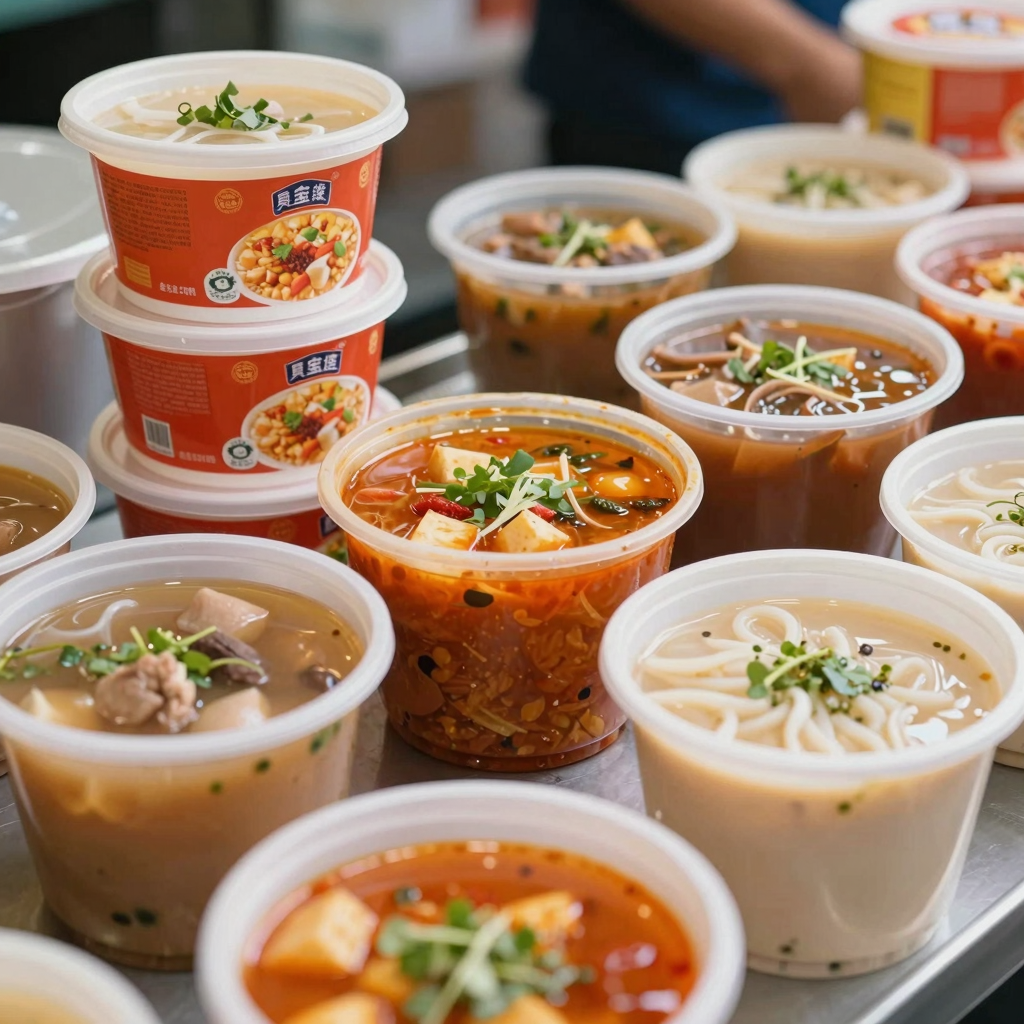
In the bustling world of food service, disposable plastic soup bowls have become an indispensable tool, especially for bubble tea shops, restaurants, food trucks, and catering services. These bowls not only enhance convenience-allowing businesses to serve their delicious offerings on-the-go-but they also uphold essential safety standards that customers value. With a myriad of choices, operators can select bowls that not only fit their brand aesthetic but also meet the rigorous demands of transporting hot or cold foods. As more consumers lean towards takeaway meals, having reliable disposable options is crucial for maintaining quality while ensuring that food remains fresh and secure. Whether you are an event planner or a corporate procurement team member looking to increase efficiency without compromising safety, investing in high-quality disposable bowls can elevate your service offering and meet customer expectations. For insights into the impact of these products on the food industry, learn more about plastic containers in the food industry.
Benefits of Using Disposable Plastic Soup Bowls
Using disposable plastic soup bowls offers numerous advantages, especially for food service professionals. Here’s a detailed list of benefits:
-
Convenience: Disposable plastic soup bowls are lightweight and easy to store, making them ideal for quick service in food trucks and catering events. They require no washing, allowing for immediate cleanup and disposal after use.
-
Safety: Made from BPA-free materials, these bowls can withstand high temperatures, ensuring they are safe for both hot and cold soup servings. Their risk of breakage is significantly lower compared to glass or ceramic options.
-
Cleanliness: Each bowl comes sealed and hygienic, reducing the risk of cross-contamination and ensuring the food served is fresh and safe for consumption. This is particularly vital in fast-paced environments where sanitation is crucial.
-
Eco-Friendly Options: Many disposable plastic soup bowls are now made from recyclable or compostable materials, making them a sustainable choice for environmentally conscious businesses. Learn more about eco-friendly disposable bowls and how they can benefit your service.
-
Durability: These bowls are designed to resist leaks and spills, with strong construction that is perfect for thick soups and stews, enhancing customer satisfaction during takeout or delivery services.
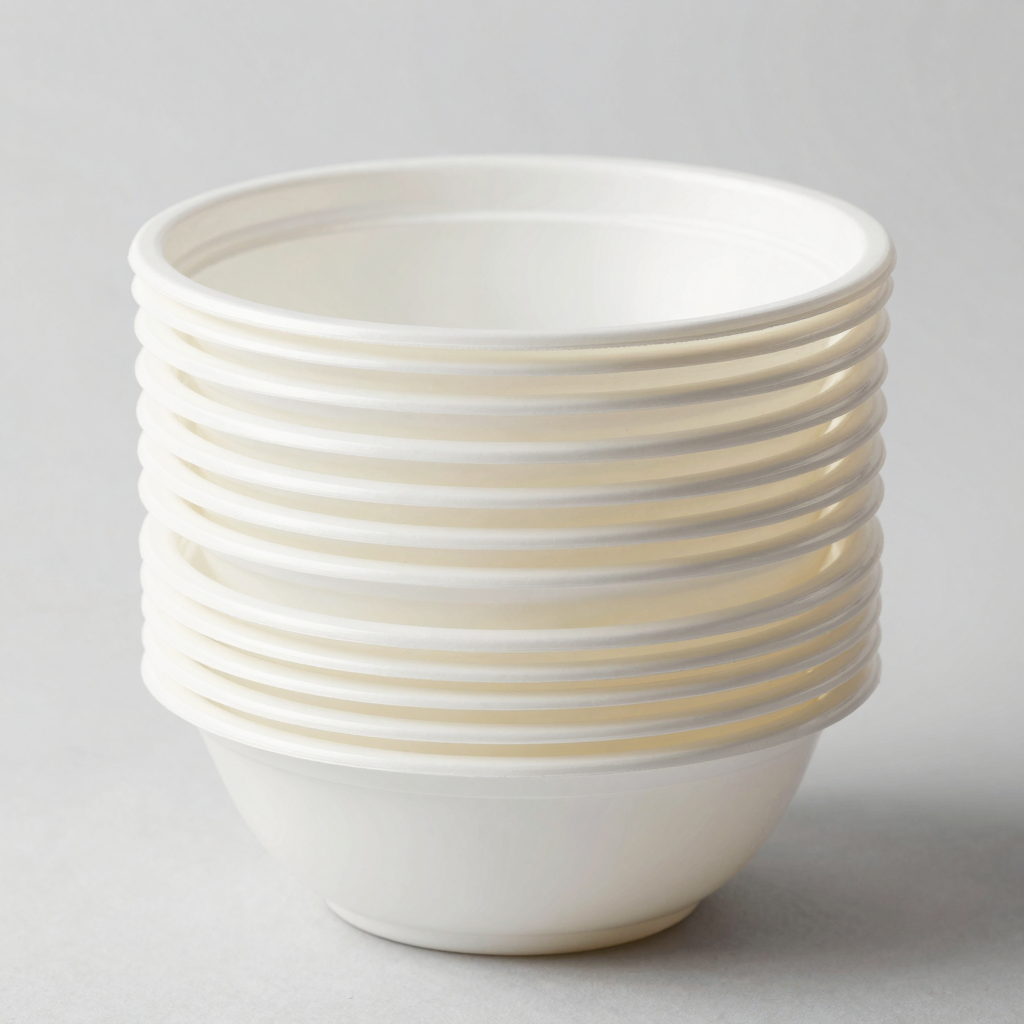
Safety Standards for Disposable Plastic Bowls
When it comes to disposable plastic bowls, particularly those used in the food service industry, safety standards are essential to ensure the health and safety of consumers. The regulations governing these products are designed to minimize potential health risks associated with food contact materials.
Key Regulations
-
Regulation (EU) 2025/351: This European Union regulation sets stringent requirements for plastic materials intended for food contact. It mandates minimal levels of non-intentionally added substances (NIAS) and requires thorough risk assessments for any impurities. This regulation ensures that the plastic used in food service items, such as disposable soup bowls, is safe and free from toxic substances. Learn more about this regulation here.
-
Food Safety Modernization Act (FSMA): In the U.S., the FDA regulates food-contact substances under Title 21 of the Code of Federal Regulations. This includes guidelines for the manufacture and safety assessment of plastics. Manufacturers must ensure that their products do not leach harmful substances into food, maintaining rigorous good manufacturing practices (GMP).
Learn more about food packaging regulations in the U.S. here.
Benefits for End-Users
Adhering to these safety standards benefits end-users significantly. It gives food service businesses confidence in the safety of the materials they use for packaging food, ultimately safeguarding consumer health. Furthermore, compliance with these regulations can enhance brand reputation and build customer trust, crucial elements in the competitive food service industry.
Eco-Friendly Alternatives to Traditional Plastic Soup Bowls
As the world increasingly shifts towards sustainability, the food service industry is under pressure to reduce dependency on single-use plastics. Restaurants and food trucks are beginning to embrace eco-friendly alternatives to traditional plastic soup bowls, promoting sustainability while meeting consumer demand for responsible dining options. Below, we explore some biodegradable materials that can replace plastic soup bowls along with their benefits.
Sustainable Materials for Disposable Soup Bowls
Several environmentally friendly materials have emerged as viable alternatives to plastic soup bowls. Here are the top options:
-
Bagasse: Made from the byproduct of sugarcane processing, bagasse bowls are robust, biodegradable, and compostable. According to the Green Restaurant Association, 40% of eco-friendly soup bowls are made from bagasse. These bowls break down within 90 to 120 days in commercial composting facilities, reducing landfill waste.
-
Bamboo Fiber: About 25% of sustainable bowls come from bamboo fiber, a rapidly renewable resource that is both sturdy and biodegradable. Bamboo bowls are popular for their natural aesthetic and can withstand temperatures, making them suitable for hot soups.
-
Plant-Based PLA (Polylactic Acid): Made from cornstarch, PLA is another option gaining traction in the market, representing 20% of eco-friendly bowls. However, it requires specific industrial composting conditions and thus must be handled correctly to degrade effectively.
-
Molded Fiber: This material, accounting for 10% of the market, is made from recycled paper and is both durable and compostable. Molded fiber bowls are suitable for hot contents, providing an eco-friendly option without sacrificing quality.
-
Others: This category includes various types of composites and materials, making up about 5% of eco-friendly disposable bowls.
Benefits for Restaurants and Food Trucks
Adopting these eco-friendly alternatives offers several advantages for restaurants and food trucks:
- Alignment with Sustainability Practices: Brands that prioritize sustainable materials can enhance their reputation and appeal to eco-conscious consumers. Over 68% of certified green restaurants now utilize biodegradable bowl options, leading to a significant decrease in single-use plastic waste.
- Cost-Effectiveness: Many restaurants have reported a reduction in packaging costs by using sustainable materials due to bulk purchasing and diminished waste disposal fees. For instance, successful food trucks have reported saving up to 40% on costs while improving customer satisfaction rates, according to a National Restaurant Association Sustainability Report.
- Regulatory Compliance: As various states and cities impose stricter regulations on single-use plastics, transitioning to biodegradable options helps businesses stay compliant with emerging legislation.
In conclusion, the shift from traditional plastic soup bowls to eco-friendly alternatives is more than just a trend; it reflects a long-term commitment to sustainability. By exploring options like bagasse and bamboo fiber, food service providers can significantly reduce their environmental impact while satisfying the appetites of conscious consumers.
For more on sustainable packaging solutions, check out this resource.
Eco-Friendly Bowl Material Proportions
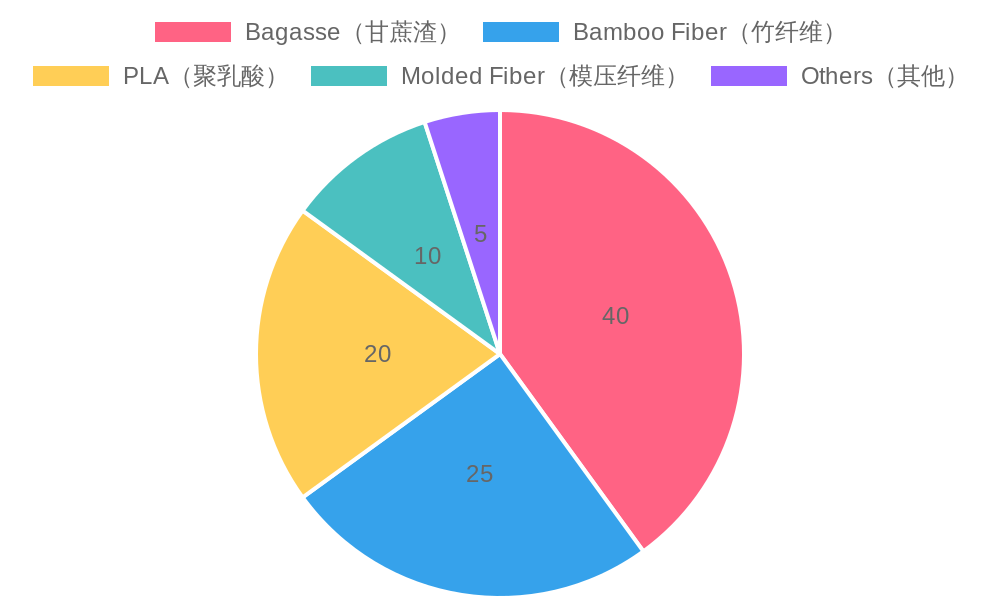
This chart highlights the various types of materials utilized in eco-friendly disposable soup bowls.
To learn more about the benefits of using biodegradable options, visit our guide on plastic containers in the food industry.
Conclusion
Transitioning to eco-friendly disposable bowls not only reduces environmental impact but also positions food businesses as leaders in sustainability. Embracing these alternatives can be an essential step toward a greener future for the restaurant and food truck industries.
Comparison of Disposable Plastic Soup Bowls
Choosing the right disposable plastic soup bowl can significantly enhance your service offering, especially for businesses in the food industry such as bubble tea shops, restaurants, and catering services. Below is a table comparing various types of disposable plastic soup bowls based on material, size, price, and heat resistance:
| Product Name | Material | Size (ml) | Price (USD) | Heat Resistance (°C) | Source |
|---|---|---|---|---|---|
| SAMMA SM3-2103 Disposable Plastic Ramen Bowl | Polypropylene (PP) | 550 | 0.30 | 120 | Alibaba |
| All About Plastic Disposable Soup Bowls | Polystyrene (PS) | 400-600 | 0.20 – 0.45 | 90 | Alibaba |
| Small Plastic Disposable Bowls | PET | 400-550 | 0.40 – 0.80 | 70 | Alibaba |
| Disposable Soup Cups For On-the-Go Meals | Polypropylene (PP) | 400-600 | 0.35 | 120 | Alibaba |
| Heavy Duty Soup Bowls | Polystyrene (PS) | 400-600 | 0.25 – 0.60 | 90 | Alibaba |
Conclusion
This comparison illustrates the essential factors when selecting disposable plastic soup bowls. Businesses should consider these aspects-including heat resistance and material type-to provide the best service to their customers. For further insights, learn more about disposable soup bowls.
Selecting the perfect disposable bowl for soups and other foods isn’t just about picking any container off the shelf; it’s a decision that can impact your brand image and customer satisfaction. For businesses ranging from bubble tea shops to catering services, understanding what factors influence the choice of disposable bowls is essential. Here are some insights and tips to guide you through this choice:
1. Assess Your Specific Needs
- Durability: If you’re serving hot soups, opt for materials like molded fiber or PLA (plant-based bioplastic) that can withstand high temperatures without leaking or deforming. Avoid polystyrene (PS) foam bowls due to their environmental impact and potential health risks when heated.
- Size Considerations: Typically, bowls ranging from 12 to 16 ounces (350 to 475 ml) are suitable for single servings. Ensure the design includes features like sturdy handles for easy carrying.
2. Consider Your Brand Image
The choice of disposable bowl can reflect your brand values. If sustainability is a priority, consider certified compostable options such as those with BPI (Biodegradable Products Institute) or OK Compost labels. For instance, bowls made from sugarcane bagasse or bamboo fiber not only hold hot liquids well but also show customers your commitment to eco-friendliness.
3. Understand Pricing Options
Pricing can vary significantly based on the material, size, and volume of the order:
- Standard Paper Bowls: In wholesale (1,000 units), prices can range from $0.12 to $0.18 per unit for basic models.
- Thicker, Lidded Options: These typically fall between $0.25 to $0.40 each.
- Eco-Friendly Bowls: Prices may be higher, ranging from $0.50 to $0.80, but they position your brand as premium and environmentally conscious.
For more detailed pricing insights, consider reviewing resources like FoodServiceSupplier.
4. Test Material Performance
Make sure to check if the bowls are microwave-safe if you intend to offer reheating options for customers. Paper-based molded fiber bowls are generally preferred for their heat resistance and compostability, which are particularly beneficial for delivery services. According to research, the bowl’s ability to not collapse or warp is also a crucial factor to avoid spills and ensure customer satisfaction.
5. Custom Branding
Customizing disposable bowls with your brand logo can enhance visibility and customer retention. While this may increase the cost by approximately 30%-50%, the investment can significantly improve brand recall and loyalty.
By evaluating these factors, businesses in the food service industry can select the right disposable bowls that meet their operational needs while enhancing customer experience and brand image. For further information on sustainable options, you can explore our article on non-plastic disposable food containers.
This thoughtful approach ensures you not only meet customer expectations but also align with your business goals, ultimately leading to better service and growth.
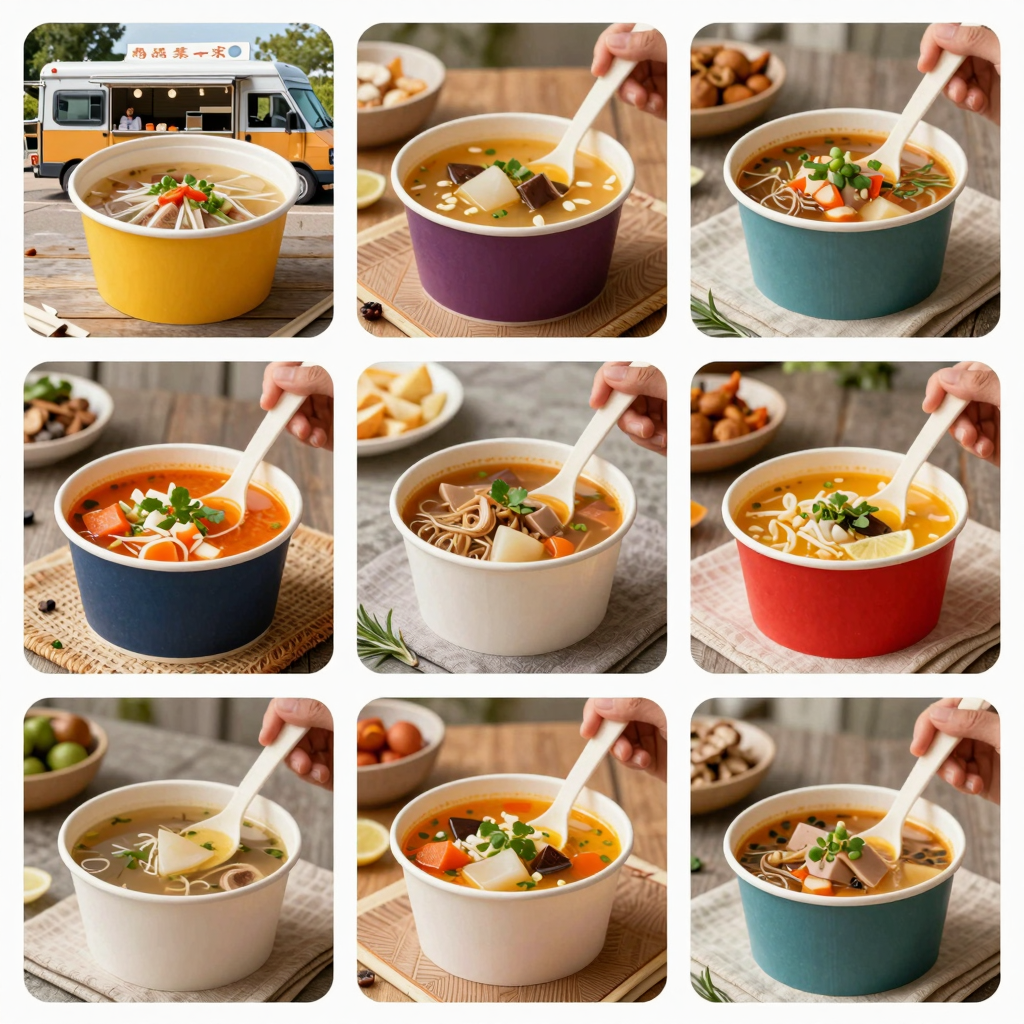
Customer Testimonial
“We switched to EcoCup’s disposable soup bowls and could not be happier! Our customers love the leak-resistant design, and it gives us peace of mind knowing we’re serving quality food without compromising our brand. They are perfect for our busy food truck service, maintaining their structural integrity even with hot soups! Definitely a game changer for us!”
- A satisfied food truck owner, sharing their experience with EcoCup’s bowls.
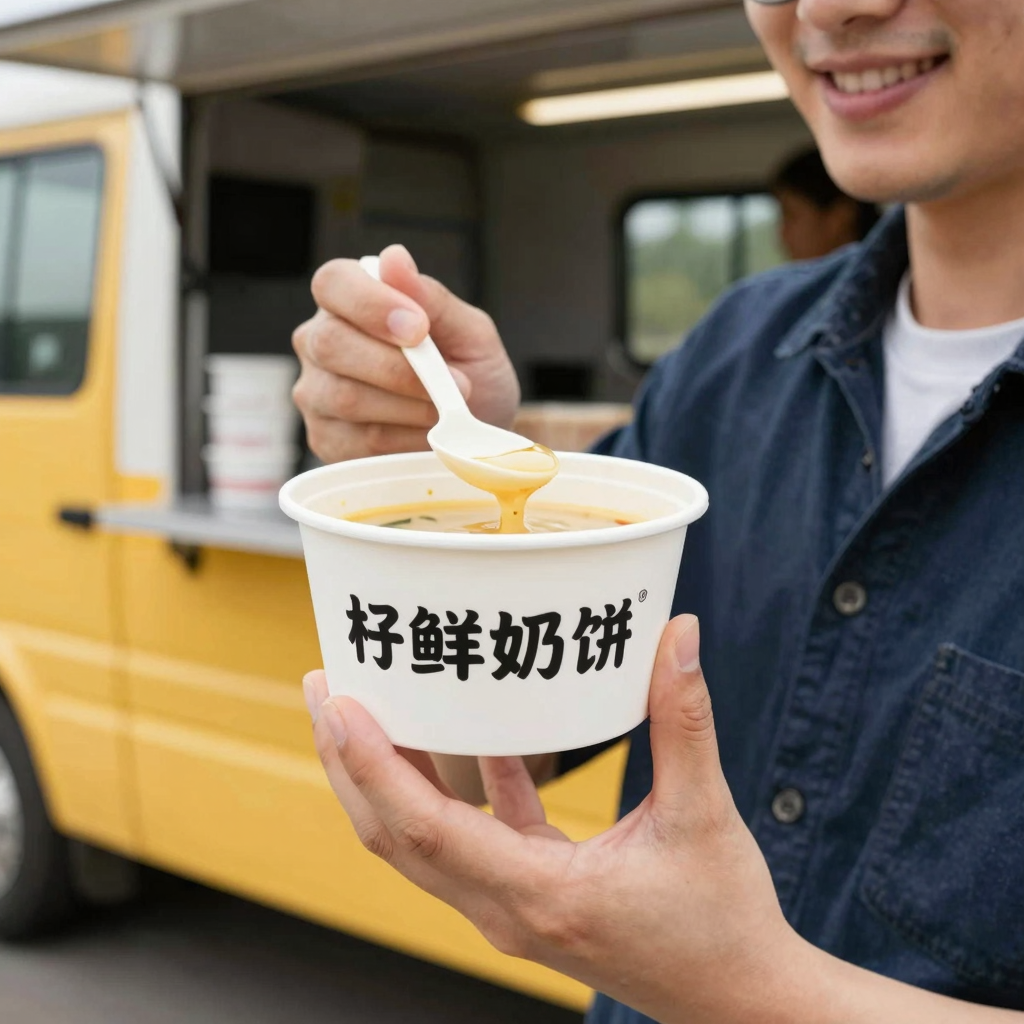
For anyone considering these bowls, you can learn more about the advantages of disposable plastic bowls!
Conclusion
Choosing our disposable plastic soup bowls is a smart investment for your food service business. Designed with reinforced walls and leak-resistant lids, these bowls ensure that your soups and other hot foods are safe and appealing for your customers. Their lightweight, shatterproof design not only reduces shipping costs and breakage, but also streamlines your operations in busy environments like catering, food trucks, and restaurants. With our bowls, you can enjoy peace of mind knowing they are made from BPA-free polypropylene, making them safe for hot items and suitable for microwave use.
Don’t miss out on the opportunity to enhance your food service presentation and efficiency. Partner with us today to explore our range of high-quality disposable plastic soup bowls that fit your needs! Let’s make your serving experience as delightful as your soups!