
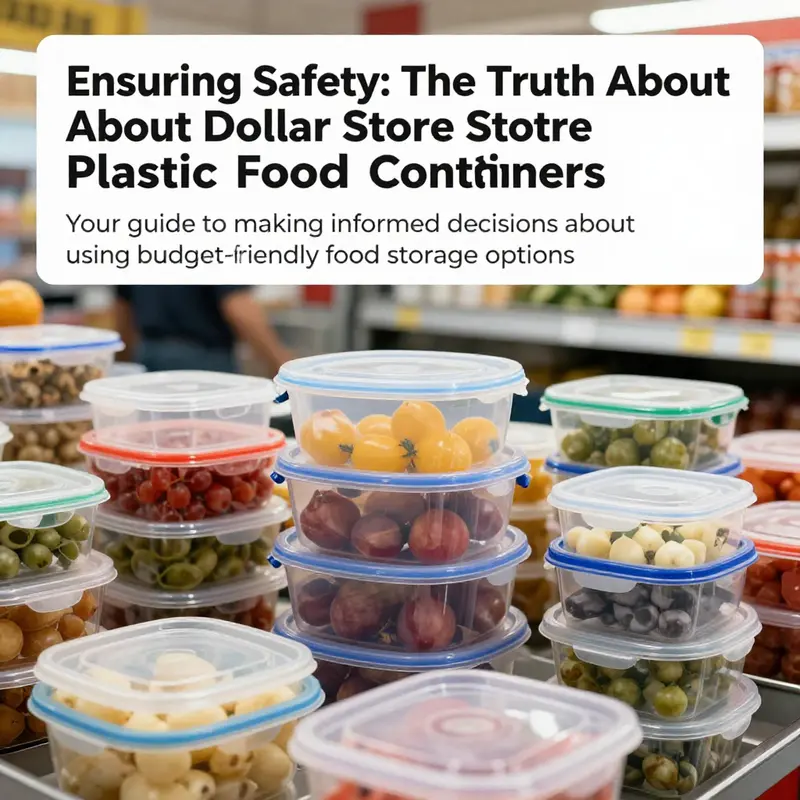
With the growing popularity of dollar store plastic food containers, many food service professionals are asking whether these economical options are safe for their establishments. From bubble tea shops to catering services, the implications of using these containers can impact food quality and customer health. This guide explores the essential criteria for evaluating the safety of these containers, helping you make informed decisions about your food storage solutions. We’ll look closely at food-safe labels, the effects of heating, potential chemical migration, and durability — providing you with a comprehensive understanding of when and how to use dollar store containers effectively.
Budget-Smart Safe Storage: Using Dollar-Store Plastic Containers Without Compromising Safety
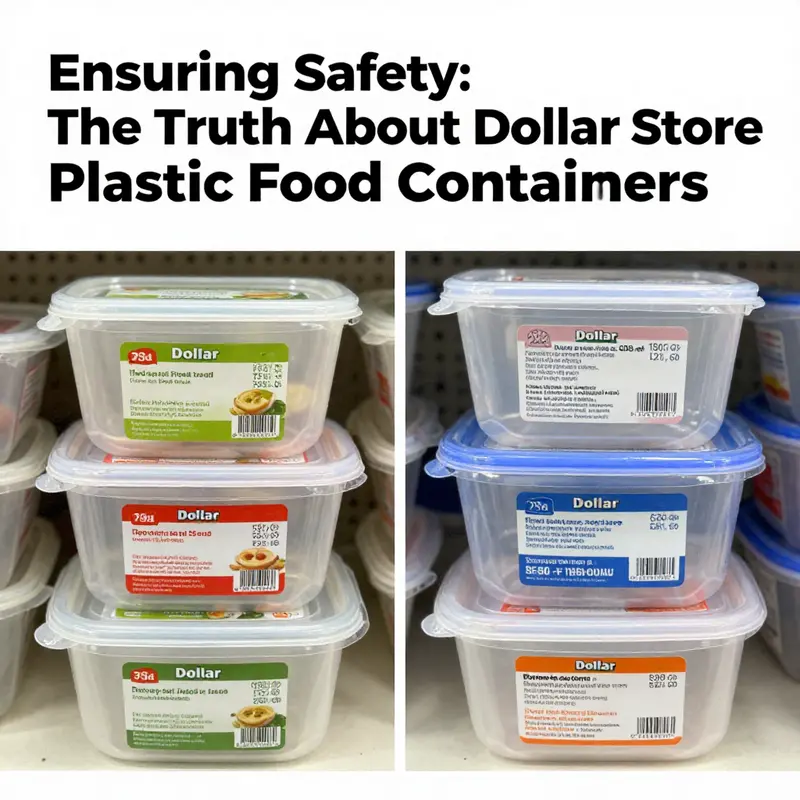
Dollar-store plastic food containers sit at a practical crossroads: they’re affordable, convenient, and often labeled with the kinds of assurances that shoppers want—food-safe, BPA-free, microwave-safe, or dishwasher-safe. Yet labels can be both helpful and confusing. The chapter’s practical path is straightforward: safety isn’t a blanket condition of “plastic equals danger.” It depends on the specific product, the material it’s made from, and how you use it. In this chapter, we’ll explore how to read the signals on the packaging, why heat and acidity matter, how to test for real durability, and what habits minimize risk while keeping your kitchen costs reasonable. In doing so, we’ll weave together what the evidence and field guidance suggest about everyday storage needs without getting lost in marketing phrases. The core idea is simple and actionable: choose containers that are clearly designed for food use, respect their limits, and swap out worn pieces before they become a problem.
First, the labeling scene matters. Across dollar-store lines, you’ll find containers labeled as “food-safe” and “BPA-free,” and many are promoted as microwave- or dishwasher-safe. These labels aren’t universal guarantees, but they do signal that the product was manufactured with the intention of safe contact with food. When you encounter such claims, the immediate guidance is to verify them on the packaging or product description. If the label isn’t explicit about food use, or if the plastic feels questionable to the touch, it’s wise to move on. In practical terms, this means you should look for clear wording that the material is appropriate for contact with food—ideally with a statement that the container is made from food-grade plastic and is free of bisphenol A. This modern labeling trend is a response to consumer demand for safer storage options at lower price points, but it remains essential to check instead of assuming.
Even when you find a container that seems appropriate, heating decisions should follow caution. The consensus among safety-minded researchers and public-health guidance is clear: heating plastic can increase chemical migration. Even plastics marketed as BPA-free may release chemicals when heated, because heat can weaken the bonds within many plastics, making it easier for substances to migrate into food. For this reason, it’s prudent to avoid microwaving plastic containers that aren’t explicitly labeled as microwave-safe for heating foods. Instead, reserve microwave-use for dedicated microwave-safe containers or transfer hot foods to heat-resistant glass or ceramic ware before reheating. If you’re ever unsure, opt for non-plastic reheating methods or use containers designed for microwave use, and always follow the manufacturer’s instructions.
The dance between storage and chemical migration becomes more nuanced when acidic or fatty foods are involved. Tomato sauces, citrus juices, vinegars, dressings with oil, or fatty cheeses can act like solvents in a kitchen-scale experiment. In the presence of certain plastics, these foods can promote the migration of plastic additives into the food, especially when storage lasts beyond a short period. The practical takeaway is to be mindful of what you store and for how long. For longer-term or repeat storage of acidic or fatty items, many households find it wise to transfer contents to glass or stainless steel containers. These materials tend to be more inert in contact with such foods, reducing the chance of chemical transfer and making cleanup easier.
Another important dimension is the container’s seal and overall durability. An airtight seal is more than a matter of freshness; it’s a barrier against leaks that could contaminate other foods in the fridge, and it also helps minimize the chance of surface contact with air that could influence the integrity of the container over time. Before filling a container, test the seal by pressing the lid down firmly and giving the setup a gentle shake. If you notice leaks, if the lid doesn’t seat snugly, or if there’s any wobble, it’s not a reliable airtight option. A compromised seal increases the risk of contamination, spillage, and, over extended use, more opportunities for chemical leaching as the plastic degrades. This is a simple, practical step that shouldn’t be skipped, especially when you’re trying to stretch a budget while managing daily meal prep.
Quality varies within dollar-store lines, and that’s where a discerning eye matters most. While some budget containers come from reputable manufacturers that also supply more expensive lines, others are produced with recycled or mixed plastics that may not be as stable under heat or with long-term storage. The safe baseline is to seek containers that are clearly labeled as food-grade and to prefer materials known for stability, such as polypropylene (PP) or high-density polyethylene (HDPE). These materials have a track record of maintaining structure and resisting chemical migration better than many other polymers when used properly. The risk with unknown plastics is not merely the potential for chemical migration; it also includes a higher chance of warping, clouding, or developing an odor after repeated use. A cracked or discolored container is a red flag. If you notice warping, cloudiness, or a strong chemical odor after washing, replace the container promptly. Cracks and odor are easy telltale signs that the container may not withstand repeated storage or reheating as safely as you’d hope.
Given the variation among dollar-store offerings, a navigational rule is to favor products that are explicitly designed for food use and mark themselves as food-grade. Then, use them as intended: brief storage of leftovers or cold refrigeration, and never for long-term exposure to heat. This approach aligns with what safety guidelines emphasize for everyday storage: match the container’s stated use to your actual use, and avoid pushing the limits of what a plastic container is designed to handle.
To further ground these practical steps, consider the simple habit of inspecting a container before every use. Clear, rigid containers are easier to inspect for cracks and warping, and they reveal whether a container is becoming unsafe for storage. A cloudy or etched surface may indicate aging or repeated exposure to heat, which can accelerate degradation. The presence of a strong chemical odor that lingers after washing is another warning sign. These signs aren’t universal, but they’re common red flags that help people avoid old or compromised containers. The bottom line is that safe use isn’t a one-time decision; it’s an ongoing assessment of the product’s condition and the storage scenario.
If you’re exploring budget options, you may also encounter a broader ecosystem of affordable food-packaging lines that carry the same promise of safety as pricier brands. When you encounter a line advertised as food-grade or BPA-free, it’s reasonable to trust that the product was manufactured with food safety in mind, but you should still verify the claims and ensure you’re buying from a source with a credible quality-control story. In this sense, the conversation about dollar-store containers mirrors the broader consumer safety landscape: labels guide you, but your eyes and your practices complete the picture.
In the spirit of practical guidance, consider this composite approach to safe use. First, select containers with explicit food-safe and BPA-free labeling, and prefer materials known for stability, such as PP or HDPE. Second, never heat plastic containers unless they are clearly labeled as microwave-safe. Third, when storing acidic or fatty foods for more than a brief period, transfer contents to glass or stainless steel for longer storage. Fourth, test the seal, assess the container for signs of wear, and replace damaged pieces promptly. Finally, keep a watchful eye on the overall condition of your containers and rotate them as needed to maintain a clean, safe, and cost-effective storage system.
In the spirit of accessible, practical information, a reachable example can help make these ideas tangible. When exploring budget lines, you may come across a takeout- or meal-prep style container that includes a three-compartment design and is marketed as food-grade. If you’re curious about such options, you can explore a widely accessible example of budget-conscious, food-grade packaging in the consumer marketplace here: eco-friendly disposable 3-compartment food-grade packaging box for fast food high quality takeout boxes for fried chicken french fries packaging. This kind of example helps illustrate how a budget line can align with safety goals when the material is appropriate, the labeling is clear, and the use is appropriate for the product’s design.
For the broader context, remember that official guidance exists to help consumers evaluate these materials. The U.S. Food and Drug Administration offers a foundational resource on how food-contact materials are evaluated and what to look for on packaging. This guidance helps connect the everyday choices we make in the grocery aisle with the regulatory framework that aims to keep food-safe practices consistent across products and use cases. If you want to delve deeper into the regulatory backdrop, you can consult the FDA’s page on food contact materials at the end of this exploration. The practical takeaway remains consistent: prioritize clear labeling, respect the limits of heating, and be mindful of storage duration and food type to keep costs from compromising safety. By integrating these habits, you can navigate budget containers with confidence, matching affordability with responsible use rather than trading safety for price.
External resource: For official guidance on how the FDA evaluates the safety of materials used in food packaging and storage, see the FDA page on food contact materials.
Safe Labels, Real-Life Use: Navigating Dollar-Store Plastic Food Containers
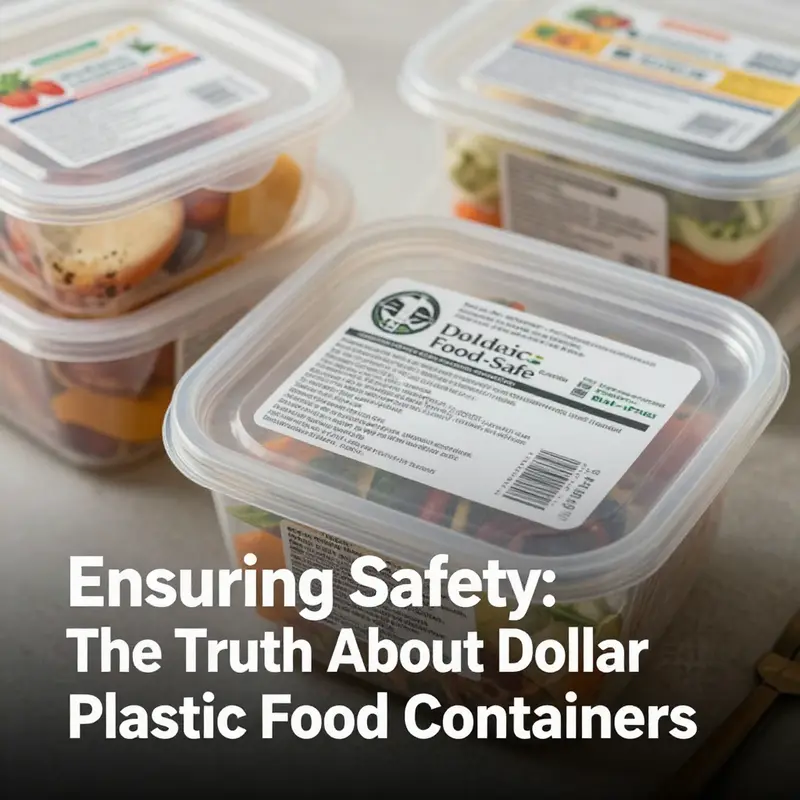
When you buy dollar-store plastic containers, safety should be part of the plan. These budget-friendly options can help with organization and reduce waste, but they require mindful use to avoid unwanted chemical exposure. The core idea is simple: read labels, use the right container for the job, and replace worn pieces before they compromise food safety.
The first major checkpoint is the label itself. Many containers claim “food safe” or “microwave safe” and may also advertise “BPA-free.” The reality is more nuanced. BPA-free without examining alternatives like BPS or BPF can still carry risk. Look for explicit certifications such as “microwave safe” combined with “food safe” on the same package, and verify these claims in product descriptions when possible. When in doubt, trust multiple certifications rather than a single claim.
Heat is a central concern. Plastics marketed as BPA-free can still release chemicals when heated, and microwaving a container not designated as microwave-safe is not advisable. The practical approach is to heat foods in containers or vessels explicitly labeled microwave-safe, and to prefer glass or ceramic for hot foods when possible.
Beyond heat, the chemistry of foods matters. Acidic foods (tomato-based sauces, citrus) and fatty foods (oily dressings, dairy-heavy items) can interact with plastic, increasing the likelihood of substance migration. For longer storage, consider transferring such items to glass or stainless steel. Short-term storage in a labeled, heat-stable plastic can be acceptable if you follow the container’s time limits and keep everything cool.
The container itself should be sturdy and well-sealed. An airtight seal, intact lids, and a rigid body help prevent leaks and contamination. If you notice cracks, cloudiness, or a warped lid, replace the container. Repeated washing and heating cycles can degrade plastics over time.
When shopping, prioritize containers designed for food contact and materials known for stability, such as polypropylene, and check for explicit safety certifications rather than just the price. Clear, rigid options help you see contents and stack safely, reducing the chance of cracks or leaks in a crowded kitchen.
In practice, apply these guidelines with balance: cheap does not have to mean risky, but safety claims deserve scrutiny. Use plastic mainly for cool or room-temperature storage and short-term use, and reserve long-term or heated storage for non-plastic options whenever possible. With mindful labeling, careful use, and regular inspection, dollar-store containers can be part of a safe and economical home storage system.
Heat, Leaching, and the Dollar-Store Dilemma: How Heating Affects Plastic Food Containers
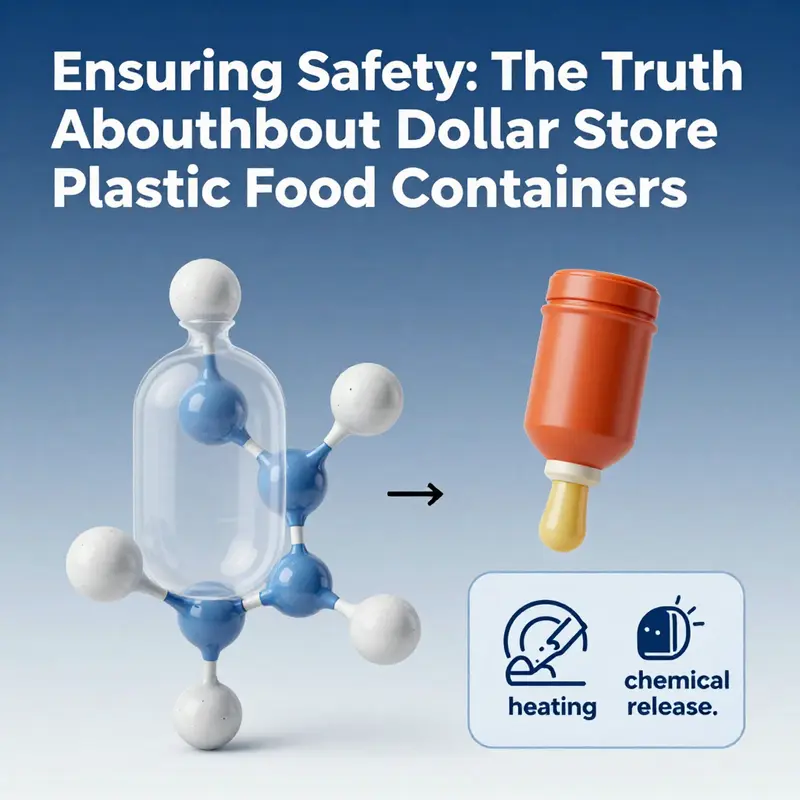
Dollar-store plastic food containers sit at the intersection of convenience and caution. They offer a quick, inexpensive way to portion meals, store leftovers, or transport snacks. But the simple act of heating or hot storage can change how these plastics behave. What seems cheap and practical on a busy weeknight can become a health question if temperature, food type, and storage duration collide. The chapter that follows explores why heat matters, how to interpret labels, and what practical steps can help households minimize risk without giving up the practicality these containers offer. Importantly, the safety picture is not a single rule but a set of conditions that must be read together: the material, the labeling, the food being stored, and how often the container is reused.
Labels on containers matter, but they are not a universal shield. When a package says “food safe” or “ BPA-free,” that is a positive signal, yet it does not guarantee safety under every circumstance. The reality is nuanced: many plastics marketed for food use are made to withstand normal storage at room temperature, but heating can alter their internal chemistry. A Johns Hopkins environmental health scientist cautions that heating plastic in microwaves or dishwashers weakens molecular bonds, making it easier for chemicals to escape into food. That warning is not a dismissal of all dollar-store options; it is a reminder that the context—heat, duration, and the food’s chemistry—matters as much as the plastic’s label. In practical terms, even BPA-free plastics may release substances if they are heated, especially when placed directly in a microwave or used repeatedly for hot meals.
A key factor is the interaction between the container and the food it holds. Some foods act like solvents for plastics. Acidic items such as tomato sauces or citrus juices can promote chemical migration, while fatty foods can carry more of certain additives into the food matrix. The lesson for everyday users is straightforward: if a plastic container will hold acidic or fatty foods for an extended period, transfer those items to a more inert vessel for longer storage, especially if you anticipate reheating. For shorter-term storage of plain, non-acidic, non-fatty items, budget-friendly containers can still be a reasonable option when used correctly. The emphasis is on correct use rather than perfect products.
Another practical dimension is temperature. The general rule is clear: heating plastic containers is not recommended unless the container is clearly labeled as microwave-safe and specifically designed for heating. Even then, it is wise to avoid direct contact with hot liquids or foods. The rationale is anchored in materials science: many dollar-store containers are pressed from plastics that are stable under normal conditions but degrade in heat. Heating can relax the polymer chains, increasing the risk of additive migration and the physical breakdown that accompanies repetitive heating and cooling cycles. Warping, discoloration, or microcracking may begin as small signs that the container has compromised integrity. Those signs are not just cosmetic; they can reflect a material that is more prone to leaching and less able to protect food from contamination.
From a material standpoint, there is a spectrum. Some containers are made from polypropylene (PP) or high-density polyethylene (HDPE), materials widely regarded as safer options for food contact when used appropriately. PP and HDPE tend to hold up better under mild heating than other types of plastics, but even these substitutes carry caveats. The packaging industry emphasizes that safe use depends on labeling, the intended use case, and the consumer’s adherence to guidelines. In a market where volume and price drive design choices, the presence of an explicit “food safe” or “microwave-safe” label is a crucial signal—but not a substitute for careful handling.
Quality matters, even for budget-conscious shoppers. Not all dollar-store organizers or containers come from the same family of manufacturers, and production quality can vary. When choosing containers for food storage, priority should be given to those that clearly indicate food safety and temperature tolerance. Containers built from reputable lines that emphasize durable plastics are more likely to retain their integrity after repeated use, though they may still require caution regarding heating. A physical check—ensuring a lid seals firmly and testing for leaks by a light press and a gentle shake—helps verify that a container can protect the contents from air and moisture over time. An airtight seal is not just about freshness; it can influence how a container ages under heat and how much air exposure might accompany repeated cycles of heating and cooling.
Beyond the container’s physics, the broader regulatory landscape provides context. The U.S. Food and Drug Administration (FDA) outlines how agencies evaluate the safety of materials used in food packaging and storage. The FDA emphasizes that plastics and other materials must be assessed for their migration potential, with specific attention to how conditions like heat, acidity, and fat content influence that migration. For families navigating options at budget-friendly stores, the FDA guidance serves as a reminder that a label can be part of a safety story, but consumer behavior completes the picture. The FDA perspective reinforces the practical rule of thumb: respect the label, but don’t assume safety in every scenario.
Even with responsible labeling and careful handling, evidence from independent research underscores that heating plastics introduces measurable risks. A 2025 study published in Environmental Science & Technology highlighted that heating common food-grade plastics such as PP and PE—even when used as intended—can lead to the release of microplastics and nano-plastics. The study found that these particles can be released in substantial quantities after just a few minutes of heating, with fatty and acidic foods accelerating the process. The researchers note that repetitive heating and cooling cycles exacerbate physical degradation—discoloration, brittleness, and cracking—that can further promote substance release. Importantly, the study also warns that some containers may incorporate recycled or industrial-grade plastics not designed for food contact, which may harbor toxic additives like heavy metals that become more likely to leach when heated.
For consumers, the core message is not to abandon dollar-store containers outright, but to practice a set of safer-use habits that reduce exposure while preserving practical benefits. First, prioritize containers labeled as “food safe” and “BPA-free,” and understand that even then, heating should be approached with caution. Second, never heat plastic directly in a microwave unless the packaging explicitly states it is microwave-safe and suitable for heating. If hot food is involved, transfer it to a glass or ceramic dish before reheating. This simple transfer step can dramatically lower the chance that additives migrate into a meal.
Third, be mindful of the food’s chemistry. If you are storing or reheating acidic foods such as tomato-based sauces or citrus-based dressings, or fatty items like oily sauces and certain cheeses, use an alternative container or move the food to a more stable material after a short period. The idea is to limit the duration of contact between the solvent-like properties of these foods and the plastic surface. Fourth, assess the container’s physical condition. A cloudy, warped, cracked, or leaking container should be retired. The integrity of the container is a practical proxy for the likelihood of leaching; once degradation begins, the risk compounds with each heating cycle.
There is also a consumer-creative dimension: choose containers that are designed for durable, everyday use and that emphasize safer plastics compatible with food contact. Clear, rigid containers with easy-to-read labeling tend to offer better visibility of any wear and tear, and they often come with tighter seals that help maintain freshness without the need for excessive handling. The principle is simple: when in doubt, err on the side of conservatism. Use the dollar-store option for short-term, room-temperature storage and cold foods, and reserve heating for scenarios where a container is clearly rated for it or when transferring to a more heat-tolerant vessel is feasible.
For readers seeking practical pathways to balance cost and safety, consider exploring affordable takeout or food-storage packaging that clearly communicates its intended use. One accessible route is to explore options that advertise and document food-grade construction and compartmental design. A representative example available online is a product line described as eco-friendly, disposable, three-compartment packaging suitable for fast-food style takeout. This kind of option prioritizes structure, sealing, and separation of components, which can help reduce cross-contamination and simplify disposal after use. If you would like to see how such packaging is described and marketed, you can explore the following resource: eco-friendly disposable three-compartment packaging.
Ultimately, the dollar-store aisle serves as a reminder that convenience and safety must be read together. The trade-off between cost, availability, and risk is not fixed; it shifts with how you use the containers. Heating practices, food choice, and the duration of storage all interact with the container’s material. If you keep these factors in balance—prioritizing containers with clear food-safety labeling, avoiding heating unless explicitly allowed, and transferring riskier foods to more stable vessels—you can preserve the practical benefits without surrendering safety.
For readers who want to see the empirical backbone of these concerns, recent research provides a stark reminder of what heat can do to plastic. A 2025 Environmental Science & Technology study documents how microplastics and nano-plastics can be released in significant quantities when plastics are heated, especially with fatty or acidic foods involved. The finding underscores why even seemingly safe, food-grade plastics require careful handling when exposed to heat. It also signals the ongoing need for better materials and more transparent labeling so consumers can make informed decisions in real-world kitchen situations. If you would like to delve into the full methodology and data, you can consult the external resource at the following link: https://pubs.acs.org/doi/10.1021/es203456a
Beyond the Label: Navigating Chemical Migration and Safe Use of Dollar-Store Plastic Food Containers
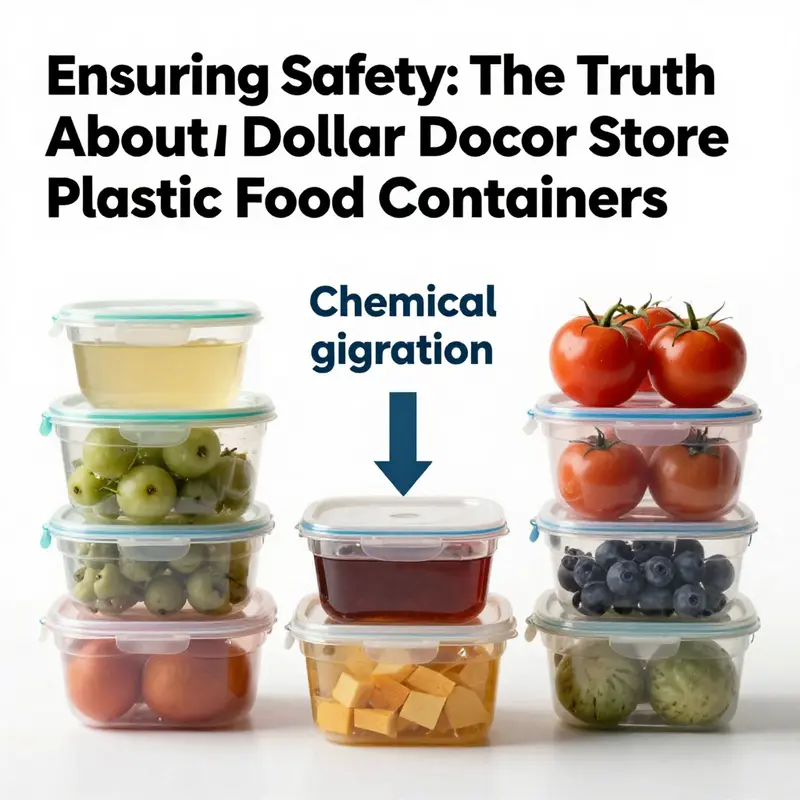
Dollar-store plastic food containers are a staple for budget-conscious households and small-scale food prep. They offer undeniable convenience, but their appeal can blur a critical question: are these containers safe to use with food, especially when they are so inexpensive that they prompt quick replacements after a few uses? The answer is nuanced. Safety here hinges less on price and more on the material, the labeling, and how the containers are used. When you choose containers that are clearly designed for food storage and handle them with care, they can perform adequately for short-term storage and routine cold use. When you heat, store aggressively, or reuse containers that are worn or degraded, the risk profile shifts markedly. The central idea is not to demonize all dollar-store containers, but to treat them as a category with real limits and responsible practices. This chapter threads together what current evidence and expert guidance suggest, emphasizing practical choices that keep food safe without sacrificing the cost advantage that makes these containers appealing in the first place.
A critical starting point is the labeling and the materials involved. Many dollar-store containers are made from common plastics such as polyethylene, polypropylene, or polystyrene. These materials can host a range of additives, some of which have raised health concerns when they migrate into food. Labels like “food safe” and “BPA-free” increasingly appear on budget products, reflecting growing consumer demand and stricter manufacturing standards. Yet labels alone do not guarantee safety in every situation. The core risk lies not just in the plastic itself but in how the container is used. Heating plastic or exposing it to fatty or acidic foods can drive chemical migration more than storage at room temperature. A well-cited principle from environmental health guidance is that heat strengthens molecular movement. In plain terms, high temperatures disrupt the bonds within plastic and make it easier for additives to migrate into the food they cradle. This means that a container labeled as microwave-safe may still pose risks if the food is heated improperly or if the container is not truly designed for repeated high-heat use. Consumers who rely on such labels should look beyond the surface and verify whether the container is specifically rated for the temperatures and durations they plan to use.
Another layer to consider is the interaction between plastic and the type of food stored. Acidic foods—like tomato sauces and citrus juices—act as solvents and can accelerate the leaching process. Fatty foods—think oils, cheeses, certain dressings—can similarly increase migration because fats help dissolve plastic additives more readily. The practical implication is straightforward: for long-term storage of acidic or fatty foods, glass or stainless steel can be safer options, especially if you anticipate storing these items for several days. If you must use plastic for such foods, transfer to a more inert container after a short period or keep storage durations brief. This approach is not about abandoning plastic altogether but about aligning storage choices with chemistry. Keeping the container in good condition, avoiding prolonged contact with problematic foods, and not relying on cheap plastic for high-temperature or long-duration storage can substantially reduce risk.
A practical sign of a container’s integrity is its seal and overall durability. An airtight lid is a proxy for freshness and a barrier against external contaminants. Before filling any container, test the seal by pressing the lid and giving it a gentle shake. Leaks or a flimsy seal indicate the container may not truly protect the food or prevent adverse contact with the lid’s interior. Damaged seals can also mean micro-abrasions and micro-scratches that harbor bacteria or allow continuous, low-level leaching over time. In addition, visible wear such as cloudiness, cracks, or warped shapes are red flags. Degradation is not merely cosmetic; it often accompanies diminished performance and increased risk of chemical migration, especially when heated or used with oily or acidic foods. The message is simple: inspect, assess, and replace if the container shows cracks, discoloration, or any sign of wear.
Quality perception and brand reliability matter, even in the dollar aisle. While many budget containers come from manufacturers that also supply pricier lines, the overall safety depends on consistent quality control and compatibility with food contact requirements. A cautious approach is to favor containers that are designed for food use and to favor those that specify a polymer known for stability under typical kitchen conditions, such as polypropylene (often associated with sturdy, reusable containers). Even with reputable lines, a vigilant user checks for clear “food safe” and “BPA-free” labeling, and remains skeptical of vague marketing claims that do not specify the material or the conditions under which the product is safe. The takeaway is not perfection but preparedness: treat these containers as appropriate for certain uses and durations, and adjust your storage practices accordingly.
The landscape of research and regulation adds further texture to this decision. A growing body of evidence highlights the reality of chemical migration from plastic packaging, particularly when conditions push plastics toward higher temperatures or more aggressive chemical interactions. Notably, a 2025 study conducted by researchers at China Agricultural University found that a majority of pre-packaged convenience foods contained multiple bisphenol compounds, with BPF and a notably high concentration of 4,4′-thiodiphenol detected among the chemicals. Endocrine-disrupting properties of these substances are well documented in the broader literature, with potential links to hormonal imbalances, developmental issues, and cancer risk. This study underscores that even products marketed with safety labels do not guarantee that no chemicals will migrate into food, especially under heating or in contact with fatty or acidic substances. It also echoes a broader caution about the reliability of certain safety labels once the temperature rises or storage durations extend beyond a brief window. The regulatory response aligns with this risk reality: authorities have called for more robust labeling and testing protocols for microwaveable containers, and some regions have moved toward bans or restrictions on specific plastic food containers, with enforcement beginning in 2025 and extending to more communities by 2028. The overarching implication for consumers is clear. Safety labeling is a helpful guide, but it does not replace prudent handling, especially when the container will be heated or used for delicate or long-term storage.
Against this backdrop, practical guidelines emerge that help reconcile cost savings with health considerations. The overarching recommendation is to avoid heating plastic containers or placing hot food directly into them unless the packaging explicitly states high-temperature tolerance. Transferring hot foods to glass or ceramic vessels before microwaving is a simple and effective precaution. For long-term storage of acidic or oily foods, glass or stainless steel options reduce the potential for chemical migration and reduce the risk of sustained contact with migrating substances. In daily practice, this translates into a few straightforward steps: choose containers labeled as food safe and BPA-free, inspect containers for signs of wear or clouding, avoid heating plastics unless the label explicitly supports it, and practice short-term storage for foods known to challenge plastics. When in doubt, opt for safer materials and keep plastics restricted to use cases that align with their chemical properties and structural limits.
From a consumer behavior standpoint, informed purchasing remains essential. Seek containers that clearly indicate food safety and stability under expected conditions, and favor materials with strong track records of inert behavior in contact with food. The goal is not to eliminate all risk but to reduce it to a level consistent with everyday food preparation and storage. For those seeking further guidance, credible resources from regulatory authorities provide a framework for evaluating food-contact materials and the science behind safety labels. For context in daily decision-making, consider pairing budget-friendly storage with conscientious use: maintain a rotation of containers to prevent prolonged use beyond their life span, replace cracked or warped items promptly, and prioritize containers that offer clear, rigid visibility so you can inspect contents and container integrity at a glance. Keeping these practices in mind helps preserve the convenience and affordability of dollar-store containers while limiting exposure to potential chemical migration.
In the spirit of practical application, consider a simple way to connect safer storage to everyday routines. For broader resources about safer packaging and how to evaluate safety claims, you can explore content that highlights safer packaging options in the context of takeout and home storage. For related ideas on safer, cost-effective packaging solutions that align with a practical kitchen workflow, see this discussion on eco-friendly takeout boxes and their safety considerations: eco-friendly takeout boxes for food packaging.
Finally, for a deeper, evidence-based framework that informs consumer decisions beyond labeling, consult the authoritative guidance from the U.S. Food and Drug Administration on food contact materials. The FDA outlines how materials used in food packaging are evaluated and regulated, offering context for evaluating the safety of containers you pick up at the dollar store. External resource: https://www.fda.gov/food/food-contact-materials/food-contact-materials. This resource helps connect local purchasing choices to national standards and ongoing regulatory developments, reinforcing the idea that safety is a continuum—from material science to labeling to everyday handling—and that informed choices are the most reliable way to balance cost, convenience, and health in the kitchen.
In sum, dollar-store plastic containers are not intrinsically unsafe, but their safety depends on thoughtful selection and proper use. By prioritizing clearly labeled, food-safe, BPA-free products, avoiding heating unless explicitly permitted, and limiting storage duration for acidic or fatty foods, you can safely leverage the affordability of these containers without compromising health. The science points to caution, not alarm, and the regulatory trend toward clearer labeling and stricter testing supports a prudent approach. The kitchen is a place where cost efficiency and health can align, provided we understand the materials we rely on, respect their limits, and make storage decisions that reflect what science and regulation currently indicate about chemical migration in real-world settings.
Durability, Design, and Doability: Reading the Lifespan of Dollar-Store Plastic Food Containers
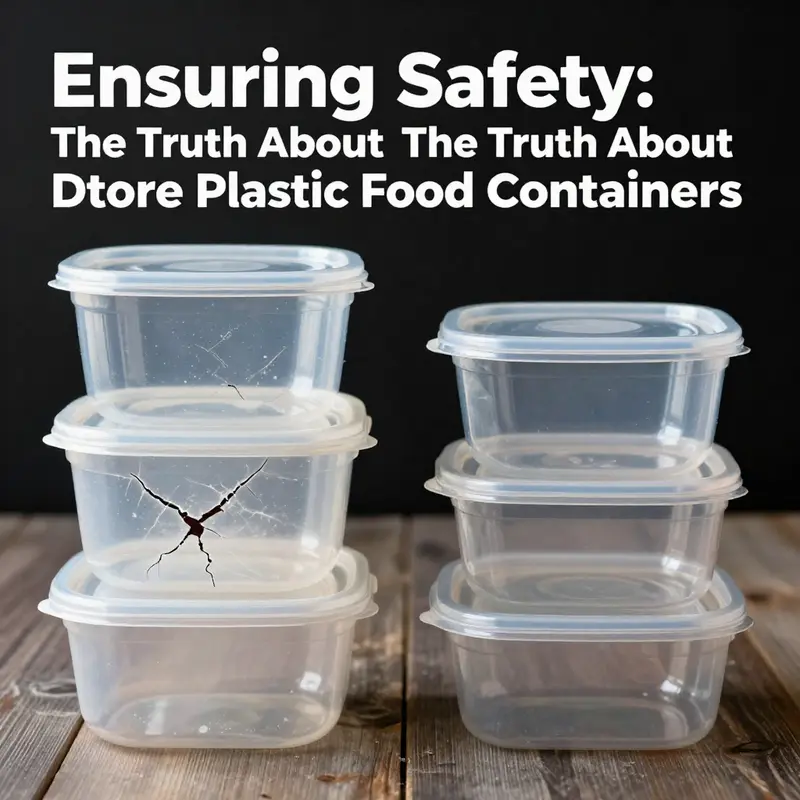
Containers sold at bargain shelves promise quick, practical storage for leftovers, meal prep, or on the go meals. Yet durability is not an automatic given at this price point. The chapter explores how material choices, construction, and everyday use shape whether a dollar-store container will hold up week after week. If safety is the backdrop, durability becomes a practical lens through which to see how long a container remains truly food safe and reliable. This is not just about avoiding spills; it is about maintaining seals, preventing cracks, and preserving the integrity of what you store inside. The narrative moves beyond is it safe and considers how long a container can stay safe under typical household use, and what behaviors extend its usable life as part of a broader storage strategy that keeps food quality intact and waste low.
Material composition matters more than many shoppers realize. In the budget segment, common plastics used for food containers are polypropylene and high density polyethylene. Both are lightweight, cost effective, and generally considered suitable for food contact when the product is designed for it. But there are meaningful differences that affect long term performance. PP tends to be relatively stiff and has decent heat resistance, which makes it practical for cold storage and meal prep portions that are not heated. HDPE can offer robust impact resistance and is often a good choice for containers that will be knocked about in a crowded fridge or tote. The caveat is that not all budget options use a consistent blend or the same grade of resin from batch to batch. When a container is manufactured to a minimum spec, it may perform adequately for short term storage; when it is pushed to the edges of its design, you will see warping, deformation, or clouding sooner than you expect. This is not about dramatic failure; it is about the slower, cumulative effects of repeated cycles opening, closing, washing, and stacking.
The heat predicament is a core durability factor that quietly shapes safety too. Even when a plastic is labeled BPA free or marketed as microwave safe, repeated exposure to heat can change the material s properties. A practical way to think about this is to picture molecular bonds in plastic as a field of tiny bridges. Gentle, occasional heating may not cause obvious damage, but frequent microwaving or dishwasher heat can weaken those bonds over time. When bonds weaken, lids may no longer seal tightly, rims may warp, and the container becomes more prone to leaks and contamination from residual heat or steam. This is exactly why the guidance on many budget options emphasizes avoiding heating plastic unless the product explicitly states it is microwave safe. The upshot is simple: use these containers as intended, and you extend their life and preserve their safety profile.
Durability also comes into play with the lid and hinge design, which can be the deciding factor between a container you keep and a container you discard. A tight seal is not only about keeping odors and spills contained; it is a proxy for freshness. A lid that sits flat and grips the rim securely helps prevent leakage when you carry a meal in a bag or backpack. Hinges are another weak link in cheaper designs. Some hinges stay springy through dozens of cycles, while others become loose or break after a few uses. The truth is simple: a sturdy lid and durable hinge can dramatically extend the container s useful life, but a flimsy lid undermines confidence in storing anything liquid or oily. When you test a new purchase, press the lid down firmly, then give it a gentle shake. If it leaks or wobbles, it is not truly airtight, and that compromises not just freshness but the potential for chemical leaching through repeated exposure at the seal.
A related aspect of durability is structural integrity under everyday stress. In budget lines, you will see a range from boxes with robust rigid walls that resist denting to thinner walled designs that flex when you scoop out leftovers. The difference becomes noticeable after a few weeks of routine use: a container that dents easily may not seal well after a dishwasher cycle, and a warped base can trap residue and harbor bacteria. It is wise to inspect containers for any signs of stress before buying in bulk—cracks near the lid, cloudy areas that signal internal damage, or loose fittings around the lid. A quick test, especially if you have a fridge full of meals, is to fill the container with water and tilt it to see if any leaks emerge. These checks are not about paranoia; they are practical steps to prevent waste and ensure your food remains protected.
The practical takeaway is that durability in dollar store containers is not a single attribute but a constellation of factors. The containers are often designed for affordability and convenience rather than lifetime use. They excel for short term storage, refrigeration, or quick meal preps where the container will not endure harsh heat or repeated dishwashing. For those who need more persistent performance think weekly meal prep, frozen goods that will be thawed and reheated, or containers subjected to busy household routines consider the trade off. A modest upgrade to a higher grade line or to containers explicitly labeled as microwave safe, dishwasher safe, or designed for repeated use can deliver a noticeable gain in longevity. The broader guidance in the literature underscores the value of treating plastic as a tool with a finite lifespan: avoid direct contact with hot surfaces unless the product is designed for it, and be mindful of solvent like effects from acidic or fatty foods that can accelerate material degradation. In practice, that means planning storage use with an eye toward replacement rather than assuming lifelong durability.
From a safety perspective, durability is intertwined with how you use the container. The recommendation remains: use only containers labeled as food safe and BPA free, avoid heating plastic unless specified, and replace damaged items promptly. If a container shows cracks, cloudiness, or warped lids, it is time to retire it. Even when the material is technically sound, compromised seals at the lid edge can compromise food safety by allowing air and moisture in, or by harboring bacteria where scratches and micro-abrasions collect. A thoughtful approach to durability also means selecting clear, rigid designs that make inspection straightforward. When you can see through the walls, you are more likely to notice staining, residues, or hazing that hints at degradation signals you would not have recognized with opaque or flimsy walls.
Importantly, the budget aisle does not condemn you to a safety compromise that lasts indefinitely. There is value in choosing containers that balance price with a robust lid, a thicker wall, and an uncomplicated, leak resistant design. A mid-range option that couples a reliable seal with a durable hinge can meaningfully extend the time between replacements. And while some stores focus on a one and done utility, others curate lines that are built with more consistent quality in mind, often using materials that perform better in typical household conditions. In other words, the budget choice can be prudent when it aligns with clear expectations: short term storage, careful handling, and prompt replacement when signs of wear appear.
For readers who want to see a model of budget friendly but durable packaging, you can explore a packaging line described as eco friendly takeout boxes for food packaging to get a sense of how a well made, durable container can look when materials are chosen for robustness and reuse, rather than novelty alone. This link points to a family of products designed with durability in mind, illustrating how thoughtful design can deliver better performance even within a budget context. It serves as a reminder that durability is not the enemy of affordability; with careful selection and use, it can coexist with the practical needs of everyday storage.
The broader takeaway is straightforward. Dollar store plastic containers can be a reasonable choice for short term storage and routine meal prep when you approach them with intent and a clear understanding of their limits. They are not inherently unsafe, but their safety and usefulness hinge on selecting the right material, avoiding heating unless the product is explicitly microwave safe, protecting acidic or fatty foods by transferring to more stable vessels for longer storage, and actively monitoring the seals and structural integrity over time. If you treat these containers as a flexible budget conscious solution rather than a one size fits all answer, you gain both safety and practicality without sacrificing the convenience that makes dollar store options appealing in the first place.
External resource: For a foundational overview of how the FDA evaluates the safety of materials used in food packaging and storage, see the FDA guidance on food contact materials at https://www.fda.gov/food/food-contact-materials/food-contact-materials
Final thoughts
While dollar store plastic food containers can offer a convenient and cost-effective option for food storage, their safety is contingent upon a variety of factors. By understanding food-safe labels, being cautious about heating, and recognizing the risks of chemical migration, food service businesses can make informed choices that prioritize customer health. Regularly checking the durability of containers and selecting reputable brands will further enhance safety standards. As you evaluate your packaging options, consider not only the price but the implications of your choices on food security and brand reputation. By approaching this topic with diligence, you’ll ensure that your food service operations can thrive safely and effectively.