
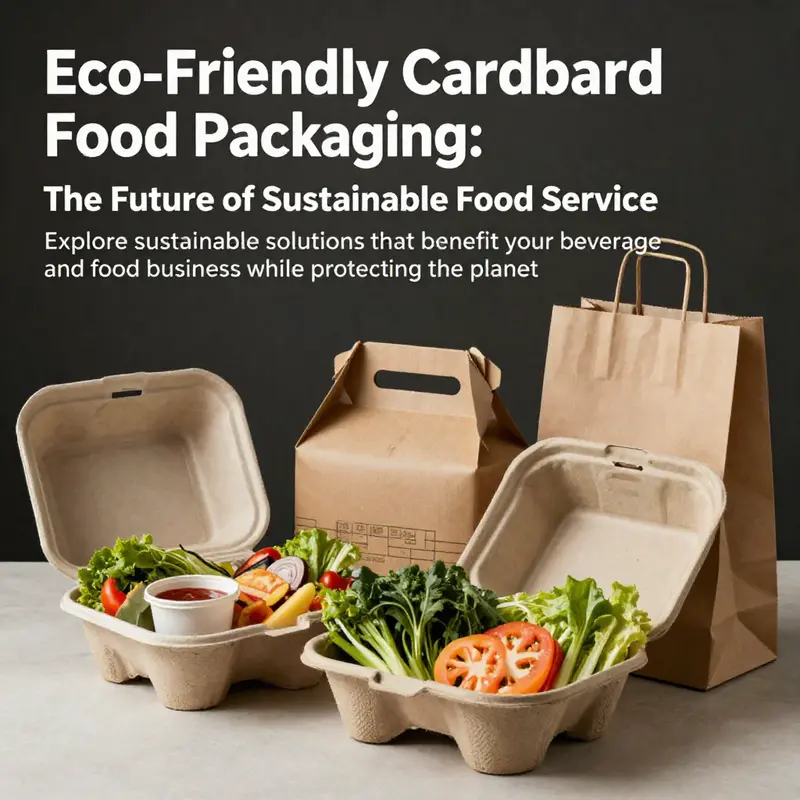
Eco-friendly cardboard food packaging is more than just a trend—it’s a necessity for businesses dedicated to sustainability and environmental preservation. With the growing awareness of climate change and the harmful effects of plastic pollution, industries like bubble tea shops, restaurants, food trucks, and catering services must adapt and transition to sustainable practices. This shift not only aligns with consumer values but also enhances brand reputation. In this comprehensive overview, we will delve into sustainable materials available for food packaging, recent innovations that improve performance and eco-friendliness, and the economic advantages and market trends steering the industry towards greener choices.
Green Boxes, Clean Conscience: The Evolution of Sustainable Cardboard Packaging in Food
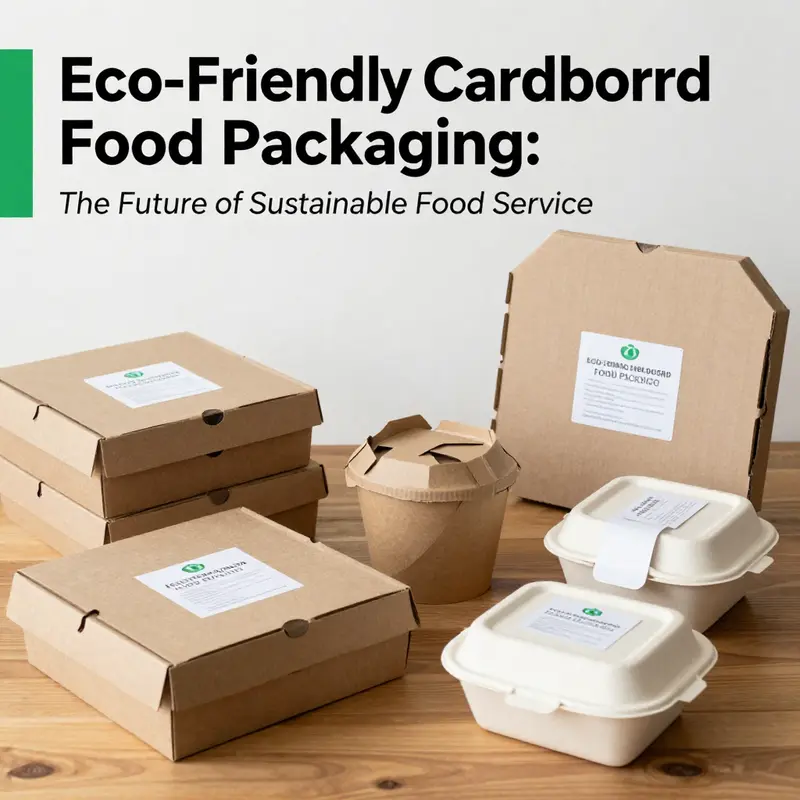
A shift is underway in how the food industry thinks about packaging. For decades, the default answer to convenience and shelf life was a slick sheet of plastic or a multilayer laminate that kept moisture out and weight down. Today, a broader, more deliberate calculus governs packaging design. Eco-friendly cardboard, grounded in renewable resources and poised to fit within existing recycling streams, is not merely a substitute for plastic; it is a platform for rethinking how we move, store, and dispose of food. This chapter unfolds the ideas behind sustainable cardboard packaging as a cohesive system rather than a collection of isolated materials. It follows the arc from forest stewardship to factory floor, from branding aesthetics to end-of-life outcomes, and from regional production quirks to the universal requirements of a circular economy.
At the heart of eco-friendly cardboard packaging lie materials that are derived from forests managed with care and accountability. Kraft paper, corrugated cardboard, and paperboard are the principal players. They share a common lineage: wood pulp transformed through processes that can be tuned for performance while retaining the potential for recycling and biodegradation. When sourced from responsibly managed forests, these materials contribute to forest health by supporting sustainable harvest cycles and promoting responsible certification frameworks. The environmental advantage is not only about whether something is biodegradable; it is about the entire lifecycle, including how the material is produced, what it is coated with, and how easily it re-enters the circular loop after use.
The practical reality of packaging design involves navigating moisture, rigidity, and branding in a way that does not compromise the system’s sustainability. Kraft paper often serves as the backbone of many packaging solutions, and it is frequently used in a coated form to improve moisture resistance. The coatings themselves deserve scrutiny. A coating can extend the functional life of a package by resisting grease and dampness, yet it must align with eco-credentials. The most responsible coatings in this context are those that can be composted or recycled with minimal environmental tradeoffs and that avoid toxic components. In some cases, uncoated kraft offers a more transparent sustainability profile, especially when the overall packaging system can be recycled without introducing contaminants. The choice between coating and non-coating is thus a balancing act between performance needs and end-of-life considerations.
Beyond kraft, the broader family of cardboard products—corrugated boards and paperboard stock—serves diverse roles in the food supply chain. Corrugated boards provide rigidity and impact resistance, making them well suited for shipping, bulk storage, and sturdy display boxes. Paperboard, which is often used for cartons and single-serve containers, brings a clearer path to customization and branding in a form that many manufacturers find easier to recycle alongside the municipal stream. The materials themselves are renewable when backed by sustainable forest management, and they excel in recyclability. The upshot is that packaging designers can achieve modern aesthetics and durability without sacrificing the environmental advantages of a recyclable, compostable material.
A notable frontier in sustainable materials is the exploration of cornstarch-based formulations. These bio-based materials are inherently biodegradable and can be engineered to deliver a range of performance attributes, from mechanical strength to heat resistance, while preserving the ecological virtues of compostability. Yet these options face practical hurdles that require careful engineering. Moisture sensitivity remains a primary challenge, particularly when the material is exposed to humid environments or long supply chains. Without protective coatings, the integrity of cornstarch-based packaging can degrade in moisture, compromising both function and user experience. When coatings are employed to address moisture, they must themselves be compostable and non-toxic to prevent undermining the overall eco-credentials. In effect, cornstarch technologies illustrate the core tension of sustainable packaging: we must achieve the intended performance while ensuring that every layer of protection remains compatible with a circular lifecycle.
In practice, manufacturers around the world are advancing these materials with a keen eye on scalability and branding flexibility. Regions with robust educational and industrial ecosystems have led the way in developing custom-designed, cost-effective, and print-friendly eco-friendly cardboard packaging. The market is increasingly responsive to the needs of takeout operations, bakeries, and specialty food retailers that seek to elevate their packaging through design features such as two-sided printing, bespoke logos, spot UV accents, embossing, and metallic hot stamping. The economics of scale matter here. Bulk orders in the tens or hundreds of thousands of pieces can achieve remarkably low unit costs, making sustainable options competitive with conventional materials. This economic viability is crucial for broad adoption and for convincing businesses to rethink their packaging portfolios as a strategic asset rather than a compliance burden.
From a design standpoint, the capacity to print on cardboard with high fidelity expands the potential for branding and consumer engagement. Two-sided printing opens a canvas for logos, messaging, and storytelling that align with broader corporate sustainability narratives. Coatings and finishes—when selected thoughtfully—can deliver moisture resistance or grease barrier properties without sacrificing recyclability or compostability. The printing ecosystem has also evolved to favor water-based inks and low-emission processes. These choices reduce the environmental footprint of production while preserving the vividness and clarity that brands expect from modern packaging. The convergence of design and sustainability—where a box is both eye-catching and responsible—emboldens consumer confidence and strengthens the relationship between a brand and its audience.
The economic dimension of eco-friendly cardboard packaging deserves careful attention. Suppliers in major production centers, including those with extensive experience in customization for baked goods, sushi, cakes, and ready-to-eat items, offer scalable solutions that can be tailored to branding requirements. Pricing dynamics reflect quantity, complexity, and the choice of materials and coatings. In many cases, large-volume orders demonstrate cost-per-unit that rivals traditional packaging while delivering a clear environmental edge. The presence of sample programs and secure payment platforms lowers the barriers for smaller operators to experiment with sustainable options and gradually scale up if the results align with business goals. The market reality is that sustainability and business performance can travel in parallel, each reinforcing the other as a company reshapes its packaging remit.
A practical route to sustainable packaging often begins with a careful materials assessment and a clear end-of-life plan. For consumers, understanding material grades, performance characteristics, and disposal options is essential. The discussion about biodegradability versus recyclability is not a false dichotomy but a nuanced decision matrix. Some items are designed to be composted in industrial facilities, while others are best managed through recycling programs that can handle paper and cardboard efficiently. The key is to avoid mixed materials or coatings that contaminate recycling streams or hinder composting. Education, clear labeling, and consistent disposal instructions can help ensure that a packaging choice contributes positively to the circular economy rather than simply shifting waste down the line.
In parallel with material choices, the broader policy and regulatory environment shapes what is feasible and desirable. As consumer demand for greener options grows, there is increasing alignment with circular economy principles and stricter environmental regulations. This alignment is not about punitive measures alone; it is about creating a resilient system where products are designed for longevity, repair, reuse, and safe end-of-life. In this context, the packaging ecosystem becomes a collaborative arena in which retailers, manufacturers, waste managers, and policymakers share a common objective: minimize environmental impact while maximizing value across the lifecycle of a package.
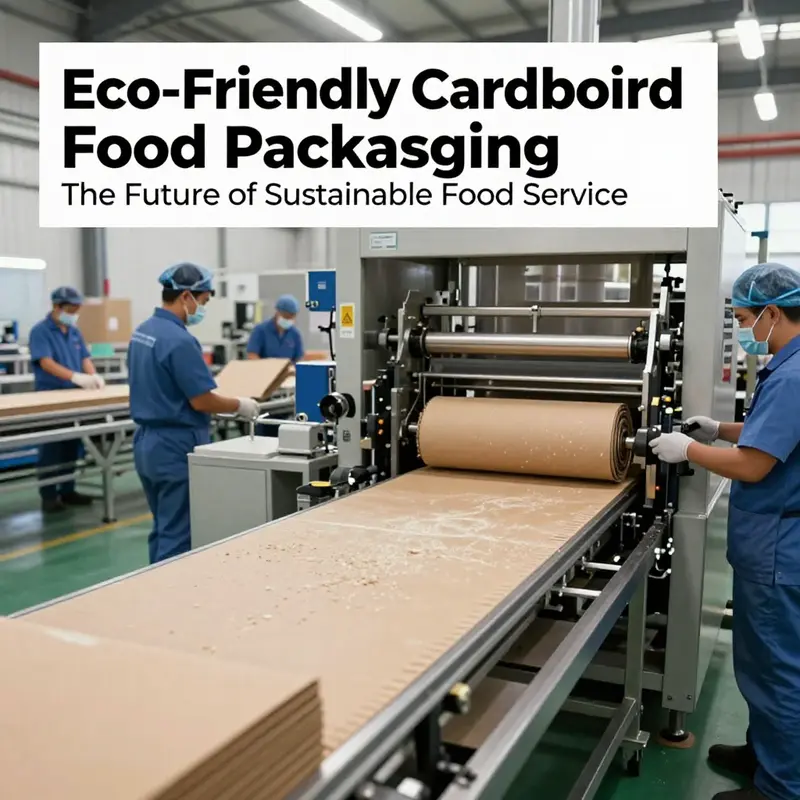
To ground these ideas in real-world practice, consider how a factory floor might implement a sustainable cardboard packaging program. The procurement decision often starts with a choice of core materials—kraft paper, corrugated stock, and paperboard—each selected for its balance of recyclability, thickness, and printability. The next step is to tailor coatings and surface finishes to meet the performance requirements of a given product category. For instance, boxes meant for bakery items may rely on grease-resistant coatings that are compatible with recycling streams, while boxes designed for wet foods may require barrier layers that still maintain recyclability. In both cases, the design team must ensure that the final product supports efficient separation and processing at the end of life. The ability to print with vibrant branding on one or both sides without compromising recyclability is an added advantage that supports market differentiation without creating a wasteful consequence.
The supply chain implications are equally important. A robust, scalable supply chain for eco-friendly cardboard packaging depends on reliable access to sustainably sourced raw materials, efficient conversion processes, and predictable logistics. The global dimension of this supply chain means navigating regional differences in forest management practices, recycling infrastructure, and consumer behavior. In places where recycling streams are mature, cardboard packaging can be a straightforward fit into local recycling programs. In regions where composting facilities are more prevalent, there is a greater openness to compostable coatings and bio-based barriers. The ability to harmonize these regional realities with universal design principles is what enables sustainable cardboard packaging to travel from a local initiative to a global standard.
The economic narrative is not one of idealism alone. It rests on concrete figures and strategic choices. When buyers consider large-scale orders, the unit costs can become very favorable, particularly when the packaging is designed for efficient production, minimal waste, and high durability. Sample programs, including test runs that help verify performance under real-world conditions, are essential to de-risking the transition to eco-friendly options. In practice, a typical supplier ecosystem may offer a spectrum of customization options—two-sided printing, logo embossing, spot finishes, and metallic effects—without compromising recyclability. The key is to balance branding ambitions with the practicalities of waste management and resource conservation. This balancing act is less about choosing one path and more about orchestrating a packaging solution that harmonizes performance, aesthetics, and end-of-life outcomes.
As the market evolves, so do the materials and processes that underpin sustainable cardboard packaging. For cornstarch-based materials, researchers and manufacturers are pursuing enhanced formulations that address moisture sensitivity through innovative barrier expectations, while maintaining the compostable promise. For kraft and paperboard, there is continual refinement in coatings and adhesives to optimize grease resistance, heat tolerance, and printability, all without creating barriers to recycling. This iterative progress is not a fringe benefit but a core driver of adoption. When brands can point to measurable improvements in recyclability rates, compostability, and supply chain resilience, their packaging decisions carry meaning beyond a single campaign or product line. The result is a packaging landscape that is not only better for the environment but also more adaptable to changing consumer preferences and regulatory requirements.
From the consumer perspective, the bang for the buck comes in the alignment of values and experience. Consumers increasingly seek products that reflect a commitment to the planet without sacrificing convenience, safety, or aesthetics. Eco-friendly cardboard packaging helps brands tell a story of stewardship, but the story becomes credible only when the packaging performs as expected in the hands of real people. That means reliable moisture management, predictable durability, and clear disposal guidance that translates into real-world action. The stronger the bridge between design intent and user experience, the more likely it is that sustainable packaging becomes a natural expectation rather than a prospective upgrade.
To illustrate how a practical, branded packaging solution can be made accessible without sacrificing sustainability, consider the role of customization in the eco-friendly packaging ecosystem. Suppliers can offer tailored configurations for different product categories—cakes, donuts, sushi, or mochi—while maintaining a focus on recyclability and compostability. The customization options extend to two-sided printing for brand messaging, spot UV for emphasis, embossing to create tactile appeal, and gold or silver hot stamping for premium presentation. The economic model supports this flexibility because the cost per unit can remain favorable when production is optimized for high-volume runs and streamlined finishing processes. The outcome is a packaging system that serves branding goals and environmental objectives in equal measure, a synergy that ultimately strengthens consumer trust and brand loyalty.
A final thread in this narrative concerns the disposal pathway. For businesses and consumers alike, choosing packaging with a clear end-of-life route reduces ambiguity and the risk of contamination in recycling streams. Education plays a critical role here: labels that explain whether a package is recyclable, compostable in industrial facilities, or suitable for home composting help ensure that the package completes its lifecycle as intended. When disposal guidance is straightforward and matches local infrastructure, the environmental benefits multiply. And when these practices become standard rather than exceptional, the cumulative impact on waste streams becomes meaningful. In this sense, sustainable cardboard packaging is not merely a material choice; it is a design philosophy that embeds responsibility into every phase of use—from the moment a box leaves the printer to the moment it re-enters the earth or the recycling system.
For those seeking concrete pathways to implementation, consider how one might couple the design objectives discussed here with a real-world sourcing and production strategy. A company could begin by selecting paperboard and corrugated substrates from responsibly managed sources, then pair these with coatings and inks that meet environmental criteria. Branding elements would be integrated through printing techniques that avoid heavy metals and minimize solvent emissions. The supply chain would be organized for just-in-time production and modular customization, enabling the company to switch between product lines with minimal waste. Crucially, the packaging would be designed with end-of-life in mind, ensuring that the majority of components can be recovered through recycling channels or composted in appropriate facilities. This approach is not a theoretical ideal but a practical roadmap toward a packaging portfolio that aligns with circular economy objectives while maintaining the performance and aesthetic expectations of a modern food business.
In sum, sustainable cardboard packaging stands at the intersection of materials science, design, and systems thinking. It embodies a philosophy that a box can protect what we eat, reflect the values of the company that sends it, and ultimately contribute to a healthier planet by staying within the loops of reuse and renewal. The journey from forest to consumer is not a straight line but a dynamic network of choices that influence forest stewardship, production efficiency, consumer behavior, and waste management. As production technologies evolve and recycling infrastructures expand, eco-friendly cardboard packaging becomes a more compelling foundation for a resilient, responsible food system. It is not merely an alternative to plastic; it is a practical embodiment of a society that aspires to privilege sustainability without surrendering function, beauty, or economic viability.
External reference: For a broader context on how packaging materials tie into sustainable waste management and policy considerations, see the U.S. Environmental Protection Agency resource on sustainable management of food waste and food packaging materials: https://www.epa.gov/sustainable-management-food-waste/food-packaging-materials
Internal reference: For a concrete example of customizable eco-friendly takeout packaging that merges practical functionality with branding, see this option focusing on multi-compartment, heat-tolerant, and visually engaging packaging solutions: eco-friendly disposable 3-compartment packaging.
Beyond Plastic Substitutes: Innovations that Redefine Eco-Friendly Cardboard Packaging for Food
A quiet revolution is reshaping the way the food industry thinks about packaging. Cardboard, once seen as a simple, disposable carrier, is emerging as a sophisticated, high-performance material capable of meeting stringent food-safety standards while advancing circular economy goals. The shift stems from a willingness to rethink every link in the packaging chain—from raw material choices to production methods, from branding opportunities to end-of-life outcomes. When designers and manufacturers embrace renewable resources, smarter barrier technologies, and modular design, cardboard packaging becomes more than a container. It becomes a statement about responsibility, efficiency, and the customer experience.
At the core of this transformation is a careful selection of materials. Recyclable and biodegradable cardboard options now dominate the landscape, drawing from both recycled paper and virgin wood pulp sourced from sustainably managed forests. Kraft paper, corrugated cardboard, and paperboard form the backbone of most food packaging applications, including takeout containers, pizza boxes, bakery boxes, and dry-food wraps. These materials are widely compatible with established recycling infrastructure, a practical advantage that helps divert waste from landfills and simplifies consumer participation in recycling programs. The environmental logic is reinforced by certifications and standards that validate both safety and sustainability. In particular, packaging solutions are increasingly aligned with regulatory frameworks and market expectations in major regions, where compliance translates into trust for foodservice operators and consumers alike.
The research surrounding these innovations highlights a growing emphasis on material efficiency without sacrificing performance. Renewable content remains central, but the industry is not content to rely on traditional stock alone. There is a lively push to incorporate post-consumer recycled fibers and to blend them with responsibly sourced virgin pulps that meet strict hygiene and safety requirements. This balance—between recycled content and responsibly managed input—helps reduce energy use, water consumption, and the carbon footprint associated with production. It also supports the broader push toward circular economies, where materials are kept in circulation and waste is minimized.
Yet eco-friendly cardboard packaging cannot ignore the challenges that come with barrier properties and moisture control. A promising branch of innovation explores cornstarch-based materials, known for their inherent biodegradability and potential to be engineered to meet specific performance criteria. The appeal is clear: a compostable alternative that can be tuned for rigidity, printability, and heat resistance. However, these materials face moisture sensitivity and a reduction in strength when wet, which can limit their use to certain food types or require protective coatings. The critical caveat is that any coatings must themselves be compostable and non-toxic if the packaging is to retain its eco-credentials. This has spurred ongoing research into barrier coatings that can withstand humidity and grease while breaking down cleanly in composting streams. The pace of improvement is steady, and the trajectory suggests that these coatings may become standard in more segments of the market over time, expanding the envelope of what is feasible in compostable packaging.
Industrial adoption offers another lens through which to view this evolution. Global manufacturers, with notable activity in regions such as China, are pushing the envelope on customization, scalability, and cost-effectiveness. The strategic logic is straightforward: tailor packaging to different foods, volumes, and branding needs while preserving the sustainability profile. Suppliers now routinely offer custom-designed boxes for cakes, donuts, sushi, and mochi, integrating brand logos, two-sided printing, and premium finishes such as spot UV, embossing, and metalized stamping. The economics reinforce feasibility. Bulk orders—think tens of thousands of pieces—can come in at remarkably low unit costs, with estimates sometimes in the range of a few cents per unit for very large runs. This, in turn, lowers barriers for small and large buyers alike, especially when paired with sample programs and secure payment platforms that simplify procurement and risk management.
Cost efficiency and customization feed into a broader narrative about consumer understanding and disposal. As demand grows, the market is increasingly asking providers to be explicit about material grades, performance characteristics, and end-of-life pathways. Brands that educate consumers on proper disposal—whether through in-store guidance or packaging inserts—can improve recycling rates and reduce contamination in the recycling stream. This educational aspect is not merely about avoiding mistakes; it is about empowering consumers to participate meaningfully in a circular system. In parallel, production innovations are driving down costs and improving functionality. Efficiency improvements—from pulp handling to coating application and printing—reduce waste and energy use, further strengthening the case for cardboard packaging as a long-term, scalable solution.
From a materials science perspective, several converging threads are redefining what is possible. The production of recyclable and biodegradable cardboard that preserves structural integrity while cutting environmental impact is now more sophisticated than ever. In many cases, these materials are certified to meet stringent food-safety standards and environmental regulations that govern global markets. The FDA’s general framework for food contact materials—illustrated by references to sections like 21 CFR 176.170—and European regulatory concepts such as Extended Producer Responsibility (EPR) are guiding product development and market access. Such certifications offer reassurance to manufacturers distributing across borders, reducing regulatory friction and enabling a more rapid adoption of innovation. The result is a packaging ecosystem where safety and sustainability are not trade-offs but two dimensions of the same design problem.
A central feature of this evolution is the opportunity to blend function with branding in ways that were harder to do with plastics alone. The material’s printability has become a competitive advantage. Modern eco-friendly cardboard boxes now routinely feature high-fidelity customization: two-sided printing, color-rich logos, and finishes that catch the eye in retail spaces and food-service environments alike. Finishing options—spot UV, embossing, and gold or silver hot stamping—are not afterthoughts; they are integral to brand storytelling. When applied to packaging designed for multiple sizes—from sandwich boxes to cake boxes—these finishing techniques create a consistent and recognizable visual identity. The result is packaging that operates as a marketing channel as much as a protective vessel. This elevates the packaging from a cost center to a strategic asset, reinforcing brand value while aligning with sustainability goals.
The performance story is equally compelling. Modern eco-friendly cardboard containers are engineered to hold a wide variety of foods—hot dogs, sandwiches, salads, and beyond—while delivering barrier properties that significantly exceed those of conventional paper trays. In many designs, moisture resistance is described as twice as effective as traditional paper trays, a testament to advances in barrier coatings and substrate engineering. The practical upshot is that contents remain uncompromised for longer periods, supporting extended service windows in takeout contexts and aiding operational workflows in busy kitchens. In parallel, weight reductions are notable: these boxes can be about 20% lighter than traditional plastic alternatives, contributing to lower transportation emissions and improved payload efficiency. This is not merely a small step; it represents a meaningful shift in the life-cycle carbon footprint of takeout packaging.
If the story stopped there, it would already be a compelling narrative. What makes the present moment unique is the move toward dual-use flexibility. Packaging designs are increasingly conceived to serve both commercial kitchens and home use, with durability aligned to 24-hour scenarios under demanding conditions. The same box that can withstand a fast-paced cafe environment can also perform in a consumer household, turning a once single-purpose product into a modular solution. This flexibility is a practical embodiment of circular economy principles: fewer SKUs, easier logistics, and greater reuse potential across different use cases. The resulting design philosophy emphasizes not only performance and sustainability but adaptability—an essential attribute in a market that encompasses cafes, bakeries, meal-prep services, and households alike.
Regulatory alignment rounds out the holistic approach to innovation. Global compliance assurance is increasingly built into the development cycle, not added as an afterthought. By meeting standards such as EU EPR and FDA guidelines, manufacturers can distribute packaging across diverse regions with confidence. This alignment reduces the risk of product withdrawals or market barriers and supports a smoother, more predictable supply chain. It also signals a maturation of the eco-friendly cardboard sector: a field that has progressed from niche novelty to mainstream solution, capable of meeting the demanding requirements of modern food safety regimes while delivering tangible environmental benefits.
Together, these threads—material strategy, barrier performance, branding opportunities, consumer education, modular design, and regulatory alignment—point to a future in which packaging design is inseparable from a company’s sustainability narrative. The packaging you hold in your hands or place on a restaurant counter is increasingly a product of deliberate choices about where materials come from, how they are processed, and what happens to them after use. The packaging becomes a story about stewardship, efficiency, and trust, told in layers of fiber, ink, and finish rather than in plastic and single-use waste.
For brands seeking practical pathways to implement these ideas, the field now offers a spectrum of options that balance cost, performance, and message. Suppliers provide customizable, eco-friendly cardboard solutions that are tailored to specific food formats, volumes, and branding requirements. The ability to maintain color, clarity, and structural integrity across various sizes supports a consistent identity, while the packaging’s end-of-life characteristics reflect a commitment to environmental responsibility. In practice, this means choosing substrates that optimize recyclability, selecting coatings that protect against moisture and grease yet remain compostable, and leveraging design elements that reinforce a brand’s mission through every interaction with the product.
In this landscape, a practical path forward involves recognizing the interdependence of material science, design, and policy. The standards that certify food safety and environmental performance are not static; they evolve as new formulations and processes prove their worth. This makes the role of cross-disciplinary collaboration essential. Material scientists, process engineers, packaging designers, brand managers, and compliance professionals must coordinate to ensure that innovations deliver on multiple fronts: safety, function, aesthetics, and sustainability. When this alignment occurs, cardboard packaging becomes not only a credible alternative to plastics but a smarter, more resilient option capable of supporting a circular economy in a world of growing demand for convenient, reliable, and responsible food packaging.
The chapter you’ve read is more than a survey of new materials or clever finishes. It captures a paradigm shift in how the industry views packaging—from a passive container to an active contributor to a brand’s story and a community’s environmental health. As consumer expectations tighten and regulatory scrutiny intensifies, the packaging that surrounds our meals will continue to evolve in ways that honor both performance and the planet. The path is clear: invest in materials that are renewable, compatible with established recycling systems, and capable of supporting scalable, customized designs; pursue barrier improvements that keep foods fresh while remaining compostable; and embrace finishes and branding that differentiate products without compromising sustainability. In doing so, the industry can deliver packaging that feeds people today and preserves resources for tomorrow.
From a consumer perspective, this progression translates into tangible benefits: safer food-contact materials, clearer disposal guidance, and packaging that communicates a company’s environmental commitments. For operators, it means a more efficient supply chain, reduced waste, and the potential to tell a stronger sustainability story on every box, bag, and carton. For the planet, it means less plastic leakage, more recovery through recycling and composting, and a design ethos that treats materials as assets rather than waste. The momentum is real, and the innovations are substantive. The result is a packaging ecosystem where cardboard not only competes with plastics on performance and cost but often surpasses it in end-to-end environmental impact and brand value.
To explore practical examples of how these ideas are realized in market-ready products, consider the growing availability of customizable, eco-friendly takeout packaging. Many suppliers now offer options that combine robust mechanical performance with print-ready surfaces and sustainable coatings. The point is not simply to replace plastic with cardboard, but to reimagine the entire packaging experience—from how it looks on the shelf to how it behaves during transit and how it is disposed of after use. The opportunity is to create packaging that is not only fit for purpose but also aligned with a customer’s ethical and environmental expectations. This is where the packaging industry is heading: toward materials and designs that harmonize safety, performance, and sustainability in a way that redefines what “green” can mean in the context of everyday food experience.
For further context on how these trends translate into specific product configurations and branding opportunities, see the eco-friendly takeout boxes for food packaging resource. By examining real-world examples, brands can glean practical approaches to combining durability, aesthetics, and environmental responsibility in a single packaging solution. This intersection of form and function is where the next generation of cardboard packaging earns its place in the modern food system.
External reference: https://www.alibaba.com/product-detail/HENGTONG-Custom-Hot-Dog-Box-Disposable_1600498375337.html
null
null
Final thoughts
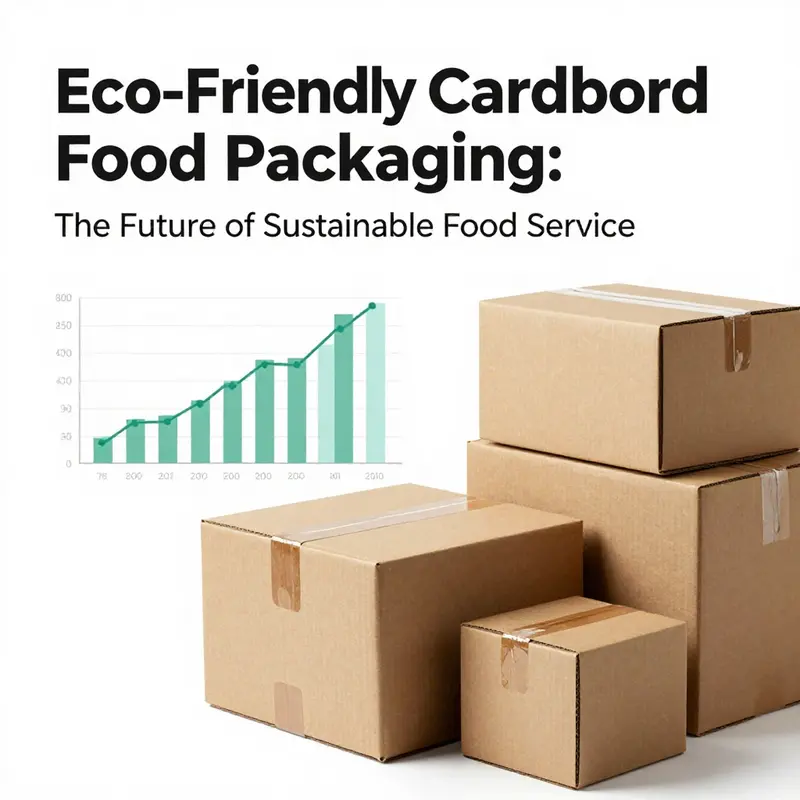
The transition to eco-friendly cardboard food packaging is more than just meeting consumer demand; it’s about paving the way for a sustainable future in the food industry. By understanding the sustainable materials available, staying updated on technological innovations, and recognizing market trends, bubble tea shops, restaurants, food trucks, and catering services can make informed decisions that not only benefit their bottom line but also contribute to reducing environmental impact. As we all become more conscious of our ecological footprint, embracing sustainable practices is not just advantageous—it’s imperative for long-term success.