
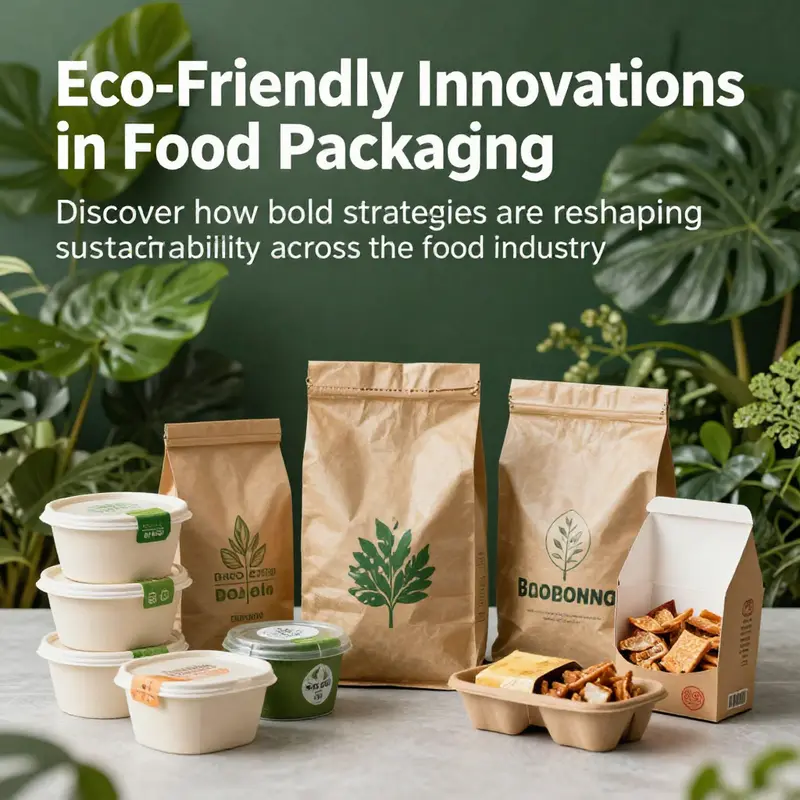
As the food industry evolves, environmental concerns have moved to the forefront of consumer demand. Food companies are embracing eco-friendly packaging to meet sustainability expectations while maintaining quality. In this narrative, we explore three standout leaders: Loop’s reusable packaging, Nature’s Path’s innovative compostable solutions, and Purity Organic Foods’ commitment to biodegradable materials. By examining their strategies, we aim to inspire bubble tea shops, beverage chains, and catering services to consider similar sustainable practices in their operations.
Circular Visions: How Loop and Global Brands Redesign Food Packaging for a Greener Future
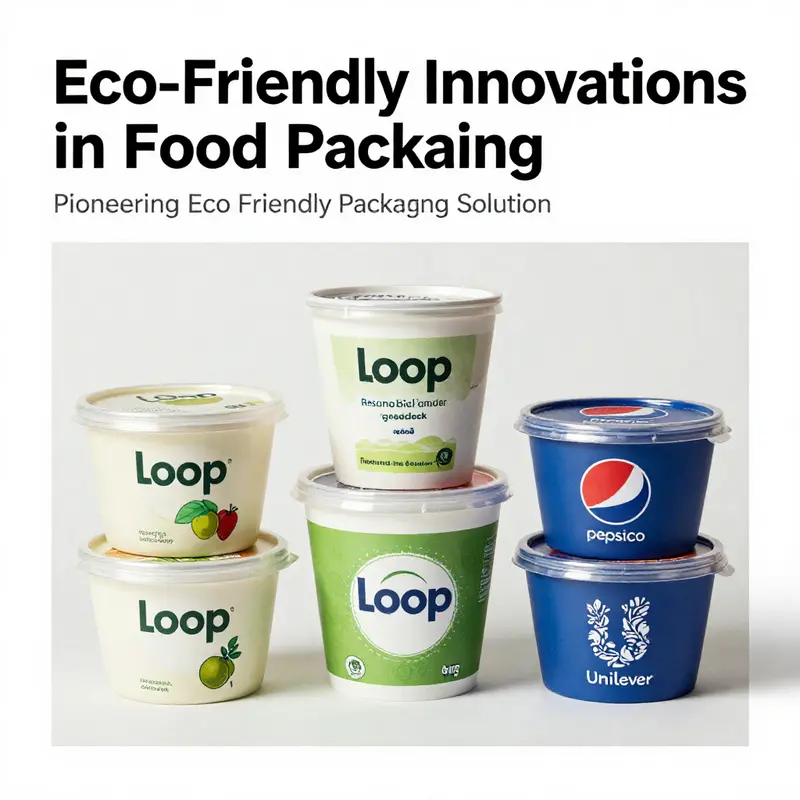
A new logic is quietly remaking the shelves and the supply routes that feed our kitchens: packaging designed for reuse, refurbishment, and gradual return to the system rather than one time disposal. At the center of this shift stands Loop, a manifold experiment in circular economy thinking that expands beyond a single product category to reimagine how consumer goods travel from producer to home and back again. What makes Loop compelling is not merely the novelty of reusable containers, but the orchestration of a multi-brand, multi-country ecosystem that treats packaging as a shared asset rather than a disposable input. In collaboration with a constellation of brands, Loop has tested a model in which products arrive in durable vessels—stainless steel, glass, and carefully selected high quality plastics—that are collected, cleaned, and refilled again and again. The containers themselves are not the end point of a product’s journey; they are the scaffolding for a closed loop that aims to reduce the flood of single use waste while maintaining product safety, shelf life, and the convenient experiences consumers expect. The practical implications of this model extend far beyond a single marketing campaign. They require a rethinking of packaging design, supply chain logistics, consumer behavior, and regulatory alignment, all in a way that can scale across categories, geographies, and time horizons.
The engine driving this transformation is a blend of ambitious partnerships and disciplined systems. Loop functions by embedding a circular packaging system into the existing distribution networks of major brands. Rather than shipping products in disposable containers, these brands place products in durable, reusable packaging that is returned, sanitized, and put back into circulation. The materials chosen for these containers—stainless steel, glass, and high quality plastics—are selected not only for their durability but for their compatibility with repeated cleaning cycles, their ability to resist moisture and contamination, and their amenability to end of life management when they eventually retire from service. The logistical choreography is intricate: dedicated collection points, standardized cleaning protocols, inspections for hull integrity, and refilled inventories that rotate back into the system. The aim is a predictable, closed-loop flow that reduces the reliance on virgin plastics and minimizes the energy and water footprints associated with single-use packaging throughout its life cycle.
To understand why such a system matters, it helps to consider the broader regulatory and market environment that has begun to favor circular packaging strategies. In many regions, policymakers are tightening the screws on disposable packaging through measures like the EU Single-Use Plastics Directive and similar initiatives in other jurisdictions. These policies push manufacturers to rethink packaging formats, switch to recycled content, or adopt reusable models where feasible. The regulatory pressure is not a mere compliance concern; it signals a market-wide revaluation of material choices, waste handling, and the true cost of disposal. In response, brands are increasingly turning to recyclable paper and cardboard for short-term packaging layers—boxes, wraps, and inserts—that can be recycled at high rates and reintroduced into fiber streams with minimal degradation. In theory, paper fibers can be recycled multiple times, with estimates suggesting fiber degradation in the 7–10 cycles range before performance begins to wane. This makes paper-based materials attractive for outer packaging and internal wrappers where durability and printability are critical, while still allowing a meaningful reduction in deforestation and energy use in production when compared with some conventional paper sources.
Yet the transition to forest-to-fiber alternatives is not without nuance. While short-term paper packaging is widely recyclable and (in many places) compostable, it also comes with constraints. Coatings, inks, and barrier layers can complicate recyclability or impede compostability. Even when recycling is technically feasible, actual recovery rates hinge on the efficiency of local waste streams and consumer participation. Energy use and water consumption in fiber processing can be significantly lower—estimates often indicate up to 50 percent reductions for certain paper-based packaging—yet these savings must be weighed against the energy and water demands of coatings, adhesives, and lamination processes that are sometimes necessary to achieve moisture resistance or oxygen barriers. The balance is delicate, and the optimal composition depends on the product, the storage conditions, and the distribution channel.
For products with longer shelf lives or those exposed to challenging storage environments, durable containers remain a central pillar of packaging strategy. Recyclable plastics such as HDPE and PET, as well as aluminum, offer robust moisture resistance and mechanical integrity that are essential for proteins, powders, and nutraceuticals. These materials are widely accepted in recycling programs, though their actual recycling performance is variable across regions due to differences in collection infrastructure, contamination rates, and market demand for recycled content. The Loop model embraces these materials where they best serve the product’s safety and shelf life; the circular aspect, however, remains the same principle applied to different container families. The challenge is not simply to reuse; it is to avoid compromising product integrity or creating new waste streams that offset the gains of reuse. Contamination, for instance, is a persistent hurdle in recycling streams, and moisture intrusion can degrade plastics or paper fibers if the system is not meticulously managed. As a result, even recyclable containers must be paired with reliable cleaning protocols, efficient logistics, and accurate labeling so that end-of-life processing remains straightforward and effective.
In addition to these more traditional materials, there is growing interest in plant-based and compostable alternatives for specific applications, particularly for powders, spices, and organic products with shorter shelf lives. Plant-based plastics derived from corn starch, cellulose, or polylactic acid (PLA) polymers offer fully biodegradable and compostable solutions under industrial composting conditions. The promise is compelling: packaging that breaks down into benign residues rather than contributing to long-lived plastic waste. But the reality is nuanced. Industrial composting facilities, which are required for the most reliable decomposition, are not universally available, and humidity sensitivity can affect performance. In humid or wet environments, or in places without appropriate disposal infrastructure, these materials may face significant degradation or may not compost as intended. This underscores a central theme in modern packaging innovation: the optimal solution is not a single material but a system that aligns product characteristics, supply chain capabilities, consumer behavior, and waste management infrastructure.
Alongside these plant-based options, composites that blend paper with thin bioplastic liners attempt to strike a compromise between moisture resistance and recyclability. Such composites can reduce the need for heavy plastic coatings while still offering barrier properties important for certain foods. They illustrate an ongoing design conversation about how to achieve functional performance without locking a product into a single, non-recyclable solution. The push toward these hybrids reflects a broader strategic shift: the packaging landscape is becoming a spectrum rather than a dichotomy, with choices calibrated to lifecycle performance, regional recycling realities, and the economics of supply chains that serve global brands.
The Loop experience, and the exposure it provides to major brands, also highlights the economic calculus that often accompanies sustainable packaging choices. Brands are not pursuing eco-friendly packaging merely to appease regulators or to win favorable press; they are integrating these approaches into broader business strategies. Reusable packaging, when scaled, can lower long-term material costs, improve supply chain resilience, and contribute to stronger brand narratives around responsibility and care for the environment. The cost picture is complex. Initial outlays for durable vessels, cleaning infrastructure, and return logistics can be substantial. Over time, however, the per-use cost of a reusable container tends to decline as utilization rates rise, and as materials endure more cycles. The real economic payoff comes from the ability to decouple product distribution from virgin material consumption, thereby moderating exposure to volatile plastic prices and reducing end-of-life disposal liabilities.
The narrative around Loop is not just about a clever logistics model; it is also about consumer experience and trust. Refillable, durable packaging can offer a premium feel and a sense of stewardship if designed and communicated well. It invites customers to participate in a shared responsibility—an invitation that reframes consumption as a collaboration rather than a linear transaction. Yet to translate this into everyday behavior, brands must invest in clear messaging, convenient return options, and reliable, hygienic cleaning processes that reassure customers their food remains safe and fresh across multiple cycles. The emphasis on safety and reliability is critical because packaging is, above all, a guardian of quality. In a world of rising consumer expectations for sustainability, packaging must deliver a consistent performance that respects both the product and the environment, without introducing friction into the purchase experience.
The Loop model also resonates with broader examples in the food space that demonstrate complementary paths to sustainability. Consider a cereal brand that has chosen compostable packaging from plant-based materials for its outer wrap and inner liners. The goal here is to align packaging with waste management infrastructures that favor composting or high recycling efficiency, while ensuring that shelf life and product integrity are preserved. Another example involves snack makers transitioning to recyclable materials for their wrappers and using uncoated, bio-based fibers for secondary packaging. These shifts illustrate how the market can pursue parallel avenues—reusable systems for some items, compostable or highly recyclable formats for others—so that the collective impact on waste streams is meaningful and measurable. Taken together, these movements reveal a packaging ecosystem that is becoming more adaptive, more transparent about trade-offs, and more ambitious in its ambitions for circularity.
An important part of understanding this evolution is acknowledging the infrastructural realities that underlie any circular packaging strategy. Reuse programs require clean, reliable sanitation processes, digital tracking to ensure containers are returned and circulated efficiently, and standardized specifications so that vessels from different brands are interoperable. This interoperability is essential to scale; without it, the system risks fragmentation, higher leakage rates, and diminished consumer confidence. Moreover, the environmental advantage hinges on the entire chain—from production and distribution to cleaning, refilling, and final disposal. If any step in the loop becomes a bottleneck, the predicted gains can erode. Consequently, ongoing collaboration across brands, waste management entities, regulators, and researchers is not optional but essential. The Loop model embodies this cross- sector collaboration, seeking to align incentives and define shared metrics for success, including waste diversion rates, energy and water footprints, and the durability and safety margins of returnable packaging.
In practice, consumer willingness to participate is influenced by convenience, perceived value, and trust in the system. For some, the repeat-use proposition is inherently attractive: a durable container that feels premium, a simple return mechanism at a nearby store, and the satisfaction of contributing to a cleaner environment. For others, habit and convenience dominate, so the success of reusable systems depends on minimizing friction. The design challenge, then, is to integrate reuse into daily routines with as little extra effort as possible. This can mean standardized drop-off points at retailers, clear labeling that communicates how to return containers, and incentives that reward participation rather than penalize noncompliance. It also means ensuring that the cleaning and inspection steps do not introduce quality concerns that could undermine trust in the product or the brand. When done well, reuse becomes not a burden but a familiar, almost invisible, part of the shopping experience.
The story of Loop and its partners is not merely about clever logistics or clever materials; it is about a shift in mindsets at the scale of multinational supply chains. Brands that adopt circular packaging are, in effect, committing to a model where the environmental cost is tracked and mitigated across many cycles rather than concentrated in the moment of consumption. This reframing has implications for product design, supplier selection, and even brand architecture. Packaging decisions ripple into marketing propositions, carrier agreements, and capital budgeting. They influence where a product is manufactured, how it is distributed, and how end-of-life options are communicated to consumers. In a market that increasingly values transparency and accountability, these choices become differentiators that can strengthen a brand’s social license to operate while catalyzing broader industry change.
For readers who want to glimpse the practical realities of adopting eco-friendly packaging in real-world operations, the broader catalog of takeout and packaging options offers useful context. One such example includes a range of environmentally mindful takeout containers that balance usability with sustainable design. These options, while diverse in form and material, share a core objective: to reduce single-use waste without compromising food safety or consumer convenience. If you are exploring how a food service operation might begin transitioning toward a circular or more sustainable packaging strategy, consider how these designs could be integrated with a reusable loop concept or feeders into a robust recycling or composting stream. The journey from concept to scale is iterative and requires a clear mapping of the product’s lifecycle, the end-of-life pathway, and the incentives that will sustain participation across households, retailers, and waste facilities. To explore practical packaging options that align with a sustainability-forward mindset, you can review examples such as the eco-friendly takeout containers and related packaging solutions available at this resource: eco-friendly takeout packaging options.
The implications of Loop and its allied shifts in packaging extend beyond the food aisle. They point to a larger transition in how consumer goods are conceived, produced, and disposed of. If circular packaging can be scaled across categories—from beverages to household goods to personal care—the cumulative effect could be a measurable reduction in resource depletion, landfill usage, and greenhouse gas emissions. This is not a utopian forecast but a practical trajectory grounded in the realities of manufacturing capabilities, consumer behavior, and policy signals. The path forward will require continual experimentation, rigorous measurement, and a willingness to rethink long-standing norms about waste. It will also demand a shared commitment to reimagining what it means to package, sell, and consume in a world where materials matter as much as the products themselves. In that sense, Loop and the major brands backing this approach are not simply testing a packaging solution; they are testing a new operating system for the food industry—one in which products travel lighter, smarter, and with a renewed sense of responsibility for the next hand that will hold them.
External resources and ongoing industry conversations underscore that this is a living experiment, one that will evolve as technologies, regulatory landscapes, and consumer expectations shift. The Loop model, with its emphasis on collaboration and closed-loop thinking, embodies a framework that can adapt to emerging barriers and opportunities. It invites us to observe not just the end product, but the entire lifecycle, from raw material sourcing to the final reentry of a container into the system. As brands continue to push the boundaries of what is possible, the packaging landscape will likely become more modular, more standardized, and more capable of delivering both environmental benefits and consumer satisfaction. The next chapters will examine how suppliers, retailers, and policymakers navigate this transition, and what learnings from the Loop experiment reveal about designing packaging systems that endure rather than dissolve after a single use.
For readers seeking deeper context on Loop’s environmental commitments and network of partners, an external overview provides valuable perspective on how such collaborations catalyze systemic change: https://loopstore.com
Nature’s Path Forward: Compostable Packaging as a Blueprint for Sustainable Food Brands
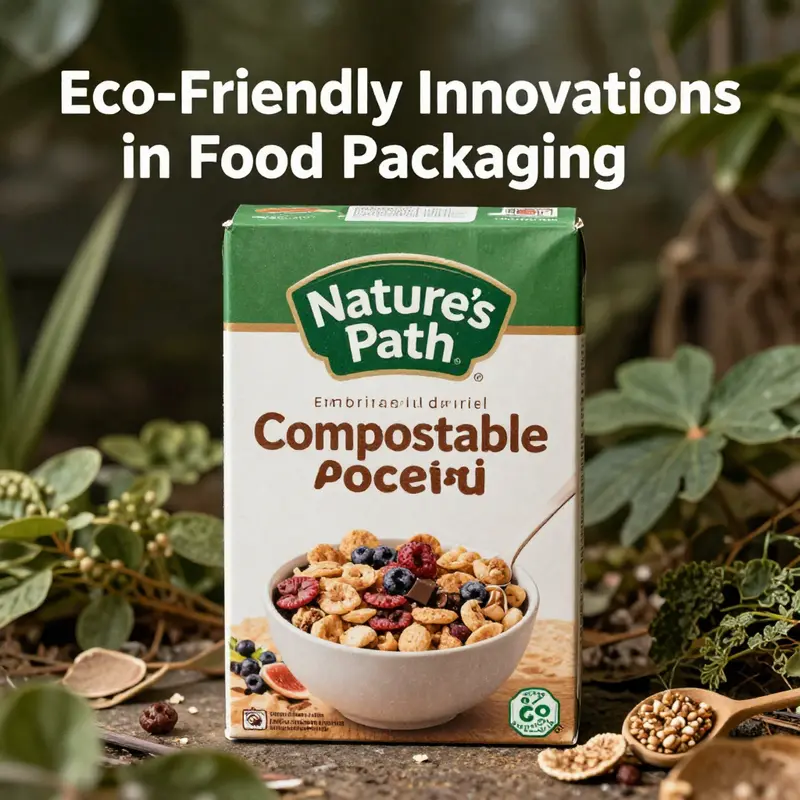
A quiet, steady shift is reshaping how the food industry thinks about packaging. It is a shift not only in materials but in philosophy—a move from single-use convenience toward waste that returns to the system as something useful. Nature’s Path sits at a compelling intersection of these ideas. As a brand rooted in organic farming and sustainable practices, it has pursued a packaging trajectory that treats the wrapper as part of a life cycle rather than a temporary wrapper on a shelf. The company’s embrace of compostable packaging is less about chasing a trend than about aligning packaging decisions with the principles its customers expect: transparency, safety, and responsibility across the entire supply chain. In this light, compostable packaging becomes more than a material choice. It is a signal about how food brands can participate in a circular economy while preserving product integrity and consumer trust. The broader narrative includes a spectrum of solutions—from reusable containers and take-back schemes to plant-based films that break down in the right facilities—but the through line is consistency: packaging should minimize harm, and when harm is inevitable, it should be recoverable, non-toxic, and traceable back to its origins and end uses.
Compostable packaging rests on a simple but powerful idea: the materials used to wrap and protect foods can re-enter the soil in a controlled, beneficial way. Films and laminates made from plant-based polymers, such as polylactic acid (PLA) derived from cornstarch, or cellulose-based films, are designed to decompose in industrial composting facilities. In practice, that means the packaging breaks down into water, carbon dioxide, and biomass, leaving no persistent microplastics or toxic residues. The science behind these materials is increasingly robust, and so is the regulatory and labeling framework that helps consumers dispose of them properly. For Nature’s Path and others who share its ethos, this is not a marketing gimmick. It is a deliberate effort to close the loop on packaging waste and to reduce the footprint of organic foods from production to post-consumer disposal. When the system is designed this way, compostable packaging becomes a credible, scalable option that can coexist with safety standards, shelf life requirements, and the realities of grocery supply chains.
The materials themselves matter, but so do the details of how they are manufactured, labeled, and processed after use. Compostable films and boards must meet certifications that users can trust. In many markets, this means third-party verification from bodies that assess compostability under industrial conditions. For Nature’s Path, these certifications function as a bridge between consumer confidence and the complex realities of waste management infrastructure. Clear, accurate labeling is essential because not all compostable packaging is alike. Some materials break down only in specific industrial facilities using particular temperatures, moisture levels, and composting durations. Others may require longer composting cycles or more controlled environments. A labeling scheme that communicates the facility type and the expected end-of-life outcome helps prevent contamination of compost streams and ensures that the intended environmental benefits are realized.
Consumer education fits into this picture as a practical necessity. The decision to purchase a product with compostable packaging signals a consumer commitment to responsible disposal, but that intent must be supported by accessible disposal options. Urban and suburban waste systems differ wildly in their composting capabilities, and not every community can process every type of compostable film or container. This disparity places a premium on collaboration across sectors: packaging developers, retailers, municipalities, and compost facilities must work together to build predictable, reliable end-of-life pathways. Nature’s Path recognizes that its customers might not have the same access to industrial composting everywhere. As a result, the company emphasizes labeling that specifies whether home composting is feasible or if industrial facilities are required. In many cases, home composting remains ill-suited to the performance of certain compostable plastics, which can lead to failures in the composting stream if not managed properly. Transparent guidance helps consumers make informed decisions and reduces the risk of cross-contamination with conventional recycling or waste streams. This careful attention to disposal realities is part of a broader shift in consumer expectations: products that deliver their benefits while respecting the limits of waste infrastructure.
From the perspective of product design, compostable packaging also pushes the envelope on barrier properties and shelf stability. Organic cereals, snacks, and frozen foods demand packaging with adequate moisture and oxygen control to preserve freshness and safety. Plant-based polymers have made impressive strides in meeting these functional requirements, often by combining multiple layers or using innovative blends that balance rigidity, film-forming properties, and heat tolerance. The industry’s progress here is not merely about substituting one material for another; it is about rethinking the role of each layer in the package. Is a laminate necessary for a given product, or can a simpler, compostable structure deliver the same performance? The answer varies by product category, but the ongoing research and real-world testing have yielded packaging solutions that perform on par with conventional plastics while offering a clear end-of-life advantage. In Nature’s Path’s case, the goal is to protect the integrity of organic ingredients from production through distribution while ensuring that packaging does not linger in landfills longer than the product itself.
An important dimension of the compostable packaging story lies in the labeling ecosystem. The Biodegradable Products Institute (BPI) and other certification bodies have emerged as essential arbiters of what “compostable” means in practice. Certification assures retailers and consumers that the packaging will break down in facilities designed to handle compostable materials, and that it will do so without leaving toxic residues. For Nature’s Path, certification signals a trustworthy environmental claim in a market crowded with green-sounding rhetoric. It also aligns with organic and regenerative farming values, where the stewardship of biodiversity, soil health, and water resources is inseparable from packaging decisions. The combination of material science, rigorous testing, and third-party validation creates a credible pathway for brands that want to pursue ambitious environmental goals without compromising food safety or supply reliability.
While the science and policy environments support compostable packaging, the operational realities of supply chains remain a central challenge. Sourcing compostable materials at scale requires stable feedstock supplies, reliable manufacturing partners, and predictable logistics. This is where collaborations and industry networks become especially valuable. The broader movement toward compostable packaging benefits from shared standards and pooled procurement strategies that help smaller brands access high-performance materials without negotiating bespoke contracts. In practice, such collaborations also support the scaling of composting infrastructure. When more packaging is designed to return to compost, municipalities have a clearer incentive to invest in industrial facilities, and waste haulers can optimize streams to maximize contamination-free compost output. Nature’s Path’s approach shows how a brand can influence these ecosystems by demanding high standards, engaging in formal certifications, and communicating clearly with consumers about how to dispose of its packaging. The result is a more predictable system in which the environmental benefits are realized rather than speculated about.
Ultimately, compostable packaging is part of a larger ambition to harmonize food production with the Earth’s ecological limits. The food sector consumes resources at a pace that demands vigilance and creativity. The shift to compostable packaging complements other strategies—such as reusable systems and refill models—that aim to reduce the volume of packaging entering the waste stream in the first place. Loop, for example, demonstrates how durable, reusable containers can re-enter circulation multiple times, moderating the demand for virgin materials. Compostable packaging, meanwhile, addresses the end-of-life phase, ensuring that the packaging itself becomes a resource rather than a burden. In tandem, these approaches reflect a portfolio mindset: different packaging solutions tailored to different product profiles, distribution realities, and consumer preferences, all designed to minimize environmental impact while preserving the safety and quality of the foods.
For Nature’s Path and its peers, the journey toward compostable packaging is not a destination but a continuing dialogue with science, policy, and society. It invites brands to articulate a credible theory of change—how packaging choices reduce waste, preserve soil health, and support sustainable farming practices without compromising the consumer experience. The narrative is reinforced by consumer demand for transparency and by regulators who increasingly scrutinize single-use plastics and encourage alternatives that fit local waste-management infrastructures. The outcome is a more resilient food system where packaging waste becomes a feedstock for compost, and where the relationships among farmers, manufacturers, retailers, and waste facilities are oriented toward shared stewardship. In this sense, Nature’s Path’s compostable packaging strategy serves as a blueprint not only for organic brands but for the broader food industry seeking responsible, scalable solutions that align with a growing cultural and environmental imperative.
The practical implications for other brands are meaningful. Compostable packaging challenges designers to rethink layers and barriers, while emphasizing the importance of lifecycle thinking. It invites retailers to educate shoppers about disposal options and to invest in infrastructure that supports industrial composting. And it invites policy makers to consider standards that ensure compostability claims are verifiable and meaningful in real-world contexts. Taken together, these elements create a more coherent, accountable system where materials flow back into cycles rather than piling up in landfills. Nature’s Path, in embracing this paradigm, offers a narrative of ambition backed by evidence: compostable packaging that protects product integrity, aligns with organic farming principles, and contributes to soil regeneration. The result is not only a more sustainable box or bag. It is a statement about the kind of food system we want for future generations—one in which packaging completes a cycle rather than concluding a linear chain.
As we reflect on this chapter of the broader story, it becomes clear that compostable packaging is a critical piece of the puzzle for food brands seeking long-term resilience. It is not a solitary solution but part of a spectrum of proven approaches, including reusable systems and smarter material science. The overarching aim remains consistent: minimize harm, maximize resource recovery, and maintain the trust that customers place in brands that commit to environmental responsibility. Nature’s Path demonstrates that this is achievable without sacrificing flavor, freshness, or safety. In the end, the packaging choice becomes a daily reminder that sustainability is a lived practice, not a marketing slogan, and that thoughtful design can turn waste into a resource for healthy soils, thriving ecosystems, and a more conscious food system.
Internal reference for further exploration: eco-friendly takeout boxes for food packaging.
External resource for deeper understanding of compostable packaging: https://www.sgs.com/en/insights/articles/compostable-packaging-a-comprehensive-guide
From Biodegradable to Recyclable: An Organic Brand’s Packaging Transition in a Circular Bioeconomy
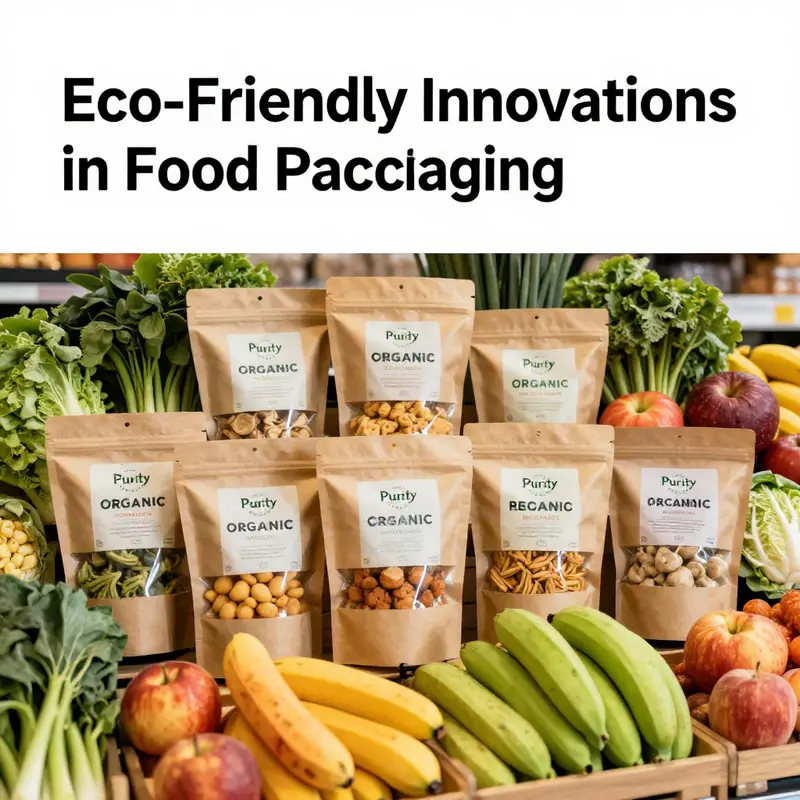
Packaging in the food industry is no longer simply about keeping products fresh and protected; it has become a frontline in the fight against plastic pollution and a test bed for the viability of a circular bioeconomy. In the segment of organic foods, a leading cereal brand has publically embraced a transition that mirrors a broader industry push: moving away from linear, single-use plastics toward materials and systems that can be recycled, composted where facilities exist, and integrated into a regenerative loop. The narrative here is not about a single material triumph but about the design logic that underpins a new packaging architecture. It asks: how can a brand sustain safety, shelf life, and performance while steering waste streams toward reuse, recycling, or composting? The answer lies in an increasingly sophisticated mix of bio-based polymers and clever supply chain strategies, all calibrated to regional waste infrastructure and consumer behavior. What follows traces the arc of this transition, weaving together material science, logistical realities, and the social dimension of consumer engagement that makes sustainable packaging more than a green claim—it makes it a practical, scalable practice.
At the core of this shift is a move toward biomass-based alternatives that can stand in for traditional fossil-based plastics without compromising food safety. Among the most discussed options are polylactic acid, or PLA, derived from cornstarch, and pure cellulose, both positioned as strong candidates for layers that protect, separate, and brand products while offering pathways to end-of-life processing beyond conventional plastics. PLA has emerged as a mainstream option for a range of packaging applications such as sandwich wraps, snack bags, and branded eco-packaging due to its non-toxic character and its potential to be composted under industrial conditions within a few months. Yet every advantage comes with caveats. The industrial composting landscape is uneven. Not every facility accepts PLA, and where it is accepted, the process must be carefully managed to ensure the material reaches the right stream. This creates a real risk if labeling is ambiguous or if consumer disposal behavior does not align with facility capabilities. A brand that is truly serious about sustainable packaging cannot rely on a single solution; it must design for variability in disposal pathways and create incentives for proper end-of-life processing. In practice, this means clear, consistent communication with consumers about what to do with each packaging type and an ongoing coordination with waste infrastructure providers to understand which streams are open in which markets.
Another material that has gained traction is pure cellulose, a packaging option that can offer robust barrier properties, natural origins, and a high level of compatibility with recycling streams where facilities handle cellulosic fibers. Pure cellulose can be engineered to resist moisture while still staying within the compostable or recyclable paradigms that many consumers expect. This alignment matters because it directly influences the product’s shelf life and sensory integrity. When a cereal brand moves to cellulose-based packaging, it also sends a signal about its commitment to natural materials and end-of-life responsibility. Yet cellulose is not a panacea. Its performance under heat and during hot-fill processes can be limited, and, like PLA, it depends on a disposal system that can accept and properly process it. The message to consumers shifts from “biodegradable equals good” to “material choice must match disposal capability and product safety.” That is a more nuanced standard, but one that better reflects the realities of recycling and composting infrastructure dissimilarities across regions.
A further option in the transition toolkit involves blends like PBAT and starch-based formulations. These materials are designed to be more flexible in end-of-life processing and can support packaging for snacks and convenience formats that previously relied on conventional plastics. In a lab-to-shelves sense, PBAT-starch blends offer a balance: they can be tailored for moisture resistance, tear strength, and heat stability while still being designed for composting facilities. The challenge remains to ensure that such blends pass stringent safety tests for food contact and that their compostability claims are verifiable and credible. Consumers are often drawn to claims of “compostable” or “biodegradable” without fully appreciating the necessary conditions and facilities required to achieve those outcomes. To avoid greenwashing, brands must pair materials with robust certifications and transparent disclosures about where and how disposal occurs.
The decisions around which materials to deploy are inseparable from labeling, education, and certification. Clarity about what “biodegradable,” “compostable,” and “recyclable” really mean is vital to avoid confusion that can undermine sustainability goals. For instance, a packaging layer that is labeled compostable only makes sense if there is an industrial facility that can process it within a defined timeframe. If a consumer discards it in a curbside bin that goes to a traditional landfill, the end-of-life is effectively nullified. Likewise, a “recyclable” claim carries weight only if the packaging is actually captured by the recycling system and processed into a new product stream. The upshot is that transparent, verifiable labeling backed by third-party certifications becomes a core strategic asset. Brands must invest in supply chain traceability to verify that each material component aligns with the recycling or composting streams available in target markets. This involves supplier audits, material data sheets, and supply chain records that can withstand scrutiny from regulators, retailers, and informed consumers.
Consumer education, though often overlooked, is another critical pillar. Many shoppers are not familiar with the distinction between compostable and recyclable packaging, or they may have expectations that do not reflect regional infrastructure. A responsible packaging program treats consumer education as an ongoing conversation, not a one-off campaign. It uses clear on-pack messaging, in-store signage, and digital channels to explain disposal pathways, what facilities exist, and how to participate in them. This education extends to handling edge cases, such as mixed-material packaging or multi-part designs in which an inner film and an outer box require separate treatments. The aim is to empower people to act in ways that actually advance the brand’s sustainability goals, rather than simply making a claim that sounds favorable but is not actionable in daily life.
Transparency also hinges on robust certification regimes and supply chain verification. In a rapidly evolving field, third-party assessments provide a credible counterpoint to marketing claims. They offer an objective basis to confirm that materials meet established standards for compostability, recyclability, or biodegradability under defined conditions. Certification programs commonly assess composition, labeling accuracy, and compliance with applicable waste streams. They also help identify gaps in infrastructure that could undermine end-of-life outcomes. For a growing organic brand, partnering with credible certification bodies signals a serious commitment to environmental stewardship and helps build trust with retailers, consumers, and waste-management partners.
This transitional path is not purely theoretical. It requires a recalibration of product design, sourcing, and logistics. When a cereal brand shifts to bio-based packaging, it must consider the full lifecycle of the packaging—from raw material cultivation to processing, transport, use, and end-of-life processing. Lifecycle thinking guides decisions about material thickness, barrier performance, and heat stability, all of which influence shelf life and consumer experience. It is not enough to replace one polymer with another. The new material must deliver comparable protection against moisture, oxygen, and sunlight while presenting a feasible route for recovery. In concrete terms, this often means balancing barrier properties with strength and stiffness, all while ensuring that the finished package can sit on a shelf, resist squeeze during transport, and be disposed of correctly by the consumer.
A practical question that anchors this discussion is how packaging choices translate into real-world waste streams. For a brand aiming to participate in a circular system, the modularity and compatibility of packaging with existing recycling or composting streams become strategic design criteria. For example, a packaging solution that can be easily separated into recyclable components or that can be readily diverted to an industrial composting facility fits better into established waste flows than a multi-layer system that requires complex sorting. This modular approach can also facilitate reuse, a growing element of the broader packaging discourse. Some models envision containers that are returned, washed, and refilled, a concept that benefits from systems thinking and partnerships across retailers, logistics providers, and consumer engagement platforms. In practice, such a model needs to align with consumer habits, logistic costs, and the reliability of the return-and-refill loop in different markets. The overarching aim is to shrink the environmental footprint across the packaging’s life while preserving safety and brand integrity.
A concrete way to operationalize these ambitions is through responsible supplier engagement and a disciplined approach to material selection. When a brand evaluates candidates for new packaging, it begins with a rigorous risk-benefit assessment: safety and shelf life must be preserved, while end-of-life options should be clearly defined and feasible. The material selection process is followed by a careful analysis of the implementation pathway, including pilot tests, consumer feedback loops, and adjustments to manufacturing lines. For many companies, this path includes pilot packaging trials that test heat resistance, seal integrity, and moisture barriers over time. It also involves testing in controlled recycling or composting streams to verify actual performance at scale. The goal is to minimize the risk of greenwashing while maximizing the likelihood that the packaging system supports meaningful waste reduction.
To illustrate how these ideas come together in practice, consider the packaging design as a dialogue between form and function. The outer wrapper must communicate the brand’s organic and natural credentials, while the inner layers deliver protection and moisture control. The packaging may incorporate a mix of materials designed to be compatible with specific end-of-life streams. For instance, a sleeve made from a recyclable paperboard might be combined with a thin biobased film that is designed for composting in industrial facilities or a dedicated recycling stream. The design challenge then becomes ensuring that the two materials can be processed together or separated efficiently by the waste system. This is the sort of integration that requires cross-functional teamwork across product development, packaging engineering, sustainability, and operations. It is not a mere design choice but a coordinated effort to align product performance with environmental outcomes and consumer realities.
Within this broader framework, selecting an internal path to practical action also matters. A packaging transition is easier to fund and scale when it is embedded within broader sustainability goals and performance metrics. A brand may set targets for plastic reduction, increased recycling rates, or expanded access to industrial composting facilities in key markets. These targets create accountability and help justify investments in new materials, labeling, and supply chain redesign. They also enable communications that are transparent and credible, rather than speculative. To maintain consistency, brands should build a living documentation system that records material specifications, certification statuses, supplier audits, and end-of-life performance data. This repository can be used to inform retailers, educate customers, and guide future iterations of the packaging program.
In parallel with material development and governance, there is a practical note about consumer-facing messaging and the design of packaging ecosystems. The packaging ecosystem is not only about what goes into a product; it is also about how the packaging interacts with how people shop, store, and dispose. The consumer experience becomes an essential metric in the transition. Clear and consistent labeling, straightforward disposal instructions, and accessible information about where to recycle or compost significantly influence outcomes. When a brand speaks plainly about end-of-life options and supports those options with clear signage and digital resources, it closes the loop more effectively. This is not a one-way marketing exercise but a collaborative effort with retailers and municipalities to ensure the packaging pathway remains open and functional across markets.
From a broader perspective, the packaging transition described here sits at the intersection of science, policy, and social practice. It requires thoughtful investment in materials science to push the boundaries of what is possible with biomass-based polymers and natural fibers. It requires policy sensitivity to regulatory and waste-management frameworks that shape what is technically feasible. It also requires social intelligence to understand and influence consumer behavior toward proper disposal and participation in reuse schemes when available. When all these elements work in concert, a brand can demonstrate that its commitment to organic integrity extends beyond ingredients to cover the entire lifecycle of its packaging. The ultimate payoff is a packaging system that protects product quality, reduces waste, and helps shift consumption toward a circular model rather than a linear one.
For readers seeking a practical lens on this topic, the following resource offers a comprehensive view of recent advances in biomass-based, biodegradable packaging and situates them within broader sustainability objectives. It highlights how material innovations interact with waste management realities and regulatory environments, underscoring the need for transparency and verification in packaging claims. eco-friendly takeout boxes for food packaging
As the industry adapts, a critical question remains: can these innovations scale across diverse markets with varying waste infrastructures? The answer will depend on how quickly facilities adapt, how well consumers understand and engage with disposal options, and how consistently brands apply evidence-based labeling and certification. The momentum of a few pioneering programs shows what is possible when collaboration across brands, suppliers, and waste streams is yoked to a clear vision of a circular economy. It is a vision that aligns with the organic sector’s emphasis on natural materials, safety, and stewardship of environmental resources. It is a vision that recognizes packaging not as an afterthought but as an integral component of product integrity and environmental responsibility. And it is a vision that invites ongoing learning, iteration, and partnership as the infrastructure for new materials and disposal pathways continues to evolve. For those who track the science and the policy, the journey toward scalable, credible, and impactful packaging transitions is not a fleeting trend but a long-term development that recalibrates how we define sustainability in the food system.
For further reading that broadens this lens, see the Journal of Cleaner Production article on sustainable modifications in food packaging, which provides a rigorous review of biomass-based, biodegradable packaging as a sustainable alternative to petroleum-based plastics. https://www.sciencedirect.com/science/article/pii/S095965262401289X
Final thoughts
The food industry’s transition towards eco-friendly packaging not only addresses environmental impacts but also aligns with consumer preferences for sustainability. Companies like Loop, Nature’s Path, and Purity Organic Foods exemplify how innovative practices can lead to significant waste reduction while enhancing brand loyalty. For those in the food service sector, adopting similar eco-friendly strategies can improve your business’s environmental footprint and appeal to a conscientious customer base.