
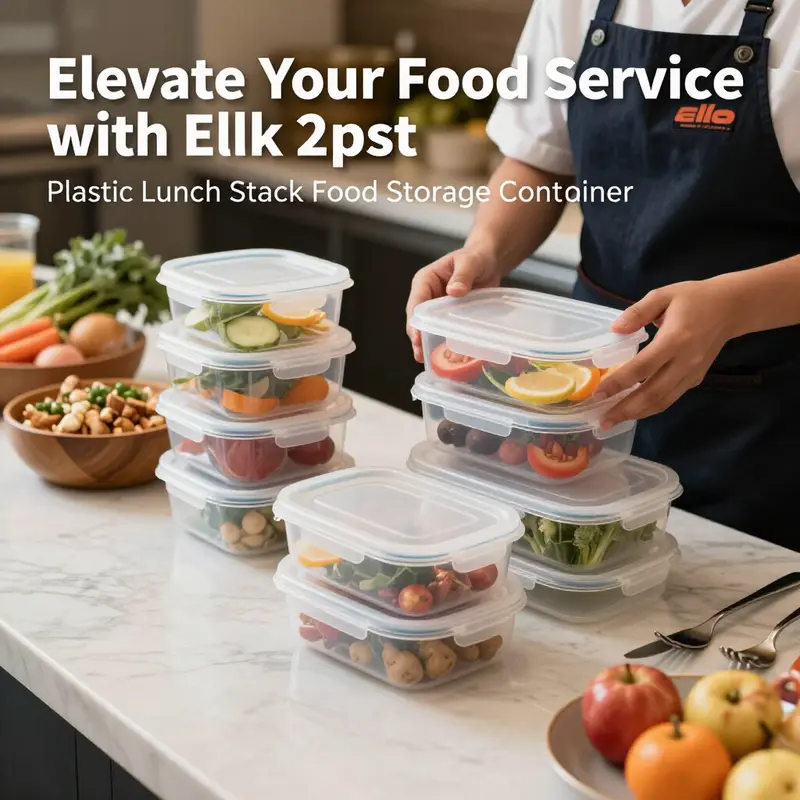
Maintaining high-quality food presentation and freshness is paramount in the food service industry. The Ello 2pk Plastic Lunch Stack Food Storage Container meets this need by offering practical features that cater to various business scenarios, from bubble tea shops to corporate catering. This article explores its core characteristics, effective usage scenarios, and the stringent safety standards of this product, illuminating its value for restaurants, food trucks, and event planners alike.
Stacking for Simplicity: A Deep Dive into the Two-Size Plastic Lunch Stack for Modern Meals
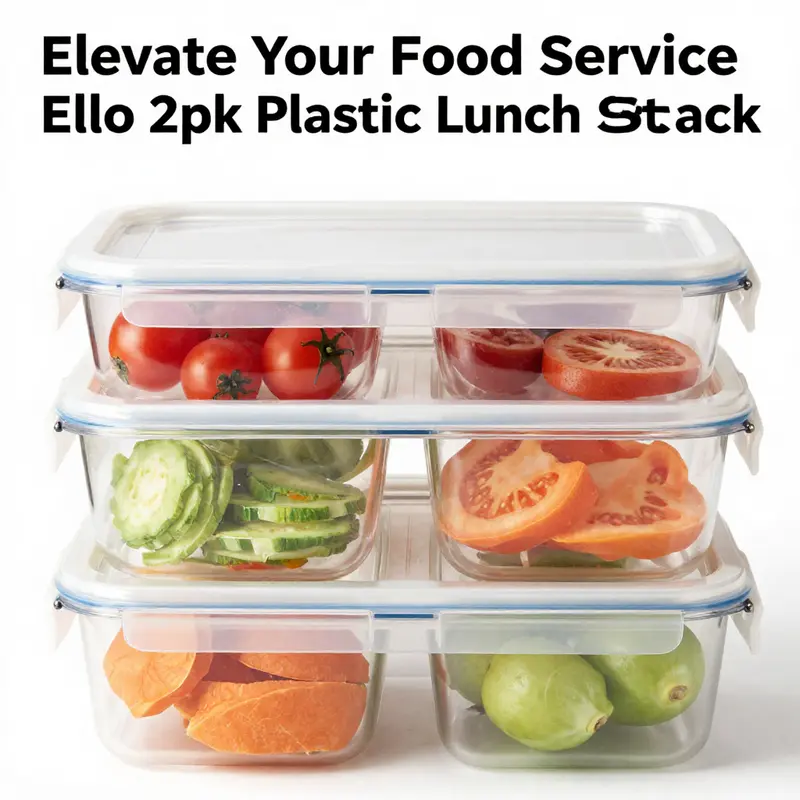
In kitchens and carry bags around the world, the daily ritual of packing a meal has become a quiet test of organization. The aim is simple: keep foods fresh, separate, and easy to transport, while wasting as little space as possible. For those managing busy schedules—commutes, school runs, and office hours—the right lunch storage system can feel less like a detail and more like a small act of daily efficiency. The two-size plastic lunch stack emerges from this need as more than a container set. It is a deliberately designed system that honors how people actually eat, move, and store food through a day that never stops. The core appeal rests on a blend of compact form and flexible function. The two cups and their bigger sibling, when paired with a removable divider, offer a canvas for portion control, meal prep, and thoughtful separation. In a world where every inch of a bag, desk, or refrigerator shelf competes for space, the ability to stack containers neatly becomes a practical advantage. What seems at first like a simple lunch box becomes a compact architecture for meals on the go, a small ecosystem that respects both timing and taste. The result is not just a carry case for food, but a disciplined approach to daily nourishment that many people have learned to prize.
The set under discussion comprises two different volumes—an intimate 2-cup unit and a more ample 3-cup container. Each comes with a removable divider that makes it possible to tailor the interior landscape to the day’s needs. A single morning can involve crafting a main course in one section and a supporting side or a dessert in the other, or else pairing two complementary components that stay distinctly separated until lunchtime. The practical logic here is straightforward: when food remains in clearly defined zones, it tends to stay more appetizing and visually appealing. The divider’s freedom to come in and out means the same container can accommodate a range of meals without demanding a new vessel every time. In this sense, the system adapts to both the diner’s appetite and the day’s plan, rather than forcing the eater to conform to a single, rigid arrangement.
In daily life, a well-designed lunch system also has to contend with the realities of travel, storage, and cleanup. The stacking feature addresses a universal pain point: space. A stackable design collapses volume when it’s not in use and packs more efficiently when it is. In the fridge, the lids align in a tight rhythm; in a bag or briefcase, the containers nestle into place with minimal shifting. The ability to stack multiple containers while keeping their contents organized is not merely a convenience but a practical script for reducing clutter. A little bit of structure can ripple outward, shaping how one plans meals, how much planning is needed, and how easily leftovers can be retrieved later without surprise leaks or muddled flavors. The containers are lightweight, an important detail for those who carry meals through all sorts of days. Being easy to lift and slide into a tote makes a difference when a person’s routine includes commutes, errands, or back-to-back meetings. The combination of lightness and strength lends itself to frequent reuse, which in turn supports a broader intention: to minimize disposable waste without sacrificing convenience.
The materials chosen are a reminder of the balance between durability and food safety. Food-grade plastics guard against potential flavors or odors seeping into meals. This choice helps protect the week’s plans, whether a salad with delicate dressings or a hearty stew traveling to the office on a cold morning. The design philosophy extends beyond safety into everyday usability. A single set of lids, designed to be interchangeable across sizes, reduces the number of spare parts a user must keep track of. This approach reinforces a core principle of modern storage solutions: fewer moving parts, fewer chances for misalignment, and fewer moments of frustration when a lid seems to refuse to fit. The containers are built to withstand regular use. They resist warping and keep their shape through the rigors of daily life. This sturdiness matters when meals travel with a person who moves through different environments—from the chilly confines of a refrigerator to the bustle of a crowded subway platform and back to a microwave-free lunchroom. The practical implication is simple: the set remains reliable even after weeks of repeated use, making it a dependable ally for meal planning and on-the-go nourishment.
Cleaning and care form a crucial part of the overall experience. The materials are designed to resist stains and odors, which makes maintenance smoother. For many users, washing up after a busy day is less onerous when the containers can be cleaned quickly and completely. A machine-washable attribute offers convenience, but the long-term care of any plastic piece is often best served by gentle handling. A routine of warm-water rinses and a careful cycle can keep the interior fresh and free from lingering aromas. Yet, for those who want to extend the life of their containers, a quick hand wash with a soft sponge can protect the seal, the divider, and the lid from wear. The idea here is not to complicate a routine but to provide a reliable standard that fits into ordinary day-to-day habits.
When it comes to heating, the surrounding expectations of modern cookware clash with the practical realities of certain plastics. This set is designed to handle cold and room-temperature foods with ease. It offers a clear boundary: do not place the containers in a microwave or oven. Heat can degrade the material or alter the integrity of the seal, which could compromise the leakproof design and the overall performance. This limitation is not a setback but a forecast of longevity. By avoiding direct microwave heating, the containers maintain their shape, their lids stay aligned, and their interiors stay free from the risk of warping that high heat could cause. The result is a system that shines in the realm of cold meals, salads with dressing, fruit, yogurt, or packaged leftovers that have cooled to a safe, comfortable temperature before packing. For meals that require reheating, the user can transfer contents to a microwave-safe vessel prior to eating, preserving both safety and taste.
In practice, the two-size combination provides ample flexibility for meal planning without demanding a separate container for every purpose. A person can prepare a week’s worth of lunches with a single, compact kit, dividing portions so that smaller sides or snacks can be tucked into the 2-cup vessel while a more substantial entrée fills the 3-cup container. The removable divider ensures that a single preparation can be partitioned to fit different days or dietary goals. The ability to reconfigure the interior space also means that a single container can be repurposed for non-meal tasks—snack packs, craft supplies, or even small office essentials—if needed. This adaptability reduces the need for additional purchases and complements a philosophy of minimal yet capable gear.
From a design standpoint, the emphasis on stackability and lid compatibility matters as much as the capacities themselves. The lids are not merely closures; they are connectors in a broader ecosystem that values order and predictability. When a stack is closed, a consistent, clean silhouette emerges. The containers align without forcing awkward adjustments to fit into a shelf or a bag. This visual tidiness translates into a practical advantage: it’s easier to locate a specific portion on busy mornings, and it’s less likely that contents will shift or leak during transit. The stack, therefore, becomes a small but powerful ritual of organization—an anchor point in the day’s routine that reduces decision fatigue.
The set’s impact extends beyond the kitchen and into the broader mindset of meal planning. By enabling precise portions, it fosters mindful eating, supports calorie awareness, and assists with balanced meals. The removable divider allows for customization without creating waste or clutter. A parent can prepare a child’s lunch with fruits in one compartment and a small, protein-packed snack in the other, while a commuter can lay out a compact lunch that satisfies without overflowing. The 2-cup unit serves as a reliable side or a starter portion, while the 3-cup container can accommodate a main course with room to spare for a side or dessert. This pairing aligns with a modern appetite for efficiency and simplicity: less waste, less bulk, and more clarity about what each meal contains.
Beyond individual routine, there is a spatial logic at play. In kitchens, refrigerators, and desks, space is a recurring constraint. The two containers are explicitly designed to maximize storage efficiency. When nested or stacked, they occupy less real estate than bulkier, single-purpose alternatives. In the fridge, their compact height allows for easy stacking in shelves or bins, letting you see more of what you have on hand at a glance. In a desk or tote, the slim profiles fit comfortably without creating a bulky burden. The result is a storage solution that supports a smoother workflow: you prepare meals with intention, pack them with confidence, and retrieve them with ease.
As part of a broader conversation about sustainable, practical living, this kind of two-part system is not merely a product feature; it is a reflection of a lifestyle choice. It embodies a preference for reusability, mindful consumption, and efficient use of space. The durability and cleanability of the plastic, coupled with the ability to clean quickly in a dishwasher, encourage regular reuse rather than disposal. That reuse translates into fewer single-use containers circulating in daily life, a subtle but meaningful contribution to reducing waste. In this sense, the set speaks to a growing attention to packaging and storage that values longevity, practicality, and responsibility. It’s not about having more gear; it’s about having gear that respects how people live, eat, and move through crowded days.
For readers who want to explore related ideas about packaging and practical, space-conscious design, a relevant resource highlights the potential of eco-friendly takeout boxes and compact lunch containers. This reference offers a broader look at how durable materials, leak-resistance, and thoughtful lid design can transform everyday meals while supporting sustainable practices. You can learn more at the article linked here: eco-friendly takeout boxes for food packaging.
The chapter closes with a reminder that a lunch system is more than the sum of its parts. It is a small, repeatable routine that can simplify mornings, improve meal quality, and protect food in transit. Its success rests on a few simple principles: two useful capacities that cover common meal scales, a removable divider for flexible portions, and a design that encourages stacking, easy cleaning, and durable performance. By embracing these ideas, a person can transform a daily task into a more predictable, efficient, and enjoyable habit. The approach also invites a broader conversation about how everyday objects can be thoughtfully designed to fit into modern rhythms without overwhelming them. In the end, the goal is not just to carry lunch; it is to carry a sense of order that travels with you through the day.
External reference: For a more product-specific overview, see the detailed product page: https://www.amazon.com/dp/B0B1ZKXQJY.
Contained Convenience: How a Two-Piece Stack of Lunch Containers Transforms Everyday Meal Management

The way people eat during a busy day often reveals more about our habits than what we choose on a plate. In kitchens that bustle with the rituals of morning routines, commutes, and the constant push to squeeze nutrition into a tight schedule, a simple tool can shift the entire rhythm of meal management. A compact two-piece lunch stack, designed to hold separate portions within a single, space-saving footprint, embodies that quiet shift. It is not just a container; it is a system that encourages planning, preserves freshness, and makes the act of eating away from home feel calmer and more controlled. What makes this two-pack so compelling is not merely its dual capacity, though that matters a great deal. It is the way the set is conceived to fit into the choreography of daily life: two sizes that work together, a design that keeps food neatly separated, and a lid that locks in flavors while preventing leaks on the move. When you add removable dividers, the potential expands beyond simple lunch packing. The smaller compartment, which can be used alone for a snack or a small portion of fruit, pairs with the larger one for a more substantial meal. Taken together, they form a micro-kitchen in a compact shell, ready to be filled, transported, and reheated as needed. The volumes—roughly two cups in one vessel and about three cups in the other—are not arbitrary choices. They mirror common portions for meals that are balanced and practical. The 473 ml capacity of the smaller bin is ideal for a lean main dish, vegetables, or a generous salad. The 710 ml container speaks to heartier needs: beans, grains, proteins, or a sizable serving of pasta with sauce. The removable dividers add another dimension, enabling color-coded compartments or a simple, organized layout that prevents cross-mingling of flavors. In everyday use, this is the kind of helper that quietly encourages better habits. When a lunch is prepared with intention, it reduces the impulse to unhealthy snacking. It also minimizes food waste by making it easier to portion meals accurately and store them safely for later. The real magic lies in the small, rarely noticed design decisions that keep life simple: light weight for easy carrying, a snug, secure lid that stays shut through a busy commute, and a stackable profile that makes the most of limited fridge space or a crowded desk drawer.
From a materials standpoint, the set is built with food-grade plastics that prioritize safety and durability. The plastic is chosen to minimize odor absorption and resist staining, while still keeping the weight low enough for daily transport. This combination is essential for anyone who moves between home, office, school, and outdoor settings. The lack of toxic residues and the ability to reuse the containers many times over align with a growing preference for waste-reducing, long-lasting kitchen tools. The durability is not about brute force alone; it is also about predictable performance across a range of conditions. These containers are designed to endure the routine stress of a busy life: being packed into a bag, squeezed into a lunchbox, perhaps jostled during a bike ride, and then opened with the confidence that the contents will stay intact. They are often described as leak-resistant or leak-proof, a feature that matters when sauces, soups, or dressings are involved. This reliability reduces the mess that can accompany on-the-go meals and helps keep bags and car interiors clean. The lids are engineered to seal, and when used properly, they prevent curious leaks that could otherwise ruin a shirt, a notebook, or a laptop sleeve. The priority here is practical containment without complicating the reheating or cleaning steps that follow. In the broader spectrum of kitchen gear, the emphasis on food safety is a non-negotiable. The plastics used are intended to be BPA-free and safe for contact with foods, addressing concerns about potential chemical exposure and flavor transfer. While the science behind plastics continues to evolve, the practical takeaway remains clear: choose materials that resist warping, staining, and odor retention, and clean them in a way that preserves their integrity over time. In many designs, a top-rack dishwasher option exists, which can simplify maintenance for households with limited time for hand washing. Yet, for longevity, many users opt to wash by hand and air dry, particularly around the hinges and seals where wear tends to accumulate. The careful handling of these details matters because repeat use without proper care can degrade the seal, lessen the effectiveness of the lid, and ultimately defeat the purpose of a leak-resistant lunch container.
The everyday scenarios where such a two-piece stack shines are as varied as the people who rely on it. At home, it becomes a meal-prep ally. One morning or weekend, you can portion out a week’s worth of lunches for family members, placing each day’s meal into the appropriate compartment. The dividers help maintain separation between grains and vegetables, or between a delicate salad and a warm protein that should not steam the greens. When slotted into a lunchbox or a tote bag, the set sits neatly alongside a compact utensil bundle, making the transition from kitchen to workplace or classroom almost seamless. At the office, its compact footprint becomes a friend to cramped desks and crowded communal refrigerators. The two different capacities mean you can tailor portions to your day’s demands: a lighter lunch on a short afternoon, a heartier meal when you know you’ll be away from a kitchen for longer stretches. For students, the system supports balanced nutrition with clear sectioning that prevents mixing of components and helps younger eaters—who may be particular about textures and flavors—enjoy their meals more fully. And in outdoor settings—the park, a picnic, or a day trip—the stack’s design becomes a safeguard against the spill that can accompany a snack cup or a single, larger container. It nests easily in a backpack, a hiking pack, or a car trunk, while the stackable feature saves space in a cooler or a pantry shelf at home.
The appeal of the two sizes is not merely about capacity. It is about the discipline of portioning and the clarity of organization. The smaller portion invites a lighter lunch, a handful of fruit, or a snack of nuts and crackers, while the larger one can accommodate a full meal. The removable dividers offer a flexible approach to meal planning: you can partition the larger container into a main course and a side, or keep a few discrete items separated for a better texture and flavor experience. When you consider what this means for daily routines, the value extends beyond the kitchen. A well-organized lunch routine reduces decision fatigue at mealtimes, especially when mornings are rushed. It is easier to assemble a lunch if you can visualize your day’s needs in the same compact package each time. This consistency helps in scaling meal-prep efforts—from a single adult meal to multiple family portions, all staying within a predictable container system. The simplicity of a two-piece stack can also encourage a broader habit: cooking in larger batches and dividing into portions that are easy to grab on the way out the door. The time savings add up, especially for households where two or more people share a single fridge or freezer, and where space is at a premium. The containers’ stackable profile means fewer boxes and lids scattered in cupboards, and more space for the ingredients that nourish those meals. This alignment between form and function is the crux of why such a system endures in kitchens and classrooms alike: it respects the realities of modern life—movement, multi-tasking, and the constant pull between nutrition, convenience, and budget.
Beyond the immediacy of meal mechanics, the ethos behind a stackable lunch set intersects with broader aims of sustainable living. Reusable containers, when chosen with care and used consistently, offer meaningful reductions in single-use packaging waste. The idea is not just to replace disposable boxes with a sturdier alternative but to cultivate a mindset that sees packaging as a long-term investment. In this light, the two pieces become more than vessels; they are small, reliable tools in a larger practice of mindful consumption. Materials like polypropylene and other food-grade plastics are selected for durability and safety while remaining relatively light. The lifespans of such containers often outpace those of cheaper options, so the decision to invest in a dependable set translates into fewer replacements and less waste. Of course, durability carries a responsibility: proper care extends the life of the containers and preserves the integrity of their seals. Mindful handling—avoiding dishwasher heat on delicate seals or not forcing lids beyond their intended range—helps the set perform as designed for years. In turn, that reliability fosters confidence. When you know your lunch will stay intact, you are more likely to pack thoughtfully, bringing nutritious meals rather than resorting to ready-made options that may be less environmentally friendly. The cumulative effect of countless small decisions—planning meals, choosing reusable containers, and keeping food properly sealed—contributes to a quieter, everyday sustainability that compounds over time. In this sense, the two-piece stack becomes a practical ambassador for a broader lifestyle shift rather than just a kitchen gadget.
The design language of the set also speaks to the evolving expectations of modern consumers who balance work, study, family, and personal time. People want flexibility without complexity. They want products that are straightforward to use, easy to clean, and capable of handling a range of food types. The stack’s adaptability—microwave heating without the lid, freezer compatibility for advance-prepped meals, and top-rack dishwasher safety—addresses real-world patterns where daily needs swing between quick reheating, cold storage, and routine maintenance. Yet such versatility does not come at the cost of simplicity. The most successful designs manage to be adaptable without becoming cumbersome. The two-part stack accomplishes this by preserving a straightforward interface: two vessels, a divider, lids that snap securely, and a stacking footprint that makes sense whether you are packing, transporting, or unpacking at the destination. Even the act of stacking mirrors everyday behavior: when you put away lunches at the end of the day, you don’t scatter lids across the kitchen; you place the set back together, keeping the pieces aligned for the next morning. In this small ritual, there is a quiet promise: that tomorrow’s meals can begin with the same calm, organized approach.
The value proposition of such a system extends to the social fabric of daily life as well. Sharing meals with colleagues, classmates, or family members becomes easier when the food is prepared in portions that maintain their character until they are eaten. The removable dividers offer a subtle but meaningful feature for those who enjoy variety within a single meal. A well-arranged lunch with separate compartments can preserve crisp textures and distinct flavors, allowing a salad to stay fresh, a grain-based dish to stay soft but not soggy, and a sauce to sit where it belongs. This is not merely about aesthetics; it is about practical enjoyment and nutrition. When a meal travels well, it invites sharing. A lunch that arrives looking and tasting as planned reduces the temptation to abandon home-cooked options in favor of takeout, thus supporting both budget and health goals. For families, a compact two-piece set can simplify mornings, enabling quick assembly of balanced meals for multiple people with disparate tastes. The collaborative nature of meal planning—deciding who brings what, who prefers certain textures, who dislikes sauces—finds a natural ally in a container that keeps items separated by design rather than by chance. In a sense, the set acts as a small, portable, personal cafeteria that travels with you and adapts to the people you feed.
If you consider the broader landscape of lunch containers, there is a clear opportunity to connect the practical with the aspirational. The notion of stacking for space efficiency resonates with anyone who has reorganized a kitchen to reclaim counter space or to create a calmer morning routine. It also aligns with the growing interest in food planning as a means of improving health and reducing waste. The two-piece lunch stack becomes a micro-ecosystem that demonstrates how thoughtful product design can influence everyday behavior. It is a reminder that the best tools are often the simplest ones: a compact, well-made container that invites use, sustains integrity through the day, and returns to its place in the kitchen ready for the next round of meals. For those who want to broaden their exploration of sustainable packaging and versatile food-grade containers, there is a broader family of options that emphasize eco-conscious materials, modularity, and reusability. As a practical companion to home cooking and on-the-go eating, this kind of set embodies a humane approach to nourishment—a small yet meaningful step toward a more organized, less wasteful, and more satisfying way of feeding ourselves and our communities.
For readers who want a tangible link to real-world choices, search for a compatible two-piece lunch stack that mirrors these principles: two sizes, removable dividers, leak-resistant lids, and a focus on safe, food-grade materials. This approach makes it easier to cultivate recurring habits—weekly meal-prep sessions, Sunday batch cooking, and daily routines that honor both nutrition and space. It also creates opportunities for families and individuals to customize their containers to fit personal preferences, whether that means labeling each compartment, color-coding for different meals, or coordinating lids with bags and lunch totes. In a market crowded with options, a straightforward, well-constructed set like this stands out not for novelty but for reliability, which is often the most valuable trait in the tools we rely on every day. As the day closes and the containers are washed, stacked, and tucked away, the pattern becomes clear: a small change in how we store and portion food can echo through the week, shaping how we plan, prepare, and enjoy meals with minimal waste and maximal practicality. In this sense, the two-piece lunch stack is more than a container; it is a disciplined partner in the ongoing art of eating well amid the demands of modern life.
Safeguarding Every Bite: Materials, Certifications, and Safety Design of BPA-Free Lunch-Stack Containers
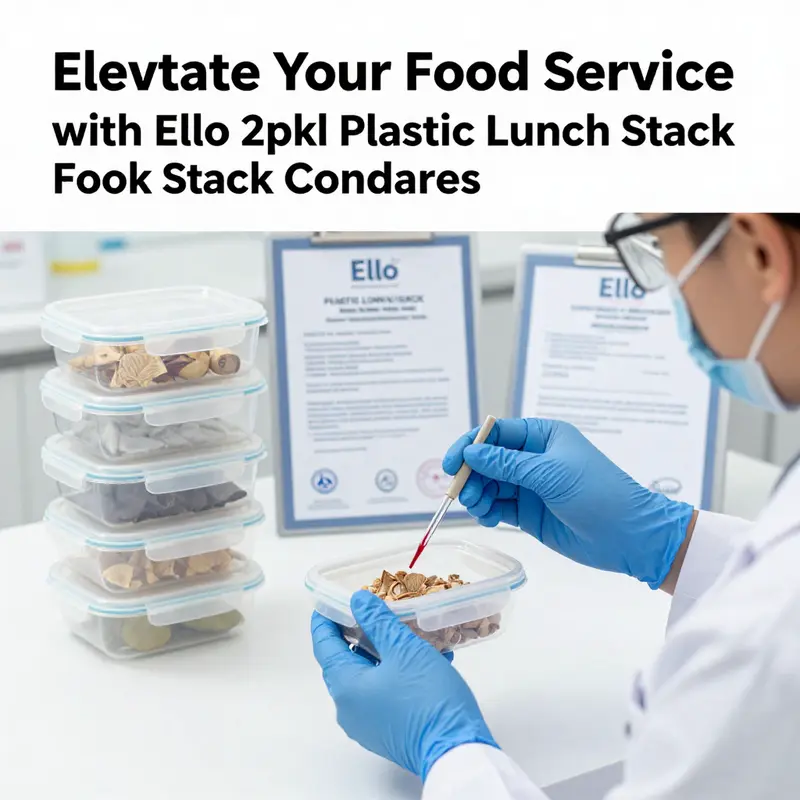
At the heart of a well-planned midday meal sits more than a convenient box. It is a carefully engineered system designed to preserve freshness, separate flavors, and travel safely from kitchen to desk, classroom, or trail. The modern two-piece lunch stack, commonly described in consumer guides, embodies a philosophy of safety as much as convenience. The containment core is BPA-free plastic, a material choice that carries real implications for daily use. When a product is marketed as BPA-free, it signals an intent to minimize the transfer of certain industrial additives into food under typical handling conditions—storage in the refrigerator, reheating, and occasional dishwashing. This is not merely a marketing claim; it reflects a broader regulatory framework that many markets rely on to define what can legally contact food. Chief among the assurances are certifications that signal conformity to recognized safety standards. In the United States, the FDA registers safety for food-contact materials; in Europe, LFGB certifications set rigorous expectations for what can be used with foodstuffs. When a container bears these marks, it communicates that the material has endured tests designed to simulate real-world conditions: chilling, gentle heating, and repeated cleaning cycles. The practical outcome is tangible: the risk of harmful chemical migration into meals is minimized, even after extended use, multiple cycles in a freezer, or occasional microwave reheating.
The material story extends beyond the resin family to the physical architecture of the containers themselves. The two cups, each with removable dividers, and a sealed lid are not merely for organization; they are integral to safety through design. An airtight locking lid reduces the chance that moisture and contaminants will penetrate the interior, which is especially important for meals prepared in advance. A well-sealed system helps preserve taste and texture, but it also protects the integrity of the food’s environment by limiting exposure to air that could carry bacteria or odors from other items in a bag or refrigerator. A silicone-based seal, often positioned where the lid meets the rim, adds another layer of protection by offering a reliable, flexible barrier that stands up to repeated opening and closing. The silicone element also cushions the point of contact between lid and body, reducing wear on gaskets and prolonging the container’s usable life. Together, these components form a cohesive safety envelope that supports everyday use in diverse settings—from a morning commute to a school lunch break to a weekend camping trip.
The design’s emphasis on stackability deserves attention for more than space efficiency. A compact, nestable profile means the containers can travel light and minimize bulk when tucked into a backpack, briefcase, or tote. This is not only about convenience; it supports safer handling in transit. When containers slot neatly against one another, there is less risk of jostling that might crack a lid or misalign a seal during a bus ride or a crowded elevator hall. The removable dividers contribute to the versatility that many families rely on for balanced meals. They enable portioned compartments for protein, vegetables, grains, and a sauce or dip, reducing cross-contact of flavors and helping to reinforce healthy eating habits. In practice, this layout translates into meals that feel thoughtfully prepared rather than improvised, which can be a meaningful driver for consistent, home-cooked lunches in busy schedules.
From a safety perspective, the journey from raw ingredients to a stored meal is governed by a sequence of practical rules that reflect the capabilities and limits of the container. Freezing is a common practice in meal-prep routines, and the BPA-free plastic must stay resilient under cold conditions. Certification criteria typically address whether the material remains robust after repeated freeze-thaw cycles, whether it loses its translucence or develops microcracks, and whether seals maintain their elasticity after low-temperature exposure. Equally important is the heating scenario. A microwave-safe claim must be grounded in data demonstrating that the polymer, the lid, and the seal can withstand microwave energy without deforming, warping, or releasing unintended compounds. However, even when a product advertises microwave compatibility, many experts recommend a cautious approach: transfer food to a heat-resistant dish before reheating, vent the lid when appropriate, and avoid quenching the heating process with rapid cooling in a sealed container, which can create pressure and compromise the seal. After reheating, a brief, gentle air-out can help prevent condensation from lingering inside the lid, where moisture over time can encourage mold growth or odor retention. All these steps align with a broader safety ethos: everyday meals should travel with the confidence that their containment can endure common-use conditions without compromising food quality or safety.
Cleaning and maintenance are equally part of the safety narrative. The materials and seals are designed to be cleaned efficiently, reducing the risk that residue will linger and harbor bacteria. Many models claim dishwasher-safe performance for the containers and lids, but the seal assembly often benefits from gentler care. The gasket or O-ring—if present—may require inspection and occasional replacement to sustain a tight seal. The practice of handwashing, especially for the lid and its gasket, extends the life of the container and helps preserve its protective features. In other words, the safest approach is to view cleaning as a part of the product’s lifecycle rather than as a one-off chore. By treating the container with appropriate care, households can maximize the interval between replacements, a practical consideration for families balancing budget, waste reduction, and safety.
The broader implications of material choice resonate with sustainability goals that many households pursue. Reusable lunch systems offer a tangible way to reduce disposable packaging and the cumulative waste associated with single-use containers. By prioritizing a durable construction and reliable seals, these two-piece systems support a lifecycle that extends beyond a single season of use. A thoughtful approach to stacking, sealing, and cleaning translates into fewer trips to buy disposable boxes, less clutter in the kitchen, and a lower environmental footprint over time. It is a reminder that safety design and environmental stewardship are not competing priorities but compatible aims that reinforce each other. A well-made container makes healthy eating easier to maintain, while its sturdy construction reduces the temptation to replace it with cheaper, shorter-lived alternatives that may compromise safety or waste reduction goals.
For scholars, parents, and educators who want to verify safety claims, the path often runs through official specifications and testing documentation supplied by manufacturers or distributors. These documents typically include a materials breakdown, explicit statements about BPA content, and references to regulatory standards or third-party testing results. They also provide information about the functional aspects of the product—the exact lid design, the presence of a silicone seal, and the behavior of the dividers under load. When a consumer understands the relationship between material science, regulatory oversight, and practical usage, they gain a more nuanced ability to choose a lunch solution that aligns with personal health goals, school or workplace policies, and family routines. The narrative of safety cannot be reduced to a single data point; it emerges from an integrated picture that includes certified material composition, mechanical reliability, and a carefully engineered user experience.
In bridging theory and everyday life, the conversation about safety and materials often invites a broader examination of related packaging concepts. The two-piece lunch stack is one strand in a wider fabric of eco-friendly, microwave-safe, and leak-resistant options that people consider as part of a holistic approach to daily meals. The design philosophy behind these containers—prioritizing inert materials, certified safety, and practical usability—helps frame a larger dialogue about how families can navigate an abundance of choices without sacrificing health or convenience. It also raises questions about how one might balance performance with the realities of busy schedules, travel, and the constraints of living in shared spaces such as dorm rooms or office kitchens. The practical answer lies in selecting a model that provides clear evidence of safety, robust construction, and a user experience that minimizes friction in the morning rush or at the end of a long day.
To guide readers toward broader context, consider a focused resource that discusses how modern lunch containers balance safety, portability, and efficiency in everyday life. This internal reference helps connect personal meal routines with wider practices in waste reduction and responsible packaging: eco-friendly takeout boxes for food packaging. This link offers a compact overview of how design choices in containers reflect evolving expectations around health, convenience, and environmental stewardship, and it can serve as a useful entry point for exploring related product categories without losing sight of safety as the central criterion.
For readers seeking external corroboration of the safety narrative, the documented safety data surrounding BPA-free plastics, and the role of recognized certifications, is further reinforced by marketplace and manufacturer listings that present practical examples of how these claims translate into real-world use. A widely cited listing provides a concrete instance of a BPA-free, certified container used for everyday meal preparation, testing, and transport. For a direct reference to the broader documentation, you can consult the following source: https://www.ebay.com/itm/155789403264. This external reference underscores how certification and material safety translate into consumer confidence when evaluating storage options for daily meals.
In sum, the materials and safety standards that underpin BPA-free lunch-stack containers embody a careful synthesis of chemistry, engineering, and everyday practicality. The goal is not merely to keep food intact during transit; it is to protect health, sustain flavor, and support sustainable habits in a world where meals can be prepped, chilled, heated, and enjoyed far from the kitchen. The design choices—from the choice of resin to the integrity of the seal and the resilience of the dividers—form an integrated system that invites everyday use with minimal risk. For the consumer, that means fewer concerns about chemical migration, more confidence in reheating and storage, and a simpler path to healthier, more organized eating routines. The chapter’s exploration of materials and safety is not an abstract exercise; it is a practical guide to understanding how a seemingly simple lunch container can anchor a daily ritual that prioritizes health, convenience, and responsibility. The ongoing conversation about safety in kitchen tools invites ongoing diligence: verifying certification details, inspecting seals, and treating the container as a long-term companion in the journey toward smarter, safer meals.
External references can illuminate how safety data translates into consumer confidence. For more detailed testing results and material specifications, consult publicly accessible data and listings from credible marketplaces and manufacturers, such as the external source noted above. This content supports buyers who want to verify the safety story and compare different models within the same category, ensuring that choice aligns with personal usage patterns, dishwasher tendencies, and microwave habits. The safety narrative behind BPA-free lunch-stack containers remains a robust reminder that the daily act of eating extends beyond taste and convenience into a disciplined, informed, and practical commitment to health, environment, and everyday efficiency. And as readers push further into related topics—be it the broader spectrum of safe, reusable containers or the evolving standards that govern food-contact materials—they will find a coherent thread connecting material science with reliable, real-world benefits that make a real difference in ordinary days.
Final thoughts
The Ello 2pk Plastic Lunch Stack Food Storage Container combines practicality and safety, making it an indispensable tool for businesses focused on quality food service. Its compact, stackable design, along with the versatility of its usage, ensures that it meets the ever-evolving demands of the food industry. Investing in reliable food storage solutions like Ello can enhance efficiency, maintain food quality, and impress customers across various service scenarios.