
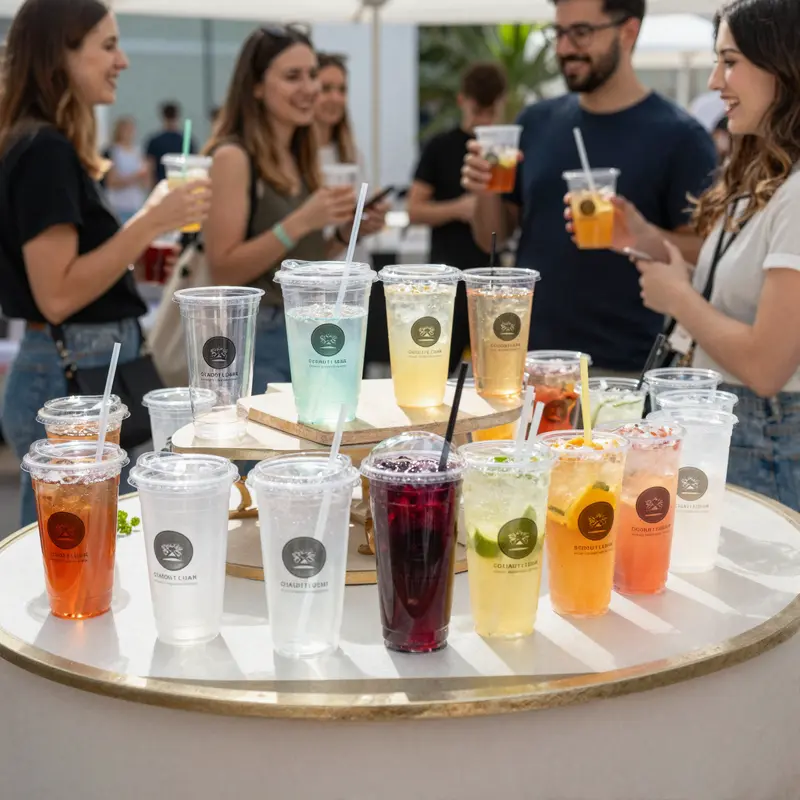
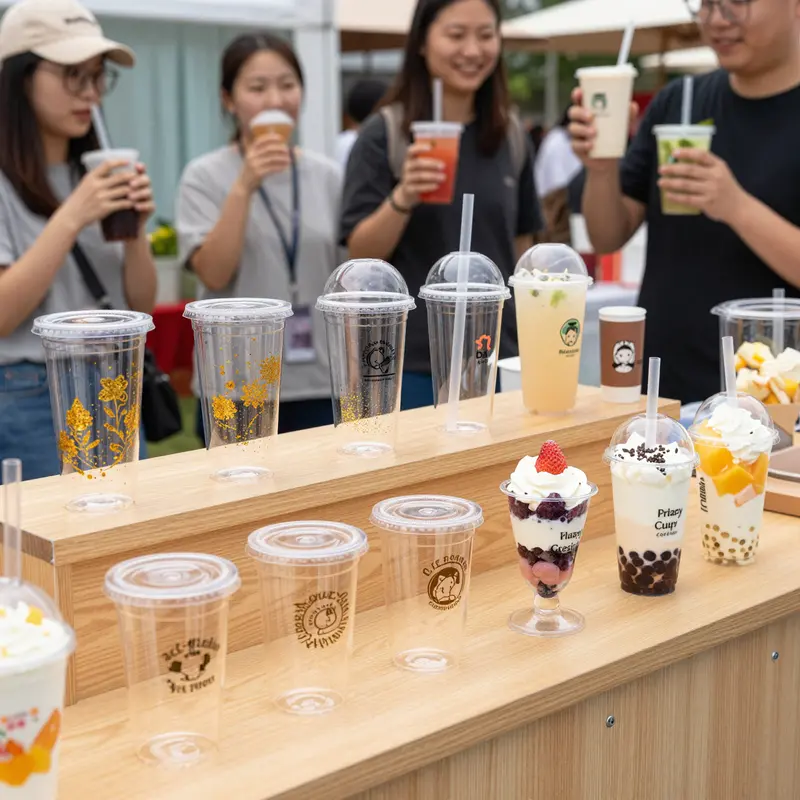
Fancy clear plastic party cups have become essential for businesses that prioritize both style and functionality in their beverage service. These cups offer much more than simply holding drinks—they bring versatility, affordability, and branding opportunities that cater to the unique needs of bubble tea shops, beverage chains, restaurants, food trucks, catering services, event planners, and corporate procurement teams. Featuring a spectrum of designs, from sleek transparency to glittering gold accents, these BPA-free PET plastic cups can safely serve a variety of beverages, hot or cold, with the added convenience of lids and straws. Their adaptability goes hand-in-hand with economic benefits that make them a smart choice for scaling operations or hosting large events. Beyond economics, these cups play a significant role in enhancing social experiences, maintaining hygiene, and supporting environmental responsibility through evolving materials and disposal practices. Furthermore, businesses can harness the marketing power of customizable branded cups to boost brand recognition and customer engagement effectively. This article unfolds across five chapters, each exploring these dimensions to offer a comprehensive understanding of how fancy clear plastic party cups can transform service delivery and brand presence across diverse industries.
null
null
Clear Advantage: How Fancy Plastic Party Cups Deliver Economic Value at Scale
When event planners and hosts map out a budget, they often overlook an opportunity that quietly accelerates service, streamlines operations, and leaves guests with a lasting impression: the choice of drinkware. Fancy clear plastic party cups sit at the intersection of elegance and practicality. They offer a translucent canvas that showcases the color and sparkle of beverages while providing a reliable workhorse of a container. Made from BPA-free PET plastic, these cups are designed to perform in both hot and cold applications, and many are dishwasher-safe for when the next cycle of celebrations comes along. Yet beyond their surface polish lies a set of economic efficiencies that repeatedly prove decisive for weddings, corporate gatherings, and theme-driven events alike. To understand their value, one must consider not just the moment of service but the entire arc of event operations, from procurement to post-event flow, and how that arc shapes the bottom line without compromising guest experience.
The most immediate economic impact comes from labor and water savings. In a busy venue, staff spend a considerable portion of time handling glassware: washing, drying, sorting, and returning items to storage between course changes and service intervals. Replacing this cycle with disposable cups eliminates washing and drying altogether. The result is measurable time saved per shift, which translates directly into labor costs and scheduling flexibility. For events that scale into hundreds or thousands of servings, the time saved multiplies. Water usage also drops accordingly; the water footprint tied to glassware care—streams of hot water, detergent, and energy for drying—shrinks dramatically when disposables take their place. The operational team gains headroom to focus on guest service, timely replenishment, and overall flow management rather than the drudgery of cleaning real glass.
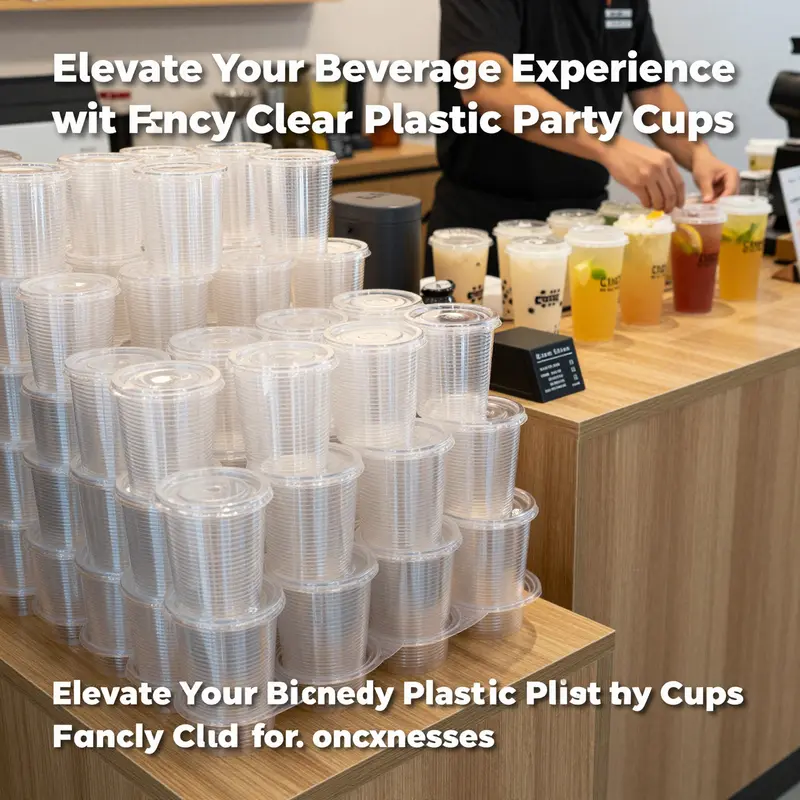
From a cost perspective, disposables present a compelling argument for bulk purchasing. Lightweight and compact, these cups require less storage space than glassware and are easier to transport to venues that operate on tight loading schedules. The absence of rental logistics is a significant plus; celebrations that rely on rental glassware often incur transportation, cleaning, and return fees that quietly accumulate. In contrast, disposable cups arrive in bulk, arrive on pallets, and can be staged in convenient service zones to speed up distribution. This simplification reduces the probability of last-minute shortages or replacement fees during peak moments, especially when staff must pivot to accommodate a sudden spike in beverage service at a reception or conference break. The cumulative effect is a lower total cost of ownership for drinkware, particularly at scale, where the marginal savings per cup add up quickly when multiplied by hundreds or thousands of servings.
Durability complements cost savings in a way that reassures planners during the chaotic rhythm of an event. These cups are engineered to withstand the rigors of guest handling, table service, and the occasional enthusiastic raise of a toast. That resilience lowers the risk of breakage and the need for rapid replacement, which in turn protects both inventory planning and guest experience. A sturdy disposable cup reduces the likelihood of spillages that can damage décor or require time-consuming cleanup—an effect that reaffirms the value of choosing a product designed for reliable performance in real-world event contexts. This reliability is especially important for outdoor functions, where wind, uneven surfaces, or high guest movement can otherwise threaten drinkware stability. In those situations, a well-designed clear cup with a confident lip and well-balanced weight supports smooth beverage service, fewer interruptions, and a more professional impression overall.
When it comes to post-event logistics, the simplified waste management narrative is often underappreciated. Although disposables contribute to waste, they also streamline clean-up in ways that are meaningful to budgets and timelines. With rental services, hosts must contend with retrieval, sorting, and return windows, all of which can incur penalties if schedules slip. Disposable cups reframe the end-of-event phase into a straightforward disposal or recycling process, depending on the venue’s programs. Even in regions with strict waste sorting requirements, the clarity of handling disposables versus rentals reduces the cognitive load on staff, minimizing errors and speeding up the transition from celebration to wrap-up. The result is a cleaner, more efficient closeout, which in turn reduces overtime costs and accelerates the path to post-event analysis and invoicing.
Versatility is another dimension of economic benefit that makes fancy clear plastic cups a logical choice for diverse beverage offerings. They come in multiple sizes to accommodate different pacing and types of drinks—from sparkling champagne to fruit juice, from iced coffee to mocktails. The visual clarity of the material preserves the aesthetic of the beverage, allowing color and presentation to shine through. Some styles feature decorative accents or rims that elevate the perceived value of the service without driving up cost. The availability of lids and compatible straws adds practical flexibility for outdoor events, transit moments, or multi-zone venues where guests may move between spaces. For hosts coordinating a staged experience—such as a gala, a branded corporate event, or a themed party—the ability to maintain a consistent, polished look with a single family of cups reduces the need for multiple specialized glassware types. That consolidation translates into procurement simplicity, inventory control, and fewer SKU management headaches during setup and teardown.
A related economic consideration is the branding and marketing potential embedded in disposable clear cups. Customization, even at a modest scale, can turn drinkware into a mobile canvas for logos, slogans, or event details. Branded cups help reinforce the event’s identity beyond signage and programs, creating a subtle but persistent touchpoint as guests sip and socialize. This marketing utility supports the broader strategic objective of elevating the guest experience while maintaining cost discipline. The branding opportunity does not require a heavy investment in specialized glassware or extensive material sourcing; instead, it leverages the common surface of a reliable, attractive cup to carry the event’s message as guests interact with beverages throughout the occasion. In practice, this translates into a cohesive aesthetic that aligns with the overall design language of the event and enhances sponsor visibility without inflating the budget.
Procurement strategy is a practical fulcrum for maximizing economic benefits. The nature of disposables makes them amenable to bulk packaging, which couples well with the realities of event staffing, timeline constraints, and multi-venue coordination. Access to bulk options supports predictable pricing, reduces the risk of last-minute price fluctuations, and enables better budget forecasting. It also means a more straightforward supply chain for the event team: fewer vendors to manage, fewer freight charges, and more consistent lead times. For event planners who balance numerous moving parts, that predictability is not merely convenient; it is essential to delivering a seamless guest experience. To connect this planning thread to a broader context, a resource on disposable tableware for theme parties provides practical guidance on how to align drinkware choices with overall packaging and presentation goals, ensuring that the entire décor narrative remains cohesive across service moments.
For a broader context on packaging and theme-driven dining solutions, consider exploring the internal resource on disposable tableware for theme party: custom takeaway packaging supplies—disposable tableware for theme party. This reference can help teams think through ancillary decisions—from take-away packaging to tableware assortments—that influence how cost, logistics, and brand identity come together in a single event ecosystem. The aim is not to optimize drinkware in isolation but to orchestrate a coherent, cost-conscious service framework that retains style and guest satisfaction at every touchpoint.
In weighing these economic dimensions, the trade-offs become clearer. Fancy clear plastic cups represent a pragmatic middle ground between elegance and efficiency. They provide a level of presentation that honors the beverage and the guest experience while delivering a predictable, scalable solution for operations teams. The real value emerges when organizers pair these cups with thoughtful waste management, disciplined procurement, and a clear branding strategy that leverages the visual impact of clear drinkware without introducing unnecessary complexity or cost. The result is a streamlined beverage program that supports smooth service, positive guest perceptions, and measurable budget outcomes across the lifecycle of the event—from planning to post-event review. In short, the economic case for these cups rests on their capacity to do more with less: less labor, less risk of breakage, less waste impact, and more consistency in presentation and guest experience. As event formats continue to evolve toward larger scales and more diverse beverage offerings, the clear cup stands out not merely as a convenience but as a strategically economical tool that aligns operational realities with stylish, memorable presentation. External considerations—such as end-of-life management and recycling programs—should be integrated early in the procurement process to maintain an accountable sustainability profile. In this way, the economic benefits harmonize with responsible practices, ensuring that cost efficiency does not come at the expense of environmental stewardship. For practitioners seeking concrete market context, a practical external reference offers an industry-facing snapshot of bulk disposable cup options and pricing to inform decision-making. External resource: https://www.walmart.com/ip/Munfix-100-Silver-Plastic-Cups-10-Oz-Clear-Tumblers-Silver-Rimmed-Disposable-Wedding-Party-Cups/15987468
Shaping Social Moments: The Cultural and Ethical Footprint of Fancy Clear Plastic Party Cups at Events

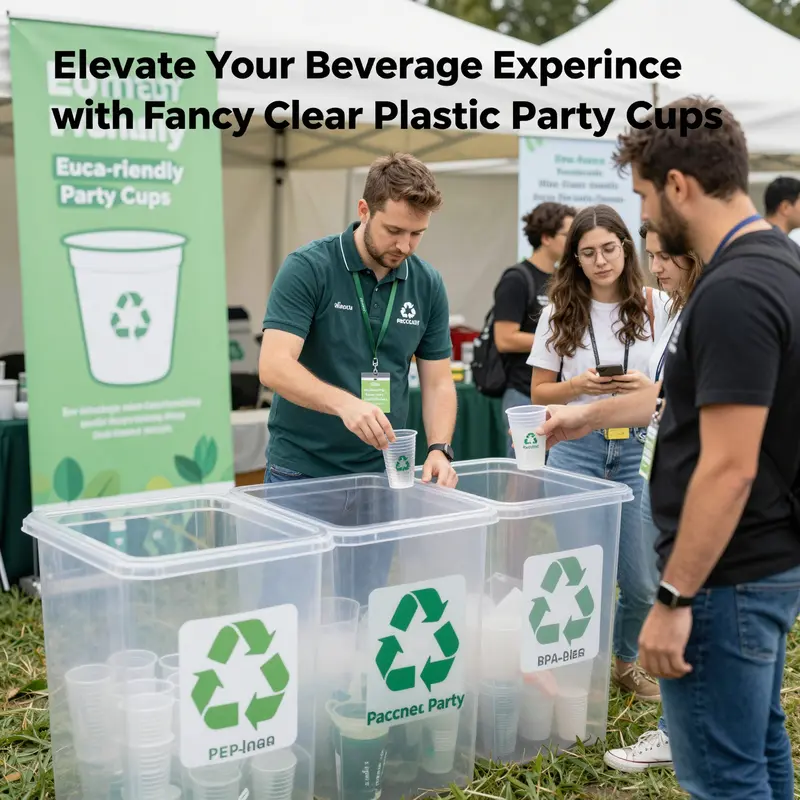
When we gather, the vessels that hold our drinks do more than simply hold liquid. They frame our social rituals, cue our attention, and quietly steer the tempo of conversation. Fancy clear plastic party cups, with their transparent, minimal aesthetics, invite a stage on which color, texture, and light can perform. The plain geometry of a clear cup allows the drink to speak for itself, offering a prism through which the hue of a cocktail, the sparkle of a sparkling cider, or the amber warmth of a well made whiskey shows its character. In this sense, these cups are less about containment and more about presentation. They invite visual storytelling at moments of sharing whether at weddings where the toast is as much about color as it is about vows, corporate functions where branding is subliminally present in the glow of a beverage, or themed gatherings where the glass becomes a prop in a carefully choreographed experience. The effect is not merely practical; it is social and aesthetic, shaping how people perceive the occasion long after the event ends. Atmosphere is the most immediate and observable impact. Light and clarity combine to create a sense of openness at a crowded table. Guests can see the drink’s spectrum a crimson blush from a sangria, a sapphire twist from a lemon lavender mix, or a pale sunlit glow from a sparkling water with citrus. This visual honesty can elevate the perceived quality of the beverage and, by extension, the quality of the event itself. The cups act as invisible facilitators of interaction: they reduce friction in conversation, because attendees are not distracted by heavy, opaque glassware or distracting colors. Instead, the focus rests on what is inside and the shared experience of drinking together. In low light environments, the clarity of the cup becomes even more significant. It allows candles, string lights, or LED accents to play across the surface of the drink, producing a subtle, ever changing mood that participants interpret through laughter, chatter, or a quiet moment of reflection before a speech. The result is a social tempo that feels both intimate and inclusive, as if the gathering were designed around the beverage’s color and glow as much as around the conversations themselves. Beyond atmosphere, these cups contribute to a culture of personalization and mobility that mirrors broader shifts in event design. Branded cups, where logos or slogans are integrated through printing or laser etching, function as rolling ambassadors—visible, portable, and easy to share in photos. The design language is deliberately restrained so as not to overwhelm the drink’s own visual drama. In this balance lies a sophisticated form of marketing that does not shout but invites. For event planners and brands alike, the idea of a disposable cup becoming a mobile billboard is both practical and symbolic: it signals attention to detail and confidence in the audience’s ability to recognize quality when it is presented with clarity. This is why many organizers see these cups as more than disposables; they see them as tools for storytelling, moments of recognition, and subtle brand reinforcement that travels from the venue to social feeds and back into the next event’s planning brief. The social texture of events also reveals a nuanced conversation about inclusivity and appropriateness. On the one hand, the sheer versatility of clear plastic cups ranging from modest nine ounce sizes to larger sixteen ounce variants, with accessories like flat or dome lids and built in inserts for desserts, encourages a wide range of beverages and service styles. It enables outdoor gatherings where spill resistance matters, or indoor affairs where quick cleanup and turnover matter. Lids and straws help reassure parents at children’s events and wellness conscious guests at business functions. On the other hand, the very same versatility can highlight boundaries in social contexts. The aesthetic often signals informality and play, which works well for casual parties or late evening receptions but may feel incongruent at more formal occasions. Cultural norms around humor and novelty have also left their mark on the conversation about cup design. Novelty shapes or irreverent embellishments may spark camaraderie in adult themed or raucous celebrations but can provoke discomfort in mixed age or family friendly environments. The cup, then, becomes a litmus test of social context: a small object that reveals the boundaries of what is considered acceptable in a given social space. This tension underscores a broader ethical conversation about where celebratory design intersects with respect for diverse guest expectations and setting specific norms. Material choice and environmental responsibility intersect with these social dimensions in equally meaningful ways. The rise of BPA free PET plastic has been framed as a safer alternative for hot and cold beverages, and many variants are marketed as dishwasher safe, which eases cleanup after large events. Yet the fundamental reality remains: disposable cups contribute to plastic waste. This irony—an object designed to enhance the shared experience, yet often destined for a single-use fate—has prompted a reevaluation of consumption patterns at events. Some venues and planners are embracing compostable or reusable options as part of a broader sustainability narrative. The debate is not about abandoning beauty or hospitality; it is about aligning festive aesthetics with ecological ethics. In practice, that means offering choices that honor both the guest experience and environmental considerations, such as providing clearly labeled recycling streams, opting for compostable materials where appropriate, and encouraging guests to return or reuse cups at long-running gatherings. These decisions shape how communities imagine responsible celebration, influencing everything from procurement policies to waste management workflows. The cultural resonance of clear, elegant cups extends into the way people capture and remember moments. In the age of shared photos and live posts, a well-lit, transparent cup becomes a visual anchor in a memory mosaic. The optics of the cup—its transparency, its reflections, and its interaction with ambient light—play a role in how people recall the taste, texture, and emotion of the beverage served. This is not mere nostalgia; it is a comment on how sensory experiences are curated. The beverage gains a stage presence, and the guest, with camera in hand, becomes a co-author of the event’s memory. Over time, these moments accumulate into a cultural register about what a successful celebration feels like. The cup, once a simple vessel, becomes a symbol of shared delight, a token of hospitality that travels beyond the venue and into collective storytelling. As suppliers have recognized this social significance, they have broadened the design language while preserving the core clarity that makes these cups so adaptable. Their offerings range from plain, crystal-clear variants to those with subtle accents, such as metallic rims or gentle glitter, which catch the eye without overpowering the drink’s color. The result is an ecosystem in which the cup supports a spectrum of event concepts—from formal banquets to festive rallies—while maintaining a consistent standard of usability, durability, and ease of service. For event professionals, this is a powerful alignment of form and function: a single, reliable vessel that can adapt to many scenes, lighting schemes, and guest expectations without forcing a compromise between aesthetics and practicality. In considering the broader social arc, these cups also reveal the evolving boundaries between abundance and responsibility. They invite a reflection on how communities balance delight with duty, how design can foster generosity of spirit while acknowledging ecological limits, and how everyday objects can become instruments of cultural expression. The narrative around fancy clear plastic party cups is not just about what they contain or how they look; it is about what they enable—the shared memory, the moment of communal recognition, and the quiet, nonverbal agreements that make gatherings feel safe, inclusive, and genuinely celebratory. When we look back at a gathering and remember the shimmer of light on a transparent cup, we are remembering more than a beverage. We are recalling a social contract: an agreement to host, to share, and to savor together, with attention to both delight and responsibility. As the chapter moves toward subsequent exploration, the conversation remains anchored in this delicate balance. The cups are not merely tools; they are social artifacts that reflect our evolving expectations for celebration, design, and care for the world we share. They are at once practical, perceptual, and performative—an everyday technology that, in its quiet elegance, helps us rehearse the social rituals that bind us. For readers who design events, procure supplies, or simply attend gatherings, the cups offer a small but meaningful reminder that the shapes we choose, the colors we reveal, and the clean lines of a clear vessel can influence more than taste. They shape mood, memory, and meaning, and in doing so, they quietly mold the culture of celebration itself.
null
null
Clear Branding, Lasting Impressions: How Branded Fancy Clear Cups Turn Serviceware into a Marketing Asset
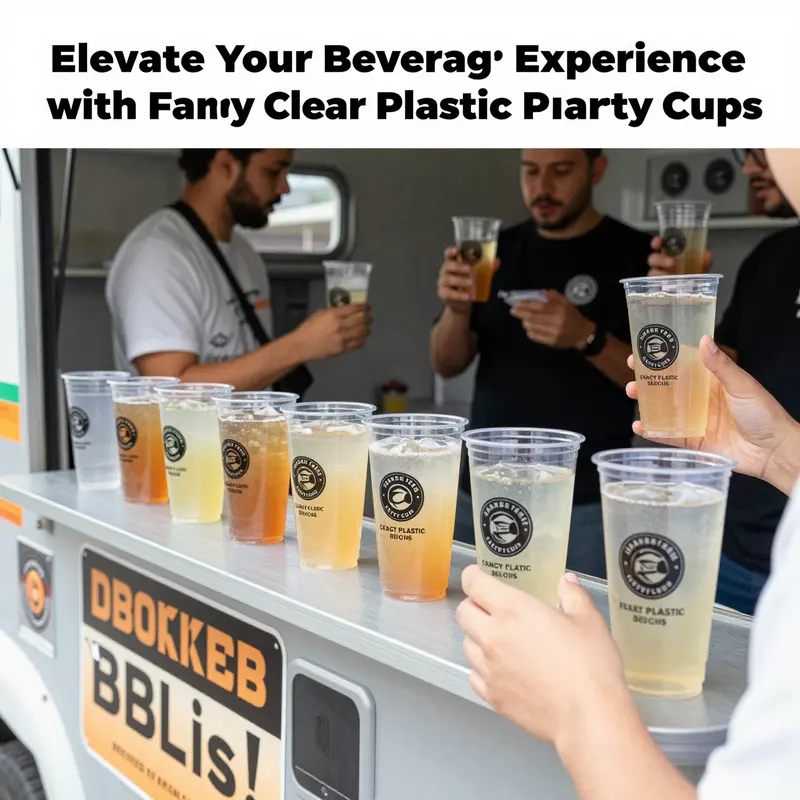
The moment a guest raises a glass at a reception, a branding opportunity unfolds. Transparent, branded clear cups transform a simple beverage service into a moving advertisement that lives in photos, memories, and conversations long after the event ends. When a cup is crystal clear, the color and texture of the drink become part of the brand narrative, a visual cue that can reinforce a message just by existing in the frame of a selfie, a toast, or a sponsor table. This is not about slapping a logo on a container; it is about creating a canvas where the brand’s colors, style, and personality are rendered with high clarity against any liquid – whether a fruit-forward mocktail, a dark, velvety coffee, or a sparkling, citrus-led beverage. In that sense, branded fancy clear cups function as portable billboards that carry the brand identity into the hands and moments of attendees, turning ordinary serviceware into a memorable, on-brand experience.
The appeal of clarity is twofold. First, the sheer transparency of the material showcases the drink itself, which elevates perceived value. A color-rich beverage appears more vivid when cradled in a clear vessel, and that visual inventory can be a powerful driver of perception. Second, the print surface on a clear cup is exceptionally forgiving. Logos, slogans, and artwork can be reproduced with sharpness and contrast, allowing brands to communicate their personality with precision. This is especially valuable in settings like product launches, corporate gatherings, or festive campaigns where every visual cue contributes to the overall story being told. The result is a cohesive sensory experience: the on-site display, the drink, the table styling, and the brand elements all harmonizing to reinforce recognition and recall.
The practical benefits of utilitarian design extend beyond aesthetics. Fancy clear cups are engineered for real-world use: they are lightweight enough for comfortable handling, durable enough to resist cracking under normal use, and often designed with features that enhance user experience. Lids – flat or domed – offer leak resistance, which is crucial for outdoor events, conferring a sense of reliability that brands want when they are trying to project a professional image. The inclusion of straws or inserts introduces additional merchandising opportunities, from dessert layers to parfait presentations, enabling a brand to showcase product versatility in a compact, disposable format. In terms of safety and compatibility, many of these cups are made from BPA-free materials, designed to perform across hot and cold applications, and suitable for high-volume service. This combination of durability, safety, and versatility makes branded clear cups a reliable vehicle for campaign messaging and experiential marketing.
From a strategic perspective, branded clear cups offer a low-friction path to sustained visibility. Businesses and event organizers can leverage bulk orders to ensure consistency across multiple touchpoints, from welcome receptions to after-hours mixers. Every cup becomes a potential touchpoint: a guest clinking glasses at a networking lounge, a server presenting a branded tasting flight, or a guest capturing a social post that features a well-composed wine or mocktail against a brand palette. In such moments, the cup does more than hold liquid; it frames the brand in real-time, with the brand’s color scheme, typography, and artwork rendered in high fidelity. The opportunity extends to photo opportunities, where attendees naturally photograph beverages to share on social platforms. The brand’s visual language is amplified as those images circulate, creating organic reach that is difficult to achieve through traditional signage alone.
The customization landscape for these vessels is as varied as the campaigns that deploy them. Brands can pursue embossing or debossing to add tactile texture to the cup’s surface, a subtle cue that invites touch and interaction. Finishes – matte or glossy – offer an additional layer of sophistication, shaping how light plays on the surface and how the brand appears under different lighting conditions. The artwork itself can be tailored to align with event themes, seasonal campaigns, or product launches, creating a collectible feel that makes the cup more than a disposable item. In a world where many attendees collect keepsakes from events, a finely designed cup can become a tangible reminder of a brand experience, extending the impact well beyond the final toast. The durability of the print is equally important; a design that holds up under cold storage, ice, or condensation preserves legibility and brand integrity as guests sip and savor.
The breadth of contexts in which branded clear cups can resonate is expansive, which is part of their marketing virtue. Corporate functions, product debuts, and seasonal celebrations each present distinct opportunities to tailor the branding approach. At a corporate function, the focus might be on a clean, professional aesthetic that communicates reliability and quality, with monochrome or brand-accurate color cues and a restrained logo treatment. At a product launch, the cups can showcase bold, high-contrast artwork that echoes the product’s packaging and advertising, turning the serving vessel into a moving billboard that travels with attendees through mingling spaces and demonstration zones. In festive environments, playful motifs, metallic accents, and vibrant palettes can evoke the mood of the season while still keeping the brand’s core identity intact. The key is to maintain a balance between standout graphics and legibility so that the message remains clear at a glance, even in crowded, high-energy venues.
The value of such cups grows when they are positioned as part of a broader experiential strategy. For organizers and marketers, the cups can anchor a brand’s presence across multiple stages of an event, from pre-event communications to on-site experiences and post-event feedback. A color-coordinated cup line can guide attendees through different zones, from registration to lounge areas, creating a visual map that subconsciously reinforces brand structure. When paired with branded signage, digital kiosks, or themed table settings, the cups contribute to a cohesive narrative rather than feeling like an afterthought tucked into a corner of a banquet. And because these vessels are designed for ease of use and efficient cleanup, they fit naturally into high-volume settings where guests expect seamless service. A smooth, quick rinse or a dishwasher-friendly option adds to the sustainability story, enabling organizers to close the loop with responsible disposal and recycling practices that align with contemporary corporate sustainability goals.
A critical, often-overlooked dimension of this opportunity is the potential for the cups to operate as shareable, portable branding artifacts. When guests take a cup home or into a networking session, the cup continues to circulate the brand in informal settings, extending reach beyond the formal event space. The more durable and aesthetically coherent the cup’s branding, the more likely it is that attendees will display or reuse it in ways that keep the brand present in daily life. With that kind of ambient exposure, a single cup can become a micro-retargeting device–capturing attention in a kitchen, on a desk, or at a social gathering weeks after the event. This passive, ongoing visibility can be more cost-effective and enduring than many paid channels, especially when the cup design leverages striking contrast, sharp typography, and a color palette that aligns with the brand’s core identity.
For teams considering the practical steps of implementing branded clear cups, the starting point is alignment. Define the visual language that will travel with the cup: logo placement, color usage, and the level of detail that remains legible when scaled down to the cup’s surface. Decide on the sizes that will be most useful for the audience–common options include mid-range capacities that suit a broad range of beverages. Consider whether lids or domed tops add value for the event type, particularly in outdoor or on-the-go contexts where spill resistance and portability matter. Inventory planning is essential; ensuring consistent color and print quality across all cups requires coordination with a reliable supplier who can handle bulk orders with consistent tolerances and color fidelity. In a setting where brand consistency is the difference between a forgettable moment and a memorable one, investing in reliable production processes pays dividends in perceived quality and audience recall.
To illustrate how this strategy translates into practice, imagine a scenario where a brand commissions a run of clear cups designed to echo its visual identity. The printing is crisp, the container’s transparency is uncompromising, and the packaging includes a simple, tactile finish that invites touch. The event unfolds with guests sampling a signature beverage that embodies the brand’s ethos. The cups, unobtrusively branded, sit in harmony with the table’s design language and the overall campaign narrative. Attendees post images that highlight the clarity of the cup and the vibrancy of the drink, creating a visual loop that naturally extends the brand’s presence across social feeds. The simple act of toasting becomes a memory cue, a reminder of the event’s experiential quality, and a practical example of how thoughtful packaging and presentation can amplify brand sentiment in tangible ways. In short, branded clear cups are not just vessels; they are active participants in the brand’s storytelling toolkit.
For readers seeking a concrete example of the practical, on-the-ground application of this approach, one can explore the available options for disposable clear plastic cups used at events and gatherings. https://ecocupbowl.com/product/disposable-clear-plastic-cup-outdoor-picnic-pet-cup-drinking-cup-for-parties-birthdays-weddings-camping-utensils/. This reference highlights how a seemingly simple serving item can be adapted to fit a wide range of branding needs while delivering reliable performance in diverse conditions. For brands seeking inspiration beyond the page, an external resource on branded clear cups can be found here: https://www.plasticcup.com/branded-fancy-clear-plastic-party-cups. This source offers context on current industry practices and showcases the broader appeal of combining elegance with practicality in mass-distributed drinkware, underscoring the value of aligning design, durability, and brand messaging in a single, purposeful accessory.
Final thoughts
Fancy clear plastic party cups present a unique blend of style, functionality, and strategic value that benefits a wide array of businesses and event professionals. Their versatile designs meet diverse beverage service demands, from bubble tea shops to large corporate events, while staying cost-effective and operationally efficient. These cups also contribute positively to social settings by enhancing hygiene and convenience. As environmental concerns grow, the choice of BPA-free, recyclable materials positions these cups as a responsible packaging option when integrated with sustainable disposal practices. Moreover, the ability to customize cups for branding elevates their role as a marketing asset that drives brand recognition and customer loyalty. For businesses aiming to upgrade their beverage presentation and operational performance, fancy clear plastic party cups offer a smart, multifaceted solution. Embracing them is a step towards an enhanced customer experience coupled with environmental and economic mindfulness.