
Plastic pollution is a pressing concern, especially in the fast food industry, which is notorious for its substantial use of plastic packaging. Surprising statistics reveal that the average person utilizing fast food services generates nearly 1,000 pieces of waste annually, a staggering figure that underscores the environmental footprint of our dining habits. Furthermore, the recovery rate for packaging materials hovers around a mere 29%, which highlights significant shortcomings in waste management and recycling practices within this sector.
The implications of these statistics resonate strongly in the realm of business, particularly for Bubble Tea Shops and Beverage Chains. As environmental regulations tighten and consumer demand shifts towards sustainable practices, food service enterprises face mounting pressure to adapt. Businesses that cling to traditional plastic packaging risk losing clientele to competitors who proactively adopt eco-friendly alternatives. The financial ramifications can be twofold: while transitioning to sustainable materials might incur initial costs, the long-term benefits of brand loyalty and reduced waste expenses can greatly outweigh these investments.
Additionally, reputational risks loom large for companies associated with high levels of plastic waste. Customers today are more conscious and informed about the environmental impacts of their choices, making it crucial for businesses to align their operations with values of sustainability. In this blog, we will explore viable solutions for reducing plastic use in fast food chains, offering insights that not only enhance your environmental credentials but can also position your brand as a leader in the evolving food service landscape. Let’s dive in and discover how making a few strategic changes can lead to meaningful impacts, both environmentally and economically!
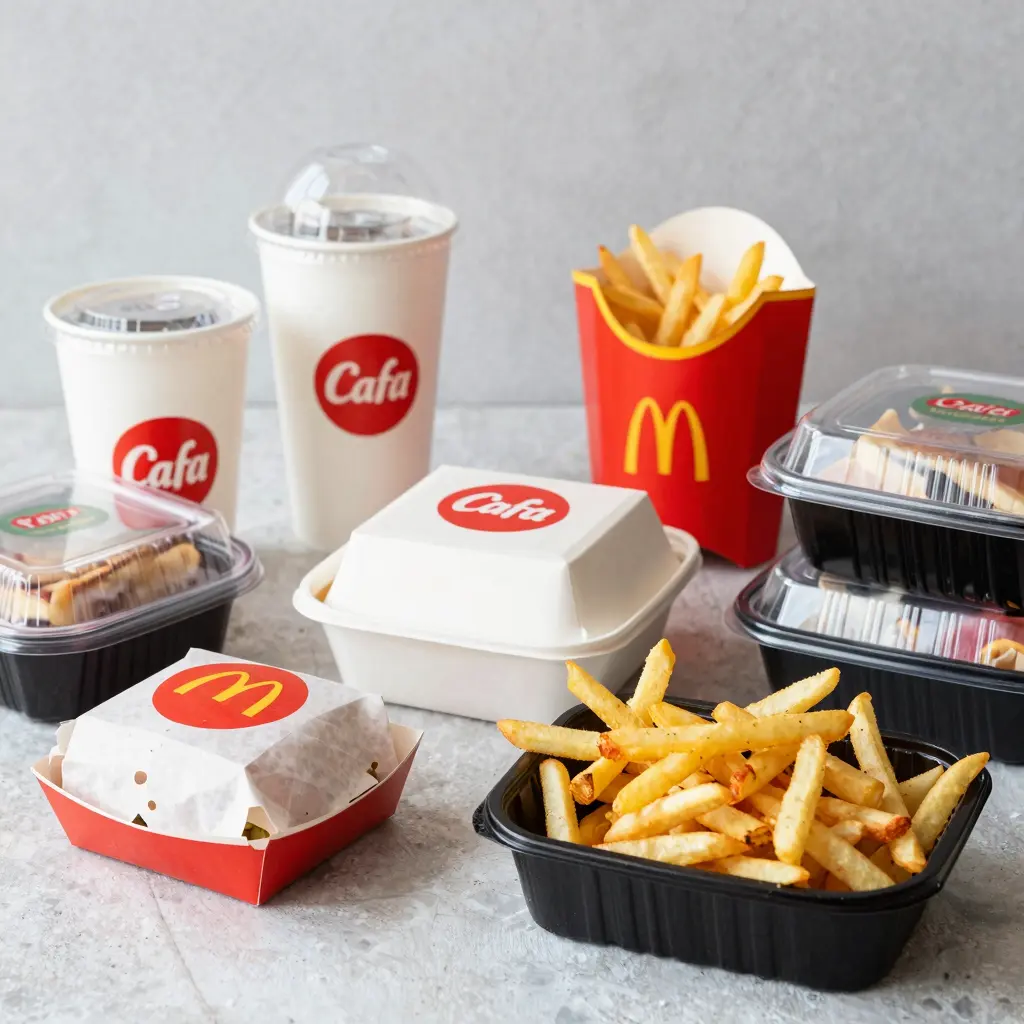
As we navigate these challenges, let’s consider effective packaging options that meet both consumer expectations and compliance demands-explore eco-friendly takeaway solutions to help your business thrive in this new landscape!
“The convenience of fast food comes at an environmental cost. Single-use plastics not only contribute to pollution but also pose significant risks to marine life and ecosystems.” – Environmental Scientist
As event planners and corporate procurement teams increasingly recognize the importance of product safety, understanding the potential health risks associated with plastic contamination in fast food is crucial. This section delves into the implications of consuming food contaminated with plastics, particularly microplastics, which have gained attention for their pervasive presence in our food systems.
Understanding Microplastics
Microplastics are tiny plastic particles less than 5mm in size, often resulting from the breakdown of larger plastic items. They can enter the human food chain through various pathways, including direct ingestion and environmental contamination, particularly in the food industry heavily reliant on plastic packaging. As highlighted in a Stanford Medicine study, it’s estimated that adults might ingest about one credit card’s worth of microplastics weekly!
Health Risks Associated with Microplastics
-
Toxic Exposure: Many studies raise concerns about the toxicological effects of microplastics. These particles can contain harmful chemicals and additives that leach into food, potentially leading to harmful health effects. This raises alarm as these toxins may disrupt human hormonal systems, leading to various health issues.
-
Immune System Impact: Research suggests that microplastics may impact the immune system, making individuals more susceptible to illnesses. They could generate inflammatory responses within the body, affecting the overall health and wellbeing of consumers.
-
Potential Links to Chronic Diseases: There’s ongoing research exploring the possible links between microplastic exposure and chronic diseases, including gastrointestinal issues and even cancer. While definite causal relationships require further investigation, emerging studies indicate a pressing need for awareness and action.
The Importance of Further Research
Despite the growing evidence suggesting health risks associated with plastic contamination, more comprehensive studies are necessary to fully understand its implications. According to UNEP, microplastics have the potential to disrupt food webs and soil ecosystems, leading to concerns about their accumulation in food. The overwhelming presence of microplastics in our environment signifies an urgent need for systematic research efforts to evaluate their impact on human health and safety.
Choosing Safer Options
For event planners and corporate procurement teams, it’s vital to prioritize suppliers who are aware of these challenges. Options like eco-friendly packaging can reduce plastic exposure and demonstrate a commitment to health and sustainability. For instance, exploring EcoCup’s range of sustainable food containers can help mitigate these risks while appealing to increasingly environmentally conscious consumers.
In conclusion, elevating awareness of plastic contamination in fast food not only aligns with safety priorities but also enhances public health. It’s crucial for industry leaders to remain informed and take active steps towards sourcing safer food options, safeguarding both consumer health and environmental integrity.
Environmental Impact of Plastic Waste from Fast Food
The fast food industry significantly contributes to environmental challenges, especially concerning plastic waste. Businesses that focus on eco-friendly practices can greatly reduce their environmental footprint by being aware of these impacts:
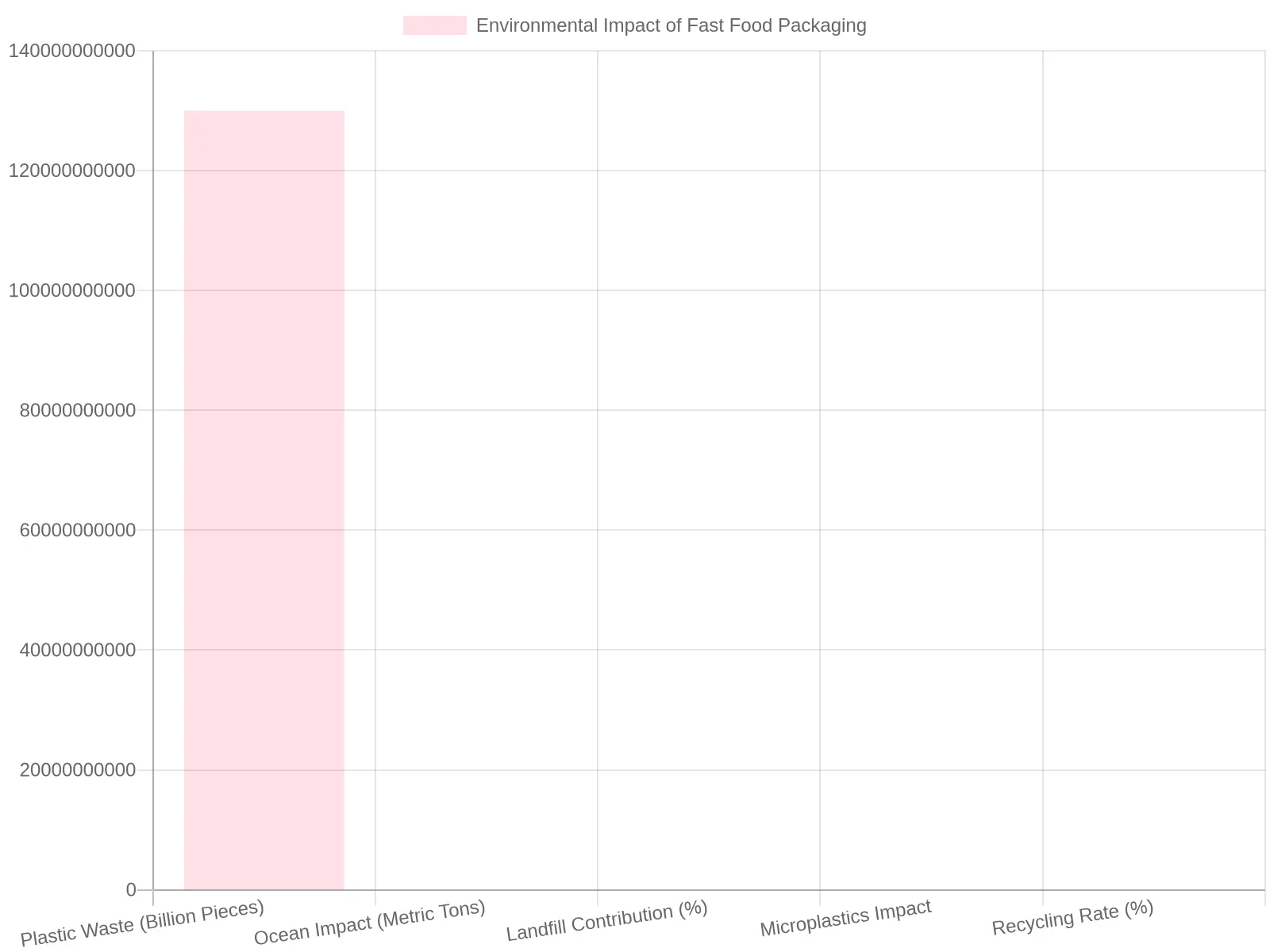
- Plastic Waste Generation: Fast food generates approximately 130 billion pieces of plastic waste annually worldwide.
- Ocean Pollution: An estimated 11 million metric tons of plastic enter the oceans each year, with fast food packaging being a major contributor to this disturbing statistic.
- Landfill Overflow: Fast food containers account for around 30% of all waste in municipal landfills, exacerbating issues related to overflow and the environmental burden of landfills.
- Microplastics in Food Chain: Microplastics from food packaging are found in marine life, adversely affecting aquatic ecosystems and potentially impacting human health through the food chain.
- Low Recycling Rates: Currently, only about 9% of plastic waste is recycled globally, leaving most to accumulate in landfills and oceans, further worsening the pollution crisis.
For businesses like bubble tea shops, beverage chains, and restaurants, taking steps towards reducing plastic waste can significantly contribute to environmental conservation. Consider exploring eco-friendly packaging options that minimize plastic usage and promote sustainability.
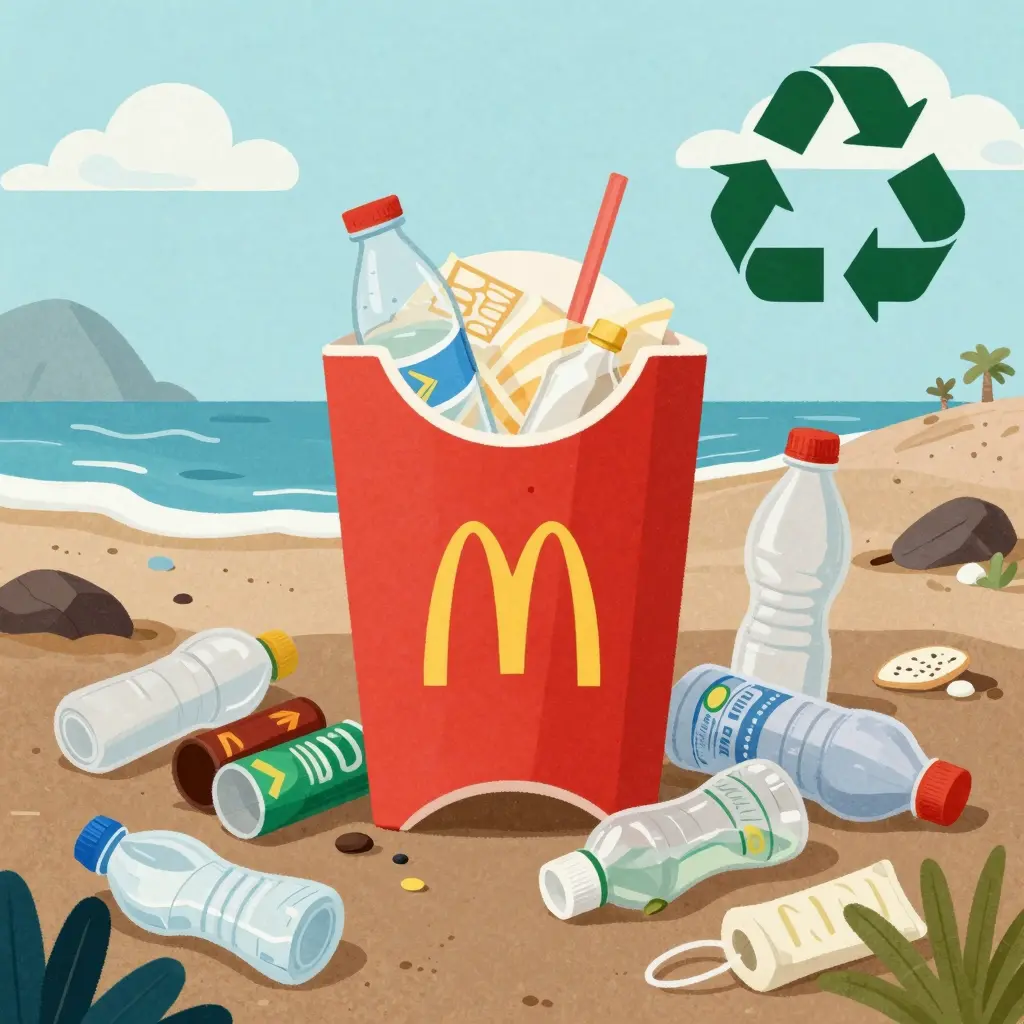
Visual Representation
Here’s a graphical representation of the environmental impacts discussed:
Conclusion
Implementing sustainable practices is crucial for the food industry to mitigate the adverse environmental impacts of plastic. Transitioning to eco-friendly takeaway solutions can foster a healthier planet and reflect a positive brand image to environmentally conscious consumers.
Eco-Friendly Alternatives to Plastic Fast Food Containers and Tableware
As awareness about the environmental impact of plastic waste grows, many restaurants, food trucks, and catering services are seeking sustainable alternatives to plastic fast food containers and tableware. Fortunately, there exists a variety of eco-friendly options that not only align with your business ethics but are also safe and durable for everyday use.
Why Choose Eco-Friendly Materials?
Transitioning to eco-friendly materials helps reduce plastic pollution and is an essential step towards a greener future. By opting for alternatives, you show your customers that your business is committed to sustainability, potentially attracting a clientele that values eco-friendly practices.
Notable Alternatives to Plastic:
- Bamboo Tableware
Bamboo is a rapidly renewable resource that offers a robust and stylish alternative to plastic tableware. The benefits include:
-
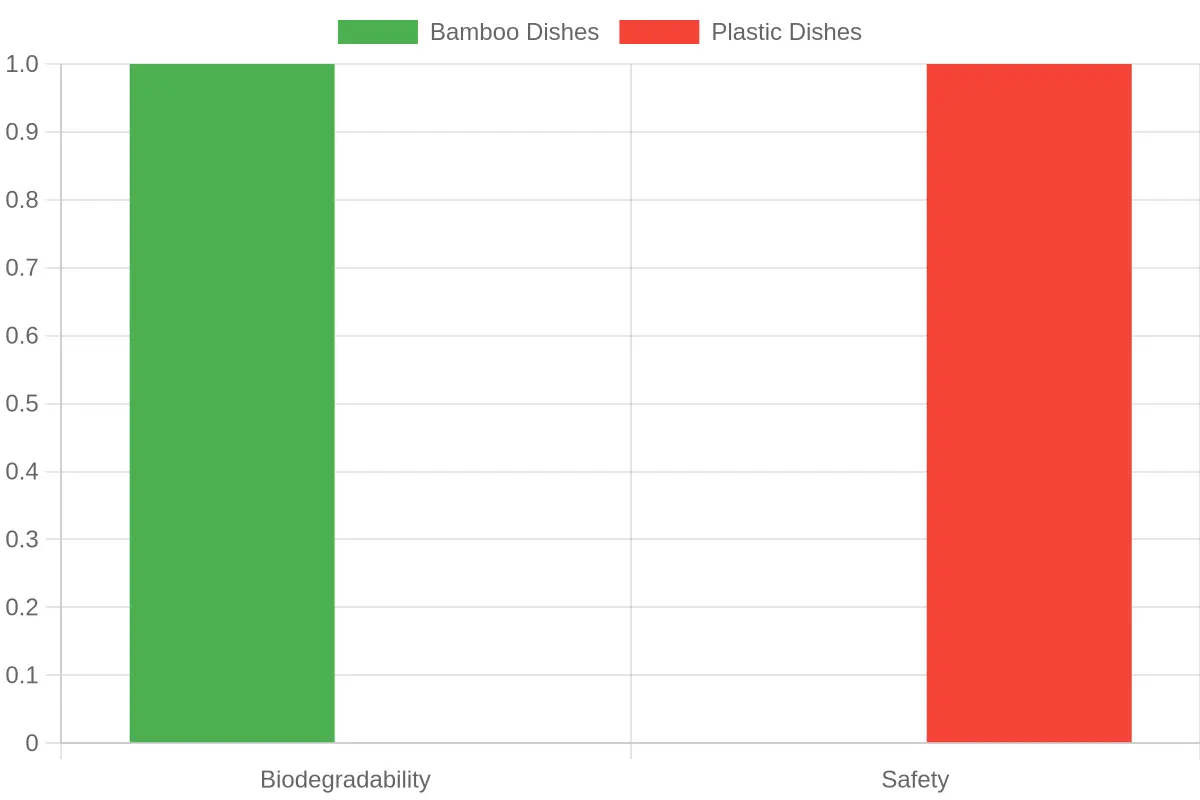
Biodegradability: Bamboo products decompose within a few years after disposal, contrasting sharply with the hundreds of years plastics take to break down.
-
Safety: Bamboo dishes are free from harmful chemicals like BPA, ensuring that food served in these containers remains safe for consumption.
-
Durability: Bamboo tableware can withstand both hot and cold foods, making it versatile for various dining experiences.
For a wide selection of bamboo products, check out EcoCup Bowl’s bamboo pulp range.
- Paper and Cardboard Containers
Paper-based containers can effectively replace plastic containers in a variety of settings. They offer:
-
Lightweight and stackable: This makes storage ease a huge advantage.
-
Recyclability: Many paper containers are recyclable or compostable, aiding in reducing waste.
-
Variety in design: Paper containers come in different shapes and sizes, accommodating various food items like salads, burgers, or desserts.
To explore a range of paper food trays, visit EcoCup Bowl’s paper food tray selection.
- Cornstarch-Based Products
Derived from corn, these bioplastics are an excellent alternative to single-use plastics. Key features include:
- Compostability: They can decompose in a home compost environment within a few months.
- Heat Resistance: Suitable for both cold and hot meals without compromising structural integrity.
- Minimal environmental impact: Cornstarch is a renewable resource and requires less energy during production than traditional plastic.
- Compostable Cutlery
Consider using wooden or bioplastic cutlery options. Benefits include:
-
Sustainability: Wooden utensils are made from renewable resources and are usually compostable.
-
Aesthetic appeal: They add a rustic charm to dining presentations, enhancing the overall customer experience.
-
Food safety: They do not leach chemicals like traditional plastic cutlery, ensuring safety for your customers.
To view an extensive range of disposable cutlery, visit EcoCup Bowl’s wooden cutlery section.
Benefits of Switching to Eco-Friendly Options
A visual representation of the benefits illustrates that bamboo options, for instance, are biodegradable, safe, and sustainable. Check out this comparison chart between bamboo and plastic dishes to understand their environmental impact better:
Conclusion
Making the switch from plastic to eco-friendly alternatives not only aids in protecting our planet but also enhances your brand’s image as a responsible and conscious business. Implementing these sustainable options can lead to increased customer loyalty and satisfaction. So, why not start today? Explore EcoCup Bowl’s extensive range of sustainable products and embark on your journey toward sustainability!
By adopting these alternatives, your business contributes to a cleaner environment while maintaining the quality and safety that your customers expect. Embrace sustainability today and join the movement for a healthier planet!
Comparing Disposable Tableware Options
When choosing disposable tableware for your business, it’s essential to understand the various materials available in the market. Here’s a comparison of three popular options: plastic, biodegradable, and compostable tableware. This table provides insights into their durability, cost, suitability for different food types, and environmental impact.
| Material | Durability (1-5) | Cost | Suitable for Hot Food | Suitable for Cold Food | Environmental Impact |
|---|---|---|---|---|---|
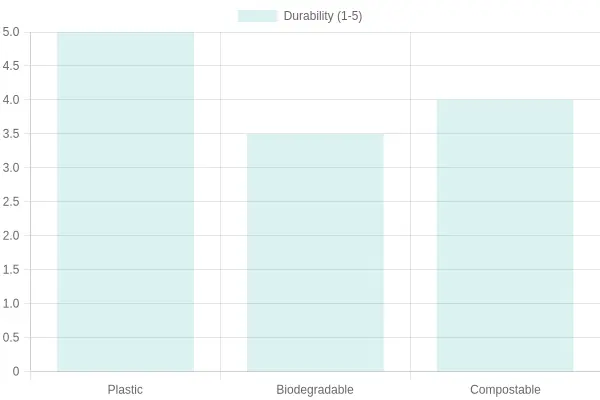
| Plastic | 5 | Low | Yes | Yes | Negative: non-biodegradable, long decomposition time |
| Biodegradable | 3-4 | Medium | Yes | Yes | Moderate: decomposes but may not break down in landfills |
| Compostable | 4 | Medium-High | Yes | Yes | Positive: biodegradable, breaks down in industrial compost |
Key Factors to Consider:
- Durability: Plastic is the most durable option, making it suitable for various food types. However, it poses significant environmental concerns.
- Cost: Plastic options are typically cheaper than biodegradable and compostable options, which may require more investment but offer better environmental benefits.
- Environmental Impact: Choosing biodegradable or compostable materials supports sustainability and reduces plastic waste.
Further Reading
To explore more about eco-friendly packaging solutions, check out our biodegradable packaging options and takeaway boxes for food.
Visual Overview
Here’s a graphical representation of the durability ratings for these materials:
These insights will assist you in making informed decisions on the best disposable tableware options per your operational needs and environmental goals.
In today’s environmental landscape, food service businesses play a pivotal role in advancing corporate responsibility, particularly in the quest to reduce plastic waste. With increasing consumer awareness and advocacy for sustainable practices, businesses must adopt strategies that address plastic pollution while reaping long-term benefits.
The Importance of Reducing Plastic Waste
Food service businesses, including bubble tea shops, restaurants, and catering services, generate significant amounts of plastic waste, especially with single-use items like cups, straws, and packaging. The adoption of sustainable practices not only positions these businesses as environmentally conscious but also fulfills a growing public demand for eco-friendly options.
Long-Term Benefits of Sustainable Practices
-
Enhanced Brand Reputation: Companies that actively reduce plastic waste improve their public image and reputation. Today’s consumers gravitate towards brands that share their values. According to a recent study, about 76% of consumers are willing to pay more for products from sustainable brands. By promoting their commitment to sustainability, food service businesses can cultivate a loyal customer base that appreciates their efforts toward environmental stewardship.
-
Cost Savings: Although the initial investment in sustainable materials may be higher, the long-term savings can be substantial. Many eco-friendly alternatives, such as compostable cups or natural packaging solutions, can reduce disposal costs and waste management fees. Businesses may also find efficiencies in their supply chains, particularly as regulations around single-use plastics tighten globally.
-
Regulatory Compliance: Adapting early to environmentally-friendly practices can help businesses stay ahead of legislation that increasingly targets plastic use. Regulations banning certain types of plastics and imposing taxes on plastic waste are becoming common. By proactively embracing sustainable alternatives, food service businesses can mitigate potential regulatory pressures.
Practical Steps Towards Reducing Plastic Waste
Food service operators have numerous options to integrate sustainability into their operations:
-
Switch to Reusable and Biodegradable Products: Transitioning to materials like bamboo or recycled paper products for cutlery and packaging can significantly cut down on plastic waste. Items like eco-friendly takeaway boxes and biodegradable cups are great alternatives.
-
Implement Customer Education: Engaging customers in the conversation about sustainability can foster a culture of eco-consciousness. Informing them about the impact of plastic waste and encouraging them to participate in reducing it (e.g., by opting for reusable containers) can enhance customer loyalty.
-
Collaborate with Suppliers for Sustainable Materials: Building partnerships with suppliers who prioritize sustainable practices can enhance the overall impact. Businesses can access innovative products that align with their sustainability goals while reducing their environmental footprint.
Conclusion
The food service industry carries a significant responsibility in leading the charge against plastic pollution. By embracing sustainable practices, businesses not only protect the environment but also cultivate a stronger brand presence, comply with regulations, and save costs in the long run. As the global focus shifts toward sustainability, adapting to these practices will be critical for businesses wishing to thrive in a competitive market and positively contribute to the planet’s welfare.
By focusing on corporate responsibility and adopting innovative solutions, food service businesses can help pave the way towards a greener future.
Plastic Usage Trends in the Fast-Food Industry
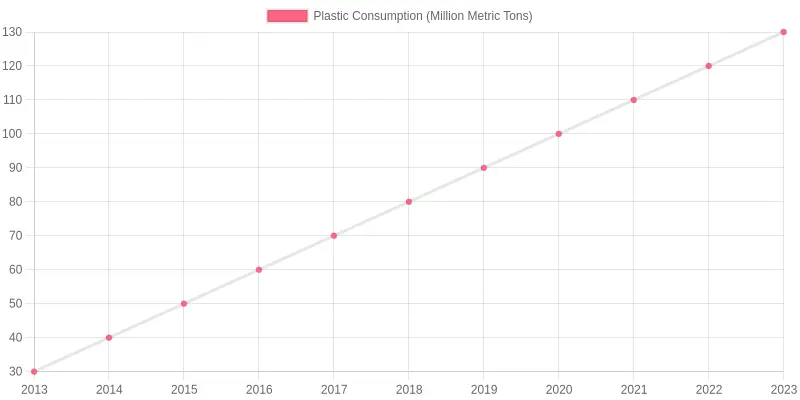
The emergence of the fast-food industry has contributed significantly to the overall plastic consumption, which has escalated over the past decade. This upward trend highlights the growing concern surrounding plastic waste and its environmental impact.
Overview of Plastic Consumption (2013-2023)
| Year | Plastic Consumption (Million Metric Tons) |
|---|---|
| 2013 | 30 |
| 2014 | 40 |
| 2015 | 50 |
| 2016 | 60 |
| 2017 | 70 |
| 2018 | 80 |
| 2019 | 90 |
| 2020 | 100 |
| 2021 | 110 |
| 2022 | 120 |
| 2023 | 130 |
This visualization underscores the necessity for sustainable practices in the food service sector. Fast-food chains are under pressure to reduce plastic use and enhance recycling initiatives to mitigate the environmental impacts. As an operator in the industry, you can explore options like food trays and takeaway boxes that align with eco-friendly operations.
Elevate Your Food Service Business with Quality Solutions
As we bring this discussion to a close, it’s important to remind you of the value that reliable and high-quality disposable tableware and packaging solutions can bring to your food service business. At EcoCupBowl, we specialize in providing a diverse range of products specifically designed for bubble tea shops, beverage chains, restaurants, food trucks, catering services, and event planners.
By partnering with us, you are not just buying tableware; you are investing in the safety and quality standards that your customers expect. Our products are designed to meet stringent safety guidelines while ensuring that they provide an excellent dining experience. From fast food boxes to elegant recyclable cups, we have something for every type of food service setting.
Moreover, our responsive customer support means that you have a trusted partner who understands your needs and is ready to provide tailored quotes that fit your specific requirements. This way, you can focus on what you do best-serving your customers and delighting them with exceptional food and beverage offerings.
Don’t compromise on quality. Let’s elevate your business together! Explore our selection today and experience the seamless integration of style, safety, and functionality in all your packaging needs.
Reach out to us for a consultation or a tailored quote, and see how we can help you deliver excellence at every meal!