
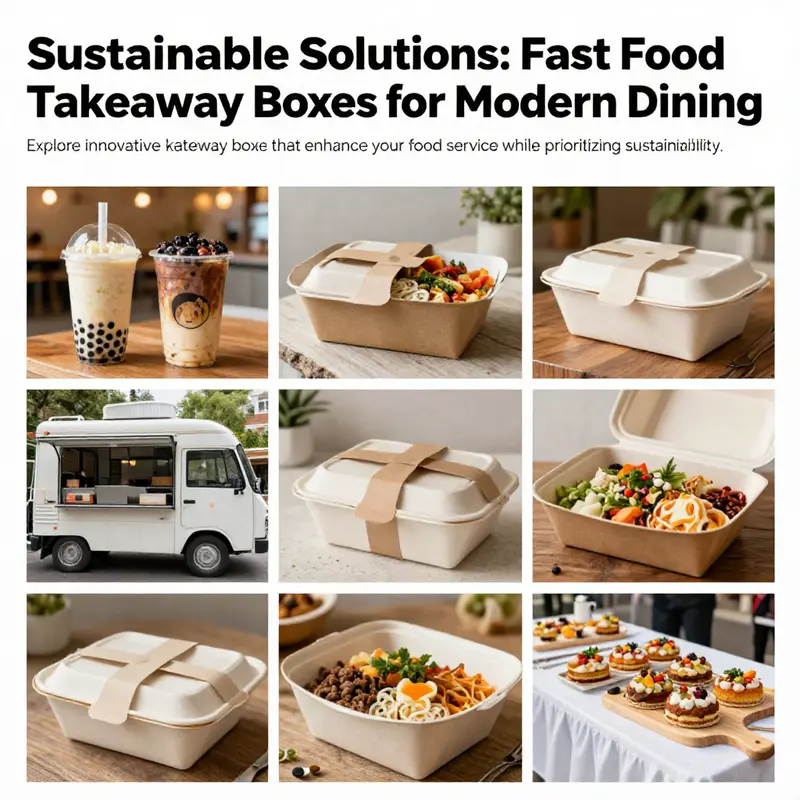
In today’s competitive food service landscape, takeaway boxes are not merely containers but a vital component that affects both customer satisfaction and brand reputation. For bubble tea shops, restaurants, food trucks, and catering services, the right packaging ensures your offerings remain appealing and fresh during transport. Furthermore, event planners and corporate procurement teams increasingly seek eco-friendly options that align with sustainability goals. This article delves into the various aspects of fast food takeaway boxes, covering material composition and environmental impact, design and functional features, industrial applications and customization, emerging sustainability trends, and evolving consumer preferences. By understanding these elements, businesses can make informed choices in their packaging strategies that resonate with an eco-conscious clientele.
Box by Box: The Material Journey of Fast Food Takeaway Packaging and Its Environmental Footprint
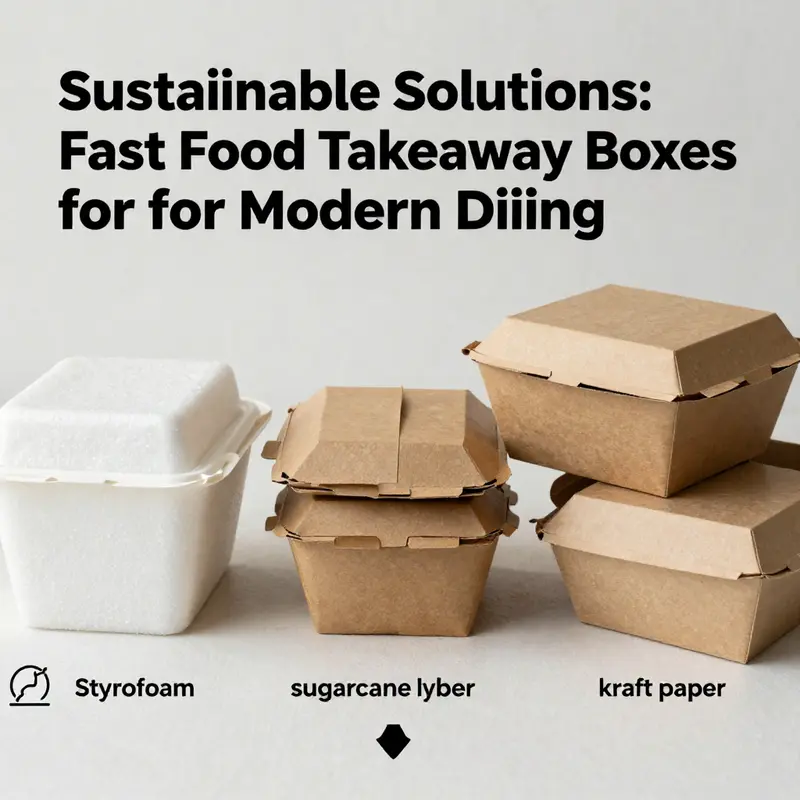
Box by box, fast food takeaway packaging tells a story of heat, haste, and a changing relationship with the planet. These containers are more than simple carriers; they are active participants in the food system, shaping quality in transit, influencing waste streams after use, and framing brand perception long after a meal is eaten. To understand their impact, a lifecycle lens is essential. The material choices behind each box—EPS foam, kraft paper, lined paperboard, or rigid plastics—drive insulation, moisture resistance, and leak control, but also determine environmental consequences that echo across waterways, landfills, and energy systems. The most common material, expanded polystyrene foam, offers lightweight structure and strong thermal properties that help keep meals hot and fries crisp during transit; however, EPS is derived from fossil fuels and its durability in the environment translates into persistence, often escaping collection in municipal recycling streams or being diverted to low-value pathways. The environmental ledger here is clear: a material prized for performance can impose long-term costs if not managed within a robust recycling or recovery framework. This tension between performance and end-of-life outcomes has spurred the industry to seek alternatives that deliver acceptable functionality while reducing ecological burdens. In recent years, the shift toward paper-based options has accelerated, with kraft boxes often lined with biodegradable coatings or moisture barriers and increasingly viewed as more recyclable or compostable when industrial facilities exist to process the coatings. Bagasse, or sugarcane fiber, offers another path and is 100% biodegradable and compostable, suitable for sturdy lunch boxes that withstand daily handling, light oil resistance, and, in many cases, microwave use. Yet the lifecycle realities of these materials remind us that no single solution is universal; each material arrives with trade-offs—insulation versus compostability, grease resistance versus recyclability, cost versus processing intensity. A typical 1,000 ml bagasse container may advertise heavy-duty performance and leak resistance while promising a more environmentally responsible end-of-life. In practice, the true environmental story depends on post-use waste collection, sorting, recycling, or composting, and on the local energy mix and waste management infrastructure. Beyond material choice, the design of takeaway boxes matters for both performance and waste outcomes. Clamshells with hinged lids provide tight sealing for burgers, but their geometry can complicate recycling. Compartmentalized or bento-style boxes help keep foods separate and improve consumer experience. Open-top trays suit dry or semi-dry foods, while moisture-resistant compartments preserve texture and presentation for delicate items like sushi. Design decisions interact with material choice in subtle but important ways: a reinforced, leak-proof container may rely on rigid plastic or treated paperboard with internal coatings; a foam box may rely on a thermal envelope and light weight to minimize transport energy, yet complicate end-of-life processing. These interactions reflect broader shifts in consumer expectations and regulatory pressures to reduce packaging waste and promote circularity. Customization has emerged as a powerful dimension of packaging strategy: brands seek packaging that reinforces identity while meeting practical needs in crowded marketplaces. Online platforms for packaging enable custom-printed cardboard and paper boxes with branding opportunities. The same dynamics that make packaging effective in marketing—color, texture, and tactile appeal—also influence disposal choices. For example, thicker kraft walls—such as a 1 mm option versus 0.8 mm disposables—can improve resistance to bending and leakage, reducing waste by protecting contents, but heavier walls also consume more material and energy in production and disposal unless end-of-life processing is highly efficient. The packaging conversation thus becomes a balancing act between consumer experience, logistics, and ecological footprints. In the regulatory and public-scrutiny landscape, a robust body of research points to reductions in material use, increased recyclability, adoption of compostable designs where feasible, and promotion of reusable packaging. The environmental calculus becomes more favorable when packaging is designed for circularity—materials can be returned, refilled, or reprocessed with minimal energy input and maximum recovery of resources. Consumer behavior and infrastructure also determine ultimate outcomes: even the most advanced compostable or recyclable box works only if industrial facilities exist to process it and if consumers dispose of it correctly. This intertwining of design, materials, and behavior explains why lifecycle thinking matters rather than single metrics like recyclability or biodegradability. Single-use takeout containers remain a major waste source under current systems, especially where recycling rates are low or composting facilities are scarce. A foundational study highlights the low recyclability of many single-use containers and their contribution to plastic pollution and greenhouse gas emissions across their lifecycle. The takeaway is not to demonize any one material but to recognize that environmental cost resides at the intersection of production, use, and end-of-life management. From this vantage point, industry best practices emphasize reducing material use, increasing recyclability, adopting compostable designs where feasible, and promoting reusable packaging ecosystems. The aim is to align packaging with circular economy principles, keeping materials in circulation and waste minimized. Consumers also have a role: sorting accuracy and disposal habits can dramatically alter outcomes, while transparent labeling clarifies material composition and end-of-life options. Brands can use packaging as a platform for storytelling about sustainability, balancing aesthetics and functionality with honesty about what happens after the consumer finishes a meal. The journey from raw material to end of life is a network of decisions shaped by technology, policy, and cultural norms. For practitioners and researchers, Life Cycle Assessment (LCA) tools enable comparisons across materials, coatings, and designs, though results depend on assumptions about recycling rates, composting infrastructure, and energy sources. There is no universal winner: EPS may win on insulation and cost in some contexts, but it loses where recovery rates are high or consumer participation in recycling streams is strong. Bagasse and kraft-paper-based systems offer compelling advantages when embedded in robust waste-management systems that can process coatings and separate fibers for recycling. In some cases, PLA or other biodegradable coatings improve compostability, though their benefits hinge on access to industrial composting and the energy cost of coating materials. The broader implication for the fast-food packaging ecosystem is a call for deliberate design and system-level thinking: harmonizing material innovations with processing capabilities and consumer behavior to reduce takeaway boxes’ environmental footprint without compromising speed, convenience, or safety. This integrated approach—careful material selection, thoughtful design, and alignment with recycling and composting infrastructure—offers a path forward, not merely toward a greener box but toward systems that value resilience and accountability alongside cost savings or branding impact. To illustrate practical momentum, sustainable packaging is increasingly used as a branding signal: it demonstrates commitment to responsible stewardship while preserving performance. Packaging becomes a tangible proof point of a restaurant’s values, signaling to customers that convenience and environmental care can coexist. The environmental footprint of takeaway boxes thus becomes a narrative of continuous improvement rather than a fixed verdict. The material journey—from foam to fiber, from non-recyclable to recyclable and compostable—reflects broader shifts in how the food sector conceptualizes waste, value, and responsibility. It invites ongoing collaboration among material scientists, packaging engineers, waste managers, policymakers, and consumers. Only through such collaboration can packaging that preserves food quality during transit align with a future in which waste is minimized, resources conserved, and the life cycle of every box ends with respect rather than residue. For readers seeking deeper grounding, peer-reviewed literature in journals such as the Journal of Cleaner Production provides frameworks for evaluating environmental impacts across takeaway packaging, highlighting lifecycle thinking and the move toward more sustainable, recyclable, and compostable options while acknowledging ongoing structural challenges. As the industry evolves, takeaway box material composition and environmental impact will remain central topics—testaments to the balance between practical kitchen needs and a world eager to reduce waste. The story is ongoing, and every design decision can bend the curve toward a more sustainable takeaway future. For readers seeking concrete opportunities to explore eco-friendly packaging options, many current offerings emphasize multi-compartment meals with robust barrier properties. The landscape includes packaging designed for performance and sustainability, with real examples showing how innovation can combine functionality with reduced ecological footprint. See the example product link for contemporary packaging that illustrates these trends, and note that external scholarship supports these trajectories with lifecycle analyses and policy insights.
Carriers of Taste: Designing for Transit, Flavor, and Brand in Fast Food Takeaway Boxes
Takeout boxes do more than hold food; they carry the entire moment of a meal from kitchen to curb, from the moment a customer places an order to the first bite on the street or at the door. They are quiet partners in flavor, texture, and temperature, and they work behind the scenes to protect quality while shaping perception. The modern fast food box is the result of careful tradeoffs among function, cost, and brand promise. At their best, these packages preserve heat, resist moisture and grease, prevent leaks, and present the product in a way that invites appetite. They also reflect a company’s values, from the choice of material to the possibility of customization. In a landscape where packaging is increasingly tied to environmental responsibility and regulatory expectations, the design of takeaway boxes has become a strategic conversation as much as a logistical one. The box must endure hustle—long lines, busy kitchens, crowded delivery routes—while delivering an experience that feels effortless to the customer. In this sense, the box becomes part of the product itself, a portable ambassador that travels with the meal and returns the impression of care, reliability, and modernity with every delivery or curbside pickup.
The most visible aspects of design are functional features that matter in day-to-day operations. Boxes are engineered for quick assembly and fast closing, a necessity when volumes spike. They are lightweight and stackable, simplifying storage for kitchens that must move rapidly from prep to packaging to dispatch. These efficiencies translate into tangible cost savings and space optimization in both the restaurant and the courier phase of service. Yet the same efficiency can reveal limitations. A common challenge is poor leak resistance, especially when saucy items or heavily sauced components are packed together. Lids may pop open during transit, not just creating mess but risking contamination and customer dissatisfaction. Designers respond by incorporating robust sealing mechanisms, secure hinge designs, and sometimes multi-layer walls or specialized coatings that resist grease and moisture. The aim is to keep the experience seamless, even when the box has to endure the bumpy ride of a crowded urban street or a long, weathered delivery route.
Material choices sit at the heart of these tradeoffs. Traditional flexibility and insulation historically drew many brands to foam-based containers. Yet foam boxes have fallen out of favor in markets wrestling with environmental impact and regulatory pressure. In practice, fast food packaging now leans toward materials that balance durability with sustainability. Polypropylene (PP) and polyethylene terephthalate (PET) are common for their strength, moisture and oil barriers, and compatibility with reheating or freezing. These plastics offer transparency that can enhance visual appeal, a factor that restaurants use to entice customers by showcasing bright, well-presented meals. They are also shatter-resistant, a practical advantage in busy service contexts where breakage would be costly or dangerous.
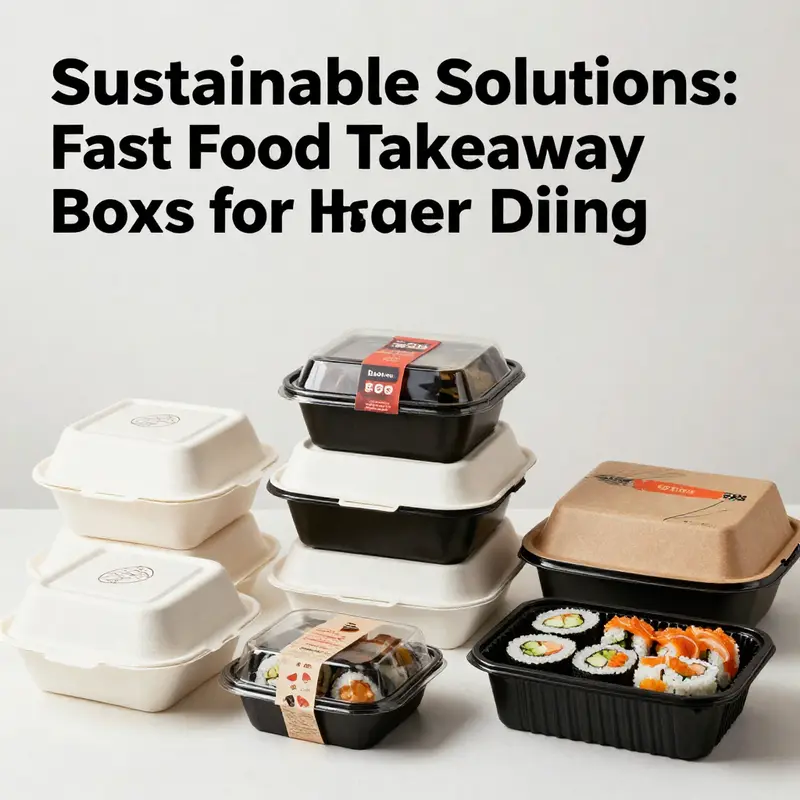
For items that rely less on moisture barriers and more on light handling, open-top trays and simple clamshells remain popular. Clamshell designs provide tight seals and hinged lids that help contain steam and odor while presenting a polished exterior. Compartmentalized or bento-style configurations are favored when a single order includes multiple components—fries, rice, vegetables, and protein—since partitions keep flavors distinct and prevent soggy mingling. Sushi boxes and other secure-lid formats have found favor beyond their traditional origins because they deliver moisture resistance and predictable containment, which is essential for delicate items during transit. The design language of these formats often extends beyond pure function; it communicates a brand’s attention to detail and its commitment to item integrity in a hands-off, delivery-forward world.
In parallel with these plastic-based solutions, paper-based formats are gaining traction for brands prioritizing eco-conscious narratives. Flat paper bags and paperboard boxes offer lightness, cost efficiency, and ease of recycling or composting. Their limitations are real, however. Paper can lack the moisture and grease resistance of plastics, making them less suitable for saucy dishes or items with heavy frying oils without additional coatings or liners. Nevertheless, for dry items like wraps, pastries, or non-greasy sandwiches, paper-based packaging can deliver an excellent balance of sustainability and performance. Some brands explore sugarcane fiber, or bagasse, as a compostable alternative with strong structural properties and a credible environmental story. When combined with careful design—insulating layers, leak-resistant seams, and thoughtful venting—these materials can approach the performance of plastics while delivering a clearer message about responsibility to the planet.
Another thread in the packaging story is the potential for customization and branding. The packaging itself becomes a canvas for the brand’s identity, turning a practical object into a marketing touchpoint. Where mass production dominates, brands increasingly rely on suppliers and platforms that offer custom-printed cardboard and paper boxes with vibrant offset printing. The ability to align the look of the container with the restaurant’s interior design, menu, and customer experience creates a coherent, memorable impression that extends well beyond the napkin or sticker. The box is not simply a carrier; it is a portable billboard that can reinforce flavor expectations, convey an ethos, and signal quality before the first bite is taken.
Material choice, then, is a decision that carries both operational and perceptual weight. A heavy-duty kraft paper box might be 1 millimeter thick, or a comparable plastic container might offer superior rigidity and snap-tight sealing. Such distinctions translate into real-world outcomes: a sturdier container reduces the risk of bending or collapse during transit, which in turn lowers waste and returns while improving customer satisfaction. The tradeoffs are nuanced. A thicker paper box can outperform a thinner variant in stacking stability and perceived quality, yet it may demand more aggressive processing on the packaging line and could complicate recycling in some jurisdictions. These contrasts underscore how the “right” box for a given brand and menu is not universal; it is the outcome of curated decisions about material science, operational realities, and audience expectations. The most successful designs balance these elements with a clear narrative about why this particular packaging choice matters for the consumer and for the planet.
Beyond material performance and structural efficiency, the packaging environment inside a fast food venue contributes to how customers interpret the box itself. Interior design principles—minimalism, functional elegance, and material honesty—have informed the packaging aesthetic. When a brand communicates through its physical space, it is natural to extend that language to the takeout box: clean lines, sustainable materials, and a restrained, purposeful logo become signals of reliability and modernity. The packaging mirrors the dining experience: if the restaurant’s in-store environment prizes clarity and efficiency, the takeaway box should reinforce those values by presenting a calm, organized, and trustworthy image. This alignment between space and packaging strengthens the overall brand narrative and reduces cognitive friction at the moment of purchase and consumption.
The opportunity for strategic branding also hinges on customization and the ability to tell a story through packaging. In markets open to imports and global supply chains, manufacturers offer options for custom-printed boxes with logos, color schemes, and even window cutouts that reveal the product imagery inside. The choice of wall thickness, seal design, and coating can all be tailored, enabling a brand to differentiate itself at the point of sale and during delivery. Such customization is not merely cosmetic; it influences customer perception of value and can affect their willingness to reuse or recycle packaging if the messaging clearly communicates sustainability and quality. In this sense, the box becomes a small but meaningful extension of a brand’s philosophy, one that travels with the meal and reinforces the customer’s decision to choose that brand again.
A practical takeaway for operators is that design decisions resonate through every stage of the delivery journey. The box affects food quality, but it also affects handling, stacking in couriers’ vehicles, and even the likelihood of returns or complaints. A leaking container can color a customer’s entire experience of the meal, just as a visually appealing, well-branded box can heighten anticipation and satisfaction. The best designs anticipate real-use scenarios: sauces that threaten to escape, steam that condenses and dampens, and the need to reheat safely without compromising texture. Companies are increasingly addressing these realities with smarter seal patterns, grease-resistant coatings, double-wall constructions, and venting strategies that preserve moisture balance without compromising heat retention. The evolving toolkit of packaging design thus blends physics with psychology, engineering with storytelling, to deliver a product that performs and resonates.
For brands exploring sustainable options, eco-friendly takeout boxes for food packaging offer a concrete path toward reducing environmental footprint without sacrificing function. Such options illustrate how materials like craft paper and bagasse can be engineered to deliver reliable moisture resistance and structural integrity while supporting compostability or recyclability. Yet even as sustainable choices gain prominence, the need for robust performance remains non-negotiable. The interplay between sustainability and performance is not a compromise; it is an evolving design brief that asks engineers and designers to innovate across barriers—thermal protection, seal integrity, human factors, and supply chain resilience. In practice, this means collaborations among designers, material scientists, and operations teams, all aligned around a shared objective: deliver food that tastes as good at the destination as it did in the kitchen, arrive in perfect condition, and leave a packaging footprint that aligns with contemporary environmental expectations.
The discussion would be incomplete without acknowledging external references that document the broader landscape of fast food packaging. Industry guides emphasize a balance of materials and designs that address heat retention, leak prevention, and branding, while also highlighting the growing emphasis on recyclability, compostability, and safety standards. These sources remind us that the box is not only about immediate function but also about long-term responsibility and adaptability to evolving consumer norms and regulatory frameworks. As menus evolve and transportation networks expand, takeaway boxes will continue to adapt, merging new materials with proven forms to sustain performance, health, and perception at once. The future of fast food packaging, in short, lies in the clever fusion of form and function, with sustainability and brand storytelling as enduring anchors that guide every hinge, gusset, and crease.
External resource: https://www.foodserviceequipment.com/fast-food-container-guide/
Packaging at Scale: Industrial Design and Customization in Fast-Food Takeout Boxes
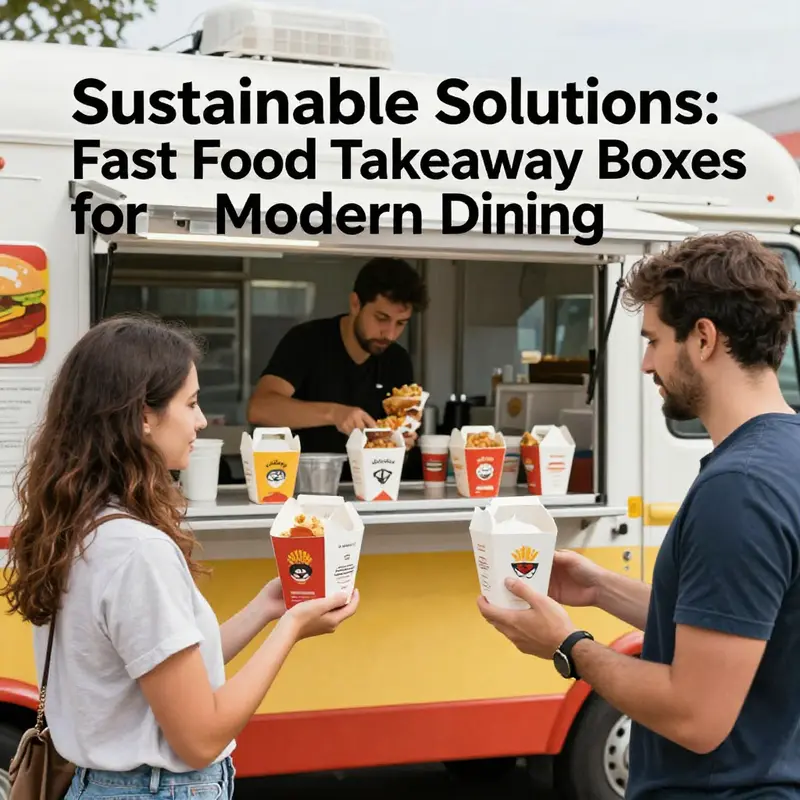
The fast food takeaway box has evolved far beyond a simple vessel for carrying meals. Today it stands at the intersection of industrial engineering, environmental stewardship, and brand storytelling. A single box must preserve texture and aroma, withstand the rigors of busy handoffs, reflect a chain’s identity, and align with evolving regulations and consumer expectations. The result is a lineage of packaging that reads like a systems story rather than a string of discrete products. It begins with raw materials and ends in a consumer interaction that can reinforce or reshape a brand’s relationship with its customers. In this context, takeaway boxes function as both protective shells and stage sets for meals, engineered to manage moisture, heat, oil, and scent while offering a canvas for marketing and communication. As the industry charts a path toward greater sustainability, the box becomes a focal point for decisions about material science, manufacturing efficiency, and customer experience—all in one streamlined package.
Industrial production has become the backbone of this transformation. To meet the needs of global fast food networks, industrialized box making relies on high-throughput, automated systems that convert continuous sheets of board into finished containers with astonishing speed and precision. A standout among these systems is the Paperboard Roll Fed Auto Box Machine, which can feed, form, cut, and seal in a continuous workflow. This equipment minimizes material waste and cycles through dozens of box configurations with minimal downtime. In practice, it enables producers to maintain rigorous standardization across vast volumes, a prerequisite for franchise consistency where a hamburger box in one city must be indistinguishable from its counterpart thousands of miles away. The beauty of such automation lies not only in speed but in repeatability; every crease, every seal, and every fold must meet exacting tolerances to prevent leaks, deformations, or moisture ingress during transit.
Beyond sheer production capacity, the industrial landscape has grown to accommodate a spectrum of designs that address diverse food types and dining contexts. The most recognizable form—clamshell boxes with hinged lids—offers reliable closure and spill resistance for burgers and sandwiches. Yet the market has embraced more nuanced options, including compartmentalized containers that keep rice, meat, vegetables, and sauces apart. These multi-compartment systems are particularly valuable in ethnic cuisines, mixed platters, and subscription-style meal boxes where portion control and presentation matter. For foods with delicate sauces or moisture-sensitive components, moisture-resistant inner coatings and barrier layers are essential features. Open-top trays still have utility for fries and chips, where a light tactile feel and easy access are valued, while sushi and delicate appetizers find homes in secure, moisture-guarding lids that protect texture and presentation during delivery.
The push toward customization—driven by brand differentiation and consumer demand for tailored dining experiences—has accelerated both design innovation and material experimentation. In industrial contexts, customization is not merely about graphics; it encompasses the entire geometry of the package. Design teams experiment with deeper or shallower tray layouts, higher walls for larger portions, and integrated features like built‑in utensil slots or splash-guard inserts. The result is a family of shells that can adapt to a wide range of menus without sacrificing manufacturing efficiency. Customization also extends to surface treatments and finishing techniques. Silk-screen printing, foil stamping, embossing, and matte or glossy laminates convert a plain box into a portable billboard, amplifying brand identity and customer recall after a first bite. A well-executed design turns the packaging into a memory cue, encouraging return visits and social media sharing as customers photograph the packaging before opening the box.
Material choices are central to both performance and sustainability goals. For decades, expanded polystyrene (EPS) foam boxes dominated the takeout landscape because of their insulation, light weight, and cost-effectiveness. Yet the environmental debate surrounding non-biodegradable plastics has intensified. As a result, the industry has pursued alternatives that balance thermal performance with end-of-life considerations. Sugarcane fiber, or bagasse, boxes offer 100% biodegradability and compostability, delivering a compelling narrative for environmentally minded brands. Kraft paper boxes provide recyclability and the strong inheritance of responsibly sourced pulp, often paired with barrier coatings to resist grease and moisture. In some markets, plants are integrating bio-based coatings and renewable content to improve composting acceptance while maintaining heat resistance and load stability. For example, high-capacity sugarcane takeaway lunch boxes now market themselves as heavy-duty, leak-proof, microwave-safe, and environmentally responsible—highlighting a practical path for brands seeking to replace single-use plastics.
Alongside these materials, the design and manufacturing ecosystem embraces a broader set of sustainability measures. Industrial lines increasingly incorporate inline quality controls, lightweighting strategies, and optimized packaging geometry to reduce material use without compromising performance. The interplay between insulation and weight is a fine-tuned balance: too much material raises costs and reduces efficiency; too little risks spillages and temperature excursions. In some regions, regulatory and consumer pressures are accelerating the move toward recyclable or compostable options, with certain markets showing a preference for rigid, monomaterial constructions to simplify end-of-life processing. Even traditional foam boxes persist in some segments for their insulation properties, but layers of innovation—such as bio-based additives or more robust recycling streams—are gradually improving their long-term viability within a circular economy framework.
The production line is not only about materials but also about how packaging communicates with the consumer through branding and information channels. Industrial packaging platforms are increasingly designed to accommodate branding opportunities at multiple scales. In the simplest sense, the box carries color, logos, and menu imagery visible during a quick grab from a counter or a doorstep drop. Yet many brands push further by embracing integrated messaging through QR codes and NFC tags that unlock nutrition information, allergy notices, or loyalty opportunities. The production environment today often integrates print and finish modules with digital traceability tools, enabling brands to monitor packaging provenance and delivery conditions in real time. In this way, the packaging itself becomes a channel for transparency and engagement, linking the physical container to digital experiences that reinforce trust and satisfaction.
Branding-driven customization has moved from the margins to the mainstream, with firms offering tiered programs for large and small operators alike. Large chains rely on consistent, scalable solutions that preserve brand identity across thousands of outlets, while independent or regional players demand flexible options that can be produced in smaller batches without sacrificing quality. In response, manufacturers have adopted modular production concepts. These encompass adjustable die-cuts, convertible forms, and flexible lamination stacks that support rapid changes in design. The emergence of modular, small-footprint forming equipment has opened opportunities for mid-tier operators to grid-synchronize with the same standards once reserved for global franchises. The effect is a packaging ecosystem that can respond quickly to seasonal menus, limited-time promotions, and local cultural tastes, without sacrificing the efficiency and predictability of mass production.
A further dimension of industrial advancement is the integration of smart and connected features within the packaging. Boxes can carry embedded identifiers—such as QR codes or near-field communication (NFC) chips—that enable a two-way interaction with consumers and supply chain stakeholders. For consumers, scanning a code might reveal the menu’s nutritional profile, suggest complementary items, or participate in a loyalty program. For operators, digital tags help track batch information, trace materials, and verify compliance with safety standards. This convergence of physical packaging and digital data supports not only consumer experience but also risk management and regulatory adherence throughout the product lifecycle.
The sustainability narrative continues to influence industrial decisions on a broader scale. In many regions, authorities have begun to require more responsible packaging practices. Some markets are actively steering the industry toward industrially compostable or highly recyclable solutions, while others encourage a shift to reusable packaging ecosystems for takeout and delivery. In places where regulations evolve rapidly, manufacturers must keep pace with standards for compostability, recyclability, and toxicity, while preserving performance and cost competitiveness. There is even mention of markets exploring the shift away from conventional plastic toward bio-based polymers such as polylactic acid (PLA) or recycled content paperboard, coupled with robust end-of-life infrastructures. The result is a supply chain that increasingly views packaging as a system with environmental, economic, and social implications rather than a simple product choice.
In parallel with these shifts, the industry is embracing smarter, more flexible production architectures. Integrated manufacturing lines now combine printing, embossing, lamination, and fold-forming into singular workflows. Some systems incorporate inline quality assurance, which uses sensors to detect misalignment, improper sealing, or surface defects before the product leaves the line. The benefits are clear: better consistency, less waste, and higher confidence in packaging performance across the distribution network. This level of integration is essential when brands require precise color matching for seasonal campaigns or limited-edition designs that must withstand the rigors of cold-chain or hot-serve delivery without fading or peeling. The result is not only operational efficiency but also a more compelling consumer experience delivered through packaging that looks and performs at a high level, even under the pressure of peak dining hours.
Customization remains at the heart of competitive advantage. On the visual side, brands deploy an array of techniques to convert ordinary boxes into immersive touchpoints. The aesthetic language—color psychology, typography, and tactile finishes—works in concert with functional features to reinforce a menu’s story. For example, a box could convey a cultural narrative through color and pattern while also indicating the correct reheating method or the recommended best-by window. Material choice and structural engineering, meanwhile, enable forms that are not only striking but also practical. A two-layer or multi-panel design may provide extra rigidity, helping the box resist bending or collapsing during transit. In higher-tier offerings, boxes may include magnets, secure latches, or built-in handles that improve usability. Such elements, though seemingly small, can significantly influence the perceived quality of the meal and the overall satisfaction of the customer.
The custom process itself has become more accessible to a broader range of operators. Although large brands still command scale advantages, advances in modular tooling and semi-automatic equipment have lowered entry barriers for mid-size and even small local players. Small-batch, flexible production lines enable hosts of restaurants to experiment with limited-time packaging concepts without risking large waste or high tooling costs. In many cases, brands can prototype a new design, test its performance in distribution, and then scale up if it proves successful. This agility supports a more dynamic menu strategy, where packaging can be synchronized with promotions, seasonal offerings, and regional tastes. It also enables local operators to tell a story about their business—from sustainability commitments to community partnerships—through the look and feel of the box itself.
As the ecosystem evolves, the boundary between packaging and product becomes increasingly blurred. Boxes are no longer mere containers; they are a conduit for the entire dining experience. They influence how customers perceive the meal, how easily they handle it, and whether they will return for another order. They also bear regulatory messages, safety disclosures, and eco-friendly claims that customers are increasingly scrutinizing. The industrial sector must therefore balance material science, mechanical design, branding, and regulatory compliance in a way that keeps costs in check while delivering consistent, high-quality outcomes. This balancing act rests on a foundation of robust process control, a commitment to sustainability, and a willingness to innovate across all stages of the packaging lifecycle.
In sum, fast food takeaway boxes have grown into a sophisticated, multi-disciplinary product category. The industrial applications—automation, standardized yet flexible design, and integration with digital systems—are enabling unprecedented scale and consistency. The customization dimension—varying materials, sizes, and features—provides brands with a strong differentiator in a crowded market. At the same time, the push toward more sustainable materials and end-of-life solutions is reshaping material selection and processing. The packaging industry is thus navigating a complex but fertile landscape where efficiency, ecology, and image come together to shape the everyday act of taking a meal home. This is not merely about keeping hot food hot; it is about delivering a reliable, memorable experience that travels with the customer from counter to couch.
For readers seeking a broader view of how these industrial applications are evolving, this overview aligns with contemporary industry analysis and the ongoing shift toward greener manufacturing and smarter packaging systems. As brands continue to test new formats and technologies, the box remains a potent vehicle for efficiency, storytelling, and trust across the delivery journey. custom takeaway packaging supplies for theme parties. By embracing both form and function, the takeaway box will keep pace with evolving consumer expectations, ensuring that the moment of discovery—when a box is first opened—becomes a lasting impression that extends far beyond the meal itself.
External resource: https://www.packagingdigest.com/food-packaging/industrial-applications-of-fast-food-takeout-boxes
From Foam to Forest: Navigating Sustainability in Fast Food Takeaway Box Production
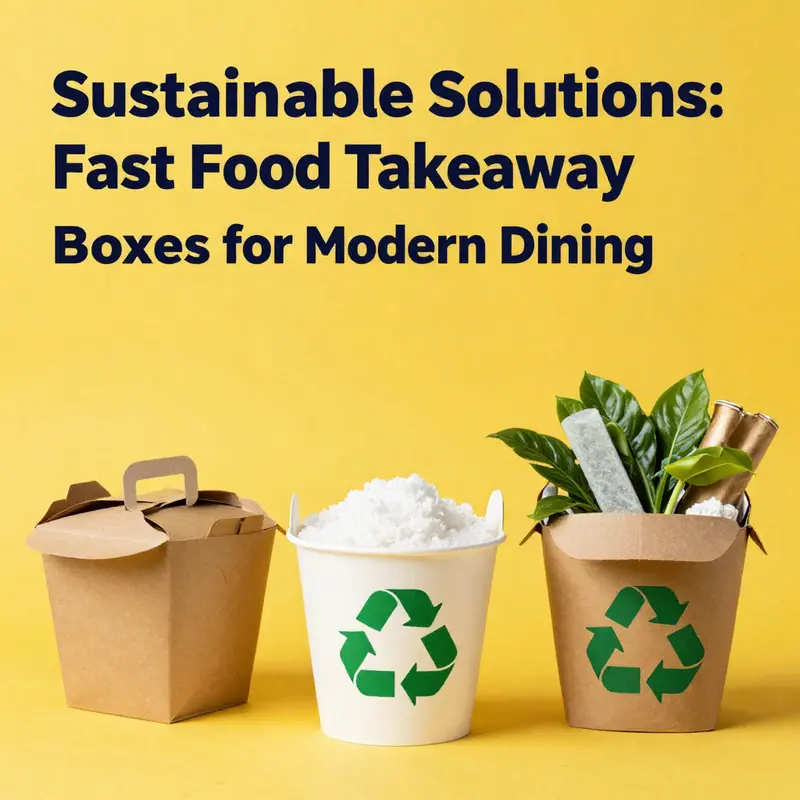
The shift from throwaway foam to sustainable takeaway packaging is no longer a niche concern but a defining feature of the modern fast food ecosystem. Across continents, operators, suppliers, and regulators are reevaluating how a simple box can embody efficiency, safety, and environmental responsibility in equal measure. In this landscape, sustainability is not a slogan but a strategic discipline that shapes product development, manufacturing choices, and the relationships between brands and their customers. The trajectory is clear: biodegradable and compostable materials, carefully engineered to perform under real-world conditions, are increasingly capable of meeting the stringent demands of high-volume, high-speed service without compromising food quality or delivery reliability. The conversation is rooted in three intertwined imperatives—the appetite for cleaner materials, the need for robust performance, and the pull of a circular economy that keeps resources in circulation rather than sending them to landfills. That triad is progressively redefining what a takeaway box is, how it is made, and how it travels from kitchen to consumer while preserving taste, texture, and safety along the way.
A core driver of this transformation is material science. Traditional foam and plastic boxes offered excellent insulation and mechanical resilience at a low cost, but their environmental footprints could not be ignored. The current generation of eco-friendly options leans into cornstarch-based blends, bamboo pulp fibers, and polylactic acid (PLA) composites, which are designed to be biodegradable or compostable under appropriate industrial conditions. These materials enable a class of packaging that can resist moisture and grease, protect delicate contents, and still decomposing into relatively harmless residues beyond the shelf life of the product. Yet the trade-offs are nuanced. Biodegradable and compostable materials can demand more sophisticated supply chains, stricter end-of-life infrastructure, and careful labeling to prevent consumer confusion. The result is a packaging ecosystem that aims to balance performance with environmental stewardship rather than simply replace one material with another. In practice, this means designing for the realities of fast-paced kitchens and crowded delivery routes. The appetite for these innovations has grown alongside consumer awareness and regulatory scrutiny, producing a market where sustainability claims must be credible, measurable, and verifiable at the point of sale and in the waste stream.
The global map of production follows this demand curve. China has emerged as a dominant hub for takeaway packaging, leveraging scale, specialized equipment, and integrated supply chains that can meet the demand of numerous markets with a single, cohesive strategy. The country’s manufacturing capabilities enable rapid prototyping, efficient mass production, and the ability to customize box specifications—from thickness and rigidity to lip seals and moisture barriers—without sacrificing throughput. That scale is essential when a fast food operation needs thousands, sometimes millions, of units monthly, all while adhering to evolving environmental standards. The story is not merely about cheap boxes; it is about durable, compliant, and visually adaptable packaging that can be tailored to regional cuisines and regulatory expectations without sacrificing operational efficiency. Suppliers in this ecosystem are increasingly expected to demonstrate rigorous compliance with safety, labeling, and sustainability standards, as well as strong traceability across raw materials and manufacturing processes. This expectation aligns with broader industry moves toward responsible sourcing and transparent supply chains, where sustainability is built into every stage from raw material extraction to end-of-life disposal.
Perfomance metrics remain a critical measure of success. For takeaway packaging to function reliably, it must resist leaks, maintain temperature, and preserve food integrity throughout transit. In the context of sustainable materials, engineers have been refining barrier properties, thermal performance, and structural strength to ensure that a compostable or recycled-content box can perform on par with traditional options, even for higher-risk items like sauces, gravies, and moist dishes. Reinforced cardboard and laminated paperboard have gained prominence as middle-ground solutions that offer robust stiffness, better resistance to bending under transit loads, and improved stacking stability. These materials can be engineered with moisture barriers and grease resistance that help prevent the kind of seepage that creates messy deliveries and customer complaints. Design innovations also matter. Boxes in this realm increasingly incorporate features such as internal partitions that keep different components separate, reducing the risk of cross-contamination and preserving the sensory qualities of individual foods. Transparent windows on packaging are another notable development, enabling product visibility and reinforcing brand messaging while preserving the integrity of the food inside. In effect, the design vocabulary expands beyond the box’s core function to include experiential cues that reassure customers about freshness and quality.
Sustainability-driven design also embraces reusability and end-of-life flexibility. Some packaging concepts emphasize reusable structures, stackability, and modular components that can be cleaned and reused in catering contexts or controlled environments. While true reuse requires dedicated infrastructure and consumer participation, even partial adoption—such as durable carriers that survive multiple uses—contributes to waste reduction when coupled with effective take-back programs. At the same time, the end-of-life narrative remains central. Compostability and recyclability are not automatically achieved simply by switching materials; they require careful alignment with local waste-management capabilities. Labeling, adhesives, coatings, and the presence of non-recyclable contaminants can derail a packaging system’s environmental benefits if not managed properly. Industry players are increasingly adopting clear, consumer-friendly guidance on disposal, along with certifications that help waste streams sort and process packaging as efficiently as possible. In practice, this means packaging that can be composted in industrial facilities or recycled through established paper streams without compromising the quality of the recycled material.
The functional demands of different cuisines and formats further complicate packaging decisions. Clamshell designs with tight seals remain popular for burgers and sandwich combos because they minimize leakage and preserve heat. Compartmentalized or bento-style boxes support meal customization and balanced nutrition by keeping components distinct, which is particularly valuable for ethnic or fusion offerings that pair main courses with sauces or sides. Open-top trays suit dry items like fries or chips, where moisture is less of a concern, while specialized sushi-style boxes cater to delicate, moisture-sensitive items by maintaining humidity control and secure lids. As these formats evolve, the material choices and construction methods adapt accordingly. For instance, a cold-to-warm packaging regime might favor barrier coatings that resist condensation while still enabling a compostable or recyclable output, a combination that would have seemed improbable a few years ago. In all cases, the material selection must harmonize with manufacturing processes, color and branding, and supply-chain logistics, ensuring that boxes arrive ready to use and ready to dispose of in a way that aligns with local waste systems.
Brand identity and consumer perception have become integral to the sustainability equation. Packaging is, in a sense, a billboard for a restaurant’s environmental stance. The market has grown to expect not only a low carbon footprint but also data-backed claims about recyclability, compostability timelines, and the environmental benefits of renewable feedstocks. This shift has encouraged packaging designers to weave brand messages into the box’s form and finish—through color palettes that reflect natural materials, textures that signal earth-friendliness, and tactile cues that communicate sturdiness and reliability. The result is not only a more responsible product but also a more compelling marketing asset. The capacity to customize packaging—engraved textures, printed messaging, and strategic color choices—means operators can extend their brand narrative beyond the wrapper and into the consumer’s everyday environment. Of course, meaningful branding must be honest and substantiated, avoiding greenwashing by ensuring claims are accurate and verifiable through third-party certifications and transparent supply chains. The practice reinforces customer trust, which in turn strengthens loyalty and willingness to pay for packaging that aligns with values.
Procurement decisions now resemble strategic supplier partnerships more than transactional buys. For buyers, selecting a packaging partner involves evaluating material performance, regulatory compliance, and lifecycle impact, but also scoping risk and resilience across the broader supply chain. The emphasis is on durable, customizable, and environmentally responsible solutions that can scale with demand while accommodating regional variations in waste management and consumer education. This approach requires collaboration across product development, manufacturing, logistics, and sustainability teams. It also means that sustainability isn’t a one-off specification but a continuous program that tracks material innovations, supplier changes, and evolving regulatory expectations. The lifecycle perspective—considering extraction, processing, use, and end-of-life—has become a central criterion for supplier evaluation and contract design. In practice, this might translate into choosing materials with certified sustainable origins, verifying supplier audits, and requiring documentation that supports end-of-life claims. The aim is resilience: a packaging system that can withstand the rigors of high-volume service, while still presenting a credible environmental profile in each market where it operates.
The broader policy and regulatory environment compounds these supply-chain dynamics. Governments and international bodies are increasingly explicit about waste reduction targets, plastic bans, and the adoption of circular economy principles. In many regions, the push is toward reducing single-use plastics and encouraging recyclable or compostable alternatives, paired with infrastructure investments that enable proper disposal and resource recovery. Companies must interpret these regulations not as compliance chores but as market signals that shape design choices, supplier networks, and the potential for expanded reuse programs. In markets where composting or recycling facilities are underdeveloped, packaging strategy may emphasize materials that integrate smoothly with existing waste streams or that offer modularity for future infrastructure upgrades. The result is a packaging ecosystem that evolves in step with policy, consumer behavior, and technological breakthroughs, rather than a static set of base materials.
From a procurement and operations perspective, the implications are profound. The lifecycle of a takeaway box—from the moment the raw materials are sourced to the moment the box is disposed of or returned for reuse—becomes a shared responsibility across suppliers, restaurateurs, and waste-management partners. This holistic approach influences not only cost calculations but also brand stewardship, risk management, and supply-chain agility. The modern buyer seeks not just the lowest price per unit but the best overall value—measured by durability, performance, end-of-life compatibility, and the ability to communicate a credible sustainability story to customers. It is a shift that rewards transparency, collaboration, and continuous improvement. For practitioners, the path forward involves a combination of disciplined supplier vetting, investment in materials science, and attention to consumer education. It means designing packaging that can tell its own story—one that customers can understand, trust, and feel good about as they reach for a takeout box in a busy restaurant setting.
For readers who want to explore more about the machinery and technical underpinnings behind takeaway box production, a technical guide offers a detailed view of the structure, composition, and applications of modern packaging systems. This resource helps illuminate how innovations in materials, coatings, and manufacturing process controls translate into boxes that meet today’s performance and sustainability benchmarks. In practice, the guide explains why certain materials require specialized equipment for extrusion, molding, and lamination, and how process parameters influence barrier properties and strength. It also discusses how customization—such as printed motifs, colorfast inks, and window features—interacts with production lines and quality assurance protocols. The evolving landscape makes it clear that the box is not merely a container but a finely tuned component of the overall fast food experience, blending function, branding, and environmental responsibility in a single, compact form.
Beyond the technicalities, the human element remains central. Consumers increasingly expect packaging to align with broader values about climate responsibility and resource stewardship. Operators who recognize this shift can leverage packaging choices to differentiate their brands, reduce waste, and contribute to healthier waste streams. The most successful implementations weave together material science, design ingenuity, and a transparent narrative about where boxes come from and what happens after they are used. In doing so, they transform a product that often sits at the edge of sustainability conversations into a core driver of brand trust, customer satisfaction, and operational resilience. The takeaway is not only about choosing a particular material or design but about embedding sustainability into every decision—from supplier selection and production scheduling to labeling and customer communication. When done well, the packaging project becomes a visible promise to customers: that the box you carry is part of a system that respects resources, supports local economies where possible, and remains practical in the fast-paced world of takeaway meals.
As markets continue to evolve, the packaging sector will increasingly rely on collaboration and data-driven decision making. The integration of sustainable practices across the entire lifecycle—from production to end-of-life disposal—has become a core requirement, anchoring the further growth of sustainable takeaway packaging as a standard rather than an exception. The future of fast food takeaway boxes lies in smart material choices, resilient design, and an ecosystem that aligns business success with environmental responsibility. With cleaner materials, smarter manufacturing, and stronger alignment to waste-management infrastructure, the industry can deliver packaging that protects flavor and texture while also protecting the planet. For readers seeking further context on the machinery that underpins these advances, see the external resource linked at the end of this chapter.
eco-friendly takeout boxes for food packaging. In the end, the conversation about fast food takeaway boxes is a conversation about choices—choices that restaurants, manufacturers, and communities make together to shape a more sustainable and resilient food system. By embracing materials that perform under pressure, by investing in thoughtful design, and by embedding lifecycle thinking into procurement and policy, the industry can deliver packaging that not only carries meals but also carries a measurable commitment to a healthier planet. For a deeper dive into the machinery that enables these advances, a technical guide on box-making provides a rigorous blueprint for the structural and compositional decisions that translate sustainability blueprints into real-world boxes. https://www.example.com/technical-guide-food-box-machine
Sealed for Freshness: The Quiet Engineering Behind Fast Food Takeaway Boxes
Every order that travels from kitchen to customer carries more than food; it carries an engineered promise. The takeaway box is a small, unassuming piece of infrastructure that preserves texture, temperature, and aroma while surviving the bumps of transit. In a world where a meal’s value can hinge on a single bite at the right moment, the packaging surrounding it matters as much as the recipe inside. The journey begins long before a customer peels back a lid. It begins with the choice of materials, the geometry of the container, and the science of sealing. A well-made box keeps fries crisp during hours of potential jostling, prevents a sauce from claiming a soggy victory, and shields delicate ingredients from the chill of air and the heat of a long ride. The goal is not to impress at first glance alone but to sustain the dining experience long after the box leaves the storefront. In this sense, takeaway packaging is a performance medium as much as a protective shell.
The most familiar challenge in takeaway boxes is maintaining quality in motion. Food must arrive hot, or at least consistently warm, without sacrificing moisture, texture, or presentation. This is why insulation plays a central role. Traditional foam boxes earned praise for their thermal efficiency, offering a stout barrier against heat gain or loss. They were simple, durable, and inexpensive, which helped them become a staple in the industry. Yet the trade-offs are clear. EPS foam is non-biodegradable and contributes to environmental concerns that increasingly shape consumer choices. The tension between performance and responsibility has pushed the industry toward alternatives that balance function with ethics. It is a shift that blends engineering with brand responsibility, cost with sustainability, and consumer expectations with regulatory realities.
Among the viable paths forward, sustainable options have gained ground without surrendering the essential duties of a takeaway box. Sugarcane fiber, or bagasse, has emerged as a compelling grade of material. It offers 100% biodegradability and compostability, combining sturdiness with a lower environmental footprint. Kraft paper boxes, often sourced from responsibly managed forests, provide recyclability and a more circular lifecycle. These choices are not merely about reducing waste; they are about changing the language of packaging from a disposable afterthought to a purposeful design feature that communicates care for the environment. In practical terms, operators now weigh performance metrics alongside life cycle assessments. A 1000ml sugarcane takeaway box, for example, is marketed as heavy-duty and leak-proof, microwave-safe and environmentally responsible. These attributes align with a growing consumer expectation that packaging should be at least as thoughtful as the food it safeguards.
Design variety is another critical axis of the consumer experience. Takeaway containers range from clamshell boxes with tight-sealing, hinged lids to compartmentalized or bento-style configurations. The clamshell design excels for burgers and meal combos because its secure lid helps preserve heat and reduces the risk of leaks during transport. For more diverse orders, the compartmentalized format excels by keeping components—rice, curry, salad, a side—in distinct zones. This separation is not only practical; it preserves visual appeal and prevents cross-flavor contamination. Open-top trays suit items that benefit from a little exposure, such as fries or chips, where air circulation can help maintain crispness. There is also a niche yet increasingly popular sushi box style, which has found use beyond its traditional cuisine. The secure lids and moisture-resistant compartments make them suitable for delicate appetizers and cold starters that require careful handling during transit.
Behind these form factors lies a body of practical science. The lids must seal tightly enough to prevent leaks, while margins and seals resist bending or collapse under stacking pressures. The interaction of weight, humidity, and temperature dictates how a box should be reinforced. In some cases, even the thickness of the carton wall matters. Heavier, more rigid boxes can resist deformation during stacking on delivery racks, a small but meaningful contributor to a seamless customer experience. The artistry here is quiet: boxes must be strong yet not so bulky that a restaurant’s packing workflow becomes unwieldy. The result is an optimized geometry that marries manufacturability with user-centered performance.
Beyond the functional basics, the packaging itself is a brand touchpoint. A box is a moving advertisement that travels through neighborhoods, office buildings, and campus halls. The packaging surface becomes a canvas for color, typography, and images that tell a story about the meal and the restaurant’s values. In today’s market, visual appeal matters as much as the lid’s fidelity. When a box looks polished and on-brand, it elevates the perceived quality of the meal inside. Social media amplifies this effect; a visually striking box can become a shareable moment, fueling word-of-mouth and online visibility. In practice, the packaging designer must balance legibility, brand guidelines, and printing feasibility. The goal is to deliver a box that not only performs under pressure but also reinforces identity and fosters a positive, memorable impression.
The shift toward sustainable and branded packaging has also reframed the vendor landscape. Packaging is increasingly treated as a strategic tool—part product, part marketing asset, and part environmental statement. The industry has embraced standardized specifications that support scalable customization. Durable cardboard and paper-based boxes can be printed with high-quality offsets, enabling vivid colors and sharp logos while maintaining recyclability. A crucial performance detail is the comparative stiffness of different carton grades. For example, 1mm-thick food-grade kraft paper boxes have been observed to be about 20% sturdier than standard 0.8mm disposable boxes. This improvement translates into better resistance to bending and collapse during transit, particularly under the weight of multiple items in a single order. Such data points guide operators in selecting packaging that aligns with both cost constraints and delivery realities.
One clear takeaway from consumer research is that packaging choice reflects more than practical needs. Functionality, sustainability, and branding converge to shape attitudes and behaviors. Consumers are increasingly mindful of the ecological footprint of their meals, and they expect brands to act accordingly. Yet they also crave reliability. A box that keeps a meal intact, at the right temperature, and free from leaks expresses a commitment to quality. When a brand successfully integrates aesthetics with responsible materials, the packaging becomes a visible extension of the dining experience rather than a mere container. The impact is tangible: customers are more likely to treat the box as part of the meal and to share their experience online, generating positive feedback loops for the restaurant.
Delivery dynamics further complicate packaging decisions. The modern takeaway ecosystem relies on a chain of handling steps—from the kitchen line to the rider’s bag, to the customer’s doorstep. Each handoff introduces potential risk. Stacking stability matters to prevent toppling, while leak resistance guards against sauce seepage. Insulation must balance retention with weight and cost. In longer delivery windows, the box design must cope with thermal drift, ensuring that hot items remain hot without the need for oversized insulation. The packaging has to endure humidity inside the box and moisture from steam, which can compromise grease resistance and structural integrity if not well engineered. These realities drive a preference for materials and coatings that are both inert and moisture resistant, and for closure systems that secure the contents without tearing the carton.
Customizability completes the picture. Operators seek ways to differentiate themselves through packaging while maintaining feasibility and cost discipline. Custom-printed cardboard and paper boxes enable vibrant branding through offset printing and color fidelity. The ability to tailor sizes, dividers, and venting features allows for a broad range of menu formats—from family meals with multiple items to single-item meals with sides. The scale of modern packaging supply networks, coupled with a demand for flexible configurations, supports such customization without sacrificing performance. In practice, this means that a kitchen can transition quickly from one menu cycle to the next, updating the packaging to reflect seasonal items or special promotions without overwhelming production systems. The result is a packaging ecosystem that adapts with the food program, not a static afterthought that lags behind menu changes.
To illustrate how these elements cohere, consider the move toward eco-friendly takeout boxes as a case study in alignment. Operators are increasingly adopting packaging that reduces environmental impact while preserving, or even enhancing, functionality. The philosophy is not merely to replace foam with a greener material, but to redesign the container to exploit the properties of sustainable fibers. A well-executed sustainable box can resist moisture and grease, maintain heat, and support efficient stacking, all while sending a clear message about environmental responsibility. For readers curious about practical choices within this trend, a representative option can be found at the following internal resource: eco-friendly takeout boxes for food packaging. This example highlights how a single packaging solution can deliver strength, moisture management, and on-brand aesthetics in a single package.
The broader narrative here is not a single product story but a systems story. Packaging decisions ripple through kitchen operations, supply chains, and consumer perception. A thoughtful box reduces waste, supports the integrity of the food, and strengthens the brand promise. This integrated approach makes packaging a competitive differentiator rather than a mere logistical requirement. It invites restaurants to invest in materials science, to partner with manufacturers on design for performance, and to embrace packaging as a core part of the dining experience. As the sector continues to evolve, the most resilient brands will be those that anticipate changes in consumer expectations and regulatory landscapes. They will meet practical needs with elegance, sustainability, and clarity—delivering meals that arrive not just hot and fresh, but with a packaging story that resonates with modern values.
External resource for further reading on material performance and engineering applications can be found at the end of the linked discussion in the Detailed Research Results for this chapter. For a deeper dive into the formal properties, grades, and engineering considerations behind fast food packaging containers, consult the resource that synthesizes these technical dimensions: https://www.packagingdigest.com/food-packaging/fast-food-packaging-containers-grades-properties-engineering-applications
Final thoughts
As the food service industry continues to evolve, the importance of takeaway boxes cannot be overstated. They play a crucial role in maintaining food quality, enhancing brand visibility, and aligning with consumer expectations for sustainability. Having explored the material composition and environmental impacts, the design features, industrial applications, sustainability trends, and shifts in consumer preferences, it is clear that investing in the right packaging can significantly enhance your business’s appeal and functionality. By prioritizing sustainable and customizable packaging options, businesses can meet consumer demand while contributing positively to the environment, reinforcing both customer loyalty and brand reputation.