

Food care packages delivery services have become increasingly vital in fostering emotional support and connection, especially when loved ones face illness, recovery, or the everyday stresses of life. With carefully selected contents that extend beyond mere sustenance, these packages transform into heartfelt gestures of kindness, comfort, and wellness. The rise of providers like Goldbelly showcases the growing appreciation for gourmet food options, catering to those seeking meaningful ways to express care. Each chapter unveils a layer of this profound service, from understanding the importance of food care packages during tough times to the personalized healing potential of soup deliveries, and ultimately exploring the emotional connections fostered through these thoughtful gifts. Readers will come away with a comprehensive understanding of how to integrate food care packages into their offerings for customers and clients alike.
Delivering Comfort Across Doors: The Tender Craft of Food Care Packages in Times of Need
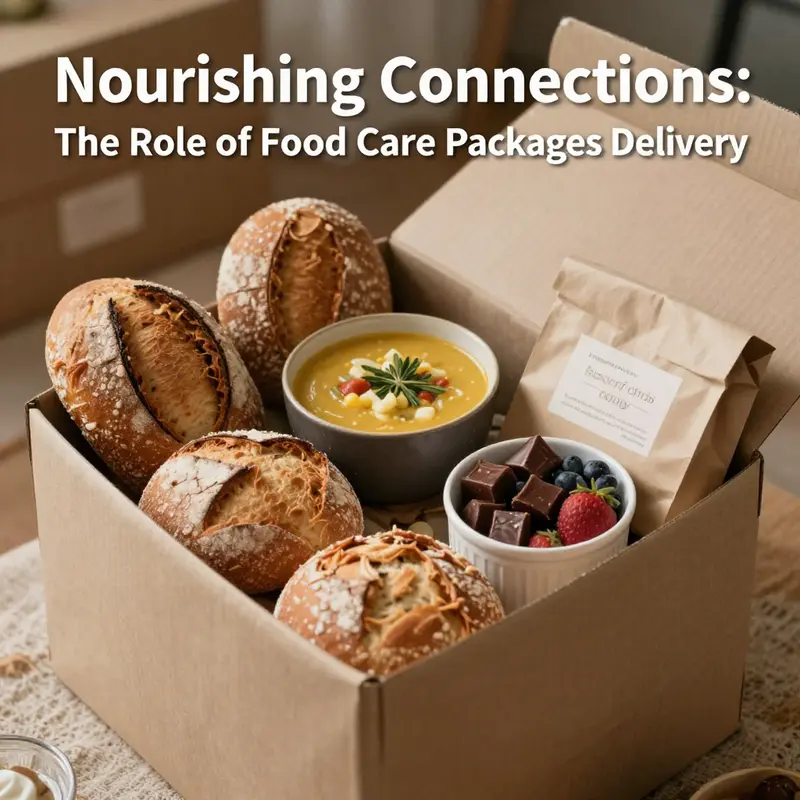
A food care package is more than a stack of groceries or a box of treats. It is a carefully composed signal that someone sees you, understands your moment, and wants to meet you where you are with nourishment, warmth, and a steadied rhythm of daily life. In times of illness, recovery, or hardship, the act of sending a package to a doorstep becomes a tangible form of presence. It invites the recipient to sit, breathe, and let the care express itself through scent, texture, and taste. Nourishment matters not only for calories but for the body’s ability to rest, repair, and regain a sense of normalcy. When someone is weary from symptoms or overwhelmed by daily tasks, a well-curated bundle can anchor the day and remind them they are not alone.
The power of a food care package lies in its deliberate curation. It blends nutrition with ritual, flavor with fragrance, and practicality with tenderness. The foods chosen are more than nourishment; they are signals of thoughtfulness. A soup might be more than a quick meal; it’s a warm conversation in a bowl and a reminder that someone planned ahead so the recipient can simply open, reheat, and focus on healing. A crusty loaf of sourdough stands beside a jar of infused olive oil and a small packet of crackers, inviting slow nourishment. Herbal tea offers a moment of quiet, while a handwritten note personalizes the experience, transforming sustenance into relationship.
The content of these packages matters. The selection often centers on nutrient-rich ingredients designed to support recovery: vegetables, lean proteins, whole grains, and flavors that stimulate appetite. Herbs with immune associations, spice blends, and simple labels that the recipient can trust become essential. The inclusion of comforting textures—a creamy soup, a soft bread, a lightly salted cracker—helps restore not just nourishment but a sense of normalcy. The emotional resonance is equally important: a note that acknowledges pain or fatigue travels with the meal, creating a shared moment of vulnerability and care. In households facing illness, the package shifts some burden away from cooking, allowing energy to be redirected toward rest, recovery, and connection.
Delivery logistics are the practical backbone. The reality of distance and busy schedules makes reliable delivery a nontrivial requirement. A care-package program must bridge geography and energy gaps, ensure that perishable items arrive at a safe temperature, packing protects contents, and the presentation remains appealing after transit. Clear labeling and expiry dates help, packaging should minimize contamination risk, and providers should offer customizable options for dietary needs. The moment of opening should feel like a small, reliable ritual: a composition of colors, textures, and scents that signals care has been thoughtfully assembled.
Beyond nourishment, these packages can be a conduit for connection—a bridge from the sender’s kitchen to the recipient’s home, across days or miles. In caregiving communities, giving food carries meaning beyond money or a generic gift. They reduce the daily stress of meal planning during a fragile period and reflect cultural or personal preferences. The act of sharing items with others in the household extends the impact, turning recovery into a shared experience of support. The emotional return from recipients—feeling seen, valued, and supported—speaks to the power of a gift that nourishes body and mood. A well-executed package functions as a multi-layered intervention: it meets nutritional needs, supports emotional well-being, and reinforces social bonds that sustain people in hardship.
From a safety perspective, the integrity of care packages rests on more than the moment of packing. Perishables require temperature control; cold items stay cold, hot items stay hot. Clear labeling and expiry dates are practical assurances. Packaging should be robust, with insulated liners and protective padding. Vendors should be transparent about sourcing and storage guidelines, especially for high-risk items. The care is in the fine print as much as in the handwritten note.
Recipients can play an active role in safety. Upon receipt, inspect packaging, and if any item is compromised, report and return it promptly. This is a shared commitment to safeguarding health while extending compassion. The design of the packaging itself can carry therapeutic value: easy-to-open packaging, clearly labeled contents, and simple reheating instructions reduce cognitive load and support recovery. A package that feels like a small gift—neatly arranged with a thoughtful color palette—transforms routine meals into moments of self-care.
The delivery ecosystem around care packages has grown more nuanced as expectations rise. A well-structured program communicates a story of intention and care that travels with the box: through couriers, handwritten notes, and the memory of tasting comforting soups on difficult days. It is a story of care scaled to distance, enabled by logistics, packaging design, and nourishment as emotional support.
To illustrate practice growth, consider packaging design that supports care packages: materials that withstand transport, minimize waste, and remain accessible to people with limited mobility. Packaging serves as a cue about content quality, triggering anticipation and hope. The chapter closes with a note on sustainable, usable options and the idea that nourishment is a social practice as much as a physical one.
External resource: For safety guidelines related to online food and care-package delivery, refer to official guidance from a public health authority: https://www.fehd.gov.hk
Gourmet Care Across Distances: Crafting Emotional Nourishment Through Nationwide Food Care Packages
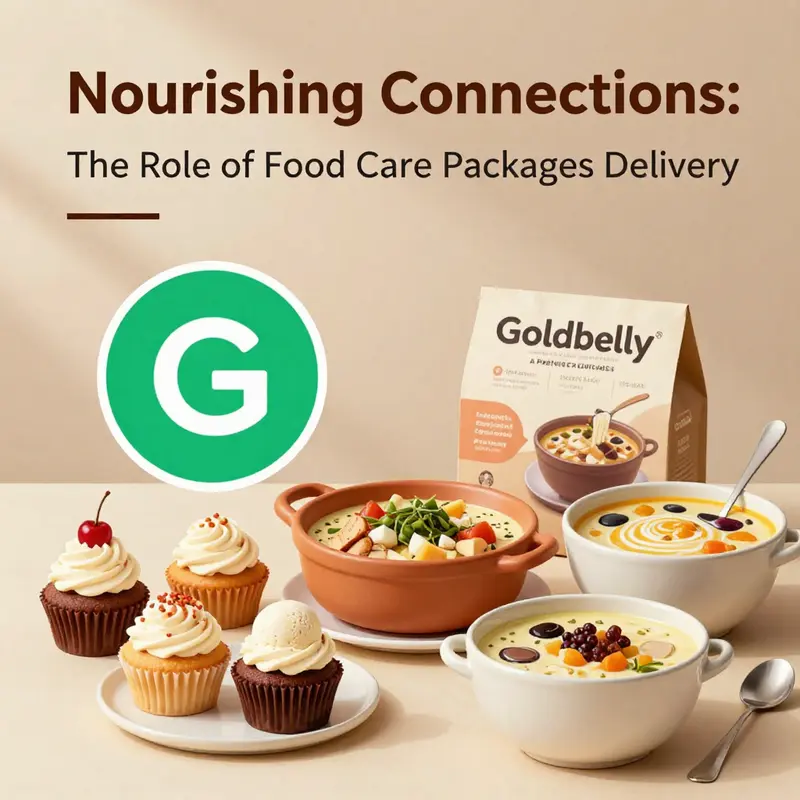
A care package can be more than a box of snacks; it can be a ritual of presence carried across miles. In conversations about support during illness, recovery, or the small, stubborn cravings that accompany busy lives, the idea of sending nourishment takes on a richer texture. The act of choosing, assembling, and shipping food that is not merely filling but thoughtfully curated transforms distance from a barrier into a bridge. A premier nationwide platform for delivering restaurant-grade culinary experiences has emerged as a quiet force in this shift. It promises not just items, but a curated experience that travels with care, arriving at a doorstep with the same intention with which it was chosen: to say you see someone, to honor their needs, and to invite a pause that nourishes body and spirit alike. In this chapter, we explore how such offerings operate, what sets them apart, and why they have become a meaningful tool for connection in an era when physical proximity is often a choice rather than a given.
What makes a food care package feel special goes beyond the sum of its parts. At its core is a devotion to nourishment that is both comforting and uplifting. The packages often assemble high-quality foods that rise above everyday provisions. They prioritize ingredients that support wellness without compromising flavor. Nourishing soups crafted with vegetables, lean proteins, or legumes can anchor a meal when appetite is fragile, while richer accompaniments — artisanal breads, premium olive oils, and spiced crackers — provide texture, aroma, and a familiar sense of home. The inclusion of herbal teas, a few sweet notes, and a handwritten note can convert a simple delivery into a moment of calm. The emotional resonance comes from the knowledge that someone has gone to thoughtful lengths to consider what might aid recovery, celebrate progress, or simply lift a mood on a rough day. This is not just about eating well; it is about feeling seen, cared for, and connected, even when the care arrives through a doorway rather than a hug.
A standout characteristic of these offerings is how they curate a sense of place while being accessible to recipients anywhere in the country. The best-curated packages draw on regional specialties and the reputations of trusted kitchens, letting recipients enjoy a taste of America’s diverse culinary landscape without leaving their homes. The idea is not a random collection of items but a guided experience that invites exploration. For the person who loves food, tasting experiences are stories. A bowl of a comforting soup can evoke a memory of a grandmother’s kitchen; a tangy, well-judged pickle can recall a summer market; a velvety pint of ice cream can recollect a celebration. When these elements are combined with a thoughtful delivery framework, the experience becomes more than the sum of flavors. It becomes a reminder that care can travel with the speed and ease of an online order, and that the journey of nourishment can be as meaningful as the nourishment itself.
Central to the appeal is the way these services partner with local kitchens and artisans, creating a nationwide network that travels as gracefully as it does efficiently. The promise is not one dimensional: it’s the possibility of sending a restaurant-quality meal-like experience to someone who may be far away, with packaging that preserves texture, temperature, and aroma. The arrangement often includes items that pair well with one another, forming a self-contained meal or a well-composed tasting experience. A robust selection might feature a curated trio of items — a savory component, a dessert or treat, and a consumable accoutrement such as a tea blend or a spice duo — with a focus on balance, portion size, and the potential for sharing. The packaging concept becomes part of the story: sturdy protection for transport, temperature control where needed, and a visually appealing presentation that enhances the recipient’s sense of occasion. The emotional arc is clear: the package arrives, the recipient opens it, and a vivid sensory sequence unfolds — the aroma of a simmering soup, the gloss of a freshly baked item, the soft cadence of a handwritten note. It is that sequence, repeated across households and geographies, that creates a quiet but powerful habit of generosity.
The culinary philosophy behind these offerings elevates food beyond mere consolation. It recognizes that healing and mood regulation have a sensory dimension. Warm soups can provide comfort while delivering hydration and nutrients; a curated selection of breads and oils can offer a comforting ritual of dipping and savoring; a small batch ice cream, perhaps paired with a crisp sorbet or a bright fruit component, can offer a celebratory moment amid routine. The role of herbs and immune-supporting ingredients is often highlighted, not as a clinical prescription but as a thoughtful enhancement that aligns with contemporary wellness understandings. The aim is to respect dietary preferences and restrictions while maintaining a sense of indulgence. Handwritten notes and personalized messages amplify the effect, turning a product into a conversation, a moment of connection, and a reminder that someone cared enough to take time. In this way, the care package becomes a portable act of kindness, a pause button pressed in the rhythm of daily life.
Yet ceremony matters as much as sustenance. The presentation is part of the gift’s meaning. The packaging is designed to protect freshness and temperature-sensitive items, to be easy to unpack, and to evoke a sense of ceremony in the act of opening. A well-designed package invites curiosity and discovery. The tactile experience — the weight of the box, the texture of branded tissue, the whisper of parchment notes — all contribute to the emotional return. Because care is felt as much as it is tasted, the exterior design and inner arrangement matter. A thoughtful box can turn a simple delivery into a small, cherished event — a moment of quiet anticipation that interrupts a long day and offers a sensory cue that says, You are worth the time it took to assemble this.
Well-being is a throughline in the concept, and not just because of the nutrients the foods offer. The act of receiving a care package can influence mood, motivation, and even social connection. Recipients often share the contents with household members, turning a solitary moment of recovery into a shared experience. The ritual of tasting, discussing, and enjoying targeted items can foster conversations about health, comfort, and resilience. In many households, the package becomes a catalyst for a small celebration, a pause that invites gratitude and a sense of normalcy even when illness or hardship makes daily routines feel fragile. These ripple effects — social sharing, enhanced mood, greater sense of being cared for — are what transform a practical gift into an enduring memory. This is why such packages attract not only individuals in need of nourishment but friends and families who want to show up in a tangible, delicious way.
In the broader landscape of care-oriented gifts, a premier platform that coordinates nationwide delivery stands out through its seamless logistics and curated catalog. The service emphasizes reliability, ensuring that temperature-sensitive items arrive in optimal condition and that deliveries are aligned with the recipient’s schedule. For senders, there is value in the ability to tailor experiences across different occasions: illness recovery, milestones, or simple acts of kindness after a challenging week. The convenience of eGift cards, which can accompany a physical shipment or be used to purchase other items within the platform, adds a layer of flexibility, allowing the gesture to fit the sender’s intent and the recipient’s preferences. The model acknowledges the reality of modern life, where people are connected by screens but often long for tangible tokens of care. The message is clear: thoughtful nourishment can travel far, and when it does, it can carry with it a sense of shared humanity that transcends distance.
The conversation around convenience and quality is incomplete without attention to how the experience is supported in practice. Quality control becomes a visible feature in the selection process. The best offerings curate items that travel well, maintain texture, and deliver on flavor after transit. They prioritize sources that ensure freshness and authenticity, collaborating with kitchens and producers who share a commitment to craft. This careful curation is paired with practical packaging solutions designed to minimize waste and maximize recyclability or reuse where possible. A sense of sustainability often accompanies the experience, acknowledging that the pleasures of good food should be aligned with responsible practices. The result is a balanced proposition: a gift that delights the palate, respects the recipient’s values, and arrives with the confidence that every detail has been considered.
In contemplating the social and cultural dimensions of such care packages, it is important to recognize how they facilitate connection beyond the initial exchange. A thoughtfully assembled package invites the recipient to participate in an act of reciprocity — to share a portion of the experience with others, to invite gratitude, or to pass along a message of support. The packages become a catalyst for ongoing conversations about health, comfort, and resilience. They can turn a routine week into a memory, teach children the language of care, and model how to care for others in practical, tangible ways. The emotional value, then, is not merely sentimental, but social and relational. The act of giving food is imbued with cultural meaning — the rules around what counts as comforting, how nourishment is perceived across generations, and how hospitality is expressed. A nationwide delivery platform makes these rituals accessible across diverse geographies, enabling a shared sense of care that can adapt to different family dynamics, dietary needs, and cultural backgrounds.
For those who seek to optimize the presentation and impact of such gifts, the packaging and presentation matter as much as the contents. A single thoughtful detail can transform the moment of arrival into something memorable. The inclusion of a handwritten note, for example, can elevate the emotional charge, turning a practical delivery into a deeply personal exchange. The aesthetic choices — color schemes, typography on cards, the order in which items are arranged, even the way the package smells when opened — all contribute to the narrative of care. A well-considered assortment also makes the experience shareable. Recipients may photograph the unboxing, post photos to social media, and invite others into the moment, extending the circle of care beyond the initial recipient. In this way, a simple gift becomes a small, social act, one that enhances community resilience and fosters a sense that people are looking out for each other, even from afar.
The long arc of such services points toward a future where food care packages become a standard mechanism for expressing sympathy, celebration, and solidarity. They embody a philosophy that nourishment is a vehicle for connection and that distance need not disrupt the exchange of kindness. As more households use these offerings in diverse ways — to celebrate a milestone, to acknowledge a sudden illness, or to brighten a routine day — the practice becomes a cultural touchstone. It reframes care as something that is practical, delicious, and shareable. It also challenges us to think about what we value in our nourishment: provenance, taste, and the human story behind every ingredient. The best experiences honor all three, delivering not just meals or snacks but an invitation to pause, reflect, and appreciate the people who care for us, wherever we may be.
External reference at the end of the related content provides a touchstone for readers seeking a concrete example of the premium, nationwide approach described here. For readers curious about the scale and scope of such platforms, a widely recognized online resource offers a window into how restaurant-quality experiences are curated for home delivery, spanning regional specialties and a broad assortment of gourmands’ favorites. External resource: https://www.goldbelly.com
Internal link for further reading on presentation and packaging considerations can be found in the guidance above. To explore practical packaging solutions that echo the care described here, consider the foldable cake boxes with window used for bakery and pastry packaging, which illustrate how thoughtful design enhances the unboxing moment and preserves freshness across transit. foldable cake boxes with window.
Nourishing Connections: The Healing Quiet of Personalized Soup Care Packages
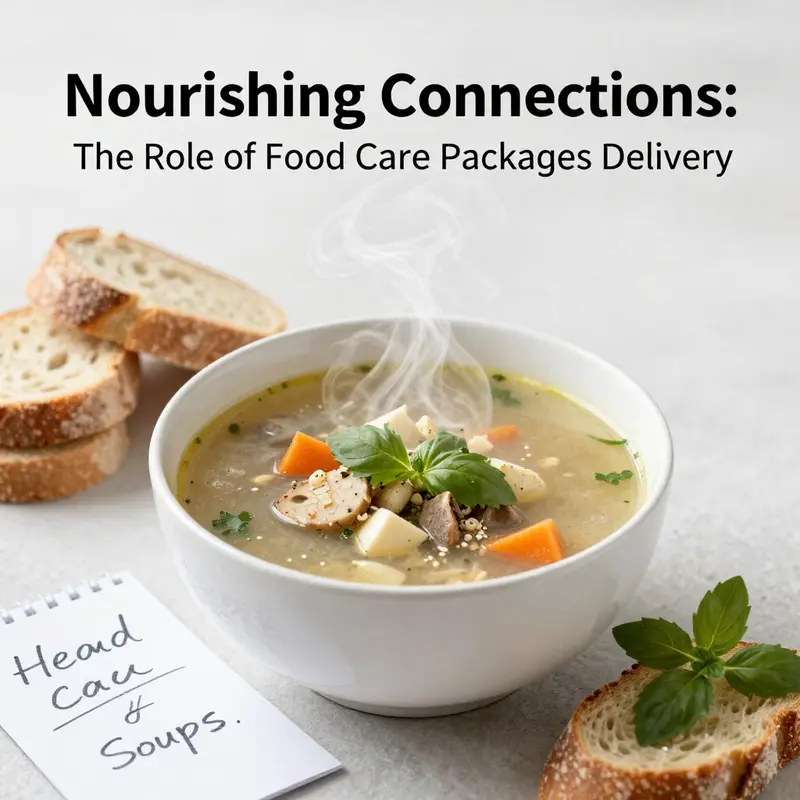
A personalized food care package, built around homemade-style soup, arrives not as a mere collection of groceries but as a deliberate act of presence. In moments of illness, recovery, or overwhelming responsibility, the simple bowl of warm comfort carries a steady, almost tactile reassurance. The package becomes a vehicle for connection, a way to say, without words, that someone is seen and held in mind. In this light, the ritual of sending a thoughtfully assembled care package transcends gift-giving. It becomes a practice of care itself, a tangible reminder that healing is not only physical but relational. The act of gathering nourishing foods into a single delivery speaks to a shared understanding: well-being is cultivated through nourishment, attention, and quiet moments of pause that invite rest rather than relentless bustle.
At the heart of these packages is the healing power of soup. Soups are inherently gentle on the digestive system, a feature that matters when appetite and energy are compromised. They hydrate with warmth, provide a spectrum of nutrients, and offer a familiar canvas adaptable to many dietary needs. Nutritionally, a well-constructed soup can deliver lean proteins, aromatic vegetables, and immune-supporting herbs in a form that feels approachable and comforting. Psychologically, soup carries memories of home, care, and safety. When someone is unwell or emotionally taxed, the presence of a ready-to-heat bowl can lower the perceived barrier to nourishment. It reduces the burden of planning, shopping, and cooking at a time when fatigue can seem overwhelming. This practical ease is not a substitute for empathy; it is the scaffolding that makes empathy actionable in daily life.
Clinical psychology underscores this connection between small gestures and well-being. A trusted practitioner notes that emotional connection plays a measurable role in healing. Even modest acts of kindness can modulate stress responses and influence immune function, contributing to a sense of control and comfort when circumstances feel unpredictable. A warm bowl of soup becomes more than sustenance; it becomes a signal of thoughtfulness, a tangible manifestation of “you are not alone.” In this sense, personalized soup care packages tap into a longer arc of caregiving traditions, where food serves as a vessel for consolation, resilience, and shared humanity. The nourishment offered extends beyond calories to the emotional energy needed to face a health challenge, a new baby, or a difficult transition like grief or major life changes.
Effective curation turns a soup-centric care package into a holistic experience. The soup itself should be artisanal in quality, with clear, honest ingredients that honor flavor integrity. A thoughtful assortment can include multiple varieties so that recipients with diverse palates and dietary requirements feel seen. Classic chicken-inspired soups, vegetable-forward options, spiced legumes, and mineral-rich broths create a spectrum that invites choice while underscoring consistency in care. The inclusion of complementary items elevates the moment from functional to restorative. A soft blanket or a pair of cozy socks can cradle the body in warmth after a hot bowl; herbal teas introduce a gentle ritual of sipping and breathing; a handwritten note—short, sincere, and specific—transforms the package into a dialogue rather than a one-way delivery. This multi-sensory approach resonates with researchers in social support who emphasize how tangible textures, scents, and messages can anchor a person during stress. Personalization matters. When a sender learns about a recipient’s allergies, dietary preferences, or cultural food practices, the package becomes easier to receive and more meaningful to experience. A few lines acknowledging the recipient’s current moment—whether healing from surgery, adjusting to newborn demands, or navigating a difficult grief period—can alter the emotional impact of a simple meal into lasting reassurance.
Beyond the soup itself, the packaging and how it travels to the doorstep contribute to the overall healing experience. A care package is most effective when it minimizes friction. Ready-to-heat containers should be user-friendly, microwave-safe, and clearly labeled with heating instructions and portions. The care taken in presentation—clean packaging, legible handwriting on a note, and an aesthetically cohesive color or texture scheme—speaks to a larger story about respect and attention. In clinical environments and hospital settings, gifts are often vetted for safety and sensitivity to patient needs. The idea is to protect the recipient from potential sensory overload while still delivering warmth. A careful balance is struck between scent considerations, accessibility, and safety, so the gift remains comforting in a setting that can already feel overwhelming. In this sense, a soup-focused care package doubles as a quiet space of reprieve—a pause from the clinical rhythm of doctors’ rounds, monitors, and medication schedules.
To optimize the impact, thoughtful curation also means diversifying the accompanying elements. A soft blanket can turn a routine meal into a sanctuary moment; a small jar of infused oil or a packet of artisanal crackers can create an inviting pairing with the soup. A non-pretentious herbal tea, chosen for soothing properties like chamomile or ginger, can accompany the meal with a gentle ritual. But perhaps the most powerful item is a handwritten note, crafted with specificity about the recipient’s journey. The note anchors the gift in relationship, reminding the recipient that their story matters and that someone has paused long enough to reflect on it. The effect of these touches is cumulative: they build a sense of normalcy and dignity when days feel relentless, and they remind the recipient that care travels with intention, not as a generic commodity.
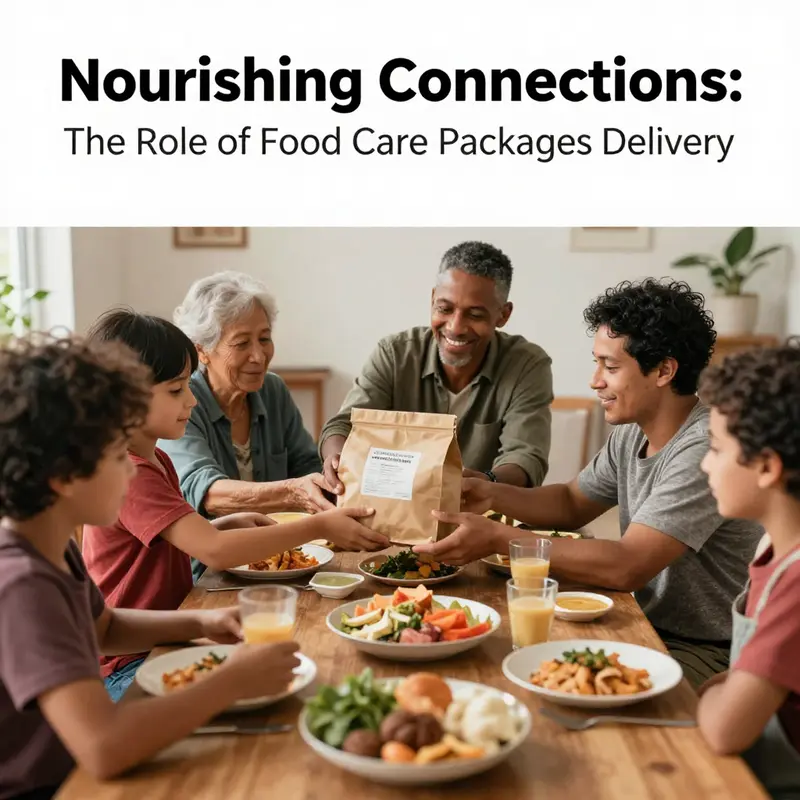
The social dimension of soup care packages extends beyond the individual recipient. Recipients often share the contents with family or friends, extending the emotional reach of the gesture. This shared experience becomes a ripple effect of care, reinforcing bonds at a moment when connection can be a powerful therapeutic agent. In this way, soup packages function as social medicine—not a substitute for professional treatment, but a complement that nurtures mood, reduces isolation, and reinforces routine during recovery. It is, in effect, a framework for fostering resilience through everyday generosity.
The integration of these packages into broader care ecosystems reveals a practical realism about human needs. Healthcare settings increasingly recognize the value of holistic well-being, where emotional and social factors are treated as partners to physical health. A thoughtfully curated soup package can align with clinical goals, providing nourishment that respects dietary restrictions while offering emotional relief. In practice, this often means collaboration between caregivers, community networks, and hospital or home-care practitioners to ensure that the gifts are both safe and supportive. The packaging considerations extend to logistical aspects, such as ensuring timely delivery, maintaining temperature, and providing clear transport instructions to prevent spoilage. In addition, care teams may track recipient preferences or restrictions to tailor future deliveries more precisely, thereby enhancing the continuity of care that a single package begins and sustains.
Sustainability and mindful consumption also shape the evolution of personalized soup care packages. As more households seek environmentally responsible options, the choice of packaging becomes a statement about values as well as practicality. Recyclable, compostable, or reusable components can reduce waste while preserving the warmth and dignity of the gift. Thoughtful choices about ingredients—favoring locally sourced vegetables, seasonally available herbs, and responsibly raised proteins—add a moral dimension to the act of giving. The goal is to keep the focus on nourishment and comfort while minimizing environmental impact. This alignment of care with stewardship of resources strengthens the credibility and resonance of the gift in a world where many people face competing demands and concerns about sustainability.
To illustrate how the concept translates into practice, consider the moment a caregiver or friend curates a package after a difficult day. They imagine the recipient balancing meals with rest, perhaps juggling responsibilities of work, caregiving, or parenting. They select soups that promise gentle digestion and steady energy, and they pair them with a few soft comforts and a note that speaks directly to shared memories or inside jokes. The recipient unwraps the package and is met with the sensory cues of warmth: the scent of herbs, the sight of comforting colors, and the tactile softness of a blanket or the texture of cozy socks. The emergence of a familiar routine—the ritual of heating the soup and pausing to breathe—becomes a psychological anchor. Even short moments of mindful intention, repeated over days, can shift mood, reduce perceived stress, and contribute to a more resilient emotional baseline.
In the broader arc of care practice, the healing power of personalized soup packages is not about grand gestures but about steady, dependable acts. It is the knowing that a person has someone who will listen, slow down, and offer nourishment that respects their pace. The practice invites us to rethink how we speak with action and memory: a simple bowl of soup, delivered with care, becomes a conversation about presence, patience, and humanity. The chapter of healing that opens with a warm meal can continue with follow-up notes, occasional re-deliveries, or a shift in contents that aligns with the recipient’s evolving needs. The ongoing invitation is to sustain the care, not just to initiate it.
For those exploring the practicalities of packaging and delivery, there is a trade-off between convenience and personalization. The most successful programs balance a streamlined process with the flexibility to honor individual preferences. A well-designed system can offer a core set of soups that rotate with the seasons, ensuring freshness and variety while preserving the emotional predictability that recipients often find comforting. The inclusion of non-perishable components, appropriate for longer shipping windows, can provide contingency for delays, but the core of the gift remains the freshly prepared or carefully prepared soup, reheated with care. The human acknowledgment encoded into each selection—whether through a note, a voice of empathy in the message, or a tailored invitation to share a moment of calm—remains the anchor of the package’s value.
In thinking through how these packages travel from sender to recipient, it is essential to honor both the logistical and emotional journeys. Logistics must be reliable enough to ensure timely delivery and safe handling, especially when temperature control is a factor. Equally important is the sensitivity of the recipient to scent, textures, and the stress of navigating new health routines. The best practices acknowledge these realities with design choices that prioritize safety, comfort, and accessibility. The result is a care package that reads as a thoughtful extension of human connection—a tangible reminder that care can be practical, comforting, and deeply human all at once.
From the sender’s perspective, the act of assembling a soup-centered care package can be a reflective practice. It invites a pause to consider what would help another person feel most held at this moment, and it encourages a slower, more intentional pace in a world that often rewards speed. It is an invitation to slow down together, even across distances, to nurture the body and soothe the mind. The practice of personalization nudges us toward greater empathy, asking us to listen for a hint of what the recipient needs: a reminder of home, a boost of immune support, or simply a warm ritual they can rely on when days feel long. Such attention makes the difference between a gift that is quickly forgotten and a gesture that becomes a regular source of comfort.
For readers seeking to explore further, there are practical design choices that can elevate the overall experience without overwhelming the recipient. Building a cohesive color palette, choosing textures that feel comforting to touch, and ensuring clear, compassionate language in any note can transform a routine delivery into a meaningful ritual. And as with any meaningful practice, the human relationship at its center matters most. The recipient’s sense of being understood, seen, and cared for is what elevates a package from an act of provision to an enduring symbol of support. In this way, personalized soup care packages stand as a quiet but powerful form of care, a physical embodiment of the idea that healing is possible when someone holds space for another’s needs and offers nourishment, warmth, and shared humanity.
To deepen the practical understanding of how these packages operate in today’s care landscape, consider the packaging and delivery ecosystem as a whole. Thoughtful packaging—carefully designed to protect warmth while respecting safety and accessibility—makes a difference in how the gift lands with the recipient. The experience is enhanced when the packaging itself becomes a comforting signal: a soft texture, an inviting aroma, and a presentation that feels intentional rather than hurried. While the soup is central, the surrounding elements harmonize to create a moment of pause in a busy life. The result is a reverberating sense of connection that can sustain someone through the most challenging days and remind them that care has a steady rhythm, even across miles.
As this chapter of the larger narrative on food care packages unfolds, the emphasis on soups and personalization remains an anchor. It demonstrates how nourishment, emotion, and practical support can converge in a single, thoughtful act. The healing power of soup is not merely a metaphor; it is a lived experience—one that invites generosity, empathy, and enduring connection. If readers take away one idea, let it be this: a well-crafted soup care package is a daily reminder that care can be gentle, that health can be nourished with intention, and that the simplest gestures often bear the deepest significance. The ripple effect—through households, caregiver networks, and care facilities—speaks to a universal need: to be cared for in concrete, tangible ways that honor both body and spirit.
For those curious about broader packaging considerations in care packages, a practical note on sustainable materials can be useful. If you’re exploring options for packaging design and materials that align with comfort and safety, consider the idea of eco-friendly takeout boxes for food packaging. These choices can support the same warmth you want to convey while reducing environmental impact. This approach ensures that the act of giving remains aligned with values many senders hold dear, reinforcing the sense that care is responsible as well as generous.
External resource for further context on thoughtful gifts and care packages in healthcare settings: https://www.stanfordhealthcare.org/gift-shop
Internal link note: for additional perspectives on sustainable, user-friendly packaging options that support warm, ready-to-use meals, you may explore the following resource: eco-friendly takeout boxes for food packaging.
null
null
Final thoughts
Food care packages delivery is a powerful means of connecting with others and providing support when it’s needed the most. By recognizing the significance of these packages not only as food but as symbols of love and care, businesses—from restaurants to event planners—can leverage this trend to enhance their offerings and foster deeper connections with their clients. Whether it’s through gourmet selections from Goldbelly or the personalized touch of soup-based packages, embracing the concept of nourishment through thoughtfully curated food experiences opens the door to meaningful emotional exchanges. In a world where genuine connection is paramount, food care packages emerge as a simple yet profound way to show we care.