
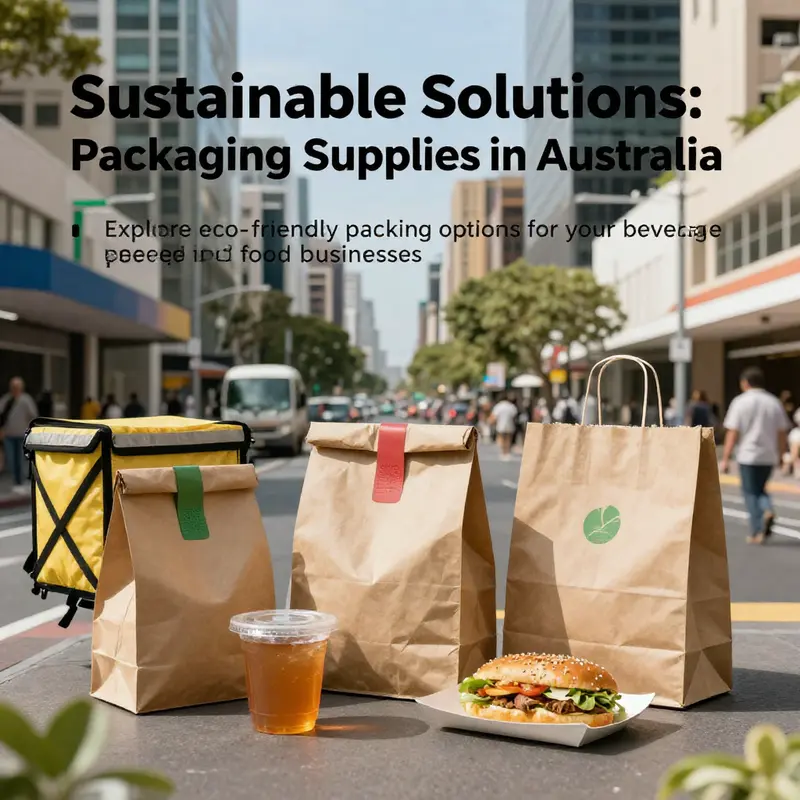
As the demand for food delivery options surges in Australia, businesses across the hospitality sector, from bubble tea shops to catering services, must consider the implications of their packaging. The choices made today not only affect operational efficiency and customer satisfaction but also contribute to broader environmental impacts. This article delves into four critical areas: the importance of eco-friendly packaging, effective supplier evaluation strategies, market trends, and compliance with safety standards. By integrating these insights, businesses can enhance their brand and operational sustainability.
Environmental Considerations in Food Delivery Packaging Supplies Australia
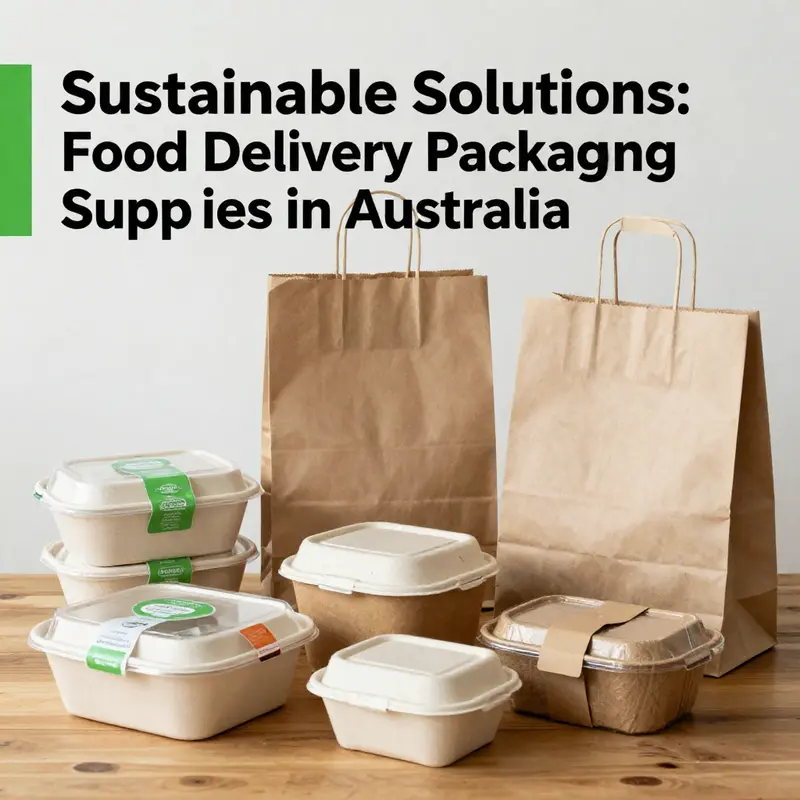
Across Australia, the rapid expansion of online food delivery services has elevated packaging from a mere operational necessity to a core element of sustainability and brand stewardship. Restaurants, delivery platforms, and packaging suppliers are navigating a complex convergence of practical demands and environmental commitments. On the practical side, confidence in food safety, leak resistance, temperature retention, and stackability remains non-negotiable. On the environmental side, stakeholders increasingly expect packaging that minimizes resource use, reduces waste sent to landfill, and aligns with Australia’s waste management infrastructure. In this context, the regulatory environment—led by national food safety standards and evolving environmental guidelines—and the growing sophistication of local recycling and composting ecosystems shape the choices that fleets, chains, and independent outlets can make. The overarching objective is not only to satisfy FSANZ-compliant food-contact materials but to integrate packaging within a broader circular economy framework where materials are reused, recovered, or recycled with minimal losses in quality. This requires a holistic view of the packaging lifecycle, from the choice of materials and the energy consumed in production to the ways in which packaging is disposed of by consumers after delivery. In major metropolitan centers such as Melbourne, Sydney, and Brisbane, the logistics of packaging supply intersect with the realities of urban waste systems, making regional considerations as important as global sourcing. The result is a market that rewards vendors who can demonstrate robust food safety, material innovation, reliability of supply, and a transparent account of environmental performance. In such a market, the ability to tailor packaging to match a brand’s story while staying within regulatory and waste-management constraints becomes a strategic differentiator rather than a mere cost consideration.
The environmental considerations driving this shift are not abstract. A growing body of research points to tangible emissions associated with food delivery packaging across its lifecycle. A landmark assessment published in peer-reviewed literature draws attention to the scale of greenhouse gas emissions linked to OFDS packaging in Australia and projects a substantial rise in those emissions if current practices persist. As the sector expands, so does the responsibility to innovate in ways that curb emissions at every stage—from material extraction and manufacturing to distribution, use, and end-of-life processing. The analysis emphasizes that meaningful reductions will require a combination of material substitutions, design changes that reduce material use, and improvements in waste management infrastructure. The study’s emphasis on lifecycle thinking mirrors a broader industry shift toward quantified environmental performance. This approach requires not only external certification but also an internal discipline of measurement and continual improvement, where suppliers and buyers collaborate to set targets, monitor progress, and adjust practices as new data becomes available. To readers seeking a precise quantitative foundation for these concerns, the peer-reviewed study on greenhouse gas emissions associated with food packaging for online food delivery services in Australia offers a comprehensive lifecycle perspective and data-driven recommendations for mitigation. External resource.
Against this backdrop, the market for packaging materials in Australia has not simply replaced plastic with greener alternatives. It has expanded to include a broader spectrum of options: biodegradable and compostable materials, recyclable papers and cardboard, and reusable or returnable container concepts that align with circular economy principles. Sugarcane fiber (often labeled as bagasse) and plant-based polymers have gained prominence as alternatives that reduce fossil-energy input and sometimes provide favorable end-of-life pathways. Yet the transition is nuanced. Not all biodegradable or compostable materials perform equally in every climate zone or waste stream, and contamination in recycling or composting streams can undermine overall environmental benefits. In practice, this means suppliers must provide clear material specifications, labeling, and guidance on compatible waste-streams. They must also work with waste managers and policymakers to ensure that end-of-life options exist and are accessible to a broad consumer base. The Australia context, characterized by varied municipal programs and evolving infrastructure, highlights the need for materials that are both technically suitable for food contact and practically alignable with local disposal options.
Material choice, however, is only part of the equation. The design of packaging—its thickness, closure mechanisms, and the way it interacts with food temperature and moisture—affects both safety and waste outcomes. For instance, designs aimed at reducing material usage can inadvertently complicate separation in recycling streams or complicate consumer handling. Conversely, designs that emphasize complete recyclability or straightforward compostability may, in some cases, compromise barrier performance or shelf stability. The nuance here points to a design philosophy grounded in systems thinking: choices should optimize the entire lifecycle rather than optimize a single metric. In practical terms this means selecting materials with clear end-of-life options in Australia, choosing coatings and laminates that are compatible with existing sorting facilities, and crafting packaging geometries that minimize waste without compromising food integrity. It also means embracing assemblies that support reuse or multi-use cycles where appropriate, and ensuring that any potential for cross-contamination is minimized through robust sealing, portioning, and containment strategies.
The policy environment in Australia reinforces these tendencies. Regulators and industry bodies are increasingly promoting waste reduction, the phasing out of problematic single-use plastics, and the adoption of circular economy concepts across packaging. This political and professional climate is not punitive but facilitative: it rewards packaging that aligns with waste hierarchies, supports recyclability or compostability at scale, and provides traceability across the supply chain. In parallel, quality standards and food-safety certifications—such as ISO-based management systems and FSC or other forest-management certifications where applicable—offer a framework for demonstrating responsible sourcing, consistent production practices, and credible environmental stewardship. Suppliers who can demonstrate robust quality control, transparent sourcing, and verified environmental performance become valuable partners in achieving brand consistency and compliance across multiple Australian markets. The interplay between government policy, industry initiatives, and supplier capability creates a dynamic environment in which packaging decisions carry both cost and reputational consequences, but also the potential to contribute meaningfully to a cleaner, more resilient food-delivery ecosystem.
From a supply-chain perspective, the question of where to source packaging materials matters as much as what materials are chosen. Australian buyers increasingly balance local and imported options to achieve a mix that supports reliability, price stability, and environmental performance. Local or regional suppliers can offer shorter lead times, clearer communication about waste-stream compatibility, and stronger familiarity with Australian regulatory expectations. International suppliers, particularly those with established, vertically integrated manufacturing capabilities, can deliver sophisticated design-to-production services and economies of scale. The cross-border dimension adds layers of consideration—logistics, tariffs, carbon footprint, and currency risk—yet it also expands the design space for materials and forms that are well-suited to Australian waste management realities. In this context, a structured evaluation framework becomes essential. Buyers should assess suppliers on regulatory compliance with Australian standards, traceable quality control processes, and the environmental attributes of the packaging, while also weighing supply reliability, responsiveness to demand fluctuations, and long-term collaboration potential. Such a framework helps ensure that packaging choices not only meet current needs but remain adaptable as waste-management systems and regulations evolve.
A practical takeaway for practitioners is the value of sharing knowledge across the supply chain. When a restaurant partners with a packaging supplier, the dialogue should extend beyond price and timeline to include end-of-life considerations, labeling clarity for sorting, and compatibility with local composting or recycling programs. Vendors can support these conversations by offering material data sheets, third-party certifications, and clear guidance on optimal disposal pathways. In turn, buyers can provide feedback about consumer behavior, contamination rates, and performance under real-world usage. This collaborative approach helps align product design with the realities of Australian waste streams and consumer practices, while also giving brands a coherent sustainability narrative to communicate to customers. For readers seeking a practical example of how material choice and design can influence waste outcomes, consider an option that emphasizes modular, recyclable components and clear labeling for end-of-life sorting. Such packaging, when paired with consumer education and robust municipal programs, can reduce confusion and improve recovery rates, contributing to a more efficient and sustainable delivery system. eco-friendly 3-compartment packaging boxes for fast food.
Ultimately, the environmental considerations surrounding food delivery packaging in Australia hinge on a triad: material innovation that respects food safety and performance, design choices that minimize material use while enhancing recyclability or compostability, and an enabling policy and waste-management landscape that translates product intentions into real-world outcomes. The goal is to nurture a packaging ecosystem where each link—supplier, restaurant, delivery platform, and consumer—understands its role in reducing emissions and waste. With lifecycle thinking at the core, and with accurate data feeding ongoing improvements, Australia can advance toward packaging that protects both people and the planet without compromising the speed and reliability demanded by OFDS. This is not solely a matter of substitution; it is about reimagining how packaging participates in a circular economy—how it is produced, used, and returned to productive life in a way that respects safety, cost, and the integrity of the food supply. The road ahead invites continued collaboration, transparent reporting, and a shared commitment to solutions that scale across cities, suburbs, and regional towns alike.
For readers seeking a data-driven lens on emissions and mitigation pathways, the peer-reviewed study on greenhouse gas emissions associated with food packaging for online food delivery services in Australia provides a rigorous foundation for evaluating current practices and prioritizing improvements. External resource.
Partnering for Performance: How Australia Evaluates Food Delivery Packaging Suppliers
In the Australian market, the rapid growth of food delivery and ready-to-eat meals has elevated packaging from a mere container to a strategic brand touchpoint. Businesses must balance practical considerations—cost, protective performance, and regulatory compliance—with evolving expectations around sustainability and stakeholder transparency. The result is a supplier landscape that rewards not just price competitiveness, but a holistic capability to deliver safety, reliability, and brand coherence in a high-velocity environment. To navigate this terrain, companies increasingly adopt a structured, multi-criteria approach to supplier evaluation that aligns with both market demand and the country’s strict food safety and environmental standards.
At the core of any evaluation is material quality and safety. Packaging that comes into direct contact with food must comply with Australian food standards and be appropriate for contact with consumables. Suppliers should demonstrate robust barrier properties—resistance to moisture, grease, and oxygen—and clear chemical safety profiles for their materials. The cost of a substandard packaging material goes beyond the price tag; it risks product integrity, triggers recalls, and can inflict lasting reputational damage. In practice, this means demanding documentation that confirms compliance with the Food Standards Code and showcasing third-party tests or certifications that attest to material performance under typical packing and handling conditions. While many suppliers can offer a brochure about barrier strength, the best partners provide verifiable data, ongoing quality control records, and a track record of preserving product quality across diverse menu items and temperatures.
As consumer and regulator expectations intensify, the sustainability dimension has moved from a noble characteristic to a compliance and resilience imperative. Australian buyers increasingly seek recyclability, compostability, or biodegradability, with a preference for materials that meet transparent sourcing standards. Certifications such as FSC or Cradle to Cradle, along with clear lifecycle information, help brands communicate environmental stewardship to their customers. The country’s National Packaging Targets, which emphasize recycled content and a shift toward reusable, recyclable, or compostable packaging by set deadlines, serve as a critical benchmark. Evaluators now look beyond end-of-life claims to the supplier’s full value chain, including raw material sourcing, manufacturing energy intensity, and end-of-life logistics. In this context, a supplier that can demonstrate lower overall carbon footprint, traceable material streams, and verifiable recycling or composting pathways often earns a premium in both confidence and partnership potential.
Reliability and delivery performance are non-negotiable in a sector defined by tight timelines and peak-demand spikes. Restaurants, cafes, and delivery platforms depend on predictable supply schedules, accurate orders, and responsive replenishment during busy periods. A well-designed supplier evaluation framework tracks on-time delivery rates, order accuracy, and the ability to scale output rapidly when demand surges. It also considers contingency planning and supply chain resilience. For example, how quickly can a supplier adapt if a key packaging line experiences downtime, or if a city experiences transport delays due to weather or congestion? The most effective partners publish transparent leadership of logistics, provide real-time or near-real-time order visibility, and implement robust contingency arrangements so customers can weather fluctuations without compromising service levels.
A modern packaging program must also honor brand alignment through customization. In a crowded market, the ability to imprint logos, color schemes, messaging, and distinctive graphic elements on packaging materials helps a brand stand out while maintaining consistency across multiple channels. Evaluation criteria should include the range of customization options, the quality and fidelity of print, lead times for design iterations, and the supplier’s ability to support regional variations without sacrificing standardization. Customization is not just about aesthetics; it is a signal of a supplier’s overall capability, including engineering support, tolerances for print and substrate thickness, and the processes used to ensure repeatable results across large production runs.
Beyond these fundamentals, innovation and technology integration are increasingly high-value attributes. Leading suppliers invest in smart packaging ideas that extend shelf life, boost safety, or improve traceability. Active packaging, such as antimicrobial coatings or oxygen scavengers, can help preserve freshness, while intelligent packaging with time-temperature indicators or scannable codes enhances traceability and consumer confidence. The key for buyers is to assess not only the novelty but the practical return on investment: Will the technology reduce waste, lower spoilage, or improve Operational Excellence? An emphasis on R&D capacity and ongoing commitment to technology adoption signals a supplier’s willingness to evolve with changing food-service needs, rather than merely satisfying today’s requirements.
All of these capabilities must be anchored in rigorous compliance and traceability practices. A reliable supplier maintains a documented quality management system, ideally aligned with recognized standards such as ISO 22000, and offers full traceability from source material to final pack. Clear labeling of ingredients and allergens, precise expiry information, and robust records of batch data support both regulatory compliance and consumer safety. In addition, traceability supports the broader objective of building ethical, long-term partnerships. When a supplier can demonstrate end-to-end visibility, a brand gains a foundation for liability control, recalls management if ever needed, and a stable platform for continuous improvement.
In practice, Australian buyers are navigating a landscape that includes both domestic manufacturers and offshore suppliers. Local producers often provide stronger alignment with FSANZ expectations, faster response times, and shorter lead times in metropolitan hubs such as Melbourne, Sydney, and Brisbane. International suppliers, particularly from established manufacturing regions with mature vertical integration, can offer broader material choices or more aggressive cost structures. The latest dynamics suggest that the strongest partnerships tend to be those that combine local reliability with scalable, globally sourced capabilities. A common arrangement is to work with a local distributor or contract manufacturer who can manage regulatory compliance and provide quick turnaround, while leveraging offshore partners for specific substrate innovations or bulk materials. In this model, the contract layer assumes responsibility for quality assurance, regulatory alignment, and supply continuity while enabling access to the diversified materials that drive sustainability and cost competitiveness. For some buyers, this hybrid approach also helps balance lead times and carbon footprints, especially when international shipments are consolidated to reduce frequency and optimize logistics.
The practical implications of these considerations become clearer when translated into a structured evaluation framework. A robust framework begins with a well-defined set of requirements that reflect regulatory obligations, brand goals, and operational realities. The first step is a strict compliance screen: suppliers must demonstrate alignment with FSANZ and related labeling standards, provide evidence of a quality management system, and show traceability documentation. Next comes a material and safety assessment that weighs barrier performance, chemical safety, and compatibility with direct food contact. A sustainability screen follows, validating recyclability, compostability, or biodegradability, and requiring transparent lifecycle data and third-party certifications. Delivery reliability is measured through objective metrics such as on-time delivery rate and accuracy, but it should also capture the supplier’s ability to manage demand spikes and mitigate disruptions through contingency planning.
A separate, equally important pillar is customization and brand cohesion. Buyers should assess whether a supplier can consistently reproduce brand elements across packaging formats, support scalable design iterations, and provide technical design support that reduces the risk of misprints or misalignments during large runs. Innovation should be evaluated not as a bells-and-whistles feature, but as a strategic driver for longer shelf life, safer handling, or enhanced consumer trust. Investigators should probe a supplier’s innovation roadmap, R&D capacity, and willingness to pilot new materials or technologies in collaboration with the buyer. Finally, traceability and compliance must be validated through an auditable system that captures material origins, certification statuses, and shelf-life data, enabling confident regulatory reporting and rapid response should a safety event occur.
To translate this into action, teams commonly deploy a structured supplier scorecard. The scorecard aggregates objective data on quality, safety, and reliability with qualitative judgments about partnership fit, responsiveness, and cultural alignment. Weighting the criteria to reflect business priorities—such as a higher emphasis on sustainability or on delivery performance during peak periods—helps ensure the evaluation mirrors real-world needs. The resulting score informs which suppliers proceed to the next stage of engagement, whether that means invitation to pilot programs, contract negotiations, or longer-term strategic partnerships. Importantly, this process should be dynamic. As standards evolve and consumer expectations shift, the evaluation criteria must be revisited, updated, and rebalanced to preserve alignment with regulatory changes and market dynamics.
An integrated supplier strategy also recognizes the implications of global sourcing. The most effective Australian programs balance the agility and potential cost advantages of offshore production with the reliability of a domestic supply backbone. Digital printing and small-batch customization have lowered the entry barrier for new entrants, enabling restaurants and delivery platforms to experiment with branding and packaging formats without large upfront investments. This shift increases the importance of a structured evaluation that can rapidly differentiate credible partners from those with weaker capabilities. It also highlights the need for clear expectations around lead times, minimum order quantities, and sample testing, especially when adopting novel materials or custom designs. In some cases, a supplier may offer end-to-end services—from design proofing and sampling to pilot production and full-scale manufacturing—creating a smoother path from concept to market and reducing the risk of misalignment during scale-up. For buyers seeking a one-stop solution, such a capability can be particularly attractive, provided it is supported by transparent quality controls and rigorous regulatory alignment.
The journey from supplier selection to sustained performance is not a one-off event. It is a continuous process of monitoring, feedback, and improvement. Once a supplier crosses the threshold into approved status, ongoing performance reviews should be embedded in the governance routine. These reviews examine not only current delivery metrics but also the supplier’s posture on sustainability, innovation investments, and alignment with the organization’s evolving brand and regulatory priorities. This ongoing partnership discipline helps ensure that packaging remains fit for purpose as menus expand, new packaging formats emerge, and consumer expectations around safety and sustainability intensify. It also supports resilience by identifying potential vulnerabilities early; for example, if a supplier’s traceability data show gaps or if a material source becomes less sustainable, the buyer can adapt quickly, reallocate sourcing, or trigger a supplier development plan with corrective actions.
In this context, a practical, human-centered approach remains essential. Technology and standards provide the framework, but the relationships between buyers and suppliers determine how well those frameworks are enacted on the factory floor, in the warehouse, and in the hands of restaurant staff. A successful partnership rests on clear communication, shared priorities, and a mutual commitment to safety, quality, and customer trust. The best suppliers demonstrate proactive governance: they explain how they maintain compliance with food safety codes, how they verify the integrity of each batch, and how they respond to incidents without escalating risk to their customers. Conversely, buyers that insist on punitive, zero-tolerance terms without offering collaborative problem-solving tend to drive risk into the supply chain. A balanced, forward-looking approach—one that recognizes the constraints of manufacturing, logistics, and regulatory compliance—tends to yield the most durable outcomes for Australian food delivery operators.
For organizations seeking practical illustrations of these principles in action, the emphasis often lands on a few core themes: rigorous material safety data and testing, transparent sustainability storytelling backed by certifications, dependable delivery performance with robust contingency planning, and a brand-centric approach to packaging design. The interplay between these themes becomes especially important when considering the rising interest in minimal packaging waste and increased use of recyclable or compostable substrates. A packaging program that harmonizes safety, brand integrity, and environmental responsibility is more likely to earn customer trust, reduce waste-related costs, and sustain competitive advantage in a market where consumer choices are increasingly guided by ethical and safety considerations as much as aesthetics.
As this chapter moves toward integration with the broader article on food delivery packaging supplies in Australia, it becomes clear that supplier evaluation is less about chasing the lowest price and more about building a resilient ecosystem. The best suppliers offer a clear, auditable path from material selection to finished product, a demonstrated commitment to safety and sustainability, and the logistical agility required to support dynamic food-service environments. They understand that packaging is not a standalone asset but a component of the overall customer experience that can influence perception, safety, and loyalty across countless meals and moments.
Internal link for further exploration on brand customization options in takeaway packaging can be found here: custom-takeaway-packaging-supplies-disposable-tableware-for-theme-party.
External resource: https://www.food.gov.au/food-safety
Shifting Currents: Market Trends Redrawing Australia’s Food Delivery Packaging Landscape
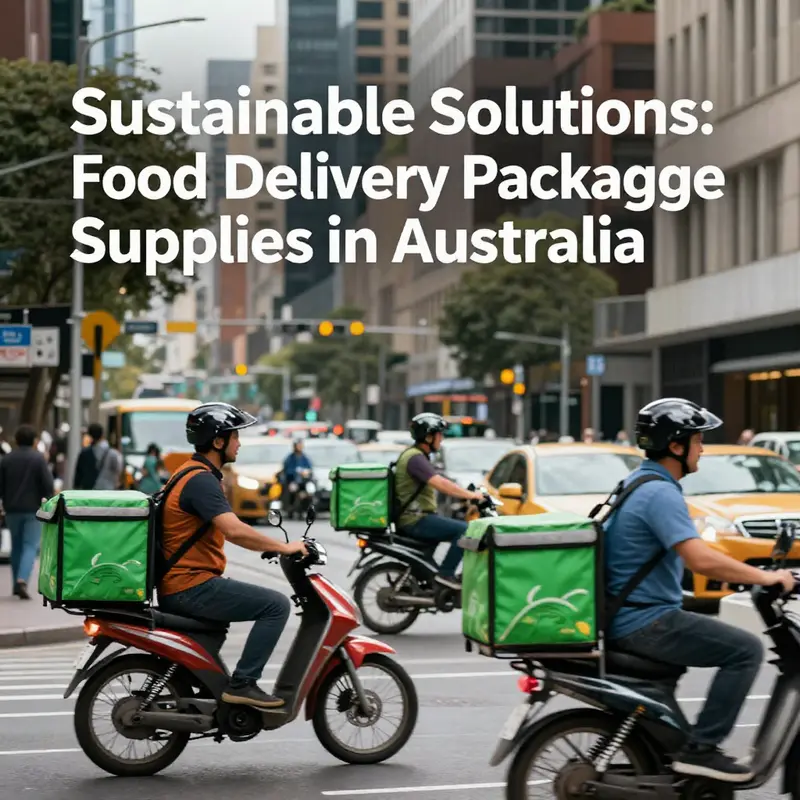
Australian consumers are increasingly judging food delivery packaging not just by how well it keeps food intact, but by its footprint on the environment and its alignment with local standards. In cities like Sydney, Melbourne, and Brisbane, the packaging choices customers encounter are becoming a statement about a brand’s values as much as about its cuisine. This shift is not simply about choosing a greener option; it is about stitching sustainability into the entire delivery experience, from the moment a customer taps to order to the moment the container lands on the doorstep. The implication for operators is clear: packaging must be a strategic ingredient in the value proposition, not an afterthought tucked into logistics. The market rewards those who treat packaging as a system that touches food safety, brand perception, and end-of-life outcomes as equally important metrics as cost and ease of use.
Economic signals reinforce this qualitative shift. Packaging decisions increasingly sit at the intersection of compliance, consumer trust, and supply chain resilience. The demand for eco-friendly choices is no longer a niche segment; it has become a baseline expectation. This is visible in the expanding array of options designed to be recyclable, compostable, or otherwise compatible with a circular economy, all while performing under the heat, moisture, and grease typical of takeout meals. The emphasis on sustainability aligns with broader Australian regulatory and industry trends that aim to minimize waste and encourage responsible disposal without compromising food safety or convenience. Importantly, the move toward greener packaging is not merely a response to consumer pressure. It is a practical recognition that operational efficiencies can coexist with environmental goals, especially when design teams collaborate with procurement, quality assurance, and logistics to optimize material choices, production lead times, and end-of-life pathways.
The market’s trajectory is further clarified by quantitative projections that frame the shift in tangible terms. The Australia Food Packaging Paper Market is projected to grow at a compound annual growth rate (CAGR) of about 4.2% from 2023 to 2028, underscoring a clear pivot away from high-volume plastics toward paper-based and fiber-rich solutions that offer improved recyclability and compostability. This trend is echoed by the broader Food Packaging System market, which is anticipated to expand at roughly 4.5% CAGR from 2023 to 2030, driven by rising demand for convenient, safe, and sustainably packaged food. Yet the plastics segment remains a dominant force in the market landscape. The Australia Plastic Packaging Market, valued at around USD 2.9 billion in 2026, is expected to grow at approximately 2.15% CAGR, reaching around USD 3.22 billion by 2031. This duality—growth in sustainable packaging alongside ongoing plastic usage—highlights the need for balanced strategies that accelerate the shift toward renewable, recyclable materials while acknowledging the current realities of packaging performance, costs, and supply chain maturity. These dynamics set the stage for a nuanced decision-making process among operators who must navigate a mosaic of choices that differ by material science, regional infrastructure, and consumer expectations.
To translate these macro trends into actionable practice, brands must consider not only the material composition but also how packaging communicates quality and brand story. Eco-friendly materials are increasingly designed for practical deliverability: with grease resistance, heat tolerance, and dimensional stability that preserve the food’s appeal during transit. In this sense, sustainability becomes a product feature rather than a marketing slogan. Packaging becomes part of the service proposition, promising reliability to both the consumer and the business, especially where high volumes, peak delivery times, and urban density threaten efficiency. The design language of packaging—color, texture, typography, and the tactile feel of the container—also plays a crucial role in shaping perception, trust, and repeat orders. In a competitive environment, the ability to customize and maintain brand consistency across a broad geographic footprint can be as decisive as the choice of material.
From a regulatory and safety standpoint, compliance remains the bedrock on which all these innovations rest. In Australia, packaging suppliers operate within a framework shaped by FSANZ guidelines, which govern food safety risk management, hygiene, and product contact materials. Certifications such as ISO 22000 for food safety management and FSC certification for responsible forestry practices reinforce the credibility of suppliers that can deliver consistent quality across multiple batches and regions. For operators, this means that selecting a supplier is as much about the management systems behind the product as the packaging itself. Auditable processes, traceability, and documented quality control turn procurement from a transactional act into a strategic partnership that can support ongoing growth, audits, and compliance reporting.
The supply landscape in Australia is a blend of local and international capacity, each with its own set of advantages. Domestic suppliers can offer shorter lead times, more predictable delivery schedules, and easier coordination with local food safety authorities, all of which are critical for quick-service restaurants and other volume-based operators. At the same time, manufacturers in southern China, particularly in provinces with well-established packaging ecosystems, bring scale, automation, and competitive pricing that can be attractive for cost-sensitive buyers. They frequently provide end-to-end services, from concept and sampling to large-scale production, which can dramatically shorten the development cycle. For orders that require small runs or rapid iterations, many suppliers can accommodate minimums as low as a hundred units and complete production within approximately 12 to 20 days after design confirmation. This combination of adaptability and speed is particularly valuable in a market where trends can shift quickly and consumer expectations evolve with the seasons. However, cross-border sourcing introduces considerations around logistics time, duties, and the overall carbon footprint. Brands aiming for a sustainable footprint must factor in transport modes, packaging weight, and the efficiency of the broader supply chain when choosing between domestic and overseas sources.
Against this backdrop, the process of selecting the right packaging partner becomes a structured, multi-criteria exercise rather than a casual lodging of orders. A robust framework helps teams balance regulatory compliance, supplier quality control, environmental impact, delivery reliability, and the long-term potential of a supplier relationship. Practically, this translates into a deliberate due diligence routine: an initial compliance check to ensure products meet FSANZ requirements and relevant certifications; a thorough review of quality control processes, including batch testing, material specification verification, and incident reporting mechanisms; an environmental impact assessment that considers end-of-life options and supply chain emissions; and a logistics assessment that tests on-time delivery, order accuracy, and response times during peak periods. Beyond these checks, buyers should evaluate a supplier’s capacity for ongoing collaboration, willingness to participate in product development cycles, and ability to scale as market demand grows or contract terms evolve. This long-horizon view helps prevent vendor churn and fosters continuity in branding, regulatory alignment, and sustainability outcomes.
In practice, brands are increasingly drawn to suppliers who can offer more than material options. They seek partners who can deliver a cohesive packaging ecosystem: design support that translates brand aesthetics into functional packaging; technical guidance on material choices that optimize shelf life and waste management; and flexible production capabilities that respond to small tests, pilot runs, and substantial production volumes with equal efficiency. Customization is no longer a luxury; it is a necessity for maintaining brand fidelity across multiple channels and geographies. The emphasis on design is not superficial. A packaging solution that harmonizes visual identity with practical performance can reduce the need for excessive secondary packaging, improve consumer perception of the brand’s commitment to sustainability, and lower overall waste.
A practical pointer for readers navigating these choices can be found in the evolving landscape of supplier portfolios. Many operators are turning to demonstrated, scalable solutions that emphasize environmental responsibility without compromising safety or usability. One avenue of practical sourcing is to consider options that fuse strong environmental credentials with delivery-ready performance. For instance, packaging options that feature grease-resistant, microwave-safe designs and that can be responsibly disposed of through local recycling streams align with both consumer expectations and municipal waste management capabilities. Such choices help reduce the friction that often accompanies adoption of greener packaging and support higher conversion rates as customers begin to associate sustainability with convenience rather than sacrifice. To illustrate how a real-world packaging selection can align with sustainability and branding goals, consider a practical sourcing example: eco-friendly takeout boxes for food packaging that prioritizes both environmental responsibility and functional reliability. These solutions, which may include plant-based materials or fiber composites, can be designed to reflect a brand’s colors, logo, and messaging while performing under heat and moisture, enabling a seamless delivery experience. eco-friendly takeout boxes for food packaging.
The sourcing narrative also intertwines with the broader digital and regulatory ecosystem. The modern buyer uses structured evaluation frameworks that capture not just price, but total value. A supplier that offers transparent material specifications, traceability documentation, lifecycle assessments, and proactive risk management can justify a premium when compared with a supplier offering only basic compliance. In a country that prizes accountability and environmental stewardship, such transparency translates into trust—an invaluable asset for brands seeking to build lasting relationships with customers who care about where their meals come from and how they are packaged.
Looking forward, the Australian market is likely to continue expanding the packaging toolkit with more innovative, sustainable options that meet diverse needs. The growth of the paper packaging segment, reinforced by favorable consumer attitudes toward eco-friendly alternatives, will push manufacturers and retailers to pursue end-to-end sustainability strategies. This includes rethinking not only the choice of materials but the entire packaging architecture—from container shape and size to closures, lids, and secondary packaging ecosystems that support efficient recycling or composting streams. The ongoing dialogue among policymakers, industry bodies, and business leaders will inevitably refine standards, foster asymptotic improvements in material science, and encourage investment in recycling infrastructure. In this climate, brands that align packaging decisions with a clear, auditable sustainability narrative will likely gain competitive advantage, earning customer loyalty and reducing regulatory risk over the long term.
For readers who want to explore practical sourcing options within this evolving landscape, a considered approach combines market insight with actionable supplier evaluation. Start with a clear brief that defines regulatory requirements, performance criteria, and branding objectives. Then map potential suppliers against those criteria, prioritizing those who demonstrate robust quality control, proven environmental stewardship, and reliable delivery performance. Engage in iterative design and testing cycles to validate material suitability, cost implications, and end-of-life options. And always keep an eye on the bigger picture: the packaging system as a whole—how it travels from supplier to kitchen to customer, how it integrates with waste streams, and how it reinforces the brand’s commitment to responsible practices. In this way, the current trends become not just a backdrop but a blueprint for building durable, resilient packaging strategies that support growth in Australia’s vibrant food delivery scene.
External data and analysis can enrich this strategic view. For a broader view of market sizing and trends in Australia’s packaging paper sector, see industry analyses and market statistics that track shifts toward sustainable materials and the evolving role of plastics in the packaging mix.
For further reading on market dynamics and strategic implications, the following external resource provides a wider lens on the Australian packaging landscape: https://www.statista.com/statistics/1396758/australia-food-packaging-paper-market-size/
Safe Packaging Roadmap: Compliance, Traceability, and Safety in Australia’s Food Delivery Packaging
Regulation in the Australian food delivery ecosystem is no longer a background chorus. It has become a central driver of packaging choice, process design, and supplier selection. The latest push from Food Standards Australia New Zealand (FSANZ) centers on strengthening safety across the entire lifecycle of eggs and egg products, but the implications ripple across all quick-service and home-delivery packaging. Where packaging once mattered mainly for keeping food warm, intact, and economical, it now must support a verifiable safety narrative. The proposed revisions to the Australia New Zealand Food Standards Code emphasize traceability, precise labeling, and controlled conditions that minimize contamination risks from primary production through processing and distribution. In practice, this means packaging designers and suppliers need to think beyond capex and aesthetics. They must build pathways that allow a product to be traced from source to consumer, while also resisting temperature abuse and moisture ingress that could degrade safety or quality. The shift is not merely about meeting a checklist; it is about integrating safety into every decision from material selection to end-of-life handling, because the consumer’s trust hinges on a demonstrable commitment to safety as a standard, not an afterthought.
Mandatory Traceability Requirements: The core of the FSANZ-driven change is unmistakable: every egg must have a unique identifier, and every packaging or container of egg products must be labeled with the production date and the processor’s unique identification code. Although these specifics focus on eggs, the framework is indicative of a broader regulatory philosophy: traceability must be verifiable at every step so recalls, if necessary, can be targeted and efficient. For food delivery operators, this translates into packaging ecosystems that carry machine-readable or clearly legible identifiers, enabling quick cross-checks against supplier records, lot numbers, and processing dates. It also places a premium on labeling clarity and durability; labels must survive typical delivery environments without peeling or fading, because compromised clarity can undermine the very traceability the standards rely on.
Strict Controls Across Storage and Transport: The second pillar concerns controls that prevent contamination during storage and transport. Temperature controls, humidity limits, and protection against cross-contamination are no longer merely recommended practices; they are requirements that shape how packaging materials are specified and how products are stored before and after packaging. For example, packaging must resist infiltration by pathogenic microorganisms under foreseeable conditions of transit, and it must maintain its barrier properties when exposed to cold or variable ambient temperatures. This has real implications for the choice of materials and coatings, as well as for the design of seals and closures. It also means that packaging should be robust enough to withstand the rigors of a busy delivery chain—handling by courier staff, stacking in transit, and the occasional rough handover at a kitchen or a doorstep—without compromising safety. The safety narrative thus becomes a tangible feature of the packaging, not an abstract guarantee.
What This Means for Packaging Suppliers in Australia: The regulatory emphasis on traceability and strict controls has a direct effect on supplier qualification. Vendors must demonstrate that their materials are food-grade and suitable for contact with egg and egg-derived products, with documented evidence of migration tests, allergen control, and compliance with applicable food-contact regulations. Many Australian and international suppliers pursue certifications that reinforce confidence in their systems, such as ISO 22000 for food safety management and FSC for responsibly sourced fiber. Quality control processes are scrutinized more than ever: incoming material testing, in-process checks, and batch traceability data must be readily accessible and auditable. In practice, this means a shift from “best effort” quality to demonstrable, auditable safety performance. Suppliers should be able to provide certificates, test reports, and traceable lot information that aligns with the FSANZ framework while ensuring the packaging remains compatible with efficient logistics and cost constraints.
The Material and Design Dimension: The safety narrative also shapes material selection. Food-grade plastics, barrier papers, and bio-based alternatives are evaluated not only for their barrier properties and compostability or recyclability but also for their suitability in a regulated environment. Adhesives, inks, coatings, and printing processes must be food-safe and stable under storage conditions seen in delivery chains. A growing portion of the market looks for biodegradable or recyclable options that still deliver reliable performance in grease resistance, leak containment, and heat tolerance. That balance—between safety, performance, and sustainability—drives formal supplier selection criteria and long-term supplier partnerships. It also means that suppliers who can bundle design support with safety testing and regulatory alignment have a competitive advantage.
Supply-Chain Realities and Local versus Global Sourcing: The Australian market benefits from a mix of local producers and international manufacturers. Local supply chains can provide faster lead times and easier regulatory alignment, especially for standardized items such as takeout containers, paper-based packaging, and leak-resistant trays. International manufacturers, particularly those with mature, automated facilities in regions with large-scale food-packaging ecosystems, bring price and capacity advantages. The key is to couple price with a rigorous compliance track record. In practice, buyers will assess supplier stability, the resilience of the supply chain, and the ability to ramp production quickly in peak periods—factors that are especially important in major cities like Melbourne, Sydney, and Brisbane where demand can surge during holiday periods or promotions. A pragmatic approach blends regional supply flexibility with a robust quality assurance regime, ensuring that all packaging used for egg products or other high-safety-item categories can be traced, tested, and trusted.
A Structured Evaluation Framework for Long-Term Partnerships: To navigate this complex landscape, many procurement teams adopt a structured framework. They evaluate compliance readiness, quality control processes, environmental impact, delivery reliability, and the potential for long-term collaboration. Compliance readiness ensures that the packaging and the supplier’s operations align with FSANZ requirements and relevant food-safety standards. Quality control involves documented procedures for material verification, process controls, and issue resolution. Environmental impact covers not only the recyclability and compostability of packaging but also the supplier’s chain-of-custody and waste-management practices. Delivery reliability looks at supplier performance data, contingency planning, and geographic coverage. Long-term collaboration focuses on shared health-and-safety objectives, continuous improvement plans, and the willingness to adapt packaging solutions as standards evolve. In this holistic view, safety and compliance become a platform for strategic partnership rather than a compliance burden.
Brand, Compliance, and Consumer Trust: It is worth noting that the chapter on compliance does not exist in a vacuum. Brand consistency and consumer trust are increasingly tied to transparent safety practices. Operators looking to differentiate themselves often invest in packaging that communicates safety and quality through clear labeling, traceability features, and consistent design language. This approach also supports recall readiness: when a product must be isolated from the market, packaging that carries traceability data and tamper-evident features can significantly shorten resolution times and protect brand integrity. Yet all these advantages hinge on the reliability of the underlying compliance framework. If packaging materials or labeling fail under real-world conditions, the entire safety proposition can be undermined. Therefore, the procurement decision cannot separate aesthetic and functional performance from safety and regulatory compliance.
Sustainability Meets Safety: A practical question for many buyers is how to reconcile sustainability goals with stringent safety requirements. The answer lies in selecting materials that satisfy both sets of criteria, such as food-grade paperboard with appropriate barrier properties, responsibly sourced fibers, and coatings that are certified for food contact. A growing portfolio of options combines compostable or recyclable features with robust performance in grease resistance and leak prevention. In this space, the supply chain must provide credible life-cycle data, certification evidence, and testing documentation to reassure regulators, customers, and franchise partners that sustainability does not come at the expense of safety. When done well, sustainable packaging becomes a differentiator that also supports safer delivery, reduced waste, and clearer brand storytelling.
A Practical Example and the Path Forward: The market recognizes that a single solution cannot satisfy every safety and sustainability criterion. Retailers and delivery brands increasingly seek partners who can offer both design flexibility and regulatory discipline. They value suppliers who can provide design support for brand consistency while delivering tested, compliant packaging options that perform in real-world delivery settings. For instance, a packaging option that emphasizes leak resistance, food-grade integrity, and clear labeling can be a cornerstone of a compliant overall solution for egg-based or other high-safety-profile products. To illustrate how a supplier can meet these demands, imagine a packaging line that integrates a high-barrier material with an easy-to-read production-date label and a unique processor code. This line would enable effective traceability, robust protection during transit, and compatibility with a range of delivery scenarios—from single-portion meals to family-style orders—without compromising on safety or sustainability.
Accessibility of Safe and Compliant Options: Buyers in Australia do not need to compromise on safety while pursuing sustainability or cost efficiency. A growing catalog of compliant and responsibly sourced options is accessible through both local distributors and international suppliers. The challenge lies in selecting partners who provide verifiable safety documentation, clear traceability data, and stable supply, combined with a willingness to innovate within the regulatory framework. The best collaborations are those that establish joint testing and certification milestones, share audit results, and commit to continuous improvement in material science, packaging design, and logistics. In such partnerships, packaging becomes a safety envelope around the food, a physical interface that protects public health while delivering value to the business and the consumer.
Integrated Digital and Physical Safety: As the regulatory environment evolves, digital traceability tools are increasingly adopted to complement physical packaging features. Digital identifiers, QR codes, or scannable batch data can be linked to supplier databases, recall records, and product specifications. When used effectively, these tools reduce risk by enabling rapid cross-checks and better data governance. They also support transparency with regulators and consumers alike. The result is a more resilient delivery ecosystem where every shipment carries a verifiable story of safety, compliance, and quality.
Internal Link to Practical Packaging Options: For buyers seeking concrete examples of packaging that balances safety, sustainability, and brand appeal, a range of ready-made solutions exists within the market. These options include eco-friendly takeout boxes designed for reliable barrier performance and safe microwave use, which align well with the needs described above. See an example here: eco-friendly takeout boxes for food packaging. While this reference is illustrative, it demonstrates how design, material choice, and safety certifications can come together in a single packaging family to support compliant operations and brand consistency.
Regulatory Endnote and External Resource: The Australian regulatory framework underlying these requirements is publicly documented and subject to ongoing refinement. Operators, suppliers, and auditors should consult the official FSANZ guidance and the Food Standards Code to stay aligned with current expectations. The official standards are published in the FSANZ Food Standards Code, which provides the authoritative details behind traceability, labeling, and storage controls discussed in this chapter. For the official standards and ongoing updates, see the FSANZ resource here: https://www.foodstandards.gov.au/code/food-standards-code
Final thoughts
In summary, the evolution of food delivery packaging in Australia is driven by environmental responsibility, supplier choice, market dynamics, and compliance with safety regulations. As businesses cater to an increasingly discerning customer base, prioritizing eco-friendly options and quality assurance will not only enhance their market reputation but also contribute positively to the planet. Investing in sustainable packaging solutions is not just about meeting current demand—it’s about shaping a responsible and profitable future.