
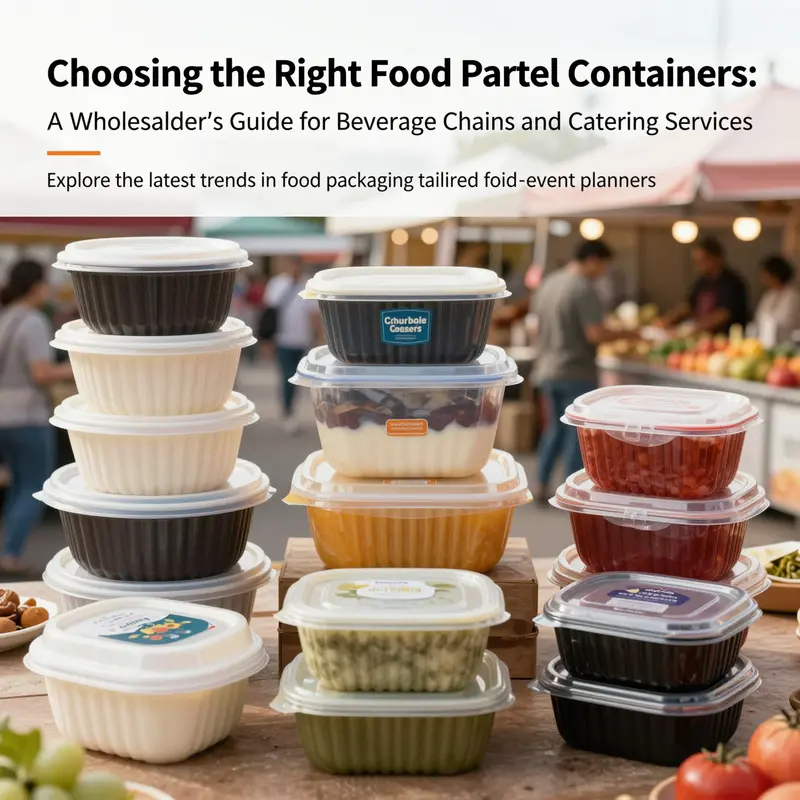
The ever-evolving landscape of food service demands innovative packaging solutions that meet consumer needs while maintaining operational efficiency. Whether you run a bubble tea shop, a bustling restaurant, a food truck, or provide catering services, understanding the types of food parcel containers available on the wholesale market is crucial. This guide delves into the dominant products and materials, reliable purchasing channels, eco-friendly considerations, and the trends shaping the future of food packaging. Each chapter provides insights to help you make informed decisions when sourcing packaging solutions that align with your brand values and operational goals.
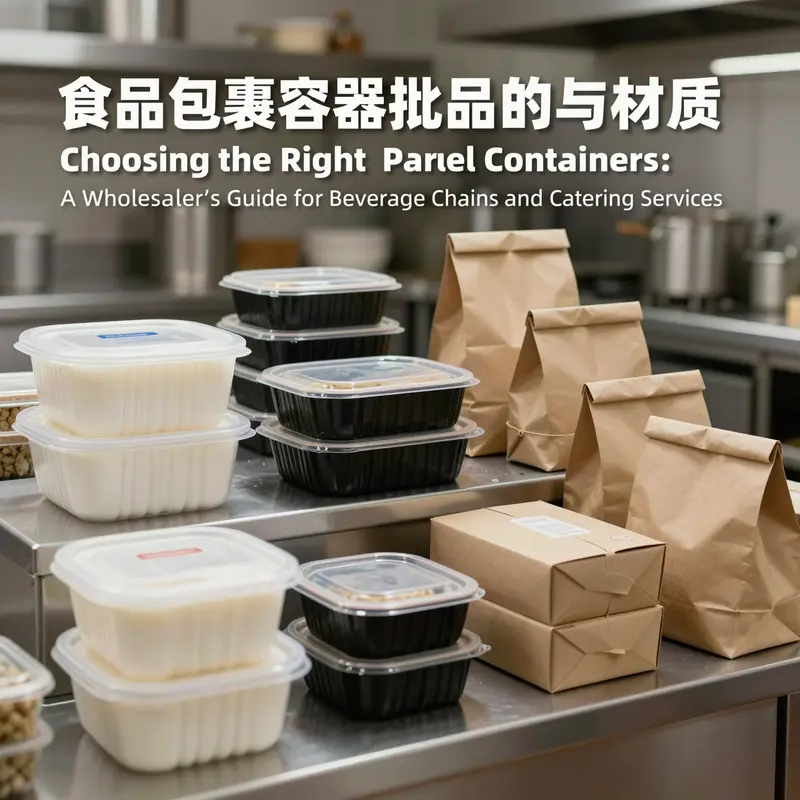
材料与市场驱动:食品包裹容器批发的主流类型与材质
外部参考资源方面,读者可参考权威的实时信息来源,以便对比不同市场的定价与供应条件。下列链接提供了广泛的批发选项与价格区间,便于对照市场供给的弹性与风险:
Wholesale Food Packaging Containers on Alibaba
在日趋全球化的采购环境中,理解不同渠道的成本结构与合规要求,将帮助企业在竞争激烈的市场中保持稳健的成长态势。
Scaling for Profit and Purpose: Navigating Wholesale Food Parcel Containers in a Global Market
The wholesale landscape for food parcel containers sits at a critical junction of cost, performance, and brand storytelling. Buyers are increasingly measured not only by how cheaply they can source a box, but by how reliably that box protects the food, preserves quality during transit, and communicates a commitment to sustainability. In this sense, wholesale procurement becomes a strategic function, linking supply chain discipline with market signals about what customers expect from packaging. The choices span a spectrum from traditional plastics to modern eco friendly materials, and the decision framework blends supplier risk, regulatory compliance, and total cost of ownership with the evolving narrative a business wants to project to its customers. The core challenge is to balance three practical questions in real time: will the container perform as needed in daily service, what are the true costs after logistics and waste, and how does the packaging support the company’s environmental and regulatory commitments? These questions guide every significant sourcing decision, from the most basic takeout box to a multi material lineup that positions a brand for the next wave of consumer expectations.
Material options anchor the choice in tangible tradeoffs. The workhorse in many fleets remains polypropylene, a material noted for its durability, light weight, and the ability to tolerate microwaving. For operators handling high volumes, PP based containers often translate into predictable service, straightforward logistics, and a straightforward path to scale. The promise is clear: a container that can take heat in the kitchen and survive rough handling in transit, all at a unit price that helps margin without inflating the wholesale bill. Yet this efficiency has to be weighed against evolving standards for food contact materials and the growing emphasis on avoiding harmful additives. Buyers increasingly demand BPA free formulations and robust certifications that reassure end users about safety and compliance. In other words, PP remains indispensable, but it is no longer a stand alone value proposition; it is part of a broader package that includes labeling, traceability, and performance data.
Alongside the plastics that keep costs stable, the market is trending toward materials with clearer end of life pathways. Bagasse, bamboo fiber, plant based PLA, and recycled paper offer compelling environmental narratives that resonate with regulators and consumers alike. These choices are not mere marketing slogans; they reflect real differences in compostability, waste streams, and processing requirements. For example, bagasse and PLA based options can be designed to biodegrade in industrial composting facilities, aligning with circular economy goals and improving a brand’s green credentials. At the same time, compostable and biodegradable packaging often comes with higher material costs and, in some cases, more complex handling requirements. This means that the decision to move toward plant based or biodegradable containers hinges on a clear assessment of lifecycle costs, regulatory compliance in target markets, and the ability to educate both the supply chain and customers about proper disposal. Recycled paper or plant fiber options can deliver a premium feel and substantial branding benefits, but they too require careful design to ensure grease resistance, moisture management, and durability in temperature ranges typical of takeout meals. The price signals for these eco friendly options can be modest in some cases, with custom degradable paper boxes quoted in small to mid scale batches in the low cents per unit range, but often trending higher as scale, certification, and specific compostability standards come into play. The market is adjusting to this balance between cost and impact, and buyers who pursue both performance and responsibility are carving out a distinct competitive advantage for their brands.
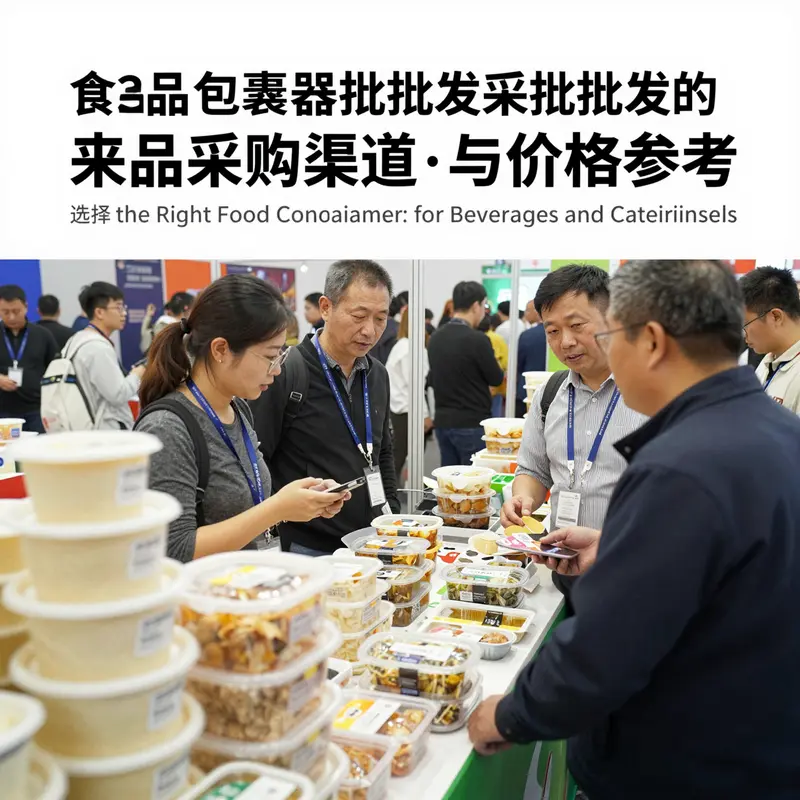
Procurement channels for wholesale food parcel containers present a spectrum of options that match different business models and growth stages. The most economical route for large, steady demand is direct manufacturer sourcing. This approach bypasses intermediaries and typically yields the lowest unit costs, especially when production runs are planned and forecasted with the supplier. The tradeoff is a higher entry barrier: longer lead times, the need for rigorous supplier qualification, and minimum order quantities that can stretch cash flow. In this model, buyers must verify factory credentials and ensure alignment with food contact standards, such as GB 4806.7 2016. The gains, when conditions are favorable, can be substantial, with factory direct prices that can undercut secondary channels by a meaningful margin. The practical reality is that not every operation can sustain tens or hundreds of thousands of units each month, and even large players benefit from diversification in order to cushion demand fluctuations or supply disruptions.
A second path, especially attractive to startups and growing small businesses, is the regional wholesale market. Strategic hubs like major distribution centers and manufacturing districts act as focal points for mixed orders, on site inspection, and rapid prototyping of packaging concepts. The flexibility here is the ability to test different wall thicknesses, sealing designs, and material blends before committing to long term contracts. In these markets, it is common to observe a mix of 0.5 mm or thicker walls, sound sealing at injection molding interfaces, and accessible samples that allow operators to verify performance against practical requirements such as stacking, leak resistance, and transport stability. The price discipline in regional markets is shaped by the mix of vendors and the competitive pressure of nearby buyers, making it feasible to negotiate smaller MOQs and gain more hands on supplier interaction than is possible through mass factory channels.
The third channel, and often the entry point for many scale players, is e commerce platforms that aggregate suppliers into a transparent price/volume ecosystem. Platforms offering bulk purchasing enable a wide spectrum of suppliers to present tiered pricing, bulk discounts, and time limited promotions. The advantage is rapid access to a broad catalog and a clear signal of market pricing, supported by reviews and seller metrics. The downside is the emphasis on price competition, which can sometimes mask issues of quality, consistency, and long lead times. The most effective buyers on these platforms build a disciplined supplier selection process, focusing on vendors with high ratings, credible transaction histories, and value added services such as free samples or 30 day payment terms. The real value of e commerce in wholesale is the ability to harvest price elasticity from large order volumes while maintaining the flexibility to pivot suppliers as needs evolve.
Price references across these channels illustrate the spectrum clearly. For plastic takeout and food containers, factory direct pricing can range roughly from three tenths to eight tenths of a yuan per unit, depending on size, thickness, and customization. On the flip side, online wholesale channels often show a broader band, with typical bulk pricing from roughly seven tenths to a little more than a yuan per unit, reflecting the added costs of platform logistics, seller margins, and customer support. Paper and bagged packaging, particularly the lighter weight varieties and standard sizes, can hover in the low tens of fen per piece when purchased in bulk via wholesale channels, while more complex or branded designs may rise in price with the addition of custom printing and tamper resistant features. For larger, multi piece packaging sets or insulated combinations, the price can escalate quickly but be offset by the benefits of improved product integrity and customer experience. In short, the numbers tell a story: scale reduces unit costs, but the optimal mix of materials and channels depends on the intended application, regulatory requirements, and the brand’s strategic priorities.
Industry dynamics are moving toward sustainability and continuous innovation. Buyer expectations increasingly revolve around a packaging system that can be trusted to handle heat, moisture, and grease while telling a credible sustainability story. The move toward eco friendly packaging is no longer a niche trend; it shapes supplier selection, contract terms, and even marketing messages. In response, the industry is seeing more suppliers offer certified compostable materials, post consumer recycled content, and non toxic inks that do not compromise safety at any stage of use. At the same time, brand owners are seeking partnerships that extend beyond the sale of a single container. Programs such as bridging initiatives that pair suppliers with large manufacturers for co development and mass customization are flourishing, enabling more accurate forecasting, improved quality control, and deeper collaboration on standards. The outcome is a market that rewards transparency, reliability, and the ability to meet evolving regulatory expectations across regions.
For buyers who want to optimize both cost and impact, a blended channel strategy often yields the best results. A steady core of direct factory purchases anchors price and supply security for core products, while regional markets offer flexibility to test new materials, sizes, or configurations with reduced risk. E commerce platforms then become a rapid sclaling tool to fulfill sudden spikes in demand or to source secondary items such as specialized bags or accessory components. A practical reminder is to couple this channel mix with a disciplined qualification process: require lab testing reports, verify food contact certifications, and request physical samples before large commitments. Equally important is a continuous review of the supplier base to avoid over reliance on a single source or a single material family. The market rewards those who treat packaging as a strategic partner, not merely a cost line item.
An important note on practical sourcing is the role of supplier matchmaking and industry events. Initiatives designed to connect buyers with suppliers for tailored, long term collaborations have gained traction. These programs help buyers articulate their needs precisely, whether that is a target shelf life, a heat resistance specification, or a requirement for certified compostable materials. They also enable suppliers to showcase capabilities that might otherwise remain hidden in catalogs. The result is better risk management, more stable pricing, and a higher likelihood that packaging aligns with brand values and regulatory obligations. This alignment is not an abstract ideal; it translates into lower defect rates, more consistent performance, and a packaging solution that reinforces customer trust.
When it comes to choosing a path, consider the practical realities of your operation. If your demand profile is predictable and volumes consistently high, direct factory sourcing offers the strongest price leverage and most control over product specifications. If you are in the early stages, experimenting with different materials or formats, or require greater flexibility to adapt to shifting trends, regional markets and online platforms provide a lower barrier to entry and faster iterations. Throughout this journey, remember that the packaging decision is a public signal about your brand. A container that looks and performs well, while carrying an authentic sustainability story, can amplify customer satisfaction and support loyalty in a competitive market. To bridge the gap between concept and execution, you may explore a range of options, including customizable packaging solutions that align with the goals of your brand and your operations. For instance, the following resource highlights the potential of tailored packaging offerings that can fit theme events or specific campaigns: custom-takeaway-packaging-supplies-disposable-tableware-for-theme-party.
Quality and safety checks remain an essential part of any sourcing plan. Regardless of channel, verify compatibility with real world use by confirming microwave suitability, freezer resilience, and heat tolerance. Look for clear labeling that indicates the material and any restrictions on use. Insist on up to date certifications and test reports for food contact materials, and check that the packaging meets local regulatory requirements in your target markets. A well curated supplier portfolio will include reliable lead times, a transparent MOA outlining responsibilities, and a willingness to provide samples for testing. The cost savings achieved through clever sourcing are meaningful only when the product delivers consistent performance in the field and supports your brand promise. In this regard, the mix of channels should be designed to optimize both reliability and environmental credentials, with a practical emphasis on ongoing supplier development rather than a one off price negotiation.
External reference for further reading on wholesale container pricing and market dynamics can be found at a major marketplace resource: https://www.alibaba.com/product-detail/Wholesale-Food-Packaging-Containers-Disposable_1600587995807.html
Bulk, Safety, and the Box: Navigating Wholesale Food Parcel Containers for Modern Food Chains
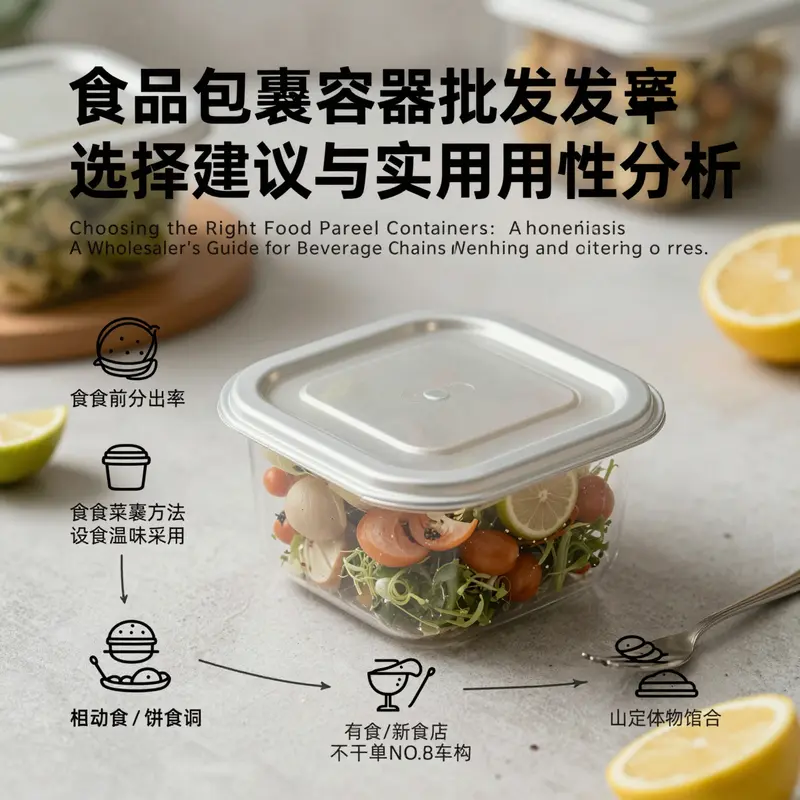
The journey of a meal from producer to plate hinges on a quiet, unassuming partner: the container that carries, protects, and presents the food. In wholesale terms, these parcels are not mere packaging; they are a link in the chain that affects safety, efficiency, brand perception, and cost. The wholesale market for food parcel containers sits at a crossroads of material science, logistics, and regulatory compliance. When a business evaluates bulk orders, it must weigh more than the upfront price per unit. It must weigh total cost of ownership, supplier reliability, and the container’s ability to integrate with existing workflows. In practical terms, that means choosing between materials like food-grade polymers and plant-based composites, between vented and sealed designs, and between standardized formats and customized solutions. The objective is to secure a consistent supply of containers that can withstand the realities of microwaving, freezing, washing, and stacking—all without compromising safety or inflating operating costs over time. This requires a disciplined approach that starts with safety as the non-negotiable baseline, then extends to durability, practicality, and sustainability across the entire lifecycle of the product. The most common foundations in food parcel containers today are food-grade polymers such as polypropylene (PP) and high-density polyethylene (HDPE). These materials have earned their place because they offer essential properties: chemical inertness, cleanliness, and the ability to be sanitized repeatedly. PP, in particular, is favored for its heat resistance and resilience in washing and sterilization processes. It handles high temperatures without degrading and resists the kind of wear that would cause cracks or breaks during frequent handling. For applications involving liquids or fine powders, HDPE provides a stiffer, more robust solution that can resist moisture ingress and contamination. Yet material choice is never a stand-alone decision. It is a decision that must be paired with verifiable evidence. Suppliers should provide material safety data sheets and third-party testing results, ideally including GB 4806.7 compliance where applicable. This standard, considered a baseline for food-contact plastics in many markets, ensures the plastic will not migrate harmful substances into food at typical use temperatures. Insisting on formal documentation is not a hurdle but a guardrail against later risk. Alongside traditional plastics, there is a rising demand for environmentally friendlier alternatives. Bagasse-based boards, bamboo fiber composites, recycled paper, and plant-based polymers like PLA are increasingly used to create disposable or compostable containers. These materials resonate with brands seeking to strengthen green credentials and meet evolving regulatory expectations. They can also offer advantages in messaging and consumer perception, insofar as customers recognize a visible commitment to sustainability. However, the environmental narrative must be matched with performance: clarity about compostability claims, real-life disposal methods, and end-of-life certification. In wholesale procurement, it is prudent to align material choices with the specific product category and end-use scenario. For example, a fast-food chain might benefit from a mix of robust PP containers for hot, greasy items and compostable paper-based boxes for casual takeout that emphasizes sustainability in its branding. An integrated procurement policy should clearly specify which materials are acceptable for which environments, how they will be labeled, and what conformances are required before they enter the supply chain. Design features play a decisive role in operational efficiency and food safety. A well-designed container does more than hold contents; it protects them against leaks, maintains temperature, and supports a reliable, scalable logistics flow. Ventilated panels or perforations on sides can be advantageous for fresh produce and perishable items. These features help regulate internal humidity and prevent condensation that could lead to spoilage or microbial growth during storage or transit. Conversely, for sauces, soups, or marinated goods, a sealed, leak-proof design is critical to prevent cross-contamination and preserve product integrity in cold storage and during transport. A seamless, leak-resistant build reduces the risk of spills that could trigger recalls or damage downstream operations. In addition, standardized stacking capability is not a luxury but a necessity in high-volume environments. Containers designed with uniform dimensions and interlocking features improve warehouse space utilization, simplify forklift operations, and minimize the risk of damage when pallets are moved. A practical takeaway is to assess whether the proposed design any time a supplier demonstrates its products: do they feature a stack-friendly base, a reinforced lip for lid integrity, and an option for tamper-evident or branded labeling that can withstand wet or oily conditions? Capacity, exact dimensions, and the compatibility of containers with existing equipment matter just as much as material choice and structural design. Bulk buyers should calibrate the fit between container size and the typical package profile: the volume of goods in one unit, the expected weight, and how the container will be loaded onto pallets or into carriers. Overly large boxes can waste space and hinder efficient handling; undersized containers can force more units per shipment, increasing handling time and complexity. The rule of thumb is to adopt a balanced approach that favors modularity and predictability. It is not just about one-off performance; it is about achieving consistent performance across thousands or millions of cycles. When evaluating options, run through a simple scenario: a batch of 10,000 units moving from a central kitchen to multiple retail locations. How many pallets will be needed? Will a certain container size align with the available pallet footprint and forklift reach? Will the same container serve multiple SKUs without the need for an extensive mix of sizes? These questions, when answered early, avert costly midstream substitutions and logistical bottlenecks. The end-to-end use case matters. At the agricultural stage, perforated or vented containers can help protect delicate fruits and vegetables while allowing airflow that slows overcrowding and spoilage. In processing and packaging centers, stackable, sealable, and nestable designs enable smooth intra-facility handling and inter-facility handoffs. In distribution and retail environments, compatibility with cold-chain protocols, shelf-ready presentation, and ease of cleaning become ongoing priorities. The ability to re-use containers—whether through returnable systems or high-durability plastics—can dramatically alter operational costs and environmental outcomes. When a wholesale buyer quests for solutions, it is wise to consider a hybrid portfolio: durable, reusable PP-based options for high-velocity volumes and greener, compostable alternatives for segments of the business that emphasize sustainability. This approach helps maintain continuity across seasons and market conditions while offering a credible, diversified environmental narrative. Procurement strategy in the wholesale domain blends practicality with foresight. The most successful buyers are those who cultivate direct relationships with manufacturers or dedicated plastic and packaging facilities. Direct sourcing reduces intermediary markups and secures clearer lines of communication for lead time, customization, and after-sales support. Yet direct sourcing requires diligence: verify production capacity, quality management systems, and the ability to scale during peak demand. In addition to price, the total cost of ownership must factor in durability, washability, compatibility with sanitization protocols, and the potential for product defects. It is worth requesting trial quantities, performance data, and supplier certification packages before committing to long-term contracts. Another critical element is the ability to adapt to regulatory shifts and evolving consumer expectations. As packaging regulations tighten around labeling, compostability, and recyclability, wholesale buyers should demand clarity on certifications such as compostability claims, recycling compatibility, and responsible sourcing credentials. This reduces risk and supports a credible, consistent brand story across markets. Incorporating branding and consumer messaging into wholesale packaging decisions can also influence choices. While functional performance remains foundational, the container surface offers a canvas for logos, colors, and instructional printing. This is not a matter of vanity; it affects consumer recognition and perceived value, especially in a crowded market. However, branding must not compromise safety or usability. Ink, coatings, or adhesives should be compatible with food-contact standards and not interfere with washing or disinfection processes. In practice, this means selecting containers whose lids, walls, and labels can tolerate heat and moisture, while also delivering legible branding that survives repetitive handling. For businesses pursuing a greener image, it is important to align the packaging story with the actual supply chain realities. Consumers increasingly expect that sustainability claims are backed by verified practices, such as clear end-of-life guidance and realistic composting pathways. Suppliers who can provide transparent lifecycle information and documentation often stand out in a crowded supplier landscape. To anchor these considerations, imagine a scenario where a multinational food operation evaluates a mix of container types for different stages of its supply chain. For fresh-cut produce, a breathable, vented container supports shelf life and reduces condensation-related spoilage. For ready-to-heat meals, a microwave-safe, leak-resistant PP box supports customer convenience and reduces waste from leaking packaging. For sauces and wet products, a robust, sealable design prevents cross-contamination and protects staff from slips or spills. The procurement process would begin with a clear specification of materials, performance criteria, and labeling requirements. It would proceed to supplier qualification, including sample testing, third-party audits, and verification of regulatory compliance. It would advance to a controlled pilot with a limited rollout, capturing feedback from production teams, warehouse staff, and logistics partners. Finally, it would scale while maintaining strict governance over QC procedures, routing, and inventory control. With this approach, the simple act of selecting a wholesale container becomes a strategic lever—one that can lower costs, strengthen safety, and support a brand’s environmental commitments. One practical way to explore options and validate claims is to reference an accessible example of bulk packaging options that emphasize both affordability and versatility. For teams seeking a current snapshot of wholesale availability, supplier catalogs often feature a spectrum of options, from basic, BPA-free, microwave-friendly PP containers to more sustainable, compostable alternatives. A capable selection should also address the full spectrum of sizes and formats needed to cover the typical range of menu items, while remaining compatible with standard warehouse equipment, storage methods, and transport vehicles. For teams that want a concrete starting point, consider examining materials that explicitly indicate microwavability, leak resistance, and recyclability. A thorough review of available documentation helps separate products that merely appear compliant from those that deliver consistent safety and performance across repeated use. To support efficient navigation through the wholesale landscape, teams can adopt a compact decision framework. First, lock safety as non-negotiable; demand material certifications and test results that align with local regulations. Second, assess design requirements for each use case—ventilation for fresh produce, sealing for liquids, and stacking for storage. Third, map total costs across the lifecycle, including durability, washing cycles, and disposal or recycling costs. Fourth, validate supply chain resilience with suppliers who can scale and respond quickly to demand fluctuations. Fifth, align packaging choices with brand and sustainability goals, ensuring that messaging is accurate and verifiable. When these elements are coordinated, wholesale procurement becomes an orchestrated process rather than a series of ad hoc purchases. For readers seeking practical, real-world cues, consider consulting resources that catalog a wide array of container formats and materials. Practical exploration of environmental and safety standards, combined with transparent supplier documentation, forms a robust foundation for decision-making. In the broader market, one can find examples of bulk, cost-conscious options that still meet rigorous safety criteria, with an emphasis on PP-based, BPA-free designs and responsibly sourced renewable materials for greener lines. The path toward smarter wholesale purchasing is not about chasing the lowest unit price alone; it is about choosing a suite of containers that consistently perform under demanding conditions, while supporting a credible sustainability story and enabling smooth operational workflows. Internal resource for readers seeking a concrete reference to eco-friendly packaging options: eco-friendly takeout boxes for food packaging. External reference for broader context on bulk packaging availability and specifications: https://www.alibaba.com/product-detail/Wholesale-Food-Packaging-Containers-Disposable_1600587995807.html In the end, the choice of wholesale food parcel containers is not a standalone product decision. It is a strategic component of risk management, cost control, and brand strategy across the supply chain. The containers you choose carry the promise of safety, efficiency, and sustainability to both operators and end customers. By foregrounding safety, aligning with practical use scenarios, and pursuing a disciplined, data-driven procurement approach, organizations can build a resilient, scalable packaging ecosystem that serves as the quiet but steadfast engine of modern food delivery and distribution.
Sustainability at Scale in Wholesale Food Parcel Packaging
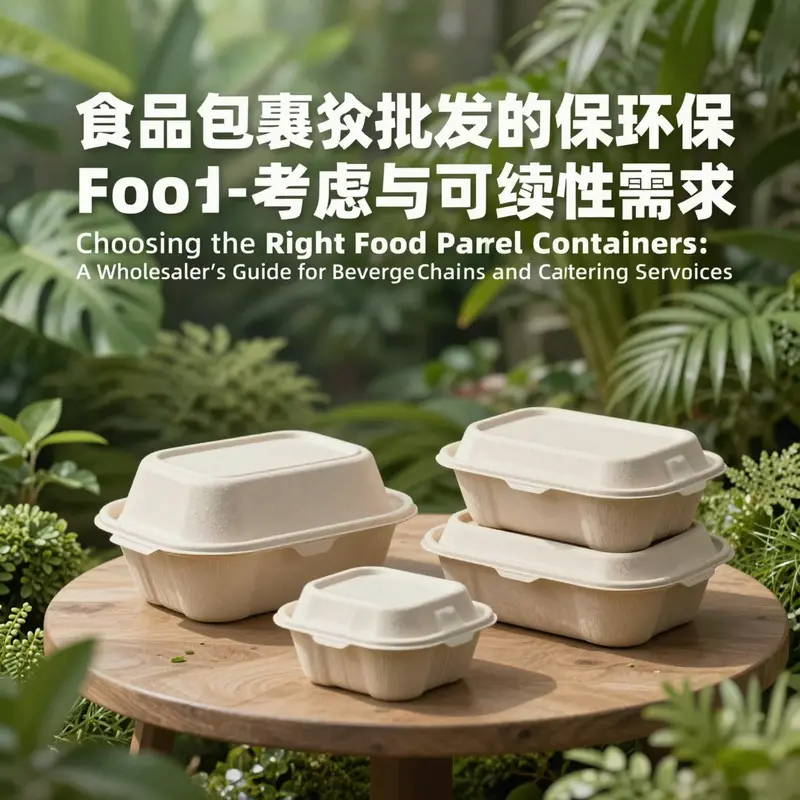
In wholesale food parcel packaging, sustainability is no longer an afterthought but a core design constraint that shapes material choice, manufacturing, distribution, and end-of-life pathways. Buyers in bulk increasingly evaluate how a container performs across a lifecycle that spans raw material extraction, production, transport, use, cleaning, and recovery. The result is a market where cost is important but not the sole driver, and where environmental performance, regulatory alignment, and supply-chain resilience are valued in equal measure.
Material choice remains central. Polypropylene (PP) continues to dominate for its durability, heat tolerance, and recyclability within established systems. Yet there is growing interest in bio-based and recycled-content options, including bagasse, recycled paper, and plant-based polymers, each with its own trade-offs in performance, compostability or recyclability, and total lifecycle cost. In wholesale conversations, buyers weigh how readily a material can be recovered and reintegrated into production streams, not just how it performs on a single shift.
Design for durability and end-of-life clarity is essential. Containers that nest or stack efficiently, resist leaks, and are easy to clean extend usable life and reduce energy use across storage and transport. Clear labeling, robust certifications, and transparency about end-of-life routes help build trust in a competitive market and reduce the risk of greenwashing. A well-conceived circular program—take-back arrangements, refurbishment options, and defined recycling or composting streams—transforms packaging from a cost center into a lever for brand integrity and environmental stewardship.
At scale, the lifecycle cost model matters most. Procurement teams assess unit price alongside recovery logistics, reuse potential, cleaning requirements, and waste-disposal savings achieved through higher utilization rates. Collaboration across manufacturers, wholesalers, and operators accelerates the development of packaging systems that optimize material efficiency and minimize waste. This collaborative, systems-focused approach enables high-volume operations to maintain reliability while delivering measurable environmental benefits.
In practical terms, sustainability at scale also means rigorous supplier due diligence, traceability, and third-party verification of environmental claims. Transparent reporting on material origin, production processes, and end-of-life outcomes reduces risk and supports credible customer communications. By aligning packaging decisions with broader corporate targets—carbon reduction, resource efficiency, and responsible sourcing—wholesale buyers can achieve a competitive advantage while contributing to a more resilient planet.
null
null
Final thoughts
As the food service industry progresses, the importance of selecting the right food parcel containers cannot be overstated. From the material types that best suit your offerings to the channels through which you can procure them efficiently, every choice impacts your operational effectiveness and brand perception. With a growing emphasis on sustainability, it’s essential to not only focus on functionality but also consider the environmental implications of your packaging choices. By staying informed about market trends and innovations, you can ensure that your business remains competitive and responsible in a rapidly changing landscape.