
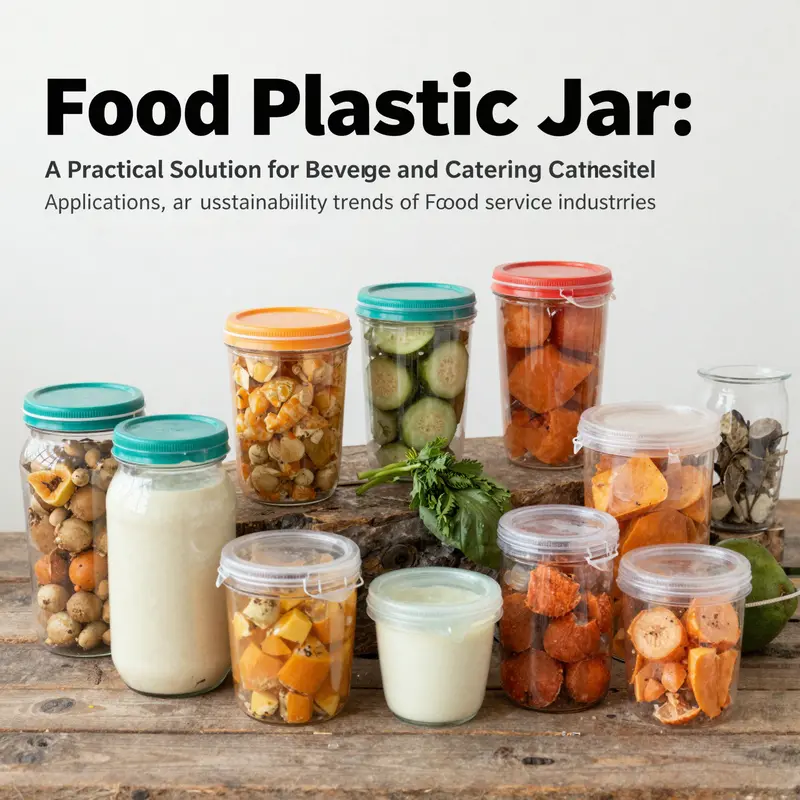
Understanding the value of food plastic jars is essential for beverage chains, restaurants, food trucks, and catering services. These containers enhance storage and presentation while aligning with modern sustainability standards. This article explores material properties, advantages over alternatives, wide-ranging applications, and eco-friendly trends to help you optimize operations and support a more sustainable future.
From Molecules to Market: How Material Properties Shape Food Plastic Jars and Their Culinary Futures
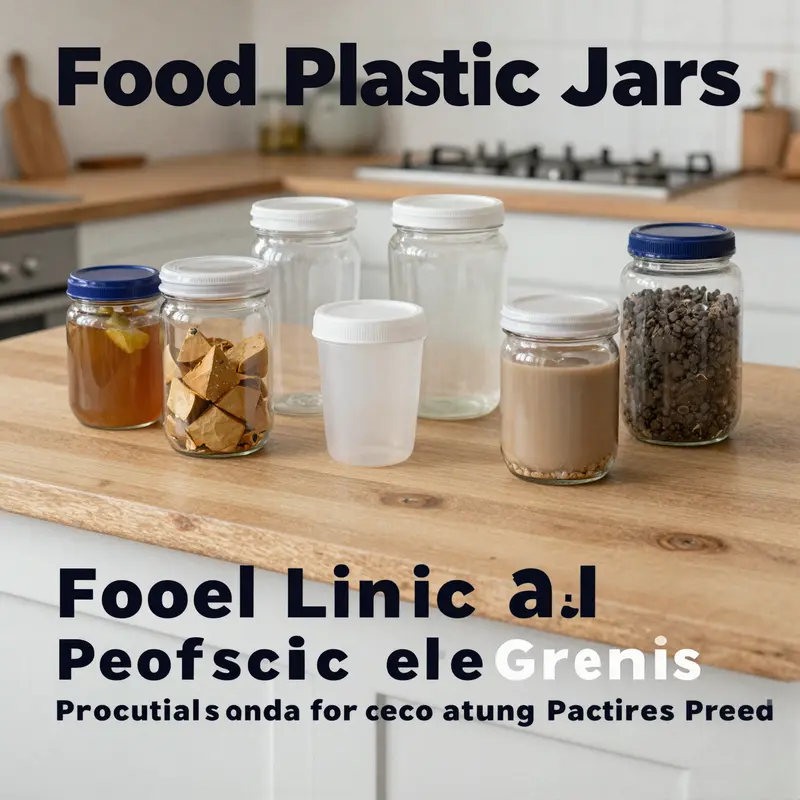
Every time we reach for a food jar, we engage with a finely tuned material system that balances safety, performance, and practicality. The jars and containers that hold our pantry staples are more than simple shells; they are designed at the molecular level to preserve freshness, resist contamination, and travel from production lines to kitchen counters with minimal risk. This chapter unpacks the material properties that make this possible, focusing on the core plastics most commonly used in food-grade jars: polypropylene (PP), polystyrene (PS), and polyethylene terephthalate (PET). Each polymer brings a distinct set of advantages and constraints, and together they illuminate why different foods, storage scenarios, and brands select one material over another. Reading this, you begin to see the jar not as a static vessel but as a dynamic artifact shaped by chemistry, engineering, and policy.
PET stands out for its clarity, strength, and barrier performance. The crystal-like transparency of PET is not merely an aesthetic asset; it is a functional feature that helps consumers assess content at a glance and supports branding in crowded shelves. Beyond looks, PET’s barrier properties against gases and moisture play a decisive role in preserving dryness, oils, condiments, and beverages. For dry goods, a robust barrier helps maintain texture and aroma, while for liquids, it slows oxidation and flavor loss. PET’s rigidity also contributes to stackability and label adhesion, which matter for retail logistics and product identity. Yet PET is not a universal answer. Its barrier performance is excellent under the right conditions, but repeated reuse and high-heat exposure can compromise its integrity. While PET is recyclable and widely accepted in many systems, its performance as a reusable container is context-dependent, and designers must account for heat exposure and potential material migration when evaluating long-term use. In addition, the clarity that PET affords can become a liability under UV exposure, where photooxidation may gradually degrade the polymer if stabilization is not incorporated.
Polypropylene, by contrast, is the workhorse for heat-containing applications. Its melting point, typically around 160–170°C, makes PP a practical option for hot-fill processes, microwave-safe designs, and dishwasher-grade durability. This heat resilience is paired with excellent chemical resistance, allowing PP to withstand contact with acidic and oily foods without rapid degradation. PP’s light weight and rigid structure contribute to lower shipping costs and efficient handling, while its moisture resistance helps protect powders, spices, and dehydrated foods in ambient storage. Consumers often encounter PP in jars and lids intended for longer shelf life or for products that face daily temperature fluctuations. However, a caveat accompanies this versatility: prolonged exposure to high temperatures or repeated reuse can lead to gradual degradation. In some circumstances, this degradation may alter the leaching dynamics of substances, and even BPA-free formulations require careful evaluation of repeated-use scenarios. The design challenge, then, is to balance the use of PP in hot applications with robust testing for chemical stability over the container’s expected life.
Polystyrene adds another dimension to the material conversation, especially in its expanded form for certain packaging applications. PS excels in insulation and cost efficiency, which is why you’ll find it in some disposable packaging and foam-based containers. When used in jars that are heat-resistant within a limited range, PS can support brief hot contents or cold-holding, contributing to energy-efficient storage during distribution and display. Yet PS brings concerns that require careful management. Its melting point is relatively low, around 100°C for many foam-based forms, which means heating or microwaving should be avoided for PS containers unless the product is specifically engineered for that use. PS is also less recyclable in many regions, and persistent environmental concerns around foams have driven a search for alternative materials or recycling pathways. In practice, PS-based jars may be encountered in niche situations where insulation or low-cost disposal is prioritized, but they are chosen with a clear understanding of both their benefits and their environmental footprint.
The broader picture emerges when we consider barrier properties in concert with material choice. PET’s barrier performance against oxygen and moisture makes it attractive for preserving sensitive contents, but many jars rely on multilayer designs or coatings to further impede gas ingress or light transmission. Multilayer approaches can harness the strengths of different polymers, marrying PET’s clarity with the chemical resistance of PP or the insulation properties of PS. These combinations, while technically effective, introduce recycling and end-of-life considerations. Multi-material packaging can complicate recovery streams because each layer may require different recycling streams or specialized processing. The industry has increasingly pursued formulations and designs that enable easier separation or more accessible recycling, sometimes incorporating eco-friendly elements like plant-based fillers or easily recyclable composites. Even with these innovations, there remains a spectrum of trade-offs between performance, cost, and environmental impact that designers must navigate for every product line.
Beyond barrier performance and heat resistance, the safe use of plastics in food contact relies on regulatory oversight and adherence to material safety standards. Food-grade plastics are subject to migration tests and acceptable daily intake guidelines that limit the transfer of substances from the container to the food. Regulatory bodies require that materials intended for contact with edibles meet strict criteria to prevent contamination, which in turn guides the selection and processing of PP, PS, and PET in jar formats. In practice, manufacturers must validate that their chosen material, when used under realistic storage and handling conditions, remains inert enough to protect flavor, color, and safety. This protective framework extends to considerations of recyclability and end-of-life management, where the sustainability profile of a jar interacts with environmental policies and consumer expectations for responsible packaging.
From a consumer perspective, understanding material properties aids in choosing the right jar for a given product and use-case. A transparent PET jar can be ideal for visual appeal and short-term storage of dry goods, where the product benefits from visible cues and a strong seal. A PP jar might be preferred for hot-fill sauces or products that require heat resistance during processing or on-the-shelf handling. PS-based designs could be selected where insulation or low-cost disposability is a priority, provided that heating is not involved and disposal considerations are understood. The interplay of these materials with lids, seals, and caps further influences performance. Airtight screw-top designs, tamper-evident features, and compatibility with labeling systems are all part of a cohesive package that guards freshness, prevents contamination, and supports efficient inventory management.
In this complex weave of chemistry and commerce, an illustrative practical example helps connect theory to practice without naming specific products. A common jar design like the plastic-sauce-jars-with-lids showcases how material choice translates into everyday usability. The jar must remain robust through transport, resist leaching during contact with oils, and keep its seal intact through multiple handling cycles. If the contents are hot or volatile, the material must tolerate occasional heating without deforming or compromising the seal. The transparency of the container supports visual inspection, while a durable lid and gasket system can maintain a reliable barrier against moisture and air. The same design must also align with labeling requirements and end-of-life options, creating a chain of decisions that touches technical performance, consumer safety, and sustainability. This example underscores how a single jar embodies a spectrum of material behaviors—thermal, chemical, mechanical, and optical—and how those behaviors echo along the supply chain from production to shelf to home.
The future of food plastic jars lies at the intersection of material science, environmental stewardship, and evolving consumer expectations. Advances in UV-stabilized PET and in high-clarity, heat-resistant PP formulations promise greater longevity and broader use cases. Developments in barrier coatings and multilayer architectures aim to deliver superior protection while easing recycling, a balancing act that remains central to sustainable packaging design. As life-cycle thinking becomes more embedded in brand strategy, jar designers face the dual challenge of meeting rigorous safety standards while offering practical, affordable solutions that minimize environmental impact. In this evolving landscape, material properties are not abstract specifications; they are the levers that determine a jar’s ability to protect flavor, preserve nutrients, and travel responsibly through a complex web of logistics. As materials researchers, packaging engineers, and product developers collaborate, the daily act of opening a jar becomes a small moment of scientific reverberation—where molecular choices ripple outward to food quality, consumer trust, and a greener economy.
External reference: For a regulatory overview of food-contact materials and safety guidelines, see the U.S. Food and Drug Administration’s guidance on Food Contact Substances (FCS) at https://www.fda.gov/food/food-contact-materials/food-contact-substances
Clarity, Containment, and Care: The Enduring Advantages of Food-Grade Plastic Jars in Modern Storage
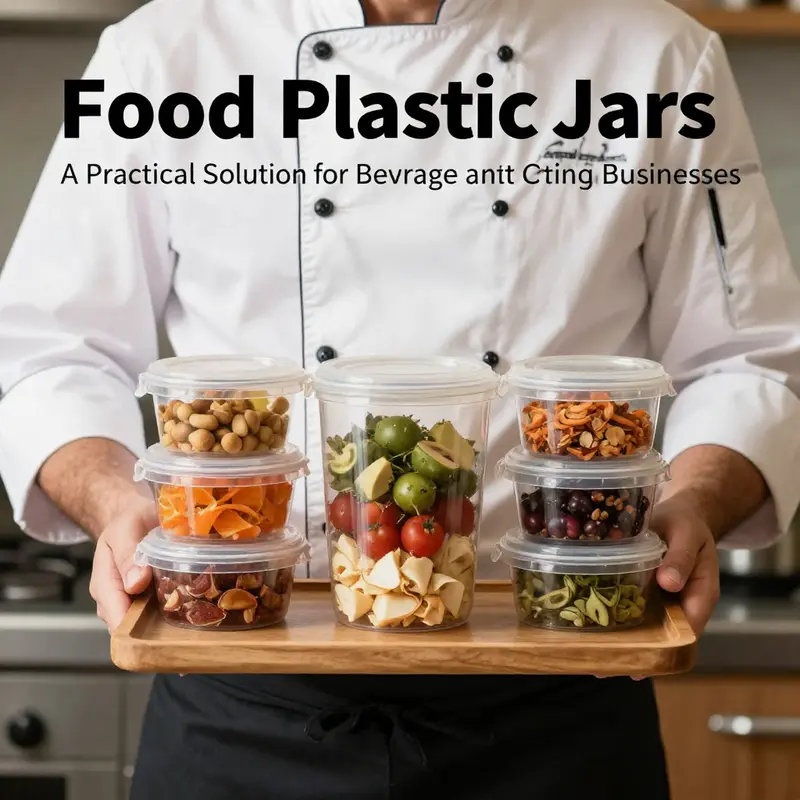
In kitchens, storerooms, and production lines, a quiet efficiency operates through the humble plastic jar. It is not merely a container but a storage system that combines visibility, reliability, and portability in a way glass often cannot match. The advantages unfold across several dimensions, creating a practical logic for choosing plastic jars as a mainstay of both household habits and industrial workflows. At the heart of this logic is a triad: containment that defies leaks, controlled dispensing that reduces waste, and a closure system that preserves freshness against air and moisture. Together, they shape a storage culture that makes food handling more precise, predictable, and economical over the long run. When one considers the everyday act of storing spices, grains, sauces, or bulk ingredients, the benefits surface quickly and repeatedly, reinforcing a preference for food-grade plastic jars in diverse settings.
Leak resistance is a fundamental attribute that often goes uncelebrated until it matters. In practice, screw-top lids paired with threaded walls and, when needed, gaskets, create a seal that keeps liquids and semi-liquids contained during transport and storage. This seal reduces the risk of spills on shelves, in transit, or within crowded refrigerators, and it helps prevent cross-contamination between contents held in adjacent jars. The reliability of these containers becomes especially evident in environments that demand frequent handling—kitchens, catering operations, or meal-prep facilities—where a single leak can compromise an entire batch or inventory. In such contexts, the ability to move sauces, dressings, or oils without fear of leaks translates into tangible savings on product loss and cleanup time. The practical confidence gained from strong leak resistance underpins a broader trust in plastic jars as a robust storage solution.
The art of pouring and dispensing is another domain where plastic jars excel. Many jar designs prioritize easy, measured pours that minimize waste and mess. Whether portioning dry goods like flour or powders, or dispensing viscous sauces and oils, the right jar geometry—narrow necks, pour spouts, or measurement marks—helps users control quantity with simplicity. This precision is not only about convenience; it directly influences cost control and portion accuracy in homes, restaurants, and manufacturing lines. It also supports consumer experience, where predictable pour size and predictable results become part of product quality. The same design philosophy that enables precise dispensing also reduces the likelihood of overdosing containers during refills, a small but meaningful benefit for both budget management and waste reduction.
A secure closure system is the next pillar of dependable storage. Airtight or near-airtight seals protect contents from exposure to air, moisture, and pests. This protection is essential for preserving the aroma, flavor, and texture of dry goods such as cereals, nuts, spices, or powders, and it is equally important for shelf-stable liquids and oils. Well-sealed jars slow the pace of quality degradation that would otherwise occur through oxidation or humidity intrusion. In industrial settings, robust closure systems contribute to consistent product performance across batches, supporting standardized storage and inventory control. For households, reliable closures mean longer-lasting pantry staples and fewer spoiled items. This benefit extends into the labeling and branding space, where customers associate consistent packaging integrity with trust in the product itself.
Visual identification is the fourth thread that weaves through effective storage. Clear, food-grade plastics enable instant recognition of contents without opening the container. This visibility supports efficient inventory management, quick recipe checks, and accurate stock rotation. When contents are easy to see, you can assess freshness, quantity, and status at a glance, reducing the cognitive load on busy cooks and managers alike. Label-friendly surfaces further enhance organization, allowing for easy branding, date stamping, or lot tracking. Even during high-volume packaging operations, visible contents can streamline quality checks and ensure that skewed assortments do not clutter shelves or storerooms. The power of sight, in this case, directly translates into better control over inventory and more disciplined storage practices.
Space optimization through stackability is another strong point. Many plastic jars are designed to nest or stack in ways that maximize vertical storage and minimize footprint on shelves or in cold storage. In pantry closets and walk-in fridges, the ability to stack efficiently means more products can be stored in the same space, which is increasingly valuable as storage costs rise and product assortments expand. The versatility of design—ranging from tall, slender jars to shorter, stouter forms—facilitates a modular approach to storage that can adapt to changing inventory, seasonal needs, or new product lines.
Design variety—ranging from transparent to opaque finishes—addresses a broad spectrum of storage requirements. Transparent jars suit everyday use where monitoring content is essential, while opaque jars protect light-sensitive items from degradation caused by UV exposure. This design flexibility supports both consumer-facing applications and industrial storage, where different products demand different levels of light protection. The choice between clear and opaque has implications for product stability, shelf life, and even consumer perception, underscoring how material design is intertwined with storage strategy.
The lightweight yet durable nature of plastic jars is a practical advantage that resonates across contexts. Compared with glass, plastic jars excel at reducing breakage risk, lowering handling hazards in busy kitchens, and cutting shipping costs due to weight and fragility. This durability matters not only for home use but for the logistics of bulk packaging, packaging lines, and long-term storage in warehouses where vibration, stacking, and movement are common. The safety profile of modern food-grade plastics—often engineered to resist impacts and resist chemical interactions with stored contents—contributes to a reliable, reusable storage solution that stands up to the rigors of daily use.
Beyond food storage, these containers demonstrate remarkable versatility. The same material science that protects spices can accommodate other regulated domains, including cosmetics and certain medical applications, where containment integrity and hygienic design are paramount. The broad applicability reflects a practical versatility: a single container format can serve a spectrum of needs, reducing the number of packaging formats a business must manage while maintaining strict standards for safety and performance. Such cross-domain utility strengthens the case for investing in well-specified jars that meet diverse regulatory requirements while delivering consistent performance.
From a materials and standards perspective, PET, PP, and HDPE each bring distinct strengths. PET offers crystal clarity, strong gas and moisture barrier properties, and recyclability, making it ideal for preserving the freshness of dry goods, oils, condiments, and beverages in transparent, consumer-friendly formats. PP shines where higher heat resistance and rigidity are needed, enabling hot-filled or sterilized products like sauces and certain ready-to-use mixes. HDPE provides chemical resistance and opacity, serving opaque storage needs where light protection is desirable and chemical compatibility is critical. Across these materials, the emphasis is on safety, with many food-grade plastics marketed as BPA-free and designed to maintain content quality over time. In regions with established recycling programs, containers can be part of a broader sustainability ecosystem, often featuring take-back or extended producer responsibility (EPR) schemes and, increasingly, components designed for recyclability or reuse.
Sustainability considerations have also driven design innovations, from recycling-friendly formulations to eco-friendly accessories such as lids that use renewable materials. The industry increasingly prioritizes compatibility with recycling streams and the reduction of environmental footprints through material selection, lightweighting, and design for disassembly when possible. These shifts align with broader consumer demand for practical packaging that does not sacrifice performance or safety. The result is a family of containers that balances practicality with responsibility, providing dependable storage while supporting responsible consumption and waste management practices.
In terms of application, the relevance spans the home kitchen, where jars organize pantry staples and spices with a clean, label-friendly aesthetic, to commercial kitchens and packaging lines, where consistency, scalability, and brand differentiation are crucial. Transparent containers support shelf appeal and easy inventory checks, while opaque variants offer protection for light-sensitive items. The combination of secure closures, precise dispensing, leak resistance, and visual clarity creates a comprehensive storage solution that can be tailored to specific products, batch sizes, and distribution requirements.
A final note on the broader context helps connect these advantages to ongoing conversations about food safety and packaging innovations. While plastic jars do present trade-offs—such as sensitivity to UV exposure in certain formulations—advances in UV-stabilized plastics and barrier technologies are closing gaps with more traditional materials. For consumers and businesses seeking reliable, sustainable, and practical solutions, food-grade plastic jars represent a modern, efficient choice that aligns with both everyday practicality and strategic storage goals. The result is not a single solution but a versatile system that supports careful inventory management, consistent product quality, and responsible handling from storage to service.
For practitioners seeking deeper insights into standards, properties, and industrial applications, a foundational resource offers a detailed overview of how material choices influence safety and performance in real-world contexts. External reading: https://www.foodsafety.gov/food-container-plastics-guide
Transparent Carriers, Lasting Impact: The Integrated Role of Food-Grade Plastic Jars in Homes and Industries
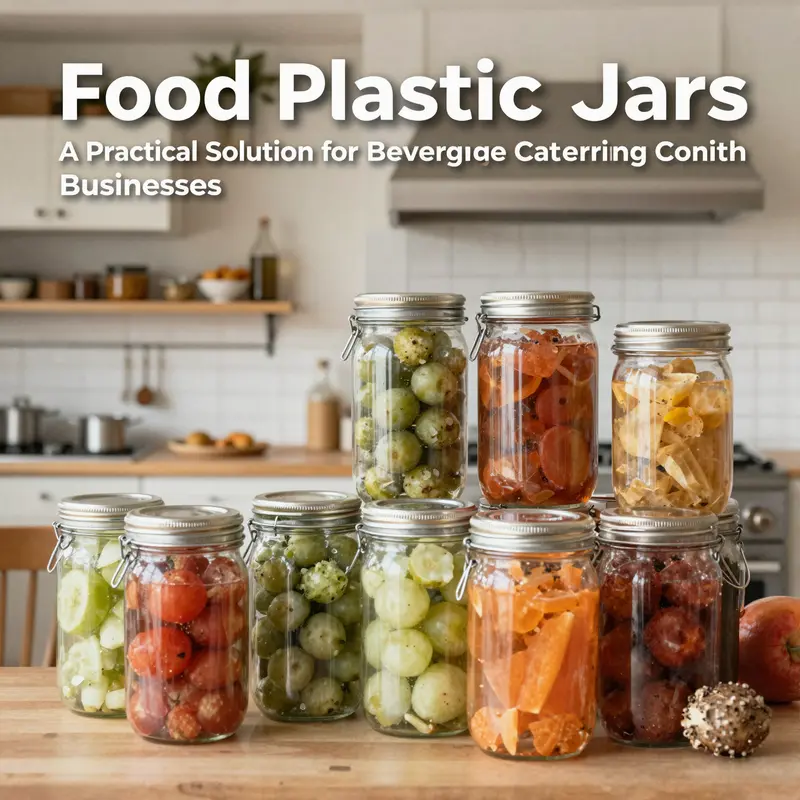
Plastic jars and containers have quietly become a backbone of modern food systems. They sit on kitchen shelves, move through warehouses, and thread through production lines with a reliability that remains invisible until it’s missing. This chapter examines how these everyday vessels perform a dual role: practical home utility and scalable industrial component, and how material choices, design features, and sustainability goals converge to shape safe, efficient, and resilient packaging.
The core family—PET, PP, and HDPE—each brings a distinct signature. PET offers crystal-clear visibility and strong moisture and gas barriers, making it ideal for dry goods, oils, and beverages where seeing the contents matters. PP provides higher heat resistance and structural rigidity for hot-filled products, sterilized processes, and long-term ambient storage of powders and spices. HDPE contributes chemical resistance and durability, often in opaque formats that shield light-sensitive contents and tolerate tougher handling in logistics and display settings. Together these materials provide a versatile toolkit: PET for freshness and display; PP for heat and integrity; HDPE for protection and durability.
Beyond material performance, closures and seals are a critical part of the equation. Airtight lids, tamper-evident bands, and leak-resistant threads help preserve flavor, prevent cross-contamination, and simplify handling across cold storage, transport, and retail shelves. The plastics used are commonly formulated to be BPA-free and designed to be compatible with a wide range of foods, from dry snacks to sauces and cosmetics. The lighter weight of plastic compared with glass reduces transport costs and breakage risk in high-volume settings, while transparency or uniform coloring supports inventory management, branding, and consumer trust.
Sustainability threads through every decision. Many manufacturers design jars with recyclability in mind, aligning with extended producer responsibility programs and circular-economy goals. Some lids incorporate renewable materials or can be disassembled easily for recycling. Labels, inks, and adhesives are selected to stay legible and non-harmful through life cycles. In homes and businesses, reuse and repurposing extend the life of containers, reducing waste and reinforcing a culture of mindful consumption.
In everyday homes, jars enable practical routines: portion-controlled storage for meal prepping, organized pantry rotation, and the convenience of stackable, secure containers in the fridge or backpack. The clarity of PET and the tactile confidence of well-fitted closures help families plan quickly, track freshness, and reduce waste. In industrial contexts—delis, bakeries, cafeterias, and Pharmaceutical or cosmetics labs—these containers scale up to maintain consistent product presentation, ensure sanitary handling, and support efficient line operations. Jars withstand the bumps, vibrations, and rapid handling typical of production floors while continuing to protect contents and preserve quality.
Yet no material system is without limits. Some jar configurations are not microwave-safe, particularly when closures and labeling inhibit uniform heating. UV exposure and light-sensitive contents can change color or degrade clarity over time, underscoring the importance of choosing the right jar for each use case. Proper compatibility testing and thoughtful design—such as UV-stabilized polymers, light-blocking opaque options, and barrier-enhancing additives—help expand the safe application envelope. The ongoing push toward improved barrier properties, better recyclability, and clearer labeling messages aligns with both consumer expectations and regulatory standards.
The broader packaging ecosystem continues to evolve toward integrated solutions: jar systems that pair with eco-friendly takeout, efficient labeling, and closed-loop recycling pathways. Industry readers benefit from exploring standards and best practices around material safety, environmental impact, and end-of-life processing. In short, the jar is more than a container; it is a flexible component that links home convenience, commercial throughput, and sustainable responsibility. As researchers and practitioners explore new formulations and process innovations, the practical takeaway is clear: select the right material, design the closure for reliability and reuse, and plan for lifecycle impact from production to recycling. For further context, industry resources and technical standards illuminate how these trends translate into everyday choices for products, brands, and consumers.
Redesigning Freshness: Sustainability Trends Reshaping Food Plastic Jars and Containers
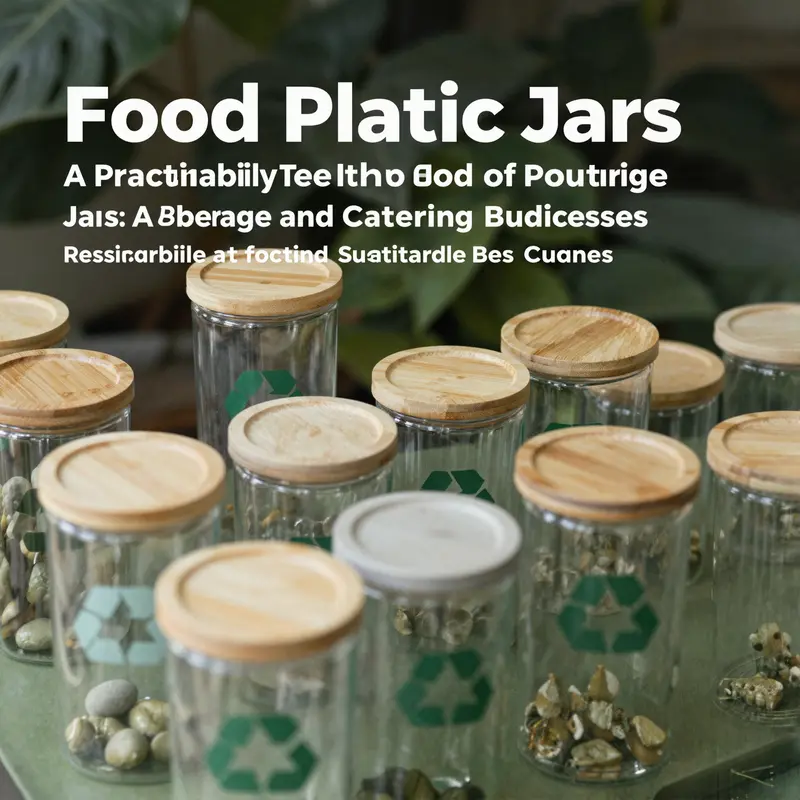
Across kitchens, warehouses, and production lines, plastic jars and containers are being redesigned around sustainability goals as much as around practicality. Regulators, retailers, and mindful consumers are pushing for packaging that protects food without piling up waste. This shift makes the life cycle of a jar a core consideration, from raw materials and manufacturing to reuse, recycling, or safe disposal. The common triad of PET, PP, and HDPE remains central, but their roles are evolving. PET provides crystal clarity and strong barrier performance, which helps keep dry goods and liquids fresh longer and reduces waste from spoilage. PP offers heat resistance and rigidity, enabling hot fills and sterilized products while maintaining integrity through long storage. HDPE contributes chemical resistance for durable, sturdy containers. Yet these materials are increasingly evaluated not only for function but for end of life. Recyclability, contamination risk, and the potential for reuse are shaping new design and sourcing choices. In short, the conversation about food plastic jars now spans barrier properties, safety, and environmental responsibility in equal measure. This is a narrative of optimization rather than replacement, where better materials, smarter design, and smarter disposal converge to lower the footprint of everyday storage.
Bio based plastics are rising from a niche to a measurable presence. By 2026 bioplastics such as PLA, derived from renewable resources like corn starch, are moving into broader use. They can break down in industrial composting facilities within months, offering a different environmental profile than conventional plastics. But the transition is not without caveats. Recycling streams, composting infrastructure, and cost all influence whether a bioplastic truly reduces overall impact. Some packaging strategies separate compostable options from recycling streams to avoid cross contamination. The result is a nuanced landscape where a single material cannot solve every challenge. Companies increasingly evaluate material choice by function, end of life, and supply chain realities, not by appearance alone. In practice, this means considering how a jar will be disposed of by local programs and how its life cycle compares to alternatives under real conditions.
Innovation extends beyond chemistry. Mushroom based packaging, grown from mycelium, is moving from novelty toward practical use for protection and cushioning. These bio derived materials can lower weight, reduce energy use in shipping, and return to the earth with fewer residues. For jars and containers, the goal remains to preserve content integrity while cutting the overall carbon footprint. Lighter designs reduce plastic usage without sacrificing barrier performance, thanks to advances in processing and formulation. The industry is increasingly exploring mono material configurations to simplify recycling. A single resin type or simple layered structure can be more readily processed by municipal programs, aligning with circular economy goals. The push toward mono materials reflects a broader intent: to keep packaging materials circulating by making separation and processing straightforward, even in diverse waste management systems.
Circular packaging systems are becoming a practical reality. Jars and containers designed for reuse, refilling, or return programs extend the life of materials and reduce new plastic production. In practice, this means shifting from single use to refillable designs for condiments, sauces, and dry goods. The aim is to keep materials in circulation longer, curbing waste and linear consumption. Realizing these models requires durable, high quality containers that withstand repeated washing and handling. It also demands reliable tamper evidence and freshness controls across cycles. Partnerships with co packers and specialized suppliers help ensure compatibility of lids, seals, and labeling across multiple uses. This approach changes not only packaging choices but business models, encouraging brands to reimagine how products travel from production to pantry and back again. It is within this framework that readers can glimpse how packaging ecosystems evolve toward responsibility and resilience. For those exploring practical pathways in this space, consider the concept of eco friendly takeout packaging as a model of how refillable or reusable systems can be scaled across categories. See this example of eco friendly takeout packaging options for a sense of how durable, recyclable designs translate from serviceware to home storage contexts.
Beyond material choices, transparency and consumer engagement remain central. Consumers want to know what a jar is made of, how it should be disposed of, and whether it fits local recycling or composting capabilities. This information drives better sorting by households and supports more effective material recovery. Clear guidance on heat tolerance, microwave safety, and food contact suitability helps prevent misapplication that could compromise safety or recycling streams. Label surfaces that tolerate multiple uses also support branding and inventory management without compromising recyclability. In parallel, engineers and designers are increasingly attentive to the practical realities of the supply chain. Availability of compatibility components, standardized dimensions, and reliable recycling streams can determine whether an elegant concept becomes a scalable practice.
Cost remains a real constraint, particularly for small and medium enterprises. Sustainable packaging options can come with higher upfront costs, complex supply chains, or uncertain return on investment. Yet the market is evolving. Ready to use formats, co packing partnerships, and specialized suppliers are helping to level the field. As these options proliferate, the total cost of ownership—considering efficiency, waste reduction, and potential incentives—can tilt in favor of sustainable choices. The conversation shifts from a focus on the lowest sticker price to a broader assessment of long term value, which includes environmental impact, consumer trust, and regulatory compliance.
If the arc of development continues to bend toward sustainability, the future of food plastic jars will likely embody a blend of bio based materials, circular design, and smarter material use. The aim is not to abandon plastic but to redesign it so that its benefits—protecting freshness, enabling lightweight transport, and supporting branding—are delivered with a lighter environmental footprint. Advances in barrier performance, heat tolerance, and recyclability work in concert with innovative materials like mono resin systems and mycelium derived components. In this evolving landscape, the industry may rely less on a single solution and more on a portfolio of options tailored to product type, supply chain realities, and local waste management capabilities. The result is packaging that keeps foods fresh and appealing while contributing to a more sustainable system overall. For readers seeking a broader context of these shifts, an external synthesis of sustainable packaging trends for 2026 provides a helpful frame: https://www.greenbiz.com/article/top-sustainable-packaging-trends-2026
Rethinking the Jar: A Practical Review of Plastic Food Containers and Safer, Sustainable Alternatives
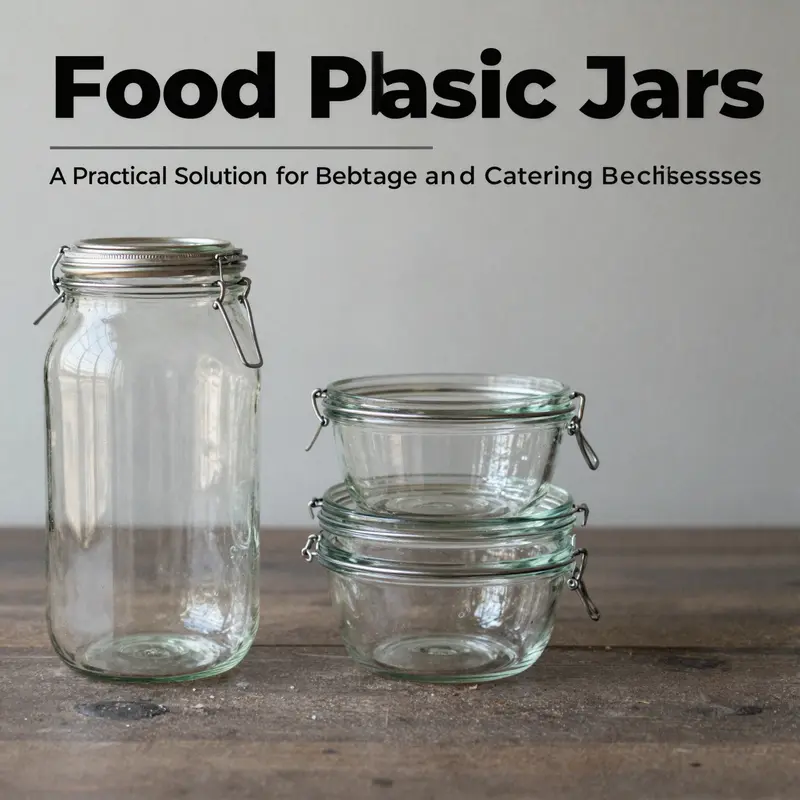
Plastic containers are ubiquitous, but a closer look reveals trade-offs among environmental impact, health considerations, and performance. This chapter compares common plastics with glass, stainless steel, bamboo, and paper-based packaging across lifecycle stages, durability, and use cases. It discusses recycling infrastructure, downcycling realities, and how design choices influence end-of-life options. Health concerns around chemical migration, heating, and long-term storage are weighed against inert alternatives such as glass and stainless steel. Practical guidance for households and professionals emphasizes matching material properties to storage needs, adopting modular designs and reuse where feasible, and seeking options with clear end-of-life pathways. The conclusion advocates a context-driven, hybrid approach rather than a single-material solution, encouraging brands and consumers to prioritize safety, waste reduction, and transparent labeling.
Final thoughts
Food plastic jars provide a compelling solution for beverage chains, restaurants, food trucks, and catering services. Their material properties support safety and food integrity, while advantages over other storage options are evident across settings. As sustainability becomes increasingly important, eco-friendly features add further appeal. With versatile applications and clear benefits, investing in food plastic jars can elevate service quality and align operations with modern sustainability practices.