
The growing concern about plastic contamination in food is not just a trend but a pressing reality for businesses in the food industry. From seafood to the vegetables we serve, plastics and microplastics are increasingly present, posing risks to health and safety. This article will guide you through the various sources of plastic in foods and beverages, highlighting key products affected. We will explore how seafood is contaminated, the alarming presence of plastics in fruits and vegetables, beverages, convenience meals, and everyday cooking methods. By understanding these elements, food service establishments can implement strategies to minimize plastic exposure, thereby protecting customers while preserving their brand integrity.
Seafood and Plastics: Tracing Microplastics from Ocean to Plate
From ocean to plate, the story of seafood is intertwined with plastics. Microplastics and nanoplastics are now found throughout marine environments, and their presence in seafood is a growing area of concern. The exposure pathway for people is not a single event but a cascade: plastic fragments ingested by marine organisms can move up the food chain, ultimately reaching the dinner table. While seafood provides valuable nutrition, understanding this contamination helps consumers make informed choices.
Shellfish are particularly affected because they are filter feeders. In polluted waters, their feeding mechanism concentrates microplastics in tissues. Reports from monitoring programs show that shellfish can contain dozens, sometimes hundreds, of microplastic particles per kilogram. This makes shellfish a meaningful site of exposure for coastal communities and for people who rely on locally harvested seafood.
Other seafood such as tuna, salmon, and shrimp can accumulate microplastics through diet and habitat. The particles can travel within tissues and may be retained in certain organs. The prevalence and amount vary by species, region, and season. Even when visible plastics are not present, microscopic fragments and associated chemicals may accompany seafood through processing and handling.
Contamination is not limited to the ocean. Processing, packaging, and cooking can introduce plastics or enhance exposure. Some microplastics survive cooking, and certain packaging materials may shed microplastics during storage or reheating. Consumers should be aware of packaging choices and avoid heating food in plastic containers known to shed microplastics.
Beyond particles, plastics carry additives such as phthalates and other chemicals that can migrate into foods. While the health implications of low-level chronic exposure are still under investigation, the presence of these substances in seafood underscores the need for a precautionary approach and better controls along the supply chain.
Concrete steps for consumers include diversifying seafood sources, favoring products with clear origin information and robust traceability, and avoiding reheating meals in plastic that can shed microplastics. Reducing reliance on plastic-packaged ready meals and supporting packaging innovations that minimize leaching also helps. Public reporting, standardized monitoring, and transparent labeling are essential to help people navigate this complex topic without fear or misinformation.
From Root to Table: Tracing Plastic in Everyday Produce
Vegetables and fruits are foundational to a healthy diet, yet growing evidence suggests that microplastics can move from soil into edible tissues. Researchers have found plastics in a range of crops, including leafy greens and root vegetables, challenging assumptions about how food becomes contaminated. The uptake begins at the root and can travel through vascular pathways to leaves, stems, and fruits. In humans, the health implications are still being studied, but concerns include inflammation and changes to gut microbiota. Public policy and farming practices increasingly focus on reducing environmental plastic pollution, safer irrigation water, and transparent reporting of contaminants in produce. Consumers can support these efforts by choosing packaging wisely, supporting waste reduction, and staying informed about emerging science. The chapter underscores that protecting the safety of everyday foods requires actions across research, regulation, and responsible production—from soil to shelf to table.
Liquid Contaminants: Tracing Microplastics Through Beverages and Their Packaging
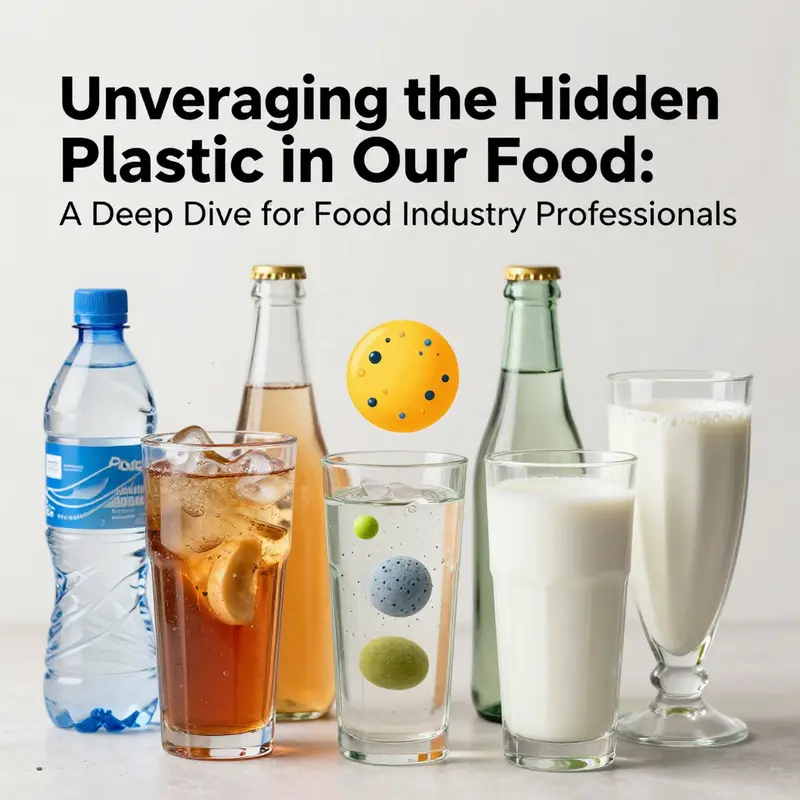
Beverages sit at a peculiar crossroads in the conversation about plastic and health. They are consumed with routine familiarity, often in single-use packaging, and yet they can carry microplastics and plastic-derived chemicals from source to sipper. A World Health Organization report has underscored the scope of the issue, noting that a striking proportion of tested bottled water samples contained microplastics. While the exact figures vary by study and method, the central takeaway is clear: plastic particles are permeating liquids we routinely drink, not merely the foods we eat. The particles most commonly originate from the packaging itself and from the processes that transform a raw liquid into a shelf-stable beverage. Bottles, bottle caps, labels, and the machinery involved in bottling can shed pieces of plastic over time, especially when subjected to heat, friction, or aging. The net effect is a pervasive exposure pathway that many consumers encounter daily without a conscious awareness of its source. Even beverages that people do not typically associate with plastic—beer, juice, and other drinks—have shown microplastics in some analyses, though the data on baseline levels for these categories remains less comprehensive. Methodologies differ, and researchers continue to refine approaches to isolate plastic particles from other contaminants, but the signal is consistent enough to prompt caution and further inquiry. The beverage landscape, then, reveals plastic not just in packaging but as an intragroup traveler—arriving in a glass of water or a chilled soda through a complex supply chain that begins with polymer resins and ends with a straw or lid on a cup. In this sense, beverages are a revealing case study in how plastics move through everyday life, from factory floor to kitchen counter to cup held in hand.
Beyond the bottles themselves, the closure systems—caps and dispensing taps—can contribute microplastics during the life cycle of a beverage. Labels and adhesives, often made of plastics or coated with polymer films, can shed fragments during manufacturing and transport. Even the act of handling a bottle or container can introduce microplastics, as plastics shed tiny particles under stress, temperature fluctuations, or abrasion. It is not only about the visible packaging either; residual residues on processing equipment, and the occasional transfer of microplastics from packaging materials into beverages during filling, are increasingly recognized as plausible exposure routes. This broader view helps explain why some studies find microplastics across a wide spectrum of drinks, including bottled water, beer, and other beverages typically thought to be pure or uncontaminated. The pattern is less about one single weak link and more about a network of possible points of entry for microplastics into liquids we routinely ingest.
A common thread in the literature is not merely the presence of microplastics in beverages but the broader concern about associated chemicals that cling to plastics. Phthalates, a family of plasticizers used to render plastics flexible, appear in various study findings as a potential co-traveler with microplastics. A comprehensive analysis of nearly 300 food items identified elevated phthalate levels in certain prepared foods and beverages, particularly in processed or fast-food contexts where packaging and heating intersect. In the beverage category, while data are more variable, some studies highlight that plastic-derived chemicals can migrate into liquids from plastic components used in straws, cups, lids, and even the inner linings of certain containers. The practical upshot is that a consumer who drinks from a plastic cup with a plastic lid, a straw, or a fast-food beverage container could simultaneously encounter microplastics and phthalates. The chemistry is not purely hypothetical; phthalates are known to act as softeners in plastics, and their migration is influenced by temperature, fat content, and the duration of contact with the container. That combination—temperature, time, and contact with plastic—exists in many everyday beverage scenarios, from hot coffee in a plastic lid to cold beverages kept in flexible plastic packaging.
The practical implications for daily life extend beyond bottled beverages. Prepared drinks from cafes and food service operations often come in plastic cups or sealed pouches. The packaging choices at the point of sale—whether a takeout cup with a plastic lid or a sealed bag for a ready-to-drink beverage—play a significant role in determining exposure. It is here that the consumer-facing world reveals a tension: the convenience and affordability of plastic packaging versus the potential for microplastics and associated chemical exposure. To mitigate exposure, many health advocates emphasize strategies centered on reducing plastic contact, especially with heat, and selecting beverage options that minimize packaging in plastic or are packaged in more inert materials. These choices, while not eliminating risk, can meaningfully reduce exposure. In households and workplaces, practical steps include using reusable bottles and containers made of glass or stainless steel, avoiding heating beverages in plastic containers, and favoring beverages sold in non-plastic packaging when possible.
One answer to the exposure puzzle is to rethink beverage infrastructure in everyday life. For example, when feasible, people can opt for beverages stored or served in glass, metal, or other materials that resist degradation and leaching. Home filtration of tap water can reduce the burden of microplastics in daily consumption, though filtration efficacy varies by technology and filter type. Carrying a personal refillable bottle for plain water, tea, or other non-fat beverages helps to minimize reliance on single-use plastic packaging. In social and workplace settings, choosing beverage options served in paper-based or other non-plastic containers—where practical—can further curb exposure. The consumer landscape is nuanced; not every environment offers easy access to non-plastic alternatives, and for many, the convenience of a pre-packaged drink remains a reality. Still, small, deliberate shifts—sipping from a reusable bottle, requesting non-plastic cups, or avoiding heated plastics—collectively contribute to reduced exposure over time.
From a packaging-design perspective, reducing exposure involves a combination of material science and consumer behavior. Researchers and manufacturers alike are exploring ways to minimize particle shedding and chemical migration by selecting more inert materials for inner liners, improving closure seal integrity, and reducing the reliance on multi-layer plastic films that can fragment under stress. The beverage ecosystem also benefits from standardized testing and transparent reporting on microplastics and phthalates in drinks. Consumers deserve clear, actionable data about what is inside their beverages, how it got there, and how to lower risk. Regulatory bodies are watching these developments closely, with ongoing assessments of permissible exposure ranges and evolving guidelines for labeling and packaging standards.
For readers seeking practical alternatives, there is value in knowing that packaging choices extend beyond the bottle or cup. The entire lifecycle of a drink—from production to storage to transport to consumption—carries opportunities to reduce plastic introduction. Regarding everyday substitutes, consider beverages that emphasize minimal packaging or packaging made from less-processed materials. If education and policy advances align, a broader shift toward sustainable packaging design could reduce the cumulative load of microplastics entering the food chain via beverages. A coherent approach combines consumer-aware choices, industry-driven material innovations, and regulatory clarity to move toward a system where beverages can be enjoyed with less plastic-derived risk.
To connect these ideas to the broader topic of the article, it is helpful to visualize how microplastics in beverages relate to the panorama of plastic exposure through food and packaging. The same plastic pathways that bring microplastics into a bottle can echo in other meal components: microwaved meals in plastic containers, ready-to-eat foods wrapped in plastic film, and even utensils and cutlery used during dining. The goal is not to induce paralysis or fear but to illuminate the routes of exposure and empower readers to make informed choices. The narrative becomes less about a single source and more about a system—one that will continue evolving as researchers refine methods, as manufacturers test alternatives, and as public health guidance adapts to new evidence.
For readers who want a concrete starting point in reducing exposure at the point of purchase or during transport, consider alternatives in packaging that reduce direct plastic contact with beverages. In many cases, non-plastic or minimal-plastic options are feasible, such as paper-based cup systems or recyclable, inert materials for serving drinks. When a plastic alternative is not available, opting for options with less aggressive or multi-layered plastic contact can still make a difference. The goal is to align everyday habits with the broader science, acknowledging that the landscape is still under investigation while prioritizing practical risk reduction.
Internal resource for packaging alternatives: the world of paper-based and other non-plastic beverage containers offers tangible choices for consumers seeking to cut down plastic exposure. For a sense of practical options in packaging, you can explore this collection of disposable packaging solutions focused on paper-based and eco-friendly formats: disposable-straws-paper-straws-bulk-drink-items-cocktails-soda-shakes-drinkware-birthday-wedding-party-decoration-drinkng-straws.
An important caveat remains: even with reduced reliance on plastic, beverages and the broader food system can reflect a pervasive plastic footprint. The pursuit of lower exposure is not a panacea but a practical set of steps—paired with ongoing research, regulatory scrutiny, and industry innovation—that collectively could reshape how we think about everyday drinks. Readers should stay informed about new evidence as science advances and as manufacturers deploy alternative materials and designs intended to limit particle shedding and chemical migration. In the meantime, informed consumer choices, mindful handling of hot beverages, and a gradual shift toward packaging that minimizes plastic contact are reasonable, actionable strategies.
External resource: for regulatory context and ongoing assessment of microplastics and nanoplastics in foods, consult the following official resource: https://www.fda.gov/food/chemicals-in-food/microplastics-and-nanoplastics-foods. This external reference provides a framework for understanding current regulatory thinking as the evidence base continues to grow and refine our grasp of how plastics interact with food and drink across diverse environments.
Plastic on the Menu: Unpacking How Fast-Food and Convenience Meals Carry Microplastics Into Everyday Plates
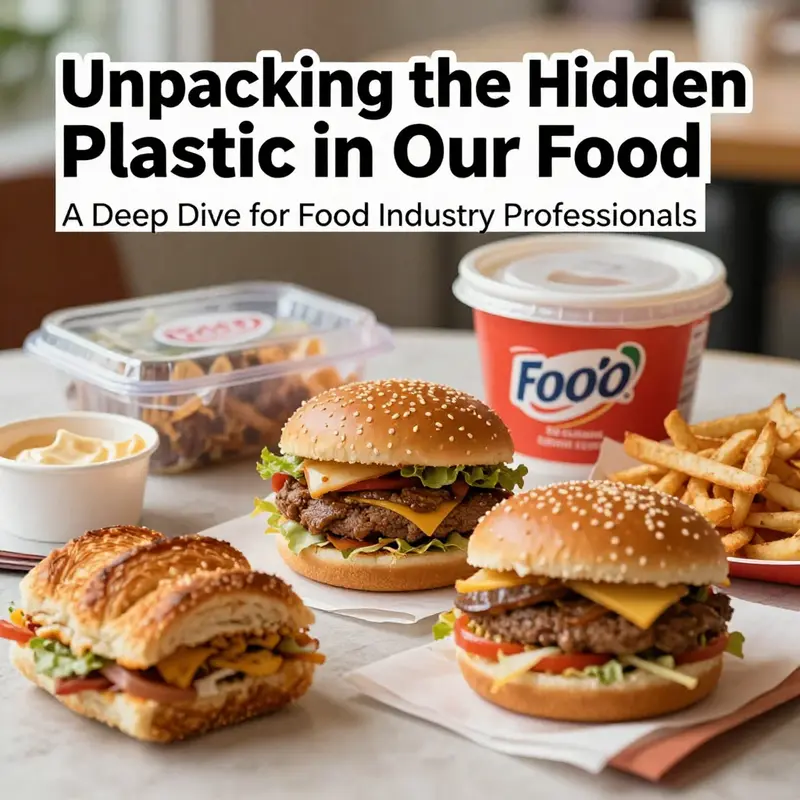
A drive-through lane, a quick stop for a ready-to-eat meal, or a takeout box on a crowded kitchen counter has become a daily ritual for countless households. Yet beneath the familiar aroma of fried foods, spicy sauces, and comforting stews lies an underappreciated truth: plastic is not just a packaging afterthought, it can become part of the food itself. In fast food and convenience meals, the boundary between packaging and product has blurred. What seems like paper or cardboard often conceals a thin plastic lining—usually polyethylene—designed to repel moisture, keep the contents from leaking, and preserve texture and freshness. That protective layer, when exposed to heat, acidity, or prolonged storage, can shed microplastics into the food. The result is a subtle, chronic exposure that could accumulate over time as meals accumulate in busy lives and the plates they rest on accumulate in kitchens around the world.
What researchers have found across a range of foods and beverages underscores how pervasive this exposure can be. Microplastics have been detected in beer and mineral water, in canned fish and rice, in tea bags, and even in table salt. Each of these items is a staple in many diets, often consumed regularly and in varying quantities. The reality is not that a single meal will deliver a toxic dose of plastics, but that the relentless, cumulative intake comes from multiple sources both inside and outside the food itself. In the context of fast food and ready-to-eat meals, this cumulative effect is amplified by the high frequency with which people rely on these options—especially during busy workweeks, travel, or when time constraints limit cooking from scratch.
A layer of nuance accompanies this story. The plastics themselves are not a single substance. They include microplastics—tiny particles that arise when plastics fragment or shed from packaging materials during handling and heating. They also include chemical additives, such as phthalates, which are used to make plastics flexible and can migrate into foods under certain conditions. The same pathways that release microplastics can also release these chemicals, turning what looks like a simple packaging choice into a mechanism for chemical exposure in the foods that many people trust to be convenient and safe.
The pathway from packaging to plate begins long before the meal arrives at your door. Many paper-based wrappers, cups, and takeout boxes rely on a plastics lining to resist moisture and to keep the product intact during transit. This aging, heat, or acidity can cause microplastics to migrate into the food. The ready-to-eat landscape often involves multi-layered materials designed for durability and convenience. Each layer can contribute to the total load of microplastics and associated chemicals found in a single bite or sip. The problem grows when meals are heated in these containers; microwaving plastic-covered packages or heating foods in plastic cups can accelerate the degradation of the polymer and the subsequent release of microplastics. In practice, warm soups, gravies, and sauces that travel in plastic-lined containers or arrive in plastic pouches may pose higher exposure risks than cold foods, simply because heat facilitates material migration.
If you look at a cross-section of the modern fast-food ecosystem, a few concrete patterns emerge. Beverages, including milkshakes and other cold or hot drinks, are often served in cups, with lids that can contain microplastics and leachants. Tea bags can themselves harbor microplastics, which adds another layer of exposure for consumers who drink tea alongside their meals. Ready-to-eat meals and convenience foods frequently come in plastic trays or packaging that may be lined with plastic. Even products that appear to be packaging-free, such as bread or certain grains, can be stored or sold in packaging that contributes microplastics during handling or storage before they reach the consumer.
The health dimension of this issue remains a topic of ongoing research, but the language of risk is clear. Microplastics themselves are physically small enough to pass through the gastrointestinal tract, and their surfaces can harbor adsorbed environmental pollutants or additives from the plastics. Phthalates, a class of chemicals used to impart flexibility to many plastics, have drawn particular attention because they can migrate into foods under heat and fat-rich conditions. Some analyses have found phthalate levels in items associated with fast food and convenience, including certain prepared meals and dairy products. In the same spectrum, beverages such as vanilla drinks and shakes, as well as other everyday liquids, have shown detectable levels of phthalates in some studies. The clearest takeaway is not a simple, universal verdict—it’s a warning about pervasive exposure that comes not only from the product itself but from the packaging system that surrounds it.
To understand the scope of the exposure, it helps to consider a few concrete, everyday examples. A beer or a mineral water bottle, a can of fish, a bag of rice, a pouch of prepared noodles, or a tea bag—these items are common in households across many regions. They illustrate how microplastics and associated chemicals can find their way into foods and drinks that people routinely rely on when life moves quickly. The same logic applies to the broader fast-food ecosystem, where multi-layered packaging is ubiquitous and meals are designed for rapid service and easy transport. The challenge is not simply to avoid a single source but to acknowledge the network of interactions—from production lines and packaging facilities to consumer kitchens—that collectively shape the plastic exposure profile of modern diets.
What makes fast food and convenience meals a particularly important node in this network is the volume and velocity of consumption. The pace of modern life makes these options appealing and often necessary. But the same factors that drive convenience—standardization, efficiency, scale—also raise concerns about the consistency, traceability, and safety of packaging materials. This is where policy, industry innovation, and consumer behavior intersect. Researchers and regulators are calling for stronger safeguards around food contact materials, more transparent labeling, and a shift away from single-use plastics toward truly biodegradable or compostable alternatives. The public dialogue is shifting from a narrow focus on the food itself to a broader view that includes packaging design, supply chains, and end-of-life management.
For consumers, there are practical steps that can reduce exposure without sacrificing the benefits of convenience. One approach is to minimize reliance on single-use packaging by choosing products with minimal wrapping or with packaging that is known to use safer materials and recyclability. Another strategy is to transfer foods from their disposable packaging into reusable containers when possible, especially for reheating or keeping hot foods hot. When heating is necessary, avoiding plastic contact in the microwave is a straightforward precaution—using ceramic or glass containers, or removing food from any plastic liner before heating, can limit migration. For beverages and other items typically consumed directly from their packaging, consider alternatives such as a reusable bottle for water or a stainless-steel tumbler for coffee and tea, and favor packaging that uses paper-based materials with minimal or no plastic lining.
Restaurants and manufacturers also have a role to play. One practical and visible path is to adopt packaging options that reduce migration risk. This could mean using safer barrier materials, employing recyclable or compostable designs, and investing in processes that minimize the need for plastic liners altogether. For consumers, supporting brands that publicly commit to safer food contact materials and transparent packaging disclosures helps shift market demand toward those safer options. A tangible way to explore safer packaging choices is to look for options advertised as eco-friendly or designed for low plastic exposure, such as takeout containers that emphasize grease resistance and microwave safety without relying on multilayer plastics. For readers seeking concrete examples of safer packaging, a look at dedicated, eco-conscious takeout packaging options can be instructive. eco-friendly takeout boxes offers a window into designs that aim to minimize plastic exposure while preserving the convenience that fast-food and ready-to-eat meals depend on.
Beyond packaging, the production and distribution chain itself can contribute to exposure. Recycled plastics in food-grade packaging, for instance, can introduce contaminants if the recycling process does not sufficiently filter out residual materials. Additives used to produce flexible plastics can migrate under heat or when in contact with fatty or acidic foods. The result is a complex web of potential exposure points that cannot be addressed by a single policy or a single consumer action. Instead, meaningful progress will come from a combination of regulatory clarity, corporate responsibility, and consumer awareness. Regulators can set stricter limits on the migration of additives and phthalates, require more rigorous testing of packaging materials, and mandate clear labeling about potential exposure pathways. Brands and manufacturers can decouple affordability from exposure risk by investing in safer barrier technologies and transparent supply chains that track the materials used in each packaging layer. Consumers can vote with their choices, prioritizing products that demonstrate accountability and a commitment to safer packaging without compromising the convenience that modern life often requires.
The chapter’s landscape of evidence underscores that fast food and convenience meals sit at a critical junction of modern life. They magnify a broader societal question: how can we sustain the benefits of convenience while minimizing the unintended consequences of plastic exposure? The answer is unlikely to be binary. It will involve a spectrum of solutions that respect food safety, consumer needs, environmental considerations, and the realities of global supply chains. Within this spectrum, several guiding principles emerge. First, transparency about packaging materials and migration potential must become the norm, not the exception. Second, the industry should pursue packaging innovations that reduce or eliminate plastic migration, especially in heat-prone contexts. Third, consumers should feel empowered to make choices that align with both personal health and planetary health, without sacrificing access to nutritious, affordable foods. And fourth, the conversation must continue in measurable terms: tracking microplastic and phthalate exposure across different meal patterns, testing new materials under real-world conditions, and sharing the results openly with the public.
As the discussion evolves, it is essential to recognize that the problem extends beyond the dinner table. Packaging waste, recycling challenges, and the lifecycle impacts of plastics intersect with food safety. The same materials that help preserve a meal during transit can create a larger cycle of plastic pollution if not designed, used, and disposed of thoughtfully. The fast-food and convenience-segment lens reveals both the breadth of the issue and the opportunity for meaningful change. It invites a collaborative approach—between researchers, policymakers, manufacturers, and consumers—that can accelerate safer, cleaner, and more sustainable ways of delivering meals that are not only convenient but also aligned with long-term health and environmental goals.
For readers seeking deeper exploration of the science and the debate, a broader look into microplastics in food packaging provides context for these discussions and can guide future choices and advocacy. External resources, such as ongoing analyses and expert commentary, offer further insights into how microplastics enter food systems and what can be done to curb exposure. As awareness grows and evidence accumulates, the pathway toward safer, more transparent food systems becomes clearer, even as the everyday act of selecting a meal moves through the familiar lanes of fast food and convenience dining.
External resource for further reading: https://www.linkedin.com/pulse/microplastics-in-food-packaging-hidden-threat-james-wilson-2025/
Between Heat and Habit: Everyday Cooking and Storage as Pathways for Plastic in Our Food
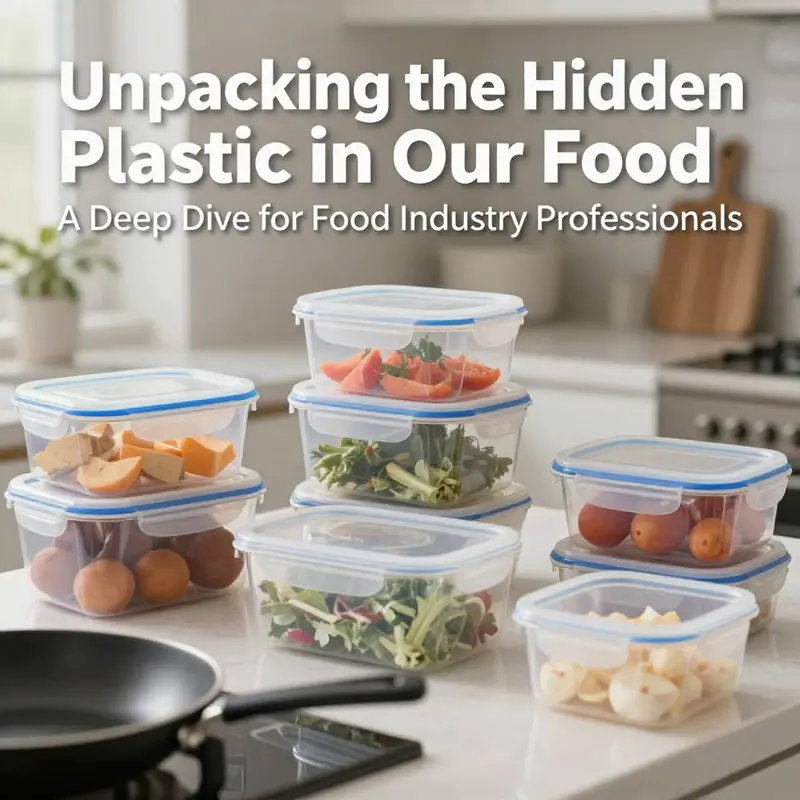
The kitchen is more than a place to transform raw ingredients into meals. It is a daily interface where plastic moves from packaging to plate, often invisibly and over time. In modern homes, plastic touches food at several stages—when we cook, when we store, and even when we heat and reheat. The pattern is not merely about packaging, though packaging plays a major role. It is also about the practices that surround cooking and storage: which materials we choose, how we position containers near heat, and how we handle leftovers. Taken together, these choices accumulate into a consistent, everyday exposure to plastics that can affect both taste and safety. The research landscape is clear: plastic exposure is pervasive, extending beyond the obvious wrappers to the utensils we use and the containers we rely on for hours or days after a meal. Understanding this requires looking closely at how plastics behave under real kitchen conditions and recognizing that “safety” in plastic is not a single black-and-white label but a spectrum shaped by material choice, use, and context.
In the everyday kitchen, utensils are a quiet but persistent conduit for plastic movement. Spatulas, whisks, tongs, measuring cups, and spoons are often crafted from polypropylene (PP) or polycarbonate because these materials resist staining, odors, and warping. They feel reliable, which is precisely why they become almost unconscious habit during meal prep. Yet heat matters. When food sits near a hot surface or when acidic ingredients contact polymer surfaces, a small amount of additives or monomers can migrate into the food. The benefits of these plastics—light weight, durability, easy cleaning—can paradoxically increase the risk of exposure if used carelessly or repeatedly. The takeaway is not that plastics must be banished from the kitchen, but that awareness of how heat and abrasion interact with polymer surfaces can guide safer choices. A simple rule of thumb is to reserve certain utensils for specific tasks and to replace worn tools before their surfaces degrade.
Storage practices extend the same logic into the cold and the prolonged. Modern meal prep and fridge organization lean heavily on plastic containers because they seal, track portions, and keep foods fresh with minimal effort. But plastics do not hold still. Factors such as micro-fragmentation, temperature swings, and the acidity of stored foods can encourage the shedding of tiny particles or the migration of additives into the food. BPA-free plastics have been marketed as safer options, yet replacing BPA does not automatically remove risk. Replacement chemicals like BPS and BPF can behave similarly in the body, especially when containers are heated or reused many times. This understanding, highlighted by environmental health researchers at leading institutions, reframes the conversation around safety. It is not enough to select a BPA-free label; one must consider the entire polymer system, its additives, and the conditions under which it will be used.
When we speak of heat and plastics in storage, the conversation naturally turns to everyday use in the kitchen. Heating food in plastic is not inherently dangerous, but the probability of chemical migration rises with higher temperatures, longer contact times, and acidic or fatty foods. Even the simplest act of reheating can shift the exposure profile if a container is designed primarily for cold storage or if it has become scratched or warped over time. This does not condemn all plastic, but it does call for prudent use—transferring hot foods to heat-safe glass or ceramic containers for reheating, avoiding microwaving of plastic lids or wraps, and opting for materials that perform well under the conditions of daily cooking. The goal is to balance convenience with a thoughtful approach to materials, recognizing that design choices in the kitchen are not cosmetic but functional determinants of safety and flavor.
The ubiquity of plastic extends beyond utensils and containers to the broader ecosystem of packaging. Takeout meals, ready-to-eat options, and even some baby foods rely on plastic components designed to protect freshness and extend shelf life. The impact of packaging is twofold: direct contact with the food during storage and the potential for migration during heating or long storage. In many households, plastics in packaging are a convenient default—an efficient system that keeps meals intact from the grocery store to the kitchen shelf. The challenge is to decode when that convenience becomes a source of exposure. This is especially relevant for foods heated or stored for extended periods, where internal contact with plastic components increases the likelihood of chemical migration or microplastic shedding.
Within this complex landscape, practical steps can reduce exposure without sacrificing the functions plastics provide. For hot foods or dishes with high fat content, moving from plastic to glass or ceramic for reheating reduces contact with potentially migrating polymers. For storage, selecting containers with simple polymer formulations and reliable labeling (for instance, polypropylene, PP) can help, while avoiding cracked lids and discolored or warped surfaces minimizes risk. The habit of inspecting containers before reuse—checking for odors, leaks, or scratches—becomes a simple but powerful habit. Consumers can also diversify storage methods, using parchment or wax paper liners when appropriate, and reserving plastics for shorter-term and non-acidic storage. While these adjustments may appear modest, they compound across meals and weeks, lowering cumulative exposure while preserving efficiency and freshness.
The takeout economy illustrates a broader tension: packaging is engineered for safety and convenience, yet the daily rhythm of ordering, transport, and consumption magnifies exposure pathways. Many disposable meal boxes and wraps employ PP or PS because these materials fare well in transport and barrier performance. The rapid turnover of single-use packaging means that plastic’s footprint in daily diets is not simply a matter of what we eat, but also how we receive it. This is why, where feasible, choosing packaging that minimizes direct contact with hot foods or that uses more inert barrier systems can make a meaningful difference. If a meal must be heated in its container, removing the food from the container first is a practical precaution that reduces the amount of plastic in contact with the food during heating. For households that frequently rely on takeout, considering packaging that prioritizes heat resistance and minimal direct contact with food can help align convenience with safety.
As households pursue safer practices, the role of guidance from health and regulatory bodies becomes central. Scholars and public health researchers remind us that plastic safety is not a single property but a constellation of factors: polymer type, additives, heat exposure, duration of contact, and the chemical and physical state of the food itself. Regulatory standards exist to manage these complexities, but evolution in science means that best practices can shift as new data emerge. In practice, this means a dynamic approach to kitchen habits—staying informed about how different plastics behave under common cooking conditions, and updating routines in light of new evidence. The message is not to abandon plastic outright but to cultivate a menu of choices that reduces risk while preserving the benefits of modern packaging and tools.
This ongoing conversation—about heat, storage, and plastic—also intersects with everyday decisions many households already make. The preference for visible, durable containers often leads people to store staples in plastic because it slows spoilage and reduces waste. Yet the same properties that preserve freshness can also be the factors that enable microplastics to shed into food during storage or washing. Even the routine act of washing and reusing containers is part of the exposure equation. Small changes—like selecting containers with straightforward polymer construction, replacing damaged items, and limiting reheating in plastic—accumulate, creating noticeable shifts in daily exposure. The broader insight is that plastic is embedded in cooking and storage, but through deliberate choices we can influence how large or small its footprint becomes in our meals.
For those who want a concrete example of safer packaging in practice, one might consider eco-friendly takeout boxes for food packaging. These options are designed to be microwave-safe and less prone to grease leakage, offering a practical alternative when reheating is likely or when presenting meals in a shared setting. Such choices demonstrate that safer use is possible within the logistics of modern eating, and they also reflect a shift toward packaging that respects both convenience and health considerations. Practically speaking, this is about balancing the need for reliable barriers with a thoughtful approach to what comes into contact with food and for how long.
In sum, the day-to-day act of cooking and storing food involves a dynamic interface with plastic. Utensils, containers, and packaging each play a role in whether microplastics become part of what we eat. The questions are not merely about whether plastic is present but under what conditions it migrates into food, how much exposure occurs, and what steps can reduce risk without upending daily life. The evidence suggests that plastics do not disappear from the kitchen overnight; they migrate through heat, contact, and use. The most effective response is pragmatic: select materials with safer performance profiles for cooking and heating, monitor and replace damaged items, and be mindful of the cumulative exposure created by routine habits. In this way, the kitchen remains a place of nourishment and routine, while the science of plastic exposure becomes a practical guide for safer daily meals.
External resource: How To Safely Store Food In Plastic Containers Without Chemical Leaching
Final thoughts
The incorporation of plastic into our daily food products poses significant risks, particularly for businesses in the food service industry. As we navigate through seafood, vegetables, beverages, and the convenience of fast food, it becomes increasingly clear that awareness and adaptation are crucial. By understanding and addressing the sources of plastic contamination, restaurants, food trucks, and catering services can make informed choices that safeguard customer health and enhance their brand reputation. Striving for cleaner solutions not only benefits the environment but also aligns with the growing consumer demand for transparency and safety in food sourcing.