
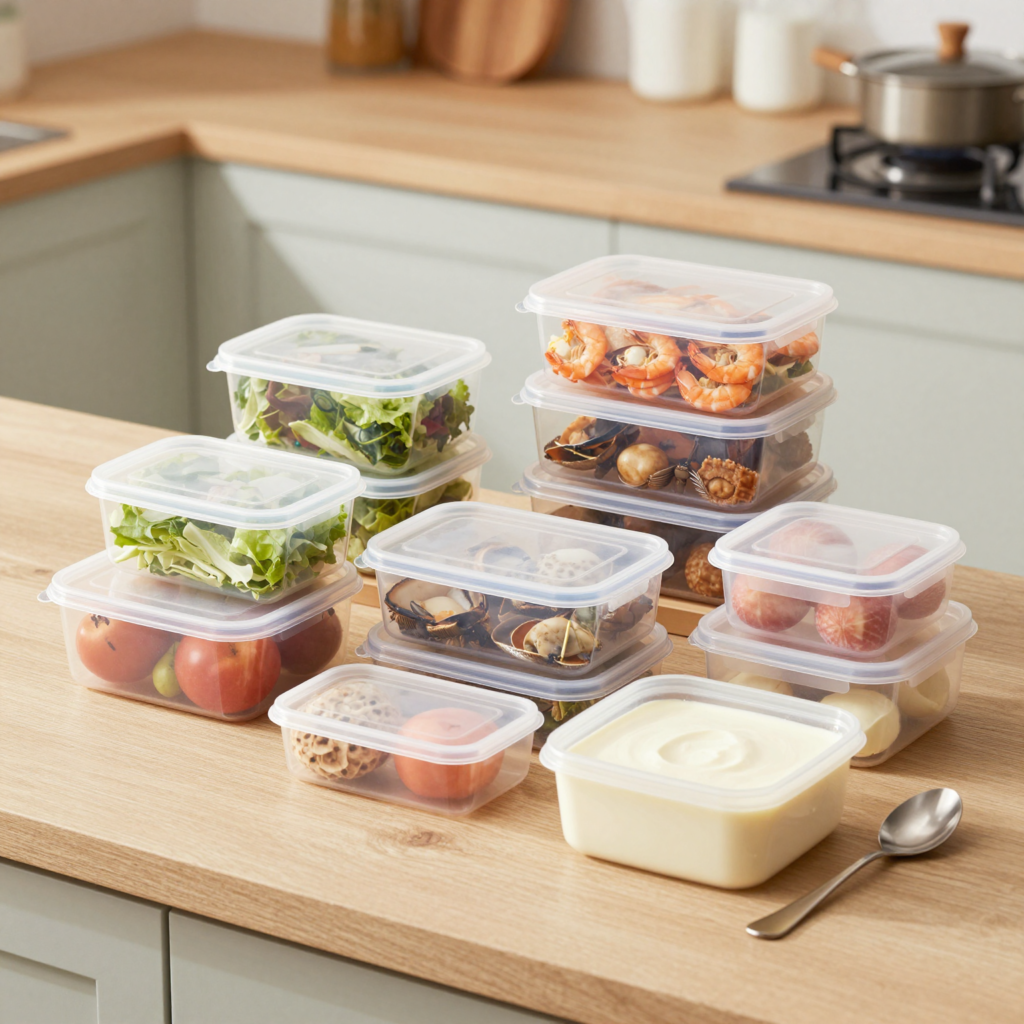
In the bustling world of the food service industry, maintaining the quality and safety of food is paramount, especially for businesses such as bubble tea shops, restaurants, and food trucks. Reliable food containers play a vital role in keeping food cold, which is essential for preserving flavor, texture, and nutritional value. According to the National Restaurant Association, proper cold holding containers are essential for compliance with food safety standards, keeping food below 40°F (4°C) and preventing bacterial growth. This is particularly critical when serving perishable items like fresh salads, seafood, and dairy products. Using insulated containers not only reduces food waste by minimizing spoilage but also ensures that customers receive their orders in optimal condition. For instance, a recent study revealed that establishments employing high-performance insulated food containers experienced a 40% decrease in food waste, showcasing the effectiveness of these solutions (read more about the impact of food containers). As the food service landscape continues to evolve, the need for innovative and reliable packaging solutions becomes increasingly crucial, enabling businesses to cater to their clients while upholding the highest standards of food safety and quality.
Benefits of Using Plastic Food Containers for Keeping Food Cold
Plastic food containers have become a staple in the food industry, particularly for businesses looking to maintain the temperature of their offerings. Below are several benefits of using these containers to keep food cold, which can greatly enhance operational efficiency and customer satisfaction.
1. Durability
Plastic containers are designed to be tough and can withstand rough handling without breaking. This durability makes them ideal for food trucks, catering services, and restaurants that frequently transport food. Unlike glass, which can shatter, plastic can endure drops and temperature fluctuations, minimizing the risk of spills and accidents during transit.
2. Insulation Properties
Plastic has excellent insulation capabilities. Containers made from advanced materials, such as polypropene (PP), effectively retain lower temperatures, keeping food fresh for longer periods. This is especially useful in scenarios where food needs to be maintained at specific temperatures, such as in catering for events or during delivery to off-site locations. According to recent studies, containers designed for maintaining cold temperatures can preserve food quality over extended durations, ensuring that customers receive freshly served meals.
3. Lightweight Design
The lightweight nature of plastic containers makes them easy to carry and transport, enhancing logistics for food businesses. This feature is particularly beneficial for food trucks and catering services that may require frequent movement of containers. With lighter loads, transportation becomes more efficient, reducing fuel costs and increasing overall operational productivity.
4. Cost-Effectiveness
In comparison to glass or metal alternatives, plastic food containers are typically more affordable. Their cost-effectiveness allows businesses to purchase in bulk without straining their budget. This is an essential factor for restaurants and cafes looking to optimize their profit margins while providing quality to their customers.
5. Customization Options
Many plastic food containers offer customization in sizes and shapes, allowing businesses to find the perfect fit for their specific needs. This flexibility can cater to different portions needed for various events, making them a versatile solution for food service providers. In addition, customized branding on these containers can enhance brand visibility, making them an effective marketing tool during events or deliveries.
Conclusion
For businesses in the food industry, using plastic food containers to keep food cold not only enhances the quality and safety of food but also streamlines operations and reduces costs. With their durability, insulation, and lightweight design, plastic food containers are a smart choice for any restaurant, food truck, or catering service. To explore more about the advantages of plastic in the food industry, check out this blog or discover customizable container options that fit your business needs.
Understanding Food Spoilage Due to Inadequate Storage
Food spoilage is a significant issue that not only impacts food security but also has economic ramifications. Recent studies show that a staggering 13% of global food production is lost post-harvest due to poor storage practices, particularly in developing nations. This data from the Food and Agriculture Organization (FAO) emphasizes the need for better infrastructure to support food conservation, especially for perishable items like fruits and vegetables.
A more recent study from 2024 estimated that 20-22% of total produced grains are lost or wasted, primarily due to inadequate storage and transportation conditions. Poor logistics contribute significantly to this issue, highlighting how proper food storage practices can mitigate spoilage.
In Hong Kong, improper storage temperatures were cited as a leading cause of food poisoning outbreaks in 2023, accounting for 16.5% of cases. This further underscores the critical importance of proper temperature control in food safety and spoilage prevention.
Benefits of Proper Food Storage
Investing in quality food storage solutions not only preserves food quality but also plays a crucial role in preventing food-borne illnesses. According to the USDA’s Food Safety and Inspection Service, proper food storage helps to maintain the nutritional value, flavor, and texture of foods, ultimately making the most of every dollar spent on groceries.
In addition to quality preservation, proper storage significantly reduces the risk of contamination. Reports from the FAO reveal that it can minimize mould growth, which is often invisible and can pose health risks even if removed from visible surfaces. As noted by the Food and Drug Administration (FDA), implementing effective storage practices is essential for prolonging shelf life and ensuring food safety, especially for perishable items like meat and dairy products.
Conclusion
The evidence is clear: proper food storage is paramount in combating food spoilage and ensuring food safety. Implementing quality storage solutions is an investment worth making for restaurants, food trucks, catering services, and other food-related businesses.
Comparison of Plastic Food Containers
Below is a detailed table comparing various types of plastic food containers currently available in the market. This will help restaurants, beverage chains, and catering services make informed choices regarding their food storage solutions.
| Type of Plastic | Temperature Retention | Durability | Eco-Friendliness | Price Range |
|---|---|---|---|---|
| PET (Polyethylene Terephthalate) | Good (up to 70°C) | Low to Medium | Low (recyclability < 10%) | $1.50 – $3.00 |
| HDPE (High-Density Polyethylene) | Moderate (up to 60°C) | High | Low (recyclability < 10%) | $2.00 – $5.00 |
| PP (Polypropylene) | High (up to 167°C) | Very High | Moderate (better recycling options) | $3.00 – $8.00 |
| PVC (Polyvinyl Chloride) | Poor (not heat resistant) | Medium | Low (toxic leaching concerns) | $1.50 – $3.50 |
| LDPE (Low-Density Polyethylene) | Low (not for hot foods) | Low | Very Low (difficult to recycle) | $1.00 – $2.50 |
Note: Price ranges can vary based on the manufacturer and local market conditions.
For more detailed insights about the performance of plastics in the food industry, check our article on plastic containers in the food industry. Additionally, for environmentally-friendly alternatives, you can explore our guide on non-plastic disposable food containers.
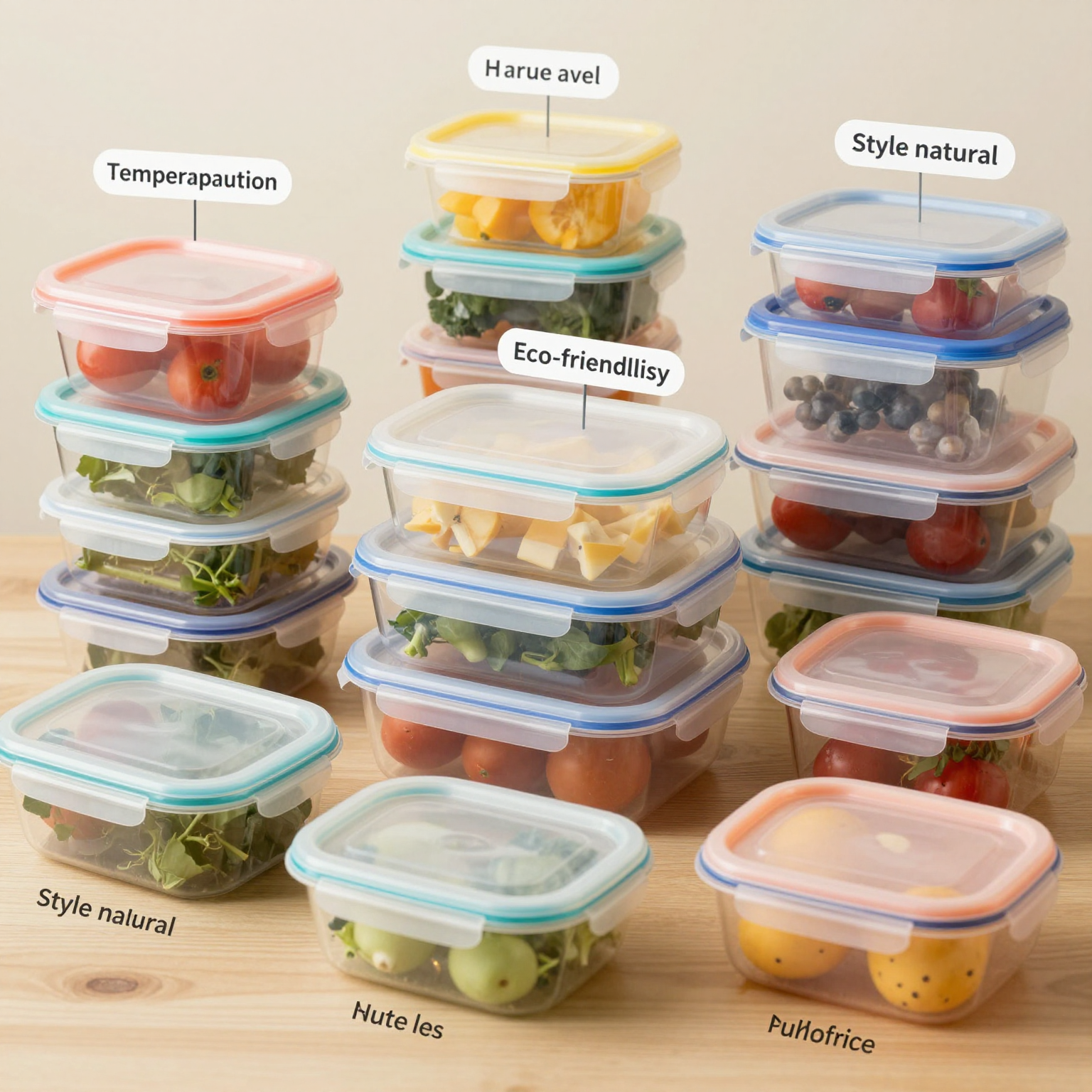
This image illustrates different types of plastic food containers with special focus on their key characteristics.
Eco-Friendly Practices Regarding Plastic Containers
In the food industry, the importance of using eco-friendly plastic containers cannot be overstated. As more consumers become environmentally conscious, businesses are increasingly pressured to adopt sustainable practices. Eco-friendly plastic containers, especially those that are biodegradable, offer an effective solution for reducing waste while still meeting the practical needs of food packaging. According to a 2023 report, the global market for biodegradable food containers is projected to reach $68 billion by 2030, driven by consumer preference and government regulations that promote sustainable practices (Grand View Research).
Biodegradable options break down naturally, reducing their impact on landfills and the environment. By using containers made from materials like plant starch, industry players can enhance their brand image while addressing ecological concerns. Moreover, these innovative solutions can help food businesses comply with tightening regulations on plastic usage while also appealing to eco-conscious customers.
At EcoCupBowl, our commitment to sustainability is evident in our product offerings. We strive to provide our clients with packaging options that marry functionality with ecological responsibility, ensuring that food stays fresh without contributing to environmental degradation. Embracing eco-friendly plastic containers is not just a trend; it’s a crucial step towards a sustainable future for the food industry.
By taking these steps, companies can make a significant impact on reducing plastic waste and promoting a cleaner planet for future generations.
“We’ve been using EcoCup’s food containers to package our bubble tea for quite some time now, and I couldn’t be happier with their quality and reliability. They keep our drinks cold for hours, and the leak-proof design means I can trust them for our busy events. Our customers always appreciate the freshness of our products, and I attribute a lot of that success to the fantastic containers we use!”
- Emily Chen, Owner of TeaTime Delights
Using high-quality food containers like those from EcoCup not only ensures that your products stay fresh but also enhances customer satisfaction. Reliable packaging is essential for any business in the food industry, from bubble tea shops to catering services.
With this testimonial, potential customers can see the value in choosing EcoCup’s food containers for their business needs.
Safety Standards in Food Storage
Ensuring the safety of food in service businesses isn’t just a good practice; it’s a necessity governed by strict rules and standards. Food storage containers play a vital role in maintaining food safety, and compliance with safety regulations is crucial to protect customer health and uphold business reputation.
Key Regulations and Standards
Food service establishments are required to follow guidelines set by health authorities like the FDA and the CDC. These guidelines encompass several essential aspects:
-
Material Specification: Food storage containers must be made from non-toxic materials that withstand temperatures without breaking down or leaching harmful chemicals. Commonly approved materials include food-grade plastics like PET and HDPE, glass, and stainless steel.
-
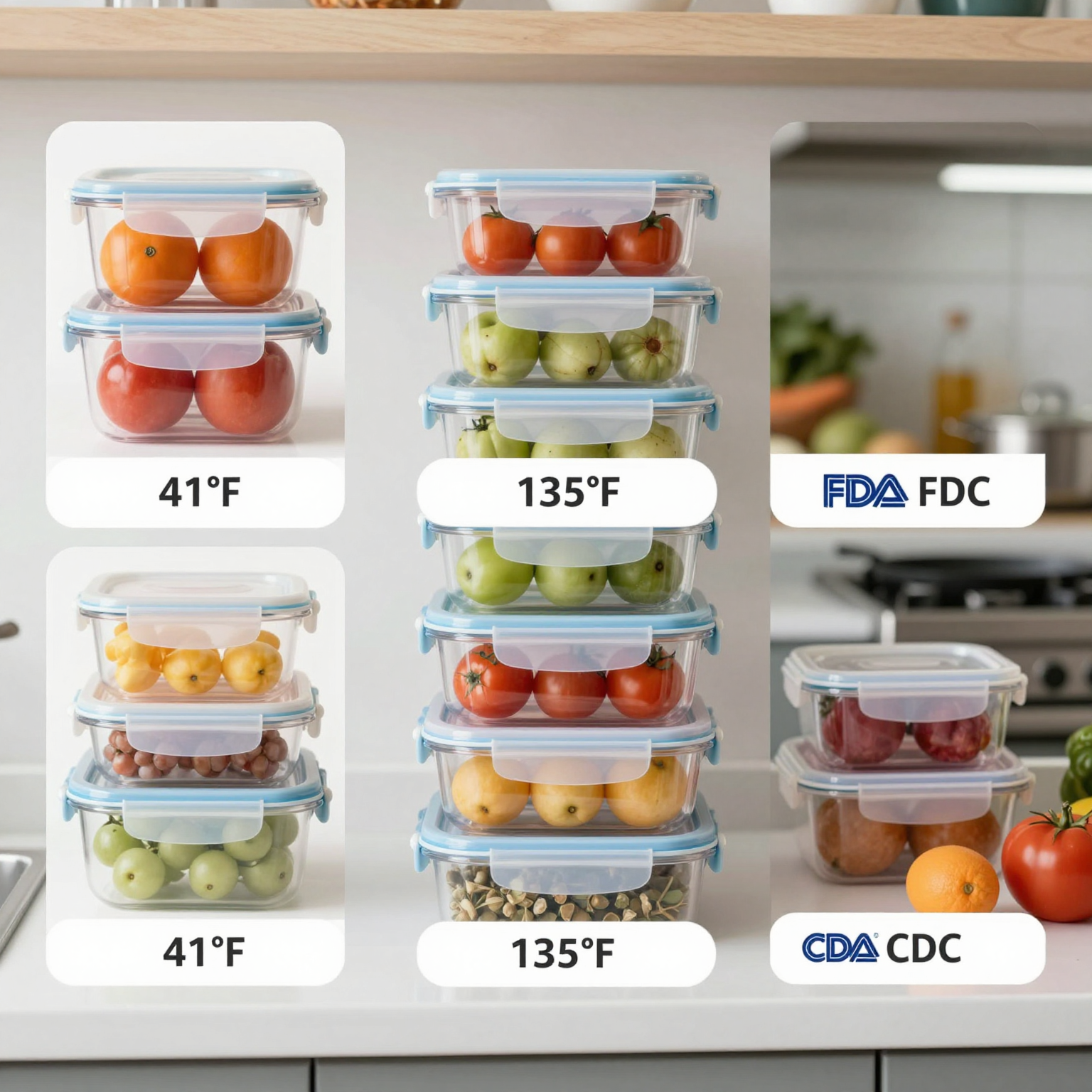
Temperature Control: Proper temperature management is critical. Cold food should be stored at or below 41°F (5°C) and hot food at or above 135°F (57°C) to inhibit the growth of pathogens. Containers need to be equipped to maintain these temperatures consistently.
-
Cleanability and Durability: Containers must have smooth, non-porous surfaces that are easy to clean and sanitize. This is vital for preventing the accumulation of bacteria and ensuring general hygiene in the food storage process.
-
Labeling Requirements: To foster compliance and ensure food safety, containers must be clearly labeled with contents, expiration dates, and any pertinent storage instructions. This practice helps in maintaining proper inventory control and reduces the risk of using spoiled ingredients.
The Role of Reliable Suppliers
Choosing a trustworthy supplier is key to adhering to these safety standards. Reputable suppliers offer certified food storage containers that comply with local and federal regulations. They often provide guidance on best practices for use and sanitation, helping businesses to maintain compliance.
Moreover, investing in high-quality containers ensures long-term durability, reducing the costs incurred from frequent replacements or potential fines from non-compliance. When businesses prioritize reliable suppliers, they not only ensure food safety but also build customer trust, an invaluable asset in the competitive food service industry.
In conclusion, adhering to safety standards in food storage through proper use of food containers is essential for food service businesses. By following these regulations and choosing reliable suppliers, establishments can ensure they are safeguarding not only their customers’ health but also their operational success.
Recent Trends in Food Packaging
The food packaging industry has been undergoing significant transformation in 2023, with innovations particularly in plastic containers catering to sustainability and consumer demand. Here are some noteworthy trends:
1. Smart and Connected Packaging
A leading trend is the integration of smart technologies into packaging, such as QR codes and tracking systems. These innovations improve traceability and enhance consumer engagement, allowing users to learn more about the product’s journey and sustainability measures. Tetra Pak’s ‘Connected Package’ initiative exemplifies this shift, aiming for increased safety and personalization through digital interactions (Tetra Pak).
2. Sustainable Materials
There is a strong emphasis on recyclable and biodegradable materials. Advances in mono-material structures, which simplify recycling processes, are gaining traction, ensuring that packaging reduces environmental impact. Companies are seeking alternatives to traditional plastics, with a noticeable shift towards sustainable formats (Packaging Digest).
3. Lightweight and Cost-Effective Options
With rising economic concerns, businesses are turning towards lightweight designs that reduce material use while maintaining functionality. Innovations in this area are crucial for companies looking to minimize costs while meeting sustainability goals.
These evolving trends highlight the importance for bubble tea shops, restaurants, food trucks, and corporate procurement teams to stay abreast of packaging innovations that align with consumer preferences and environmental responsibilities.
Conclusion and Call-to-Action
In today’s competitive food service industry, choosing reliable packaging solutions is vital for maintaining product quality and ensuring customer satisfaction. Plastic food containers designed for keeping food cold not only protect the freshness of your offerings but also enhance your brand’s reputation by delivering products that look and taste great. With a variety of options available, including those tailored for bubble tea shops, restaurants, food trucks, catering services, and corporate events, it’s essential to select containers that meet your specific needs and promote efficiency in your operations.
Moreover, investing in high-quality packaging can lead to decreased waste and reduced overall costs, making it both a practical and economical choice for your business. As we’ve explored, the benefits of utilizing optimal food storage solutions include better temperature control, preservation of freshness, and increased customer trust.
To find the ideal packaging solutions for your business, don’t hesitate to contact us for a tailored quote. Let us help you elevate your food service offerings with reliable, efficient, and visually appealing containers!