
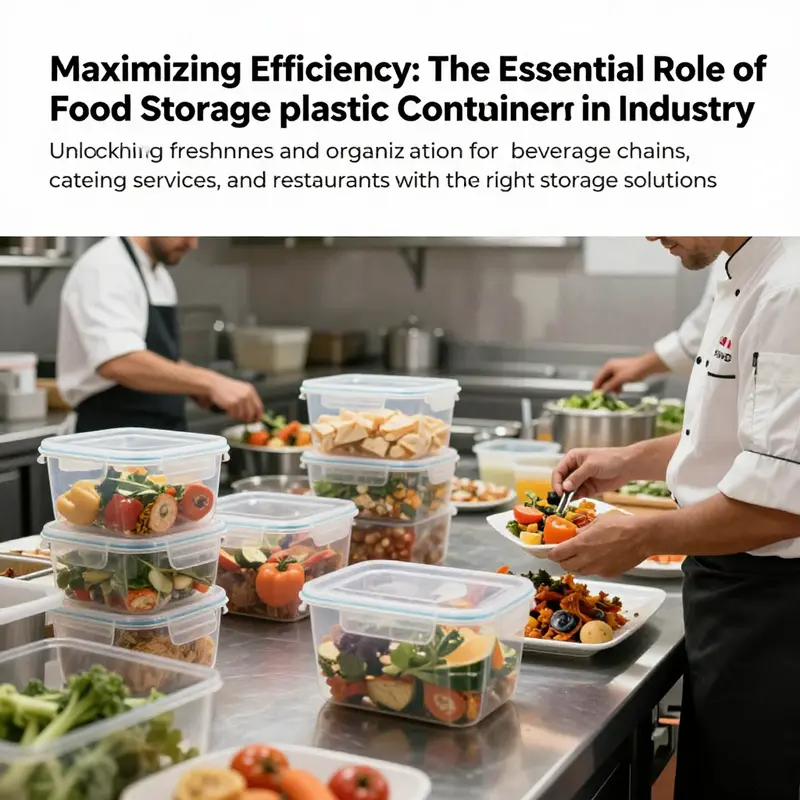
In the bustling world of culinary arts, the role of food storage plastic containers cannot be understated. For bubble tea shops, beverage chains, restaurants, food trucks, and catering services, maintaining food quality and freshness is paramount, especially when dealing with a variety of ingredients and dishes. This article delves into the significance of these containers, covering different types and their specific uses. We will assess the numerous benefits and some limitations of using food storage plastic containers while exploring the latest trends and innovations that can enhance your food storage solutions. Understanding these key aspects allows your business to operate more efficiently, reducing waste and ensuring the quality of offerings.
null
null
Sealed for Freshness: How Plastic Storage Containers Shape Modern Kitchens
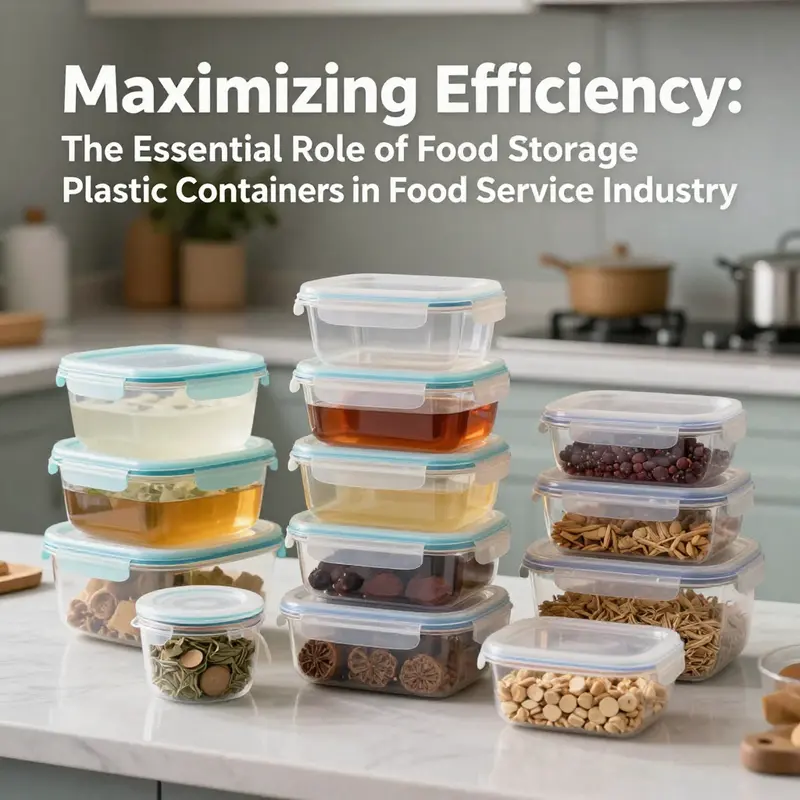
Plastic storage containers sit quietly at the heart of modern kitchens, a quiet infrastructure that supports meal planning, bulk cooking, and the steady flow of groceries from pantry to plate. They are not mere boxes; they are micro-systems designed to preserve texture, color, aroma, and nutrition while simplifying organization. When we look closely at the materials—polypropylene, high-density polyethylene, and other food-grade plastics—the story becomes one of balance: convenience and safety, durability and predictability, cost and care. The right container can turn a pile of chopped vegetables into a neatly layered stack in the fridge, or a batch of cooked grains into evenly portioned meals for a week. The wrong choice, by contrast, can invite leaks, compromise flavor, or accelerate the aging of food. The chapter that follows treats containers not as accessories but as active participants in kitchen workflow, and it starts with the most practical shape: the rectangular form that dominates refrigerator and freezer shelves alike.
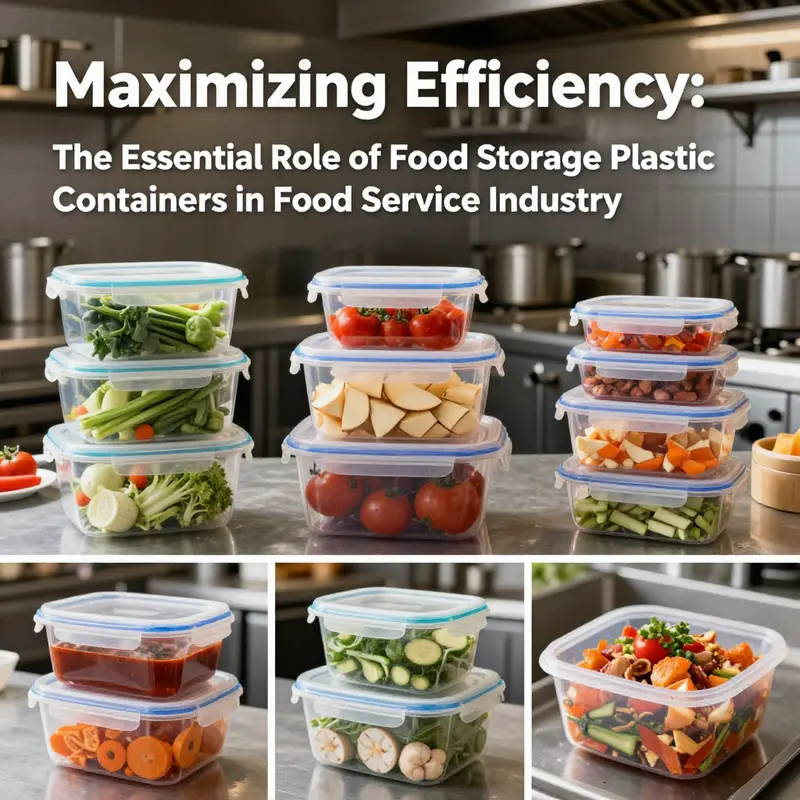
Rectangular containers are champions of space efficiency. Their straight edges align with shelves, drawers, and bins, allowing them to nest closely and stack with minimal wasted air. They are particularly well suited to leftovers, chopped vegetables, and cooked grains, where uniformity in shape translates to uniform cooling and reheating. The lids—snap-on, lug-type, or screw-top—define how well the seal protects the contents from air and moisture. A snap-on lid offers straightforward use, a lug-type lid provides a hinge that reduces misplacement, and a screw-top seal emphasizes a hermetic closure. Some designs push the idea further with two-in-one lids that function both as a seal and as a non-slip base, a small detail with outsized practical benefits. When a lid also doubles as a base pad, it becomes easier to move containers around a busy kitchen, a subtle enhancement that reduces the odds of slips and spills in the sink or on the countertop.
Beyond the shape and seal, the material itself matters. Most common storage containers are made from food-grade plastics, with polypropylene (PP) often highlighted for its suitability in microwave heating when labeled as #5 PP. The choice of material has implications for heating, cleaning, and longevity. PP’s relative stability at typical kitchen temperatures helps reduce the risk of warping and chemical leaching during normal use. Yet the broader family of plastics presents a spectrum of safety considerations. Some plastics may degrade with repeated heating or long storage, and others can impart unwanted flavors or odors if exposed to certain substances or temperatures. The practical takeaway is simple: know your material, read the labeling for microwave compatibility, and favor BPA-free or food-grade compliant products when possible. Cleanliness is equally crucial. The sealing gasket and its groove deserve attention after every use; wiping them down and letting them dry completely helps prevent mold or bacterial buildup that could otherwise hide in tiny crevices. Abrasive tools—like steel wool—should be avoided, as they can scratch surfaces and create microenvironments where microbes can persist.
An honest look at the uses of plastic containers also invites a candid assessment of their limitations. While a well-constructed container can store a wide range of foods, certain substances deserve caution. Long-term storage of acidic liquids such as vinegar or carbonated drinks can stress certain plastics and accelerate aging, while high-temperature foods stored in containers not rated for heat may leach substances or alter the container’s integrity. Even with appropriately rated containers, there is a recommendation to monitor signs of aging: discoloration, brittleness, or yellowing signal that a container has reached the end of its practical life, typically around a 3–5 year window, depending on usage, temperature cycles, and care. These realities underscore a broader truth: plastic containers are invaluable for convenience and portion control, but they require mindful use and periodic replacement.
A practical framework for choosing and using containers emerges when we consider what not to put in them. Certain foods and conditions are better kept in glass or other inert materials to preserve flavor and safety. Hot foods, for example, should not be placed directly into plastic containers for refrigeration; cooling to room temperature first reduces the risk of leaching and structural compromise. Raw eggs and egg products benefit from alternative storage because the moisture-rich environment inside a sealed plastic container can foster bacterial growth. Processed meats may lose texture and flavor when stored long-term in plastic, while dairy products can experience temperature fluctuations that promote spoilage. Salad dressings, with their oils and acids, can adopt a plastic flavor or experience some absorption of odors if stored for extended periods. Hot beverages pose a similar risk; pouring boiling liquids directly into plastic can stress the material and affect taste. The upshot is not a strict prohibition but an awareness: plastic is convenient, but certain foods are better kept in glass, metal, or silicone alternatives when possible.
This is where the conversation naturally broadens to alternative materials that experts often recommend for safer, longer-lasting storage. Glass stands out for its inertness and stability. It does not react with food and does not leach chemicals, making it a favorite for everything from spices to leftovers. Silicones offer flexibility and reusability; silicone bags store sandwiches and snacks, while silicone trays are well suited for freezing sauces and soups. Ceramic, particularly in darker varieties, can protect light-sensitive items like oils and powdered spices when used as a dry storage option. Each material brings its own trade-offs in weight, durability, breakage risk, and ease of cleaning, but the broader implication is clear: thoughtful material selection reduces risk and supports a healthier, more confident kitchen routine.
The design landscape of plastic containers also reveals a narrative about everyday efficiency. Innovative lid designs, two-in-one lids, and non-slip bases all respond to real-world kitchen challenges—spills, slides, and the friction of busy mornings. The non-slip feature, for instance, is more than a convenience; it helps stabilize containers during transport from fridge to counter or to the car for takeout meals. In bulk cooking contexts, where portions are portioned and stored for future meals, the ability to stack, label, and quickly identify contents becomes a keystone of efficiency. Clear walls—where present—allow quick visual checks for freshness and progress, reducing the time spent searching for items in a crowded fridge or pantry. All of these details accumulate into a larger philosophy: storage is a system, not a single product. The system thrives when containers are chosen with purpose, cared for consistently, and replaced when needed so that the kitchen maintains its rhythm rather than fights against it.
From a culinary perspective, the rectangular container’s role is particularly notable. It aligns with the way we prepare, portion, and reheat meals. For batch cooking, the ability to divide a large dish into evenly sized, clearly labeled portions makes planning simpler and less error-prone. For leftovers, a uniform shape means predictable reheating times and more even heat distribution when the dish is warmed in a microwave or oven (where appropriate). The lids’ sealing performance is central to maintaining moisture and preventing leaks during storage in the fridge or freezer. A robust seal also helps prevent flavor transfer between foods, a small but appreciated benefit when you stack multiple dishes in a single shelf. In professional settings, these advantages scale even more: kitchens that prepare food in advance rely on consistent container dimensions to optimize shelf space, staff movement, and waste reduction. The same principles apply to home kitchens, where space is often at a premium and efficiency can translate to healthier eating habits and less food waste.
The practical path forward for anyone navigating these choices begins with a clear understanding of needs. How often will you batch cook? Do you repair and reuse containers daily, weekly, or monthly? Are you balancing the cost of sturdier options against the convenience of lighter, more affordable designs? How much temperature stress will your containers endure, and do you need microwave compatibility? Debates about material safety and longevity are not abstract; they translate into everyday decisions about how we care for our meals, how we store them, and how we navigate the trade-offs between convenience, safety, and flavor integrity. To illustrate a concrete link between storage choices and everyday use, consider a practical anchor: the option to explore eco-friendly takeout containers that balance safety with portability. For a look at safer packaging options that still support portability, see this guide on eco-friendly takeout boxes for food packaging, which highlights how containers can be designed for both home use and takeout contexts without compromising safety or quality. eco-friendly takeout boxes for food packaging
In sum, plastic storage containers serve as a critical junction between modern kitchen logistics and food safety. They enable precise portioning, protect against moisture and air, and support a tidy, efficient work environment. But they demand informed use: knowledge of material types, attention to maintenance, and a readiness to switch to safer options as new evidence and designs emerge. The goal is not to vilify plastic but to wield it wisely—embracing the practical benefits while recognizing the moments when glass, silicone, or ceramic offer superior performance for particular foods or occasions. With that mindful approach, containers become not just containers but reliable partners in the everyday work of cooking, storing, and savoring meals. To deepen understanding of storage choices beyond plastic, readers can consult further resources on compatible materials and safe storage practices, including broader guides on packaging and food safety. External resource: https://ecocupbowl.com/product/disposable-aluminum-foil-tin-foil-tray-disposable-food-container-aluminum-foil-takeaway-box-for-packaging-baking-roasting/
Balancing Freshness and Footprint: The Real Benefits and Hidden Drawbacks of Food Storage Plastic Containers
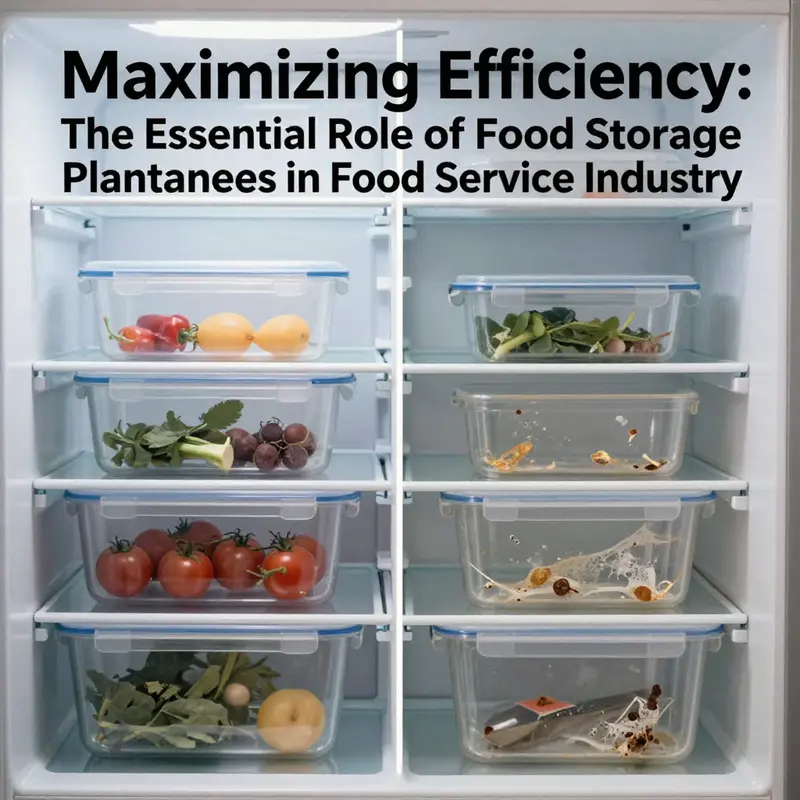
Plastic containers designed for food storage have become a quiet backbone of modern kitchens, whether in busy restaurants or home pantries. They promise to keep meals fresh, enable bulk cooking, simplify prep, and help organize ingredients to reduce waste and save time. Yet this promise sits beside tradeoffs that influence safety, convenience, and the environment. To understand their value, follow the thread from materials and design to daily use and long-term outcomes, seeing how shape, lid, and chemical profile of the plastic work together and sometimes against each other.
In everyday practice, the most common workhorses are polypropylene and high-density polyethylene. These polymers are chosen for food safety credentials, resilience, and relatively low cost. PP is prized for its resilience to impact and repeated use, a familiar sight in households that meal prep. HDPE shares the practicality, holding up through repeated washing and stacking. In many containers, these materials are blended or designed to optimize clarity, stiffness, or heat resistance. For consumers worried about chemical exposure, BPA-free labeling is common, a response to anxieties about heat and contact with acidic foods. But the story does not end with a simple BPA label. Even BPA-free plastics can have other additives that may migrate into food under heat, acidity, or prolonged storage. This reminds us that safety in plastic storage depends on usage patterns as well as composition.
One practical advantage is their shapes. Rectangular and square designs dominate shelves because straight sides and flat lids create a tidy, stackable landscape. Space efficiency is not just about fitting more items; it helps reduce spoilage from cramped spaces. A well-chosen rectangular container makes leftovers feel negotiable—portion-sized meals or chopped vegetables can be stored in uniform blocks, making the most of fridge and freezer spaces. For bulk cooks, batch grains, sauces, or soups can be portioned into a grid of identical shapes, enabling quick reheating and straightforward inventory checks. The walls are often clear or semi-clear, a simple feature that speeds content identification and reduces rummaging. Lids typically feature snap-on or locking mechanisms to create a reliable seal that minimizes leaks during transport, a crucial consideration for lunches, snacks, or trips to the store. Many containers are microwave and dishwasher safe, a design choice that keeps meal prep and cleanup efficient.
But benefits are not universal. Durability hinges on plastic quality and the conditions of use. A container built to be resilient under normal use may warp or become brittle if subjected to extreme temperatures, sudden shifts, or heavy impact. This matters for vessels that travel between cold freezers and hot microwaves. When heat stresses the plastic, it can lose its seal over time, allowing air or moisture to seep in and degrade stored foods. The seal is a frontline defense against bacteria and aroma loss. A compromised lid can turn leftovers into a soggy, unevenly heated mix, diminishing appetite for the next meal.
Odor and staining present persistent challenges. Plastic tends to absorb strong flavors and dyes. Tomato sauces, curry spices, or beet-rich dishes can leave behind hues and aromas that linger after washing. The problem is most noticeable in transparent or light-colored containers, where even faint discoloration can suggest the container is not clean. Odor retention is not cosmetic; it can affect flavor of subsequent foods. This is one reason households rotate containers or designate vessels for specific foods. Cleaning matters too; dishwasher-safe plastics offer convenience, but harsh detergents and high water temperatures can wear seals and surfaces, accelerating staining or odor uptake. A routine—rinsing before loading the dishwasher, avoiding harsh cleaners, inspecting lids for warping—extends both the look and function of the containers.
Environmental impact is another layer. Plastic containers are durable and useful, but they contribute to a broader waste stream if not recycled properly. Not all plastics end up in recycling streams; some go to landfills or the environment where they persist for years. This has pushed consumers to seek better practices, such as choosing widely recyclable items, selecting durable containers, and using designs that reduce disposable packaging. At the same time, safer but often more expensive alternatives appear. Food-grade silicone containers, for example, are popular for long-term safety and chemical inertness, offering advantages in thermal stability and resistance to staining and odors. Silicone handles a wider temperature range and tends to resist leaching more than many plastics. Yet cost and accessibility matter for households and institutions alike, reminding us that storage decisions must balance safety, longevity, convenience, and budget.
The practical implications show up in how people organize, use, and maintain containers in real kitchens. Home cooks rely on stacking, quick content identification, and fast reheating. In commercial kitchens, where large volumes and turnover magnify inefficiencies, the choice of storage vessels affects throughput, waste, and sanitation. The design of the lid, the clarity of the walls, and how easily one can see, grab, and reassemble contents during a busy shift influence performance. A minor flaw—a unreliable seal, a lid that won’t nest, or warping after dishwasher cycles—can cascade into more frequent discards and replacements, increasing cost and waste.
To navigate wisely, connect material properties with usage patterns. For refrigeration and freezing, temperature stability matters. PP and HDPE perform well across typical home freezer ranges, but prolonged subzero exposure or repeated freezing and thawing can accumulate stress. For hot holding or reheating, the ability to withstand microwave conditions depends on grade and lid design. For pantry storage of dry goods, the emphasis shifts to moisture protection and avoiding light exposure that can degrade color and flavor, especially for spices, grains, and powders. A simple rule: choose a container whose material and seal have proven reliability for the intended temperature range and storage duration, then pair it with proper cleaning and drying before stacking.
Ultimately, choosing storage containers is not just about keeping food safe for a day or two. It supports a broader approach to cooking that respects freshness, reduces waste, and aligns with budgets and values. It also means acknowledging the limits of plastic and being open to safer or more durable options when appropriate. The discussion cannot be reduced to a single metric like cost or appearance; it rests on how the container behaves across the full storage cycle—from packing and stacking to reheating and cleaning, from cool fridge storage to disposal or recycling. The rectangular form, with its space-saving efficiency and predictable performance, often remains a reliable default for many kitchens, even as households explore alternatives that might better fit long-term goals for health and sustainability. The story of food storage is a continuum of choices, each with compromises and conveniences.
For readers who want to explore practical packaging beyond traditional plastics, a broader look at takeout and storage options can be illuminating. See this guide on eco-friendly takeout boxes for food packaging to understand how designers balance moisture resistance, heat tolerance, and material safety in various formats. eco-friendly takeout boxes for food packaging: https://ecocupbowl.com/product/eco-friendly-takeout-boxes-for-food-packaging-stylish-food-containers-safe-microwave-craft-paper-lunch-boxes-leak-grease-resistant/ . This perspective complements the discussion of plastic containers by highlighting how different material choices shape storage, transport, presentation, and user experience.
As the conversation about storage choices continues, the external voice that remains relevant is the growing body of research on material safety and environmental impact. For readers seeking a scientific lens, a recent examination asks whether silicone offers real benefits over plastic storage containers, weighing thermal stability, chemical inertness, and life cycle considerations. For a deeper dive, see Silicone vs Plastic Food Storage Containers: Are Silicone Benefits Real? https://www.jhsph.edu/news/stories/2026/silicone-vs-plastic-food-containers-safety-and-environmental-impact.html. This resource helps translate lab findings into everyday decision making, reminding us that the best storage solution is often the one that harmonizes safety, practicality, and responsibility across the entire storage lifecycle.
From PCR to Snap-On Seals: The Design Language of Modern Storage Containers
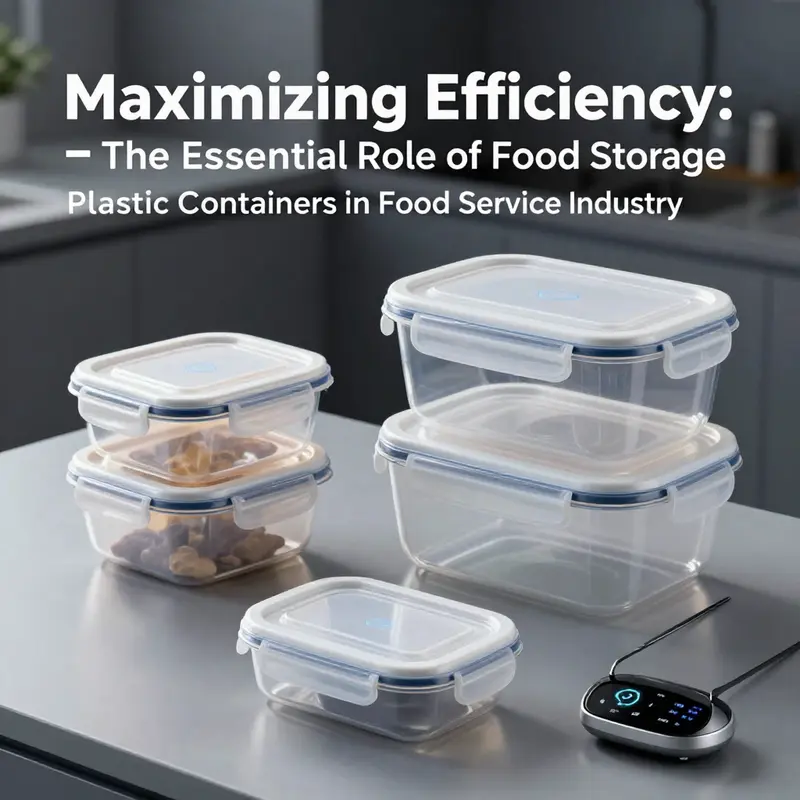
In kitchens, pantries, and dining rooms, the humble plastic storage container has quietly become a protagonist in a story about waste, convenience, and everyday health. This chapter is not a catalog of features but a narrative about how design and material science intersect with consumer habits to shape what we expect from containers. The arc begins with a practical need – keeping food fresh, organized, and portable – and winds through a landscape of evolving materials, smarter closures, and increasingly deliberate design decisions that respond to both environmental concerns and the realities of modern life.
At the core of these developments lies a shift toward recycled content and recyclable architecture. Producers are weaving post-consumer recycled, or PCR, plastics into everyday storage solutions. A common thread is mono-material construction: by using a single type of plastic throughout a container, manufacturers make sorting and recycling more predictable and efficient at the end of a product’s life. The result is a container that not only performs well in daily use but also aligns with broader environmental goals. Clear walls support quick content checks, which saves time and reduces waste by helping people see what’s inside and when it was stored.
Sealing and stability emerge as equally non-negotiable priorities. The technology behind airtightness and leak resistance, including gasket design and lid geometry, has become a focal point in product development. A tighter fit or a secure latch can withstand freezer pressures, transport bumps, and repeated cycles of heating and cleaning. This emphasis on reliable seals translates into fewer leaks in transit, less freezer burn, and lower discard rates, all of which contribute to a smaller environmental footprint.
Consumers also crave modularity and visibility. Stackable, multi-compartment designs mirror organization strategies from other parts of the home and enable ingredient separation to preserve textures and flavors. Transparent walls remain in demand because they support quick checks during meal prep and bulk storage. Finally, aesthetics have evolved from merely cute to design driven and durable, blending with kitchen decor while reinforcing long-term use and care.
Final thoughts
As we conclude, it’s clear that food storage plastic containers are more than mere storage solutions; they are vital assets that enhance efficiency in the food service industry. By choosing the right types of containers and staying informed about their benefits and limitations, businesses can optimize their food storage processes. Furthermore, embracing trends and innovations in container design can further improve freshness and reduce food waste, making meal preparation a seamless endeavor. Ultimately, investing in quality food storage solutions is a step towards ensuring the best possible experience for your customers.