
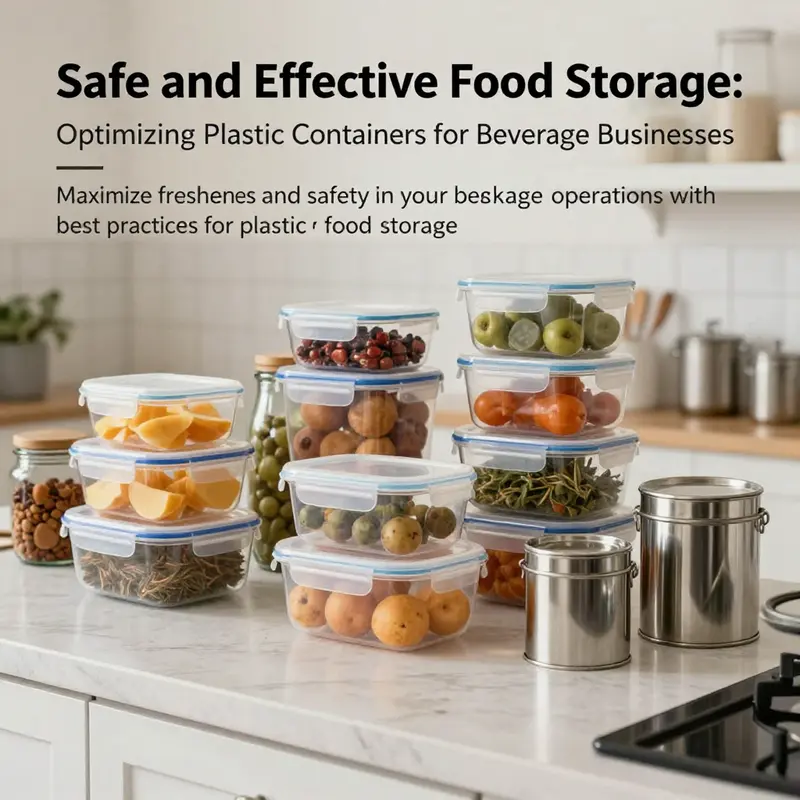
Food storage is a critical component in the beverage industry, particularly for bubble tea shops, restaurants, food trucks, and catering services. Proper storage ensures that ingredients maintain their quality and safety while also catering to consumer demands for convenience and efficiency. This article explores essential considerations associated with food storage in plastic containers, focusing on safety measures, chemical compositions, and best practices. Additionally, we will compare the use of plastic containers to other materials and address the environmental impact of these storage methods. Each chapter builds a comprehensive understanding of how to utilize plastic storage effectively and responsibly within your operations.
Guarding Freshness and Health: Safe Practices for Storing Food in Plastic Containers
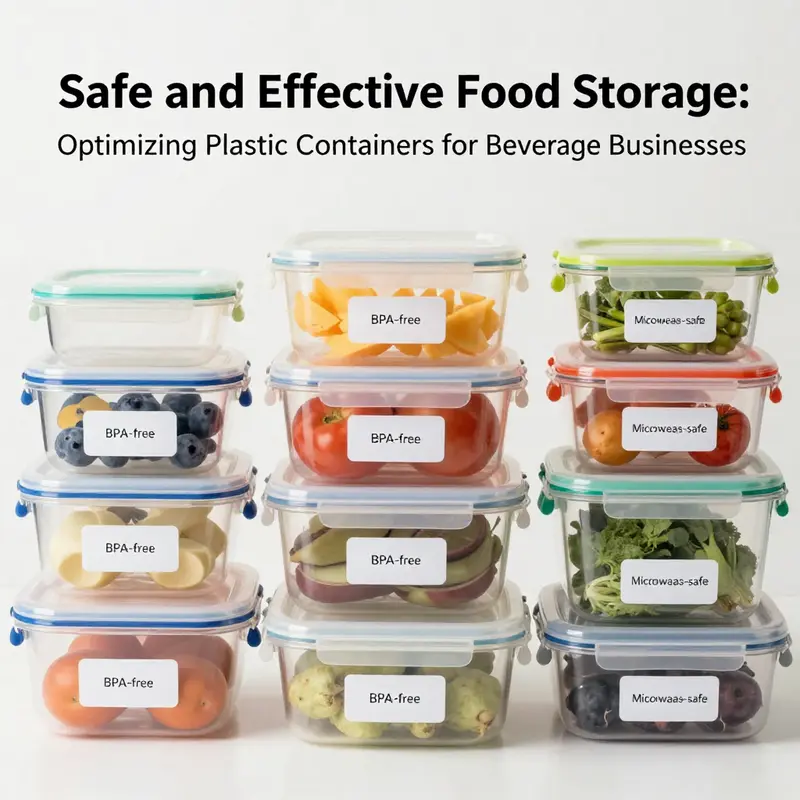
Plastic containers have become fixtures in modern kitchens, offering undeniable convenience for meal prep, portioning, and transport. They support bulk cooking, refrigeration, freezing, and pantry organization in homes and commercial settings alike. Yet the ease they provide can obscure a growing safety conversation. The goal of this chapter is to weave together practical guidance with chemical and physical realities of plastics, so readers can keep food quality high without sacrificing the efficiency they rely on. When used with awareness, plastic storage remains a valuable tool; when used without care, it can compromise safety and flavor in ways that are easy to overlook amid busy routines.
At the heart of safe use is material identification. Plastics meant for food contact are not all the same. The resin identification code—the number in the recycling triangle—helps distinguish materials, but it is not a guarantee of safety. Of particular concern are polycarbonate (PC) and polyvinyl chloride (PVC), which have displayed migration of potentially harmful chemicals under heat or with acidic foods. Safer family members include PETE/PET, HDPE, LDPE, PP, and, in some contexts, PS. Still, labels only guide and do not certify safety in every scenario. Containers should bear clear labeling like “food-grade” or “safe for food use”; and even then, the age and condition of the container matter. Regulatory frameworks, such as migration limits set by agencies, provide baseline safety, but real-world usage—microwaving, dishwashing, heating, or prolonged contact—can push actual exposure beyond those laboratory conditions. This is why good practices are as important as material choice.
Heat intensifies risk in two main ways. First, when hot foods sit in plastic, additives such as BPA or its substitutes can migrate into the meal. Second, fatty and oily foods can enhance the leaching of plasticizers, if present, because fats interact with the polymer matrix differently than water does. The practical implication is straightforward: hot foods should cool before sealing in plastic, and reheating should be approached with caution. If reheating is necessary, using the microwave with containers explicitly labeled as microwave-safe helps, but it is still wise to minimize direct heating of plastic, especially for fatty or acidic dishes. A simple habit—portioning meals into smaller containers and avoiding prolonged heat exposure—acts as a reliable guardrail against unintended chemical transfer.
Beyond chemistry, the physical wear of plastic storage is a silent risk. Routine washing, particularly in high-heat dishwashers, and frequent handling can produce micro-scratches, clouding, and warping. These changes are not merely cosmetic; they can harbor microscopic crevices where bacteria hide and may accelerate microplastic shedding. A container that looks clean on the outside may still have internal damage that compromises its integrity and food safety. Seals degrade over time, too. When lids fail to close tightly, air and moisture infiltrate, accelerating spoilage and odor transfer and undermining the effectiveness of the container as a barrier. In practice, the moment a container shows signs of wear—cloudiness, scratches, warping, or a change in color—it is prudent to retire it from regular use. Replacement is a small, proactive step that protects both health and flavor.
The foods being stored also shape safety considerations. Acidic items such as tomatoes and tomato sauces can interact with certain plastics, promoting degradation and leaching; they can also stain and retain odors. Fatty and oily foods—curry, nut butters, and similar items—tend to compromise plastics more quickly, sometimes transferring flavors and undermining container longevity. Fresh produce deserves special regard for moisture management; plastic containers that trap humidity can accelerate spoilage and mold growth, while air-permeable alternatives help maintain texture and freshness. Raw meats and fish pose additional concerns: microbiological hazards like Salmonella and E. coli can be concentrated in containers that show wear or micro-scratches, complicating cleaning and raising cross-contamination risks. Dairy products bring their own sensitivities, as temperature fluctuations can hasten spoilage when plastic containers fail to stabilize temperature or resist bacterial growth in microdomains created by scratches or imperfect seals.
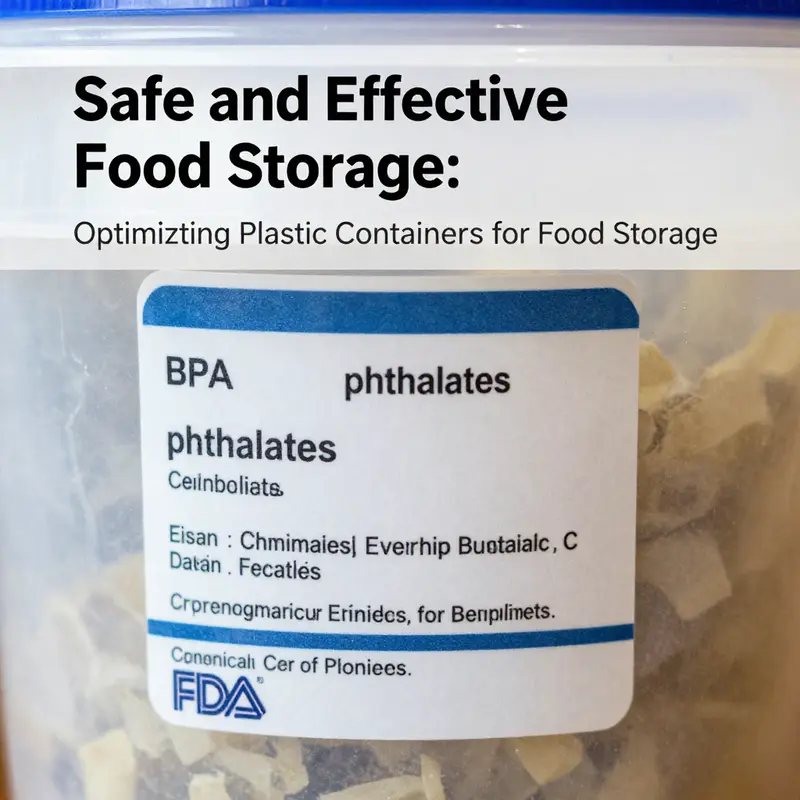
A balanced, pragmatic approach to use recognizes both the value and the limits of plastic. For daily practice, cool hot preparations before sealing, avoid reusing single-use containers designed for one-time use, and clean gently with non-abrasive tools to minimize surface damage. When long-term or high-risk storage is anticipated—such as hot foods, acidic items, or oils—consider safer materials like glass or ceramic. Glass is inert, non-porous, and resists leaching, while ceramic offers a durable alternative with similar advantages. If plastic remains the preferred option for convenience, prioritize high-quality, BPA-free, and FDA-regulated products, and remain aware that BPA-free labels do not wholly eliminate risk due to potential substitutes such as BPS and BPF that may exhibit endocrine-disrupting properties. Even with stringent labeling, the regulatory landscape acknowledges that migration can occur under real-world conditions, so cautious handling remains essential.
Incorporating these insights into a weekly routine yields a practical philosophy: treat plastic as a flexible tool rather than a risk-free default. Store dry goods and non-fatty items in sturdy, well-sealed containers to minimize air exposure. For items likely to be heated or stored long-term, shopping for containers that explicitly support microwave, dishwasher, and freezer use is sensible, but never assume this covers all eventually encountered conditions. Store fatty, acidic, or highly aromatic foods in materials less prone to interaction with those substances when possible, or use a food-grade glass or ceramic alternative for the reheating step. When selecting among plastic options, seek those that are labeled for multiple safe uses and demonstrate visible wear resistance. The overarching message is clear: plastic storage can be safe and practical, but it demands consistent attention to material, use, and wear.
For readers seeking alternatives that reduce plastic contact altogether, consider options like the eco-friendly alternatives featured in safer packaging offerings. These choices illustrate how packaging can maintain convenience while shrinking chemical exposure and environmental impact. To explore a safer packaging option that minimizes plastic contact while preserving convenience, you can learn more about an eco-friendly disposable 3-compartment food-grade packaging box for fast food. eco-friendly disposable 3-compartment food-grade packaging box for fast food.
Ultimately, the safety conversation surrounding plastic storage is not about banning plastic but about exercising informed judgment. The core takeaways boil down to material awareness, careful handling, and readiness to switch to inert alternatives when conditions demand. The body of knowledge extends beyond a single guideline, and readers who cultivate these habits will experience better food quality and reduced risk, whether arranging leftovers, packing lunches, or preparing for longer-term storage. The goal is to sustain flavor, reduce waste, and protect health—one well-chosen container at a time.
External resource: https://www.foodsafety.gov/food-safety-basics/food-storage/plastic-food-storage-container-safety
null
null
Safeguarding Flavor and Stability: A Thoughtful Guide to Storing Food in Plastic Containers
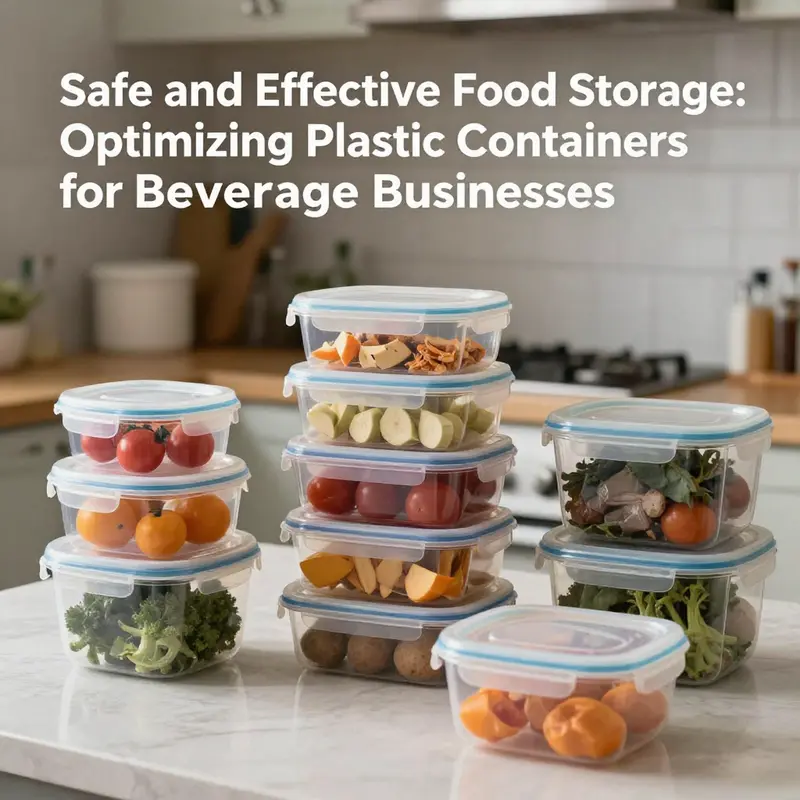
Storing food in plastic containers is more than a habit; it is a continuous negotiation between convenience, safety, and quality. The everyday pantry, fridge, and freezer teem with containers designed to shield meals from spoilage, odors, and leaks. Yet beneath the surface of their practicality lies a careful balance. Materials matter, heat matters, and wear matters. When done thoughtfully, plastic storage helps people meal-prep efficiently, keep leftovers appetizing, and reduce waste. When done carelessly, it can subtly invite risk through chemical migration, physical degradation, or contaminated surfaces that undermine freshness. The path forward is not about abandoning plastic storage but about choosing wisely, using correctly, and recognizing when alternatives may be preferable for longer-term or higher-risk storage.
Selecting containers begins with a clear eye for food safety. Look for products explicitly labeled as food-grade and designed for food storage. The stability and inertness of common plastics used for this purpose—such as high-density polyethylene (HDPE) and polypropylene (PP)—make them reliable partners for many everyday tasks. Containers coded with recycling numbers #2 (HDPE) and #5 (PP) are generally associated with safer, repeated-use storage compounds. Yet even within these materials, performance varies. A container that tolerates cold storage well can still degrade when exposed to repeated heating, oily sauces, or acidic ingredients. A practical guideline is to favor containers that clearly state microwave-safe, dishwasher-safe, and freezer-safe on their labels. In addition, avoid repurposing non-food-grade vessels for food storage; the risk of unintended migration rises when the container’s original use was not aligned with food safety.
Heat is a particularly important variable. Many household habits involve warming leftovers in the same plastic vessel in which they were stored. The reality is that some plastics are engineered to withstand brief heat or gentle microwaving, while others are not. When in doubt, err on the side of caution: heating plastic containers can increase the likelihood of chemical migration, especially with fatty or acidic foods and when containers are overheated. Even containers advertised as BPA-free do not guarantee safety; substitutes such as BPS or BPF have raised similar concerns for endocrine disruption in some studies. Citizen and professional guidance from food-safety authorities emphasizes that regulatory limits are designed to be conservative, but real-world use often exceeds testing conditions. In practice, this means using microwave-safe containers as intended and avoiding heating containers that are not explicitly rated for such use.
Cleaning is another cornerstone of safe storage. Proper washing with warm, soapy water after each use helps maintain a clean surface and reduces the chance that scratches become harborages for bacteria. Abrasive scrubbers should be avoided, since they can create micro-scratches that not only harbor microbes but also accelerate surface degradation and microplastic shedding over time. Regular inspection is essential. Cloudiness, discoloration, or warping serve as red flags—these indicia signal that the polymer’s integrity is compromised, and continued use may risk leaching or contamination. When such signs appear, it is prudent to retire the container to prevent inadvertent exposure.
Reuse is a nuanced choice. Reuse can extend the life of a container and cut down on waste, but it also demands vigilance. Avoid reusing single-use takeout packaging or other non-rigid, compromised vessels, particularly for long-term storage. For dry goods or bulk ingredients, stackable, airtight containers provide reliable protection against moisture and pests while preserving aroma and texture. For perishables, a container with a secure, well-fitting lid matters as much as the material itself. A tight seal helps prevent spoilage and cross-contamination, while also containing odors that could permeate other foods. The design of the lid, the presence of silicone gaskets, and the integrity of the sealing mechanism all contribute to overall safety and quality.
Storage conditions complete the practical framework. Containers should live in a clean, dry space away from direct sunlight and heat sources. Light, heat, and humidity can accelerate plastic degradation and influence the behavior of stored contents. A cool, dark cabinet or pantry is often ideal for long-term storage, while the refrigerator and freezer should be used with containers explicitly rated for those environments. When space or moisture is a concern, consider reorganization strategies that reduce the chance of stacked or crushed lids, which can impair seals and promote contamination. In practice, a simple habit—returning containers to their designated spot after use and keeping lids matched to their bases—substantially lowers risk by minimizing damage and misplacement.
Beyond the day-to-day rhythm of washing and stacking, it is useful to recognize the broader context in which plastic storage operates. Proper storage is not merely about protecting food from spoiling; it is about protecting its quality, nutrients, and sensory appeal. Fatty and acidic foods deserve particular attention because they interact with plastics differently than neutral substances. The warm, fatty sauces that enrich a dish can concentration-migrate molecules from the container into the food if the container is not appropriate for those conditions. This is not a blanket condemnation of plastic; it is a reminder that the most robust approach combines material choice with temperature discipline and timely usage. When in doubt, sourcing containers designed for higher heat or longer storage, and pairing them with foods that are less likely to catalyze migration, can be a practical compromise.
The conversation about plastics inevitably brushes against the broader debate about safety versus convenience. For many households, plastic containers remain a flexible, cost-effective solution that integrates seamlessly with meal-prep routines and busy lives. They enable batch cooking, portioning, and rapid reassembly for lunches and meals on the go. They also offer a lightweight alternative to glass or metal, particularly when travel, picnics, or school lunches are involved. Yet the practicality must be tempered with ongoing vigilance: choosing safer materials, following label guidance, and replacing worn items before functional failure undermines both safety and flavor. When used properly, plastic containers support a sustainable approach to everyday eating by reducing food waste and enabling efficient organization, all while keeping meals appealing and safe to eat.
An important practical touchpoint is the availability of safer, more inert packaging alternatives for specific storage scenarios. For example, if a meal demands high-temperature exposure, if long-term storage is planned, or if a food carries significant acidity, it may be wise to consider alternatives such as stainless steel or glass containers. These materials tend to resist leaching, do not absorb odors, and generally withstand repeated cycles of freezing, heating, and washing with less risk of degradation. Even within a broader toolkit, plastic remains a valuable component for short-term handling, transport, and portioning, provided it is used with care and attention to the conditions described above. For a sense of how packaging options can align with both safety and practicality, you can explore options that embody safer, eco-friendly design in related packaging categories, such as eco-friendly takeout boxes for food packaging. eco-friendly takeout boxes for food packaging
For readers seeking a broader regulatory frame, external guidance from food-safety authorities underscores that while materials must meet defined migration limits, real-world usage introduces variability. The U.S. Food and Drug Administration’s guidance on food contact materials provides context for how these rules translate into everyday practice, reinforcing the message that safety is an ongoing, exercised standard rather than a one-time check. To consult that perspective directly, see the FDA guidance on food-contact materials. https://www.foodsafety.gov/food-safety-modernization-act/fda-guidance-on-food-contact-materials. This reference helps anchor the practical recommendations in a framework that values both prevention and practicality, recognizing that consumer behavior interacts with material science in meaningful ways.
In sum, the chapter on best practices for food storage in plastic containers is about stewardship as much as it is about storage. It invites a careful, informed approach that emphasizes material choice, temperature discipline, meticulous cleaning, and conscientious reuse. It acknowledges the realities of modern life—speed, convenience, and portability—while offering a disciplined path to minimize risk. The result is a storage routine that preserves flavor, protects health, and supports sustainable choices without sacrificing everyday convenience. The essential takeaway is simple but powerful: when you select appropriate containers, use them within their heat and wash limits, inspect for wear, and store them in conditions that honor their design, you safeguard both the food you love and the communities that rely on safe, responsible eating.
Choosing the Right Vessel: A Cohesive View of Plastic Storage in the Landscape of Glass, Metal, and Ceramic
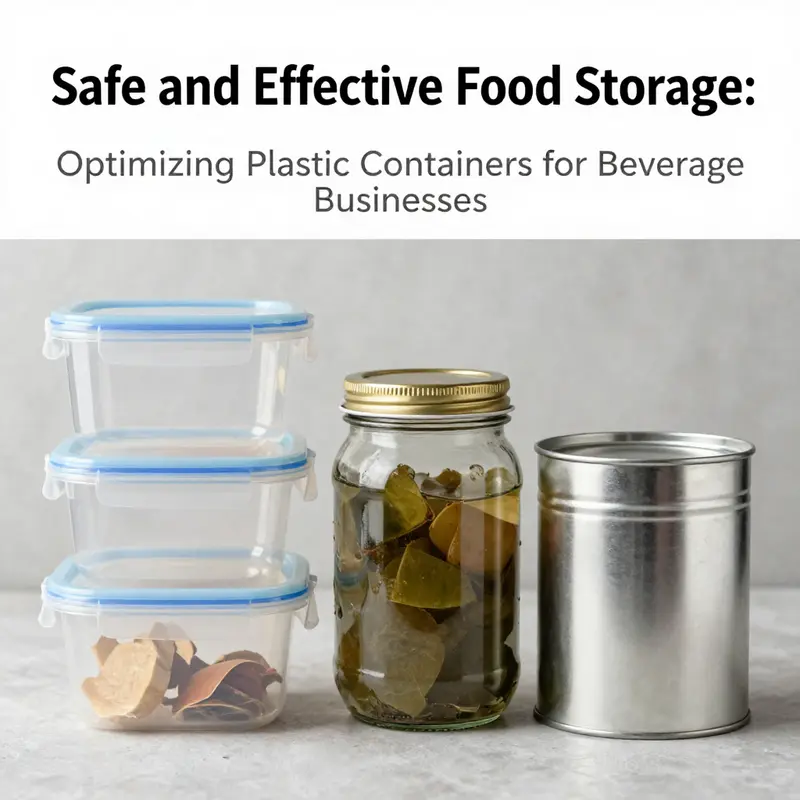
Material choice sits at the heart of everyday food storage, shaping not just how long a meal stays fresh but how safely it reaches the table. When we unpack a container, we are not merely lifting an empty shell; we are selecting a conduit for flavor, nutrients, and, increasingly, the environmental footprint that follows every stored bite. The broader discussion of plastic storage versus other materials unfolds as a practical, tactile conversation: how does a lightweight, stackable box hold up against the steadier, more inert options of glass, stainless steel, or ceramic? The answer is not a simple yes-or-no, but a nuanced approach that weighs safety, function, maintenance, and the long arc of use.
Plastic containers, particularly those made from polypropylene or high-density polyethylene, owe much of their popularity to convenience. They are easy to grab in bulk, resist drops, and often nest neatly in a crowded fridge or freezer. Their rectangular shapes maximize fridge real estate, and secure, airtight lids help preserve moisture and control odors. For many busy households, this translates into reliable meal-prepping, quick portioning, and efficient transport. Yet these benefits come with a set of concerns that grow more salient as containers age and are subjected to heat, wear, and repeated washing. The leaching question remains front and center. Additives such as bisphenols, phthalates, and other plasticizers can migrate into food under stress—high heat, acidic or fatty ingredients, or prolonged contact. The risk is not merely theoretical; it compounds with time as micro-damage accumulates. Scratches, clouding, and warping are more than cosmetic flaws. They signal surfaces where bacteria can harbor and where microplastic fragments may shed during handling or washing. The everyday kitchen, then, becomes a site where the science of leaching and the art of safe handling intersect.
Industry and public health guidance acknowledge that even labels like BPA-free do not guarantee safety. Replacements such as BPS or BPF can exhibit similar disruptive properties, a reminder that the regulatory landscape is nuanced and evolving. The U.S. FDA underscores that food-contact materials are regulated with migration limits, but real-world use often exceeds laboratory conditions. In practical terms, this means that heat exposure from microwaves, dishwasher cycles, and the general wear of long-term use can elevate risk even when plastic appears clean and intact at a glance. As one authoritative voice in the field has noted, the warning goes beyond labeling: “Even BPA-free doesn’t always mean safe.” The point is not to vilify plastic entirely, but to anchor its use in mindful practices. Selecting high-quality, FDA-compliant plastics, avoiding damaged containers, and refraining from heating plastics with fatty or acidic foods are prudent steps. The aim is to keep the conversation practical: plastic retains a valuable role for short-term storage and portable meals, when used with care.
Glass emerges in this dialogue as a compelling counterpoint. It is non-reactive, does not leach chemicals, and handles both hot and acidic foods with composure. Transparency is not merely an aesthetic attribute; it allows quick visual checks for contamination, residue, or spoilage, reducing the guesswork that can accompany storage. For foods where flavor integrity and purity are paramount, glass delivers a reassuring inertness. It can be microwaved, typically dishwasher-safe, and endlessly recyclable. Yet glass is heavier, often delicate, and less forgiving in environments where transport stability matters. The cost of breakage and the inconvenience of careless drops are real trade-offs for households that prioritize health and long-term reuse over portability. In a kitchen that balances safety with practicality, glass often serves as a primary storage option for staples or leftovers that benefit from repeated, extended visibility and neutral interaction with food.
Stainless steel presents another axis of the decision matrix. Boilers of durability and hygiene, steel containers resist odors, do not absorb flavors, and excel at temperature regulation, keeping cold items cool and hot foods safely within a steady range. They are non-toxic, highly recyclable, and built for long-term use, which appeals to sustainability-minded households and professional kitchens alike. The trade-off is notable: weight and cost, along with limited suitability for microwaving since steel does not heat well in typical consumer appliances. The opaque nature of steel means you cannot tell what is inside without opening the lid, which can slow down quick meal checks. For those who value rugged resilience and a long lifespan, stainless steel represents a strong commitment to durability and safety, especially for bulk storage and daily lunch-packing routines that emphasize reuse over time.
Ceramic storage, meanwhile, sits in a space that blends utility with a certain ceremonial charm. Ceramic can be non-reactive and does not leach under common use, while offering thermal stability and a refined appearance that makes it attractive for serving and short-term storage. However, ceramics are naturally brittle, susceptible to cracking or chipping with temperature swings or accidental drops. They are heavier and less compatible with freezing and some microwave use, depending on glaze and glaze compatibility. In many households, ceramic serves best for short-term or serveware roles, where aesthetic appeal and steady, even heating are more important than the rigors of everyday transport or long-term bulk storage.
What emerges from weighing these materials is not a prescription but a palette. The best approach for many homes is a hybrid strategy that preserves the strengths of each material while minimizing their weaknesses. A common pattern is to use glass or stainless steel for primary storage—where safety, odor immutability, and long-term reuse are priorities—and reserve high-quality plastics for short-term, low‑stress tasks such as grab-and-go meals, pre-portioned lunches, or containers that move with the family on errands. When plastics are used, it is essential to choose food-grade plastics, preferably labeled microwave-safe, dishwasher-safe, and freezer-safe, and to avoid heating plastics with fatty or acidic foods. Replacing containers when noticeable wear appears—cloudiness, scratches, or warping—helps maintain a barrier against contamination. The lids deserve equal attention, as seal integrity degrades with use and can undermine freshness and containment.
The environmental and economic dimensions of this choice cannot be overlooked. Plastic’s lightness and low initial cost make it attractive for bulk storage and frequent turnover, but the chronic waste associated with disposable and short-lived plastic containers invites a broader reflection on sustainable practice. Glass and stainless steel, though heavier and more expensive upfront, offer durability that translates into lower waste over the long term. Ceramics, while not typically the default for bulk storage, contribute to a versatile ecosystem of kitchenware that emphasizes reuse and timeless design. In this light, a thoughtful shopper can design storage that minimizes waste without sacrificing safety or convenience. The practical takeaway echoes the research narrative: plastics remain a practical option for everyday use when employed with awareness and care; glass and metal provide safer alternatives for long-term or high-stress storage; and ceramics occupy a niche role where aesthetic and short-term function align.
For readers seeking the most balanced path, consider the mixed-material approach. Use glass or stainless steel for meals you plan to store over multiple days or for foods that are particularly prone to leaching in plastics. Reserve plastics for situations where quick turnover, portability, and lightness matter most, while adhering strictly to usage guidelines and inspecting containers regularly for signs of wear. And to stay connected with the evolving landscape of packaging safety and policy, explore resources that summarize regulatory frameworks and migration limits across materials. For instance, an overview of food-contact regulations provides context for why certain materials are preferred in different storage scenarios and how scientists monitor real-world exposure. If you want a direct, consumer-focused glimpse into safer packaging trends, you can explore examples of flexible, sustainable packaging options that prioritize safety and convenience in everyday use. For a broader regulatory perspective, see the FDA’s guidance on food-contact materials and substances.
Internal link reference: eco-friendly disposable 3-compartment packaging. This example points toward packaging strategies designed to minimize risk while accommodating the needs of modern meal planning and on-the-go dining. External resource for regulatory context: https://www.fda.gov/food/food-contact-materials/food-contact-materials-and-substances
The Hidden Footprint: Reimagining Plastic Food Storage and the Path to Circular Recycling
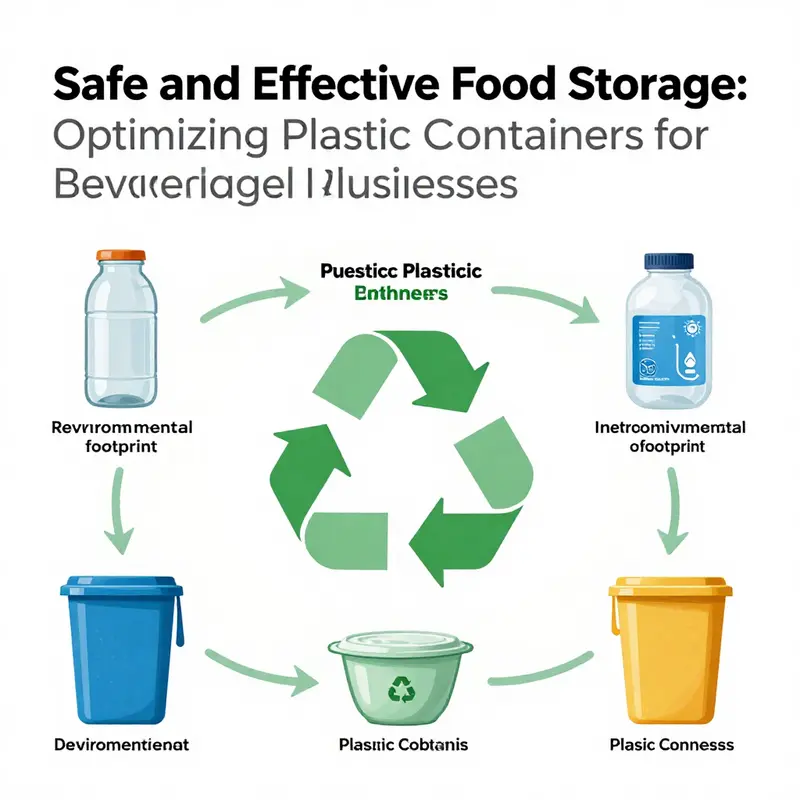
The everyday practice of storing food in plastic containers is habit-forming for many households and businesses because it fits busy schedules and crowded kitchens. Yet behind the convenience lies a cycle that stretches beyond the plate: extraction of resources, manufacturing on a large scale, distribution, usage, and eventual disposal. This cycle carries environmental costs that accumulate long after meals are plated. The environmental impact of plastic food storage emerges not as a single crisis but as a set of interlocking pressures that touch air quality, water resources, soil, and wildlife.
The production footprint is the starting point. Most plastic storage options rely on fossil fuels, converted into polymers through energy-intensive processes. This means greenhouse gas emissions occur at the plant, during transport, and in the energy mix that powers factories around the world. Even when products are used for years, their creation leaves a legacy in the atmosphere. The scale of plastic packaging in the food sector amplifies this effect because it leverages lightweight, high-volume manufacturing designed to be inexpensive and durable.
As these containers move through their lifetimes, the end of life becomes a critical juncture. Many containers are destined for landfills or informal dumps, where they can persist for centuries. In landfills and the environment, plastics slowly fracture into smaller pieces and can be carried by wind and water to fragile ecosystems. Wildlife may ingest fragments, and microplastics can work their way up the food chain. The persistence of plastic waste means the environmental and social costs of a single container can outlast its practical usefulness.
Recycling, while a promising solution in theory, struggles in practice. A large portion of plastic containers are made from materials that are technically recyclable but face real world barriers. Contamination from residual food waste reduces the quality of feedstock, making it harder for facilities to sort and reprocess. Containers often mix multiple resins or coatings, complicating separation and rendering some streams unusable for food grade applications. Collection rates vary widely, and in many places the systems do not gather enough material to sustain efficient processing. Even when recycling succeeds, the process often downgrades the material, producing products that are weaker or less suitable for food use. This phenomenon, known as downcycling, means only a fraction of food grade plastics are reborn as new containers, a loss that compounds the environmental cost of manufacturing.
The environmental narrative becomes more complex when considering long term waste management. Some containers are repeatedly washed, microwaved, or exposed to heat and oils, situations that can alter the very chemical behavior of the plastics and raise concerns about leaching. Although safety standards regulate migrations, the gap between laboratory testing and real world use can be wide. The result is a system where invisible losses—microplastics released during wear and tear, or micro particles shed during dishwasher cycles—coexist with visible litter. In this context, the environmental efficiency of plastic storage hinges on how often and how long the containers are reused, how well they are cleaned, and whether they are ultimately kept within a closed loop rather than released into the wider environment.
If we translate this to planning and behavior, the stories of plastic storage diverge into two paths. One path leads to a circular approach in which products are designed for extended reuse, easy repair, and straightforward recycling. The other path continues the linear pattern that starts with resource extraction and ends in disposal. The choice is not merely a personal preference; it is a reflection of how communities invest in infrastructure, labeling schemes, and consumer education. People can contribute by choosing storage systems that are designed for durability, by avoiding frequent single use replacements, and by practicing conscientious disposal when a container finally wears out. The intention is to count the life of a container in cycles rather than in a single purchase.
A shift toward sustainable alternatives is not a rejection of convenience but a redefinition of it. Glass containers, because they are inert and highly recyclable, offer a compelling long term option for many households. They do not leach chemicals and can be reused across generations if handled with care. Glass does carry a weight and fragility that can complicate everyday use in busy kitchens, but with thoughtful design and limited stack height they can integrate into daily routines. Silicone presents another reusable path: durable, flexible, and resistant to temperature variation, silicone can withstand repeated use with less risk of microplastic shedding than some plastics, though it still requires responsible end of life management and careful production considerations. The conversation about alternatives also invites reflection on the energy accounting of materials, since the production and recycling of glass and silicone carry different footprints than traditional plastics, and the benefits accumulate only when reuse rates remain high.
Design and policy intersect to push the system toward a more circular economy. Product design can influence recyclability by enabling easier separation of components, reducing the number of different resins in a single product, and clarifying labeling so consumers can act accordingly. Policy instruments such as extended producer responsibility and investment in closed loop recycling infrastructures can shift who bears responsibility for waste and how materials circulate within the economy. These ideas are not abstract; they shape the material choices people make at the kitchen counter and influence what ends up in a municipal sorting facility. When communities and manufacturers align around shared standards and incentives, the path to higher recycling rates and better material stewardship becomes clearer, even as the science of recycling evolves and new collection strategies emerge.
In this narrative, consumer behavior remains pivotal. Cleaning practices, proper separation, and mindful selection of durable, repairable storage options can reduce waste and extend the useful life of containers. It is not enough to rinse and reuse; it is also essential to understand when a container has degraded beyond safe reuse and deserves retirement. The invisible costs of degraded packaging—minor leaks, odor retention, micro-scratches that harbor residual bacteria—add up to a real impact on household waste and environmental burden. Aligning daily habits with a system that values longevity, repairability, and end of life clarity strengthens the overall efficiency of the plastics cycle.
For readers seeking concrete avenues to explore, a broader discussion of sustainable packaging options offers a practical companion to this environmental lens. For example, you can learn about options such as eco-friendly takeout boxes for food packaging. This example illustrates how a packaging choice can harmonize usability with recyclability when designed with an eye toward end of life. See more at the internal link here: eco-friendly takeout boxes for food packaging.
The environmental story is one piece of a larger, interconnected future. While plastic containers remain a practical tool for many kitchens, advancing toward a circular economy requires coordinated action across production, collection, sorting, and reuse. It demands investment in better recycling infrastructure, smarter product design, and citizen engagement that moves beyond disposal toward stewardship. A broad review of environmental impact in food packaging materials provides context for these challenges and points to a future where packaging is seen as a resource with value to be kept within a productive loop rather than an endpoint to be discarded. The external resource that broadens this frame is available here: https://www.mdpi.com/2071-1050/17/20/6987.
In sum, the environmental footprint of plastic food storage cannot be reduced to a single tactic or a single product category. It requires a systems approach that blends design, policy, and everyday choices. The aim is not to shun plastic storage but to illuminate the pathways that transform it from a convenience into a steward of resource integrity. By weaving together better materials, smarter end of life management, and informed consumption, households can contribute to a durable, resilient, and more sustainable food storage landscape. The path to sustainability is incremental and depends on shared responsibility across households, schools, workplaces, and governments.
Final thoughts
Understanding the complexities of food storage in plastic containers is vital for businesses in the beverage sector. By prioritizing safety considerations, being aware of the chemical compositions, and following best practices, you can ensure that your beverages and ingredients remain fresh and safe for consumption. A comparative analysis of materials highlights the need to choose wisely between plastic and other forms of storage, as well as to consider the environmental implications of your choices. Emphasizing responsible practices will benefit not just your customers, but the broader community and environment as well.