
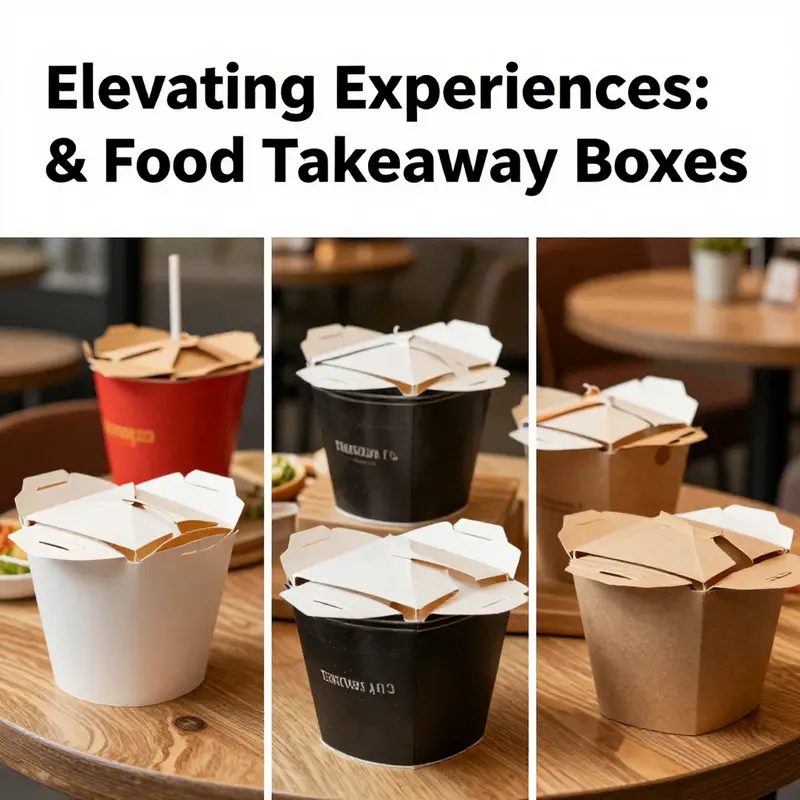
Food takeaway boxes play a vital role in today’s food service industry, offering convenience while ensuring food safety and brand visibility. Catering to bubble tea shops, restaurants, food trucks, and event planners, these packaging solutions have evolved to meet both customer expectations and sustainability standards. In the following chapters, we’ll explore the latest material innovations that enhance functionality, examine the environmental impacts of various packaging choices, delve into design features that enhance user experience, analyze manufacturing dynamics that affect supply chains, and review market trends and consumer preferences impacting takeaway boxes. Understanding these aspects provides valuable insights to empower your business and improve its offerings.
Revolutionizing Packaging: Sustainable Materials and Cutting-Edge Designs in Food Takeaway Boxes
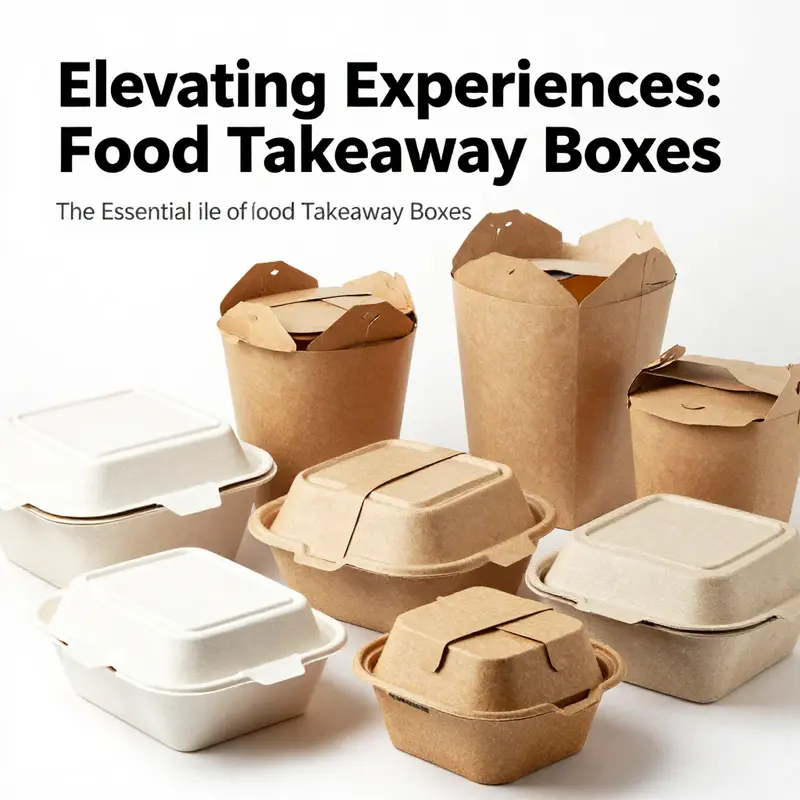
In today’s dynamic food service industry, the evolution of takeaway box materials has emerged as a critical driver of both functionality and environmental responsibility. The transformation from conventional polystyrene foam to innovative, sustainable alternatives has not only redefined packaging standards but has also provided a canvas for brand storytelling. This chapter delves into the continuous advancements in material science and design principles that are harmonizing practicality with eco-friendly practices in the realm of food takeaway boxes.
Historically, expanded polystyrene (EPS) has dominated the market for food transportation due to its excellent insulating properties, lightweight nature, and cost-effectiveness. Many fast-food chains and quick-service restaurants have relied on EPS foam boxes as their go-to solution for maintaining food temperature and preventing spills. However, as environmental concerns mount over the persistence of non-biodegradable waste, industry players have had to rethink traditional materials. This prompts a rich exploration of alternatives that preserve functionality while significantly reducing the environmental footprint.
Over the past several years, biodegradable and compostable materials have surged in popularity, ushering in an era where sustainability and convenience coexist seamlessly. Plant-based polymers derived from cornstarch, sugarcane, and polylactic acid (PLA) now offer viable substitutes to traditional plastics. These innovative materials decompose naturally, minimizing pollution and fitting perfectly within the circular economy model that many environmentally conscious companies strive to adopt. The inherent benefits of these bio-based polymers are manifold. Not only do they lower dependency on fossil fuels, but they also provide heat resistance and structural strength needed to contain various types of cuisines. Organic food outlets and eco-friendly brands, in particular, have embraced this shift, as it aligns with their commitment to reducing environmental harm while still offering reliable packaging.
The move toward sustainable materials does not stop at plant-based polymers. Recyclable plastics and novel paper-based composites are gaining traction as robust alternatives that meet the demands of busy food delivery services. Companies are increasingly looking for materials that are not only recyclable but also resistant to moisture and grease. Advanced treatments and coatings can enhance the durability and moisture resistance of recycled paper, making it an attractive choice for takeaway boxes that need to safely encase hot soups or oily foods. These developments are reshaping consumer expectations by ensuring that sustainability does not come at the cost of performance or aesthetic appeal.
Natural materials sourced from renewable resources such as bamboo and wood have also made a significant impact. Bamboo, in particular, offers the addition of a warm, natural look while being completely biodegradable. Its rapid growth and renewability give it a distinct advantage over traditional wood products. Wooden takeout boxes, whether used for delicate rice bowls or crisp salad plates, communicate a message of authenticity and environmental mindfulness. These boxes often incorporate design elements that highlight the material’s natural beauty, transforming a simple food container into a statement about environmental values and artisan craftsmanship.
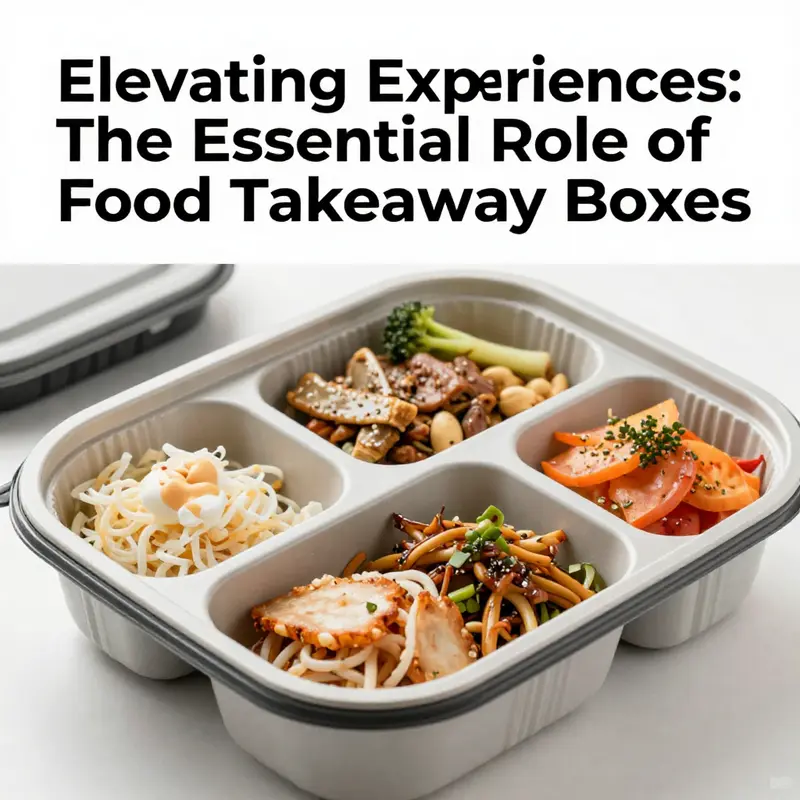
An innovative design trend that has contributed to the packaging revolution is the development of multi-compartment containers, commonly known as bento-style boxes. These boxes use internal partitions to keep different food items separate, maintaining both flavor and temperature integrity. This design is especially popular among health-focused eateries and meal prep services, where portion control is as important as visual presentation. While these designs may sometimes face challenges such as less secure lids compared to clamshell models, the overall customer experience is enhanced due to the convenience and clarity they provide. The variation in layout demonstrates the industry’s responsiveness to consumer needs that transcend mere functionality, blending practical design with artistic presentation.
The adoption of eco-friendly takeout boxes has also been accelerated by advancements in manufacturing technologies. Modern machinery, including high-speed paper container making machines and versatile thermoforming equipment, allows manufacturers to produce customized packaging with greater precision and efficiency. In regions known for their robust industrial ecosystems, manufacturers are revisiting material choices to incorporate eco-friendly coatings and digital printing technologies. These advancements facilitate the production of takeaway boxes that not only protect food integrity but also serve as mobile brand ambassadors. The capacity for high-quality custom branding, integrated into the design process, means that businesses can proudly showcase eco-friendly messaging alongside their logos and other identity markers.
Customization is another powerful tool that brands use to communicate their commitment to sustainability. By choosing materials that echo their core values, businesses are able to differentiate themselves in a competitive market. For instance, a local restaurant might opt for kraft paper boxes with a natural finish and durability enhancements, subtly reinforcing its connection with environmental conservation. Such choices often resonate with consumers, who increasingly equate green packaging with overall brand integrity. Moreover, these customized, eco-sensitive packages can be sourced through dedicated platforms that specialize in sustainable packaging solutions. For those looking for cutting-edge yet responsible alternatives, exploring options such as the range of offerings in eco-friendly takeout solutions available online can be invaluable.
Amid this evolution, aluminum containers have also carved out a niche of their own. Known for their excellent thermal conductivity and lightweight durability, aluminum offers a versatile platform for future developments. Its reusability factor makes it especially attractive for settings where reheating is common, such as in high-volume fast-food environments. Aluminum, when paired with modern design techniques, can ensure that food retains its ideal temperature during transit. This duality of performance and sustainability is critical as businesses look to merge efficient logistics with commitment to environmental accountability. The metal’s inherent recyclability adds another layer of appeal in contexts where minimizing waste is crucial.
The environmental implications of this material shift extend well beyond the immediate aesthetics and functionality of the packaging itself. From a global regulatory standpoint, adherence to standards such as those established by the Forest Stewardship Council (FSC) and Extended Producer Responsibility (EPR) initiatives further embeds sustainability in the design process. Companies that make informed choices about their packaging materials often enjoy not only reduced environmental impact but also enhanced market credibility. Certification bodies help ensure compliance with rigorous standards, driving manufacturers and suppliers to innovate constantly and upgrade their material sources. The constant dialogue between regulatory expectations and technological advancements fosters an environment where sustainable design is no longer optional but a prerequisite for market participation.
The role of digital printing and customizable coatings in packaging reinforces the narrative of sustainability intertwined with modernity. These technologies allow for vibrant, personalized designs that capture the brand’s ethos while minimizing waste through precision production. The capacity for high-speed production ensures that even eco-friendly materials can meet the demands of busy food service operations. Manufacturers have found that integrating aesthetic elements with sustainable materials not only elevates brand identity but also enhances consumer experience. A takeout box is no longer just a container; it is a strategic element of a brand’s communication and a reflection of its environmental values.
In the interlinked ecosystem of global manufacturing, regions with established industrial infrastructures have become powerhouses for sustainable box production. Economies in various provinces have leveraged their access to raw materials, technical expertise, and efficient supply chains to meet the burgeoning demand for eco-conscious packaging. The competitive edge derived from these factors has streamlined the production process and helped lower costs without compromising quality. As these regions continue to invest in research and development, they play a pivotal role in the global shift toward environmentally responsible practices in the food delivery sector. This dynamic interplay of resource availability and innovative processes is a testament to how tradition and modernity can merge to form a more sustainable future.
The relationship between functionality and environmental stewardship in food takeaway boxes is further underscored by emerging consumer trends. Modern consumers are increasingly aware of the environmental cost associated with everyday transactions. The demand for products that are both effective and environmentally safe has spurred companies to reevaluate every step of their supply chain—from raw material selection to final disposal. This heightened awareness is driving the adoption of materials that are not only eco-friendly but also capable of delivering on the practical demands of food safety and convenience. The market is witnessing a surge in brands that prioritize sustainable designs, which in turn propels the entire industry toward greener horizons.
Despite these promising developments, the journey toward fully sustainable food packaging is complex. Each material option comes with its set of challenges and trade-offs. Biodegradable materials, for example, must meet strict criteria to ensure that they decompose under realistic conditions without compromising the packaging’s integrity during transit. Similarly, innovations such as multi-compartment designs require careful engineering to prevent issues like lid detachment or content mixing. These technical challenges necessitate continuous research and collaborative efforts across scientific, industrial, and regulatory sectors. The intersection of rigorous testing protocols and inventive design approaches ensures that progress in material innovation is both progressive and pragmatic.
Collaborative partnerships between researchers, manufacturers, and branding experts are central to navigating these challenges. Transparency across the production lifecycle enables stakeholders to address potential environmental impacts from the outset. Initiatives geared toward sharing technological breakthroughs and sustainable practices have fostered an environment of mutual growth and accountability. As part of this collaborative spirit, industry players are increasingly investing in research that bridges the gap between high-performance packaging and ecological safety. Such investments are critical in developing new composites and hybrid materials that could revolutionize the way food takeaway boxes are designed and produced.
Moreover, public awareness and advocacy have become powerful forces in shaping the trajectory of sustainable packaging. Educated consumers, armed with knowledge about eco-friendly practices, are more likely to support brands that incorporate green materials. This consumer-driven demand compels brands to reflect on their material choices, consider the full lifecycle of their packaging, and prioritize long-term environmental benefits over short-term gains. The success stories of brands that have seamlessly integrated sustainability into their packaging strategies are inspiring others in the industry to follow suit. This trend has led to a broader shift in industry mindset—where the imperative to protect the planet is as critical as the need to deliver a quality culinary experience.
Innovation in food takeaway boxes has, therefore, transcended the physical realm and entered the cultural domain. It has become a narrative of progress, one that speaks to a future where every element, from the packaging on a takeout meal to the broader corporate policies guiding production, reflects a deep commitment to environmental stewardship. The evolution of materials not only supports operational efficiencies but also reinforces the brand’s promise to its customers. Every biodegradable, recyclable, or renewable component is a step toward building a sustainable legacy that will resonate for generations.
The future of food takeaway boxes is poised to lean even further into the integration of cutting-edge materials designed with both function and sustainability in mind. With advancements in biotechnology, nanotechnology, and materials science, further innovations are on the horizon that may redefine the very concept of food packaging. The continuous pursuit of materials that biodegrade safely, reduce carbon footprints, and yet maintain uncompromising performance is a testament to the ingenuity of modern manufacturing. As consumer expectations grow, the interplay between green technologies and appealing design will only intensify, creating a landscape where every takeaway box is a convergence of purpose and practicality.
For businesses and consumers alike, the march toward sustainable packaging is more than just a trend—it is a necessary evolution. The adoption of eco-friendly materials not only helps reduce environmental impact but also offers strategic advantages in brand differentiation and customer loyalty. Brands that invest in innovative, sustainable takeaway boxes are sending a strong message: that value and responsibility can go hand in hand. The integration of technology, sustainable materials, and thoughtful design practices is crafting an industry model where excellence is measured not only by efficiency and profitability but also by environmental stewardship and social responsibility.
In summary, the innovations in materials for food takeaway boxes signal a positive future where sustainability, functionality, and aesthetics coalesce into a seamless product offering. The convergence of biodegradable polymers, naturally sourced materials, and advanced manufacturing techniques is redefining packaging standards across the food service industry. To explore further about cutting-edge technological and material breakthroughs in the packaging industry, please visit our detailed overview of eco-friendly takeout solutions. For further insight into these material advancements and their industrial applications, please refer to this comprehensive overview: Material Innovations in Food Takeaway Boxes.
Refining the Future: Environmental Implications of Food Takeaway Boxes
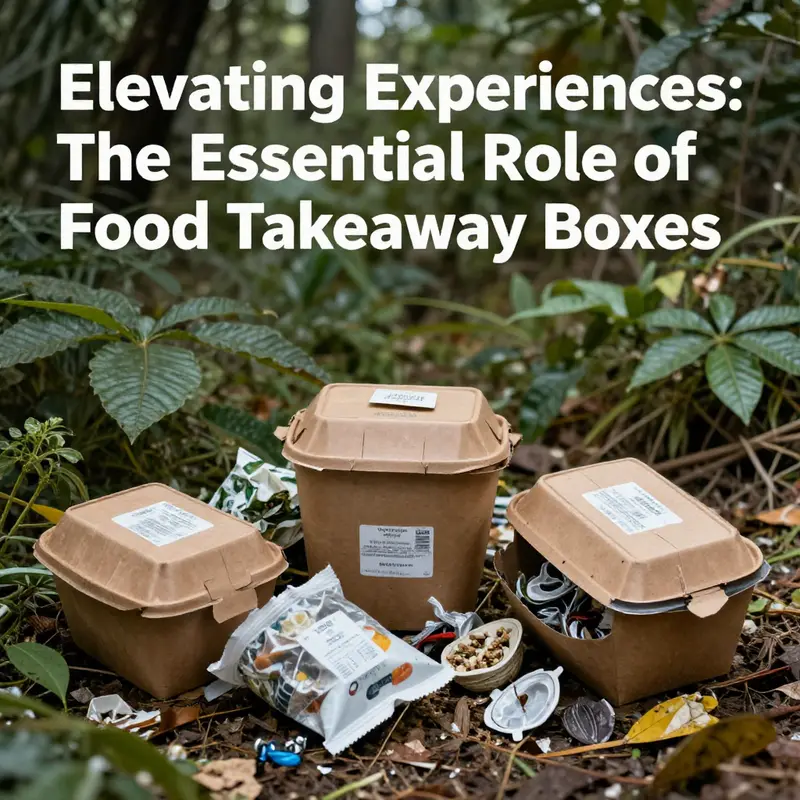
Food takeaway boxes serve as the lifeblood of a booming delivery industry. Their popularity has soared as they offer convenience, hygiene, and brand identity. Yet, these containers have a significant environmental cost. Many of the materials used in their production contribute to waste and pollution. Our examination focuses on both the challenges and possible solutions to this predicament.
A major environmental concern is the prevalent use of expanded polystyrene (EPS) foam. This material excels in keeping foods hot or cold, yet it poses grave environmental hazards. EPS is non-biodegradable and can linger in landfills for centuries. Its persistence contributes largely to environmental degradation. Moreover, EPS production consumes fossil fuels and emits greenhouse gases. Marine ecosystems are particularly at risk. Animals can ingest fragments, and the material fragments into microplastics that enter the food chain. As governments and businesses come under pressure to reduce waste, these negative impacts prompt immediate action.
Aluminium packaging also raises caution. Although aluminium is known for its durability and thermal conductivity, its production demands high energy inputs. The carbon emissions released during processing add to its environmental footprint. Even being recyclable does little good as food residues often contaminate the material. Recycling processes must be strictly managed, but such oversight is often lacking. As a result, aluminium waste frequently ends up in landfills, where it too contributes to long-term environmental harm. The combined impact of these materials forces the industry to recheck its packaging practices.
Sustainable alternatives are gaining momentum. Innovations in biodegradable and renewable materials are transforming the landscape of takeaway packaging. One promising candidate is bagasse, a by-product of sugarcane processing. Bagasse packaging decomposes naturally and leaves behind minimal harmful residues. Further, bamboo and recycled cardboard are emerging as viable substitutes. These materials are renewable and decompose more easily than traditional plastics or aluminium. They hold promise in lowering the overall carbon footprint of takeaway food containers. Companies are investing in these solutions to align with circular economy principles and sustainability goals.
The move toward eco-friendly solutions is not simply a marketing trend. Extensive studies, including life cycle assessments, underscore the need to shift from conventional materials. Researchers have measured the global warming potential of various options including polypropylene, aluminium, and extruded polystyrene. The results clearly favor sustainable alternatives. In many environmental impact categories, single-use plastics rank unfavorably. This research highlights the urgent need to replace hazardous materials with those that are renewable and biodegradable. The industry is thus at a turning point, forced to rethink the materials that have long defined its products.
The design of takeaway boxes is undergoing radical transformation. Recent innovations have seen the integration of multi-compartment designs and bento-style arrangements. These new designs not only enhance visual appeal and functionality but also promote portion control and reduce waste. When each component of the takeaway box is made from eco-friendly materials, there is less need for additional packaging. Such designs lead to less overall material use and reduce waste. In addition, technological advancements in coating and printing enable the use of recycled materials without compromising hygiene or customer appeal. Companies that adopt these improvements position themselves as responsible stewards of the environment.
Manufacturers are also adapting by upgrading equipment. Modern paper container-making machines and thermoforming equipment now support the production of sustainable packaging options. Digital printing and advanced coating technologies allow for custom designs while still adhering to eco-friendly standards. Chinese manufacturers, who dominate much of the global supply chain, have increasingly adopted these practices. Regions such as Guangdong and Sichuan now produce high-quality, sustainable takeaway boxes. The shift in manufacturing methods is a testament to the industry’s ability to innovate and evolve in response to environmental challenges. This technological evolution seeks to balance performance with sustainability.
Business models have begun to reflect consumer concerns about environmental issues. Many companies now explicitly market their packaging as eco-friendly. Consumers are more aware of the ecological impact of their purchases and delivery choices. They favor items that are packaged in sustainable materials and produced in an environmentally responsible manner. This trend is not only beneficial for brands but also creates a broader social shift toward greener consumption. One can find examples of companies offering eco-friendly takeout solutions that meet these rising expectations. As public demand increases, manufacturers respond by furthering their adoption of sustainable practices.
Despite efforts toward sustainability, the residual impact of longstanding practices remains a hurdle. Past reliance on non-renewable materials creates legacy issues that are not easily reversed. Waste accumulated from decades of use continues to pollute the environment. This situation calls for vigilant policy interventions and robust recycling frameworks. Policymakers, industry leaders, and environmental groups now find themselves at a crossroads. They must coordinate to develop standards that not only promote innovation but also mitigate environmental risks. Stringent certifications and international guidelines are increasingly vital. These measures aim to enforce sustainable practice across the board.
The global food service industry is evolving, and sustainability sits at its core. For large chains and local businesses alike, the challenge is to balance cost, convenience, and environmental impact. Many companies have begun to invest in life cycle assessments. These assessments evaluate the entire journey of a product from production to disposal. The insights from these studies are vital, guiding the shift toward greener alternatives. By considering the full environmental cost of each container, businesses can make informed decisions. Life cycle studies reveal that the worst impacts come from choices that bear hidden energy costs in production and disposal. When alternatives such as bagasse or recycled paper are used, the overall burden on the environment decreases significantly.
As the debate over materials intensifies, research continues to provide clarity. For instance, studies featured on ScienceDirect offer detailed analyses of various packaging options. The study shows that reusable polypropylene, aluminium, and extruded polystyrene perform differently across multiple environmental metrics. These findings stress that not all alternatives are created equal. Each material possesses a unique ecological profile. Some perform well in thermal insulation but poorly in waste management. Others have low production emissions but may require high energy for recycling. The comprehensive assessment of each material is necessary for an informed transition. Researchers are working with manufacturers to optimize designs for both consumer convenience and sustainability.
Policies and international standards further impel the industry toward greener practices. Certifications, such as those from the Forest Stewardship Council (FSC) and Extended Producer Responsibility (EPR) in Germany, set benchmarks for sustainable production. These guidelines help businesses comply with both local and international regulations. Adherence to such standards not only enhances a company’s reputation but also ensures that environmental impacts are minimized. The move toward these standards encourages continuous improvement and accountability. As regulatory frameworks tighten, the pressure on companies to innovate becomes even greater.
Economic factors also play a significant role in this transformation. While eco-friendly materials sometimes command a higher cost, the long-term savings from waste reduction and improved brand loyalty can offset initial expenditures. Investors and consumers alike view sustainability as a smart economic strategy. Businesses that embrace greener alternatives may enjoy benefits such as increased market share and improved consumer perception. Innovative eco-friendly packaging designs can lead to higher product differentiation. This dynamic has led to a competitive market where sustainability and efficiency go hand in hand. Companies with sustainable practices are well-positioned to lead the next wave of market trends.
The journey toward a sustainable future in the takeaway industry is not without its challenges. Changing long-established supply chains and manufacturing processes requires significant investment. It also requires a change in consumer mindset. Nevertheless, progress is inevitable as market forces and regulatory pressures combine. The quest for sustainability in food takeaway boxes exemplifies the broader movement toward environmental responsibility. As research continues and technologies advance, the industry will increasingly prioritize eco-friendly design. The collective efforts of manufacturers, researchers, and policymakers provide hope for a cleaner future.
A range of stakeholders now influence the future of food takeaway boxes. Environmental organizations, consumer groups, and industry collectives unite in their call for accountable design practices. They provide critical feedback on production methods and help shape standards. Through coordinated efforts, many sectors of the industry are undergoing substantial transformation. In parallel, academic research continues to expose the true environmental cost of conventional materials. This knowledge not only drives policy changes but also encourages innovation in material science. The benefits of this work extend beyond a single industry, influencing practices in packaging across multiple sectors.
The progress in sustainable takeaway packaging represents a key milestone in the wider context of environmental stewardship. It demonstrates that environmental concerns can drive technological innovation. With each breakthrough in alternative materials or manufacturing methods, the environmental footprint of the industry shrinks. It also reinforces the importance of a collaborative effort in tackling environmental challenges. The incorporation of renewable materials and the adoption of rigorous life cycle assessments mark a step in the right direction. For every new environmentally friendly design introduced, the industry moves a little closer to a sustainable future.
To learn more about the scientific perspective on these challenges and insights on future developments in food packaging, refer to the detailed study on environmental impacts of takeaway food containers. This resource offers comprehensive analysis and supports the arguments for a significant shift in packaging practices.
In summary, the journey of improving food takeaway boxes shows a balanced narrative. It is a balance between convenience and environmental responsibility. Moving away from harmful materials like EPS foam and uncontaminated aluminium is essential. Embracing sustainable and biodegradable alternatives is no longer optional. Every step towards greener packaging methods reduces the long-term ecological burden. The path forward demands collaboration from industry leaders, researchers, and policymakers. Their unified efforts will define the environmental future of food takeaway boxes. This evolving landscape illustrates that economic growth and sustainability can go hand in hand, paving the way for a cleaner, healthier planet.
Crafting Culinary Carriers: How Innovative Design Shapes the Future of Food Takeaway Boxes
Food takeaway boxes have evolved far beyond simple containers. In a world where culinary experiences are delivered to doorsteps, every element counts. The design and functionality of these boxes is no exception. They are not only vessels, but also symbols of quality, hygiene, and brand identity. Thoughtful design ensures that a meal arrives exactly as the chef intended—a pristine, warm, and secure culinary creation.
The journey of a takeaway box begins with the selection of materials. Food safety and hygiene are paramount. Manufacturers choose food-grade materials that meet strict safety standards. Materials such as polypropylene and sustainable alternatives like sugarcane pulp are popular. These compounds are chosen for their ability to withstand diverse temperatures without compromising safety. Every aspect of material selection is scrutinized to ensure that no harmful substances seep into food. The seamless construction with smooth edges and sealed joints prevents contamination and accidental leaks, which is particularly critical for liquid or sauce-rich dishes.
The importance of temperature control in food delivery cannot be overstated. Even the finest flavors can be diminished if food is delivered cold or overheated. Many modern takeaway boxes employ a multi-layer design to address this challenge. The outer layer of the box is typically crafted from a durable material that resists impact and provides structural support. A middle layer composed of advanced insulating materials, such as Expanded Polypropylene (EPP) or even vacuum-insulated panels, serves as a thermal barrier. An inner reflective layer, often featuring aluminum foil, helps bounce back heat. This triple-layer system is designed to maintain warmth for hot meals and keep chilled items cool. It ensures that when a customer receives their meal, it retains the taste, texture, and aroma envisioned by the chef.
Leak-proof integrity is another critical facet of design. The best takeaway boxes offer secure sealing mechanisms to prevent spills during transit. Press-fit lids with interlocking grooves are common, as are designs that incorporate silicone gaskets and secure locking elements. For liquid-based dishes like soups or sauces, some boxes feature deepened compartments and raised rims to handle unexpected jolts. This attention to detail not only preserves the meal’s presentation but also prevents disappointment. Even the smallest leak can undermine a customer’s dining experience, making robust sealing a non-negotiable design consideration.
User-centric usability is a hallmark of effective takeaway box design. The convenience of the end user is woven into every design decision. Easy-to-open lids with thumb grips, integrated handles, and foldable carry straps are increasingly common. Some boxes employ mechanisms such as magnetic closures or sliding lids that enable single-handed operation. This makes it simpler for customers to enjoy their meal on the go without worrying about drops or spills. The stability of the base is also critical. Many boxes feature non-slip patterns on the bottom, ensuring that the container remains upright during transport. Such features are especially appreciated in urban environments where many customers eat while walking or commuting.
Aesthetic appeal plays a significant role in the modern food delivery ecosystem. The visual design of a takeaway box is not just about style—it is about inviting and engaging the customer. Minimalist designs, bright color schemes, and subtle branding can transform a utilitarian package into a memorable part of the meal experience. Many brands now see their takeaway boxes as an extension of their identity. A well-designed box can make a strong first impression, encouraging customers to post photos on social media and spread the word. In this way, the box itself becomes a silent ambassador for the brand, enhancing perceived quality and creating additional marketing opportunities. For instance, innovations in eco-friendly packaging are often showcased directly on the box. When customers see that a box is designed with both functionality and sustainability in mind, it reinforces positive brand perceptions. You can learn more about such innovative approaches in how manufacturers are reimagining food packaging by visiting this cutting-edge takeout box design page.
Sustainability is becoming a defining pillar in the evolution of food takeaway boxes. Eco-conscious consumers now seek alternatives that minimize environmental impact. In response, the industry has seen a surge in biodegradable and compostable materials. Kraft paper, sugarcane bagasse, and bamboo pulp are gaining favor. They not only reduce reliance on nonrenewable resources but also offer a natural aesthetic that resonates with eco-aware customers. Designers adopt these materials while ensuring that boxes still meet performance criteria for insulation and leak resistance. The move to biodegradable options does not compromise on durability; instead, it challenges manufacturers to innovate with purpose. Stackable designs and collapsible structures are becoming more prevalent. Such features optimize both storage and transportation, further reducing the environmental footprint.
Manufacturing processes for takeaway boxes have also seen significant technological advancements. High-speed machinery, including paper container making machines and thermoforming equipment, is now standard. These sophisticated technologies allow manufacturers to produce boxes in large volumes with consistent quality. Digital printing and coating technologies enable intricate designs and custom branding, ensuring that each box supports the restaurant’s image. In regions with well-established manufacturing ecosystems, companies can rapidly adapt to changing consumer demands and regulatory requirements. These production advances also support compliance with international standards such as FSC certification and the European Union’s environmental regulations. Every production step is meticulously documented to ensure that the final product is safe, sustainable, and impeccably designed.
The internal structure of a takeaway box is as critical as its external design. Many modern boxes incorporate smart compartmentalization to address the diverse needs of multi-dish meals. In a single container, several compartments may hold different food items separately. This design prevents the mixing of flavors, textures, and sauces, ensuring that every component of the meal retains its distinct quality. Such compartmentalization is particularly popular in bento-style packaging, which has been embraced by meal prep companies and health-conscious eateries alike. This design not only enhances food presentation but also provides portion control that aligns with nutritional guidelines. Whether it is separating a hot entrée from a cold dessert or keeping a crunchy salad distinct from a moist main course, well-planned interior layouts contribute to a superior dining experience.
Beyond the physical aspects of design, the functionality of a takeaway box is deeply tied to the experience it delivers to the customer. From the moment a box is picked up at the restaurant to when it is unpacked at home or on the road, each step is influenced by the box’s design. Reliability in the form of secure sealing and temperature control sets the stage for a meal that is both satisfying and hygienic. The tactile experience of opening a box with a smooth, well-crafted lid can make a significant difference. It speaks to the level of attention invested in the product. Every design decision is made with the end goal in mind: creating a seamless, positive interaction that enhances the overall dining experience.
Moreover, the design of food takeaway boxes has far-reaching implications for the fast-food and quick-service sectors. In these industries, time is of the essence. Customers demand not only flavorful food but also packages that can be easily handled and transported. The challenge for designers is to merge high-speed production capabilities with innovative customizations. For instance, some boxes feature integrated compartments that require minimal assembly and enable quick, efficient packaging. This focus on efficiency benefits both the restaurant and the customer, ensuring that quality is not compromised even during peak hours. As the industry moves towards the circular economy, every box is conceived with the broader goal of reducing waste and promoting reusability.
Government regulations and certification standards also influence the design and production of takeaway boxes. Standards such as the Forest Stewardship Council (FSC) certification and Extended Producer Responsibility (EPR) guidelines are critical components of production protocols. These standards ensure that manufacturers source materials responsibly, use eco-friendly processes, and adhere to strict safety requirements. Compliance with these standards has become a mark of trust for consumers. They provide assurance that the box not only serves its functional purpose but also aligns with broader environmental and social responsibilities. In many markets, these certifications are essential for securing contracts and establishing a brand’s reputation as a responsible industry leader.
The role of digital technology in shaping the future of takeaway box design cannot be overlooked. Advances in digital printing allow for high-quality, customizable designs that align with modern branding trends. This technology enables small design tweaks that can significantly affect consumer perception. A well-printed logo or an eye-catching design detail on the box enhances the meal experience by adding a personal touch. Digital printing also allows for rapid changes in design, which is beneficial for brands that update promotional themes frequently. Such innovations ensure that packaging is not static but evolves with market trends, consumer behaviors, and seasonal demands.
Innovative approaches in design also consider the practical needs of storage and transportation. Takeaway boxes are often engineered to be stackable and collapsible. This design strategy maximizes space usage during storage and makes transportation more efficient. In a busy city where restaurant logistics are constantly in motion, every inch of space counts. The ability to collapse boxes for return shipping or storage minimizes waste and improves operational efficiency. Such practical design solutions are the result of ongoing research and testing. Manufacturers strive to balance aesthetics, functionality, and sustainability in every iteration of their designs.
The integration of aesthetics with functionality represents a holistic approach in the design of food takeaway boxes. The physical appearance of a box influences not only its marketability but also the customer’s psychological response. A well-designed box signals care and attention to detail. This thoughtful presentation can elevate the dining experience from a mere transaction to an engaging encounter with the brand. Customers begin to associate quality beyond the food itself with the brand’s commitment to innovation and excellence. In a competitive market, the takeaway box becomes as important as the meal it contains. It is an ambassador of the restaurant’s standards and engineering prowess.
In conclusion, the evolution of food takeaway boxes reflects a broader transformation within the food service and delivery industry. Designers and manufacturers have moved from producing mere containers to crafting sensory experiences that ensure safety, preserve quality, and communicate brand values. Each box is a culmination of creative design, functional engineering, and sustainable practices. By balancing rigorous safety measures with innovative features, these boxes are set to redefine the future of food delivery. The blend of smart compartmentalization, advanced temperature control systems, and leak-proof integrity sets the stage for culinary experiences that remain delightful from kitchen to customer.
This evolution is reshaping the way we experience food. Thoughtful design and meticulous engineering transform a simple container into an essential part of the dining ritual. As manufacturers continue to innovate, the takeaway box will further bridge the gap between restaurant quality and home delivery convenience. Driven by sustainability, advanced technology, and user-centric design, the future of takeaway packaging promises to be both stylish and functional. It serves as a reminder that every detail matters—they not only transport food but also transport the experience itself.
Navigating the Global Network: The Manufacturing, Technology, and Logistics Behind Food Takeaway Boxes
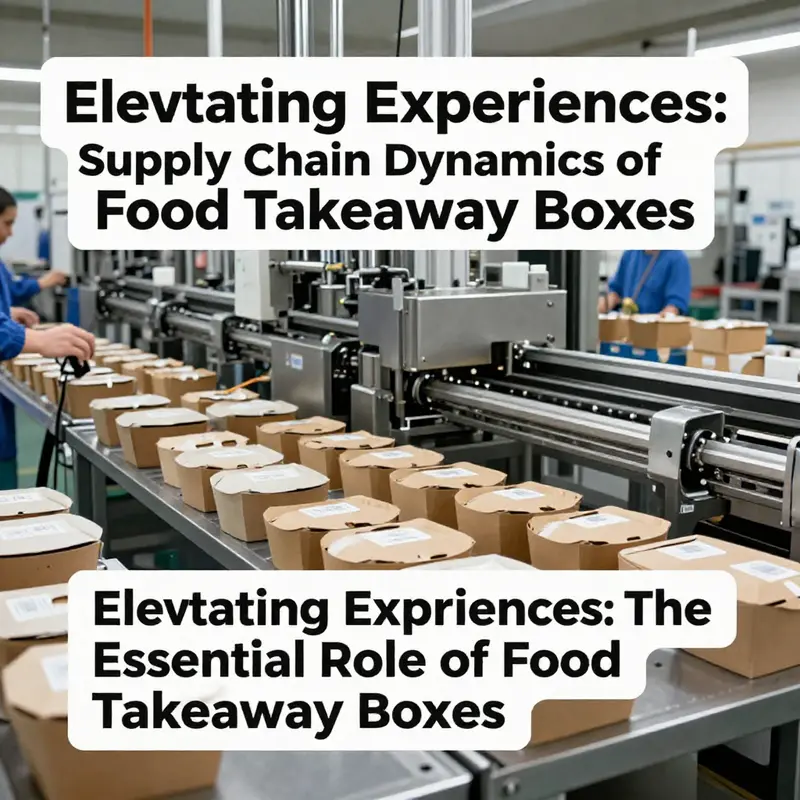
In the intricate ecosystem of food delivery and service, the manufacturing and supply chain dynamics of takeaway boxes form the backbone of a rapidly growing industry. These boxes do more than simply transport meals; they assure food safety, brand consistency, and environmental stewardship. At the heart of this network lies a well-coordinated system that spans extensive industrial regions, advanced production technology, and sophisticated logistics processes. The story of food takeaway boxes is one of regional expertise, cutting-edge automation, and meticulous compliance with international standards.
A substantial part of global production is concentrated in China, where several provinces have cultivated highly specialized industrial clusters that excel in meeting the evolving needs of restaurants, fast food chains, meal kit providers, and online delivery services. In this network, Guangdong Province stands out as a powerhouse for export-oriented manufacturing. Factories in cities such as Guangzhou, Shenzhen, and Dongguan host expansive facilities – sometimes greater than 80,000 square meters – that run ISO-certified automated production lines. These large-scale operations are designed to produce massive orders with minimum order quantities often exceeding 50,000 units and are well-known for a fast turnaround that meets both domestic and international demands. No detail is too small when it comes to the manufacturing process: complex designs, high-precision branding and printing, and even moisture-resistant coatings are all achieved through the integration of advanced machinery into these state-of-the-art plants.
Yet, the story does not end with high volumes alone. Zhejiang Province contributes to the overall network by excelling in rapid customization and cost efficiency. Its manufacturers have fine-tuned flexible production methods, allowing them to cater to startups and mid-sized businesses that require standardized packaging solutions. The emphasis in this region is on agility; suppliers here can adjust production runs with low minimum order quantities, making it easy for emerging brands to experiment and innovate with their packaging designs. This nimble approach helps ensure that even smaller enterprises can participate in the booming takeout market while maintaining high standards of quality and design.
Further north and in parts of eastern China, provinces such as Anhui and Shandong are carving out niches in green packaging. As sustainability becomes an increasingly important consideration, these regions have specialized in the use of biodegradable and compostable materials including PLA (polylactic acid) films and bagasse. Companies in these areas are often aligned with the needs of environmentally conscious brands seeking to meet stricter international environmental regulations, particularly from Western markets. Innovations emerging from these regions not only reflect a commitment to sustainability but also contribute to the evolving design of eco-friendly takeaway boxes that keep pace with both performance requirements and environmental considerations.
These geographical clusters are united by the common goal of delivering packaging solutions that are both functional and adaptable. The production process, however, is not limited to the material itself. Largely responsible for the rapid growth in this sector is the impressive technology that underpins modern manufacturing. High-speed, roll-fed automatic box-making machines have revolutionized production by converting continuous paperboard rolls into finished takeaway boxes with minimal manual intervention. Such automation is indispensable for meeting the strict volume and turnaround time requirements demanded by global fast-food chains and meal delivery services.
The machinery deployed in this industry is diverse and highly specialized. Some production systems are tuned to produce multi-compartment or bento-style boxes that feature internal partitions to segment different food items. These systems integrate cutting, corrugation, forming, and sealing processes in a single automated workflow. In parallel, there are systems engineered to apply both eco-friendly and moisture-resistant coatings. These coatings are particularly vital for ensuring that takeaway boxes can safely transport foods like noodles, pizzas, and salads without compromising the container’s integrity during transit. For manufacturers that focus on a broad range of design demands, digital design tools further streamline the customization process, enabling specific branding elements and logos to be applied accurately and rapidly on every box produced. For instance, manufacturers offering eco-friendly disposable three-compartment packaging often integrate these advanced production processes, a fact that is evident in the impressive operational capabilities listed on resources like eco-friendly disposable 3 compartment packaging.
Beyond the technical aspects of manufacturing lies the equally critical realm of strategic sourcing and quality control. For business buyers, selecting the right manufacturing partner is a multifaceted decision that hinges on factory size, workforce expertise, production capabilities, and stringent compliance certifications. A factory that spans more than 10,000 square meters and employs over 100 workers is frequently regarded as a reliable partner. Such operations tend to maintain a high level of quality control, ensuring that each box not only meets functional standards but also adheres to international safety and environmental norms. Certifications, including those from regulatory bodies and independent organizations, provide a level of assurance that products conform to the necessary health, safety, and environmental benchmarks. For instance, global certifications like those issued by the Forest Stewardship Council (FSC) play a pivotal role in validating the sustainability of raw materials used in takeaway box production.
The logistics and export processes further underscore the inherent complexity of the supply chain in this industry. China’s proximity to major seaports such as Shenzhen Yantian and Guangzhou Nansha creates a logistical advantage. The robust export infrastructure not only facilitates the speedy shipment of large orders but also ensures that packaging products can reach remote markets with efficiency. This logistical efficiency is of paramount importance as food takeaway boxes are typically produced on extensive scales and shipped worldwide. For manufacturers, integrating automation with digital design and real-time shipping updates has resulted in a streamlining of the overall export process. This global network ensures that manufacturers and suppliers remain synchronized with the demands of a fast-growing, ever-shifting market landscape.
Economic factors also play a significant role in shaping supply chain dynamics and production methodologies. With the global food delivery market projected to expand significantly over the coming decade, the pressure to scale up production without compromising quality has never been higher. Global market projections indicate that the industry is set to grow at nearly 14.76% annually from 2026 onwards, driving investments in more sophisticated production technologies and sustainable raw materials. As companies seek cutting-edge packaging solutions that align with both functionality and sustainability, manufacturers are pressed to innovate continually. The interlinked relationship between market demand and manufacturing output forces every node in the supply chain to optimize its operations, be it in the design phase, production stage, or eventual logistics and distribution.
In addition to the sheer volume demanded by modern food delivery services, the evolving consumer profile has also spurred changes along the manufacturing and production lines. Today’s consumers place a strong emphasis on packaging aesthetics and environmental responsibility. As a result, manufacturing facilities are being retooled to offer customized finishes, integrated handles, and even translucent windows in boxes to enhance visual presentation. These improvements not only serve the functional purpose of food transport but also contribute significantly to brand identity and consumer engagement. While the evolution from traditional, simple containers to sophisticated, feature-laden boxes represents a technological triumph, it also encapsulates the broader trend of integrating environmental responsibility into every facet of production.
This shift towards customization and sustainability is also evident in the way companies manage supply chain transparency. By prioritizing direct relationships with manufacturers rather than intermediaries or trading companies, businesses can gain improved access to quality control measures and detailed product specifications. This direct sourcing model simplifies the supply chain, reducing the potential for miscommunication and ensuring that each order complies with specific aesthetic and functional criteria. In doing so, companies can ensure that their takeaway boxes reflect the values and standards of their brand while also meeting stringent regulatory guidelines. The rigorous process of factory assessment, coupled with direct negotiation for better pricing and quality assurance, has become integral to the modern sourcing strategy.
The success of the food takeaway box industry is rooted in a combination of traditional manufacturing excellence and cutting-edge technology. The move towards automation, sustainability, and improved logistics all contribute to an ecosystem that is resilient in the face of market fluctuations. As consumer awareness grows and environmental standards become more demanding, the industry is well-positioned to adapt. The intricate dance of supply and demand, geography and technology, quality control and rapid logistics, defines the current state of food takeaway box production.
In this highly competitive landscape, manufacturers are constantly innovating both the production process and the materials used to ensure their products not only perform well but also communicate a brand’s commitment to quality and environmental responsibility. The dynamic interplay between technological advancements and strategic sourcing choices ensures that companies remain at the forefront of the industry by offering products that meet modern safety, hygiene, and sustainability expectations. Every stage, from the initial design concept and materials selection to the finishing touches applied by digital printing, underscores the intricate nature of what might otherwise be taken for granted—a simple box is in fact a carefully engineered product sustained by a global network of expertise and innovation.
Looking to the future, the supply chains that support food takeaway boxes are expected to evolve further. Technological advancements in areas such as AI-driven inventory management, real-time tracking, and enhanced robotics in manufacturing promise to revolutionize the industry even more. As manufacturers adopt these new tools, they will be able to produce even more precise, high-quality packaging at reduced costs. Furthermore, as consumer demand pushes for more environmentally conscious products, sustainable material innovations will continue to drive the market, resulting in a more circular economy within the food packaging sector. This vision of the future is bolstered by continuous improvements in both production and logistics, ensuring that the food takeaway box remains a symbol of quality, efficiency, and sustainable progress.
Thus, the manufacturing and supply chain dynamics behind food takeaway boxes are a testament to global collaboration and advanced innovation. They blend the rich traditions of regional manufacturing expertise with the modern imperatives of speed, precision, and green technology. This multifaceted narrative reveals a network where every element is meticulously managed – from the state-of-the-art production machines and efficient export logistics to the rigorous standards that guide sustainable, quality production. It is a world where every box carries not only a meal but also the legacy of an intricate, globally interconnected system that continues to set the benchmark for modern food service.
For those interested in a deeper exploration of how sustainable production standards are maintained, additional resources can be found by visiting comprehensive regulatory sites that streamline compliance for manufacturers.
As this narrative illustrates, the journey from raw materials to the finished takeaway box is one of relentless innovation and precise execution. The coordinated efforts among regions, technology integration, and the strategic focus on sustainability have established a robust platform for the industry’s future growth. By bridging cutting-edge production with global logistical networks, food takeaway boxes remain more than simple containers – they are sophisticated instruments that carry forward reliability, efficiency, and a steadfast commitment to environmental responsibility.
Further insights into such manufacturing excellence and compliance standards can be accessed at an external resource such as FSC International.
Innovative Packaging: Navigating Market Trends and Consumer Expectations in Food Takeaway Boxes
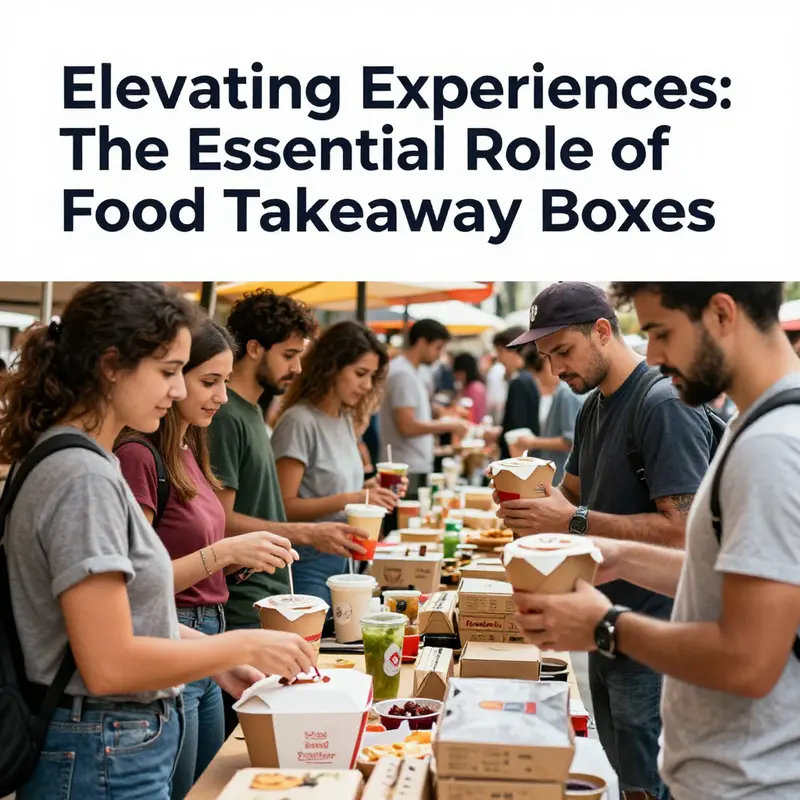
Food takeaway boxes have grown from simple carriers of hot meals into sophisticated reflections of technological innovation and evolving consumer values. Over the past few years, these packaging solutions have undergone a transformation driven by the need for increased functionality, sustainable practices, and an enhanced customer experience. Today’s food service and delivery industry relies on these boxes not only to protect and preserve food quality but also as a statement of a brand’s commitment to modern, eco-conscious practices.
At the heart of this evolution is the increasing integration of technology into takeaway packaging design. Modern boxes can now feature QR codes that provide customers with real-time tracking and order updates, seamlessly connecting the digital world with physical packaging. This integration of digital features deepens the overall customer experience while also offering businesses valuable data on consumer behavior and logistics. As technology continues to evolve, these tools create opportunities for brands to tailor their services more directly to the needs and preferences of their clientele.
Consumer preferences are a key driving force in this transformation. Modern consumers seek convenience, reliability, and peace of mind when it comes to food ordering and delivery. They expect packaging that maintains the temperature of hot meals and preserves the crispness of salads and sides. The design of takeaway boxes is increasingly focused on ensuring that food items remain visually appealing and intact even after a long journey from kitchen to doorstep. This demand has spurred the development of innovative multi-compartment designs, which allow customers to enjoy meals that require separation to maintain quality. For example, the popularity of boxes with separate compartments for sauces, sides, and main dishes illustrates the growing emphasis on portion control and visual presentation. These design features not only enhance the overall dining experience but also align with the contemporary lifestyle that values both health and convenience.
Equally significant is the rising emphasis on sustainability. The environmental impact of single-use plastics and non-biodegradable materials has led many food service providers to explore eco-friendly alternatives. Today, the industry is witnessing a shift towards biodegradable and compostable materials such as kraft paper, sugarcane bagasse, bamboo pulp, and recycled cardboard. With an eye towards a circular economy, brands are now investing in packaging that reduces waste and minimizes their carbon footprint. For instance, FSC-certified kraft paper boxes are gaining traction due to their durability and recyclability, as well as the natural aesthetic they offer. Amid growing global environmental concerns, every step toward sustainability matters, and food takeaway boxes have become a canvas on which brands can showcase their commitment to a greener future.
The infusion of technology and sustainability into packaging design does not come without its own challenges. Advanced manufacturing techniques and specialized machinery have become critical in meeting the high demand for reliable, eco-friendly takeaway solutions. Modern paper container making machines and thermoforming equipment now offer the precision, speed, and customizability required to produce packaging at scale. Manufacturers located in key regions benefit from integrated supply chains and competitive production costs, ensuring that even the smallest details—such as a moisture-resistant coating or an integrated handle—are executed with precision. Yet, companies must also navigate strict global standards and regulatory environments, where certifications like FSC and EPR are more than just labels; they are hallmarks of quality and environmental stewardship.
The shift in the food takeaway box market is also marked by heightened consumer awareness regarding the packaging’s impact on the environment. Customers increasingly question the lifecycle of the materials used, from production to disposal. This scrutiny has prompted companies to innovate continuously in order to stay ahead of both competitors and consumer expectations. In many cases, businesses have discovered that by offering packaging solutions that blend functionality and sustainability, they not only boost brand loyalty but also capture an emerging market segment that is willing to invest in green initiatives. This trend reflects a broader movement toward responsible consumption and production, where the journey of a product is as important as its final delivery.
Design ingenuity plays a critical role as well. The rise in popularity of multi-compartment or bento-style boxes is one such example of form meeting function. By incorporating internal dividers, these boxes allow a diverse meal to be served in a single container without compromising the quality of individual components. Such designs are particularly popular among health-conscious consumers who appreciate portion control and balanced meal presentation. At the same time, the simplicity and reliability of sealed clamshell designs continue to be favored by fast-food chains and quick-service restaurants due to their secure sealing properties. Both designs reflect the evolving demands of a market that values both aesthetics and practicality, and they underscore the importance of innovation in keeping pace with shifting consumer preferences.
This evolution in packaging is not confined solely to aesthetic or functional improvements. It is also deeply intertwined with supply chain strategies and international trade dynamics. For businesses sourcing their takeaway boxes, the importance of partnering with reliable suppliers cannot be understated. Regions with established manufacturing ecosystems offer not only cost-effective solutions but also a level of customization that suits diverse market needs. By leveraging platforms that connect businesses with verified suppliers, companies can access a wide array of design options—from custom-printed branding to tailor-made compartmentalized boxes designed for specific food types. An example of such innovation can be seen in the availability of eco-friendly, 3 compartment food packaging solutions that cater to the increasing demand for organized, sustainable packaging options. These solutions exemplify how manufacturers are collaborating with brands to meet the dual demands of consumer convenience and eco-conscious practices.
Throughout these innovations, the underlying necessity remains the same: food takeaway boxes are instrumental in shaping customer perceptions. Every aspect—from the durability of the materials used to the innovative features sewn into the design—contributes to a consumer’s overall experience. In an arena where food quality might be impeccable but presentation falls short, the packaging can be the differentiating factor that influences repeat business and enhances a restaurant’s reputation. In this light, the takeaway box transforms into more than just a container; it becomes a tangible expression of brand identity, reliability, and customer care, influencing decisions at every step of the dining experience.
Economic impacts also play a significant role in the industry’s growth. Market forecasts predict that the global food delivery boxes sector is set to experience a robust compound annual growth rate of nearly 15% over the upcoming years. This growth reflects not only the expanding popularity of food delivery services but also a broader shift in how consumers view convenience and sustainability. Business models that once relied on traditional packaging are now compelled to innovate both in terms of material use and design, ensuring that they remain competitive in a fast-paced marketplace. This upward trend in market size is further bolstered by changing lifestyles that prioritize efficient service, upgraded packaging, and a commitment to environmental responsibility.
Intertwined with market trends is the necessity for affordable solutions. As consumer demand grows, cost-effectiveness remains a central consideration. There is a constant balancing act between delivering innovative, sustainable packaging and keeping production costs in check. Advances in manufacturing technology have allowed companies to scale production without sacrificing quality, effectively creating packaging that meets high standards at competitive prices. The benefits of these developments are twofold: businesses enjoy increased profit margins while customers receive superior, eco-friendly products. This balance is essential as companies navigate a landscape where both innovation and cost efficiency are key to capturing market share.
Looking ahead, the future of food takeaway boxes appears both promising and challenging. As urbanization continues and the need for quick, reliable food delivery increases, the pressure on brands to innovate will only intensify. Emerging trends such as smart packaging—where sensors monitor freshness and safety—are beginning to make inroads into the industry. In parallel, regulatory pressures and consumer expectations for transparency around environmental impact will drive further innovation. Companies are expected to invest in research and development to explore new materials and design approaches that not only meet stringent standards but also captivate consumers with their innovative features.
What remains indisputable is the integral role these boxes play in the overall dining experience. As food services evolve to cater to bespoke needs and diverse tastes, the packaging becomes an essential element of the brand’s identity. Food takeaway boxes have transitioned from a passive mode of delivery to an active ambassador for a company’s values and vision. Their design, whether featuring state-of-the-art technological integrations or sustainable materials, encapsulates the ongoing dialogue between brand reliability and consumer expectations. This dialogue ultimately helps forge a connection between producer and consumer, fostering trust and encouraging repeat engagement.
In this landscape, every improvement in packaging design represents an opportunity for companies to differentiate themselves in a highly competitive market. As brands experiment with bold designs and innovative features—ranging from moisture-resistant coatings to custom branding—the takeaway box becomes a medium through which culinary experiences are communicated. The ability to present food in a way that is both appealing and practical is no small feat, yet it is one that modern food service providers continually strive to perfect. Consequently, the evolution of food takeaway boxes reflects not only changes in consumer behavior and technological advancement but also a profound rethinking of what constitutes an exceptional customer experience.
This dynamic interplay of design innovation, consumer demands, and market growth propels the industry into a future where sustainability, technology, and aesthetic appeal intersect. Businesses that adapt to these trends by investing in research, embracing green materials, and utilizing innovative manufacturing techniques are likely to thrive. The continuous improvement in how these boxes are designed and produced underscores the importance of staying ahead of consumer expectations while handling logistic and regulatory challenges with equal finesse.
Moreover, successful adaptation in this sector requires a delicate collaboration between designers, manufacturers, and brand managers—a partnership that is often facilitated through global platforms that ensure transparency and reliability. By building strong relationships with suppliers and leveraging the latest in digital printing and coating technologies, businesses can develop takeaway boxes that are not only cost-effective and sustainable but also compelling in their design and functionality. As market players invest in these relationships, they are not simply purchasing a product but are, instead, investing in a key component of their brand’s future.
The rapid growth in the food takeaway box market is a testament to the transformative power of innovation in an industry where convenience meets culture. With a projected market value reaching staggering levels in the coming years, the convergence of economic imperatives, technological breakthroughs, and evolving consumer mindsets heralds a new era in food packaging. For brands looking to secure their competitive edge, the ability to offer advanced, sustainable, and visually captivating takeaway boxes will be paramount. This evolution is not merely a trend but is founded on a comprehensive reimagining of how food is experienced and enjoyed in a modern world.
For those interested in exploring solutions that embody these trends, options such as eco-friendly, 3 compartment food packaging solutions offer a glimpse into the future of takeaway packaging. As companies continue to innovate and align their practices with environmental and technological advancements, the food takeaway box will undoubtedly remain a critical aspect of the culinary experience.
For further insights into the market dynamics and future projections of food delivery boxes, you can refer to the detailed report available at Global Food Delivery Boxes Market Size, Share, Growth, Trends, 2034.
Final thoughts
In summary, food takeaway boxes are key players in the food service and delivery industry, combining functionality with sustainability. From innovative materials that cater to diverse food types to designs that enhance customer engagement, the evolution of these packages reflects broader industry trends. As consumers increasingly prioritize environmental responsibility, businesses must adapt by choosing sustainable packaging solutions that align with their brand values. Keeping abreast of market dynamics and manufacturing processes will ensure that your offerings remain competitive and relevant in this ever-changing landscape. Investing in the right takeaway packaging not only meets customer expectations but also contributes to a more sustainable future.