
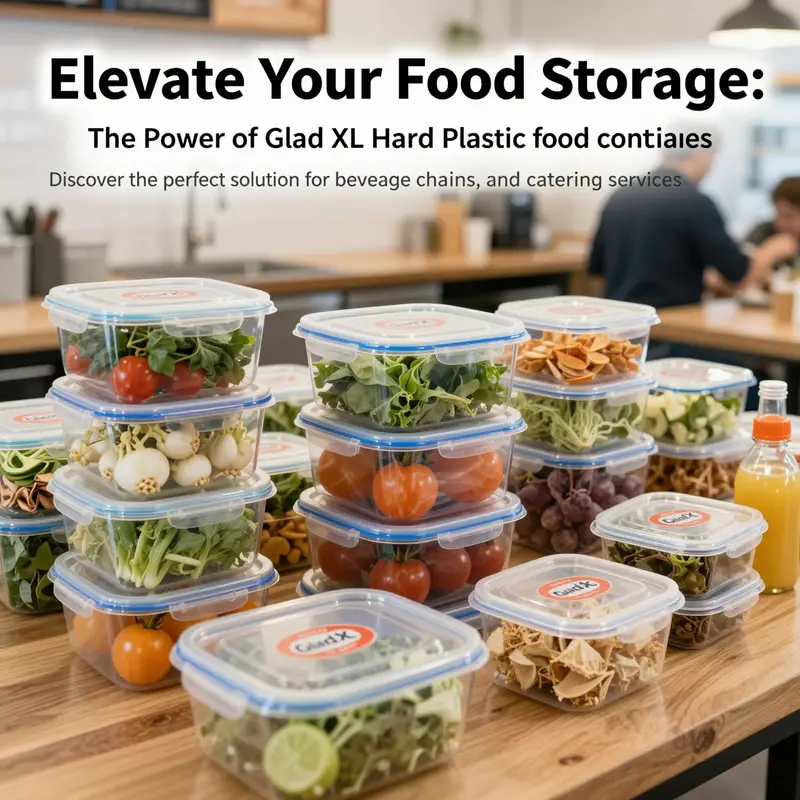
With the demand for efficient and reliable food storage solutions on the rise, Glad XL Hard Plastic Food Containers stand out for their durability and versatility. Designed with professionals in mind, these containers seamlessly fit into the operations of Bubble Tea Shops, Restaurants, Food Trucks, and Catering Services. This article elaborates on their features and specifications, highlights their benefits and use cases, and compares them with alternative food storage solutions to ensure informed decision-making.
XL Hard Plastic Food Containers: Features That Make Leftovers Smart, Meals Portable, and Kitchens More Organized
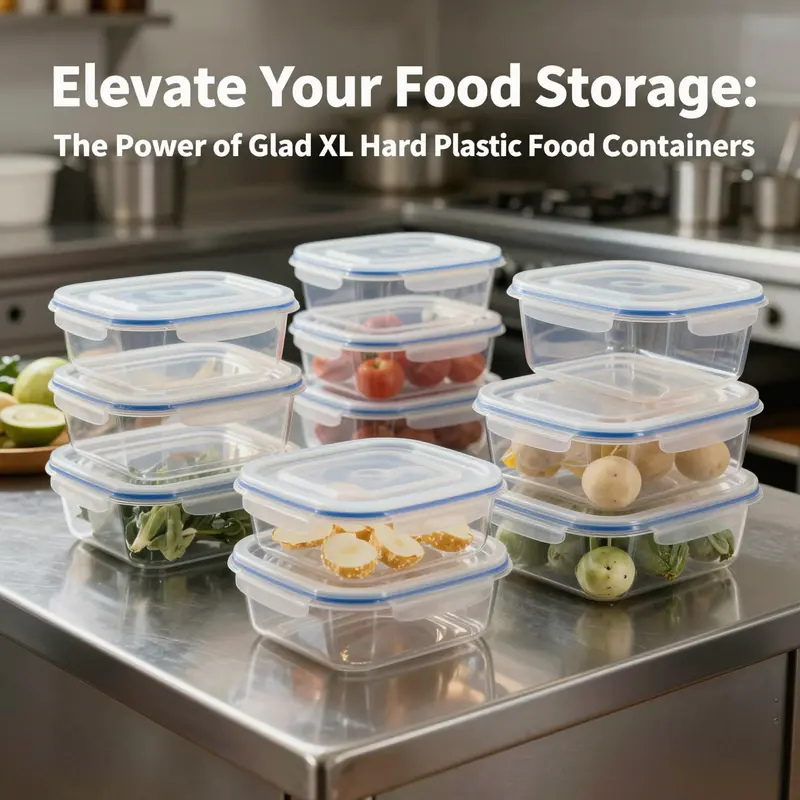
In the busier aisles of modern kitchens, storage solutions aren’t just shelves and lids; they are a quiet, reliable system that keeps every meal and ingredient within reach. XL hard plastic food containers exemplify this logic. They marry generous capacity with practical design, offering a dependable home for bulk meals, family-size leftovers, and the ingredients that fuel a week of cooking. The appeal starts with a straightforward idea: one container that can hold a full entrée or a batch of ingredients, yet still fit efficiently in the fridge, freezer, or cabinet. That combination—size without chaos—speaks to a kitchen philosophy that prizes predictability, minimization of waste, and the freedom to plan ahead without sacrificing accessibility when hunger or a schedule demands a quick, wholesome option. In this sense, these containers function as a bridge between meal planning and day-to-day living, turning a once-frantic task into a sequence of manageable steps that support both nutrition goals and time management.
A core feature that anchors this practicality is the airtight seal. At the top of each container sits a secure lid equipped with a silicone gasket that creates a tight barrier against air and moisture. This isn’t just about keeping smells contained or preventing leaks from a soup that’s destined for a commute; it’s also about preserving freshness across a range of temperatures. When leftovers are tucked away for later, the seal slows the staling process, helps maintain the texture of ingredients, and reduces the chance that flavors bleed into each other when stored side by side in the fridge or freezer. In daily use, that airtight performance translates into fewer spills during transport, which is a relief for those who routinely carry meals to work, school, or social events. The result is a container that earns its keep not only by holding food but by safeguarding the meal’s integrity from the moment it’s packed to the moment it’s enjoyed.
Material choices reinforce safety and versatility. These containers are built from BPA-free plastic, a commitment that aligns with a broad intention to minimize exposure to potentially harmful chemicals. The plastic commonly used in these products is chosen for its stability under common kitchen conditions, including repeated cycles of freezing, microwaving, and washing. The BPA-free construction helps address concerns about chemical leaching, a consideration that becomes especially meaningful when planning meals that will be reheated or stored for longer periods. A practical upshot of this material choice is peace of mind for households that juggle multiple meals or who rely on batch cooking as a time-saving strategy. For individuals who routinely move between freezer aisles, microwaves, and dishwashers, this material combination provides a balance of safety and convenience that supports a busy rhythm without demanding special handling.
In terms of capacity, the XL designation is more than a marketing cue. A typical large-capacity option runs around 40 ounces, roughly 1.2 liters, which translates into real-world usefulness. This size is ample for storing a full entrée or substantial portions of ingredients like cooked rice, chili, or a hearty casserole. It also suits batch-cooked meals designed to be portioned out for several days. The abundance of space is not a reckless invitation to overfill; instead, it’s a functional canvas that accommodates a wide range of meals while avoiding the cramped, multi-container juggling that smaller options often entice. The ability to prepare a bulk amount means fewer cooking days and more consistent portion control, a win for households that aim to reduce waste while keeping mealtimes predictable and balanced.
The shape and stackability of XL hard plastic containers contribute to a quiet but powerful efficiency in the kitchen. Their rectangular silhouette optimizes the way they nest and slide into both refrigerators and freezers, making it easier to orient containers by contents or date without wasting precious shelf space. Interlocking lid features add another layer of organization: lids stay associated with their corresponding bases, reducing the likelihood of misplacement and the inevitable rummaging that can derail a tidy kitchen. When these containers are not in use, their stacking profile encourages a neat, compact pantry or cabinet arrangement. Clear, transparent bodies further this efficiency by letting you identify contents at a glance—no need to open each container to know whether you’re grabbing last night’s soup or tomorrow’s marinade. This visibility is a small but meaningful lever in the broader habit of reducing waste; you reach for what you see, which often translates into fewer forgotten ingredients and more intentional meal planning.
Safety and convenience continue to intersect in the design. Beyond the airtight seal and BPA-free material, many XL containers are described as freezer-safe, microwave-safe, and dishwasher-safe. This trio of capabilities is a practical triad for those who rely on batch cooking and efficient cleanup as pillars of their routine. Freezer safety means you can prepare meals in advance and know they’ll endure the cold without cracking or losing their seal. Microwave safety invites reheating directly in the same container, a convenience that minimizes dishwashing and speeds up meal turnover. And dishwasher safety takes a load off after a long day, turning cleanup into a straightforward, hands-off process. The combination of these features makes XL containers a versatile ally for meal prepping, whether you’re feeding a family, a shared apartment, or yourself during a hectic workweek.
Yet no product line is without caveats. A common observation across reviews is that plastic, over time and with repeated washing or exposure to higher temperatures, may develop a slight cloudiness. That cosmetic change doesn’t typically reflect a loss of structural integrity or a reduction in safety, but it can alter the way contents appear through the container walls. It’s a small trade-off for the long-term durability and affordability that these containers offer. For households prioritizing an unblemished, glass-like clarity, there is indeed a premium alternative in glassware lines that are oven, microwave, freezer, and dishwasher safe and fought against odors and stains. Those options, however, bring a heavier weight and a higher price point, factors that some kitchens simply cannot accommodate in a busy, budget-conscious routine. In the end, the choice rests on weighing the practical benefits of plastic’s lightness, cost, and flexibility against the desire for a pristine, crystal-clear appearance.
The daily rhythm of meal prep also highlights how these containers support a more organized approach to food storage. When you portion meals for the week, the 40-ounce capacity allows for entire family-sized portions to be prepared at once, eliminating the repetitive cycles of cooking multiple smaller dishes. This scale helps streamline grocery planning, since you can estimate quantity with greater confidence and adjust batch sizes to align with planned menus. The rectangular form, with its efficient stacking, reduces the time spent reshuffling containers in the fridge and minimizes the number of times you must move items to access what you need. The lid’s interlocking design further reduces clutter, because a matching lid no longer gets buried under a pile of other containers. In turn, the kitchen becomes a more predictable workspace. You know where to find the base, where to locate the lid, and how many portions you’ve prepared for the week, all of which contributes to a calmer, more controlled cooking cycle.
The practical versatility is what keeps these containers relevant across diverse routines. Their generous capacity, robust sealing, and compatibility with the freezer, microwave, and dishwasher make them a strong fit for family meals, single-person meal preps, or shared living arrangements where food needs to travel securely to workplaces or school. They are particularly well-suited to storing soups, stews, casseroles, and other hearty dishes that often expand beyond a single family dinner. Freezer storage is another major strength, enabling you to prepare large batches of components or complete meals that can be reheated later with little effort. This approach aligns with a broader goal of reducing daily cooking time while ensuring meals stay appetizing and well-preserved for longer periods. And when it’s time to head out, these containers remain surprisingly portable. The combination of a secure seal and a sturdy construction helps prevent leaks during transport, which is especially valuable for liquids or semi-liquid dishes that sometimes complicate trips to work, school, or gatherings.
In the spirit of practical, real-world use, it is also worth noting a common-sense consideration about care. The ease of cleaning—often achieved through dishwasher-safe construction—contributes to the overall lifecycle of the containers. Keeping lids and bases free of residue preserves clarity and reduces lingering odors. If a dish is particularly fragrant or oily, a quick pre-rinse can prevent buildup and help maintain the container’s transparent appearance over time. For households that cycle these containers through freezer, microwave, and dishwasher, it’s not unusual to stack a few with the same labels outward, making it even simpler to locate the right container before the next batch of cooking or reheating begins. The practical benefits extend beyond cooking, as a well-organized storage system reduces decision fatigue when planning meals. You can pull a container from the stack, identify its contents instantly, and either finish a dish or reheat it with confidence, knowing you aren’t compromising food safety or quality.
The interplay of features—capacity, seal, material, and design—produces a coherent, everyday utility that many households find indispensable. But the chapter of storage does not end with function alone. It also invites you to consider how these containers integrate with the broader ecosystem of kitchen packaging and transport. For households that value portability and minimize waste, the ability to reuse containers for carrying meals, snacks, or even components of a larger picnic or lunch setup can be a meaningful advantage. When thinking about on-the-go meals, many find that a container with a reliable lid and a sturdy build offers a durable alternative to disposable packaging. It’s a small behavioral shift that aligns with recurring routines, reduces waste, and supports a more intentional approach to eating away from home.
For readers curious about how these containers fit into the wider landscape of takeout-friendly packaging and portable meals, there is a practical intersection worth exploring. Take your daily routine to-go with interfaces that pair well with reusable storage options and disposable packaging alike. For an example aligned with the convenience of portable meals, you can explore take-away packaging options that are designed to accompany similar culinary workflows. take-away food packaging boxes for takeout meals emphasizes the kind of efficiency that complements the use of large, reusable containers in a kitchen that moves quickly and plans ahead.
The overall impression is that XL hard plastic containers offer a balanced blend of space, protection, and ease that fits neatly into a modern cooking life. They support batch cooking without inviting chaos, keep a range of foods safer and fresher for longer, and adapt to the varied demands of daily routines. They also encourage a disciplined approach to organization—one where the visibility of contents reduces unnecessary openings and the stackable design saves valuable cabinet real estate. In a world where meals can be planned, cooked, packaged, and reheated in efficient sequences, these containers become a quiet but essential partner in maintaining order, reducing waste, and freeing time for more meaningful kitchen moments. The choice between plastic and glass ultimately circles back to values and needs: plastic offers lightweight durability, cost-effectiveness, and flexibility, while glass promises a longer-lasting clarity and different heat-handling characteristics. Either path supports a larger objective—making food storage safer, neater, and more reliable so that nourishment remains the steady thread through the everyday rhythm of family life and personal routines.
External resource: https://www.walmart.com/ip/Glad-XL-Hard-Plastic-Food-Containers-40-oz-3-Count/567928425
XL-Size Airtight Plastic Containers: Rethinking Storage, Meal Prep, and Everyday On-The-Go Food
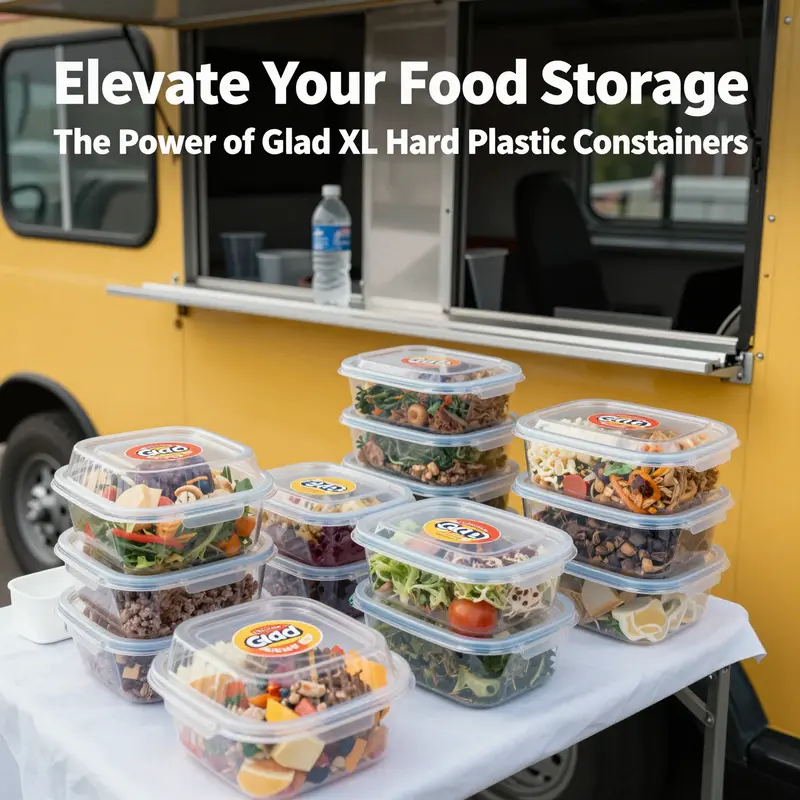
The kitchen is a theater of daily frictions: mornings rush, leftovers crowd the fridge, and the tug-of-war between convenience and care for what we eat. In this landscape, XL-size, hard plastic containers with airtight seals have quietly become indispensable tools. They are not flashy gadgets but reliable workhorses that streamline how we store, reheat, and transport meals. When you embrace the idea of large containers, you are embracing more than volume; you are embracing a modular approach to kitchen organization that scales with a busy life and a growing repertoire of dishes.
The heart of their practicality lies in the airtight seal: a secure lid that locks in moisture and aromas while keeping external odors at bay. This is especially valuable for leftovers and batch-prepped meals that sit in the fridge for days or travel in a bag to work, school, or a friend’s home. The larger form also supports fewer, better-packed vessels, which reduces clutter and simplifies the daily routine. Space efficiency comes from interlocking lids, nesting bodies, and transparent walls that let you see what lies inside at a glance.
Beyond storage, these containers invite a more deliberate approach to meal planning. They support batch cooking, portion control, and confident reheating in the same vessel, which can cut down on transfers and cleanup. They are durable, microwave-safe for reheating, freezer-friendly for long storage, and dishwasher-safe for routine cleaning. The trade-offs – weight, price, and the need to handle glass alternatives in certain workflows – are real, but for many households the benefits of durability, versatility, and ease of use outweigh them.
In short, XL airtight plastic containers are more than containers; they are a framework for organized eating. They help you manage portions, protect flavors, and move meals from kitchen to table with less hassle and less waste.
Choosing the Right Home for Your Meals: XL Hard Plastic Storage vs Glass, Stainless Steel, and Other Plastics
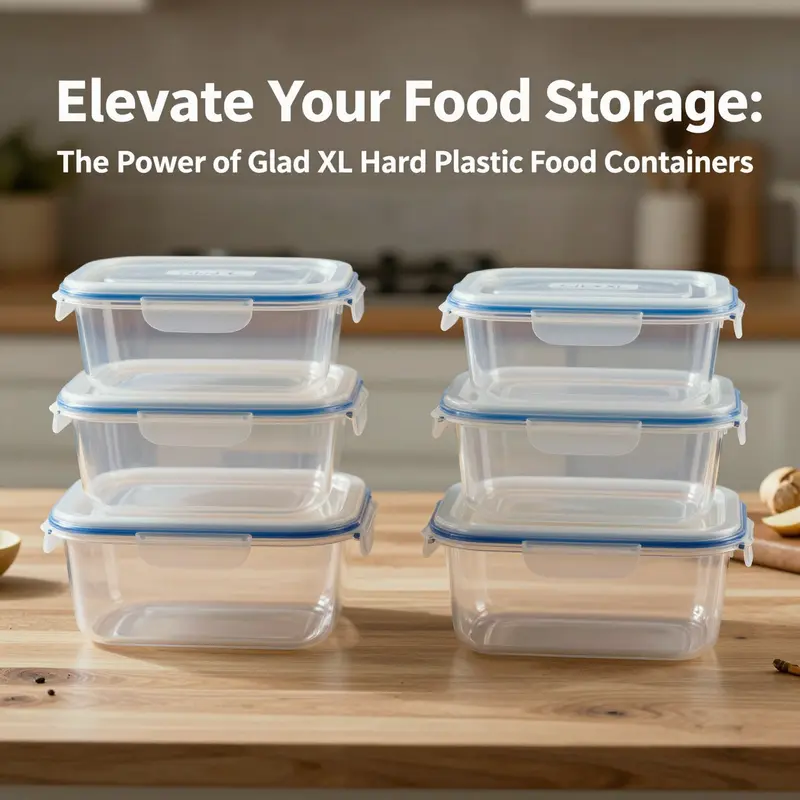
Choosing the right vessel for storing, transporting, and reheating meals is as much about daily practicality as it is about long-term kitchen philosophy. XL hard plastic storage containers, with their generous capacities and snap-on lids, have become a staple in busy homes. They offer a blend of affordability, convenience, and space efficiency that speaks to the modern rhythm of meal prepping and pantry organization. Yet every storage system comes with trade-offs, and a thoughtful consumer weighing those trade-offs will look beyond the obvious affordances. The question, then, is not simply which can hold the most or be heated the fastest, but which option aligns with the user’s routines, safety priorities, and environmental considerations over time. In this chapter, we explore how XL hard plastic containers compare with tempered glass, stainless steel, and other plastic brands, and we consider what each choice means for everyday use, long-term storage, and the logistics of life on the go.\n\nFirst, the plastic option in question is typically made from BPA-free polypropylene, a material known for a favorable balance of rigidity, chemical stability, and light weight. This composition makes the containers compatible with a microwave, freezer, and dishwasher, features many households rely on for meal-prep cycles that repeat week after week. The rectangular shape is not accidental; it is designed to maximize fridge and freezer real estate, allowing full meals, bulk ingredients, or large portions of leftovers to be stored with minimal wasted space. The lid technology—secure snap-on lids that create an airtight seal—addresses a critical consumer need: minimizing leaks during transport and preserving freshness through multiple cycles of refrigeration or freezing. Add the interlocking design that helps lids stack in a nested, space-saving arrangement, and you have a storage system that can be organized with the same efficiency as a well-planned kitchen drawer.\n\nBut a balanced assessment requires looking at the trade-offs. Glass containers, often marketed for long-term durability and oven-to-table usability, present a very different proposition. Tempered glass is non-toxic, non-porous, and resistant to staining and odor absorption. It does not warp under normal use and is fully recyclable, marking a strong environmental appeal for some households. The downside is clear in weight and fragility: glass is heavier and more prone to breakage if dropped or mishandled in a crowded lunchbox or a hectic morning routine. Oven-safety, while a virtue for glass, introduces another dimension of heat tolerance that plastic generally handles with more confidence. Glass storage shines when the intent is to reheat and serve directly from the container, and when long-term storage is a priority that minimizes flavor or smell transfer. In practice, however, glass can be less forgiving in small kitchens where space is at a premium, and in busy households where frequent, on-the-go use is the norm.\n\nStainless steel containers enter the conversation as the sturdy alternative for people who need resilience and temperature retention beyond what plastic offers. 18/8 or 304-grade steel is known for durability, rust resistance, and the ability to hold temperature, making steel a natural choice for picnics, outdoor activities, or meals that must stay hot or cold for extended periods. Yet steel has its own drawbacks. It is not transparent, so you cannot visually confirm contents without opening the container. It is typically heavier and more expensive, and it can be less forgiving in unheated environments where the food is acidic or spicy, potentially causing flavor carryover over time. In addition, while stainless steel can be compatible with hot foods, not all designs are suitable for oven or stovetop use, and many are not microwave-safe. The practical takeaway is that stainless steel excels in rugged, temperature-managed scenarios and in contexts where visibility is not a requirement, but it adds friction to day-to-day kitchen management when quick identification of contents and easy, light handling are priorities.\n\nAmong other plastics, the market offers a spectrum of options that aim to balance cost, durability, and usability. Some brands emphasize tighter seals or different locking mechanisms, while others optimize for stacking depth or clarity. While these plastic options share the general advantage of being affordable and lightweight, differences in lid design, gasket quality, and plastic hardness can affect performance over time. A common observation across multiple brands is that repeated freezing, washing, and reheating can lead to slight warping or cloudiness. The clouding, while not impacting safety in most cases, can alter the user experience by diminishing the ease of content recognition through the container walls. Warping, similarly, tends to be most noticeable under extreme temperature cycling and long-term use. Such phenomena remind shoppers that even high-quality plastics have an operating envelope; within that envelope, XL hard plastic storage remains a practical choice for everyday meals and weekly meal-prep schedules.\n\nTo weigh these options properly, it helps to map real-world use cases to the strengths and limitations of each material. For meal prepping and portion control, the XL plastic option delivers an immediate benefit: the right size, the right seal, and the right price. The airtight snap-on lid reduces the risk of spills when containers are stacked in a bag or a backpack, which is a common concern for commuters and students. The ability to reheat in the same container, combined with dishwasher safety, makes post-prep cleanup simpler, a nontrivial factor for families juggling multiple weekday schedules. The transparency of the plastic walls is another practical virtue, enabling quick content checks without unpacking. In a busy kitchen, this fosters a more efficient workflow: you can see whether a particular portion is ready to reheat or if a batch needs to be reorganized in the fridge to fit a new purchase.\n\nFor freezing and long-term storage, the plastic option holds up well for many everyday needs. Large volumes fit neatly in the freezer, and the airtight seal helps slow moisture loss and odor migration across containers. Yet if the priority is longevity under extreme temperature shifts or repeated cycles of freezing and reheating, glass and stainless steel often demonstrate advantages that plastic may not match. Tempered glass can retain quality across cycles with less risk of flavor carryover and staining, while stainless steel can sustain a consistent temperature profile in outdoor or high-use contexts. The trade-off, of course, is the lack of visibility and the added weight. In practice, many households adopt a hybrid approach: use plastic for daily meal prep and quick transport, reserve glass for certain home meals or oven-to-table occasions, and keep stainless steel for on-the-go activities where durability and insulation are paramount.\n\nAn important dimension that often informs this choice is how the storage system impacts the broader kitchen ecosystem. The interlocking lid design and nesting capability of the XL plastic containers contribute to a more organized pantry. The capacity to stack efficiently helps to reclaim cabinet real estate, an asset in smaller kitchens or in households that rely on a rotating stock of containers for meal prep, school lunches, or office lunches. The advantage of visibility—seeing the contents through clear walls—reduces waste in the fridge by decreasing the chance of forgotten leftovers. In contrast, glass and stainless steel, while offering other advantages, tend to be heavier and bulkier, which matters for families with limited storage space or for people who frequently move meals between car, office, and home.\n\nEnvironmental and safety considerations also shape the discourse. Plastic storage that is BPA-free and designed for reuse aligns with a broad approach to reducing single-use packaging. The polypropylene-based options commonly used in XL plastic containers offer a balance of chemical stability and ease of cleaning. They are compatible with typical home appliances, reducing the friction of reheating and cleaning—an important factor for households with time constraints. However, every plastic container has an end-of-life question. If a container becomes cloudy, warped, or deeply scratched, its repeated performance can wane, prompting some consumers to transition to glass for longer-term use or to stainless steel for rugged, outdoor-friendly storage. From an environmental perspective, glass is highly recyclable and can be preferred by those aiming to minimize plastic in the long run. Steel, too, can be recycled indefinitely, but its production and the energy costs associated with heavier materials are considerations some households weigh when choosing a long-term storage strategy.\n\nWithin the broader landscape of storage options, one practical approach is to view these materials as tools tailored to distinct tasks rather than as competing absolutes. For the daily grind of meal prepping, leftovers, and on-the-go lunches, XL hard plastic containers can be the workhorse: affordable, light, and versatile. They excel in keeping meals organized and portable, and they provide reliable performance for standard kitchen routines. Yet as needs evolve—whether toward longer-term storage, oven-to-table service, or outdoor use—an informed consumer will naturally consider glass or stainless steel or even different plastic designs to complement the core plastic set. And for households prioritizing transparency, ease of cleaning, and a minimal odor-retention profile, glass remains a benchmark that plastic containers sometimes struggle to surpass.\n\nThe decision, then, hinges on aligning these material properties with your routine. If your week revolves around a predictable cycle of meal prep on Sundays, daily storage in the fridge, and regular reheating in the microwave, XL hard plastic presents a compelling blend of practicality and cost-efficiency. If your lifestyle demands oven-to-table functionality or you want a container that resists staining across years of use, glass might be the better long-term investment. For outdoor excursions, picnics, or situations where temperature stability is paramount and weight is less of a concern, stainless steel offers a rugged alternative. Even within plastics, shopping choices can narrow further: some brands emphasize thinner walls for lightness, others push for tighter gaskets or more secure locking mechanisms. Consumers should weigh not just the upfront price, but the cumulative cost of replacement, the availability of compatible lids, and the ease of cleaning across the life of the product.\n\nAs readers complete this comparison, the central takeaway is that there is no single best option for every scenario. The optimal choice depends on what matters most in a given moment—whether it is ease of use, resilience in transit, heat tolerance, or environmental impact. For households managing multiple meal-prep cycles per week, there is undeniable value in a well-designed plastic system: clear bodies for quick content checks, space-saving interlocks, and a price point that makes it feasible to outfit a pantry with several units. Simultaneously, the flexibility of glass or stainless steel in other contexts is a reminder that a diversified approach often yields the best long-term satisfaction. The key is to stay mindful of the strengths and limitations of each material and to choose the storage solutions that fit your specific routines, cooking habits, and values.\n\nTo deepen the practical understanding of alternatives as you refine your kit, consider exploring related packaging solutions that extend beyond the kitchen pantry. For example, an avenue of choice that emphasizes portability and sustainability is the family of eco-friendly takeout boxes designed for reuse and microwave-ready environments. Such options often blend craft-paper aesthetics with practical, leak-resistant designs, offering a compatible set of features for those who frequently transport meals to work, school, or social gatherings. See this resource for an overview of that category and how it complements the broader storage landscape: eco-friendly takeout boxes for food packaging.\n\nFor readers seeking external context and specifications from a major retailer, a broader reference point is available that reviews safety certifications and typical usage scenarios for common food-storage solutions. This external resource can provide additional lens on how manufacturers address safety and performance across different materials and designs: https://www.walmart.com/ip/Glad-FreezerWare-Food-Storage-Containers-24-Ounce-Rectangle-4-Count/1234567890. While the product name appears in that listing, the broader takeaway centers on compliance and practical usage in day-to-day kitchen life, rather than branding. The objective is to anchor the discussion in tangible, widely accessible guidance that helps readers calibrate expectations about durability, reheating compatibility, and cleanliness across storage formats.\n\nIn sum, the landscape of meal-storage solutions is characterized by a continuum rather than a hierarchy. XL hard plastic containers occupy a robust middle ground—combining cost-efficiency, portability, and a breadth of everyday utility. They are the steady workhorses of many kitchens, especially where space is tight and routines demand swift, reliable handling. Yet as needs evolve—whether toward longer-term storage, oven-to-table service, or outdoor use—an informed consumer will naturally consider glass or stainless steel or even different plastic designs to complement the core plastic set. The art of choosing, then, lies in recognizing the specific contexts in which each material shines and in assembling a storage strategy that honors those contexts, balances practical trade-offs, and supports a kitchen that runs with clarity, order, and confidence. By approaching storage with this nuanced lens, households can craft a system that not only preserves freshness and reduces waste but also harmonizes with their daily tempo and long-term values.
Final thoughts
Glad XL Hard Plastic Food Containers offer a blend of practicality, durability, and versatility that meets the demands of busy food businesses. Their large capacity, airtight seal, and BPA-free materials ensure quality food storage and preservation, making them ideal for a wide range of applications from meal prepping to catering. By choosing these containers, beverage chains, restaurants, food trucks, and event planners can enhance their service efficiency and food quality, ultimately driving customer satisfaction and loyalty.