
Choosing the right food storage solutions is vital for any beverage chain or restaurant. With increasing focus on health and sustainability, understanding the differences between glass and plastic containers becomes essential. This guide explores four key areas: a comparative analysis, health implications, environmental impact, and practical considerations of glass versus plastic containers. Each chapter delves into how these materials affect your operations, ensuring you make informed decisions for your business’s future.
Glass or Plastic for Food Storage: A Deep Dive Into Safety, Longevity, and Sustainability
The choice between glass and plastic for storing food is more than a quick convenience decision; it reflects how people weigh safety, flavor, and the footprint of daily habits. In kitchens around the world, jars, containers, and lids become silent partners in meal planning, leftovers, and the steady drumbeat of everyday nourishment. When we pull back from the surfaceLevel concerns of price and aesthetics, a more nuanced story emerges. Glass offers a timeless promise of inertness and durability, while plastic champions lightweight practicality and flexible design. Between these poles lies a spectrum of trade-offs that shape how a household experiences freshness, safety, and environmental impact over time. The question, then, is not simply which material lasts longer or costs less, but which choice aligns with a person’s health priorities, cooking behaviors, and long-term goals for a kitchen that feels both trustworthy and easy to manage.
Glasses’ appeal starts with its chemistry. Glass is an amorphous solid, predominantly built from silica and a few stabilizing additives. Its key feature is chemical inertness: it does not react with food under most ordinary conditions and temperatures. This nonreactivity translates into a practical advantage. Food stored in glass is less likely to pick up a taste or aroma from the container itself, a factor that becomes especially important for delicate or long-prep foods. The structure of glass also acts as a robust barrier. In a sealed container, gases and moisture struggle to diffuse in or out, so oxidation slows and moisture loss is minimized. The result is a preservation environment that helps maintain the original character of leftovers, sauces, grains, and dried goods over longer periods than one might achieve with some plastics. In scientific terms, glass’s impermeability to gases—paired with its stability across a range of temperatures—reduces the variables that can derail flavor and texture over time. The practical upshot is clear: when freshness matters, glass can be a more reliable ally for long-term storage.
Plastic, by contrast, carries a different set of strengths and vulnerabilities. Even high-quality food-grade plastics such as polypropylene or polyethylene terephthalate enable some degree of transmission. Minute amounts of oxygen and moisture can migrate through the polymer matrix, a process that—though slow—can contribute to gradual spoilage and texture changes, especially for vulnerable ingredients. The ability to resist odors and stains is often what plastic containers advertise, but repeated use, heating, and dishwasher cycles can alter their internal structure. When plastic warms, microchemical dynamics may allow substances in the container to interact with the food, and residues can be retained in porous areas or on scratched surfaces. This is not a universal warning, but it is a meaningful precaution for households that routinely reheat meals, store acidic foods, or keep containers for long stretches. The very flexibility that makes plastics convenient—stackability, lightness, and resilience to drops—also introduces a set of variables that can influence food quality and the ease of keeping a kitchen free from cross-contamination or unwanted flavor carryover.
Health considerations naturally tilt toward glass for many users. The safety narrative centers on chemical migration and the potential exposure to substances that interfere with hormonal balance when present in food at meaningful levels. While manufacturers have reduced certain risks by developing BPA-free plastics, broader concerns about endocrine-disrupting compounds persist. Glass, because of its chemical inertness, minimizes the likelihood of such leaching, especially in scenarios involving heat, acidity, or long-term storage. For households that routinely reheat meals or store leftovers in the fridge or freezer, the reassurance of glass can be a decisive factor. The odor and flavor transfer that sometimes accompanies plastic use—especially after strong-tasting foods like tomato-based sauces, curry, or coffee—can diminish the sensory integrity of stored meals. Glass helps preserve the original sensory profile, letting flavors remain faithful to the dish rather than becoming a muddled version of itself after repeated cycles of use and washing.
From a safety lens, a separate but related concern concerns how materials age. Glass tends to retain its form and integrity across many years of use, including multiple cycles in refrigerators, freezers, and conventional ovens. It resists the thermal shocks that can crack or warp certain plastics and often survives heavy handling with far less visible wear. Plastic containers, however, show the signs of time differently. Scratches, clouding, and staining from bold spices or pigments can accumulate. Over years, some plastics become brittle, or their surfaces lose the smoothness needed for easy cleaning. At that point, food safety considerations—such as reducing bacterial harborages in scratches—can prompt a retirement decision for the container. In short, glass presents a long-haul stability that aligns well with a health- and sustainability-minded approach, even if it requires a careful handle and a bit more care in transport and storage.
The environmental and practical trade-offs deepen the conversation. Glass has a proven, nearly endless recyclability story. It can be melted and remade without a loss of quality, and it endures under repeated use with minimal degradation of its functional properties. This durability translates to lower long-run replacement needs and a cleaner end-of-life footprint when the recycling system is well functioning. Plastic’s advantage—lightweight convenience and lower breakage risk in daily life—matters in certain workflows, such as on-the-go feeding or for households with limited storage space. Yet plastics add a layer of complexity to environmental impact. They are subject to a mix of recycling rates and sometimes challenging provenance, which can lead to a higher chance of microplastic release under certain circumstances. The broader environmental logic thus shifts toward glass when long-term reuse and end-of-life recycling capability are prioritized, while plastic remains appealing for scenarios that require minimal weight, space-saving designs, or rugged, on-the-move use.
A practical dimension anchors these considerations: the question of temperature exposure and cleaning routines. Glass is resilient to a wide temperature range and, in many cases, suitable for freezer and oven use, provided appropriate temperature guidelines and product specifications are observed. This compatibility with extreme temperatures supports versatile meal planning, from slow-cooked leftovers to safe reheating methods that preserve texture and moisture. Plastics, especially when subjected to repeated heating, can degrade in ways that alter tasting notes and some have documented limits when used in high-heat applications or with particularly acidic or fatty foods. Dishwasher cycles, while convenient, can contribute to surface wear and odor retention in some plastics, especially those that are older or already showing signs of micro-scratching. The glass path offers clearer boundaries for those who want predictable performance across a spectrum of culinary activities, while plastics offer a broader set of conveniences for time-starved households or those who juggle many small storage tasks in tight spaces.
The research results stitching this dialogue together emphasize a final, essential point: the decision hinges on the priorities that guide a household’s routines. If the priority is maximum freshness retention with minimal risk of chemical migration, glass moves to the foreground. If the priority is lightness, cost-effectiveness, and modular, space-efficient organization, plastic remains compelling—so long as families implement mindful practices like avoiding high-heat exposure or choosing containers with robust, food-safe certifications. Even within plastic, the spectrum of options matters. Some containers come with enhanced barrier properties and improved resilience to heat, while others remain better suited for cold storage of non-acidic items. The axis of safety and longevity thus threads through both materials, but the overarching narrative in many households tilts toward glass for those who want a more conservative, long-horizon approach to health and sustainability.
In considering how to translate these principles into everyday living, a few practical patterns emerge. For many cooks, the instinct to store leftovers in a familiar, neutral container that does not alter taste or aroma leads naturally to glass. This preference becomes especially salient when the leftovers will be heated later, or when the goal is to avoid flavor carryover between different dishes. The peace of mind that comes with not worrying about leaching or odor absorption can be a powerful motivator to switch some routine storage from plastic to glass. Yet the daily rhythm of life still values the portability and lightness that plastic offers, particularly for lunches, school or work containers, and on-the-go snacks. The compromise strategy some households adopt—using glass for long-term or flavor-sensitive storage and plastic for quick, temporary uses—addresses both sets of needs. In parallel, households seeking to optimize safety while minimizing the environmental footprint can explore non-plastic, non-toxic alternatives such as silicone-based options or other inert materials, which may offer a middle ground in terms of heat tolerance and odor management.
To make this choice concrete, consumers can reflect on a few questions: What foods are most often stored, and how long will they sit in the container? Will reheating be routine, and if so, in which appliance? How important is minimizing weight during transport, or reducing the risk of breakage in a busy household? How critical is the end-of-life story—how easily can the container be recycled or repurposed? These questions, when asked honestly, guide a decision that aligns with both health concerns and practical realities. They also shape how individuals interpret the trade-offs between glass’s impermeability and inertness and plastic’s flexibility and convenience. In this way, the storage choice becomes less about a universal winner and more about a tailored balance that respects personal health priorities, cooking habits, and environmental aspirations.
For readers who want to explore a broader packaging landscape without overreaching into product endorsements, a linked examination of eco-friendly takeout boxes and other sustainable packaging options can provide useful context. In particular, the idea of choosing materials with lower life-cycle impacts—while still meeting safety and convenience needs—can help readers see glass and other non-plastic routes as part of a wider strategy for a cleaner, more conscious kitchen. You can learn more about eco-friendly takeout boxes for food packaging
eco-friendly takeout boxes for food packaging.
The chapter’s core message remains consistent: glass containers tend to outperform plastics in preserving freshness, maintaining safety, and supporting long-term reliability. This conclusion, however, is not a rigid decree but a guide to informed decision-making. Individuals who prioritize weight, low-cost initial outlay, or the need for flexible shapes and lids might still find value in plastic for certain uses. The optimal approach is a deliberate blend—embracing glass for parts of the kitchen where safety and flavor integrity are paramount, while leveraging plastic where its advantages are decisive in the rhythm of daily life. This balanced stance respects both the science of material behavior and the lived realities of modern cooking, meal planning, and family routines.
When we widen the frame to include the broader scientific literature, a coherent picture emerges. Glass’s barrier properties and chemical stability offer measurable benefits for preserving food quality and reducing unwanted chemical exposure over time. Plastic’s advantages—light weight, shatter resistance, and adaptability to space constraints—remain valuable in contexts where these attributes directly influence daily functionality or where the logistics of saving time are a decisive factor. The best choice, then, is not a single material but a spectrum—one that begins with an informed understanding of how each material behaves under various storage scenarios and ends with a practical, personalized storage strategy that aligns with safety, flavor, and sustainability goals. The conversation is not finished with a simple yes or no; it is an ongoing evaluation, revised as new materials, new safety standards, and new consumer needs shape how we feed ourselves and care for our environment.
External reference for further reading and to situate these insights within the wider research context: https://www.sciencedirect.com/science/article/pii/S0969806X25001725
Healthier Choices, Safer Kitchens: The Health Implications of Glass versus Plastic for Everyday Food Storage
Choosing a container for food storage is more than a matter of convenience or appearance. It is a health-centered decision that affects what stays in our meals and what travels from plate to stomach across days, seasons, and busy schedules. When we talk about glass versus plastic, we are not merely choosing a material; we are choosing a biology-friendly environment for our food. The questions that drive this choice are straightforward on the surface but layered in everyday practice: Which material is less likely to shed chemicals into food? Which remains stable through the temperature shifts of a typical kitchen—refrigeration, freezing, reheating, and sometimes microwaving? And equally important, which material supports a hygiene standard that minimizes microbial risks while also aligning with our long-term environmental and dietary goals? The research trajectory is clear: glass tends to outperform plastic on several health-related dimensions, particularly in chemical migration, long-term safety, and hygiene. These dimensions only become more compelling when viewed against the backdrop of real-world usage where plastics are heated, washed, and reused repeatedly, while glass often remains inert and easy to clean across cycles of daily use.
The core health concern with many plastic containers lies in what migrates from the container into the food. Even plastics marketed as BPA-free can harbor risks. Modern plastics employ a range of alternative additives and polymer matrices designed to replace BPA, but not all of these substitutes have been proven harmless in long-term human exposure scenarios. As Dr. Sheila Satayana from the University of Washington School of Medicine notes, “Even plastics that do not contain bisphenol A (BPA) can release hormone-mimicking compounds when subjected to heat or multiple washings. These substances can interfere with normal physiological functions over time.” The emphasis here is not that every plastic is dangerous in every context, but that the cumulative risk posed by repeated heating, freezing, or aggressive cleaning can elevate exposure to estrogen-active compounds. For households that store meals, soups, or sauces and then reheat them, this introduces a plausible route for endocrine disruption—an outcome researchers increasingly map to everyday kitchen habits rather than to rare, extreme exposures. This nuance matters, because a kitchen is exactly where families rehearse daily routines that can unfold over years, shaping cumulative health outcomes in subtle but meaningful ways.
Glass presents a fundamentally different picture. Composed primarily of silica and other inorganic oxides, glass is chemically inert in contact with most foods. Its non-porous surface does not absorb flavors, odors, or bacteria in the same way that some plastics can, and its stability persists across a broad range of temperatures. In practical terms, glass does not leach harmful substances into food—even after repeated exposure to heat, cooking, or dishwashing cycles. That chemical steadfastness is a core reason why health professionals and researchers often favor glass for long-term storage of leftovers, ingredients for meal prep, and beverages that will be heated or rebottled. The argument, then, rests not only on what glass does not do but also on what it consistently does: provide a chemically stable barrier between food and the environment, preserving the original qualities of the contents without introducing new variables that could influence health outcomes.
The health narrative extends beyond chemical migration to include how containers influence hygiene and food safety over time. Plastic containers, especially when used repeatedly or subjected to rough cleaning, accumulate microabrasions and scratches. Those micro-crevices become potential niches for bacterial growth and biofilm formation, complicating sanitation efforts even with thorough washing. Glass, by contrast, offers a smooth, non-porous surface that is easier to sanitize completely. The difference matters because when bacteria exploit tiny imperfections in containers, the risk isn’t just a single meal; it can be a sequence of meals across days, increasing the chance of exposure to microbial contaminants. Research in practice has shown that repeated dishwasher cycles can alter the sealing performance of many plastic containers, typically reducing it by a noticeable margin over time. When the seal degrades, oxygen permeability increases, accelerating oxidation and spoilage of stored foods. Glass preserves sealing integrity more reliably, contributing to longer-lasting freshness and a lower probability of microbial ingress during storage.
The health argument for glass intersects with broader concerns about chemical exposure and endocrine disruption. The public health message often turns on a simple precaution: minimize heating plastic directly in contact with food. This guideline is partially born from the recognition that some leaching tends to be temperature-dependent and time-dependent. In other words, the hotter the environment and the longer the contact, the greater the potential for any migrating compounds to enter the food matrix. For households that routinely reheat meals, the risk calculus tilts in favor of glass or, at minimum, glass for the portion of the meal that will be heated. Experts in the medical and nutritional communities have explicitly endorsed replacing plastic with glass or silicone alternatives for heating and long-term storage as a strategy to reduce exposure to potentially harmful additives.
The health case for glass is reinforced by observational and experimental data that track how people store foods and what they eat over time. A relevant thread in the literature connects to a broader concern about microplastics and their prevalence in consumer products. A study highlighted by the Harvard T.H. Chan School of Public Health found that plastic bottles stored at room temperature for extended periods can harbor microplastic contamination at substantial levels, whereas glass containers did not show similar contamination in the same conditions. While this particular study focused on beverage storage, it underscores a principle: the material of the container can influence the spectrum of contaminants that may accompany food and drink, especially under conventional storage conditions.
Experts in health and nutrition have also considered long-term dietary exposure in everyday kitchens. Cardiologists and other health professionals increasingly advocate for safer kitchen practices and materials as part of a broader strategy to reduce chronic disease risk. In plain terms, choosing glass aligns with a precautionary mindset that minimizes exposure to additives and potential endocrine-disrupting compounds during common kitchen activities—storing, reheating, and serving meals. The consistency of glass’s chemical stability means it does not introduce new variables into the body’s regulatory systems, a consideration that resonates with those focused on hormonal balance and cardiovascular health over a lifetime. The conversation is not about sensational risk; it is about building a kitchen environment that supports consistent, low-risk food handling practices.
From a practical standpoint, the health advantages of glass must be weighed against the realities of modern life. Glass is heavier and more prone to breakage than plastic, which raises concerns about safety, transport, and daily use in households with children or active kitchens. Yet, the durability argument persists: glass lasts for years, remains chemically stable, and can be recycled infinitely without degradation of quality. In this framework, the health benefits of glass are not merely a static property of the material; they are cumulative advantages that compound with time, as fewer chemicals migrate, fewer odors and stains cling to the surface, and less frequent disposal of contaminated plastic becomes part of daily routines.
A nuanced view acknowledges that there are circumstances where plastics may still have a role in a health-conscious kitchen. For example, certain plastics that are designed to withstand specific temperature ranges, or silicone alternatives that offer heat resistance without relying on the same chemical concerns as some plastics, can serve practical needs. In all cases, the guiding principle remains clear: minimize direct, repeated heating of plastic in contact with food when possible, and favor containers that provide inert, clean, and stable storage environments. Health professionals, including researchers and clinicians, have pointed to glass and silicone as preferred options in contexts where long-term exposure reduction is a priority. The aim is not perfection in every meal but a reliable baseline of safety across the majority of daily storage and reheating tasks.
The environmental and economic dimensions of this choice intersect with the health considerations in meaningful ways. Glass’s recyclability is a powerful environmental argument, echoing the health rationale: a product that remains stable and safe across multiple uses reduces the frequency of replacement and the generation of waste associated with plastic disposal. While glass’s heavier weight and fragility may impose higher initial costs or more cautious handling, its long-term lifecycle cost can be favorable, particularly when repeated use and reduced chemical migration are considered. Consumers who adopt glass storage may observe better odor control, less staining, and more predictable performance across seasons and household activities. These qualitative benefits complement the more measurable health advantages, creating a holistic case for glass in a kitchen designed to minimize exposure to potentially harmful additives while fostering a cleaner, more hygienic environment.
For households seeking concrete paths toward safer storage without sacrificing practicality, several practical guidelines emerge from the research and expert recommendations. Store leftovers and ingredients in glass containers for reheating and long-term storage. Avoid microwaving plastics or using them for high-heat applications. Allow hot foods to cool to room temperature before refrigerating if you must use plastic, and consider transferring to glass for reheating. When possible, choose containers with tight, reliable seals and smooth interior surfaces to reduce crevices where bacteria can hide. In addition to glass, silicone storage options can provide flexible, heat-tolerant alternatives that avoid some of the chemical migration concerns associated with conventional plastics. These steps, taken together, reflect a health-first routine that prioritizes chemical stability, hygiene, and the long arc of well-being.
Beyond individual choice, the chapter’s health implications invite a broader cultural shift in how homes approach food storage. The kitchen is a small, daily laboratory where decisions accumulate and echo over time. When families opt for glass as a default storage material, they align everyday life with a precautionary approach—reducing exposure to potential hormone-disrupting compounds and minimizing the risks associated with odor absorption and surface contamination. This alignment also signals a broader ethical stance: prioritizing materials that are inert, recyclable, and less likely to degrade through heat or repeated use. In a world where sustainability and health intersect, glass becomes more than a container; it is a practical, everyday commitment to safety and stewardship.
To readers seeking practical resources that extend beyond the kitchen, consider one of the broader packaging options that emphasize safe and sustainable materials. For example, there is a category of eco-friendly takeout boxes that emphasize craft paper and microwave-safe, grease-resistant design. These alternatives illustrate the ongoing evolution of packaging toward materials that reduce chemical exposure without sacrificing convenience. While not a perfect substitute for glass in all scenarios, they represent a principled approach to reducing plastic reliance in daily food handling. For further reading and options, you can explore this resource: eco-friendly takeout boxes for food packaging. [Internal link: eco-friendly takeout boxes for food packaging]
In the end, the health implications of glass versus plastic for food storage converge on a simple truth: materials influence outcomes, sometimes in ways we do not notice until years of usage reveal the pattern. Glass’s chemical inertness, non-porous surface, and robust stability across heating and cooling cycles provide a consistent shield between food and the human body. Plastic, while versatile and convenient, carries a cumulative exposure risk due to chemical migration, especially under heat and repeated washing. The choice matters not only for the next meal but for the sum total of dietary exposures and kitchen hygiene across time. Health experts and researchers advocate for informed choices that reduce exposure to potentially harmful compounds while maintaining practical kitchen function. The path forward is not a single prescription but a set of informed habits that favor glass when feasible, with thoughtful use of alternatives like silicone where appropriate, and a cautious approach to heating and cleaning plastics.
External resource: https://www.washington.edu/news/2026/01/03/health-risks-of-plastic-food-containers-what-you-need-to-know/
Between Weight and Waste: The Subtle Environmental Trade-Offs of Glass and Plastic in Everyday Food Storage
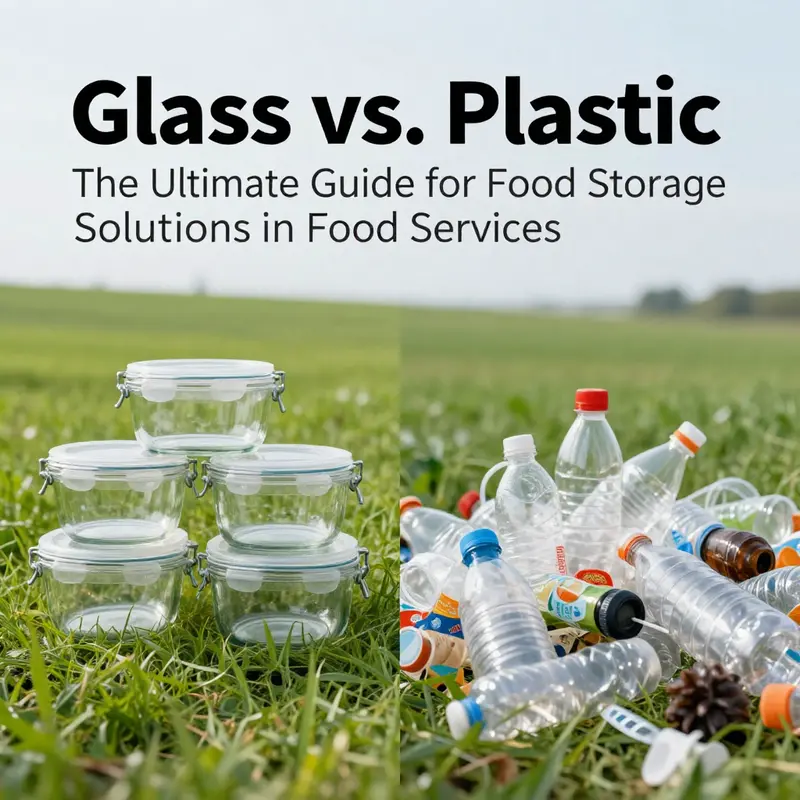
The environmental conversation around everyday food storage sits at the intersection of chemistry, design, and behavior. It is not enough to claim that one container is simply safer or more convenient; to understand the true footprint of glass versus plastic, we must follow materials from their origins to their end-of-life, accounting for energy, emissions, and the ways humans use and reuse these containers. A lifecycle perspective reveals a complex balance: glass and plastic each carry distinct strengths and drawbacks at different stages, and the practical reality for households often hinges on how a product is used over time, not merely how it is manufactured. Contemporary lifecycle studies, including a 2026 assessment of primary beverage containers using a Leopold Matrix framework, illuminate this balance with a stark, though nuanced, picture. The analysis found that glass bottles and PET plastic bottles each exhibit negative environmental scores across their lifecycles, but the glass category registered a slightly higher overall burden than plastic. This subtle difference reflects fundamental trade-offs: the higher energy and raw material demands of glass production and its heavier mass versus the persistent challenges of plastics in terms of resource dependence, additives, and end-of-life management. The takeaway is not to default to one material but to recognize how context, use, and loop potential shape true sustainability.
To parse what these numbers mean in everyday terms, it helps to walk through the lifecycle phases that feed them: raw material extraction and processing, manufacturing, use and reuse, and disposal or recycling. Glass, at its core, is an ancient but still energy-intensive material. Its production relies on melting silica sand, soda ash, and limestone at very high temperatures. The furnace costs are substantial, and the process emits heat and greenhouse gases in proportion to the energy input. Plastic, by contrast, is predominantly derived from petroleum and other fossil feedstocks. The polymerization process can be less energy intensive per unit of resin than the furnace-borne energy of glass, but it brings different kinds of environmental pressures, including the ongoing demand for non-renewable resources and the potential for additive migration. The Leopold Matrix result—glass with a total environmental impact score of -712 versus plastic at -690—reflects these competing forces. The negative scores indicate negative environmental impact in the matrix framework, but the practical interpretation is more subtle: glass shoulders a slightly larger burden overall, yet it holds advantages that plastic cannot easily match.
Weight and energy, across the lifecycle, emerge as a decisive pairing. Glass is denser and heavier, which translates into higher transport emissions, particularly in supply chains that rely on long-haul distribution. In a world where goods move globally, every kilogram of container weight adds to fuel consumption and associated emissions. This is not merely a logistics footnote; it translates into real-world carbon costs when you consider the cumulative impact of households buying, shipping, and storing. Plastic packaging, being lighter, can reduce freight emissions in the logistics stage. Yet plastics carry their own energy costs and environmental responsibilities, including the need for ongoing feedstock extraction, processing energy, and the persistent risk of pollution from microplastics and additives. The divergence in the energy profiles of these materials underpins the lifecycle scores and helps explain why, despite lower initial energy use in some plastic manufacturing steps, the long-term sustainability calculus does not tilt decisively in favor of plastic.
A central, often underappreciated dimension is recyclability and the speed of the circular loop. Glass has a remarkable advantage here: it can be recycled repeatedly without losing its fundamental properties. The recycling of glass reduces the need for raw material extraction and can lower energy demands in subsequent melting cycles when the recycled cullet replaces a portion of the raw feedstock. In practice, however, the effectiveness of glass recycling depends on collection systems, contamination rates, and consumer participation. Paper-thin margins exist between theoretical recyclability and real-world performance. Plastic, in contrast, faces more complex end-of-life dynamics. Many plastic bottles do not re-enter the closed loop as efficiently as glass; they are frequently downcycled into lower-value products or diverted to landfills where they persist for long times. The result is that, although plastic may often appear lighter on energy when manufactured, its end-of-life fate reduces its potential to close the loop entirely. The Leopold Matrix result captures this tension: the long-term recyclability and reuse potential of glass confer a future-facing advantage that can offset higher upfront energy use if systems are designed to maximize reuse and recycling.
Reusability is where glass often shines for households that prioritize durability and longevity. A glass container can endure repeated cycles of washing, heating, and refilling with minimal degradation if well designed and cared for. The robust chemistry of glass—its inertness and chemical stability—also supports safe, repeated storage of a broad range of foods and liquids without concerns about residual leaching of additives. In day-to-day practice, that inertness translates into a reliable performance in the kitchen, whether you are refrigerating leftovers, marinating ingredients, or portioning meals for the week. Yet the very durability that makes glass attractive in the long run can be a practical drawback in the short term: glass is heavier and more susceptible to breakage, factors that can increase waste if containers shatter and cannot be recovered. The lifecycle narrative thus becomes a balancing act: higher initial risk of breakage versus the lower long-term disposal footprint when breakage is minimized and repairs or replacement are managed thoughtfully.
Against this backdrop of material science and logistics, consumer behavior becomes the decisive hinge. In households where storage practices emphasize frequent use and careful handling, glass containers can be reused countless times, amortizing their embodied environmental costs across a longer lifecycle. The key to maximizing this potential lies in storage design and user habits: choosing sturdy lids that maintain tight seals, stacking containers to reduce damage risk, and carefully sanitizing glass to extend its usable life without introducing unwanted residues. Conversely, if a household uses glass containers as single-use or short-term storage, or if breakage is common and disposal occurs after a narrow window of use, the environmental advantages can evaporate. It is the alignment of product design, consumer behavior, and system-level recycling and collection that ultimately determines whether glass or plastic wins on sustainability in any given home.
The conversation about environmental impact also invites a more nuanced look at design and policy. When the lifecycle lens is applied, it becomes clear that packaging choices are not simply a matter of personal preference or brand safety. They are decisions shaped by energy grids, recycling infrastructure, and the incentives households have to reuse and recycle. A move toward a circular economy benefits from glass’s compatibility with high-quality recycling streams, as well as the potential for repeated use in the kitchen and in bulk storage. It also requires investment in robust collection and sorting systems to ensure that recovered glass remains clean and valuable. In practice, this means officials and manufacturers must coordinate on standardized bottle and jar designs, collection methods, and public education to maximize return rates and maintain the integrity of recycled material.
From a practical standpoint, households that want to reduce their overall environmental impact can lean into strategies that leverage glass’s strengths while mitigating its weaknesses. First, prioritize high-quality, durable glass containers intended for long-term reuse, avoiding the cheapest options that are prone to cracking or warping. Second, implement careful handling practices to minimize breakage: padded storage, proper shelving, and lids that seal effectively to prevent accidents in the fridge or freezer. Third, embrace reuse as a principle—from maintaining a jar for pantry storage to repurposing glass containers for leftovers, bulk ingredients, and meal-prep portions. This approach reduces the need for new containers with each cycle and aligns with the intuition that durability and reuse are central to sustainable storage. Finally, pair glass storage with smart disposal habits: recycle glass where available, and advocate for community programs that expand accessible, convenient glass recycling streams. When households adopt this integrated approach, the environmental advantages of glass become more tangible and accessible in daily life.
An additional dimension to consider is the environmental narrative of plastic in the broader context of food packaging and daily use. While plastic often appears advantageous due to its lighter weight and malleability, its lifecycle is interwoven with persistent concerns about fossil fuel dependence, additive migration, and the potential for microplastics in food and beverages. Although advanced recycling technologies and improved sortation are gradually enhancing the fate of some plastic streams, the reality remains that many single-use plastic containers fail to re-enter closed-loop systems. This is especially relevant for containers that experience repeated heating or dishwasher cycles, where concerns about chemical additives and leaching are not merely theoretical but grounded in health considerations that many households prefer to avoid. Health-focused voices in the medical and nutrition communities frequently emphasize caution around continuous exposure to certain chemical additives, particularly when containers are used for hot foods or reheated in microwaves. While the present chapter centers on environmental impact, these health considerations intersect with sustainability in meaningful ways. They reinforce the imperative to limit reliance on plastics for long-term, repeated-use storage and to favor materials with well-established safety profiles and robust lifecycle performance.
To bring this discussion to a practical middle ground for readers seeking actionable guidance, consider how your storage choices translate into a broader kitchen ecology. If you already have a stock of glass containers, invest in careful storage practices that extend their life and maximize reuse cycles. If plastic is part of your daily routine, recognize the behavioral and system-level opportunities to reduce its footprint: choose containers designed for repeated use, prioritize those that can tolerate heating without degradation, and participate in local recycling programs that improve end-of-life outcomes. The nuanced picture from lifecycle analyses suggests that neither material can be deemed universally superior in every situation. Instead, the most sustainable path emerges when households, communities, and policymakers align on reuse-friendly designs, efficient collection, and consumer education that reduces waste and preserves the integrity of materials through multiple lifecycles.
For readers who want to explore practical, design-forward options that illustrate how packaging can be both functional and forward-looking, consider exploring eco-friendly takeout and home-packaging designs that emphasize recyclable, durable materials and thoughtful lifecycle thinking. For example, you can learn more about durable, recyclable packaging options here: eco-friendly takeout boxes for food packaging. This kind of packaging demonstrates how modern design can minimize waste without compromising convenience, a core idea that underpins the broader argument for glass and other reusable materials. It is in such design choices—where material science meets user behavior—that the potential for meaningful environmental improvement becomes tangible.
Finally, for readers seeking a broader, methodical frame beyond the chapter’s scope, a comprehensive external resource provides a broader lifecycle perspective that reinforces many of the chapter’s themes. The study Life-Cycle Environmental Impact Assessment of Primary Beverage Containers: Glass versus Plastic Bottles, published in the Journal of Cleaner Production in 2026, offers a rigorous, data-driven foundation for comparing glass and plastic across stages of extraction, production, use, and end-of-life. It reinforces the idea that while glass may carry a higher initial environmental burden, its long-term reuse and recyclability give it potential to outperform plastics in a properly configured system. See the external resource for a broader context and deeper methodology: https://www.sciencedirect.com/science/article/pii/S235214652600001X.
In sum, the environmental impact of glass versus plastic for food storage cannot be captured by a single metric or a snapshot of one lifecycle stage. The Leopold Matrix scores illuminate a subtle but important truth: glass’s higher upfront energy and material demands are balanced by its durability and its near-unique ability to be endlessly recycled, a loop that, when executed at scale, can reduce the per-use burden over time. Plastic’s lighter weight and lower energy demands in some production steps do not automatically translate into lower lifecycle impact due to end-of-life challenges, additive considerations, and the difficulty of achieving closed-loop recycling. Home storage choices, therefore, gain depth when viewed through a lifecycle lens that values reuse, robust recycling infrastructure, and consumer practices that align with a circular economy. For households, the practical message is clear: invest in durable glass or other long-life, non-toxic materials, minimize single-use plastic, and embrace storage practices that extend container life. In a world grappling with climate targets and resource constraints, such choices accumulate into meaningful reductions in environmental burden without sacrificing safety or convenience.
Glass Without Compromise: Functionality, Longevity, and the Real-World Edge over Plastic in Food Storage
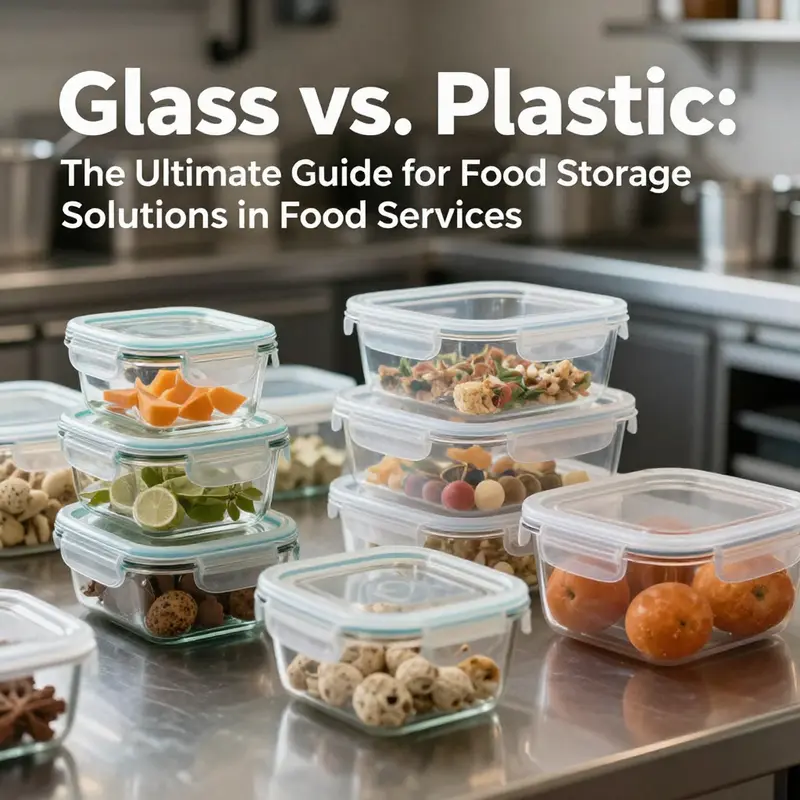
In the kitchen, a choice between glass and plastic often becomes a cleavage of priorities: safety, practicality, and the long arc of environmental impact. The practical core is simple enough to grasp, even before we weigh the trade-offs in weight, fragility, and cost. Glass storage systems, when evaluated through the lens of daily use, reveal a pattern of reliability that extends beyond what most people expect from containers designed to hold yesterday’s lunch. The difference shows up in how the material behaves under the routine stress of modern life: heat, cold, repeated washing, and the regular churn of meal prep. Glass is inert by design; its chemistry resists interaction with food, even after multiple reheats or long stays in the fridge or freezer. Its stability is not a matter of luck but of material science. Silica-based glass, with its network of inorganic oxides, offers a barrier that does not leach or migrate, a feature that matters when flavors linger or when a dish’s natural acidity might otherwise coax a reaction from a container. This inertness matters most when practical convenience meets health concerns. Endocrine disruptors and other chemical migrants are topics of ongoing research, and the discussion around plastics has sharpened in response to findings about substances like BPA and related compounds. The precautionary principle has grown louder over time, and for many households the choice to favor glass is a deliberate step toward minimizing chemical exposure, especially in the context of heating or long-term storage. The science behind glass’s safety is reinforced by real-world observations: it does not leach into foods under normal domestic use, and it resists absorbing odors or staining. In everyday terms, glass often preserves the integrity of a dish more cleanly than plastic can, ensuring that leftovers taste the way they did when they were first packed. The non-porous nature of glass creates a hygienic baseline that is hard to match with plastics that can accumulate micro-residues, even after thorough washing. The practical payoff is subtle but meaningful. When you reheat in a glass container, you typically face fewer surprises about flavor carryover or residue. The container returns to room temperature with even heat distribution, and there is less chance that a lingering odor from a previous meal will contaminate the next.
This practical reliability also translates into everyday versatility. Glass storage systems are designed to withstand routine household demands: microwaving, oven use, freezing, and dishwashing, all without the risk of coating degradation or chemical migration. In many kitchens, glass is explicitly designed for high-temperature use, allowing a user to move a dish from freezer to oven or microwave with confidence. The practical implications of this capability extend beyond convenience. They influence how people approach meal prep, batch cooking, and the freezing of ingredients for later use. A glass container that can go from freezer to oven without tempering or risk of cracking changes the calculus of planning. It means fewer containers are needed for a given cooking cycle, reducing clutter and the chance of cross-contamination from worn seals or degraded plastics. The non-porous surface is a consistent benefit for both storage and clean-up. Odors do not seep into the walls of the container, and stains tend to wash out more readily. This cleanliness factor matters more as the kitchen becomes a staging area for both daily meals and longer-term meal prep, where flavors and colors matter to the cook and the eater alike.
Lids and seals deserve special attention because they determine how well a container keeps its contents intact during transport and over time. Modern glass storage systems often pair glass bodies with sealing mechanisms that are reliable and user-friendly. Some designs employ locking tops, while others incorporate silicone gaskets or hybrid lids that blend the best properties of materials. In practice, a strong seal reduces leaks during car trips, lunch breaks, or a quick stop at the office kitchen. It also slows down the ingress of air, which helps food stay fresh longer. When the seal is robust, you gain a more predictable performance across different meal types and moisture levels. This predictability is essential for people who meal prep, pack snacks for travel, or store sauces and soups for extended periods. It is not merely about keeping food from spilling; it is about preserving texture and flavor with minimal intervention.
The longevity story for glass is striking when you compare it with plastic. Plastic containers often endure months or a few years of regular use before signs of wear become untenable. Warping, micro-cracks, and degraded seals are common after repeated washing or exposure to heat. Even plastics marketed as BPA-free can harbor other chemicals that migrate under heat or repeated use. In contrast, high-quality glass storage can endure many years, and in some households, decades, with proper care. The durability is a function of the material’s inherent resistance to thermal stress and its non-porous surface that tolerates repeated cycles of freezing, heating, and washing. Experiments and industry observations show glass capable of withstanding a large number of thermal cycles without cracking or losing structural integrity. The result is not just longevity but a lower lifetime cost for households that replace containers infrequently. The long arc of this durability extends beyond household budgeting and into environmental stewardship: glass is infinitely recyclable without quality loss, a virtue that supports circular economy aspirations far more robustly than many plastics. In practical terms, that means fewer items ending up in landfills and a greater chance that the material can be reimagined into new storage solutions without degradation of performance.
Yet durability is not the only dimension to consider. Glass is heavier and more fragile than plastic, which matters for how seriously a family commits to a glass-first approach. The perception of fragility can be daunting, especially in households with active children, busy schedules, or travel routines. The solution lies not in eliminating glass but in pairing it with thoughtful handling practices: selecting glass with reinforced rims, using protective sleeves during transport, and choosing storage configurations that stack safely. This is where the modern kitchen design plays a role. Inner organization, thoughtful shelving, and clear labeling all help integrate glass into daily routines with less risk of accidents. For some, the weight is a trade-off worth accepting for the certainty of safety and the ease of reheating. For others, plastic remains a practical option for cold storage or on-the-go needs. The key is recognizing the contexts in which each material delivers its strongest value and designing a storage system that uses glass when the goal is long-term freshness and safety, and plastic when rapid turnover, lightness, and portability take center stage.
Another layer of consideration is how these materials align with broader goals around sustainability. Glass’s infinite recyclability offers a compelling contrast to many plastics that are downcycled or recycled only a limited number of times before they lose utility. The lifecycle advantage of glass emerges not simply from its durability but from its potential to close the loop in recycling streams without a loss in quality. This lifecyle advantage resonates with households that want to minimize waste and reduce the environmental footprint of daily routines. It is easy to underestimate how much a decision about storage can ripple outward. When a household commits to glass where practical, there is a measurable reduction in microplastic exposure from daily use. The Harvard T.H. Chan School of Public Health work cited in mainstream discussions underscores the ubiquity of microplastics found in some aqueous environments, a concern that adds urgency to decisions about what we store and how we heat it. While no single change can solve all environmental challenges, the shift toward glass—particularly for reheating and long-term storage—reduces one vector of risk and contributes to a cleaner kitchen environment over time.
Of course, the decision is not about an absolute, but about a spectrum of practical trade-offs. For many households, the most rational approach is a glass-first strategy that reserves plastic for specific, low-risk tasks. This means using glass for leftovers that will be reheated, sauces destined for longer-term storage, or ingredients prepared for future meals. It means choosing containers with durable glass bodies and well-designed lids that resist leaks, while keeping a separate set of lightweight plastic containers for items that must travel light or be used in cold storage right away. This nuanced approach aligns with the science and with everyday life, acknowledging that a one-size-fits-all answer rarely suits real kitchens. It also respects the fact that a kitchen must function as a system, not a set of isolated preferences. The most effective kitchen systems blend the safety and longevity of glass with the flexibility and convenience of plastic where appropriate, and they do so without compromising health or flavor. In practice, that blend often looks like a core of glass-based storage for daily leftovers and batch-cooked meals, complemented by portable, lightweight options for on-the-go meals or quick snacks.
In the broader conversation about storage choices, practical considerations inevitably intersect with design and usability. The durability narrative is not just about resilience; it is about how a container integrates into the rhythm of the week. It is about how a family plans meals, minimizes waste, and reduces the mental load of kitchen organization. Glass storage systems, with their ability to withstand a wide range of temperatures and their resistance to odors and stains, tend to simplify routines that involve reheating, reusing, and repurposing. A well-chosen glass system can cut down on the number of containers needed, because each piece can fulfill multiple roles—from freezing single portions to serving directly on the table after reheating. The result is not merely a healthier option for the body but a simpler, more predictable workflow in the kitchen. This simplicity speaks to the heart of practical decision-making. When the goal is reliable performance across diverse tasks, glass storage consistently proves its value over plastic. It is a material that invites a long-term perspective: invest once, use for years, and reconfigure as your family’s needs evolve. In that light, the true cost of ownership leans in favor of glass, even if the upfront price and the careful handling required to prevent breakage seem, at first glance, like drawbacks.
The practical takeaways, then, center on matching the container to the task. For reheating and long-term storage with minimal risk of chemical exposure or flavor alteration, glass stands out. For quick cold storage, where weight matters or where frequent travel is involved, plastic remains a practical option. The key is to design a storage system that leverages the strengths of each material while mitigating their weaknesses. That balance—glasses for safety and longevity, plastics for portability and convenience—reflects a mature approach to home storage. It is not about declaring one material universally superior; it is about recognizing where each material best serves health, flavor, and daily life. In the final analysis, a glass-forward strategy that acknowledges the realities of modern kitchens offers a path to safer, simpler, and more sustainable food storage. And as more households adopt this balanced approach, the kitchen becomes a space where science meets daily life, where material choices translate into tangible health and environmental benefits.
For readers curious about practical ways to integrate glass storage with the rest of their pantry and to explore related packaging options that align with a glass-first philosophy, a recent page detailing eco-conscious packaging choices highlights a practical companion option: eco-friendly takeout boxes for food packaging. This kind of packaging solution demonstrates how contemporary design can support a low-toxicity, low-waste kitchen while preserving the convenience that modern life demands.
As with any complex topic, it helps to anchor decisions in credible information. For a concise overview of how glass compares with plastic in terms of safety and performance, see the overview provided by Healthline, which synthesizes current findings and consumer guidance: Healthline: Glass vs Plastic Food Storage.
Final thoughts
As businesses seek to offer safe, sustainable solutions, the choice between glass and plastic for food storage becomes crucial. Glass containers provide superior health benefits, support environmental sustainability, and offer practical longevity that aligns with the needs of food service operations. Transitioning to glass can not only enhance your brand’s health standards but also foster a cleaner environment. Embrace change for better storage solutions that benefit both your business and your customers.