
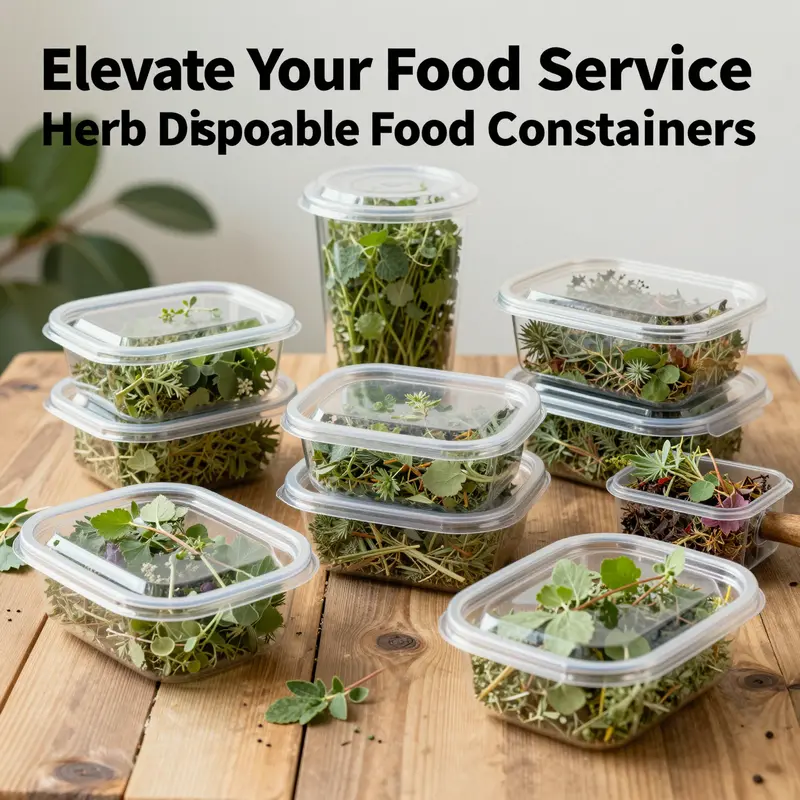
In a rapidly evolving food service landscape, the presentation and preservation of ingredients play a crucial role in attracting and retaining customers. Herb disposable food containers are at the forefront of this movement, delivering not only functionality but also aesthetic appeal to bubble tea shops, restaurants, food trucks, and catering services. Effective packaging for herbs ensures freshness while also aligning with eco-conscious practices, making it a smart choice for event planners and corporate procurement teams. This article will delve into innovative designs that enhance the customer experience, sustainability trends shaping manufacturing processes, and the economic dynamics that drive the herb disposable food container market.
Preserving Aroma and Access: Innovative Designs in Herb Disposable Food Containers
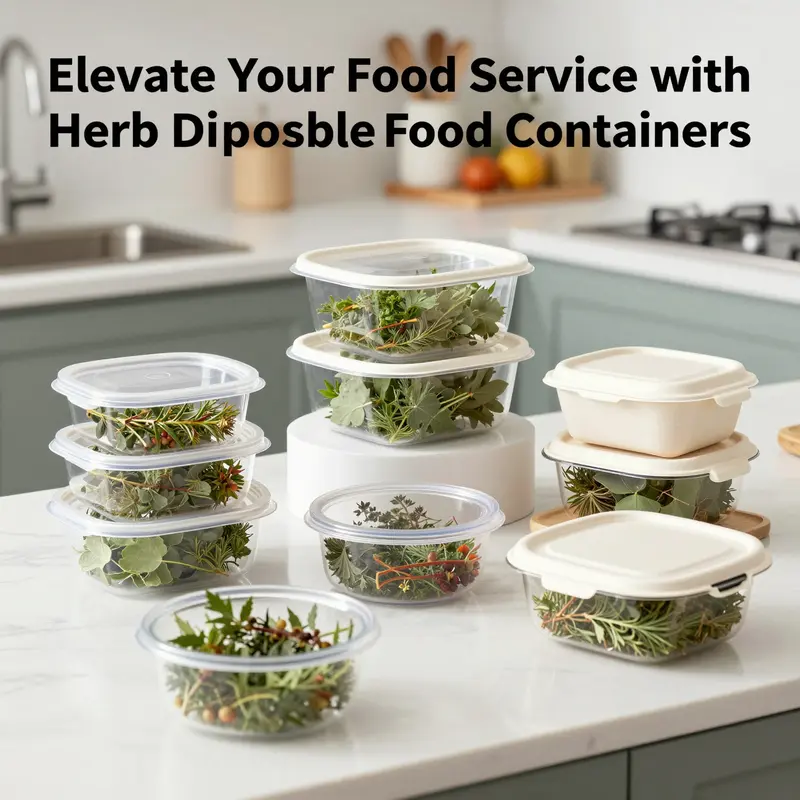
The shift toward convenient, hygienic, and environmentally aware packaging has reshaped how we think about storing, transporting, and displaying fresh and dried herbs. In markets and kitchens alike, the smallest green stems and leaf tips rely on a careful balance of visibility, protection, and practicality. The evolution of herb disposable food containers embodies a wider design philosophy: deliver products that preserve aroma and freshness without complicating the supply chain or the consumer’s routine. What began with simple, clear shells that allowed a shopper to glimpse the freshness of a bunch of parsley has grown into a nuanced ecosystem of package architectures. These designs seek to manage moisture, gas exchange, and mechanical protection while aligning with sustainability goals and efficient production realities. The result is not a single breakthrough but a continuum of innovations that address how herbs live in transit, how they are displayed, and how waste, energy, and materials can be minimized across the lifecycle of the product.
Central to this narrative is visibility. Fresh herbs rely as much on appearance as on aroma, and consumers often decide to buy based on the first impression they receive through a transparent enclosure. Clear materials like PET have established themselves as the baseline because they pair good barrier properties with high clarity and a light footprint. This combination remains crucial even as new designs push the envelope toward thinner gauges, lower material usage, and higher recyclability. The challenge, of course, is to engineer a container that remains mechanically durable through stacking, handling, and shelf life while preserving the delicate volatile oils that carry the herb’s scent and flavor. When a lid seals tightly, it protects; when it also courts light, it can inadvertently encourage desiccation or heat buildup. The balance requires a deeper understanding of how herbs breathe and how packaging can guide that breath without letting it become a loss.
A defining trend in this space is the shift from flat, rigid clamshells toward more specialized geometries that better complement the herb’s natural form. Traditional clamshells offered a single rigid cavity with a hinged lid, enough to hold a standard bunch but not much more. Modern variants experiment with compartmentalization and lid geometries that cradle herbs with gentle restraint while providing a predictable, flat profile for retail display. Instead of a single depth, certain designs introduce a shallow tray with raised edges or segmented chambers that separate leaf from stem, or group different herb types by small, distinct zones. This subtle reconfiguration reduces bruising and allows shoppers to view multiple varieties in one package. The result is a packaging experience that feels tailored, even though it is disposed of after use. Such innovation hinges on precise molding, careful tolerances, and a material choice that can absorb minor flexing without compromising seal integrity.
Moisture management is another pivotal field of design innovation. Herbs, especially leafy bunches, release moisture that can accumulate as condensation inside a container. Over time, this moisture fosters mold growth or accelerates wilting, undermining both safety and quality. Designers are responding with vented lids, micro-perforations, and moisture-control inserts that create a microclimate within the packaging. Venting must be calibrated; too much exchange can dry out the herbs, too little can trap moisture and degrade texture. Some current concepts use a two-layer structure: an outer shell for rigidity and color, and an inner liner that controls humidity through selective permeability or desiccant placement. The beauty of these approaches is that they can be implemented without altering the consumer experience beyond the lid’s operation. Consumers still flip open a clear top to assess freshness, but the internal environment remains steadier, extending the herb’s visual and sensory appeal.
Alongside moisture control, airflow design is increasingly important. A sealed, airtight environment might preserve freshness in theory, but in practice many herbs retain aroma best when there is deliberate, gentle exchange with the surrounding air. This has led to the adoption of vented lids or clamshells with discreet channels that ferry a measured amount of air while still shielding the contents from external shocks. The goal is not to maximize airflow but to optimize it for the herb’s natural physiology. These features can be subtle in appearance yet pivotal in performance, especially for delicate herbs like cilantro or dill where aroma compounds rapidly diffuse. In practice, a design that alternates between protection and breathability can significantly improve perceived freshness from the moment a shopper purchases the product to the moment the consumer reaches for a pinch of herb in a dish.
Sustainability remains a driving force behind many innovations in herb containers. The literature and industry reports emphasize eco-friendly plastics and compliance with environmental regulations such as Extended Producer Responsibility (EPR) standards in parts of Europe. The emphasis is not merely on recyclability but on a cradle-to-cradle mindset that considers end-of-life outcomes as an explicit design constraint. For herb packaging, this often translates into selecting materials with higher recycled content, choosing polymers that are easier to recycle in existing streams, and maximizing the efficiency of the manufacturing process to reduce energy and waste. A growing number of containers are engineered to be fully recyclable in common municipal programs, while others are designed for composting in industrial facilities or for downcycling into usable secondary products. This direction aligns with broader consumer expectations that convenience and responsibility can coexist in everyday packaging choices.
The conversation around materials also includes a cautious optimism about bio-based and bioplastic alternatives. While these options may not yet dominate every segment of disposable packaging, they are increasingly viewed as viable paths when they meet the same performance and safety standards as fossil-based plastics. For herbs, where oil content, moisture, and delicate surfaces create unique compatibility requirements, the choice of material can influence flavor retention, aroma preservation, and shelf life. Innovations in polymer blends, surface treatments, and barrier coatings promise to close gaps between performance and sustainability. The result is a menu of options that can be matched to different supply chains, retail environments, and consumer expectations without sacrificing the clarity or integrity that herb buyers rely on.
From a production perspective, the capacity to scale is equally part of the design discipline. High-volume manufacturers can produce hundreds of thousands of units per day, a capability that shapes how features are prioritized. If a design adds a specialized vent, a multi-compartment option, or a new inner liner, the manufacturing process must absorb the added complexity without sacrificing speed or yield. The ability to integrate these features into existing production lines with minimal retooling is a critical determinant of a design’s commercial viability. In practice, this means that designers collaborate closely with process engineers, mold makers, and quality-control teams to ensure that new concepts translate into reliable, cost-effective products. The efficiency of this process translates into lower unit costs for retailers and better margins for manufacturers, enabling sustainable innovations to reach a broader market. The necessity of steady supply chains, compatible with regional recycling streams and regulatory frameworks, anchors the conversation in practicality as much as in aspiration.
Another notable trend is the push toward more sophisticated yet user-friendly packaging that blends form with function. Side handles, integrated drainage channels, and lift tabs can transform how a consumer interacts with an herb container. Ergonomics matter, especially for products designed for in-store pickup, pantry storage, or indoor herb gardening contexts. A well-designed container with a handle or grip makes it easier to carry from the produce aisle to the kitchen without sacrificing the integrity of the contents. Integrated drainage or moisture-control features can be hidden in plain sight, tucked into the design so they do not interfere with the display aesthetics. The user experience then becomes a sequence of small but meaningful moments: the shopper selects a package with a clear view of vibrant greens, the lid opens smoothly, the aroma is preserved, and the herbs are easy to portion once home. Each of these moments contributes to perceived value and reduces the likelihood of waste due to spoilage or poor storage within the consumer’s everyday routines.
Sometimes the most significant innovations arise from combining multiple concepts into a single package. A three-part system, for instance, may feature an outer shell for rigidity and clarity, a middle layer that controls moisture, and an inner tray that accommodates a small herb bunch with minimal movement. Such hybrid designs can deliver performance gains without dramatically increasing material usage or cost, provided the design remains compatible with existing filling and sealing machinery. The drawings and prototypes for these concepts emphasize not only how the container looks, but how it behaves under real-world handling: how it stacks on a shelf, how it resists crushing when dropped, how it tolerates the rigors of shipping, and how it can be recycled or composted after use. Visual cues—edges, textures, and slight color accents—support brand differentiation in what is often a crowded display. Yet even as aesthetics matter, the core motive is functional: to protect freshness, convey quality, and do so with responsible material choices.
The consumer journey for herb containers is increasingly shaped by how retailers present and manage these products. Displays that complement the container’s design reinforce the message of freshness and sustainability. Clear packaging allows the herbs to speak directly to the shopper, but the surrounding display environment, labeling, and signage must do their part to communicate care for product quality and environmental responsibility. Retail strategies that favor uniform yet expressive packaging can streamline stock management, improve shelf visibility, and enable a more engaging in-store experience. In this context, the packaging is not just a container but a storyteller: it communicates how the herb was grown, how it will be stored, and how it can be disposed of in a manner consistent with local rules and consumer preferences. The most successful innovations, therefore, weave together material science, process engineering, and consumer psychology into a cohesive design language.
In considering the broader landscape, opportunities for innovation extend beyond the container itself. The ability to offer modular add-ons like moisture-absorbing inserts, resealability, or compatible lid designs that can be used across several herb varieties helps standardize parts and reduce waste in the supply chain. Design harmonization across products and tiers can simplify procurement for retailers and create a more predictable packaging ecosystem. It also supports sustainability goals by enabling circular use of materials and by encouraging end-of-life recovery through clear labeling and compatibility with recycling streams. For suppliers and manufacturers, these opportunities translate into better planning, clearer value propositions to retailers, and a stronger case for investing in advanced tooling, smarter quality control, and more robust supplier partnerships. The emphasis remains squarely on balancing performance with environmental stewardship and cost-effectiveness, a triad that often defines whether a packaging concept moves from idea to market reality.
As this chapter reflects, the field of herb disposable container design is not about a single breakthrough but about a persistent, iterative process. It is a conversation among designers, engineers, marketers, and sustainability specialists who seek to align the delicate needs of plant material with the practical realities of modern supply chains. In practice, the best innovations are those that reduce waste, improve shelf life, enhance consumer experience, and respect regulatory frameworks. They are the ones that survive the test of time and scale, becoming standard features rather than niche experiments. The journey from a simple, transparent clamshell to a more nuanced, multi-material, and consumer-friendly package illustrates how design thinking can elevate even the smallest units of packaging to meaningful, lasting improvements.
To illustrate how these concepts translate into real-world packaging ecosystems, consider how designers and retailers can leverage existing materials while pushing for new capabilities. The pursuit begins with a clear understanding of the herb’s characteristics—the moisture profile, aroma profile, and susceptibility to physical damage. It continues with a careful material selection and a shelled architecture that maximizes protective performance without compromising recyclability. It concludes with a consumer-centric approach to usability and disposal, ensuring that each container supports the full lifecycle from production to post-use recovery. In practice, this means collaborating with suppliers who can offer flexible print capabilities for labeling, clear windows that preserve curvature and dimension without distorting the herb’s appearance, and lids that perform consistently across thousands of cycles. It also means evaluating the entire supply chain for opportunities to reduce energy use, cut plastics, or replace with better-performing alternatives when appropriate. In short, innovative herb packaging is not a single feature but an integrated design philosophy that respects freshness, display, and responsibility in equal measure.
For readers seeking a concrete glimpse into how these design principles manifest in retail contexts, consider exploring a packaging concept that blends clear visibility with eco-friendly materials and modular versatility. This example demonstrates how a single container can support multiple herbs, accommodate moisture control, and align with disposal pathways while preserving an appealing storefront presence. The link below points to a packaging solution that embodies these ideas and showcases how a seemingly simple product can integrate form, function, and sustainability in a balanced, scalable way: picnic kraft paper cake boxes with clear windows. While not specific to herb only, the concept illustrates how a design language emphasizing clarity, eco-sustainability, and practical versatility can inform herb packaging development across markets. The ongoing challenge remains to translate such concepts into herb-specific containers that meet industry standards, consumer expectations, and regulatory requirements across different regions.
From a broader industry perspective, researchers and practitioners recognize that the next wave of innovations will hinge on smarter materials, smarter processes, and smarter systems. Materials science is likely to yield polymers with improved barrier properties at lower thicknesses, enabling lighter, more efficient designs without sacrificing freshness. Process innovations, including higher-speed inline sealing, improved mold technologies, and more precise quality controls, will help bring complex, multi-feature containers to mass production without prohibitive costs. System-level thinking will lead to better alignment with recycling streams, composting facilities, and regulatory frameworks, fostering a packaging ecosystem where sustainability does not come at the expense of performance. The future of herb disposables thus lies in a collaborative, cross-disciplinary approach that draws on insights from chemistry, mechanical engineering, industrial design, point-of-sale display, and environmental policy. In short, the path forward is not merely about creating a more attractive package but about nurturing a packaging system that respects the herb, the shopper, and the planet with equal care.
As the market continues to evolve, the potential for innovation remains high. Designers who embrace a holistic view—one that foregrounds freshness and aroma while weaving in moisture control, ease of use, and end-of-life considerations—will be well positioned to shape how herbs are packaged, sold, and disposed of in the years ahead. The balance between performance and sustainability will continue to define what is possible. In this context, the herb container becomes more than a disposable vessel; it becomes a catalyst for more responsible packaging practices and for retail experiences that celebrate the herb’s natural vitality while minimizing environmental impact. The chapter ends with an invitation to explore, critique, and contribute to the ongoing design conversation, recognizing that each packaging decision has a ripple effect on quality, waste, and the consumer’s daily rituals with herbs.
For readers seeking further exploration of related packaging innovations and industry-wide perspectives, see the external resource on packaging design trends and sustainability practices: https://www.packagingdigest.com/.
Breathing Green: Rethinking Herb Containers for a Circular, Safer, and Smarter Packaging Future
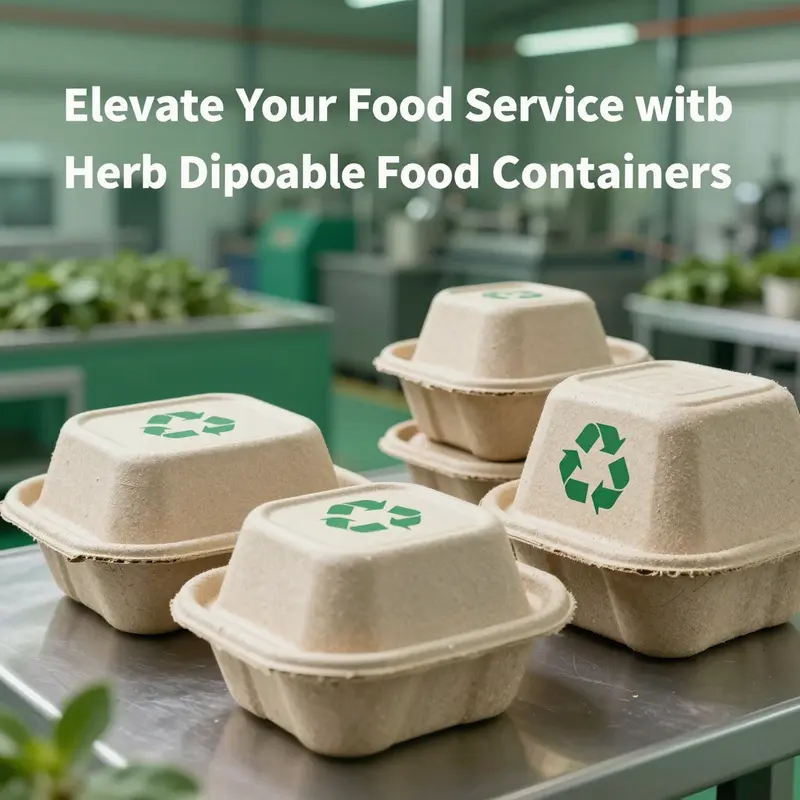
A dedicated focus on the sustainability of herb disposable food containers reveals a broader shift in how we design, manufacture, and use packaging that touches fresh greens every day. The herb segment is a revealing lens because herbs are delicate, volatile, and highly perishable. They demand packaging that protects aroma, preserves moisture balance, and allows for visibility of freshness, all while minimizing waste and reducing environmental impact. In this context, sustainability trends are not an afterthought; they are shaping the entire lifecycle of the container, from raw materials and production lines to end of life, and even to considerations about how the container might participate in food safety and shelf life. The result is a narrative where packaging becomes more than a protective shell. It evolves into a contributor to quality, a facilitator of distribution, and, increasingly, a member of the sustainability conversation that governs modern consumer choices and regulatory expectations alike. The chapter that follows walks through the core currents reshaping herb containers, weaving together material science, design ingenuity, industry dynamics, and the regulatory and consumer forces that push packaging toward a greener horizon without sacrificing performance in real-world use.
At the heart of the sustainability conversation is a shift away from conventional petroleum based plastics toward materials that can be recycled, composted, or even consumed as part of a zero waste approach. Plant based plastics and other biodegradable polymers have moved from experimental labels to practical options that meet the functional demands of herb packaging. In broad terms, this means emphasizing materials that offer a clear visual advantage, so shoppers can immediately assess freshness, while simultaneously reducing the environmental burden through improved end of life. PLA and other bio based polymers are frequently cited as pathways to align packaging with circular economy principles. They deliver the dual benefits of maintaining clarity and rigidity for a retail display when needed and offering more predictable compostability outcomes in appropriate facilities. Yet the transition is not without its complexity. The shelf life, barrier properties, and heat exposure tolerance required for herb storage often demand careful formulation and sometimes layered materials. A multi material approach can preserve light transmission for consumer visibility while providing the barrier they require against moisture and oxygen ingress. The design challenge becomes one of balancing these competing requirements with a clear environmental target, a task that invites a maker community to rethink thickness, perforation, and closure mechanisms so that recyclability is preserved even after multiple uses or at least made feasible when the consumer returns the container to a recycling stream.
Another dimension of this trend is the exploration of compostable options that can reliably degrade in industrial or home composting settings. Edible packaging, though still nascent for mainstream herb packaging, sits at the edge of this continuum. It represents a provocative shift in thinking about packaging as a passive barrier and instead as an active participant in food safety and shelf life. In edible designs, materials are chosen not only for the ability to hold herbs securely but also for their bioactive contributions. Antimicrobial or antioxidant compounds can be embedded in the same material that carries the herb, potentially reducing microbial risk and slowing oxidative processes that dull aroma and color. While consumer acceptance and regulatory clarity are still evolving for edible packaging, the potential for zero waste – coupled with a possible enhancement to freshness – has spurred ongoing research and pilot programs. The interplay between nanotechnology and edible matrices offers avenues to fine tune antimicrobial release, antioxidant protection, and even nutrient delivery without compromising taste or texture of the herbs themselves. These are not universal solutions yet, but they underscore the idea that packaging need not be a passive wrapper; it can be an active, sustainable component of the herb supply chain when designed with foresight and a robust lifecycle perspective.
Design innovations in the realm of herb containers reflect a practical response to both freshness retention and sustainability goals. Ventilation features that enhance airflow can prevent moisture buildup, reducing spoilage while also supporting certain compostability or recycling pathways by limiting moisture-induced degradation in the packaging stream. The conversation around ventilation is closely tied to the choice of materials. Ventilated containers crafted from recyclable or compostable materials demonstrate how design and material science can work in concert. Rather than simply offering a sealed, windowed box, manufacturers are exploring microperforation patterns and controlled airflow zones that maintain herb quality in transit and display while still enabling straightforward end of life processing. In some cases, venting solutions are paired with resealability and micro drainage channels that manage residual moisture. This is particularly important for leafy herbs, where surface moisture can foster microbial growth and accelerate deterioration if not managed, yet the packaging must still be user friendly for quick retail and kitchen transfer. The upshot is a new ethos of container geometry that prioritizes breathability, lightness, and recyclability, without sacrificing the consumer confidence that comes from seeing the product through a clear, stabile display.
The broader industry movement further accelerates these transitions by aligning consumer desire with regulatory and technological trajectories. Consumers increasingly favor products marketed with transparent sustainability claims, and regulators in several regions are intensifying expectations around end of life. This regulatory pressure, paired with the push toward smarter manufacturing, is opening space for innovations in automation and standardized production systems that improve efficiency and reduce waste. In practice, this often means manufacturing lines that minimize scrap, optimize material use, and enable consistent quality across millions of units each day. It also means a more precise alignment of labeling, recycling instructions, and certification marks so that end users can participate effectively in the recycling or composting process. The move toward standardized production not only reduces environmental impact but also stabilizes supply, enabling more predictable pricing and better collaboration with retailers who require reliable performance in shelf life, presentation, and consumer experience. All these factors together shape a packaging ecosystem in which herb containers become a model for responsible design rather than a mere commodity.
The design and choice of materials are inseparable from practical considerations of use. Herbs, whether fresh or dried, demand protection from oxygen, moisture, and light to retain essential oils, aroma, and color. Yet the packaging must be easy to handle, stack, and display. This tension has driven a rethinking of the classic clamshell and other simple forms that historically dominated herb packaging. Modern versions may emphasize lighter weight while holding shape during transport, a balance influenced by the choice of plastic, blend, or bio based matrix. For retailers, the clarity of the packaging is a big selling point; it communicates freshness at a glance, reducing decision time for shoppers. For producers, the emphasis on recyclability or compostability supports brand values and aligns with corporate sustainability targets. In this sense, the container is a connection point between the agricultural origin of the product and the consumer, making the packaging a narrative vehicle for responsible cultivation, handling, and consumption.
Industry players recognize that sustainability in herb containers cannot be solved by a single material strategy or a one size fits all design. It requires an adaptable toolkit. On one hand, plant based plastics and biodegradable polymers offer clear advantages, particularly when integrated into a well designed product that meets safety and performance standards. On the other hand, ventilated and puncture resistant designs that enhance freshness can be realized with recyclable polymers that maintain their integrity through the supply chain. The challenge is to ensure that these design choices do not compromise recyclability. For example, a multilayer structure that offers superior barrier properties may hamper recycling if the layers are not easily separable. In response, researchers and manufacturers are pursuing mono material solutions or simplified multilayer stacks designed for easier end of life processing. The goal is not merely to reduce landfill but to create conditions under which a consumer can reasonably recycle or compost the container in their own region, and where industrial facilities exist to process the material if home composting is not available. The emphasis on disposal pathways resonates with Extended Producer Responsibility frameworks that have gained traction in several countries, where producers shoulder responsibility for post consumer packaging. These frameworks encourage packaging that is easier to recover and reintegrate into the economy, helping box makers and brand owners align product development with real world waste management realities.
The procurement and supply landscape for herb containers also reflects these sustainability ambitions. Producers are expanding collaborations with suppliers who offer bio based materials, certified compostable formulations, and clear recycling pathways. As a result, the market is moving away from single source, low cost solutions toward a more capable ecosystem that can flex to different climates, waste management infrastructures, and consumer expectations. This is particularly important for herbs, which travel across borders and through diverse distribution channels. A container that performs well in a controlled supermarket environment may face a different fate in a small cafe or in a home kitchen where compost facilities are limited. The best designs anticipate these differences and provide robust performance across contexts while remaining environmentally accountable. In practice this translates into packaging that is both technically capable and responsibly sourced, with traceability in materials, clear end of life guidance, and verifiable performance data that supports sustainability claims.
Historically, packaging choices were often constrained by cost and supply chain constraints. Today, those constraints are met with a broader set of options and a clearer understanding of the consequences of each choice. High volume facilities can produce hundreds of thousands of units per day, enabling cost efficiencies that support the uptake of more sustainable materials. Yet scale alone is not enough. The ecosystem benefits when suppliers, manufacturers, retailers, and even waste management operators collaborate. The result is a more resilient packaging system that can adapt to regulatory changes, evolving consumer preferences, and the environmental realities of different regions. In this environment, a simple herb clamshell becomes a focal point for broader questions about material life cycles, end of life, and resource stewardship. The packaging choices we see today are as much about the story they tell as about the functionality they provide. They signal a company commitment to sustainability, invite consumer participation in responsible disposal, and demonstrate how a mature market can innovate in ways that preserve the sensory and culinary value of herbs while reducing ecological footprint.
This integrated perspective helps explain why the industry is increasingly embracing a language of sustainability that covers materials, design, regulatory alignment, and consumer education in a single frame. It is a recognition that the herb container, though small, sits at a critical intersection of agriculture, retail, and household use. A thoughtfully designed container can extend freshness, minimize waste, and support a circular economy narrative that resonates with shoppers who seek both quality and responsibility. The ongoing evolution—from recyclable and compostable materials to edible packaging concepts, from ventilated designs to standardized production and smarter logistics—points toward a future in which herb containers are not disposable after a single use but are part of a continuous loop that respects both the planet and the palate. As research and practice advance, stakeholders across the value chain will increasingly demand evidence of lifecycle performance, real world disposal outcomes, and transparent sustainability claims. The ultimate measure will be the degree to which these containers help preserve the herbs that flavor our meals while enabling a more sustainable approach to packaging that can scale across markets, reduce waste, and support healthy ecosystems for years to come.
For readers seeking a wider context on how these trends fit into the broader packaging landscape, this resource on eco friendly takeout boxes for food packaging can offer relevant perspectives on materials, design choices, and end of life considerations that shape the choices manufacturers make for herb containers. eco-friendly takeout boxes for food packaging.
External resource: for a deeper, research based view on the evolving data behind these trends, see the MDPI study on data management and sensor integration in food packaging, which provides a grounded context for how technology intersects with material choices and lifecycle thinking in modern packaging practices. External resource: https://www.mdpi.com/2306-5729/11/2/48
Market Currents: Navigating Economics and Sustainability in Herb Disposable Containers
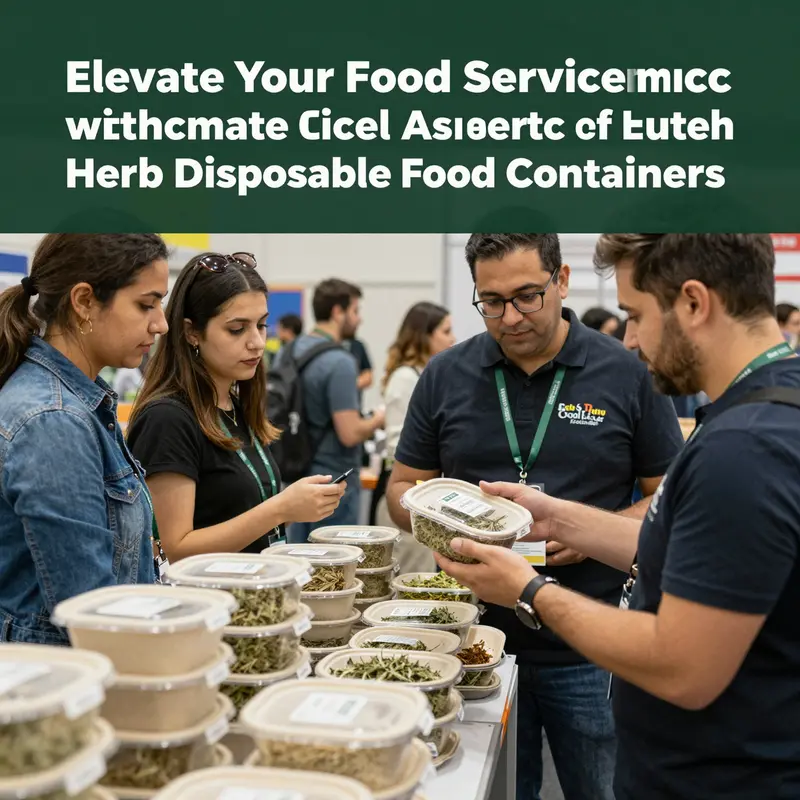
The market for herb disposable containers is braided with threads of convenience, hygiene, and a growing sensitivity to environmental impact. In recent years, consumers have demanded packaging that protects the integrity of delicate greens while signaling a commitment to the planet. The result is a landscape where performance metrics such as leak resistance, moisture control, and clarity of visibility must be balanced against material costs, end-of-life disposal options, and the regulatory framework that governs production, labeling, and waste. The dynamic is not simply about keeping herbs pristine; it is about aligning a material choice with a broader shift toward circular economy principles, where waste is minimized and materials are recaptured or repurposed rather than ending up in landfills. In this sense, herb disposable containers are a microcosm of the packaging economy, illustrating how consumer expectations intersect with manufacturing realities, retail logistics, and waste management policies to shape a market that is at once practical and aspirational.
Visibility remains a defining attribute of herb containers. Fresh herbs, whether displayed near the produce aisle or packed for ready-to-use meals, rely on a transparent, sturdy shell that communicates freshness to shoppers at a glance. The clamshell design—often produced from clear PET or similar polymers—offers a secure seal and a rigid profile that reduces crushing during handling. The same design principles that make these containers retail-friendly also introduce material and waste considerations that echo through the supply chain. A consumer who tears open a clamshell and encounters fresh, fragrant basil may not see the embedded decisions around resin content, recyclability, or the end-of-life pathway. Yet those decisions determine the container’s environmental footprint just as clearly as the herb’s aroma determines its perceived quality. The trade-offs between clarity, rigidity, and barrier performance are not theoretical; they translate into measurable effects on shelf life, storage stability, and the likelihood of return to the supply chain for reuse or recycling.
Economic viability sits at the core of ongoing innovation. The wider market is increasingly guided by a cost-benefit calculus that weighs raw material costs, processing efficiency, and the probability of end-of-life recovery. Sustainable options such as compostable bioplastics and laminated paperboard bring environmental advantages but can introduce price premiums and variability in supply. In many markets, manufacturers are experimenting with layered materials that combine a moisture barrier with compostability, seeking a balance between performance and disposal options. This balancing act is particularly important for herbs, which release moisture and volatile oils that can compromise package integrity if the seal is weak or if a container is not sufficiently moisture-tolerant. The economic decision becomes more complex when considering the entire lifecycle: production costs, freight, retail shrinkage, consumer waste, and the potential for recovery through municipal composting or specialized recycling streams. In regions where Extended Producer Responsibility regimes are shaping waste management, producers must anticipate fees and compliance costs that will influence pricing and design choices across product lines. The result is a market in which material science, regulatory expectations, and retail demand converge to drive smarter packaging choices rather than simply cheaper ones.
Regional variation adds further texture to the economic landscape. In some markets, regulatory pressure is the catalyst for shift toward sustainable materials such as PLA and reinforced cardboard. These materials often offer clearer end-of-life pathways than traditional plastics, but their performance in the presence of moisture and oils from herbs requires careful formulation. In such contexts, the life cycle cost of a disposable herb container can be competitive with that of conventional plastics if the end-of-life infrastructure supports recovery and if the packaging delivers consistent performance that minimizes waste in transit and at the point of sale. The dynamic in countries embracing environmental standards is not merely regulatory; it also reflects consumer expectations, which in turn influence retailers and foodservice operators to favor packaging that aligns with sustainability narratives. In practice, this means that a retailer may opt for a packaging solution that signals responsible stewardship, provided the solution can scale to meet demand and maintain margins amid fluctuating raw material costs. The economics, therefore, rests on a threefold balance: material cost, processing efficiency, and the cost of disposal or recovery when the product reaches end of life.
A telling regional example comes from markets where fast service meals and traditional dishes converge with modern packaging ethics. In certain contexts, vendors are transitioning away from purely plastic systems toward compostable or recyclable forms such as plant-based PLA or laminated paperboard. This transition is not only about waste reduction; it signals a broader adoption of sustainable packaging as a competitive differentiator that resonates with increasingly eco-conscious consumers. It also opens new economic opportunities for manufacturers who can supply cost-effective, high-performance sustainable solutions that perform at scale. The implication for herb containers is significant: as more players enter the market with greener options, competition shifts from a purely price-driven dynamic to a value-driven selection that weighs performance, aesthetics, and end-of-life compatibility. For buyers, the key becomes identifying partners capable of delivering reliable, scalable packaging that aligns with both brand values and the realities of store shelf dynamics. The trend toward greener packaging is not a fleeting preference but a structural shift in the packaging ecosystem that will continue to shape pricing, supplier selection, and innovation strategies for years to come.
In parallel with regulatory and consumer-driven shifts, material science innovation is expanding the envelope of what is possible for herb containers. PLA, derived from corn or other starches, offers a more favorable end-of-life profile under certain composting regimes, yet its performance under heat and humidity can vary depending on formulation and process. Laminated paperboard can deliver a strong barrier while enabling easier separation in recycling streams; however, moisture resistance remains a critical performance parameter to ensure that herbs stay fresh without creating soggy packaging. Reinforced cardboard blends exhibit promising leakage resistance and stiffness, which helps protect fragile stems and leaves during transit. The challenge for manufacturers is to ensure that these innovations translate into consistent production yields and supply that can meet peak demand periods without compromising the environmental advantages they promise. End-of-life schemes, whether composting, recycling, or energy recovery, are increasingly integrated into product design so that material choices are not isolated from downstream waste management systems. The result is a cycle that links product performance with environmental outcomes, and in doing so, it reinforces the business case for investing in smarter, greener packaging.
Industry segmentation reflects these material and type choices, though the segmentation remains primarily practical rather than cosmetic. Glass and plastic remain major material categories, with plastic offering the advantages of light weight, impact resistance, and high clarity. Yet the market is expanding into hybrid forms and alternative materials that seek to optimize performance while reducing ecological impact. The economic value of these segments depends on the interplay between material costs, processing capabilities, and the availability of sustainable end-of-life options. In markets where consumer demand for transparency and recyclability is strongest, suppliers and manufacturers are accelerating the development of packaging systems that can be printed or labeled with recycling instructions, flavoring of the herb, and clear indicators for disposal. This alignment with consumer expectations helps retailers convey a brand narrative that extends beyond the product to the packaging system itself. The packaging economy thus moves toward an integrated approach where design, procurement, manufacturing, and waste management are coordinated to deliver a coherent value proposition for all participants in the supply chain.
The story of opportunity in herb containers is not limited to developed markets. Regions characterized by rapid urbanization, evolving consumer food habits, and growing retail infrastructure also present meaningful avenues for growth. In such markets, the combination of lean manufacturing, scalable production capacity, and the ability to offer cost-competitive, sustainable packaging resonates with both local foodservice players and global brands seeking consistent packaging supply. Production facilities capable of high-volume output, sometimes up to several hundred thousand units per day, provide the capacity to meet seasonal spikes in demand and to support larger retail rollouts. This scale is crucial for sustaining price competitiveness while absorbing the fixed costs associated with investment in new materials and processes. The ability to offer customization at scale, whether through container size, shape, or display features, further strengthens the business case for producers who can align their offerings with the needs of herb suppliers, grocers, and foodservice operators. In sum, the market dynamics of herb disposable containers sit at the intersection of performance, cost, and environmental stewardship, a nexus that continues to attract attention from manufacturers, retailers, regulators, and researchers alike.
From a sourcing perspective, global supply networks remain essential to the rhythm of this market. Buyers increasingly rely on online marketplaces and supplier platforms to access a breadth of options, compare specifications, and secure bulk pricing. In the herb container segment, suppliers emphasize scalable production capabilities and the flexibility to tailor materials and dimensions to specific herb types and display requirements. The procurement process often involves evaluating moisture barriers, seal integrity, clarity, and compatibility with the store environment, from cold refrigeration to elevated display temperatures. For buyers, the opportunity lies in balancing these technical specifications with commercial considerations such as lead times, minimum order quantities, and the reliability of the supply chain across borders. The global nature of production means that volatility in raw material prices, freight costs, and regulatory shifts can ripple through the cost structure and influence the timing of product launches, promotional campaigns, and shelf placement.
Retail display and consumer behavior also shape market dynamics. Clear packaging that showcases the herb’s freshness can drive higher conversion rates at the point of sale. Conversely, if packaging fails to protect the herb from moisture or handling friction, the resulting waste can erode margins and dilute brand trust. Retailers increasingly seek packaging that conveys sustainability through both form and function. For herbs, the packaging must manage moisture, prevent damage, and present a clean, attractive image that aligns with a brand story about freshness and care for the environment. In response, brands are willing to invest in packaging that delivers consistent performance across the product life cycle, from field to fridge to consumer. This consumer emphasis on packaging ethics translates into measurable commercial benefits for retailers and manufacturers alike, reinforcing the economic rationale for pursuing greener, more efficient solutions even when upfront costs rise modestly.
The financial calculus extends beyond unit costs to include regulatory compliance and end-of-life economics. In markets where EPR or analogous regulatory frameworks require producers to fund collection, recycling, or composting programs, packaging design becomes a tool to minimize fees and maximize recyclability. This regulatory lens encourages the adoption of materials and configurations that align with established recovery streams and municipal capabilities. Firms that anticipate evolving requirements can design products with simpler separation and higher material value in post-use streams, thereby reducing long-term costs and liability. Yet the path to compliance is not without complexity. Different jurisdictions may favor different technologies or end-of-life outcomes, adding a layer of complexity to cross-border packaging programs. The prudent approach for manufacturers is to cultivate flexibility in their material portfolios, invest in process innovations that improve yield and reduce waste, and maintain open channels with regulators and waste-industry stakeholders. In doing so, they position themselves to weather price volatility and regulatory shifts while sustaining a competitive edge in a market where sustainability and performance are increasingly non negotiable.
The economic narrative for herb disposable containers also intersects with broader packaging trends, including the rise of reusable options and the total cost of ownership. While disposable containers remain prevalent for convenience and hygiene, a growing segment of operators is weighing the economics of reusable systems for takeout and prepared foods. The cost advantage of single-use packaging is gradually tempered by the social and ecological costs of waste. Consequently, the industry is witnessing a shift toward hybrid strategies that combine the convenience of disposables with the aspirational goals of reuse, especially in higher-end or frequent-use contexts. This nuanced approach requires careful design to ensure that reusability does not compromise herb quality or consumer experience. It also calls for new business models, such as deposit schemes or integrated waste management partnerships, that make reuse or recycling financially viable for producers, retailers, and consumers alike. The result is a packaging ecosystem that values both immediate utility and long-term sustainability, recognizing that economic performance is inseparable from environmental responsibility.
For stakeholders seeking to understand longer term trajectories, market analyses consistently point to several converging forces. Material science breakthroughs will continue to expand the palette of viable solutions, enabling containers that are both high performing and easier to recover. Regulatory regimes will likely become more harmonized across regions, simplifying cross-border procurement while raising minimum standards for recyclability and compostability. Consumer expectations will keep pushing brands toward packaging choices that reveal a commitment to the environment without sacrificing freshness or convenience. Finally, procurement channels will continue to evolve, with online platforms and global supply networks offering broader access to sustainable options and enabling rapid scaling. Taken together, these forces suggest a future in which herb disposable containers are not just a packaging necessity but a strategically chosen element of brand stewardship, supply chain efficiency, and environmental accountability. The market dynamics are thus less about a single improvement and more about an integrated system in which design, production, disposal, and perception align to sustain growth and reduce ecological impact over time.
As the industry moves forward, the story of herb disposable containers becomes a case study in how economic decisions and sustainability goals can reinforce each other. The key is to view packaging not as an afterthought but as a strategic asset that can strengthen brand integrity, improve shelf performance, and drive responsible resource use. By embracing material innovations, scalable manufacturing, and clear end-of-life pathways, producers can deliver packaging that protects herbs, satisfies regulators, and resonates with a worldwide audience that expects both quality and accountability. In this evolving landscape, the economy of herb containers will continue to be defined by balance—between cost and performance, between waste and recovery, and between today’s practical needs and tomorrow’s sustainable commitments. For practitioners, this means staying adaptable, investing in evidence-based design, and cultivating partnerships that support a holistic view of value that extends beyond the product to the broader system of packaging and waste.
External resource for broader context on global trends and market outlook: https://www.researchandmarkets.com/reports/6849575/packaging-spice-and-herb-market-global-trends-drivers-outlook
Internal resource for practical packaging options aligned with sustainability goals: eco-friendly takeout boxes for food packaging
To complement this narrative, consider the evolving literature on consumer packaging preferences and waste management policies in the face of rising demand for fresh, minimally processed foods. The balance of material cost, performance, and end-of-life options will continue to shape the competitive landscape, guiding manufacturers toward solutions that meet both market pressures and environmental responsibilities. For readers seeking a focused external perspective, ongoing analyses in the global spice and herb packaging sector offer deeper dives into drivers, barriers, and future opportunities, underscoring the central message that sustainability and economics are increasingly inseparable in the world of herb disposables.
Final thoughts
The use of herb disposable food containers represents a commitment to quality, efficiency, and sustainability. As businesses in the food service sector increasingly prioritize eco-friendly solutions that do not compromise on functionality, these containers stand out as essential tools. By harnessing innovative designs, adopting sustainable manufacturing practices, and understanding the market landscape, food service providers can enhance their brand’s appeal and operate responsibly. Moving forward, embracing such packaging solutions will not only improve your operations but also resonate with eco-conscious consumers.