
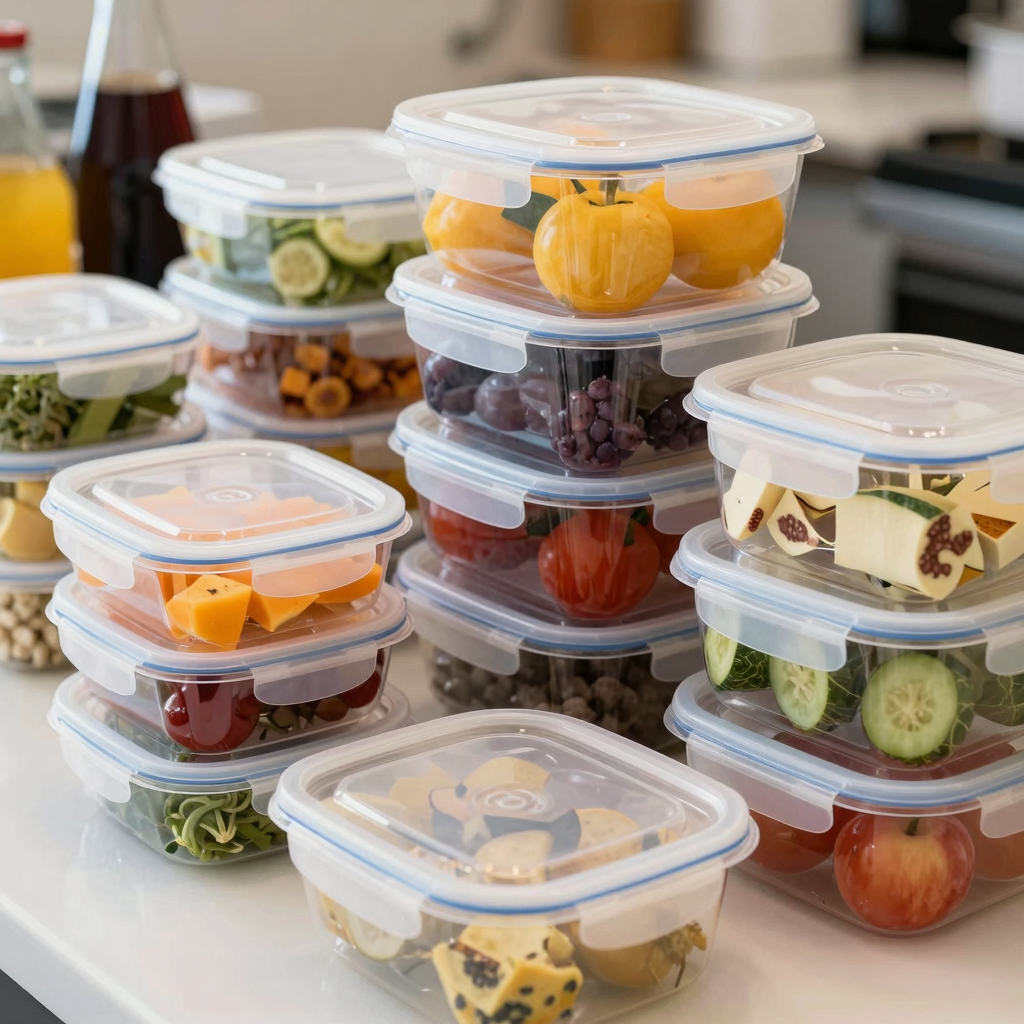
In the fast-paced world of food service, hinged food plastic containers have emerged as an essential component for businesses aiming to deliver quality and convenience. Whether you’re a bubble tea shop looking to showcase your unique beverages, a restaurant seeking reliable packaging for takeout orders, or a food truck needing portability without compromising on quality, these containers provide the perfect solution. Designed with functionality in mind, hinged food plastic containers not only help maintain food freshness but also offer a user-friendly experience for your customers. For event planners and corporate procurement teams, the need for diligent and dependable packaging solutions is paramount to ensure everything runs smoothly. Explore the various advantages of hinged food plastic containers to elevate your brand’s presentation and operational efficiency. If you want to delve deeper into the transformative impact that quality food packaging can have on the food industry, learn more about the importance of plastic containers and how they can help your business stand out.
Benefits of Using Hinged Food Plastic Containers
-
Safety: Hinged food plastic containers provide a secure and reliable way to store food. Their design minimizes the risk of spills and contamination, ensuring that your food remains safe for consumers. Many of these containers are made from BPA-free materials, adding an extra layer of safety.
-
Durability: Unlike paper or foam packaging, hinged plastic containers are highly durable and can withstand various temperatures. They’re resistant to cracking and breaking, making them ideal for food service operations that require a more robust option for transporting meals.
-
Versatility: These containers come in various sizes and styles, allowing food service businesses to package a wide range of products-hot or cold foods, desserts, or take-out meals. Their versatility fits well in diverse food settings, such as restaurants, food trucks, and catering services.
-
Ease of Use: The hinged design makes these containers easy to open and close, facilitating quick packing and serving. This feature is particularly beneficial during busy hours, allowing staff to efficiently package orders without fumbling with lids.
-
Cost-Effective: Hinged containers often prove more cost-effective over time since they reduce the need for additional lids or wrapping materials. Their durability also means less waste and fewer replacements, translating into savings for food service operators.
These benefits make hinged food plastic containers an excellent choice for various food service applications. For more insights about their use in the food industry, you can check out this blog on plastic containers in the food industry.
“Since switching to hinged food plastic containers from EcoCup, our food presentation has improved immensely! The quality is exceptional, and their customer service is second to none. We can trust that our products stay fresh and look great. Highly recommend!”
- Michelle T., Owner of Bubble Bliss Teahouse
| Container Type | Features | Size Options | Typical Uses |
|---|---|---|---|
| Regular Hinged Boxes | – Durable plastic | Small, Medium, Large | Takeout, Catering, Meal Prep |
| Clear Hinged Containers | – Visibility, easy identification | Small, Medium, Large | Salads, Bento boxes, Desserts |
| Compartment Containers | – Multiple sections | Medium, Large | Meal prep, On-the-go meals |
| Microwave-safe Containers | – Can be used in microwave | Medium, Large | Leftovers, Reheating |
| Eco-friendly Hinged Boxes | – Biodegradable options | Medium, Large | Takeout for eco-conscious diners |
In the contemporary business landscape, where sustainability has become a key focus for consumers and businesses alike, opting for eco-friendly packaging is more essential than ever. Hinged food plastic containers, often used in restaurants, food trucks, and catering services, can move towards sustainability without compromising quality or functionality.
Choosing Eco-Friendly Packaging
Manufacturers today are increasingly adopting eco-friendly practices in the production of hinged food plastic containers. This can include:
-
Recyclable Materials: Many manufacturers are utilizing recyclable plastics, which can significantly reduce the burden of waste on the environment. By using recyclable materials, businesses can encourage consumers to recycle after use, thus contributing to a circular economy.
-
Biodegradable Options: Some innovative producers are developing biodegradable plastic containers that break down more rapidly than traditional plastics, thus minimizing environmental impact. This is particularly appealing to environmentally conscious consumers who prioritize reducing plastic waste.
-
Reduced Material Usage: By optimizing designs to use less material without sacrificing container strength, manufacturers can reduce their overall plastic consumption. This not only conserves resources but also lowers production emissions and energy consumption.
Attracting Environmentally Conscious Consumers
Aligning with eco-friendly practices in packaging appeals directly to a growing segment of consumers that prioritize sustainability. Eco-conscious customers are often willing to pay a premium for products that are packaged responsibly. By offering hinged food containers made from sustainable materials, businesses can:
-
Enhance Brand Image: Companies that prioritize sustainability can strengthen their brand reputation, attracting environmentally-minded customers who appreciate and support businesses that care for the planet.
-
Meet Regulatory Standards: As governments around the world implement stricter regulations on plastic usage, being ahead of the curve can keep businesses compliant and facilitate easier operations in the long run.
-
Create Loyalty Among Consumers: Consumers are increasingly loyal to brands that reflect their values, and eco-friendly packaging can be a crucial factor in purchasing decisions. This loyalty can translate into repeat business and recommendations to others.
In conclusion, adopting eco-friendly practices in the manufacturing of hinged food plastic containers is not just about compliance; it’s about enriching brand identity and appealing to a market that is increasingly conscientious about the environment. As the demand for eco-friendly packaging continues to rise, businesses can position themselves at the forefront of this important shift in consumer preference. To explore more about the benefits of eco-friendly packaging in the food industry, learn more about eco-friendly packaging strategies here.
Conclusion
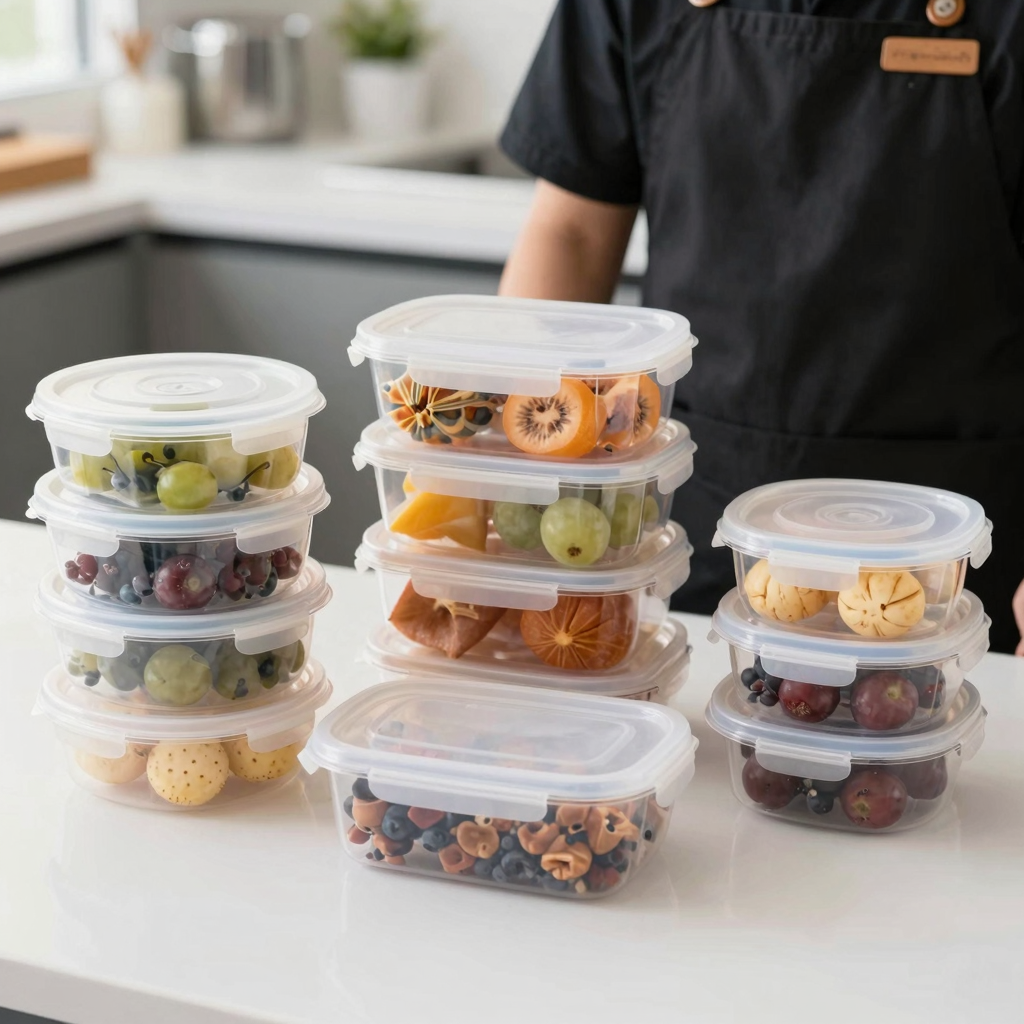
In conclusion, hinged food plastic containers play a crucial role in the food service industry. Their convenience, durability, and versatility make them ideal for various applications, from bubble tea shops to catering services. Quality hinged containers help ensure that food remains fresh and secure during transport, reducing the risk of spills or contamination. Additionally, the ease of use and space-saving design can significantly streamline operations, making them a preferred choice for restaurant managers and event planners alike.
Choosing high-quality hinged food plastic containers is not just about aesthetics; it’s about safety and customer satisfaction. Neglecting quality can lead to significant losses, both in terms of product waste and customer trust. As you consider options for your business, remember that investing in reliable food containers is an investment in your brand’s reputation.
Call to Action
Are you ready to enhance your food packaging solutions? Reach out to us at EcoCupBowl for tailored quotes on high-quality hinged food plastic containers that fit your business needs. Delivering exceptional service and products is just a click away.
Best Practices for Selecting Hinged Food Plastic Containers
Choosing the right hinged food plastic containers is essential for any food service business, ranging from bubble tea shops to food trucks and catering services. These containers not only preserve the quality of food but also enhance the overall customer experience. Here are some best practices to consider:
1. Assess Food Types and Portions
- Food Compatibility: Different foods have varying storage needs. For instance, liquids and sauces require tightly sealed containers to prevent leaks, while dry foods might need breathable materials for freshness.
- Portion Control: Select containers that align with the serving sizes you offer. This helps in managing food costs and reduces waste.
2. Material Quality
- Food Safety: Ensure that the containers are made from food-grade plastic, free from harmful chemicals like BPA. This assures customers of safe consumption.
- Durability: Choose containers that can withstand transport and handling without breaking or deforming. Sturdy containers maintain the integrity of the food during delivery.
3. Design and Functionality
- Easy to Use: Opt for containers with user-friendly hinged lids that open and close easily. This can simplify the dining experience for customers, especially in a fast-paced environment.
- Labeling: Clear containers allow customers to see the product inside, which is beneficial for quick identification. Consider using containers that offer labeling space to provide nutritional information or branding.
4. Temperature Control
- Thermal Properties: Consider containers that can retain heat for hot foods and keep cold foods chilled. Insulated containers can be a great option for transporting temperature-sensitive items.
5. Environmental Considerations
- Sustainability: Select containers that are recyclable or made from recycled materials. This not only appeals to environmentally conscious consumers but also demonstrates your business’s commitment to sustainability.
6. Cost Efficiency
- Bulk Purchasing: Buying in bulk can save costs. Additionally, analyze the long-term benefits of investing in higher-quality containers, which may reduce costs in the long run due to fewer replacements.
7. Compliance and Regulations
- Ensure that the selected containers meet all local regulatory requirements related to food packaging, which can vary by region.
Following these best practices can help businesses make informed decisions when selecting hinged food plastic containers. Not only will it enhance the customer experience, but it also contributes to the efficiency and success of the food service operation. For more detailed insights into food packaging, you may find helpful information in our blog about the food industry.
Market Growth of Hinged Food Plastic Containers
The use of hinged plastic containers in the food service industry is on the rise, primarily driven by convenience and changing consumer preferences. Despite the lack of specific numerical data from recent years, the overall trend indicates a significant increase in demand for these products. In response to this growing market, companies in the food service sector are adapting and offering more diverse solutions to meet consumer needs.
Growth Trends
- Convenience: Consumers increasingly prefer takeaway options, contributing to the rising demand for hinged food plastic containers which offer easy handling and storage.
- Innovation: Manufacturers are introducing new designs, sizes, and materials to enhance user experience and sustainability.
- Market Expansion: More food service businesses, including restaurants, food trucks, and catering services, are incorporating these containers into their operations.
Conclusion
As the market for hinged food plastic containers continues to grow, it represents a key area of opportunity for food service businesses. Adapting to these trends can lead to better services and customer satisfaction.
For more insights into food packaging trends, learn more about the food industry or explore additional types of food containers here.