
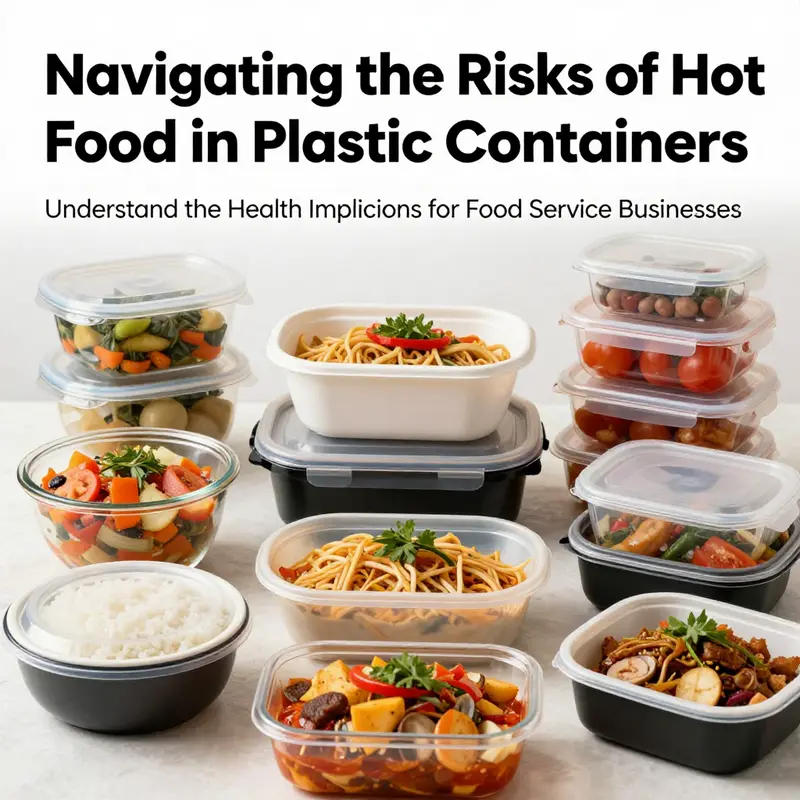
As food service professionals, ensuring the safety and health of your customers is of utmost importance. While hot food in plastic containers might offer convenience, emerging research highlights significant health risks associated with chemical leaching from plastics, especially when they come into contact with heat. This article dives into the core risks tied to such practices, particularly focusing on the implications to the heart and gut microbiome, as well as material-specific dangers inherent to various plastics. Together, we will explore actionable safety recommendations to help ensure your food service practices promote well-being and align with health guidelines.
Heat, Plastic, and Hidden Dangers: Tracing How Hot Food Leaches Chemicals from Containers and What It Means for Health
The everyday act of grabbing a plate of hot food from a plastic container is a familiar convenience in modern life. Steam curls from the lid, the aroma wafts, and the clock-ticking pace of everyday obligations makes this ritual feel almost harmless. Yet beneath the ordinary surface lies a complex interplay between heat, materials, and biology. When hot food meets plastic, heat does not simply transfer warmth; it can accelerate a quiet, invisible process known as chemical leaching. This is not a single event but a cascade of interactions that begins at the interface between fatty, steaming food and the polymer matrix that holds it together. The result is a small but real migration of substances from container into food, a micro-drama unfolding with each bite, each reheating session, and each reused container that has aged under repeated thermal stress. Understanding this drama requires a careful look at what is in plastic and what heat does to it, as well as what these substances can do once they enter the human body. The core risk, repeatedly affirmed in peer-reviewed work, is not a single chemical but a pattern of migration that involves classes of compounds with known or suspected endocrine-disrupting properties. Among these, two families—bisphenols and phthalates—have been the most intensively studied for their potential health effects. The story is not simply about toxins; it is about the way convenience, habit, and material science intersect with biology to produce cumulative exposures that, over time, may shape health in subtle but meaningful ways. In this sense, hot food in plastic containers becomes a window into how everyday choices intersect with the longer arc of health outcomes, particularly when exposure occurs repeatedly, during critical life stages, or across a lifetime of cumulative contact with leached substances.
Bisphenols are a central focus in many discussions about leaching. These compounds are used to manufacture polycarbonate plastics and epoxy resins, with the most widely recognized example being bisphenol A (BPA). Even as manufacturers pivot to BPA-free alternatives such as BPS and BPF, research has shown that these substitutes can exhibit endocrine-disrupting properties akin to BPA. The endocrine system, which orchestrates hormonal signaling, is exquisitely sensitive to tiny chemical perturbations. When bisphenols enter the body, they can mimic or interfere with natural hormones, potentially affecting reproductive function, metabolic regulation, and developmental processes. A pivotal study in Environmental Health Perspectives in 2023 shed light on how quickly heat can alter exposure: after heating fatty foods like cheese or oils in containers marketed as microwave-safe, almost seven in ten commonly used containers exhibited detectable levels of BPS or related phthalates. While the measured concentrations tended to stay below FDA-mandated limits, the finding carries a clear caution. Long-term, low-dose exposure, especially during pregnancy or early childhood, is a different matter from a one-off intake. It is the accumulation across repeated exposures that can pencil into a larger risk profile, even when each individual exposure seems small.
Phthalates, the plasticizers that give rigidity to otherwise stiff materials, are another major thread in this narrative. They are not inert fillers; they influence how we metabolize hormones and how our bodies regulate energy and reproduction. Among their concerns are disruptions to testosterone synthesis and related impacts on male reproductive health, with broader associations to metabolic outcomes such as obesity and diabetes risk. The concern grows when plastics are subjected to heat. In some materials, not only do these additives migrate, but other substances used in the polymer matrix or the manufacturing process can migrate under high temperature as well. The risk is compounded in containers that are not truly designed for repeated high-heat use, where wear and aging can accelerate chemical release. Even materials like PET, commonly thought to be inert, may release trace amounts of heavy-metal catalysts like antimony at elevated temperatures. While these quantities are typically small, repeated exposure or long storage of hot foods in such containers may pose cumulative concerns, especially for sensitive individuals.
An important thread in the literature is that labeling a container as “microwave safe” or claiming BPA-free status does not guarantee a completely risk-free experience. Heat accelerates leaching, and the composition of the plastic matters. Two factors—fat content of the food and the duration of contact—can magnify the migration rate. Fatty foods, in particular, create an environment that dissolves and mobilizes chemical additives more readily than water-based foods. The practical implication is clear: hot, fatty foods should not be stored in plastic containers for extended periods, and consumer habits that involve reheating in the original container should be re-examined. The safest recommendation across the literature is to favor inert materials for hot foods whenever possible. Glass, ceramic, or stainless steel can act as protective barriers, limiting direct contact between the heated food and potentially leaching agents. Reducing reliance on disposable plastics and avoiding reuse of non-designated multi-use containers are practical steps that can substantially lower cumulative exposure over time.
The health implications of these exposures extend beyond the immediate chemical presence in a meal. Animal experiments offer a stark reminder of the potential physiological ripple effects. A study published in December 2024 in a respected environmental toxicology journal reported that feeding hot water stored in plastic containers to mice induced cardiac muscle injury and disruption of the gut microbiome. The researchers proposed a chain of events: leached chemicals alter gut microbial balance, triggering systemic inflammatory responses that can strain cardiac tissue. While extrapolating directly from mice to humans must be done with caution, the study underscores a consistent theme in this field: the gut and the immune system can become unwitting intermediaries through which environmental chemicals exert effects on distant organs such as the heart. This line of inquiry remains active, and it cautions against complacency about seemingly modest exposures, especially when they accumulate across meals, days, or weeks.
In the chapter on safe use, the emphasis emerges clearly: choose materials and practices that minimize contact between hot foods and plastics that are not designed for such use. The labeling system, while useful, is not a perfect shield. The bottom triads and resin codes can guide decisions, but they do not guarantee safety under all conditions. Among the commonly available options, polypropylene—labelled as PP with the number 5—stands out as one of the more heat-tolerant, food-grade plastics. It can tolerate temperatures approaching 120 degrees Celsius, which is sufficient for many hot food scenarios that do not require direct oven or microwave heating at extreme settings. The practical rule is simple: when in doubt, favor containers marked for higher heat tolerance and avoid those labeled PVC (3) or polystyrene (6). These materials are more likely to degrade and release constituents when subjected to heat, especially in the presence of fats and oils.
Another critical guideline is to avoid heating in the original plastic container. The practice of placing a plastic box in a microwave or pouring freshly cooked, steaming food directly into a plastic container should be discouraged. The moment hot, oily food meets plastic, the differential between the food’s temperature and the material’s relaxation or aging characteristics becomes a driver of migration. The risk is not a single flash of exposure but a cumulative pattern that grows as containers age through use, abrasion, and repeated thermal cycling. Consumers can reduce risk by transferring hot dishes to inert vessels, even when the container appears to be labeled as safe for warmth. If a decision is made to reuse containers, it should be with containers designed for multi-use, properly cleaned, and free from any visible signs of wear—deformation, cloudiness, or changes in color. A container that looks worn or damaged is an indicator that the material’s barrier properties may no longer perform as intended, allowing more rapid leaching.
The practical takeaway for daily life is straightforward but not always easy to implement. The allure of instant meals and reheat-at-home conveniences runs counter to a precautionary principle that asks us to consider the long arc of health. The best path remains a shift toward inert, stable materials for hot foods whenever possible. Carrying a small set of reusable glass, ceramic, or stainless-steel containers can reconcile the desire for convenience with the imperative of health protection. When circumstances force the use of plastic, the most prudent approach is minimal exposure: use the smallest possible, heat-tolerant container that fits the portion, avoid long storage of hot foods in plastic, and transfer to a safer vessel as soon as practical. These habits, modest in isolation, create a robust shield against cumulative exposure that could otherwise accumulate across meals, days, and seasons.
There is also a broader health and policy context to consider. The evidence base continues to evolve, and while not every study points to immediate harm, the converging lines of inquiry—from chemical migration in controlled heating experiments to animal models showing cardiac and inflammatory changes—support a precautionary stance. The bottom line for individuals is to weigh convenience against potential, albeit small but real, health risks. The safer course is to minimize contact between hot foods and plastics, to prefer inert storage vessels for hot meals, and to maintain awareness of the signs of material degradation in containers—discoloration, warping, or cloudiness that signals aging and potential increased leaching.
For readers seeking a rigorous anchor for these discussions, one comprehensive, peer-reviewed resource synthesizes the heat-leaching phenomenon across a broad range of containers and foods. It demonstrates that even containers marketed as microwave-safe can be sources of exposure, especially with high-fat foods, and it frames leaching within the wider context of endocrine disruption and metabolic health. This body of work is part of a larger conversation about how everyday materials interact with biology and how small, repeated exposures can contribute to meaningful patterns in health over time. As the science progresses, individuals can take practical steps today—mindful selection of containers, reduced use of disposable plastics, and deliberate transfer of hot foods to safer vessels—to lower their personal risk while supporting broader public health goals.
Authoritative source: Environmental Health Perspectives. https://ehp.niehs.nih.gov/doi/10.1289/EHP1456
Heat, Leachates, and the Heart: Unraveling Cardiac Risk and Microbiome Disruption from Hot Food in Plastic Containers
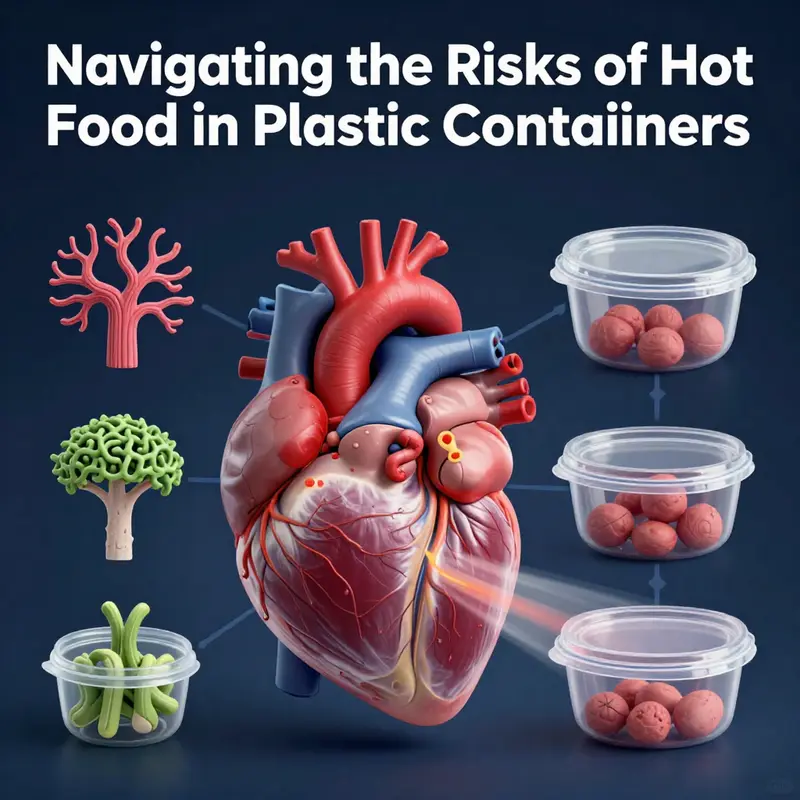
Everyday meals carried in plastic containers carry more than just convenience. The simple act of pouring a steaming bowl or wrapping a hot sandwich in plastic sets in motion a chain of chemical events that researchers are only beginning to trace with precision. When heat meets plastic, a spectrum of substances can migrate into the food, and with that migration comes a cascade of biological responses that touch the gut and the heart. The narrative woven by recent science is not merely about environmental grains of plastic in the ecosystem; it is about intimate exposures that may shape chronic disease risk, especially for people who routinely rely on plastic food packaging in daily life. The chapter that follows looks beyond taste and texture to examine how heat-altered plastic contact can unfold in the body, advancing a story of leachates, microplastics, and inflammation that may reach the heart and disturb the microbial world within the gut. It is a narrative grounded in epidemiology and experimental biology, where numbers on a spreadsheet translate into evolving pictures of human health risk and the invisible threads that connect the gut to the heart.
A pivotal line of evidence comes from a robust human cohort study conducted with elderly participants, which links frequency of exposure to plastic products with a measurable uptick in cardiovascular risk. In a survey of 3,179 individuals from a large elderly mental health cohort, researchers observed that those reporting high-frequency contact with plastic containers and related products carried a 13 percent higher risk of developing congestive heart failure compared with counterparts who reported lower exposure. This signal, while observational in nature, aligns with a growing appreciation that plastics are not inert packaging but potential chemical participants in daily life. The magnitude of the association is meaningful, particularly because congestive heart failure represents a late-stage manifestation of cardiovascular disease that accumulates from decades of physiological stress. The finding invites careful interpretation: it suggests a link between everyday plastic use and heart risk, a link that warrants deeper inquiry into mechanism, dose, timing, and vulnerable populations. It also underscores a public health imperative to minimize unnecessary exposure while continuing to investigate the causal pathways behind the association.
But the human data alone cannot reveal how these exposures might translate into biology. To explore mechanisms, researchers turned to controlled animal experiments that imitate a common consumer scenario: heat transferring from a plastic container into the liquid held inside. Over a three-month period, rats received water that had been heated in disposable plastic containers for 1, 5, or 15 minutes. The oral exposures were designed to reflect a range of real-world practices—from a brief hot soak to a longer period of contact during busy days when containers are left with warm food for extended times. What emerged from these experiments was a cascade of physiological changes that began with inflammatory signaling and oxidative stress and progressed toward tangible cardiac damage and a disrupted gut ecosystem. Rats exposed to the leachate—the liquid that had absorbed materials from the plastic—displayed elevated C-reactive protein, a marker of systemic inflammation, and a simultaneous weakening of antioxidant defenses. More striking were the structural alterations observed in heart tissue: ruptured or misaligned muscle fibers, infiltration of inflammatory cells, and swollen mitochondria, the organelles responsible for cellular energy production. Such histopathological changes do not arise in a vacuum; they reflect a pro-inflammatory milieu and a stressed metabolic state that can compromise cardiac function over time.
Concurrently, the same leachate exposure produced significant shifts in the gut microbiota. The microbial communities within the intestines changed in ways that align with increased intestinal permeability and systemic inflammatory signaling. The gut, often described as the body’s second brain or its metabolic engine, appears to be a critical site where exposure to heated plastics begins to exert cardiovascular effects. The proposed mechanism is a cascade: leachates disrupt the gut microbiome, triggering a low-grade, chronic inflammatory state and oxidative stress. This inflammatory background, over months and years, can contribute to myocardial injury and, in turn, elevate the risk of cardiovascular diseases such as heart failure. While animal evidence cannot be read as a direct map onto human physiology, it provides a plausible biological narrative that links the epidemiological signal to a chain of cellular and tissue-level events. The work invites a cautious but urgent reassessment of hot-plastic practices and prompts a broader look at how everyday packaging choices influence long-term heart health.
Chemical fugitives from plastics have long occupied a contested place in public health discussions. In the same body of work that traces clinical outcomes and tissue pathology, scientists highlight particular additives that warrant attention. Substances such as bisphenol A (BPA), various phthalates, and di(2-ethylhexyl) phthalate (DEHP) have been identified as endocrine disruptors with potential cardiovascular implications. Endocrine disruption can perturb hormonal signaling that subtly governs vascular function, metabolism, and inflammatory responses. The convergence of chemical leaching, microplastic particles, and hormonal interference paints a more complicated picture than a single toxicant causing a single effect. Instead, it is a network of exposures that can interact with individual biology in diverse ways, shaped by temperature, duration of contact, fat content of the food, and the specific plastic material involved. In this framework, the heart is not simply a passive recipient of chemical stress; it is an organ that responds to a steady diet of inflammatory cues and oxidative challenges that originate in the gut and circulate through the bloodstream.
Temperature intensifies the problem in ways that are both intuitive and striking. Laboratory investigations have shown that heating plastic to high temperatures intensifies the release of microplastics and toxic chemicals. One set of data demonstrates a dramatic escalation in particle release when water is heated from room temperature to near boiling. Microplastic particle concentrations can surge by orders of magnitude as temperatures climb, creating a higher probability that ingested plastics will interact with gut tissue and immune cells. Even more concerning are findings related to commonly marketed microwave-safe plastics, which, after a brief heating interval, can release billions of microplastic particles. These temperature-driven dynamics help explain why simple everyday actions—napping a hot meal into a takeout container or reheating food in a plastic wrap—may carry risks that extend well beyond the kitchen counter.
The material science behind these risks matters too. Not all plastics are equally vulnerable to heat. The takeout boxes that saturate many city streets and home kitchens often belong to a family of polymers that are not notably resistant to high heat. Polystyrene, a frequent packaging material, is known to deform and degrade when exposed to heat, releasing styrene—a compound with potential carcinogenic and neurotoxic associations. In parallel, cheap plastic bags and wraps used in street food contexts are often made of industrial-grade polyethylene with limited food-grade assurance. The net effect is that the very containers chosen for convenience may also contribute to a chemical environment in the meal that the body then has to negotiate after ingestion. This is not a call to demonize all plastics but a reminder that when heat is involved, the choice of material becomes a health decision with potential long-term consequences for the heart and for gut ecology.
What can be done in daily life to mitigate these risks while preserving the practical benefits of plastic packaging? The safe-use guidance is straightforward in its core messages yet demands discipline in daily routines. First, always scrutinize container markings and prefer materials known to withstand higher temperatures without rapid leaching. Among common food-contact plastics, polypropylene-based containers have demonstrated relatively higher heat tolerance, yet even these should not be subjected to prolonged microwaving or direct contact with hot foods. More broadly, the recommended best practice is to avoid heating ordinary plastic containers in microwaves altogether. Even when a container is labeled microwave-safe, the literature suggests caution, particularly with high-fat foods, which can facilitate greater absorption of leachates and microplastics. Second, a decisive shift away from single-use plastics toward reusable, non-plastic or safer alternative containers can dramatically reduce exposure. Glass, ceramic, or stainless steel options, when feasible, provide barriers to heat-related leaching and minimize the risk of microplastic ingestion. If circumstances demand plastic use for hot food, it is prudent to transfer the meal promptly to a safer vessel once it has cooled enough to handle, thereby interrupting the temperature-dependent leaching process. Third, the simple habit of inspecting containers for deformations, discoloration, or cloudiness is more than cosmetic; it is a signal that the material’s integrity has changed and may be failing under heat stress. In such cases, disposal and replacement are prudent choices to protect ongoing exposure from continuing.
These practical steps sit within a broader public health frame that recognizes the implications of a warming world and an increasingly plastic-laden food system. The research landscape — spanning population studies, controlled animal experiments, and chemical analyses — converges on a consistent theme: the safety of hot food in plastic containers cannot be assumed solely on convenience. It requires engagement from individuals, food-service providers, policymakers, and manufacturers to minimize exposure pathways in the supply chain and to explore safer packaging alternatives that preserve food safety without compromising long-term health. In this sense, the current evidence offers more than warnings; it points toward a shift in how meals are packaged, stored, and heated in everyday life. If hunger and convenience continue to pull in the direction of plastics, science and policy must push back with clear guidance, better materials, and accessible alternatives that do not trade short-term ease for longer-term cardiovascular and microbial health.
As we consider the broader implications, the story of hot food in plastic containers becomes a reminder of how everyday choices accumulate into measurable health effects. The heart, with its relentless demand for steady energy and clean signaling, relies on a body system that is responsive to inflammation and oxidative stress. The gut, meanwhile, acts as a gateway that shapes the immune and metabolic milieu of the entire body. When heat accelerates the release of microplastics and chemical leachates, the gut and the heart may be drawn into a shared susceptibility. In this light, the issue is not a single toxicant or a single exposure event, but a continuum of exposure that can, over time, alter the inflammatory set point and the heart’s resilience. The emerging science invites prudent behavior and responsible innovation: a world where the convenience of plastic does not have to come at the cost of cardiovascular health or microbial balance. If the body’s inner ecosystems are disturbed by the leaching of substances from heated plastic, the most effective countermeasures are those that restore and protect those ecosystems—minimizing heat-related leaching, preserving gut microbial diversity, and supporting heart health through safer packaging choices.
External resources for deeper exploration underscore the seriousness of these findings. For a detailed scientific account of plastic leachates and cardiovascular risk, see the study from Ningxia Medical University published in Ecotoxicology and Environmental Safety: https://www.sciencedirect.com/science/article/pii/S014763702400581X. This resource provides the empirical backbone for the patterns described here and invites further scrutiny of exposure pathways across populations and food-service environments.
Heat, Hazard, and Habit: material-specific dangers of hot food in plastic containers and safer paths
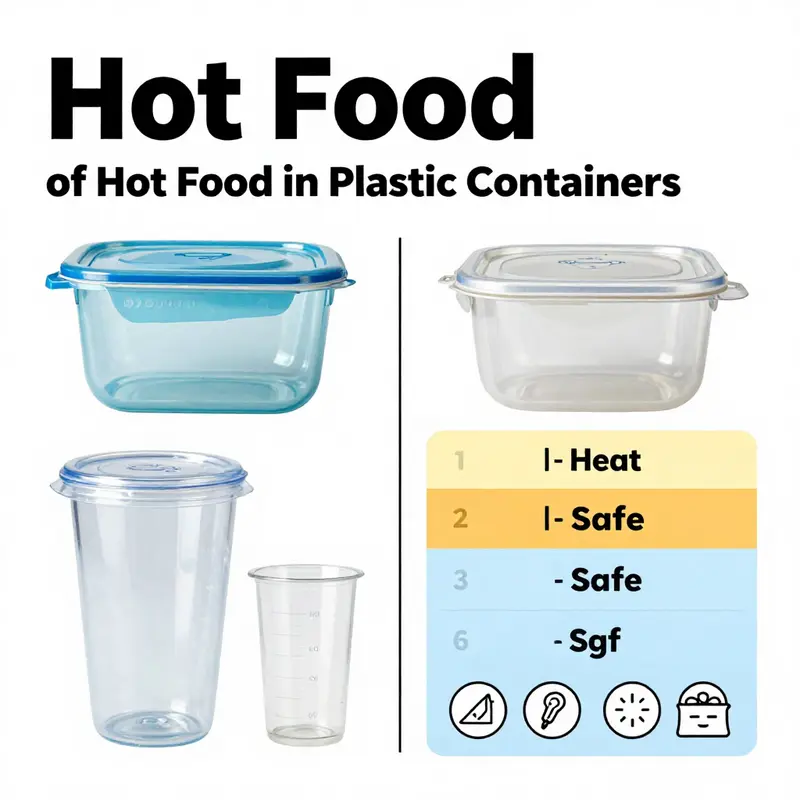
Heat has a way of revealing what plastics keep hidden. In the rush of daily life, many people grab a takeaway, pluck a plastic container from the fridge, and assume that warmth is harmless. Yet the science tells a different story. High temperatures don’t just warm food; they mobilize the very materials that hold it. When hot meals meet plastic, especially containers that are not designed for high heat, complex chemical dances can occur. These dances involve both the tiny, often invisible fragments of plastic and the additive chemicals embedded in the polymer matrix, which may migrate into the food pool. The result is not merely a temporary scent of synthetic resin. It is a potential exposure to substances that act on our bodies long after the meal is finished. The risk, however, is not uniform across all plastics. It varies with the type of polymer, the temperature reached, how long the food remains in contact, and the fat content of the meal. In other words, the danger is both material and situational, a convergence of chemistry and everyday routine that many people overlook until a reported consequence arrives. This chapter unfolds that nuanced terrain, guiding readers through material-specific hazards, the conditions that amplify leaching, and practical steps to reduce risk without sacrificing the convenience that makes plastic a staple in modern life. The goal is not to condemn all plastics in every use but to illuminate how to make safer choices when hot food and packaging intersect. We begin with the most critical insight: the danger is not universal but material-specific, and some plastics present far greater hazards when heated than others.
The first and most widely discussed class in this conversation is the polycarbonate family, often associated with the category of “other” plastics that bear the notorious abbreviation #7 in many reuse labeling systems. The concern here centers on Bisphenol A (BPA), a chemical that earned its reputation as an endocrine disruptor. BPA can mimic or interfere with the body’s hormones, and its effects have spanned reproductive health, metabolic processes, and developmental outcomes in various models. The toxicity conversation has evolved since earlier decades when BPA was assumed safe in consumer products, but the reality stubbornly remains: any exposure during sensitive life stages, such as pregnancy or early childhood, is not risk-free. Even as many manufacturers shifted to BPA-free formulations, the landscape did not become entirely benign. Substitutes like Bisphenol S (BPS) or Bisphenol F (BPF) have emerged, and evidence has grown suggesting these analogs can exhibit endocrine-disrupting properties similar to BPA, especially when heated. The key takeaway is not that all BPA-free plastics are harmless, but that high temperatures dramatically accelerate the migration of these substances from the polymer into the surrounding food matrix. When the heat is applied, the molecular barriers that usually restrain chemical movement loosen, and the rate of transfer accelerates. The practical implication for hot food is clear: if the container’s material is polycarbonate-based and allowed to reach high temperatures, the potential for BPA or its substitutes to leach increases, and with it the possibility of systemic exposure that may influence hormonal balance over time.
A second class, polyvinyl chloride (PVC), is notorious for containing phthalates, additives used to keep PVC flexible and workable. Phthalates are another group of substances associated with endocrine disruption. The health footprint of phthalates spans reproductive development, metabolic regulation, and broader immune responses. When PVC is heated, or when fats are present in food that has contact with PVC, the leaching of phthalates becomes more likely. The risk here is not merely a theoretical one; it reflects longstanding concerns in consumer health about how common packaging materials behave under thermal stress. PVC’s role in heated food storage is often discouraged in safety guidance, precisely because its chemical profile tends to favor leaching under heat. The public health message aligns with precaution: avoid heating food in PVC-containing containers and, wherever possible, choose alternatives that have a clearer safety track record for hot foods.
Polypropylene (PP), represented in many consumer containers by the #5 designation, is frequently labeled as safer than some other plastics. It does carry the promise of higher heat resistance, and in many uses it performs well for hot foods and reheating. Yet the science cautions that no plastic is risk-free, especially under extreme conditions. When temperatures rise beyond typical household reheating ranges—think near the upper limits of what a hot meal might reach—some migration of contaminants can occur. Antimony, a metalloid used in the manufacturing process of certain plastics, can migrate at higher heats, and traces of other potentially hazardous substances might also escape. The relative safety of PP is real but conditional; the material’s resilience to heat does not grant it immunity against leaching or degradation, particularly when containers are scratched, warped, or otherwise damaged.
A third major category, polyethylene (PE), includes some of the most common food-contact plastics, such as those used for grocery bags and flexible packaging. PE is often considered among the safer options for general food contact. The critical caveat is not that PE itself releases dramatic toxins, but that in the context of hot foods, physical integrity matters. If the plastic is compromised—melting, tearing, or becoming cloudy—then microplastic particles can become part of the meal. These microplastics are not just inert debris; they represent an ongoing area of research in terms of health impacts, with concerns ranging from inflammatory responses to potential systemic exposure when swallowed. The bottom line for PE is about behavior under heat: intact PE may pose lower chemical risk than PVC or certain polycarbonates, but damaged PE can contribute to microplastic contamination in hot foods.
The material-specific dangers are compounded by context. Temperature matters more than any single factor; fat content plays a crucial role, and the duration of contact between food and container is a multiplier. Fatty foods—think oils, sauces, or meats with higher fat content—tend to absorb more of the leached chemicals from plastic films and containers than water-based foods. Oil acts like a solvent for many additives, pulling them from the plastic and into the meal more readily. Coupled with longer contact time, this means that a hot, fatty dish held briefly in a compromised container can present a different risk profile from a similar dish left in a pristine container for a shorter period. The age and condition of the container matters as well. Cracked, warped, scratched, or cloudy plastics can harbor micro-cracks that serve as conduits for chemicals to move more quickly into food. In short, the same heating event can yield different exposures depending on the specific plastic, the food’s composition, and the container’s physical state.
A vulnerable but informative line of evidence comes from a 2024 study conducted in the field of eco-toxicology and environmental safety. In that animal model, feeding hot water stored in plastic containers to mice led to measurable heart muscle injury and disruption of the gut microbiota. The researchers proposed a chain of effects beginning with chemical migration into food, progressing to alterations in the intestinal microbial community, and culminating in systemic inflammatory signals that can burden cardiovascular tissues. While animal studies are not directly transferable to humans, such findings underscore the plausibility of the mechanism. They do not provide a precise risk estimate for people, but they do alert us to the kind of biological cascades that can be set into motion by heated plastics. The takeaway is a warning: heat can magnify exposure to plastic-derived chemicals, and the downstream effects may touch several organ systems, including the heart and the gut. The study invites caution and further research, not a final verdict.
Beyond the chemical considerations, practical advice about how to handle hot food with plastics rests on a sober assessment of everyday behaviors. The safest approach is to minimize heating in plastic containers altogether. If heating is necessary, the best-practice rule is to use containers explicitly labeled as microwave-safe, because those products are designed to withstand higher temperatures without dramatic migration or degradation. Yet even microwave-safe labels do not guarantee absolute safety in every scenario, and thoughtful handling remains essential. A fundamental recommendation is to transfer hot food to safer materials as soon as possible after cooking or reheating. Glass, ceramic, and stainless steel offer more inert surfaces and greater resistance to the heat-induced migration of chemicals. Glass and ceramic are non-reactive and compatible with many reheating methods, including ovens for heat-table use or microwaves when properly labeled. Stainless steel containers are excellent for storage and transport, and they avoid the chemical leaching concerns that plastics present, though they are not suitable for microwave reheating in most house-hold contexts. If plastic must be used, it is critical to select only those marked as food-safe and to avoid containers with anti-heat signals that appear inconsistent with safe use under heat. A simple but crucial habit is to inspect containers before each use: warped, discolored, or scratched plastics should be retired. The moment a container shows any signs of wear, its structural integrity and barrier properties may be compromised, accelerating leaching and possibly generating microplastic fragments directly into the meal.
Safety guidance grows more layered when we consider specific materials and the codes used to label plastics. Polycarbonate-based items and the broader family of #7 plastics are flagged for concern because of BPA or related biphenyl compounds. PVC, associated with plasticizers like phthalates, is generally discouraged for any heated food use due to its higher propensity to release these additives. PP, commonly recognized as more heat-tolerant, is not entirely risk-free; extreme heat can still cause migration of contaminants such as antimony, albeit at lower levels than PVC or polycarbonate. PE is often considered the safer outer envelope for food contact, but its safety depends on intact, non-melted conditions. A practical lens for shoppers and home cooks is to prioritize containers with simple, stable materials like glass or stainless steel when heat is involved, and to reserve plastic for short-term cold storage rather than long-term hot-food exposure. When plastic is indispensable, it helps to check for a microwave-safe label and to avoid reusable items with ambiguous or outdated coding that might belie material complexity.
The safety conversation, however, would be incomplete without addressing the broader cultural and ecological implications of relying on disposable plastics for hot meals. The convenience of single-use packaging has become deeply ingrained in modern life, yet the health considerations intersect with sustainability concerns. Reducing reliance on plastic for hot foods is not merely a personal health choice but a public health practice, especially in households that frequently rely on takeout or fast-food meals. The transition toward safer, reusable options—such as glass or stainless steel containers—reduces both chemical exposure and plastic waste. It is not necessary to abandon all convenience; rather, it is about recalibrating routines, investing in durable containers that withstand repeated heat and wash cycles, and cultivating habits that minimize the potential exposure window. An influential aspect of this shift is to migrate away from older, porous, or damaged containers, and toward products designed to resist heat and maintain the integrity of their barriers over time. This approach aligns with a broader precautionary stance toward food safety, one that recognizes that small, consistent changes in everyday practices can yield meaningful long-term health dividends.
Even as we advocate safer materials and better handling, a note on the practicalities of daily life remains essential. The thermodynamics of heating food in plastic are not a theoretical abstraction. They shape how a meal tastes, how a person feels after eating, and how reliably the body processes the nutrients from the meal. When a hot dish sits in a container, there is a transference of energy and matter. The container’s polymers respond to the heat, altering their microstructure and potentially releasing minute amounts of additives into the food. The fat content of the dish acts as a solvent, inviting a higher degree of leaching. The contact time becomes a crucial variable. A short, brief contact period may bear little measurable risk, while extended contact amplifies exposure. The interplay of these variables means that personal choices, rather than universal absolutes, define risk in everyday meals. A pragmatic strategy is to favor containers with known heat resistance, limit the use of plastics for hot foods, and practice prompt transfer to safer vessels when feasible. In households where takeout is common, keeping a small kit of heat-safe, reusable containers can minimize the temptation to reheat in questionable plastics. The habit of pre-planning meals and reheating in appropriate vessels, rather than in the original packaging, can measurably reduce exposure to the leaching chemicals and microplastics we have discussed.
For those seeking a concrete step toward safer routines, consider integrating a simple yet effective practice into the kitchen workflow. When you bring home hot leftovers, immediately transfer them to a safe, non-plastic container if you have any doubts about the plastic’s integrity or its heat tolerance. If such a transfer is not possible, place the food in a container that is explicitly labeled as microwave-safe and designed for hot foods, and avoid relying on the original packaging as a long-term storage solution. Keep the original plastic containers for cold storage only, when appropriate, and label them for contents and date to minimize repeated reheating cycles. This disciplined approach reduces cumulative exposure and aligns with a health-conscious mindset that values both immediate safety and longer-term well-being.
The scientific picture, though evolving, is consistent in one practical message: heat changes the behavior of plastics in ways that can affect health. The material-specific hazards vary, and so do the routes of exposure. The safest overall guidance remains clear: favor safer materials for hot foods, minimize contact time, inspect containers for wear, and stay alert to labels and heat-tolerance information. The broader message connects to a larger public health objective: to reduce unnecessary exposure to potential endocrine disruptors and microplastics while maintaining the conveniences that modern life provides. In practical terms, this means changing daily routines, choosing safer containers when possible, and being mindful of how heat interacts with packaging during meals. For households that rely on plastic for hot food under certain circumstances, adopting a policy of cautious use—paired with rapid transfer to safer vessels when feasible—offers a balanced path forward. This approach embodies the best of both worlds: preserving the comfort and efficiency that plastic packaging affords while safeguarding health through informed, deliberate choices.
As you close this chapter, consider the daily decisions that shape exposure to plastic-associated chemicals. A single reheating choice may seem minor, but it contributes to a larger cumulative effect. The material-specific dangers remind us that not all plastics behave the same way under heat, and that context—food type, temperature, duration, container condition—matters as much as the material itself. The recommended safety strategies are practical, actionable, and adaptable to different kitchens and lifestyles. They embrace a straightforward principle: when hot food is involved, prioritize safety through material choice, careful handling, and timely transfer to safer vessels. In the chapters to come, we will expand on how to implement these habits across different settings, from homes to workplaces and beyond, and how to weigh convenience against long-term health considerations without losing the sense of everyday ease that makes plastic indispensable today. For readers ready to take a concrete step now, a simple, proactive move is to seek safer containers for hot meals and to keep a reusable option near the kitchen counter, ready for the next hot plate that enters the home. When in doubt, choose the non-plastic path for hot foods whenever possible, and remember that small shifts in daily routines can lead to meaningful improvements in health and well-being over time. As a practical reminder, see the product page aluminum-plant for a glimpse of durable, reusable options that sidestep the heat-leaching concerns of traditional plastics. And for a broader, evidence-based overview of plastics and health, consult external resources such as https://www.who.int/news-room/fact-sheets/detail/plastics-and-health.
Final thoughts
The health implications associated with serving hot food in plastic containers are pressing and warrant serious consideration for food service businesses. Understanding the risks of chemical leaching, potential cardiac damage, and specificity of plastic materials can guide your food safety strategies effectively. By embracing safer alternatives and making informed choices, as outlined in this article, you can promote health and wellness in your establishments, ultimately enhancing customer satisfaction and trust.