
Introduction
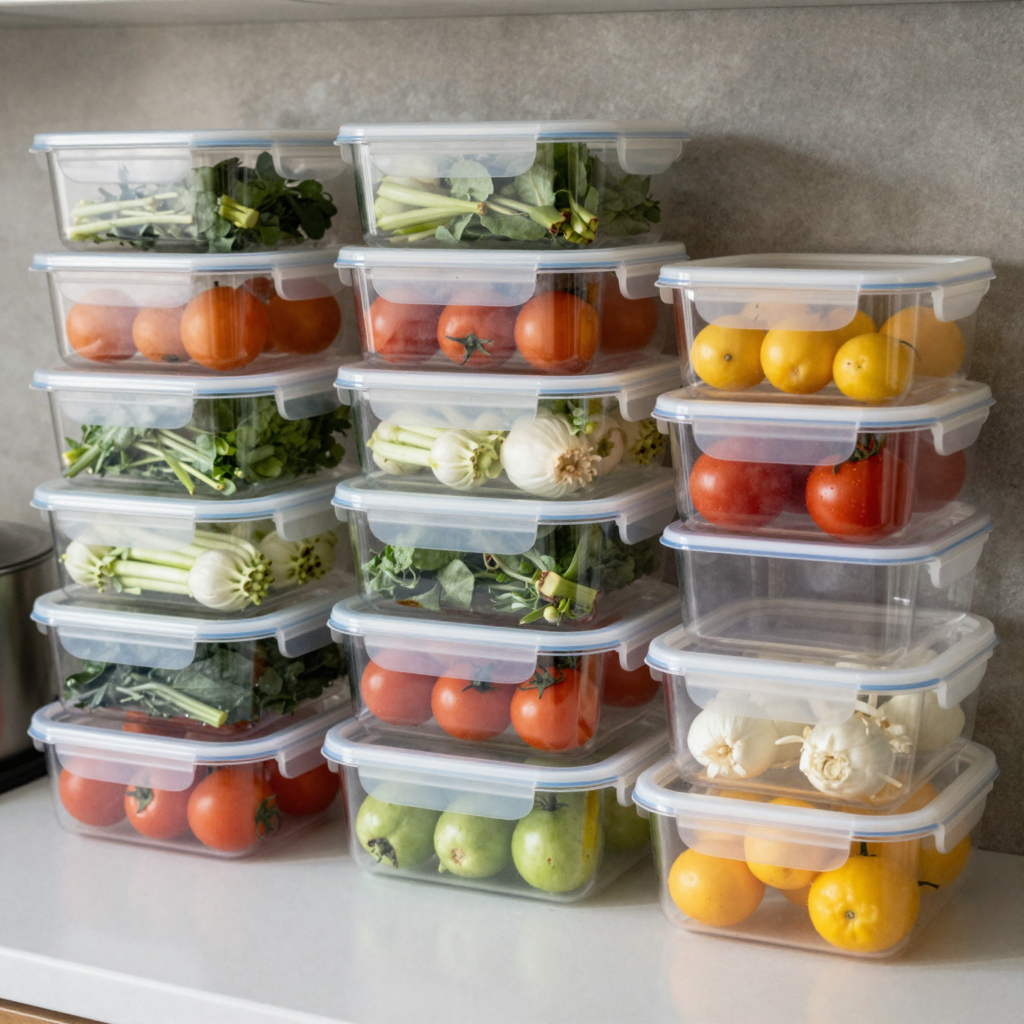
In the bustling food industry, maintaining impeccable hygiene and quality standards is paramount, especially when it comes to clear plastic food containers. These containers are not only practical for storage but play a significant role in enhancing customer satisfaction. When customers see fresh ingredients through crystal-clear containers, it builds trust and showcases the quality of your offerings. However, the longevity of these containers hinges on how well they are cleaned and maintained. Businesses that understand how to clean clear plastic food containers effectively ensure that they remain vibrant, transparent, and free from scratches or stains. Not only does this contribute to a stellar presentation, but it also saves money in the long run by extending the lifespan of your investments. In this article, we will delve into essential cleaning techniques, the right products to use, and best practices for maintaining your containers, along with tips tailored specifically for bubble tea shops, restaurants, food trucks, catering services, and event planners. Join us on this journey to learn how proper care can elevate your food service business!
For further insights into the importance of maintaining cleanliness in the food industry, check out our detailed post on plastic containers in the food industry.
Common Contaminants on Clear Plastic Food Containers
When it comes to maintaining hygiene in bubble tea shops and restaurants, it’s crucial to be aware of common contaminants that can affect clear plastic food containers. Below are some of the most prevalent ones:
-
Food Residue: Leftover bits of fruit, sugar, or tapioca pearls can cling to the surface of plastic containers, leading to potential health risks and diminished visual appeal.
-
Grease: Oils from fried snacks or oily foods can leave unsightly smudges and create a sticky residue that attracts more dirt and bacteria.
-
Stains: Ingredients such as tea, coffee, or sauces can stain plastic containers, making them look unclean and less appealing to customers.
-
Soap Residue: If not rinsed thoroughly, cleaning agents can leave a film on the containers that may affect the flavor of the food or drink stored inside.
-
Dust and Debris: Simple exposure to the environment can lead to the accumulation of dust and small particles, which can compromise food safety.
-
Bacterial Growth: If containers are not cleaned properly or if food residue is left for too long, bacteria can thrive, posing severe health risks.
-
Labels and Adhesives: Residue from labels, stickers, or tape may not only look unprofessional but also interfere with proper sanitation.
Maintaining clear plastic food containers is critical in providing a hygienic food service. Regular cleaning and inspection can help mitigate these risks. For more detailed cleaning tips, consider checking out our guide on how to properly clean food containers.
In conclusion, being aware of and addressing these contaminants will help ensure you maintain a clean and safe food service environment, which is paramount in the food industry.
Regular cleaning of plastic food containers is not just a matter of hygiene; it’s essential for ensuring safety, durability, and customer satisfaction in any food-related business. For bubble tea shops, restaurants, food trucks, catering services, and event planners, maintaining clean containers translates directly into business success and consumer trust.
Enhanced Safety
Plastic food containers that are not regularly cleaned can become breeding grounds for harmful bacteria and pathogens. For instance, food residue left behind can lead to cross-contamination, putting customers at risk for foodborne illnesses such as E. coli and Salmonella. These health risks can have serious consequences, leading to potential lawsuits and a damaged reputation. Regular cleaning helps mitigate these risks, ensuring that the food served is safe for consumption.
Durability
Regularly cleaning and properly maintaining plastic containers enhances their lifespan. Many plastic food containers are designed to withstand repeated use, but neglecting to clean them can cause degradation. Buildup from oils, sauces, and other foods can lead to staining and odors that may be irreversible. By routinely washing these containers, businesses can ensure that they remain clear, functional, and visually appealing, which is critical for food presentation.
Customer Satisfaction
Food quality isn’t the only factor that influences customer satisfaction; cleanliness plays a pivotal role. Customers are more likely to return to a business where they perceive high hygiene standards. Clean containers enhance the overall experience, reinforcing a business’s commitment to quality and safety. If customers notice lingering smells or stains in food containers, it can create a negative impression, leading to dwindling patronage.
Conclusion
In conclusion, regular cleaning of plastic food containers is crucial in the food industry. Businesses not only protect themselves from health risks but also enhance the durability of their equipment and promote higher customer satisfaction. For more insight into the importance of cleanliness in the food business, you can learn more about the plastic containers in the food industry.
| Cleaning Product | Effectiveness | Safety | Eco-Friendliness | Cost |
|---|---|---|---|---|
| Vinegar | High | Safe | Very High | Low |
| Baking Soda | Moderate | Safe | High | Low |
| Dish Soap | High | Safe | Moderate | Low |
| Bleach | High | Moderate | Low | Low |
| Commercial Cleaner A | High | Moderate | Moderate | Moderate |
| Commercial Cleaner B | High | Low | Low | High |
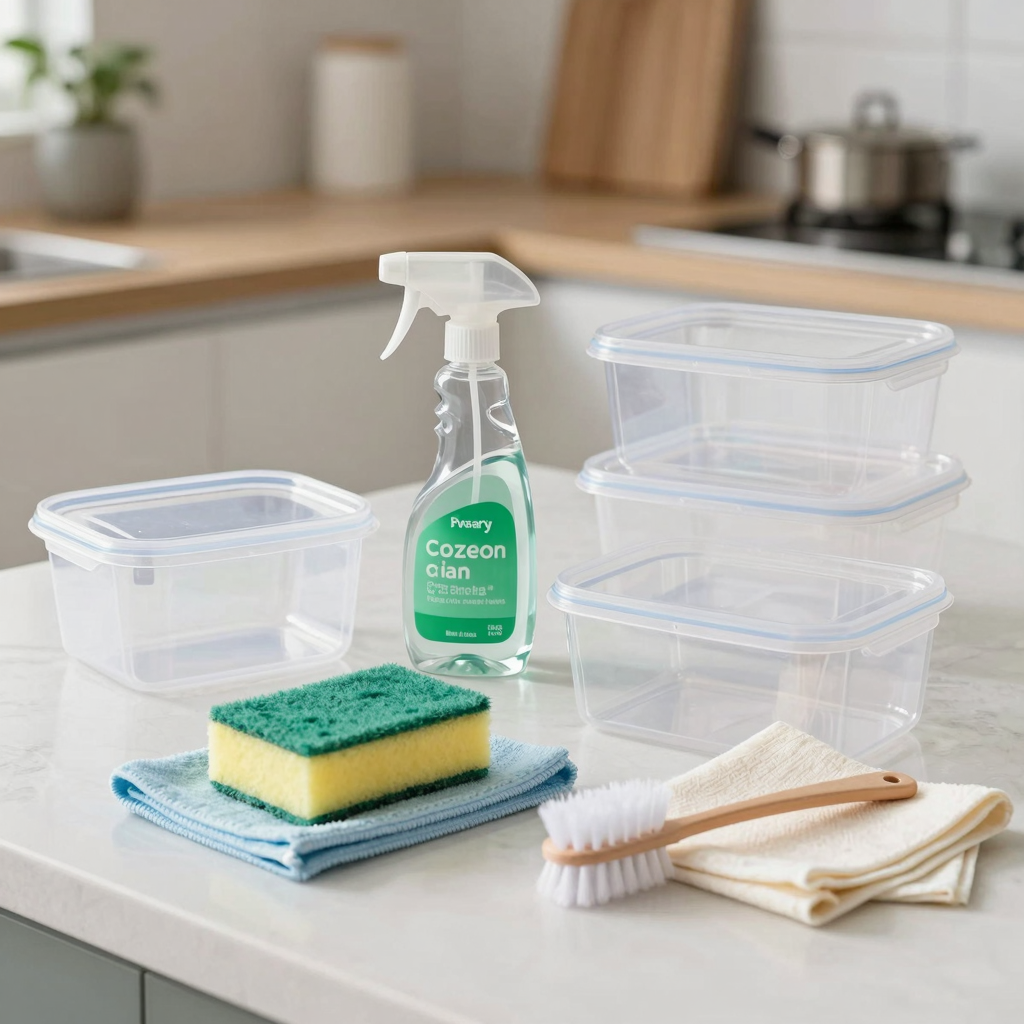
“Properly cleaning food containers is essential not only for maintaining hygiene but also for preventing cross-contamination and safeguarding overall food safety.” – Food Safety Specialist