

When it comes to food storage, both efficiency and safety are paramount, especially for Beverage Chains, Restaurants, Food Trucks, and Catering Services. In the quest to minimize waste and keep food fresh, IKEA 365 Plastic Food Storage Containers come to the forefront. Designed for functionality and longevity, this series of containers ensures that your culinary creations are stored safely while allowing for seamless organization. This article explores the impressive features, safety aspects, and versatile usage of IKEA 365 containers, showcasing how they can enhance storage solutions for your food business.
Everyday Resilience: How a Versatile Plastic Storage System Reshapes Home Food Storage and Waste Reduction
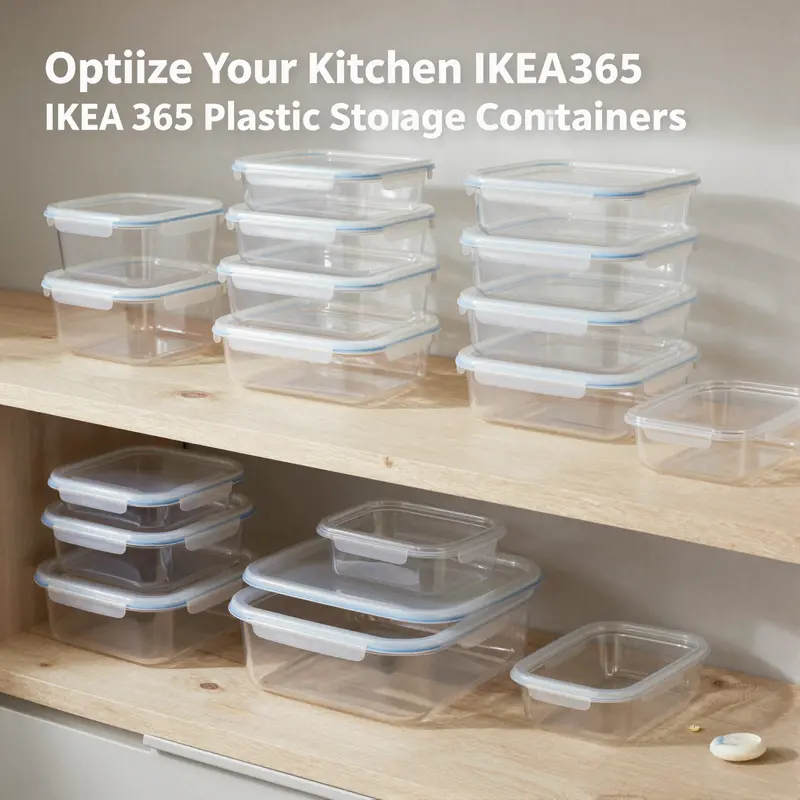
In the rhythm of daily life, the kitchen is a working theatre where every container, lid, and shelf plays a part in reducing waste, saving time, and keeping meals moving smoothly from one moment to the next. A well-designed plastic storage system can do more than hold leftovers; it can become a quiet ally in a household’s effort to plan, preserve, and portion food with confidence. The core idea behind this widely used line of containers is simple: durability paired with practical versatility makes storage more reliable and less prone to waste. When we look at how these containers are built and how they fit into real kitchens, a clear picture emerges of resilience in design. They are engineered to be safe for everyday use, easy to clean, and forgiving in the rough-and-tumble realities of family life, travel, and busy schedules. One of the defining foundations of this storage system is a commitment to food safety without complicating daily routines. The material used is a tough, chemically stable plastic that can withstand the chill of a freezer, the warmth of a reheating task, and the routine action of a dishwasher. A key safety feature here is the choice to avoid certain additives, which many households seek to minimize. The result is a container line that feels trustworthy in the hands of home cooks who juggle groceries, leftovers, and lunchboxes with varying degrees of precision. The absence of controversial additives helps reassure parents packing meals for children, students commuting with a thermos, and anyone who wants to keep foods safe during storage and transport. The practical implication is straightforward: simplified, calm confidence in what is stored and how it is heated or washed.
From Leftovers to Lasting Value: Sustainability and Safety in IKEA 365 Plastic Food Storage Containers
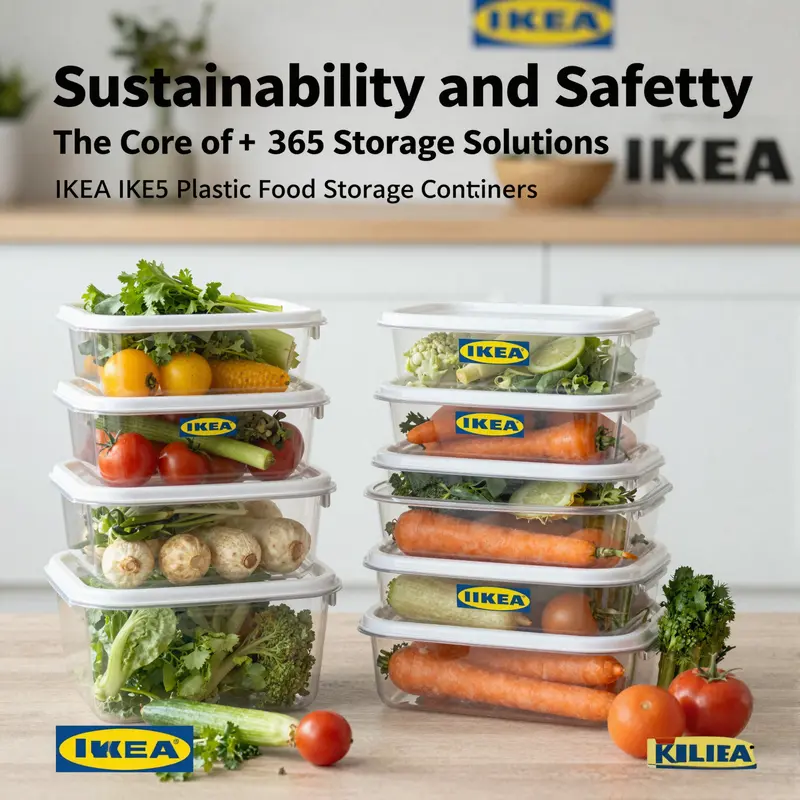
Every household carries a quiet theater of daily decisions about what to cook, what to save, and how to reuse what could have become waste. The IKEA 365+ plastic food storage containers sit squarely at the center of that ongoing drama, offering more than just a means to store. They embody a design philosophy that marries durability with practicality, and safety with accessibility. While the look of a clear, stackable container might seem modest, its implications ripple outward—affecting how a family plans meals, minimizes waste, and manages the kitchen’s rhythm from dawn to night. This chapter explores how these containers align with two core ambitions: sustainability through waste reduction and safety through reliable materials and dependable use, all within a practical, real-world kitchen workflow. The conversation is not merely about a product’s features; it is about how a simple tool can influence daily habits and, by extension, a broader culture of mindful consumption.
Sustainability begins with the most visible benefit of a well-designed storage system: reducing food waste. The 365+ series emphasizes airtight, snap-and-lock lids, clear and transparent bodies, and a range of sizes that can be combined to fit specific leftovers, batch-cooked items, or pantry staples. When leftovers are stored securely, they stay fresher longer, making the choice to reheat or repurpose a meal feel straightforward rather than wasteful. The airtight seal prevents moisture loss and limits freezer burn, which often triggers unnecessary discards of otherwise edible food. In this sense, the containers become an extra set of hands in the kitchen, quietly supporting better planning and better use of ingredients. Their stackable form reduces the physical clutter that often discourages organization. Space efficiency is not merely a convenience; it lowers the cognitive barrier to preserving excess food, which in turn can influence how frequently households reach for single-use plastics or disposable packaging. The containers invite a habit of reuse that goes beyond a single meal and becomes part of a longer-term strategy to stretch food dollars while lowering environmental impact.
The material choice—polypropylene (PP)—is central to these sustainability benefits. PP is known for toughness and a long service life, which translates into fewer replacements and less waste over time. The durability of the jars and lids means they can withstand repeated cycles of washing, heating, and freezing, reducing the need to purchase new containers frequently. From a circular economy perspective, PP is a material with established recycling pathways in many regions, which maps onto IKEA’s broader vision of products designed for longevity and potential end-of-life recycling. The 365+ line reflects this emphasis on durability; the more a container lasts, the less material is diverted to landfills or downcycled into lower-value products. In a global sense, that extended lifespan aligns with sustainability by meaningfully reducing the turnover rate of kitchen storage plastic, a recurring stream in households everywhere.
Yet sustainability is not only about what a product is made of; it is also about how it is used and repurposed. The 365+ design emphasizes “flexibility” and “combination,” two ideas that together maximize utility and minimize wasteful redundancies. With a broader palette of shapes—square and rectangular, with a mix of capacities from mid-range to larger volumes—the series enables users to tailor a set to their actual needs. Rather than stocking multiple single-use containers for every possible portion, a family can mix and match a few versatile sizes to hold diverse leftovers or bulk-prepped ingredients. This adaptability reduces impulse buys of disposables and discourages overprovisioning that often leads to spoilage. In practice, the ability to nest and stack these containers means they occupy less cupboard, fridge, and freezer space. A tidy, space-conscious kitchen is less likely to generate cluttered, less-than-ideal storage conditions, a subtle but meaningful contributor to sustainable behavior.
The transparency of both container and lid is more than a convenience for quick content identification. It enables better decision-making about what to eat, what to reheat, and what to repurpose. When you can see food without opening the lid, you reduce the energy and time costs of checking contents, and you lower the chance of inadvertently forgetting leftovers at the back of the fridge. That visibility translates into more mindful consumption: a quick glance can remind a family to reuse ingredients before they go past their prime, which is one of the most direct actions individuals can take to curb waste. And because the lids seal securely, it’s easier to store portions that might otherwise be forgotten in the deeper recesses of the refrigerator or freezer, a common pitfall in kitchens that struggle with waste reduction.
A broader environmental dimension lies in the way the product is produced and catalogued for end-of-life. PP’s durability anchors the long life of the containers, but it also raises questions about recycling during disposal. IKEA frames its products with a lifecycle awareness that invites users to consider what happens after use. In regions where recycling streams are well-developed, PP can be recovered and reintroduced into new products, contributing to a circular loop that reduces raw material demand. Of course, recycling realities vary by locale, and consumer participation is essential to realize those benefits. Even so, the 365+ line’s emphasis on long life and ease of cleaning makes it a practical gateway for households to engage with recycling programs, while also supporting reusability as a core habit. In other words, the containers serve as a bridge between day-to-day kitchen routines and larger environmental goals, helping households translate individual choices into cumulative impact.
Beyond material choices, safety is a fundamental pillar that supports sustainability. When a product is perceived as safe and reliable, households are more likely to integrate it into daily routines rather than treat it as a temporary solution or a novelty. The 365+ containers are designed to be safe in multiple environments—a feature that matters greatly for families juggling microwaves, freezers, and dishwashers. The core materials—a polypropylene jar and a silicone seal—reflect careful selection to balance performance and safety. Polypropylene is chosen for its chemical stability under common kitchen conditions, while silicone seals are lauded for their resilience to temperature fluctuations and for maintaining a tight seal, which protects contents from temperature shocks and leaks. The combination results in a system that can tolerate the kitchen’s diverse demands without compromising the integrity of stored foods.
Critical to safety is the product’s labeling and usage guidance. The containers are described as microwave-safe, freezer-safe, and dishwasher-safe, which makes everyday reuse safe and convenient. These designations, backed by testing, help consumers avoid improvisation with questionable heating methods that could compromise the container or the food. A key practical note is the distinction between heating with the lid and heating without it. The lids are generally not recommended for oven use, and when microwaving, guidance to keep the lid ajar to vent steam is important for safety and for preventing pressure buildup. These instructions are not just about convenience; they are about protecting users and ensuring the long-term integrity of the containers. By clearly communicating these guidelines, the product fosters a sense of informed usage that benefits both safety and sustainability.
Safe handling extends to the purity of the materials and the absence of harmful additives. BPA-free labeling—while not always stated in consumer-facing materials—reaches consumers through the careful material choice and testing protocols that accompany the line. For households, this translates into confidence when reheating or thawing foods, especially for families with children, elderly members, or individuals with sensitivities. The clear, transparent design also reduces the need to repurpose containers for purposes beyond their intended use, so the risk of contaminants migrating from unknown sources is minimized. In short, safety and sustainability are not separate pillars here; they reinforce each other. A container that is safe to heat and wash repeatedly will endure, which in turn reduces the frequency of new purchases and supports a more sustainable consumption pattern.
The practical implications of these safety and sustainability considerations extend into everyday rituals. Consider batch cooking and meal-prepping routines that have become popular in many households. A set of well-chosen containers can hold pre-portioned meals, ingredients, or snacks, enabling a smoother weekly plan and reducing impulse shopping resulting from hunger or last-minute scrambles. The ability to reheat meals directly in the same container—while following the guidance to vent steam and avoid overheating the lid—simplifies cleanup and encourages leftovers to become an integrated part of a family’s regular menu. In an age where small daily choices accumulate into significant environmental footprints, the cumulative effect of using durable, safe, and versatile storage solutions becomes tangible. The 365+ system does not pretend to solve every waste challenge; it provides reliable tools that, when used consistently, support a more efficient, less wasteful kitchen practice.
From a consumer behavior perspective, the perceived reliability of a product matters as much as its technical specifications. When a container is easy to wash, features a solid snap-lock, and remains leakproof after many cycles, users develop a sense of trust that translates into more conscientious usage. This trust reduces the friction that often deters people from storing leftovers or packing meals for the day. In this way, the design supports a feedback loop: better storage leads to more thoughtful planning, which leads to less food waste, which in turn reinforces continued use of the same tools. For families who juggle multiple meals, shopping schedules, and dietary needs, this loop represents a practical pathway to combine everyday efficiency with a broader commitment to environmental stewardship.
The conversation about sustainability and safety also invites a larger reflection on the kinds of choices households make when they design their kitchens. A product designed for longevity—one that can be cleaned easily, resists staining, and holds up under frequent use—reduces the accumulation of disposables and short-lived solutions. The 365+ containers, with their emphasis on high utility and simple care, embody a philosophy that values practical, repeatable good choices over flashy but short-lived options. In this sense, the containers do more than store food; they shape how families think about waste, safety, and the responsibilities that come with everyday cooking. The result is a kitchen that feels less like a series of isolated tasks and more like a system—a coherent, repeatable workflow rooted in reliability and mindful consumption.
For readers seeking a concise reference as they evaluate their own storage needs, the official product page provides detailed information about materials, care, and certifications. This external resource complements the narrative here by offering a precise specification baseline that can help households compare options and align their choices with local recycling capabilities. External resource: https://www.ikea.com/us/en/p/365-food-container-rectangular-plastic-20l-60359152/
Internal readers who explore related discussions about packaging and storage solutions may find it helpful to examine complementary solutions that emphasize eco-friendly, multi-compartment design in home packaging and takeout contexts. One practical example is described in this resource, which focuses on leak-proof, multi-compartment formats and their role in reducing single-use packaging waste. eco-friendly-disposable-3-compartment-food-grade-packaging-box-for-fast-food-high-quality-takeout-boxes. This link provides a related perspective on how durable, reusable containers in households can harmonize with broader packaging practices that favor sustainability without sacrificing convenience.
In sum, the sustainability and safety story of the 365+ plastic food storage containers is not a single feature list, but a cohesive approach to everyday life. It is about designing for long-term use, enabling reuse, and supporting transparent, straightforward care. It is about ensuring that safety is built into the materials and the usage guidance so that households can rely on their storage tools without second-guessing or risky improvisations. It is about recognizing that durable, well-sealed containers can be more than storage devices; they can become instrumental in shaping a family’s approach to food, waste, and well-being. And it is about acknowledging that when households are empowered with reliable gear, they are more likely to act with intention, which is the quiet engine behind broader, systemic shifts toward more sustainable living.
External resource note: For more official specifications and care guidelines, see the product page referenced above. This external resource provides precise material details, safety declarations, and care instructions that support the themes discussed in this chapter and help readers make informed choices that align with their local recycling capabilities and kitchen routines.
From Fridge to Front Door: The Versatile World of BPA-Free Plastic Food Storage Containers
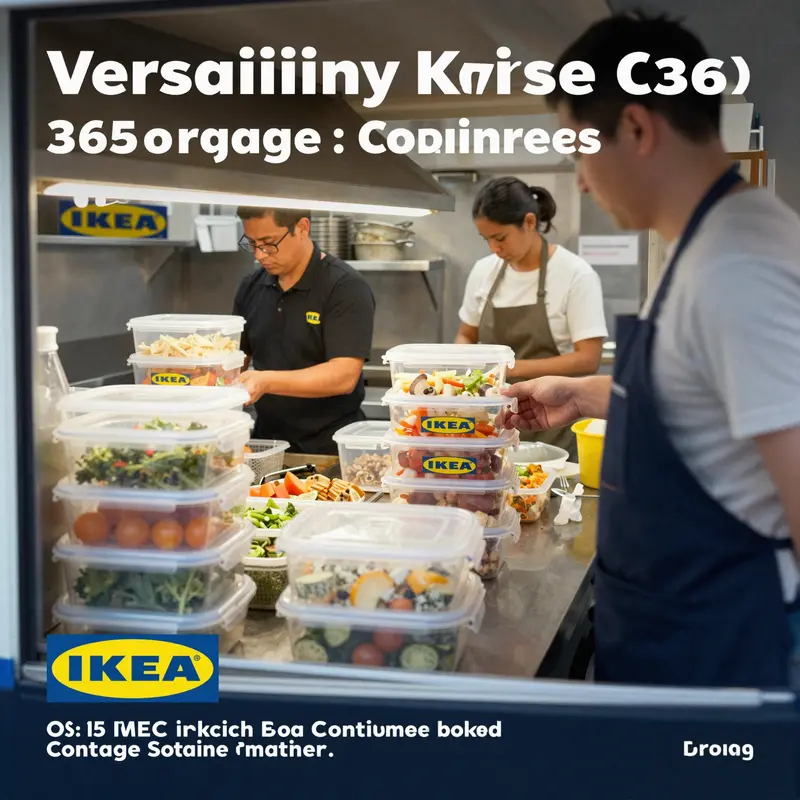
In kitchens around the world, plastic food storage containers have become quiet workhorses. They are not merely vessels for leftovers or dry goods; they embody a philosophy of organization, efficiency, and waste reduction that resonates with home cooks, busy families, and sustainability-minded households alike. The focus here is on BPA-free, microwave-safe, and durable options designed to adapt to a wide range of tasks, from everyday fridge storage to weekend meal prep and on-the-go lunches. The appeal lies not only in the safety of the materials but in the thoughtful design that makes storage, heating, cooling, and cleaning feel almost seamless. When a container can survive the cold of a freezer, the heat of a microwave, and the cleaning cycle of a dishwasher, it earns a place in harmony with daily routines. This harmony is essential because the kitchen is where waste reduction begins; the right containers help families plan better, repurpose ingredients, and minimize the constant cycle of single-use packaging that clutters cupboards, drawers, and lunches alike.
A central pillar of these containers is safety. BPA-free plastics address longstanding concerns about chemical migration, a concern particularly relevant when containers are used for heating foods or storing acidic leftovers. The material choice is more than a safety label; it informs how the containers feel in hands, how they handle daily use, and how they age over time. The polypropylene family, known for its balance of clarity, resilience, and heat tolerance, often underpins these products. The promise is straightforward: storage that protects flavors and textures, without compromising health or performance. In everyday life, that translates into peace of mind as the lid clicks shut and the contents stay put during transit, in the fridge, or inside a backpack on a bustling morning.
From the moment of purchase, the design signals a practical approach to kitchen tasks. The lids are engineered to be airtight, creating a seal that slows the intrusion of air and moisture, which in turn helps preserve the texture and aroma of stored foods. This airtight performance matters most for cereals, grains, nuts, and snacks, but it also shines when dealing with leftovers and prepped meals. The difference between a container that merely closes and one that truly seals can be the difference between a meal that tastes fresh two days later and a bag of stale, flavor-worn remnants. The seal is not just a barrier; it is a guard against freezer burn when stored at subzero temperatures and a shield against spills during transport. The physics of a secure lid is simple yet essential: a well-designed locking mechanism distributes pressure evenly, ensuring the lid remains in place even when carried in a tote or backpack.
Transparency is another quiet virtue. A clear container and lid reduces the cognitive load of meal planning. Instead of opening multiple boxes to identify what is inside, a glance reveals the contents, the portion size, and even the level of remaining leftovers. This visibility supports a more intentional kitchen process. It minimizes opening and re-closing, which in turn limits the introduction of air and moisture that can degrade quality. The concept of visibility dovetails with the broader goal of reducing waste. When you can see what you have, you are less likely to forget produce at the back of the fridge or let leftovers languish beyond their prime. The design principle of see-through practicality helps transform storage from a passive habit into an active, mindful practice.
In terms of versatility, the containers shine through a suite of capabilities that defy the stereotype of a single-use box. They are microwave-safe, which means leftovers can be reheated directly in the container without requiring a transfer to a ceramic dish. This reduces cleanup time and the chance of accidental spills during transfers. They are freezer-safe, enabling batch cooking and planning for future meals, while preserving the integrity of the food during long storage. Dishwasher-safe design further reinforces ease of maintenance; both containers and lids withstand repeated cycles, avoiding the wear that often accompanies frequent cleaning. These features, taken together, create a toolkit for modern meal preparation, where speed, safety, and reliable performance matter in equal measure.
A crucial spatial advantage is the stackable architecture. When cabinets, refrigerators, or even backpacks are filled with compact, nestable units, space is reclaimed without sacrificing accessibility. Stackability is not merely about fitting more into a space; it is about preserving order, which reduces the mental energy spent searching for the right container when planning meals or packing lunches. The ability to stack neatly without the lids slipping or the bases warping under pressure ensures that storage solutions scale with a growing family or a shifting weekly schedule. In many households, the shape diversity—squares, rectangles, and occasionally rounds—provides a modular approach to storing everything from tiny snacks to large quantities of bulk ingredients. The goal is to offer options that fit your pantry’s geometry and your fridge’s shelves, so that organization remains intuitive rather than frustrating.
Durability is another thread in the fabric of these containers. Reusable storage is a practical commitment to waste reduction, and the promise of long life translates into meaningful savings over time. The materials resist everyday wear, withstand minor drops, and maintain clarity over many cycles of use. The upfront decision to invest in sturdy, BPA-free plastic is a decision to avoid frequent replacements and the environmental impact of disposable packaging. In the long arc of a family’s cooking life, these containers become a consistent ally, a familiar toolkit that supports bulk purchasing, batch cooking, and the simple habit of cooking once and using many times. The result is a practical ecology: fewer single-use packages, more meals prepared with intention, and a kitchen that feels streamlined rather than cluttered.
The variety in size and shape is not accidental. A well-curated set offers small, medium, and large boxes for different needs. A compact square box might store a handful of strawberries or a portion of chopped vegetables while a shallow rectangular tray can hold baked goods or a pre-measured sauce. A deeper, taller rectangle is ideal for soups, stews, or larger leftovers. This spectrum mirrors the rhythms of daily life: quick snacks for a child’s lunch, pre-portioned ingredients for a weekday dinner, and bulk batches for weekend meal prepping. In practice, this multi-size approach minimizes the need to repackage foods into multiple vessels, reducing both effort and waste. When you can pull the right size from a tidy stack, the flow of meal planning becomes smoother, and the kitchen becomes a place of confidence rather than compromise.
Care and maintenance are central to prolonging the life of any plastic storage system. Before first use, a thorough wash is recommended. This not only removes any residues from manufacturing but also helps teams establish a baseline of cleanliness that improves confidence in food safety. Regular cleaning is straightforward since the containers and lids are dishwasher-safe. Simple maintenance routines—rinse, load, and run—keep the containers free from lingering odors and stains that could compromise future meals. It also simplifies the transition between tasks: storing raw ingredients, reheating meals, and packing lunches become actions in a familiar sequence rather than separate chores. A practical approach to care translates into a long, quiet period of reliable performance, a kind of culinary trust that grows with each passing week.
The everyday utility of BPA-free plastic containers extends into the realm of meal planning and waste reduction. By enabling batch cooking and easy reheating, these containers encourage people to prepare meals ahead of time, portion them intelligently, and preserve the integrity of food across a few days. The transparency and airtight seals work in concert to keep flavors savory and textures for longer, providing a tangible counterweight to the convenience-driven impulse to discard unfinished meals. In households where time is a recurring constraint, such containers become part of a deliberate system: ingredients are purchased and stored with a clear plan in mind, leftovers are kept in containers that resist dampness and freezer burn, and lunches are assembled with a consistency that reduces the temptation to grab prepacked, disposable options.
The broader lifecycle benefits are meaningful. Reusability declines the demand for packaging waste and supports a more sustainable home economy. While no single product can claim perfect sustainability, the emphasis on safe materials, durability, and multi-use functionality represents a practical approach to reducing waste at the source. When families choose containers designed for microwave heating, freezer storage, and dishwasher cleaning, they invest in a durable solution that integrates with daily routines rather than competing with them. The containers become a quiet partner in the kitchen, guiding habits toward longer food freshness, mindful planning, and cleaner storage spaces. In turn, these habits ripple outward, shaping a culture of care around food and the resources that bring it to the table.
For readers seeking to explore a broader spectrum of on-the-go or takeout packaging options, consider examining related packaging solutions that emphasize safety, convenience, and sustainability across various contexts. For instance, a range of eco-friendly, disposable takeout boxes offers a snapshot of how materials, design, and functionality meet the needs of modern eating cultures, from home-cooked meals to meal-prep services. You can learn more about one representative option here: eco-friendly disposable takeout boxes for food packaging. This link mirrors the ongoing conversation about how packaging choices shape everyday life, even as households gravitate toward reusable storage for routine foods.
To connect these reflections with practical guidance, look to external resources that summarize how storage systems fit into broader kitchen workflows. A trusted external overview explains safety considerations, material choices, and usage patterns that influence longevity and performance. For a broader perspective on product features and compatibility, see the official retailer’s information and guidelines on storage solutions. This external reference provides a complementary lens on how design choices translate into real-world use and long-term satisfaction: https://www.ikea.com/
In sum, the everyday plastic storage containers described here are more than containers. They are enablers of a more organized, less wasteful kitchen life. They pair safety with practicality, and their careful design supports a broad range of tasks—from refrigerating fresh ingredients to reheating leftovers, from stacking neatly in a crowded cabinet to traveling with a prepared lunch. The most successful designs earn their keep not by novelty but by consistency: a square or rectangular silhouette that fits a shelf, a transparent lid that reveals content at a glance, a secure seal that prevents spills, and a durable material that endures daily use. When these elements come together, storage becomes a quiet discipline that undergirds daily routines and, ultimately, a more balanced relationship with food and waste. The kitchen then becomes less about clutter and more about coordinated actions that save time, reduce waste, and preserve flavor.
External reference for further reading on product features and compatibility: https://www.ikea.com/
Final thoughts
Incorporating IKEA 365 Plastic Food Storage Containers into your food service operation not only streamlines your storage processes but also ensures food safety and sustainability. These containers offer multifunctionality and innovative design features, making them ideal for the dynamic environments of catering, food trucks, and restaurants. By choosing IKEA 365, you’re investing in a solution that preserves food quality, reduces waste, and enhances the overall efficiency of your service. Embrace this smart storage solution to elevate your business practices.