
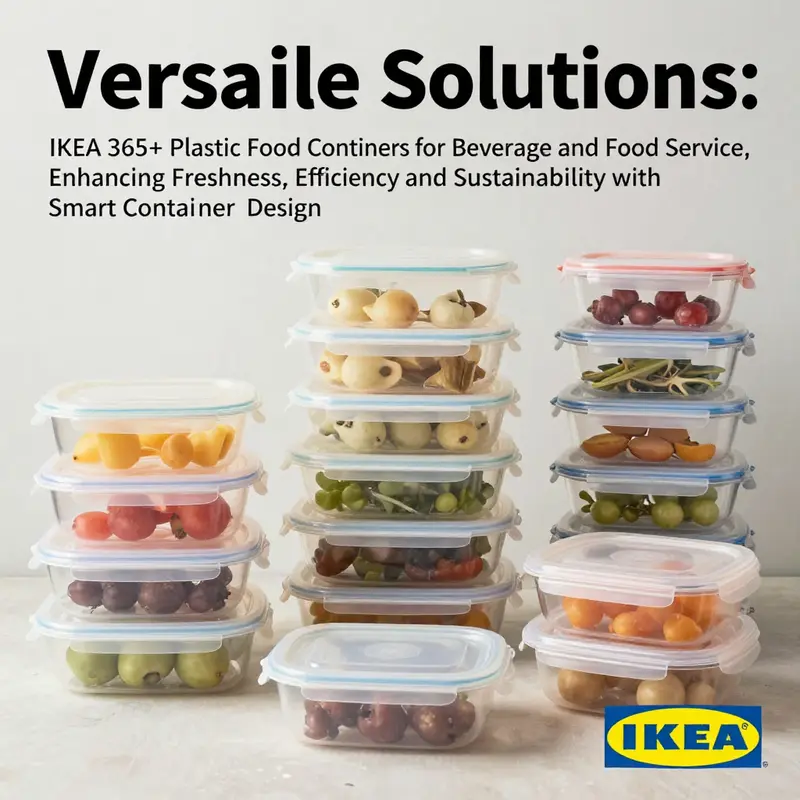
In a world where both efficiency and environmental consciousness are paramount, the choice of food containers can significantly impact how businesses, from bubble tea shops to corporate caterers, operate. IKEA’s 365+ series, particularly its plastic food containers, emerges as a practical and eco-friendly solution, designed thoughtfully for the dynamic needs of food and beverage service industries. This article dives into their design and functionality, evaluates their practical benefits in various usage scenarios, and discusses their environmental impact, setting the stage for a more efficient and sustainable approach to food storage and service.
null
null
Venting, Sealing, and Everyday Resilience: The Design Logic Behind IKEA’s Plastic Food Containers
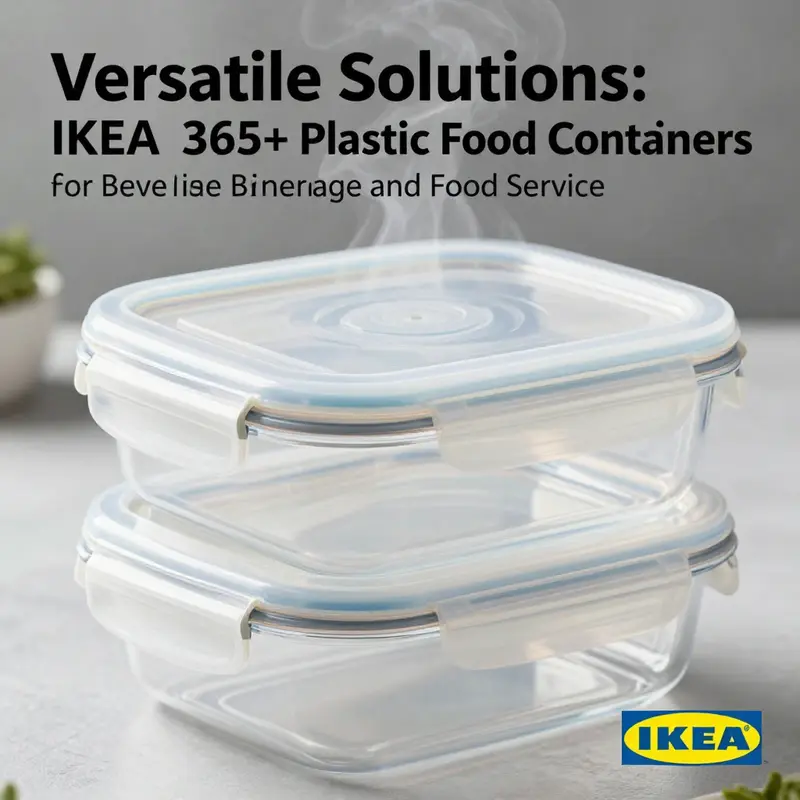
In the quiet rhythm of a modern kitchen, the simple act of storing and reheating food plays a surprisingly complex role in reducing waste, saving time, and preserving flavor and texture. The design decisions behind plastic food containers that feature air-venting capabilities or vent-oriented heating cues reveal a careful balancing act. They must keep food safe, prevent leaks, and fit into a range of daily routines—from quick microwaving to long-term freezer storage—without demanding a steep learning curve. When we examine the IKEA line of plastic food containers that are built to manage steam and pressure, what emerges is a cohesive philosophy: vent capability, robust sealing, visible contents, and durable construction all working in concert to ease everyday food management. This is more than a set of features; it is a practical approach that translates kitchen science into a reliable habit for households that want to cook, store, and reheat with confidence.
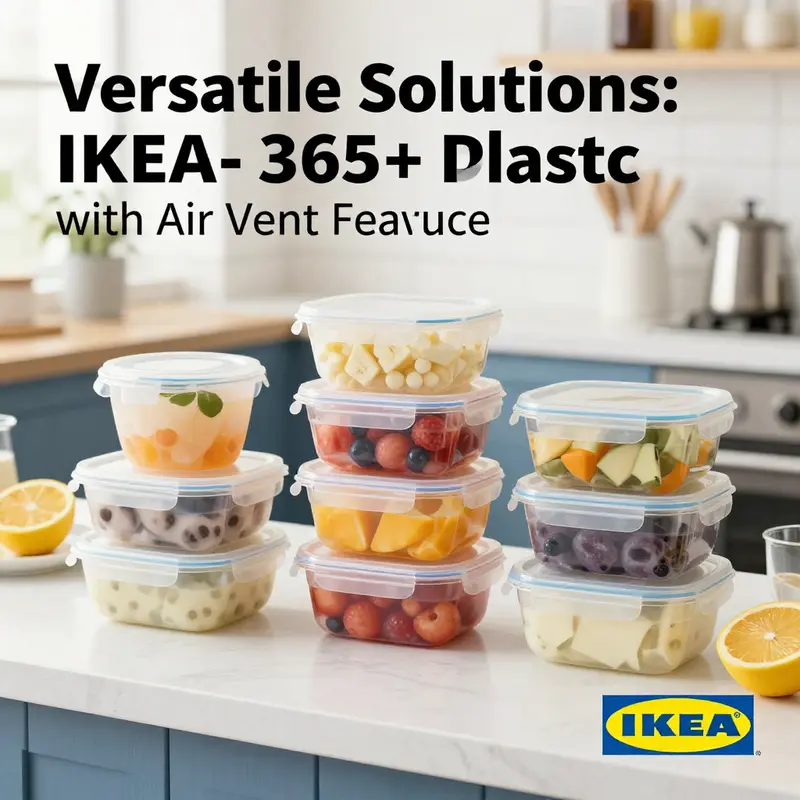
From the outset, the shape and materials of these containers communicate a clear purpose: space efficiency and visibility. The square or near-square footprint is not an abstract geometric preference but a deliberate choice to maximize storage in a crowded fridge or cupboard. When containers nest and stack, they form a predictable system that minimizes wasted space and makes inventory checks painless. You can glimpse the contents at a glance because the body and lid are crafted from transparent polypropylene. This transparency is not only about aesthetics; it reduces the cognitive load of meal planning. You don’t have to open each container to know what’s inside. A quick visual scan helps you decide whether to reheat, repurpose, or repack. In a busy kitchen, names and labels matter less than quick recognition, and this design element supports that aim without sacrificing cleanliness or simplicity.
The lid design furthers the practical aims of everyday use. A snap-and-lock mechanism creates an airtight and leakproof seal, a feature that matters every time you carry leftovers in a bag, place a container in a backpack, or slide it into a packed fridge. The seal helps prevent frost damage in the freezer and keeps liquids from seeping when the container is jostled on the way to work or school. This combination of a tight seal with a robust latch system reduces one of the most common points of failure in food storage: leakage and contamination from spills. The same sealing system preserves the texture and moisture balance of food over time, so reheated dishes don’t arrive as dry or waterlogged, and sauces do not separate into a less appetizing texture after a round in the freezer.
But storage and transport are only part of the chamber of needs these containers address. The same design language that makes them reliable for long-term storage also makes them safe and straightforward for quick heating. When you pull a container from the fridge and slide it into the microwave, the practical guidance baked into the product’s use is almost as important as the product itself. The lid should be left slightly ajar during heating to allow steam to escape. This is not a decorative instruction; it is a safety feature that prevents pressure buildup inside the container, protects the seal from stress, and reduces the risk of accidental splatter or lid deformation. The need for venting during heating is a familiar challenge for microwave users, and the design addresses it without requiring users to improvise with towels, improvised vents, or other makeshift solutions. Venting in this context is less about a dedicated built-in vent and more about a user-guided venting practice that aligns with how people actually reheat food: quickly, safely, and with minimal fuss.
This practical approach is complemented by the option to introduce a separate venting accessory. In the broader ecosystem of the IKEA line, there is an additional water-tight lid that can be purchased separately to enhance venting control and leak resistance during transport. This accessory is designed for situations where you want extra protection against leaks, particularly when carrying meals in bags or when stacking containers for a trip. The existence of this accessory demonstrates a nuanced understanding of real-world needs: not every meal or route requires a built-in vent, but many situations benefit from the flexibility to tailor the container’s venting behavior to the occasion. The design thus acknowledges that venting is not a one-size-fits-all feature and offers a scalable solution for households with diverse routines and preferences.
The materials chosen for the containers—transparent, BPA-free polypropylene—also speak to a broader emphasis on safety, durability, and ease of maintenance. Polypropylene stands up well to microwaving, freezing, and dishwashing, which means these containers endure the daily grind of a family kitchen. The clarity of the plastic makes it easier to inspect leftovers for spoilage, a practical advantage for meal planning and reducing waste. The lids and bodies are engineered to withstand repeated cycles of heating and cooling, and they resist cracking and wear that might compromise the integrity of a seal over time. These physical traits—clarity, resilience, and a dependable snap-lock interface—are not cosmetic; they are integral to the container’s reliability under the varied stresses of a typical household routine.
Beyond the mechanical and material attributes, the design ethos emphasizes adaptability and ease of use. A versatile container can be a left-overs saver, a meal-prep workhorse, and a transportable receptacle for picnics, office lunches, or a child’s school lunch. The ability to use a single container for multiple purposes reduces the number of different products a family needs to buy, store, and maintain. In practice, this means fewer container lids, fewer different sizes to organize, and fewer mismatches between lids and bases. The consumer benefits by enjoying a smoother, more predictable kitchen workflow. Food prep becomes less about hunting for the right lid and more about simply grabbing a container that fits the meal and the plan for the day.
The practical benefits extend to day-to-day routines around leftovers and meal prep. When you prepare meals for the week, portion control becomes straightforward with well-sized, modular containers. A 1.0-liter option and a 2.0-liter option cover a wide range of portions—from a modest single-serving sauce to a hearty serving of pasta or a sizeable portion of chopped vegetables. The transparent design lets you see at once whether a dish is ready to reheat or needs a quick reorganizing in the fridge. This visibility reduces the likelihood of forgotten leftovers that slip into the realm of mystery science, a common source of waste in busy households. By combining airtight sealing with optional venting when heating, the containers support both secure storage and safe reheating, ensuring that texture and moisture are preserved without compromising safety.
From a space-planning perspective, the square footprint and stackable profile align with the refrigerator’s grid-like organization. Imagine a row of identical, neatly aligned containers, each occupying a predictable footprint. When you retrieve a meal, you don’t have to disturb the entire row to dig out the one you want; you can reach it easily without displacing the others. This simplicity translates into a quieter, more efficient kitchen workflow. It also reduces the mental burden associated with meal management—your system becomes predictable and repeatable, which can be a powerful ally in maintaining a steady, healthy eating pattern. In environments where meal prep is a daily discipline, such design consistency matters as much as any specific feature.
Care and maintenance round out the picture of resilience these containers offer. They are described as dishwasher-safe and freezer-safe, with microwave use that benefits from the lid-ajar rule. The materials are chosen to resist the everyday attacks of heat and cold, but the long-term performance depends on gentle handling as well. For instance, avoiding aggressive temperature shocks and careful loading into the dishwasher can extend the life of the snap-lock mechanism and the seals. When you do need to inspect a seal or replace a lid due to wear, the modular, interchangeable mindset of the line—where the lid is a distinct component from the container—simplifies maintenance and part replacement. The result is a system that remains functional for years, rather than one that becomes brittle or unreliable after a few cycles.
These container systems are more than a collection of features; they reflect a design strategy aimed at minimizing friction in daily kitchen life. The combination of visibility, airtight sealing, venting options, and compatibility with hot and cold processing speaks to a philosophy that food management should be intuitive and forgiving. The venting considerations are not about creating a visible vent on every model; rather, they acknowledge practical heating needs and provide a flexible path to safe, effective venting through user behavior or with an optional accessory. In that sense, venting is both a design cue and a real-world practice that users learn as they integrate reheating into their routines. It is this blend of robust engineering and adaptive usage that makes the container family a reliable partner in preserving freshness, reducing waste, and supporting a dependable kitchen workflow.
As kitchens evolve with changing habits—more meal prep, more frequent reheating, and a heightened awareness of food waste—the value of such well-thought-out containers becomes clearer. The design doesn’t chase novelty alone; it centers on solving everyday pain points: leaky lids that ruin bags, containers that don’t fit in the fridge, or vague indications of what’s inside. It is in addressing these concrete concerns that the value of venting-capable storage emerges. The accessory vent lid offers a practical way to tailor the container to specific circumstances, whether you’re transporting meals or simply reheating in a crowded microwave. In short, the design supports a flexible, resilient approach to domestic food management, turning a basic container into a trusted ally in the kitchen.
For readers who want to explore related practical packaging considerations—such as how design choices in common takeout and storage products affect everyday use and waste reduction—one can consider broader packaging insights from the industry. The conversation about venting and sealing in plastic storage is connected to a larger ecosystem of household packaging that seeks to balance safety, convenience, and sustainability. In practice, the IKEA line’s emphasis on clarity, robust sealing, and optional venting reflects a pragmatic response to everyday culinary demands. Readers may wish to compare these principles with other storage options in the market, noting how different product configurations address similar needs in varied contexts. External resources provide additional perspectives on how design choices shape everyday use and long-term habits, including official product descriptions and user guidance that illustrate these concepts in action. For a product-specific reference, see the official product page at https://www.ikea.com/sg/en/p/365-+-food-container-with-lid-rectangular-plastic-50507964/.
Breathing Space in the Microwave: Venting, Visibility, and Versatility in a Modern Plastic Food Container System

A modern kitchen often feels crowded with solutions that promise convenience but fall short in practice. Yet a carefully designed plastic food container system—one that combines clear visibility, secure sealing, and a vented lid for gentle steam release—has quietly become a practical backbone for daily cooking, reheating, and storage. The key idea behind these containers is simple: create a vessel that respects the physics of heat and moisture while preserving the taste, texture, and nutrition of the food inside. The result is a family of containers that looks straightforward on the shelf and behaves intelligently in the microwave, in the refrigerator, in the freezer, and in the dishwasher. What unfolds when you look closely at how these containers are built and used reveals a pragmatic philosophy: design for real-life cooking rhythms, not just for one-off recipes or niche tasks. And because the lids are designed to vent, these pieces address a fundamental problem that many reusable containers encounter—steam buildup during heating—without compromising the container’s seal when it cools down. The implications extend far beyond mere convenience; they touch on safety, food quality, and the way households organize meals with less waste and more predictability.
In the everyday flow of cooking and eating, readiness matters as much as capability. Consumers do not always want to separate cooking, reheating, and storage into discrete, disjointed steps. They want a system that supports the full cycle: cook or assemble, store, reheat, and clean, with minimal fuss at each stage. A vented lid is not just about letting steam escape; it is about managing the pressure and moisture during the heating process so that food maintains its character. When you heat a container filled with leftovers, steam needs an escape route. Without one, pressure can build, which can lead to uneven heating, spilled contents, or even damaged containers. A lid that accommodates venting makes it safer to nudge the microwave settings higher for a speedy reheat or to leave the lid slightly ajar to permit steam to escape gradually. This approach aligns with practical cooking behavior: many foods release water as they heat, and venting helps maintain a stable internal environment where flavors, textures, and aromas stay balanced rather than “blowing off” in the form of soggy rice, dry meat, or overcooked edges.
The transparency of the container is not a mere aesthetic choice. When a lid and a body are both clear, you can see what’s inside at a glance, which reduces the need to open multiple containers to check progress. This visibility supports efficient meal planning and reduces the tendency to overcook or underheat, because you can gauge the amount of steam and the level of moisture by simply looking at the food’s surface and the vessel’s interior. The design also tends to encourage better portion control. With clear, graduated sizes available, it is easier to segment meals into single-serving portions or to keep leftovers organized by protein, carb, and vegetable components. The ease of viewing contents directly translates into less time spent rummaging for the right container and less energy wasted in unnecessary reheating cycles.
Beyond the lid’s venting function and the clarity of the plastic, the material choice matters deeply. These containers are typically made from BPA-free polypropylene, a sturdy polymer known for its resistance to cracking and its ability to withstand freezing and microwaving within reasonable temperature limits. Polypropylene’s chemical profile matters here: it minimizes the risk of absorbing flavors or stains and ensures that repeated heating does not degrade the container’s integrity. The durability is essential for everyday use, especially for people who are juggling multiple meals across a week or who live in smaller apartments where containers are tossed into bags and backpacks for work or school. A robust, shape-stable body that resists warping under heat and in cold storage reduces the likelihood of leaks and mis-seals, which in turn contributes to less food waste and cleaner bags and shelves.
Capacity options—ranging from smaller, one-liter sources to larger, multi-liter volumes—answer a practical question many households ask: how much food should I prepare for a single meal or a batch? The one-liter option is ideal for leftovers or lunch portions, while the two-liter size can handle prepped meals meant for the week or larger components like grains or roasted vegetables. The variety in size makes it possible to design a meal-prep routine where portions are consistent, which is especially helpful for families or individuals who are tracking calories or macros. When containers stack neatly and nests within each other, kitchen cabinets and fridge shelves stay organized. The benefit is not merely neatness; it translates into a more efficient routine where ingredients are easily visible, meals are planned with minimal waste, and the most frequent re-heats occur with containers that perform reliably.
The vented lid does more than simply allow steam to escape. It maintains an airtight seal during storage, ensuring that moisture remains inside the vessel when the lid is closed and locked. The contradictory demands of a container that both vents during heating and seals tightly during storage are navigated through a lid design that features a controlled vent path and a dependable snap-lock mechanism. The clasp or locking edges ensure a secure seal, preventing leaks when transporting soups, stews, or saucy dishes to work, school, or outdoor activities. The dual behavior—the ability to vent while heating and to seal during cold storage—reflects an understanding of how real life tends to unfold: we heat, we eat, we refrigerate, we return for more, and we want a single system that does it all well.
One practical benefit that flows naturally from this design is the predictability of food textures after reheating. Meat that might otherwise dry out or become rubbery can benefit from a gentle venting process that reduces the risk of rapid moisture loss. Vegetables that release moisture during reheating can maintain a crisper bite when steam is allowed to escape in a controlled manner. Rice, pasta, and grains reheat with less clumping because the liquid balance inside the container can equilibrate without an uncontrolled blow-off or splash. The net effect is a more satisfying reheating experience, where the food tastes closer to its freshly cooked state rather than an over- or under-heated remnant. And because these containers are microwave safe up to a defined temperature (often around 100°C), they invite a straightforward reheating workflow: portion your meal, heat briefly, pause to check, and finish in short increments. The user’s hands stay relatively close to the process, contributing to a stronger sense of control and confidence in meal preparation.
The system’s usability is reinforced by its approach to storage and pantry organization. With airtight, stackable designs, storing dry goods—pasta, rice, nuts, or snacks—becomes cleaner and more intuitive. The clear bodies mean that at a glance you can identify what is inside without removing lids or opening containers, reducing the energy spent on rummaging through a crowded cupboard. This aspect is especially valuable in households where time is precious and decisions about meals need to be made quickly. When containers are used for dry goods, the venting feature is less central, but the sealed lid remains important to preserve freshness and to prevent pantry pests from becoming a nuisance. In this way, vented containers still function as a reliable foundation for a wide range of storage tasks, with venting playing a critical role during heating while the core identity—airtight sealing and clear content visibility—remains a consistent benefit across storage uses.
Another dimension involves the portability of meals. The ability to snap a lid securely and transport the container without fear of leaks makes these vessels attractive for work, school, or weekend outings. The combination of a robust body, a secure lid, and a transparent exterior gives a traveler the confidence to carry a home-cooked meal without resorting to disposable packaging or extra bags. This reliability is not just about convenience; it ties into broader themes of sustainability and mindful consumption. When people can reuse containers with less risk of spills or odors, they are more likely to rely on them rather than single-use options. In turn, this reduces waste and supports a more efficient loop of cooking, storing, reheating, and cleaning.
The broader ecosystem surrounding vented plastic containers also demonstrates how design decisions ripple outward. In addition to the primary self-contained system, related packaging options—such as multi-compartment or takeout-style containers—illustrate how venting concepts can scale to different culinary contexts. For instance, a three-compartment, vent-enabled design supports separate components of a meal while allowing steam to escape in a controlled way, preserving textures across flavors. This reflects a practical understanding of how people combine proteins, grains, and vegetables in meals that travel well and reheat evenly. While not every on-the-shelf solution will mirror the exact mechanisms of venting, the underlying principle remains clear: give users effective heat management, reliable sealing, and clear visibility, all in a format that respects the daily rhythms of modern life.
To connect the concept with real-world choices, consider how you might integrate vented containers into your own kitchen workflow. Start with a few sizes to cover common portions, from single-serve lunches to larger batch meals. Use the clear bodies to monitor contents and prevent forgotten items from slipping into the back of the fridge. Practice the reheating routine by reheating with the lid slightly ajar or following the manufacturer’s guidance on vent use. Track which foods reheat better in vented containers and which benefit from less moisture exposure during storage. Over a few weeks, the system becomes more intuitive, and you may find that your meal-prep rituals become more efficient, with less time spent on cleanup and fewer trips to the trash can for spoiled leftovers. The cumulative effect is a kitchen that feels calmer and more organized, with a tangible reduction in waste, a smoother cooking-to-eating cycle, and a sense of control that comes from a dependable, reusable tool set.
As you move from pantry to plate, you may also encounter the broader relationships between vented containers and household routines. The design language communicates a respect for the material’s behavior under heat and cold, a respect for the user’s time, and a respect for the food’s integrity. In this sense, vented plastic containers become more than just receptacles for food; they are enablers of healthier habits, more mindful shopping, and a more efficient kitchen. The simple act of keeping a lid ajar during heating is a small concession that yields big dividends in safety and quality. And the transparent exterior invites accountability—if you cannot see what’s inside, you are less likely to use the container with the same care and intention you bring to a well-arranged pantry. By combining robust construction with practical venting and a clear, legible design, this family of containers aligns with a modern ethos: cook, store, reheat, and reuse with confidence, clarity, and minimal waste.
For readers who are curious about the exact features and official specifications, a concrete reference point exists in the broader landscape of vented plastic container systems. While the exact product naming may vary by market, the essential characteristics described here—vented lids, airtight seals, clear bodies, microwave compatibility, and dishwasher-safe durability—are common in well-made variants designed for contemporary kitchens. When evaluating options, look for clear, durable plastic, a reliable locking mechanism, a dedicated vent solution integrated into the lid, and a temperature range that covers your reheating needs. The combination of these elements is what makes vented containers a practical cornerstone of everyday cooking and meal management, rather than a disposable convenience that loses value after a single use.
External resource for further reading: https://www.ikea.com/sg/en/p/365-+-food-container-with-lid-rectangular-plastic-20l-80597947/
Internal linking example (for readers seeking related packaging solutions within the same ecosystem): For a broader view of vented and multi-compartment packaging that echoes the design principles described here, see the following related offering: eco-friendly-disposable-3-compartment-food-grade-packaging-box-for-fast-food-high-quality-takeout-boxes-for-fried-chicken-french-fries-packaging. This reference highlights how venting concepts can scale to takeout contexts while preserving the advantages of durable, reusable options in daily life.
Vent, Store, Sustain: The Environmental Narrative of Air-Release Plastic Food Containers in Modern Kitchens

Vent, Store, Sustain follows a thread that runs through many households: a simple sitting on a kitchen shelf becomes a daily ally when a container can vent safely, store efficiently, and endure the rhythms of microwaves, freezers, and dishwashers. The containers in this category—plastic, light, clear, and designed for practical use—embody a quiet philosophy of modern food management. They are not mere vessels; they are tools that shape how people think about heat, moisture, and the fate of leftovers after a meal. The environmental story attached to these containers begins with the material itself and extends through the way they are used, cleaned, stored, and finally recycled. What might seem like a narrow topic—a lid that allows steam to escape—unfolds into a broader meditation on durability, safety, and waste reduction in everyday life.
At the heart of these products lies polypropylene, a robust thermoplastic favored for food-contact safety, even in a market saturated with plastics that raise concerns about chemical migration. PP’s BPA-free status is widely noted as a selling point for households aiming to minimize exposure to certain controversial substances. Yet safety is not a single metric. The environmental dimension must account for how long a container lasts, how easily it can be cleaned, and whether it can participate in local recycling schemes at the end of its life. The material choice, then, is not just about immediate health implications; it is a step in a longer chain that links consumer behavior to the health of landfills, recycling streams, and municipal waste systems. If a family uses a PP container for years, repeatedly, the cumulative environmental payoff can be substantial compared with short-lived, disposable alternatives. The key is durability—containers designed to withstand daily use, from the dishwasher’s heat and detergents to the freezer’s cold and the microwave’s intermittent energy bursts.
Durability, however, is inseparable from how the product is designed to interact with heat and moisture. The typical design in this family of containers emphasizes a snap-and-lock lid that seals securely, reducing leaks during transport and storage. This emphasis on leakage resistance is more than a convenience; it directly affects environmental outcomes. Fewer spills mean less wasted food and less cleanup waste, which, in turn, reduces the environmental footprint associated with discarded food remnants and the extra water and energy used in dishwashing and disposal. The clear, transparent walls of the container are another small but meaningful design choice. They enable quick visual checks of contents, which can cut down on opening and closing the fridge door multiple times, a cycle that in aggregate saves energy. Space-efficient, stackable shapes also contribute to better kitchen organization, helping households avoid overbuying, misplacing items, or forgetting leftovers that eventually spoil. The environmental dividend here is subtle yet persistent: better storage practices can curb food waste, which carries a heavy lifecycle implication because wasted food has already consumed resources from harvest to plate.
A practical nuance often overlooked is how users manage heat in the absence of a true built-in vent. Many containers in this category rely on a simple, user-driven venting method: the lid is kept ajar during heating to let steam escape. This approach—shaped by safety concerns about pressure buildup—offers a design compromise that supports both safe reheating and extended product life. Pressure, when it builds inside a sealed container, can stress the plastic, potentially shortening its service life or compromising the seal. Allowing steam to escape minimizes this risk, preserving the integrity of the lid clasp, the gasket if present, and the container walls themselves. It is a practical venting solution that aligns with how people actually cook and reheat at home. Crucially, this venting strategy does not require an explicit air vent in the lid; instead, it leverages consumer behavior to achieve the same outcome. In environmental terms, it means fewer damaged containers, less replacement waste, and a longer window of opportunity for reuse.
Yet the environmental story cannot stop at design and usage. The end-of-life phase—the point at which a container has traveled its useful life—depends heavily on local waste streams. PP is labeled as recyclable in many municipal programs, but recycling rates for polypropylenes vary widely between regions. In some communities, the resin identification code (#5) places PP in a robust recycling stream; in others, the infrastructure simply does not accept it. This divergence highlights a broader point: the environmental benefit hinges not only on the container’s durability but also on the societal systems that can reclaim and repurpose the material once it can no longer serve its original function. When households ensure that PP containers are sorted and placed in the correct recycling stream, the likelihood of recovering the polymer for new uses increases, reducing the chance that these products end up in landfills where plastics persist for centuries.
The environmental calculus also involves the broader behavioral shifts that such containers enable. Reuse becomes a habit when the lid clasps securely, when the container is transparent enough to simplify the decision to store a particular item, and when the unit’s construction withstands repeated cleaning in a dishwasher. The contrast with single-use packaging is stark. A reusable container reduces the cumulative impact of packaging waste, energy spent on producing new disposable containers, and the carbon footprint associated with frequent disposal. The design’s emphasis on durability thus functions as a gossamer thread tying everyday convenience to longer-term ecological benefits. The space-saving, stable shapes reduce clutter, which in turn can encourage more mindful shopping and better portion control, both of which contribute to reducing waste across households and supply chains.
This environmental narrative is not a tale of perfect sustainability, but of practical optimization. It invites readers to consider how small, consistent choices—like choosing a durable, BPA-free PP container, using it for a long period, and aligning disposal practices with local recycling guidelines—can have outsized effects when multiplied across millions of households. The practicalities of ordinary kitchen life shape the environmental outcomes in ways that are not always obvious from a product spec sheet. For instance, a container designed to resist leakage may encourage people to pack lunches with more diverse contents, knowing that the risk of spills is minimized during transit. This reduces reliance on disposable bags or wrap, contributing to waste reduction on the front end. Likewise, the visibility offered by a transparent body helps people monitor freshness more accurately, potentially preventing the premature disposal of food that could have been consumed if kept properly stored. These micro-decisions, when aggregated across a population, feed into a larger pattern: a culture of more conscious consumption, better waste management, and a slower turnover of plastic products in homes.
If readers are seeking a bridge between everyday practicality and environmental responsibility, the lesson is clear. Prioritize containers that demonstrate durability, are compatible with common household cleaning methods, and clearly signal how to handle heat safely. Seek those that are designed to maximize reuse and minimize leakage and waste. Embrace the subtle, almost invisible advantages of a well-considered lid design that supports venting through user behavior rather than a visible vent feature alone. And recognize that the environmental benefit is enhanced when the containers are integrated into an overall kitchen system that reduces food waste, improves organization, and aligns with local recycling capabilities. This is not merely about choosing a single product; it is about cultivating routines that make durable, recyclable plastics a natural part of daily life rather than a patch in a larger, unsustainable consumption pattern.
For readers who want to explore related packaging options that echo this ethos—where durable, reusable design meets practical scalability—consider looking at packaging solutions that emphasize safety, reuse, and ease of recycling. A relevant example in the broader landscape is the move toward eco-friendly takeout boxes for food packaging, which share a common thread with home storage containers: the aim to extend product life, reduce waste, and fit into existing waste-management systems. These designs often prioritize materials that are straightforward to recycle, are built for repeated use, and offer leak resistance to cut down on both food waste and cleaning waste. By observing these parallels, readers can translate the same principles from the kitchen into other facets of daily life, promoting a more sustainable approach to all types of container use.
One practical takeaway for readers is to connect with the broader ecosystem of packaging options available in the market. When choosing storage solutions, look for containers that balance the trifecta of safety, durability, and recyclability. Favor items that can hold up under repeated microwaving and dishwashing without degrading or releasing unwanted substances. Check whether the local recycling facility accepts polypropylene and ensure proper sorting at the curb. And, where possible, advocate for and support products and brands that provide clear guidelines on end-of-life disposal. This can be as simple as choosing a container line that explicitly notes its BPA-free PP construction, states compatibility with common home appliances, and offers recycling information aligned with local programs. The goal is to create a straightforward, repeatable routine that reduces waste, preserves food, and protects the environment without making daily life more complicated.
To connect these ideas with practical, real-world examples, consider how a family might implement them throughout a typical week. A Sunday batch of meal prep becomes a study in efficiency: portions stored in clear PP containers that withstand reheating and freezing, with lids designed to seal and keep contents fresh. The user habit of leaving lids ajar during heating reduces stress on the container while ensuring steam escapes, a small mechanical cue that translates into longer product life and fewer replacements. After meals, containers return to the dishwasher, ready for reuse, rather than going straight to the trash. The recycling step, often overlooked, gains importance here: when the containers reach the end of their utility, the family checks local guidelines to determine whether their PP can be accepted as a #5 resin. If accepted, the journey continues rather than ending at a landfill. If not, the family seeks alternative recycling routes or repurposes the container for non-food storage or as a learning tool for kids curious about how plastics are recycled. Each of these steps—storage, heating, cleaning, recycling—spirals into a broader environmental philosophy rooted in practical, everyday choices.
The chapter thus returns to its opening premise: a seemingly modest design feature—the practice of venting steam through an ajar lid—can ripple outward into a durable, reusable pattern that reframes how households think about plastic and waste. It is a reminder that the environmental outcomes of everyday items are not dictated by a single characteristic, but by the whole system: material, design, user behavior, and the local infrastructure that makes recycling possible. In this sense, the air-release dynamic embedded in the everyday kitchen container becomes a microcosm of sustainable living: not perfect, but purposeful; not flashy, but foundational; not isolated, but connected to the broader choices people make about consumption and responsibility.
For readers who want to explore packaging choices with a similar emphasis on practicality and sustainability, consider looking at options described in the following resource. It examines durable, reusable packaging solutions designed for safe microwaving, leak resistance, and ease of recycling, offering a complementary perspective to the home-storage approach discussed here. eco-friendly takeout boxes for food packaging.
External reference: https://www.ikea.com/gb/en/p/365-food-container-square-plastic-750-ml-60452174/
Final thoughts
IKEA 365+ plastic food containers represent more than just a storage solution; they are a commitment to efficiency, practicality, and sustainability within the food and beverage sectors. By integrating design with functionality, these containers meet the needs of diverse service providers, from restaurants to food trucks. Their capacity for effective food storage and reheating, coupled with their thoughtful environmental design, positions them as a leading option for businesses keen to enhance their service while minimizing ecological footprints. Selecting the right containers can set the cornerstone for successful food operations today and for a sustainable future.