
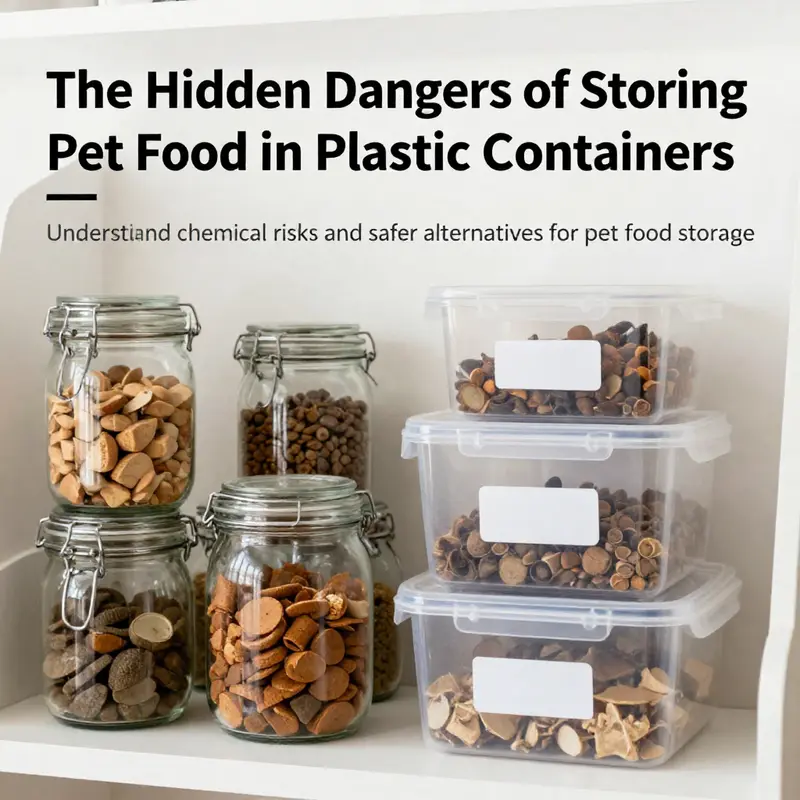
Proper storage of pet food is crucial not just for maintaining its quality, but also for ensuring the health and safety of our beloved animals. While plastic containers are ubiquitous in storage, many may not realize the potential hazards that come with using certain types of plastics for pet food. This article delves into the concerns of chemical migration, sealing issues, and contamination risks associated with plastic containers. Additionally, it will outline better alternatives for safer pet food storage, specifically aimed at professionals in the food industry, including beverage chains and event planners, who also care about quality and safety in their operations. Each chapter will meticulously explore these topics, helping you make informed decisions that benefit both pets and your business.
From Plastic to Paws: Unpacking Chemical Migration and Safer Long-Term Storage for Pet Food
When we consider what keeps a hungry cat or dog wholesome and thriving, the simple act of storing pet food often seems almost mundane. Yet behind the sealed lid and the sturdy walls of a container lies a subtle drama of chemistry, heat, fat, and time. The question of whether it is bad to store pet food in plastic containers hinges on how plastics interact with food over days, weeks, or even months, especially when the food is fatty, oily, or acidic, or when storage conditions swing between cool and warm, or between dim and sunlit. The larger arc of this chapter follows that thread: plastics are not perfectly inert; even materials marketed as food-grade can, under certain circumstances, transfer trace chemicals into pet food. Understanding this process helps owners weigh practical savings against long-term wellness for the animals who depend on those meals. The central idea is not that plastic is universally dangerous, but that the risk is real and highly conditional. The right container, used correctly, can minimize risk; the wrong one can introduce unwanted compounds, alter flavor, or encourage spoilage in ways that might go unseen until a vet visit becomes necessary.
To start with the science, imagine a bottle or a bin as a tiny, slow stage where events unfold over time. The surface of a plastic container is not a perfect wall but a boundary that can exchange material with whatever sits inside. In the world of food contact materials, scientists talk about migration: substances migrate from the container walls into the food. The degree of migration is influenced by several variables. The type of plastic matters. PET, HDPE, and other polymers are selected for different properties—clarity, strength, moisture resistance, light filtration—but none are completely inert when in long contact with certain foods or under stress. Pet foods are not uniform streams of matter; they can be high in fats, proteins, or moisture, and many formulations include minerals and vitamins that interact with packaging materials in nuanced ways. In practical terms, a fatty dry kibble, a fatty wet food, or a meal with sauces can increase the potential for lipophilic, or fat-loving, chemicals to migrate from the container into the food.
Among the candidates in the plastics family, substances sometimes discussed in the migration conversation include certain additives and residues that have earned cautionary notes in human food studies as well. Bisphenols and phthalates are two categories that surface often in conversations about plastics used for food storage. Bisphenols, including BPA in some forms, have been scrutinized for their potential to act as endocrine disruptors, while phthalates, functioning as plasticizers, can migrate when rigidity is altered or when materials age. When we consider pets, the concern extends beyond human health; even trace exposures that would be comparatively low for people can have outsized effects in animals with different metabolic pathways, hormone regulation, and sensitivity to environmental cues. The bottom line from the research is not about certainty of harm, but about low-level exposure accumulating over time and the possibility of interactions with fatty content, heat, or light that can accelerate migration. For pet guardians seeking to minimize risk, the takeaway is a cautious one: aim to reduce, not eliminate, exposure by choosing materials with safer profiles and by controlling the conditions that drive migration.
The practical implication becomes clearer when we think about how pet food is often stored. A kitchen or pantry is a dynamic environment. Containers sit on shelves that receive varying degrees of light. They face heat from sunny windows, warmth from the stove, or the occasional splash of steam from a nearby kettle. Even the act of opening and resealing the container exposes the interior to air and moisture, which can alter the internal atmosphere and affect how quickly any leached substances migrate into the food. In many households, the storage period can span several weeks to several months depending on how quickly the bag is finished or how often a particular pet’s diet is rotated. Under these conditions, the risk of migration is not static; it can creep up as storage duration lengthens or as temperatures shift seasonally. This is why the earlier research emphasis on airtight seals and low-heat, low-light storage is not a mere preference; it is a mitigation strategy aimed at limiting contact and exposure to stress conditions that amplify chemical transfer.
The notion that “food-grade” plastic is perfectly safe for all food types is a tempting simplification. Many plastics are labeled as food-grade because they meet certain baseline specifications for human consumption or general use. However, no material is completely inert. Even under ideal circumstances, microscopic quantities of additives or oligomers can migrate. The pet food context adds a layer of nuance because animals can exhibit different sensitivities to some of these substances. The literature notes that chronic, low-level exposure to certain additives could potentially influence hormonal balance or metabolic stress in animals, though the evidence is not uniform across species or individual conditions. For a pet guardian weighing storage choices, this translates into a pragmatic precaution: minimize unnecessary exposure by choosing containers that have been specifically designed for food storage and that emphasize safety, stability, and sealing capability. The choice is not simply a matter of whether plastic is used, but of using the right plastic and using it correctly.
A key practical distinction arises between short-term and long-term storage. For very short storage—say, a week or less, or when you keep a small amount of kibble for a few days—some plastic containers with robust seals can be acceptable, provided that the plastic is of a quality appropriate for food storage and the container is kept in a cool, dark place. The risk calculus shifts, however, as the storage time extends. Over months, even low levels of migration can accumulate, and the cumulative exposure may be more consequential for a pet, especially if the food is high in fats or if the container has endured repeated openings and resealings that could compromise the seal. This is where the science dovetails with daily care: a good seal is not a passive feature but an active armor against moisture ingress, oxygen exposure, and temperature fluctuations. When moisture and air are kept at bay, the conditions that drive chemical migration—temperature swings, fatty interactions, and prolonged contact—are subdued. In short, the container’s seal quality becomes as important as the material itself.
An area that often causes practical confusion is the idea of reusing containers that previously held liquids like water or soda. The caution here is rooted in the idea that containers not originally intended for long-term food storage can begin to degrade in unpredictable ways. When a container has carried a liquid, it may have already undergone surface changes, micro-scratches, or residual films that can either trap moisture or host microbial growth. Moreover, repurposed containers may have undergone chemical changes from prior contents, making them less predictable in future storage scenarios. Ferreting out safe options thus leads to two simple guidelines. First, avoid repurposing everyday plastic bottles or containers that were not designed for food storage over the long term. Second, if you must repurpose, ensure the container is clean, dry, and used for non-fatty foods or short durations, with strict attention to any signs of wear, discoloration, or odor. These practical caveats are not about fear-mongering but about carefully managing the boundary between container and food to preserve palatability and nutritional integrity.
Another dimension of this discussion is the effect of storage context on both plastic and the pet food itself. Heat and light exposure accelerate degradation of some plastics and can influence the rate at which migratory compounds move into the edible contents. A sunny windowsill or a kitchen cabinet near a heat-generating appliance is not merely an aesthetic misstep; it is a concrete risk factor. Plastics may experience changes in their mechanical properties with prolonged exposure to heat, becoming more brittle or less effective at maintaining an airtight seal. Degradation products can migrate more readily under such stress, and the risk escalates when the food contains fats that interact with migrating compounds. The safeguards, then, center on a stable environment: store containers in cool, dark places away from direct sunlight, and avoid placing them near heat sources such as stoves or heaters. The cumulative effect of these conditions is that the food remains fresher longer and the interior of the container maintains its structural integrity, reducing the odds of micro-leakage or barrier failure.
If we widen the lens to consider healthier or more conservative storage options, glass and stainless steel enter the discussion with a calm, almost universal appeal. Glass is non-reactive and highly resistant to leaching; stainless steel is durable, non-reactive, and often designed to resist corrosion and odor absorption. For owners who want the lowest possible risk of chemical migration, transferring pet food from a plastic container into a glass or stainless steel vessel with a tight lid is a logical step, particularly for long-term storage. This approach aligns with broader food-safety principles that aim to minimize contact between food and materials that could harbor or shed substances over time. Of course, practical concerns persist. Glass and steel may be heavier, more prone to breakage, and less forgiving in households with curious pets. They require secure lids and placements that keep the containers out of reach of nibbling paws and inquisitive noses. Yet for many guardians, these are acceptable trade-offs in pursuit of longevity and peace of mind for their animals.
A nuanced middle ground emerges when owners combine the best of both worlds: keeping the original packaging inside a high-quality outer container. The original bag in a robust, airtight bin represents a double layer of protection. The inner bag is often specially designed to protect contents from light and air, while the outer bin offers an extra shield against light exposure and pests, plus the possible benefit of a more rigid barrier against accidental puncture or crushing. This layered approach is not about defeating the science but about acknowledging the practical realities of home storage. It preserves the integrity of the food while offering the convenience of a more durable exterior. In practice, this method requires attention to bag integrity, avoiding moisture buildup, and ensuring that the outer container remains sealed and clean. The result is a pragmatic, balanced approach that trades a bit of convenience for enhanced safety.
The chapter’s underlying caution is not that plastic is categorically unsafe, but that storage decisions must consider material choice, seal integrity, storage duration, and environmental conditions. The literature suggests that even materials widely accepted as safe can, under stress, contribute to a small, measurable migration of substances. In the pet context, the consequences can be magnified by direct consumption and the physiological differences between species. For owners who want to minimize risk without sacrificing practicality, a few guidelines stand out. Use containers designed specifically for pet food storage; prioritize those advertised as food-grade and with airtight seals; place containers away from heat and direct sunlight; and consider switching to glass or stainless steel for long-term storage or for foods with higher fat content. When using plastic, opt for high-quality, durable options that maintain a reliable seal and resist warping. The difference between a container that simply stores and one that safeguards can be substantial over the months of a pet’s dietary cycle.
From a risk-management perspective, one of the most actionable messages is not a single product choice, but a routine. Establish a storage routine that minimizes exposure to heat, light, and air and that tracks how long food has been stored. For example, rotating stock in a first-in, first-out manner ensures older portions are used before newer ones, reducing the time any one batch sits idle in a container. Keep an eye on the container’s lid and gasket; even small gaps can introduce moisture and oxygen, fueling clumping in dry kibble or spoilage in wet foods. Hydration imbalances and stale flavors can quietly undermine nutrition without obvious signs. Regular inspection for cracks, clouding, or odor is a practical habit that helps catch problems before they affect a pet’s appetite or health. In this sense, storage is not merely a passive act of containment but an ongoing process of safeguarding the pet’s daily nourishment.
The broader takeaway for readers who want a science-informed, humane approach to pet food storage is this: treat storage containers as active participants in the food’s fate. The wrong choice can subtly alter the food’s quality, the wrong handling can speed up deterioration, and the wrong environment can magnify small chemical migrations into something more noticeable over time. The good news is that, with deliberate choices, this risk is manageable. The two pillars are selecting appropriate materials and creating a stable, controlled storage environment. In many households, this combination translates into a preference for airtight, food-grade containers that are easy to seal and clean, paired with a storage location that remains consistently cool, dark, and dry. For those who require the highest possible safety margins, glass or stainless steel containers with tight-fitting lids provide robust protection against leaching and light exposure. And while plastic remains convenient and affordable, its use should be anchored in informed choices and mindful habits, not in convenience alone.
For readers seeking a practical, shopping-light approach, consider this nuanced perspective: plastic containers are not inherently dangerous, but they are not a universal solution either. The best path forward blends science with everyday practicality. When you choose plastic, select purpose-built, food-grade varieties designed for pet food storage and verify their sealing performance. Store them in a cool, dark place away from heat sources, and avoid leaving them on sunny windowsills. If the budget or the household layout allows, weigh the benefits of glass or stainless steel as longer-term storage options, especially for fatty foods or for households that heat or reheat meals in the vicinity of pet feeding zones. And, as a sensible habit, keep the original bag inside the outer container to preserve an additional layer of barrier protection against moisture and light. In this way, storage becomes a reconciliation of convenience, safety, and the happiness of the animals for whom these foods are prepared.
The dialogue between science and daily practice is ongoing. Researchers continue to refine our understanding of which plastics pose more or less risk under various conditions, and pet guardians continue to adapt their routines to protect health and palatability. The practical upshot remains clear: knowledge empowers choices. A container’s material story, its seal, and the care with which it is used all contribute to whether a pet’s meal remains both tasty and safe. The chapter does not claim certainty for every case but it does offer a framework for evaluating risk in a way that respects the welfare of animals and the realities of modern households. As with many aspects of pet care, small, consistent steps often yield the most meaningful gains over time. The goal is simple yet meaningful: minimize unnecessary chemical exposure, reduce the likelihood of spoilage, and support a pet’s long-term health through thoughtful storage practices.
To connect this discussion to practical, everyday decisions, imagine you are preparing for a routine shopping trip. You would scan for packaging that promises durability and a tight seal, you would consider the storage space where you’ll keep the container, and you would factor in how long you typically store a bag before opening a new one. You would also acknowledge that your pet’s unique needs matter—some animals are finicky and react to subtle changes in smell or texture, while others tolerate a broad range of food conditions. In short, the most reliable strategy blends careful material selection with disciplined storage habits. When plastic is used, it should be a careful, informed choice, paired with good sealing and an awareness of the storage environment. When possible, placing the food in glass or stainless steel for long-term storage can provide reassurance against leaching and light exposure. And when the original packaging is preserved inside a sturdy outer container, you add a level of redundancy that helps protect flavor, nutrition, and safety over the course of a pet’s dietary cycle. For pet guardians who want to explore the full spectrum of packaging options while keeping an eye on safety, a useful practical waypoint is to consider packaging solutions designed specifically for pet food storage. These containers are more likely to be optimized for durability, sealing effectiveness, and ease of cleaning, and they align with the broader intent of reducing chemical migration while preserving freshness.
Readers who want a broader context on chemical migration from food contact materials can explore the wider literature that covers not just pet food, but a range of food industries. A comprehensive overview on this topic is available from ScienceDirect Topics, which provides a detailed examination of how substances migrate from plastics used in contact with food under varied conditions, including stress and fatty content. This resource helps illuminate the mechanisms discussed here and offers a foundation for interpreting future findings as materials science evolves. External resource: Chemical migration from food contact materials.
On the practical side of the conversation about packaging choices, owners may find value in expanding their understanding beyond the walls of the home. For caregivers who want to think about storage in the context of broader packaging trends and consumer safety, there are many considerations related to how packaging design, material innovation, and consumer habits intersect. The discussion about pet food storage is a microcosm of a larger dialogue about how modern households balance convenience, cost, taste, and safety in the foods that pass through their doors. While the core concerns here are specific to pet foods and animal physiology, the underlying principles—minimizing migration, protecting against moisture and heat, and choosing materials that align with safe storage practices—have a universal resonance that can guide decisions in other areas of home care.
As this chapter closes, the emphasis remains on a practical, science-informed approach that respects the needs of pets and fits into everyday life. The interplay between container material, seal quality, environmental conditions, and storage duration is not an abstract debate but a real-world framework for keeping pet meals fresh, tasty, and safe. By selecting appropriate containers, maintaining consistent storage conditions, and considering the option of glass or stainless steel for longer-term storage, guardians can reduce the likelihood of undesirable chemical migration while still enjoying the convenience and reliability that modern packaging offers. The goal is not to abandon plastic outright but to use it wisely, with a clear eye toward how conditions can shape the chemical boundary between container and content. In this balance lies the path to healthier meals for pets and calmer days for their human caretakers, who can rest a little easier knowing that the science behind storage is guiding practical, day-to-day decisions.
Internal link reference for practical packaging considerations: eco-friendly takeout boxes for food packaging.
Sealed Safeguards: How Seals, Materials, and Habits Shape the Safety of Plastic Pet Food Storage
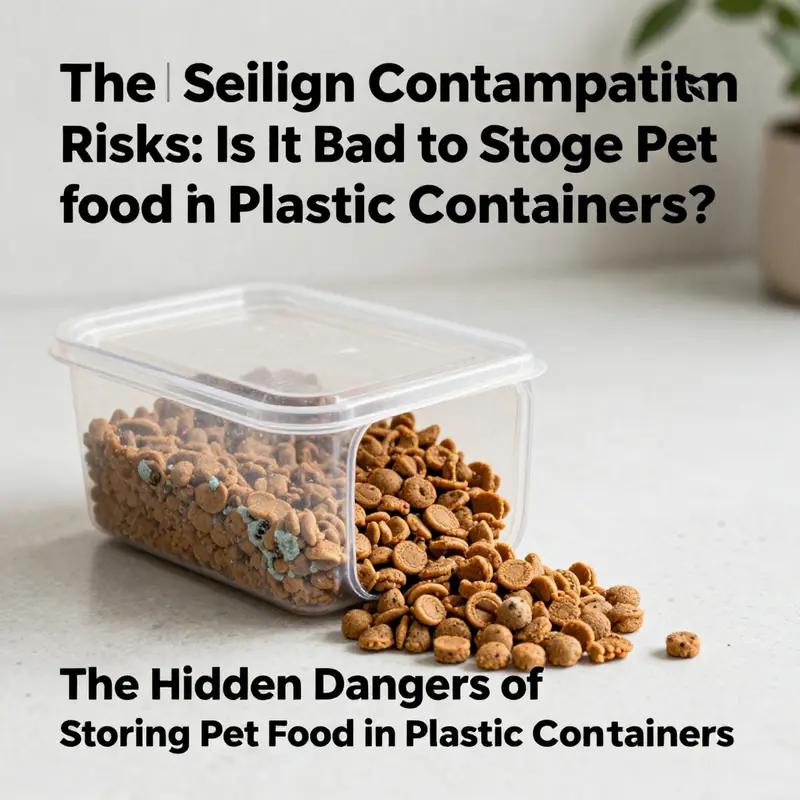
A simple kitchen habit can ripple through a pet’s health and a household budget. Many owners reach for plastic containers because they are lightweight, affordable, and convenient for stacking. Yet the question that lingers for careful readers is not simply whether plastic is convenient, but whether it keeps pet food safe over time. The answer hinges on a combination of the container’s sealing prowess, the safety of the plastic itself, and the daily practices that govern storage. When these elements align, plastic storage can be a practical ally in preserving freshness and limiting spoilage. When they don’t, plastic storage becomes a potential liability, especially for dry kibble and mixed wet foods that carry different moisture and fat profiles. This chapter walks through those dynamics in a way that connects the everyday act of sealing a lid with the broader implications for pet health, food safety, and reliable feeding routines. It aims to illuminate not just what to look for, but how to think about storage as a dynamic part of responsible pet care.
Material safety sits at the heart of any discussion about plastic containers. Modern containers designed specifically for pet food storage are often made from high impact HDPE or from polypropylene. These materials are celebrated in many guides for their chemical stability and relatively inert nature when used as intended. Importantly, they are certified as food-grade, which means the materials have been evaluated for migration, leaching, and interaction with common pet foods. The practical takeaway is not a universal promise that all plastic is harmless, but a clear signal that choosing the right material matters. In the context of long term storage, the distinction matters even more. A container judged suitable for 25 kg usage is typically engineered to resist cracking under pressure, to perform across a range of temperatures, and to maintain a stable barrier against air and moisture when the seal is engaged. This is not a cosmetic claim; it reflects a deliberate design to keep fats from oxidizing and to slow the ingress of contaminants that could alter texture, aroma, or nutritional quality. Such design considerations are especially relevant for dry kibble, which benefits from a steady barrier to moisture that would otherwise invite clumping, staling, and potential mold growth. The choice of material matters because some plastics degrade or interact with food when exposed to heat, UV light, or age. Modern food-grade HDPE and PP are crafted with these risks in mind, and the evidence base for their safety continues to expand as testing and certification standards advance. In practice, this means that opting for containers clearly labeled as food-grade and appropriate for pet food storage is not just about cleanliness, but about ensuring the material itself does not become a source of contamination over time. The science behind this is nuanced. While not every plastic is perfect, the right plastics, used correctly, minimize the likelihood of harmful migration. A handled correctly approach recognizes that material safety is a baseline, not a guarantee of safety in all circumstances. While some readers may carry experiences with older or reused containers, the modern perspective emphasizes purpose-built, food-grade materials as a foundational element in safe storage. This emphasis aligns with industry guidance that tends to favor HDPE or PP for pet food storage when the containers are designed with tight tolerances and durable walls. The critical point here is not merely the presence of plastic, but the suitability of the plastic for food contact and the expected lifespan of the container. Treat those two factors as the frame within which other considerations come to life.
Sealing performance emerges as the second pillar in the safety equation. A robust seal is more than a convenience. It acts as a shield against two of the most insidious threats to pet food: moisture and air. When air leaks in, the food can oxidize, leading to stale flavors, softening of texture, and a collapse in nutrient integrity that may undermine a pet’s appetite. Moisture ingress invites clumping in dry kibble and fosters environments where mold and bacteria can take hold, particularly in humid climates or during seasonal transitions. The best sealing systems are designed to minimize these risks by creating a near airtight barrier while still allowing for practical use. A high quality container often features a tamper-proof and leak-proof seal that conforms to the rim with a precise fit. The sealing geometry matters as well; the seal should distribute pressure evenly, reduce micro gaps, and resist being displaced by minor impacts or changes in temperature. Real world notes from storage studies show that even small improvements in seal integrity can translate into meaningful differences in shelf life, odor retention, and the prevention of moisture-driven spoilage. A container described as having an excellent sealing mechanism is more than a marketing claim; it is an engineering statement about how air and moisture are kept at bay during weeks and months of storage. The messaging around seals also intersects with cleaning practices. Even the strongest seal loses its protective value if the container becomes a harbor for residues that can harbor bacteria. Scratches, residues from cleaners, and lingering odors can compromise both the seal and the perceived freshness of the food. Therefore, sealing cannot be considered in isolation. It must be coupled with consistent cleaning that preserves the integrity of the lid gasket and the sealing edge. The practical implication is straightforward: when selecting a container for pet food storage, prioritize models that promise an airtight seal and maintain that performance over time. The 200-milliliter examples cited in industry notes illustrate that even compact formats can be designed with sealing systems that enhance safety, as long as the seal is engineered to cope with repetitive use. The upshot is clear. A reliable seal dramatically lowers risks, but it does not automatically eliminate them. The seal is a dynamic component that benefits from thoughtful handling and routine checks.
The third axis of risk concerns the actual use of the container. Substandard or recycled plastics should raise flags from the start. If a container is not food-grade or if it has been exposed to heat or sunlight for extended durations, there is a greater chance that chemical components may migrate into the food. While the literature emphasizes that properly selected food-grade plastics are not prone to significant migration, the real-world caveat is that all materials have limits. Heat accelerates aging in plastics, and light can catalyze chemical changes that alter the surface and internal chemistry. A container that rests on a sunny windowsill or near a heat source is more vulnerable to these processes. Over years of use, micro-cracks can form, and small fragments could eventually migrate into the food or harbor microbes in the crevices. The practical recommendation is simple and repeatable: store containers away from heat sources, protect them from direct sun, and rotate stock so that older food is used first. In addition, avoid repurposing containers that previously held liquids or non-food items for long-term storage. Even if a bottle was clean, its original design likely included considerations for beverages rather than dry food, and the experience of storage science has shown that such repurposing can introduce unpredictable risks.
Cleaning practices interplay with sealing and material choices in ways that are easy to underestimate. A container with a good seal can still become a vector for contamination if the interior is not adequately cleaned or if the lid and gasket are not kept dry and free of mold-forming residues. Water spots, soap residues, or mineral films can alter the seal’s effectiveness by preventing the lid from seating correctly. Scratches on the interior surface are more than cosmetic; they can trap food particles and moisture, creating microhabitats where bacteria or fungi thrive. It is also worth noting that microbe growth is not limited to the interior. The exterior surfaces that are touched daily can accumulate oils and grime that transfer back to the hands and to the feeding bowls, subtly influencing the pet’s intake and the household’s hygiene. Routine cleaning with mild, pet-safe cleaners, thorough drying, and periodic inspection for cracks or discoloration contribute to longer term safety. It is not enough to have a good seal if the container is frequently washed with aggressive cleaners that degrade the surface or if it is left damp after washing. The rinse-dry routine becomes part of the protective cycle that preserves not only the container but the food it protects. This is why many caretakers adopt a simple habit: dedicate a storage container to pet food, clean it regularly, and use a separate bin for the original bag to minimize repeated handling of the bag’s interior contents. The original bag, even when stored inside a high quality airtight bin, often contributes its own moisture or odor barriers. Keeping the bag within a sealed outer container can be part of a double layer of protection that slows light exposure and reduces pest risks while maintaining easy access for feeding times. Integrating this practice with a clean routine reinforces the idea that sealing and material choices form a system rather than a single feature. It is a system built from material safety, sealing performance, and user habits, and the strength of the system determines the actual safety in everyday life.
Practical choices flow from this understanding. When it comes to material safety, the label is not always visible at a glance, but the right signs are. Look for explicit statements that the container is food-grade and designed for pet food storage. The advantages of HDPE and PP begin to shine when you see a well-designed lid that fits snugly and a rim that does not deform under pressure. A true test of quality is how the container behaves after repeated use in a kitchen environment: does the seal degrade, does the plastic become more brittle, or do edges show signs of wear that could harbor bacteria? These are the questions that separate two classes of storage options. The narrative around sealing is not merely about the lid; it is about the entire geometry of the container and how the lid interacts with it over time. In this respect, the best practice is not a single action but a routine that couples careful selection with consistent use and inspection. A cautious approach may involve keeping the original bag inside a high quality airtight container with a tight seal. This not only aids in moisture control but also leverages the original packaging’s barrier properties in combination with an outer shell designed to minimize light exposure and provide an additional layer of protection against pests. The effect of this approach is that the pet food remains closer to its intended freshness for longer, which translates to fewer spoilage incidents and less waste.
In the broader landscape, it is useful to compare plastic storage to glass or ceramic alternatives. Glass or ceramic containers offer superb chemical inertness and very low risk of long term leaching. They do not absorb odors, and they provide a stable barrier to light and air when fitted with airtight lids. Yet they bring their own tradeoffs. Glass and ceramic are heavier, more prone to breaking, and often more expensive. They can also be less forgiving in households with active pets or small children. These factors influence daily routines, and for many households, a sturdy plastic container remains a practical compromise that balances safety with usability. The key takeaway remains consistent: regardless of material, the safety of pet food storage rests on choosing purpose built, food-grade containers with reliable seals, keeping them away from heat and direct light, cleaning them diligently, and handling them with a routine that respects the integrity of the seal and the cleanliness of the interior. The best choice for any given home will depend on the pet’s eating patterns, the climate, and the household’s tolerance for weight and handling. For some, the elegance of glass and ceramic is worth the trade-offs; for others, a robust, sealed plastic system provides a reliable balance of safety and practicality. In either case, the central idea is the same: sealing and material safety gatekeep the freshness of pet food, while daily habits determine whether that gate remains closed when it should and remains clean when it needs to be.
The social and practical implications of these choices are not trivial. Pet food is a daily staple with both nutritional and economic implications. A storage system that preserves freshness can reduce waste, lower the frequency of replacements, and help maintain the nutritional integrity of meals. Conversely, a system that compromises safety or invites contamination can lead to food spoilage, digestive upsets, or even more serious health issues. This is why the conversation about plastic storage is not a narrow engineering debate but part of a broader practice of responsible pet care. Owners who adopt a cautious approach—careful material selection, reliable sealing, and disciplined cleaning—often find that their pets benefit from steadier feeding routines and fewer episodes of spoilage-related stomach upset. The habit of rotating stock, inspecting lids for wear, and protecting containers from heat and direct sunlight becomes an ongoing ritual rather than a one-off decision. It is this cultural and behavioral dimension that gives real-life storage its texture and resilience. The conversation about plastic containers also intersects with broader conversations about sustainability and waste. While glass and ceramic materials are more inert, they come with environmental footprints of their own, and the decision to use plastic can be rationalized when it is paired with proper handling, long use, and careful disposal at end of life. In a world where many households juggle competing priorities, the goal is to minimize risk while keeping pet care practical. The sealing and contamination discussion is therefore not about banning plastic outright but about understanding how to use it in a way that aligns with best practices and current scientific understanding. For readers seeking a broader industry perspective on the topic, this external source offers a wide lens on the safety and design of plastic pet food containers: https://www.petfoodindustry.com/articles/38917-are-plastic-pet-food-containers-safe
To connect this back to everyday decisions, consider the small but meaningful steps that translate theory into safe practice. Start by confirming that any plastic container you use for pet food is explicitly labeled as food-grade and appropriate for pet foods. Check the seal and gasket regularly; if it appears worn or deformed, replace the lid or the entire container. Store away from heat sources and direct sunlight, ideally in a cool, dry place with stable ambient temperature. Avoid leaving bags exposed to the air for long periods; instead, consider placing the original bag inside an airtight bin that is sized to limit air exchange. This layered approach—material safety, strong sealing, and protective storage—provides a practical, repeatable framework that fits most homes. It also aligns with a growing body of research and industry guidance that supports using plastic storage when designed for food contact and used with care. In short, plastic containers are not inherently dangerous; they are a tool. Like any tool, they deliver best results when chosen with care and used within a well understood system. As with any chapter on storage, the goal is not perfection but resilience: a kitchen routine that protects pet health, preserves nutritional value, and minimizes waste, all while keeping feeding moments calm and dependable for both pet and owner.
Beyond the Bin: Rethinking Plastic for Pet-Food Storage and Safer Alternatives
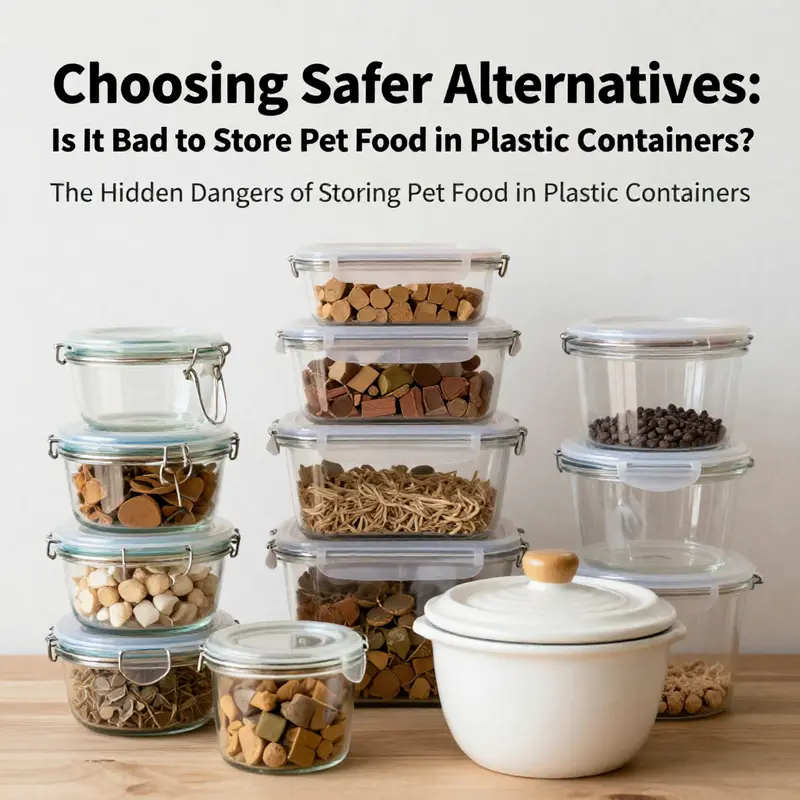
When we consider the daily routine of caring for a pet, the act of storing food seems almost mundane. Yet the containers we reach for—how they seal, what they’re made of, how they stand up to heat, light, and time—play a quiet but essential role in a pet’s health. The question—Is it bad to store pet food in plastic containers?—does not yield a simple yes or no. It invites a longer, more careful conversation about material science, storage conditions, and practical safeguards. In this chapter, we explore how plastic storage can pose risks, why certain plastics are more problematic than others, and how to tilt the balance toward safer, more reliable choices without turning storage into a paralyzing ritual of minutiae. The aim is to illuminate a path that respects both convenience and the well-being of our animal companions, weaving together the threads of chemical safety, foodquality preservation, and resilient home practices into a coherent approach to pet-feeding stewardship.
Chemistry, age, and the oil in the kibble all intersect when a plastic container meets pet food. The core concern is chemical leaching. Many everyday plastic containers are not designed for long-term contact with fatty or oily contents, which describe a substantial portion of pet foods, including some dry kibbles with higher fat content and many wet or semi-moist products. When plastics come into prolonged contact with such foods, the fats can interact with the polymer matrix, promoting slow migration of additives and residual monomers into the food. This can include substances like phthalates, plasticizers that imbue flexibility in the plastic, and certain bisphenol compounds, sometimes colloquially grouped with BPA in public discourse. While modern labeling often emphasizes food-grade status, the seal of “food-grade” does not automatically guarantee immunity from leaching over months or years of storage in varied conditions. The risk is not a single spike in exposure but a subtle, cumulative presence that can influence a pet’s hormonal balance, metabolic processes, and gut ecology—domains where safety studies in animals continue to unfold. The possibility becomes especially relevant when a container ages, is subjected to heat, or sits in bright sunlight, all of which can accelerate the molecular migration processes. In practical terms, this means that an ordinary plastic bin kept on a sunny kitchen shelf or near a warm appliance can become a slower, less visible conduit for unwanted chemicals to enter the food your pet consumes.
The conversation grows more urgent when we consider the complex reality of moisture and contamination. A consistent challenge with plastic storage is that not all plastic bins are airtight. Even with a lid that snaps shut, a few micro-seals fail to achieve the kind of moisture barrier that a bag, box, or jar designed specifically for dry products can promise. When air and humidity creep in, moisture is no longer simply a passive bystander; it becomes an active participant in food spoilage. For opened bags of dry kibble, residual moisture creates a hospitable environment for mold and certain bacteria. The smell of stale food becomes a symptom of a larger loss of quality, and in some cases, it is an early warning sign of microbial growth that can compromise nutritional integrity. For wet or semi-moist foods, the risk landscape expands: fats and proteins can begin to break down faster when exposed to oxygen and fluctuating humidity, accelerating spoilage and reducing palatability. The problem is not merely odor and texture; it is the disruption of nutrient stability, which can influence how a pet metabolizes energy and how appetite responds to stored meals.
A further layer concerns container integrity over time. Plastic materials do not remain inert as they age. Exposure to heat and light, combined with the natural oils in pet foods, can cause material degradation. The consequences are twofold. First, physical wear—warping, cracking, or weakening of the container—creates points of vulnerability where air can infiltrate and pests can exploit. Second, there is the microplastics question. Degradation at the micro level may release tiny particles into the food, raising concerns about ingestion and the potential endocrine or inflammatory responses in pets. While the long-term health effects of microplastics in pets are still a frontier of research, early signals from broader environmental studies suggest that microparticles can accumulate in biological tissues and elicit immune or oxidative stress responses. For a pet guardian, the practical implication is straightforward: even if you cannot quantify every microplastic particle, it is prudent to reduce exposure whenever feasible, especially for foods that a pet will consume in sizable portions over extended periods.
The image of plastic as a flexible, affordable, and lightweight ally in home storage becomes more nuanced when we weigh these risks against the benefits. Plastic bins labeled as food-safe or designed specifically for pet food storage can offer advantages—lightweight handling, moisture resistance, and a certain resilience in everyday use. Yet the evidence cautions that safety is not universal. The most reliable protective practice is to select containers explicitly designed for food storage, made from food-grade materials, and equipped with airtight seals. Food-grade PET or HDPE containers, when used correctly, can provide a dependable barrier against moisture and air for certain durations, especially for short- to medium-term storage. The caveat is clear: even with such containers, the best practice is to place the primary food source in a material that minimizes contact with oils and fats, and to avoid using old, heavily reused, or recycled plastics that were not designed for long-term food contact. The public-health logic aligns with a precautionary principle: choose materials with well-defined food-contact safety profiles, and prioritize barrier performance and inertness over superficial convenience.
In practice, what does this mean for a home pantry? It means acknowledging that safety is not a single feature but a combination of factors—material composition, product design, sealing performance, and environmental exposure. A practical path begins with a commitment to using food-grade containers whose materials are specified to be safe for food contact. It is not enough to see a label that says “reusable” or “durable.” The container must also declare a clear and traceable food-contact standard, ideally with a recognized certification or a specification that remains explicit about long-term storage of fatty and moist foods. The seal is another key element. An airtight, tamper-evident lid and a robust gasket can dramatically slow the ingress of humidity and the egress of volatile aromas. This is not simply a matter of scent control; airtight storage maintains nutrient integrity, prevents stale flavors, and reduces the risk of pest encounters that often accompany imperfect barriers.
Degradation is not exclusively a story told by the container; it is also a story told by the food itself. Pet foods, particularly dry kibble, can carry oils and fats that interact with plastics over time. Even with a high-quality plastic, the stored product may experience changes that affect texture, aroma, and overall palatability. In some circumstances, these changes can occur more rapidly if the product is exposed to heat—think a sunny windowsill or a kitchen appliance’s vicinity. The simple action of moving a storage bin away from heat and light can be a meaningful step in a larger risk-management plan. Such steps do not require heroic efforts; they demand a consistent attention to placement and environment, a routine that says to the pet and to the food, “this container is part of a controlled system, not a passive vessel.”
The broader cautionary tale is not that plastic is universally dangerous, but that plastic storage is a tool whose value depends on the conditions in which it is used. There is a notable distinction between containers that are designed for food storage and repurposed containers that once held liquids or non-food items. The latter are not reliable for long-term pet-food storage because their chemistry, structural durability, and barrier properties were not engineered for sustained food contact. Repurposing, recycling, or reusing containers that carried other substances can introduce unpredictable variables into the storage equation. For pet guardians who favor sustainability, the temptation to reuse containers might be strong. The prudent stance is to reserve such reuse for items explicitly approved for food storage, preferably in a two-layer approach: keep the original packaging within a high-quality, airtight, opaque container to shield it from light and air, then ensure the outer vessel is also designed to minimize contamination risk. This double-layer approach does offer a measure of protection, combining the familiarity and packaging design of the original bag with the barrier properties of a sturdy, sealed outer bin. Such practices reconcile the desire to minimize waste with the imperative of protecting pet health.
Even with all these caveats, the broader takeaway should not be a surrender to fear, but a recalibration of routine. If plastic storage is to be used, it should be in the form of purpose-built, food-grade options with explicit safety assurances, and only for storage circumstances that align with their designed purpose. For many households, an even safer choice is to transition to glass or stainless steel containers with airtight lids. Glass and stainless steel offer non-reactive, inert environments that do not leach chemicals and provide strong barriers against light and moisture. They are not magic solutions; they require careful handling, cleaning, and occasional checks for chips or cracks. Yet their long-term stability can be preferable, especially for households that store pet food for longer durations or in higher-fat varieties. The investment in such containers often yields dividends in extended freshness, reduced risk of odor transfer, and fewer concerns about microplastics or chemical migration. An additional practical tactic is to preserve the original bag inside a secondary, airtight container. The bag is typically designed to stay fresh within its own packaging, and the outer container mitigates light exposure and provides a pest barrier. This layered approach balances practicality with safety, drawing on the strengths of both materials—the bag’s built-in design for freshness, and a durable outer shell that offers a robust seal and a barrier against environmental stressors.
The evidence base guiding these decisions continues to evolve, and it is important to recognize that not every plastic container is equally risky. Some manufacturers label products as food-grade PET or HDPE with explicit seals intended to preserve freshness and minimize chemical interactions. In those cases, these containers can be reasonable options for short- to mid-term storage, provided they are kept away from heat and direct sunlight and are cleaned regularly to prevent residue buildup. Still, even when using such containers, the best practice is to avoid long-term storage of high-fat or moisture-rich foods in plastic, particularly in warm or bright environments. This is not a condemnation of plastic per se but a call to select containers whose design, material safety profile, and sealing performance align with the storage needs of pet food. When in doubt, opt for alternatives that reduce risk, and treat plastic as a secondary, not primary, storage solution for pet food.
The practical advice, then, centers on three pillars. First, choose containers that are explicitly marketed as food-safe and are made from recognized food-grade materials, ideally PET or HDPE, with airtight, reliable seals. Second, minimize exposure to heat and light, and avoid storing these containers on sunlit shelves or near heat sources. Third, consider glass or stainless steel for long-term storage or for foods with higher fat content that are stored for extended periods. If you must use plastic, recognize its limitations and implement a protective, layered storage strategy—keep the original bag inside a sealed, opaque, food-grade outer container. These decisions do not require a chemistry degree or a laboratory to implement; they require a consistent, thoughtful approach to how we feed our companions and how we protect what they eat from environmental challenges.
A note on evidence and caution can help ground these practices in real-world context. While plastic risks can be described as probabilistic rather than certain, there are documented cases where improper storage has coincided with recalls or regulatory cautions about contaminants or packaging integrity. A recent regulatory recall linked to plastic contamination in dog food underscores that even carefully manufactured products can be affected by packaging interactions. This kind of event—though not universal—serves as a sober reminder that packaging is an active part of the food system, not a mere afterthought. It reinforces the logic that safer storage choices are not about sensational warnings but about proactive risk reduction, particularly when it concerns the health and longevity of a pet’s well-being. In practice, this translates into a personal policy of using sealed, food-safe containers, avoiding repurposed plastics, and maintaining an environment that supports consistent freshness.
For readers who want to explore a practical example of safer packaging options beyond traditional plastics, consider a modern family of takeout packaging designed with safety in mind. A solution like eco-friendly takeout boxes for food packaging demonstrates how manufacturers can prioritize moisture barriers, light protection, and non-reactive materials in everyday packaging contexts. This kind of design thinking—where a product is engineered to limit exposure and contamination—can inform consumer choices in home storage as well. To learn more about this approach, you can explore resources that discuss food-safe packaging materials and airtight designs like the one described in the linked product discussion: eco-friendly takeout boxes for food packaging.
The broader narrative here is not a black-and-white verdict but a practical framework. If you are shopping for pet-food storage, read the labels with care. Look for explicit assurances that the container is designed for food storage, and for seals that truly minimize air exchange. Avoid containers that were clearly repurposed from other uses, and be wary of older plastics that may have degraded. Keep storage locations cool, dark, and dry, and avoid placing containers near heat sources or in direct sunlight. Maintain consistent cleaning schedules—wash containers between refills, ensure lids and gaskets are intact, and replace any container that shows signs of cracking, warping, or odor retention. If you pick glass or stainless steel, evaluate the ease of cleaning and the practicality of loading and unloading large bags, as well as the risk of breakage. The human factors—how easily you can maintain a clean, sealed storage environment, and how reliably you can prevent contamination—often determine the success of any food-storage strategy far more than the material choice alone.
In closing, the question of whether it is bad to store pet food in plastic containers does not admit a one-size-fits-all answer. It admits a carefully considered approach that weighs material safety, environmental exposure, and the nature of the food being stored. The safest default is to view plastic as a tool rather than a default solution: use it only when it is purpose-built for food storage, ensure airtight sealing, and minimize duration of storage in high-fat or high-moisture products. When in doubt, or when long-term storage is a goal, turn to glass or stainless steel, which offer robust barrier properties and a non-reactive profile. And for those who want to blend practicality with practicality and sustainability, adopt the layered-storage approach—keep the original bag inside a high-quality sealed container—to optimize freshness while protecting against light, air, and pests. This approach does not demand perfection; it invites consistency, mindfulness, and a better alignment between the care we provide and the environmental realities of modern households.
External reference: For further context on safety concerns related to packaging and recalls, see regulatory reporting on related incidents at the FDA: https://www.fda.gov/food/recalls/outbreaks-and-recalls/fromm-family-foods-retrieves-bonnhill-farms-beefibowls-canned-dog-food-due-plastic-contamination
Final thoughts
As we have explored, the decision to store pet food in plastic containers necessitates caution and awareness of the risks involved. Chemical migration, contamination from poor sealing, and degradation of materials can all compromise the quality and safety of pet food. Opting for food-grade storage solutions, whether they be proper plastic containers or more stable materials such as glass and ceramic, is essential in safeguarding the health of our pets. By prioritizing safe storage practices, businesses in the food and beverage industry can ensure that they provide high-quality, contamination-free food products, contributing to overall customer satisfaction and trust.