
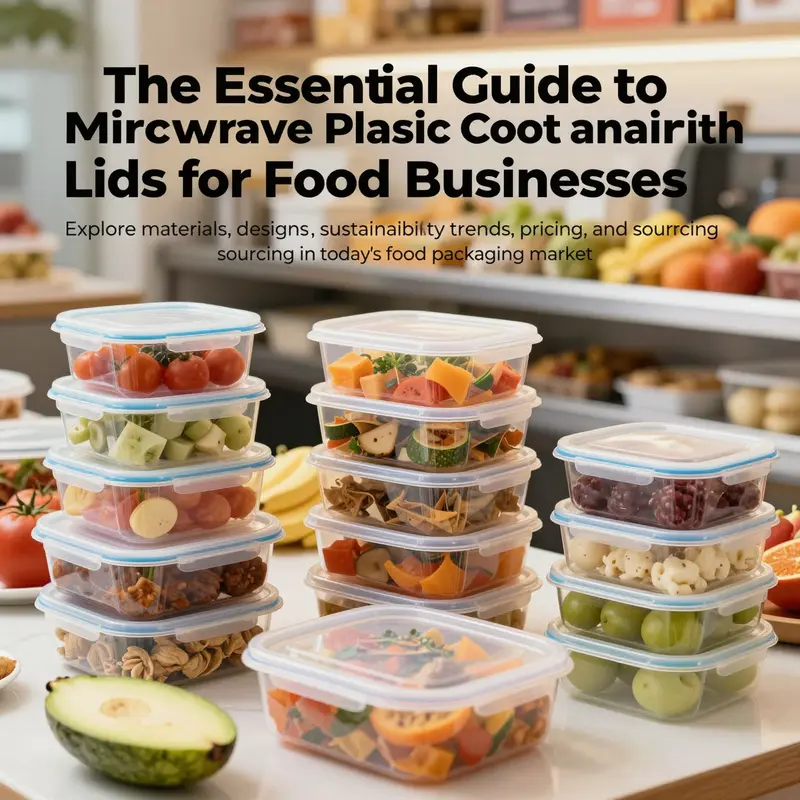
Microwave plastic food containers with lids have become indispensable for businesses such as bubble tea shops, restaurants, food trucks, and catering services. Understanding the material composition, durability, environmental impact, pricing, and reliable sources is crucial for selecting the right containers to meet operational needs. This guide will delve into each of these aspects, providing insights and actionable information to empower your decision-making process.
Between Heat and Hunger: The Material Science and Safety Landscape of Microwave Plastic Containers with Lids
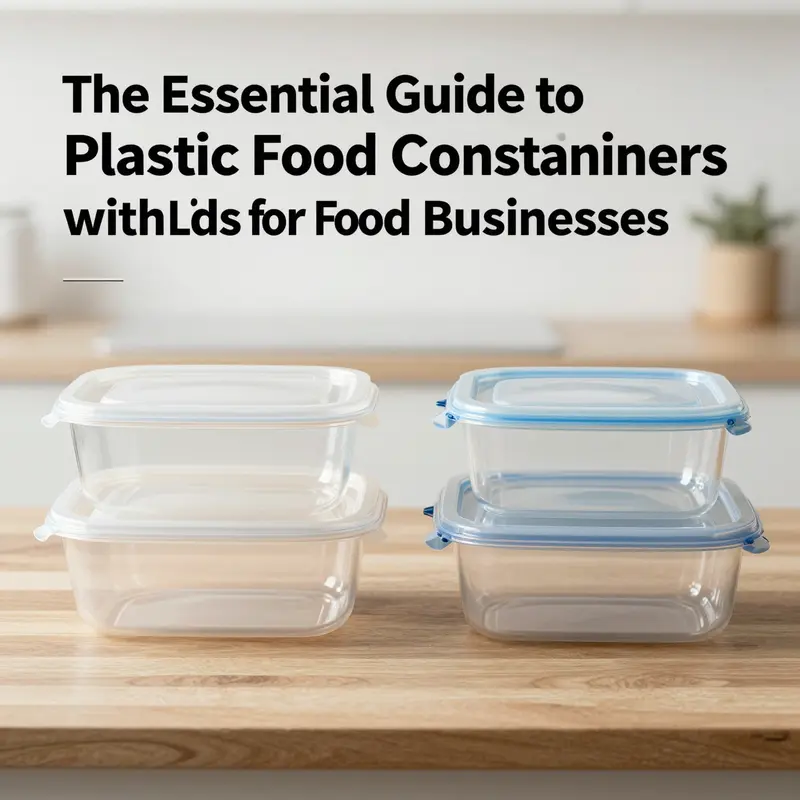
The everyday act of reheating a meal in a plastic container with a lid conceals a careful balance of material science, safety testing, and practical design. The containers at the heart of this balance are predominantly made from polypropylene, a robust thermoplastic chosen for its ability to withstand repeated heating and cooling without degrading in contact with food. Polypropylene, or PP, is famed for its heat resistance, chemical stability, and overall durability in food-contact applications. It does not merely survive the microwave; it is engineered to stay stable as heat is applied, sauces simmer and rebound, and steam circulates inside a closed space. In practice, PP’s resilience translates into containers that tolerate regular use—from reheating to refrigeration and even freezing—without the polymer breaking down or leaching at normal rates. That resilience is the practical core of why PP dominates the modern microwave container market, even as it sits alongside other plastics that fill complementary niches.
Yet the material landscape is not monolithic. A segment of medium-sized, single-serve containers uses PET for its impact resistance and clarity, offering high crack resistance and a certain rigidity that helps when a container must endure a dropped defense or a stacked courier. PET’s role is more apparent in specific volumes and use cases, such as 500 ml containers where strong, crack-resistant performance matters and the need for a see-through, food-safe shell is valued. The choice between PP and PET is not purely about heat tolerance; it is also a function of how the container will be used, stored, and transported. In the end, design teams align a polymer’s strengths with the predicted lifecycle of the product—from the office lunchbox to a fast-casual takeout tray—so that the container performs reliably across multiple cycles of use.
Safety standards anchor these material choices. Containers sold as microwave safe have undergone testing to verify that substances do not migrate into food at elevated temperatures. Regulatory bodies, such as the U.S. Food and Drug Administration and the European Food Safety Authority, set the frameworks that guide what constitutes food-safe plastics in the microwave. Providers label products with clear symbols—often a wavy lines icon or the explicit phrase “Microwave Safe”—to communicate that the container has passed standardized tests for heat exposure and food contact safety. The labeling is not decorative: it reflects a rigorous assessment of chemical stability under conditions typical of reheating, including scenarios where fats, acids, and salts may interact with the container’s surface.
Lids play a crucial role in the safety and performance equation. They are typically made from the same material family as the container or from compatible silicone-based compounds, ensuring a consistent thermal response and chemical stability. Compatibility matters because a lid that shares the container’s chemistry helps minimize differential expansion, warping, or migration that could compromise safety. In some instances, a lid may contain components—such as metal elements or other plastics—not suited to microwave heating. Users are urged to follow the manufacturer’s guidelines, particularly when venting lids or when removing or replacing a lid prior to reheating. A simple caution note can save a great deal of risk: even when the container itself is microwave safe, the lid’s materials or construction may not be, and the overall package must be evaluated as a unit.
Safety concerns extend beyond the initial purchase. Over repeated use, signs of wear—scratches, grooves, or warping—can alter how heat and chemicals interact with the plastic. Scratches can harbor micro-abrasions where chemical leaching may become more plausible, especially with acidic or fatty foods. Warping changes the container’s geometry, potentially affecting heating uniformity and lid fit. When performance shifts, the boundary between safe and unsafe use can blur, underscoring why many guidelines encourage replacing heavily worn containers rather than continuing to reuse them beyond their intended lifecycle. These caveats are not anti-plastic; they are reminders that plastic’s safety depends on condition, usage, and adherence to recommended limits.
For households seeking higher safety margins or contemplating sustainability trade-offs, alternatives such as glass containers with silicone or PP lids are gaining attention. Glass offers a non-reactive, non-porous surface that is less prone to absorbing odors or staining and demonstrates superior resistance to thermal shock in certain applications. While glass tends to be heavier and sometimes pricier, its safety profile in many microwavable contexts—especially when paired with heat-resistant seals or lids—appeals to consumers who seek a long lifecycle and easier recyclability. Yet the decision to switch to glass is rarely about a single factor; it involves weighing cost, convenience, and the intended cadence of use against environmental impact and personal safety preferences.
Design trends in microwave-safe containers reveal a tension between space efficiency and resilience. Stackable configurations meet the needs of households and catering operations that value compact storage. A stackable, leak-resistant form keeps kitchens organized and transportable, while a durable lid design reduces the risk of spills in transit. The choice of materials, from PP with its high heat tolerance to PET’s structural advantages, is a deliberate balance between performance and practicality. The growing demand for biodegradable or compostable options adds another layer of complexity. Bioplastics and other environmentally conscious materials aim to reduce end-of-life impact, but they must still demonstrate satisfactory heat resistance, safe food contact, and reliable performance in the microwave. The branding opportunities in this space are notable as well; many manufacturers leverage printing methods such as screen printing, UV spot coating, and hot stamping to communicate safety credentials, environmental stewardship, and usage guidance directly on the container. A biodegradable rectangular takeout take is emblematic of this direction, offering microwave safety alongside a commitment to responsible disposal.
The economics of these containers reflect market realities as well. Prices and cost structures vary with purchase volume and distribution channel. Bulk orders typically reduce per-unit costs, while retail channels face higher unit prices that reflect packaging, labeling, and compliance costs. Across different formats and materials, buyers weigh the upfront cost against the container’s lifecycle—its durability, its recyclability, and the engineering behind its safety features. For some businesses, the decision hinges on the container’s compatibility with their services, whether it is a takeout box for a beverage and meal combo or a compact lunch kit for an office setting. The pathways to market for microwave-safe containers thus traverse a spectrum from mass-produced, low-cost options to premium, sustainable designs that emphasize branding and environmental responsibility. In this landscape, the interplay between safety standards, material performance, and user behavior becomes a central thread that informs both product development and consumer choice.
The conversation about safety is not complete without acknowledging the role of education and clear guidelines. Consumers should look for signs that indicate a product’s microwave suitability, read care instructions, and understand lid compatibility. Even a sturdy PP container can lose its safety footing if treated improperly or stretched beyond its intended life. The guidance, often summarized in manufacturer labels, is reinforced by national and international safety frameworks that scrutinize material migration, thermal behavior, and long-term compatibility with common foods and the microwave environment. Within this framework, the most responsible choices emerge from a combination of compliant materials, proper use, and thoughtful lifecycle planning.
For those seeking practical exemplars of how safety and design converge in real products, consider taking a closer look at takeout packaging designed to balance microwave performance with branding and sustainability. The ongoing development in this space demonstrates that safe microwave use is not a fixed endpoint but a moving target shaped by material science advances, evolving standards, and consumer expectations. The story of microwave plastic containers with lids is thus a story about chemistry meeting daily life: the chemistry of heat, the chemistry of food, and the chemistry of safer, smarter packaging that keeps meals fresh, minimizes risk, and respects the world beyond the kitchen.
For a practical example of how branding, functionality, and microwave performance intersect in takeout packaging, you can explore examples of eco-friendly takeout boxes designed for microwave use. This resource highlights how designers and manufacturers integrate safety with aesthetics, showing how a single packaging solution can communicate trust while delivering reliable reheating performance. eco-friendly takeout boxes for food packaging that are microwave safe.
Ultimately, the safety framework that governs microwave plastic containers with lids rests on a foundation of rigorous testing, clear labeling, and ongoing innovation. The standards are designed to protect consumers as heating practices evolve and as new materials enter the market. When used as intended and maintained in good condition, these containers offer a dependable means to store, transport, and reheat meals without compromising safety or quality. For readers who want to dig deeper into the regulatory backbone of these materials, the official guidance on food contact materials provides authoritative detail on how rules are applied and updated over time. https://www.fda.gov/food/food-contact-materials/food-contact-materials-and-regulations
Carrying Heat, Keeping Fresh: Design, Durability, and Everyday Practicality of Microwave-Safe Plastic Containers with Lids
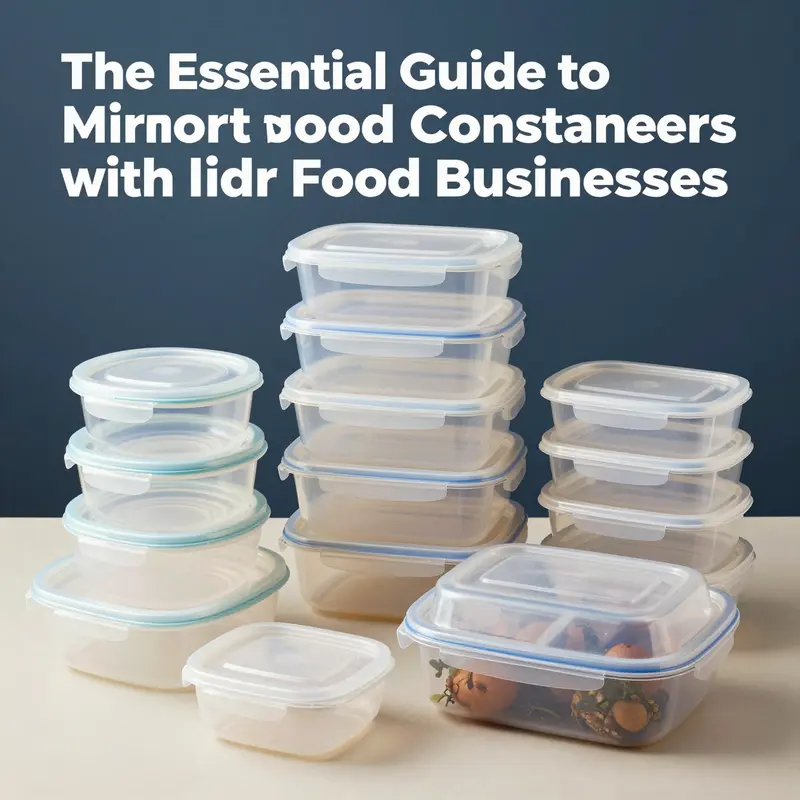
In the quiet rhythm between meal prep and hot, ready-to-eat moments, microwave plastic containers with lids play a deceptively pivotal role. They are the vessels through which food travels from the refrigerator to the table, from office desk to campus dorm, from takeout bag to family dinner. The best designs emerge not from flashy aesthetics alone but from a disciplined balance of materials, geometry, and practical certifications. At their core, these containers rely on food-grade polypropylene and high-density polyethylene to deliver heat resistance, chemical stability, and the resilience needed for daily use. Polypropylene offers a forgiving blend of stiffness and flexibility, maintaining shape under repeated heating cycles and resisting the faint odors that can cling to containers after many reheats. Its chemical compatibility with a wide range of foods—acute when dealing with oils, acids, or citrus—is essential for safe storage of leftovers and meal-prep in advance. HDPE contributes impact resistance and crack tolerance, so a container can survive the shock of being shuffled into a bag, dropped on a kitchen floor, or stacked in a crowded cabinet. Together, these materials form a family of vessels that can endure the everyday stresses of modern life without compromising safety or taste. They also align with the most common consumer expectations: containers that are stable in the microwave, steadfast in the freezer, and robust enough to withstand regular wash cycles.
But material health is only part of the story. Design geometry matters just as much as chemistry. A round 750-milliliter or similarly proportioned shape benefits from nestable, stackable properties that save valuable cabinet and cart space. When empty containers slide neatly into one another, households gain room for groceries, lunch bags, and other frequently used kitchen gear. The lid becomes more than a cover; it is a performance feature. A tight seal is achieved through precise snap-fit rims, interlocking ribs, and, in many cases, a gasket or silicone ring that compresses evenly. A truly leakproof lid protects not only the contents during transit and in transit across a coffee shop or school hallway, but also the user’s bag from frost damage when a meal is frozen and later reheated. The design challenge is to ensure the lid remains secure without requiring excessive force to remove, a feature that encourages reuse and reduces spill risk during a commute or a busy service shift.
The practical flexibility of these containers is further amplified by their compatibility with common kitchen workflows. Dishwasher safety is a critical convenience; containers that tolerate repeated dishwashing save time and extend product life, which in turn supports a more sustainable consumption pattern by reducing the need for frequent replacements. Compatibility with a range of reheating scenarios—microwave, and in some cases oven or air fryer at modest temperatures—expands what users can do with a single vessel. Yet this versatility comes with cautions. While many containers tolerate microwave use, the lid should be vented or removed in certain high-power settings to prevent pressure buildup. Following manufacturer guidance remains essential because the seal that protects food can also trap steam if heated improperly. In practice, the most reliable choices are those that clearly label microwave safety, oven-safe ratings, and dishwasher compatibility, turning what could be a guessing game into a straightforward routine.
Manufacturing decisions underpin all these practical benefits. The production of durable, reusable containers relies on advanced molding techniques, including injection stretch blow molding, which yields tight wall tolerances and strong sealing surfaces. This method supports consistent performance across thousands or millions of units, a quality imperative for both homes and commercial kitchens. The trade-off is an investment in tooling and longer cycle times, which translates into higher initial costs but better long-term stability, fewer defects, and a steady supply chain that can accommodate bulk orders or restaurant-level volumes. In commercial contexts, such precision translates into predictable performance, simpler inventory management, and reduced waste from damaged or warped containers. The result is a product designed not as a disposable stopgap but as a reliable part of a daily routine.
The sustainability thread running through contemporary design is increasingly influential. Consumers expect containers to be microwave-safe without compromising environmental responsibilities. This has spurred interest in materials and structures that balance recyclability with functional performance, and in some markets, biodegradable or compostable alternatives that still meet food-contact safety standards. Brands explore finishes and printing methods—screen printing, UV spot coating, or hot stamping—that carry branding or safety messages without undermining recyclability. The objective is to deliver a durable product that supports reuse while communicating environmental commitments to a broad audience, from families planning weekly meals to small food-service operators seeking responsible branding. The design challenge remains to keep material use efficient—thin walls that still stand up to impact and heat—so the container remains lightweight and affordable, yet strong enough to endure repeated use.
Economic considerations naturally accompany these technical and ethical aims. The market recognizes that price is not the sole determinant of value; rather, total cost of ownership matters. Bulk purchases can significantly reduce per-unit costs, encouraging large-scale use in catering, takeout operations, and institutional settings. At the same time, everyday consumers weigh the price of a dependable, reusable container against disposable alternatives. In this context, the best products often blend accessible price points with proven durability, clear labeling, and a design that supports repeated use without compromising safety or performance. The choices reflect a broader trend: brands seeking to align practicality, safety, and sustainability in a single, affordable package for both home kitchens and professional workflows.
For readers who want a concrete reference to design features, consider the often-cited example of a round, 750-milliliter container with a matching lid. Such a model embodies the convergence of nestable form, secure sealing, and heat tolerance that many households value most. It demonstrates how a seemingly simple object can embody a complex set of engineering decisions that translate into everyday reliability. The container’s lid is more than a shell; it is an engineered interface that taps material science, manufacturing precision, and user behavior into a coherent experience. The real-world performance of these designs—whether in a kitchen drawer, a lunch bag, or a busy back-of-house station—relies on the material choice, geometric fluency, and the discipline of quality control in production.
For readers seeking broader context beyond the narrative of design and durability, industry references provide practical specifications that anchor these discussions. A representative source describes the interplay of shape, material, and performance in a round, 750-ml container with a lid, illustrating how the core ideas discussed here translate into tangible product features. The literature reinforces the notion that reliability arises from a confluence of heat resistance, chemical stability, mechanical strength, and user-friendly design. The resulting line of containers supports a wide range of routines—from home meal prep to brisk takeout service—by delivering consistent, safe, and reusable performance across daily cycles. This is the essence of why modern microwave plastic containers with lids remain a staple in kitchens and service environments alike.
To connect these ideas to real-world packaging options, consider a widely available paper-based box with a transparent lid that illustrates core principles such as leak resistance and straightforward containment. While not plastic, the design logic—clear visibility of contents, stable sealing, and stackability—resonates with plastic variants and helps illuminate how form meets function across materials. The takeaway is simple: thoughtful geometry and robust sealing interfaces elevate a container from a simple box to a trusted component of daily life. The practical value is evident in kitchens, offices, school cafeterias, and food-service operations where reliable reheating, storage, and transport are non-negotiable.
External resources can broaden understanding of these specifications and applications. For detailed specifications and practical applications, see the official product page: https://www.ikea.com/ie/en/p/365-food-container-with-lid-750-ml-20482939/ . This external reference complements the discussion by foregrounding how a single container format can anchor broader design principles while illustrating the practical outcomes of heat resistance, lid integrity, and stacking efficiency. It also offers a concrete lens for interpreting the trade-offs between capacity, form, and usability in real-world settings. In tandem with internal practice notes, such sources help readers evaluate containers not just as purchase decisions, but as components of a broader lifecycle that includes preparation, reheating, storage, and responsible disposal.
To connect readers with related packaging ideas that emphasize lid design and practical containment, explore this internal example: paper sandwich box with transparent lid. https://ecocupbowl.com/product/paper-sandwich-box-square-food-box-with-transparent-lid-square-white-bread-box-cookie-paper-boxes-cake-roll-packaging-boxes/ . This link showcases how a simple lid geometry can inform expectations for containment even when the materials differ, underscoring a shared design philosophy across packaging categories. The overarching insight remains consistent: a well-designed lid, a robust material, and a geometry that supports stacking and safe reheating collectively determine the everyday value of microwave-safe plastic containers with lids.
null
null
Pricing in the Microwave Era: How Material Costs, Regulation, and Demand Shape Plastic Container Economics
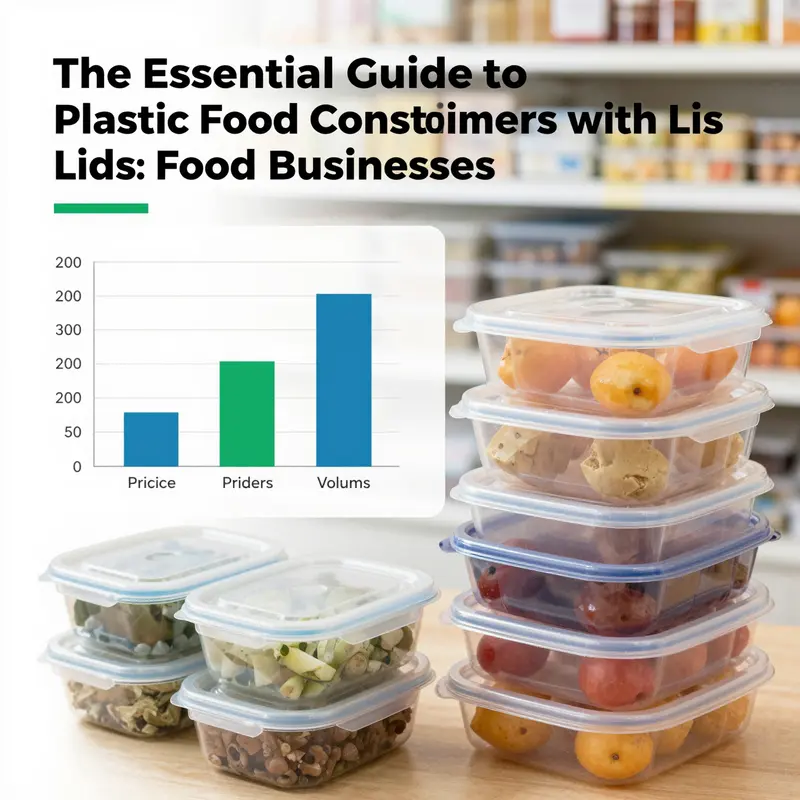
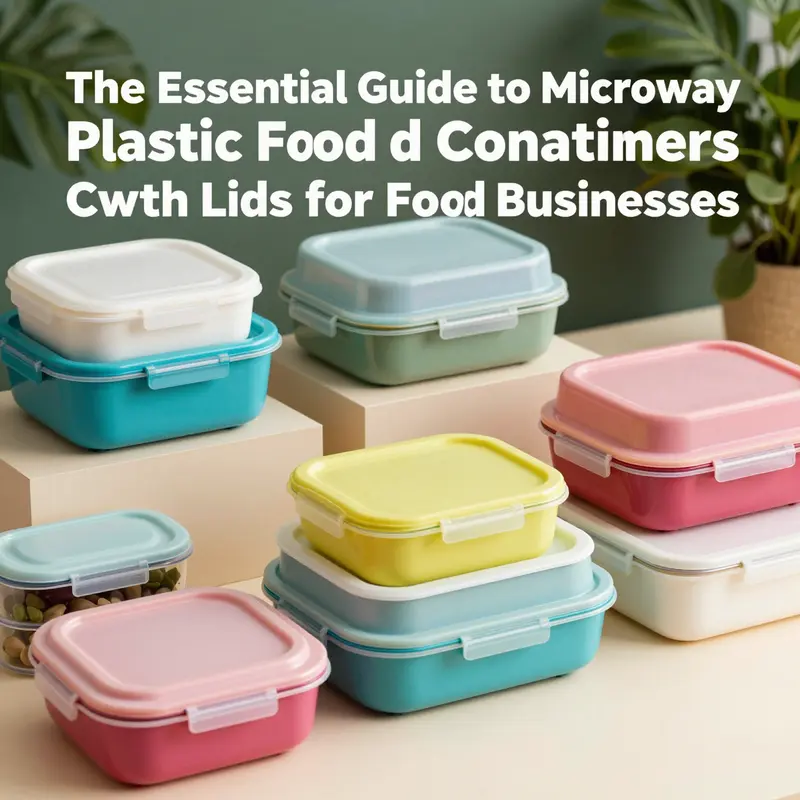
The economics of microwave safe plastic food containers with lids rests on a careful balance of material science, manufacturing efficiency, regulatory compliance, and the evolving expectations of both food service operators and households. At the core is a chain of inputs that begins with resin selection and ends with a product sitting on a shelf or in a delivery bag. Market studies project a strong growth trajectory for microwavable containers, with the global segment approaching a multi‑billion dollar scale in the near term. The momentum is driven by the convenience economy: more people seeking ready to heat meals, more foodservice channels expanding with takeout and delivery, and more households leaning on durable, reusable options for daily meal routines. In this ecosystem, pricing is not a simple peg to cost plus margin; it is a reflection of resin volatility, certification costs, and the willingness of buyers to pay for reliability and safety in a container that must withstand repeated heating, freezing, and occasional mishandling in transit. The spectrum of price points mirrors the spectrum of performance desired by users—from single‑use disposables that emphasize low unit cost to high‑quality, airtight designs that promise leak resistance, long‑term reuse, and a consistent microwaving experience. A careful reading of the market suggests that the most influential levers are raw material costs, production efficiency, and the regulatory labels that accompany safer, BPA‑free, microwave‑safe products. When petroleum prices swing, the cost of polypropylene and related resins follows, pressing margins and sometimes nudging retail prices higher. The same resin price dynamics can compress profitability for producers who lack the scale to absorb volatility, prompting a tighter focus on process improvements and supplier contracts. In parallel, manufacturers invest in labeling, certification, and quality control programs to ensure the product carries a credible microwave safety claim. These compliance costs are not trivial. They translate into higher baseline costs that must be recovered through the price paid by customers or through efficiency gains elsewhere in the value chain. The result is a pricing environment that rewards proven performance and certified safety while constraining lower‑cost play that might compromise reliability. The global market dynamics underpin a broad segmentation strategy. Basic, single‑use containers, priced to be affordable for fast‑food outlets, grocery grab‑and‑go chains, and households stocking up for short‑term use, typically occupy the lower end of the spectrum. The unit economics for these items hinge on high volume and tight margins, with price bands that center around modest cents per piece, enough to cover resin costs and simple manufacturing overheads while remaining attractive to large buyers who demand price predictability. In contrast, reusable, airtight containers that emphasize durability, leak resistance, and long life cycles command substantially higher price points. These premium offerings often feature more sophisticated locking mechanisms, superior seal materials, and compatibility with dishwashers and freezers, making them attractive to consumers who plan to reuse containers repeatedly and to food services that seek reliable, environmentally responsible solutions for ongoing operations. The premium pricing is justified not only by the physical robustness of the product but also by extended service life, reduced replacement frequency, and the peace of mind that comes with a proven, leak‑proof design. The pricing landscape thus mirrors a fundamental trade‑off between cost efficiency and long‑term value. Basic disposables, even when certified microwave safe, are designed for volume and low upfront costs. They meet everyday needs but may require more frequent replacement if mishandled or subjected to repeated heating. Premium variants, while costlier upfront, promise a longer lifecycle and greater resilience, translating into lower per‑meal cost over time for some users. The economics of scale also matter. Bulk manufacturers can push unit costs down through large‑scale resin purchases, optimized production lines, and streamlined logistics. Reports on bulk configurations show a clear price advantage at higher volumes: entry level orders of tens of thousands of pieces can present a markedly lower per‑unit cost than smaller runs, and orders approaching the millions can push per‑unit costs toward a fraction of the smaller‑volume prices. This creates a predictable pattern where buyers with steady demand—catering outfits, institutional kitchens, or large retailers—can negotiate favorable terms and achieve a favorable total cost of ownership by aligning with supply partners that can deliver consistent quality at scale. The logic extends to pricing decisions beyond the factory floor. Retail channels, distributors, and online marketplaces each weigh the same variables but with channel‑specific adjustments. A basic disposable line might be marketed through price competition and value messaging, while a premium line leans on branding, durability, and demonstrated performance. Across channels, the presence of a microwave safety claim, often reinforced by third‑party testing and certifications, can become a differentiator that justifies a higher price point. Even printing and surface finishing contribute to perceived value. Brands increasingly invest in printing methods that convey safety, quality, and environmental responsibility. Screen printing, UV spot coating, and hot stamping not only enhance aesthetics but also communicate a commitment to reliability and care in food contact applications. These enhancements come at a cost, but they can be offset by the willingness of customers to pay for a container that signals trust and longevity. A growing thread in the economics of microwave plastics is the tension between sustainability and price. Eco‑minded buyers increasingly expect products that minimize environmental impact, from resin formulations to end‑of‑life options. The market responds with biodegradable or compostable alternatives that can meet basic microwave safety requirements but at a premium. The higher production and material costs associated with such solutions are often borne by users who value sustainability as part of a brand narrative or regulatory compliance framework. In this sense, the price of a microwave plastic container encompasses not only resin costs and tooling but also the brand’s environmental promise, the confidence conferred by safety certifications, and the ability to demonstrate performance through durable design and practical features such as stackability and leak resistance. One practical consequence for buyers is the layering of features into the product at distinct price tiers. A lean, no‑frills option may deliver the essential microwave safety label with minimal extras. A mid‑tier design adds sealing performance and stackable geometry that optimize storage in busy kitchens or mobile fleets. A premium option bundles airtight seals, robust locking mechanisms, and compatibility with freezing and dishwashing cycles, accompanied by branding opportunities through multiple printing techniques. The churn of raw materials, the cost of compliance, and the demand for durability all feed into a market where pricing reflects not only production costs but also the consumer’s willingness to invest in reliability and convenience. The consumer is, in many ways, a driver of this calculus. Meal prep and home cooking have grown into habits that value reusable containers with proven performance, so households may view a long‑lasting container as a better value than disposables over time. Foodservice operators, facing labor costs and throughput pressures, appreciate the predictability of lifecycle costs and the reduced risk of product failure during microwaving or transport. In the end, pricing is a negotiation among resin suppliers, mold makers, certification bodies, manufacturers, retailers, and the end user. It hinges on the delicate balance among cost, safety, performance, and environmental considerations. As with many packaging categories, information symmetry matters. Buyers who can verify a container’s microwave performance, its BPA‑free status, and its durability are more likely to accept premium pricing when the value proposition is clear. Conversely, variables such as supply chain disruption or resin price spikes can compress margins and push pricing toward a more competitive stance. The interplay of these forces shapes not only sticker prices but also the strategic choices companies make about product mix, channel strategy, and branding. For readers seeking tangible examples of how this balance plays out, consider how manufacturers and retailers approach the packaging needs of fast casual outlets, meal prep services, and households that reuse containers daily. The narrative is that of a market evolving toward stronger safety assurances, longer life cycles, and a growing awareness that cost efficiency must be married to performance. In this context, a digital marketplace can illuminate the direction of travel through visible pricing bands, batch sizes, and the breadth of options. A practical takeaway for buyers is to assess total cost of ownership rather than initial price alone. The cheapest option may deliver short‑term savings but higher replacement frequency and greater energy use over time. A higher upfront price that guarantees a reliable microwave experience, a robust seal, and durable materials can translate into lower costs across a cycle of meals and seasons. For designers and manufacturers, the challenge is to translate this understanding into products that meet stringent safety standards while delivering value through design innovations. The ability to offer airtight lids, stackable shapes, and printing options that reinforce brand values can justify premium positioning. The convergence of material science, consumer preferences, and regulatory clarity is incrementally shaping a market that rewards quality and certainty. The discussion above ties a thread between resin costs, certification expenditures, and the end user’s perception of value. It also points to a broader lesson: in a landscape where convenience and safety are non‑negotiable, pricing power resides not merely in cost savings but in the assurance of consistent performance across heating, cooling, and transport cycles. For readers who want to explore related opportunities in sustainable packaging and the broader ecosystem of takeout packaging solutions, there is a resource that discusses eco‑friendly takeout options and how they intersect with microwave usability. eco-friendly takeout boxes for food packaging. In parallel, market data from industry aggregators continues to emphasize a growing appetite for durable, certified, and scalable packaging formats across channels, a trend that underpins both pricing strategies and product development. External observations from major retail and e‑commerce platforms corroborate a clear pattern: consumers reward clarity on safety and durability and brokers reward the predictability of demand through well‑balanced SKUs and supplier partnerships. As these dynamics unfold, the best practice for firms operating in this space is to align resin sourcing, certification programs, and manufacturing throughput with a pricing strategy that communicates value while protecting long‑term profitability. External resource: https://www.amazon.com/dp/B0BQZKJYVX
Across Authorized Aisles: How Market Channels Make Microwave-Safe Plastic Containers with Lids Widely Accessible
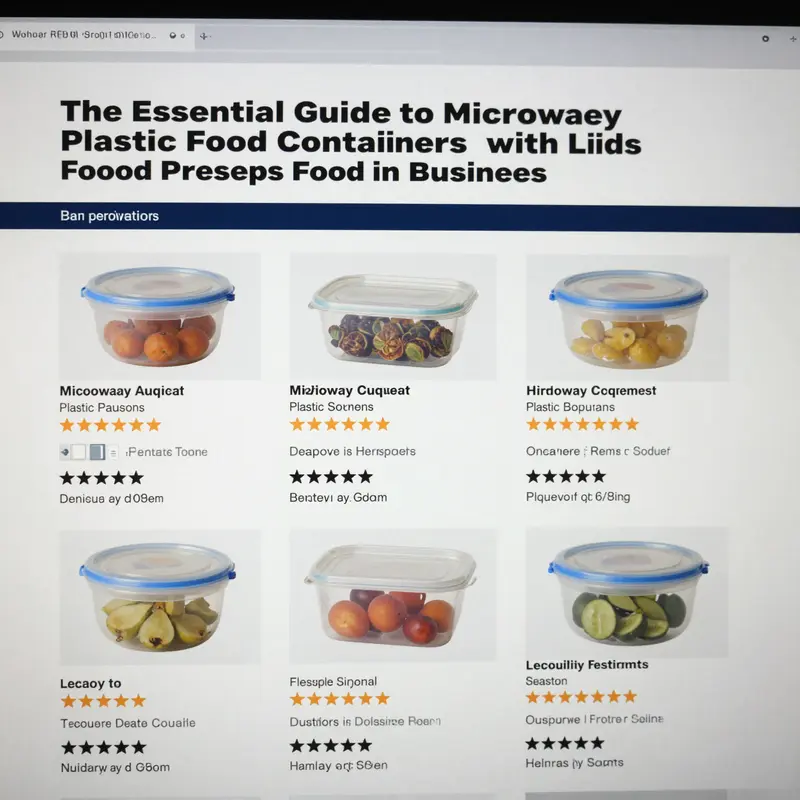
Microwave-safe plastic food containers with lids are not merely storage devices; they are a cross between food safety, convenience, and logistics. Most widely used designs rely on food-grade polypropylene and, in some cases, PET, chosen for heat resistance, chemical stability, and durability. In practice, these materials withstand ordinary household reheating, freezing, and everyday handling without degrading or leaking. Vendors test and certify these containers for microwave safety and food-grade compliance, providing reassurance to households and food-service operators alike. The safety labels, the tolerances for repeated heating, and the ability to resist cracking or deformation under pressure all contribute to a dependable user experience. In the broader market, this trust translates into broad availability across multiple channels, from consumer storefronts to large-scale suppliers that service kitchens and catering operations.
Authorized retail sources now span a spectrum of channels that together make microwave plastic containers with lids easy to source. Large multi-channel retailers present curated sets for households and small offices, emphasizing leakproof performance and dishwasher compatibility. Global online marketplaces widen choice to include varied sizes, shapes, and lid mechanisms, including vented lids and silicone seals designed to minimize leaks during microwave reheating. For bulk or commercial use, sourcing platforms connect food-service operations with suppliers capable of delivering thousands to millions of units, often with customized branding, packaging, and fast lead times. Home and lifestyle retailers provide durable, stackable designs that maximize space savings and long-term reuse. Across these channels, the common thread is clear: products carry explicit microwave safety assurances, FDA- or globally recognized food-contact compliance, and practical features such as stackability and easy cleaning. Consumers and operators alike thus enjoy freedom to choose containers that fit both their workflow and their kitchen aesthetics.
Functionality drives design across sizes and shapes. A typical 500 ml to 750 ml range covers daily meals, portions, and leftovers, while rectangular formats address takeout or meal-prep needs. Many containers feature tight-fitting lids with silicone seals to offer airtight, leak-resistant performance, balanced against the need for quick microwaving and simple opening. Vented-lid options allow steam to escape, reducing pressure while reheating, and some configurations include modular lids that adapt to different container bodies. Durability stems from the materials themselves: polypropylene provides resilience against cracks and deformation, while PET adds impact resistance and clarity for labeling and inspection. The combination of these materials supports a lifecycle that spans repeated heating, freezing, cleaning in dishwashers, and stacking for efficient storage. This blend of performance and practicality makes microwave-safe plastic containers versatile for home meals, school lunches, and small- to mid-size catering tasks.
On the economic side, pricing ranges reflect volume, channel, and service level. For bulk orders on large sourcing platforms, unit costs fall with scale; example estimates suggest a unit price near a few cents for very large orders, with further reductions as volumes exceed a million pieces. Smaller retail packs, such as 20- to 50-count sets, appear at higher per-unit prices but remain affordable for households and micro‑businesses. The wide dispersion in price is not merely about material and finish; it also reflects packaging, printing, and labeling options. Suppliers may offer embossed logos, custom colors, or multi‑print branding on containers and lids, which is attractive for takeout operations seeking consistent branding. The buying path—from consumer-level sets to bulk commercial orders—contributes to a flexible market, enabling small cafés to outfit kitchens and large canteens to standardize their service lines while keeping costs predictable across cycles of use, reheating, and cleaning.
Environmental considerations are steadily reshaping the market. A growing share of containers combine traditional plastic safety with options for biodegradability or compostability where feasible, a trend reflected in branding and packaging stories that highlight responsible end-of-life handling. For many buyers, sustainability is more than a label; it informs decisions about printing methods, durability for daily use, and the perceived value of reusability. Brands increasingly employ multiple printing methods—from screen printing to UV spot coating or hot stamping—to convey logos and care instructions without compromising the container’s mechanical performance. Biodegradable or compostable variants often target takeout and catering segments that want to balance microwave safety with environmental responsibility, thereby expanding the market for modern, purpose-built packaging that can withstand the reheating routines of busy kitchens. This dynamic invites buyers to balance convenience, cost, and ecological priorities in a way that aligns with their brand promises and customer expectations.
Quality assurance and compliance underpin every credible supplier relationship. Containers marketed as microwave-safe typically undergo rigorous testing for heat resistance, chemical stability, and structural integrity across repeated cycles. The choices between virgin PP and PET composites influence not only performance but also recycling streams and end-of-life options. Labels should clearly communicate microwave suitability, temperature ranges, and dishwasher compatibility, with attention to any lid-specific guidance. Buyers evaluating supplier catalogs will look for consistent tolerances, mention of food-grade certification, and assurances about BPA-free construction where relevant. In commercial contexts, MOQs, lead times, and packaging configurations become critical, shaping how quickly a kitchen can scale its meal-prep work or how a catering operation can respond to a burst demand. The result is a market that rewards clear specifications, reliable supply, and transparent communication about the lifecycle of these containers from factory floor to consumer table.
Choosing the right option means weighing use, durability, and efficiency against cost and waste. For households, a compact, leakproof, stackable round or rectangular container with a snug lid often hits the sweet spot for leftovers and lunches. For food-service operators, the decision leans toward bulk-ready packaging, consistent microwave performance, and the ability to withstand frequent cleaning without losing seal integrity. Businesses also consider compatibility with existing storage and transport workflows, such as the need for labeling areas or compartments to keep meals organized during delivery. Beyond function, there is a branding story: the same container family can carry a logo, a color, and a message across hundreds of uses, reinforcing recognition while maintaining compliance with safety standards. The practical takeaway is simple—select containers that perform under heat, resist leaks, and align with the facility’s operational rhythm, from kitchen prep to customer pickup.
To broaden the context, many buyers also explore accompanying packaging options that are designed to be microwave-safe yet environmentally mindful. For readers seeking a broader context on takeout packaging that can be microwaved, a recent guide on eco-friendly takeout boxes for food packaging discusses material choices and labeling. This resource is accessible here: eco-friendly takeout boxes for food packaging.
External reference: https://www.ikea.com/us/en/p/365-food-container-with-lid-round-plastic-750-ml-50507959/
Final thoughts
In summary, microwave plastic food containers with lids serve as a vital asset for the food industry, ensuring safety, convenience, and adaptability. A thorough understanding of material safety standards, rugged designs, sustainability options, pricing, and reliable sources will aid businesses in making well-informed decisions to optimize their food packaging strategies. Embrace the insights shared, and enhance your operations with the right packaging solutions.