
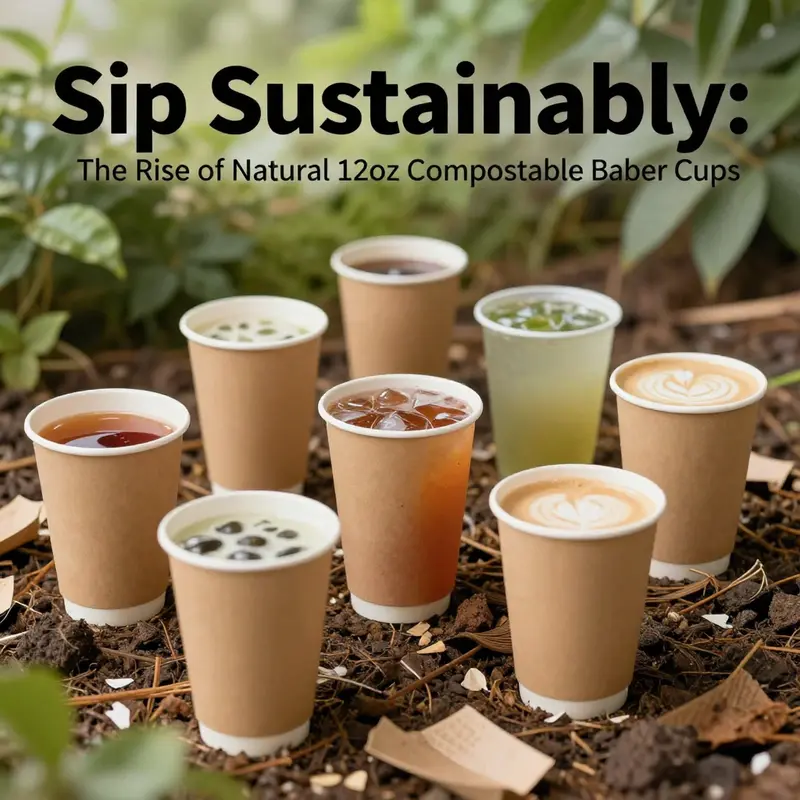
In a time where sustainability takes center stage, natural 12oz compostable paper cups have emerged as essential solutions for beverage service providers. Made from sustainably sourced materials and featuring a biodegradable PLA coating, these cups promote a greener future while delivering quality. Across industries—be it bubble tea shops, restaurants, food trucks, or event planning—these cups not only appeal to consumers’ eco-consciousness but also support businesses in their commitment to reduce waste. Chapter by chapter, we’ll explore the environmental impact, economic viability, and consumer acceptance of these innovative cups, illustrating their vital role in fostering sustainability in everyday operations.
Turning Waste into Resource: The Sustainability Case for Natural 12oz Compostable Paper Cups
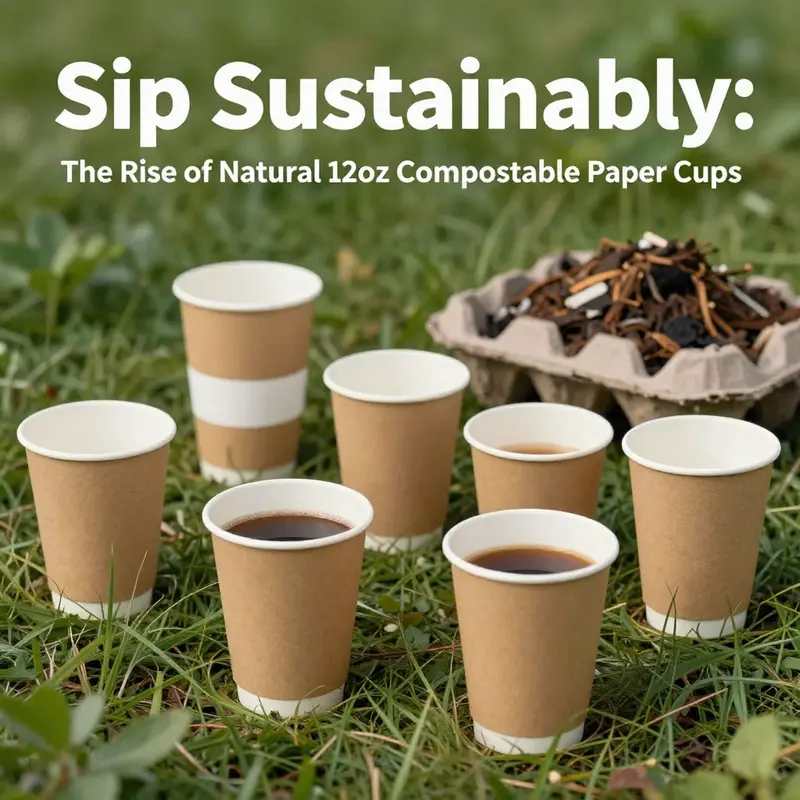
Natural 12oz compostable paper cups represent more than a single-item substitute. They embody a design shift that rethinks material choice, disposal pathways, and the role single-use items play in circular systems. These cups pair a sustainably sourced paper body with a plant-based lining, usually polylactic acid (PLA). The choice of PLA over petroleum-based plastic reduces dependence on fossil fuels. It also alters how the cup behaves at end of life. In industrial composting conditions, PLA lined cups can break down into carbon dioxide, water, and biomass. That transformation marks a radical change from traditional plastic-lined cups that persist in landfills for centuries. Yet the promise of compostable cups depends on multiple realities. Material sourcing, processing energy, compost infrastructure, and human behavior together determine real-world environmental outcomes. This chapter examines those factors in depth, clarifies trade-offs, and offers practical guidance for businesses and consumers seeking genuine sustainability gains.
At the material level, natural 12oz compostable paper cups start with unbleached paper. The absence of bleaching chemicals reduces chemical use during manufacturing. It also appeals to consumers who prefer minimal processing. The paper itself is renewable, often sourced from managed forests or recycled fibers. The interior lining is the essential innovation: PLA, a biopolymer made from fermented plant sugars, replaces polyethylene. PLA provides a moisture barrier adequate for hot and cold beverages. It allows the cup to perform like a conventional paper cup while offering a different fate in composting environments. Producing PLA does require agricultural feedstock, typically corn or sugarcane. This raises questions about land use and resource competition. However, scaled improvements in agricultural efficiency are reducing the per-unit environmental impact of PLA production. Meanwhile, advances in feedstock sourcing, such as using agricultural residues or non-food crops, show potential to further decouple biopolymer production from prime cropland.
Carbon footprint often becomes the shorthand for sustainability debates. Life cycle assessments that compare PLA-lined cups to conventional plastic-lined cups show reductions in fossil carbon use. Harvesting plant-based feedstock captures atmospheric carbon during growth. When PLA decomposes in biological systems, that carbon returns to the cycle. This contrasts with fossil-based plastics, whose carbon adds to the atmospheric pool. Yet carbon is only one axis. Water use, fertilizer inputs, and land occupation must also be examined. Sustainable procurement policies that favor certified sustainable fiber and responsibly managed feedstock can limit harmful impacts. Certifications for paper fiber and agricultural practices help buyers make better choices. Choosing unbleached cups and suppliers that disclose sourcing reduces hidden environmental costs. Production energy use is another consideration. Factories that rely on renewable energy, optimize process efficiency, and minimize waste further shrink the overall footprint of compostable cups.
End-of-life performance differentiates compostable cups most clearly. Under industrial composting conditions—high heat, controlled moisture, and active microbial communities—PLA-lined cups can biodegrade within months. Industrial composters maintain temperatures and conditions that accelerate microbial breakdown. The result is nutrient-rich compost that can return to soil. That outcome diverts material from landfills and reduces methane emissions from anaerobic decomposition. The catch lies in access to industrial composting facilities. Where such systems exist and accept PLA products, compostable cups achieve their intended fate. Where infrastructure is absent, or where collection systems are poorly designed, the cups may still end up in landfill or in the general waste stream. In a home compost pile, temperatures seldom reach the levels required for rapid PLA breakdown. This can leave the lining intact for much longer, undermining composting claims. The positive impacts of compostable cups therefore depend on local waste solutions and effective collection practices.
Contamination is a practical challenge that affects both compost and recycling systems. When compostable cups enter recycling streams, they can cause problems for material sorting and quality. Likewise, conventional plastics in compost streams contaminate compost quality. Clear labeling, standardized collection, and public education are essential to reduce cross-stream contamination. Businesses that adopt compostable cups should align with local municipal programs and private composting services. They should provide clear signage, separate bins, and staff training to ensure proper sorting. Many of the environmental benefits will be lost if mixed waste prevents composting or forces contamination management downstream. Choosing compostable cups without changing collection habits can therefore create more problems than solutions.
Agricultural inputs for PLA production require careful thought. Corn and sugarcane have established supply chains that scale reliably. But they can compete with food production and increase pressure on land. Sustainable agriculture practices reduce this conflict. Examples include crop rotation, integrated pest management, and precision irrigation. Sourcing PLA from suppliers who can trace feedstock and demonstrate sustainable practices helps reduce environmental risks. Additionally, emerging feedstocks, such as agricultural residues, non-food plants, or waste sugars from industrial processes, are under development. These approaches aim to maintain the performance advantages of PLA without increasing pressure on arable land. For procurement managers, a practical step is to request supplier transparency on feedstock origin and agricultural practices.
A systems perspective reveals complementary actions that magnify sustainability gains. Pairing compostable cups with other compostable foodservice items optimizes waste streams. When lids, stirrers, and napkins are compostable, the collected waste forms a homogeneous compost feedstock. This simplifies processing and improves compost quality. For example, choosing compostable wooden stirrers and kraft-style napkins reduces plastic contamination in the organics bin. Linkage across product categories also reduces sorting burdens for composting facilities. Businesses that assemble packages of compostable disposables create clearer value for municipal or commercial composters. This integration helps transform single items into building blocks for circular service models.
Behavioral change is as important as product choice. Customers want to do the right thing, but they need clear guidance. Simple steps increase correct disposal rates. Use clear signage with brief instructions. Place compost bins next to cup return stations. Train staff to answer common questions. Offer small prompts, such as stickers or short messages, that explain the difference between compost and landfill. For large events and high-traffic cafes, staff-monitored collection points greatly improve diversion rates. Businesses can also provide incentives for proper disposal, such as small discounts for returning used cups to a compost collection station. Over time, clear cues and reinforced habits shape customer expectations and reduce contamination.
Policy and procurement decisions steer market outcomes. When institutions and governments require compostable or recyclable alternatives, markets scale quickly. Public procurement standards that prioritize certified compostable items stimulate investment in industrial composting. They also encourage manufacturers to improve product designs. Procurement officers should include clear specifications in contracts. These should cover certification, such as BPI or equivalent standards, and require traceability for feedstock and fiber. Tender documents can also request evidence of closed-loop waste solutions in the local area. In this way, procurement does not just buy a product. It buys the associated infrastructure and commitments necessary for real environmental benefit.
Evaluating the true environmental impact of natural 12oz compostable paper cups requires careful metrics. Look beyond single measures like carbon or cost. Assess the full life cycle, including raw material sourcing, manufacturing energy, transport emissions, and end-of-life outcomes. Consider scenario testing to see how impacts change under different disposal pathways. When industrial composting is available, the environmental case for compostable cups strengthens. When such infrastructure is absent, other options may perform better. Comparative analyses should be transparent about assumptions. Suppliers and buyers alike benefit from shared life cycle data and third-party verification. These practices reduce greenwashing risks and support informed decisions.
Transparency and certification matter. Certifications from reputable organizations confirm that products meet accepted compostability standards. They also create accountability for manufacturers. A BPI or equivalent certification signals that a product biodegrades in industrial composting conditions. Buyers should request certification details and verify claims. Certification also informs downstream processors about acceptance criteria. When in doubt, composters often provide lists of accepted and rejected products. Aligning procurement choices with composter acceptance lists streamlines processing and reduces the chance of contamination.
Cost considerations influence adoption, but they need balanced interpretation. Compostable cups may carry a premium compared to conventional cups. That price difference narrows with higher purchase volumes. It also shrinks when factoring in avoided waste-management costs. For businesses that operate in municipalities with composting programs, diverting organics from landfill can lower waste disposal fees. Moreover, customer-facing sustainability commitments can drive brand value. Many customers prefer businesses that invest in greener disposables. Communicating those investments transparently reinforces trust and offsets higher per-item costs.
Design choices influence both performance and perception. A natural, unbleached finish signals minimal processing. It meets consumer expectations for environmentally responsible products. Functional elements—such as cup wall thickness, insulation, and lid compatibility—shape user experience. A well-performing cup minimizes spills and heat transfer while providing a tactile perception of quality. Balancing these design factors with compostability requirements is essential. For instance, double-wall designs may offer superior insulation but can complicate composting if they incorporate non-compostable adhesives or layers. Designers and manufacturers must collaborate with composting partners to ensure features do not impede biodegradation.
Scaling infrastructure is the pivotal challenge for compostable cups. Industrial composting capacity must grow to match demand. That expansion involves capital investment, regulatory clarity, and operational adjustments. Municipalities can support this shift through targeted policies and incentives. Waste haulers can offer organics collection services tailored for foodservice businesses. Private composting enterprises can partner with event organizers and institutions to offer tailored solutions. When composting becomes a reliable municipal or commercial service, the environmental advantages of compostable cups fully materialize.
Finally, measuring outcomes drives continuous improvement. Set measurable diversion targets. Track compost tonnage and contamination rates. Share results internally and with customers. Use data to refine procurement and operations. Continuous measurement reveals bottlenecks and opportunities for innovation. It also demonstrates accountability and builds stakeholder confidence.
Natural 12oz compostable paper cups are not a universal fix. They are, however, a meaningful tool in a larger strategy. Their environmental value depends on responsible sourcing, thoughtful design, compatible infrastructure, and clear consumer guidance. When those elements align, these cups can divert significant quantities of organics from landfills. They can return carbon and nutrients to soil. They can also serve as visible reminders of practical circular economy choices. For businesses, the path forward is pragmatic. Choose verified compostable cups, invest in collection and signage, and coordinate with local composters. Pair cups with other compostable service items. Encourage staff and customers to dispose correctly. By doing so, organizations turn a single-use item into a component of a regenerative system.
For those seeking to explore related compostable foodservice options, consider evaluating compatible products to complete a compostable service kit, such as bulk disposable cups in kraft finishes. A useful example resource is this product overview for disposable paper cups kraft paper cups (8-16oz). It offers insight into coordinating cup sizes and finishes for different beverage offerings.
For technical guidance on composting conditions and acceptance criteria for compostable materials, consult authoritative resources on composting standards and processes. A useful reference is the U.S. Environmental Protection Agency’s overview of composting and how industrial systems manage biodegradable plastics: https://www.epa.gov/sustainable-management-plastics/composting.
Economic Resilience and Environmental Cleverness: The Long Route of Natural 12oz Compostable Paper Cups Through Modern Food Service
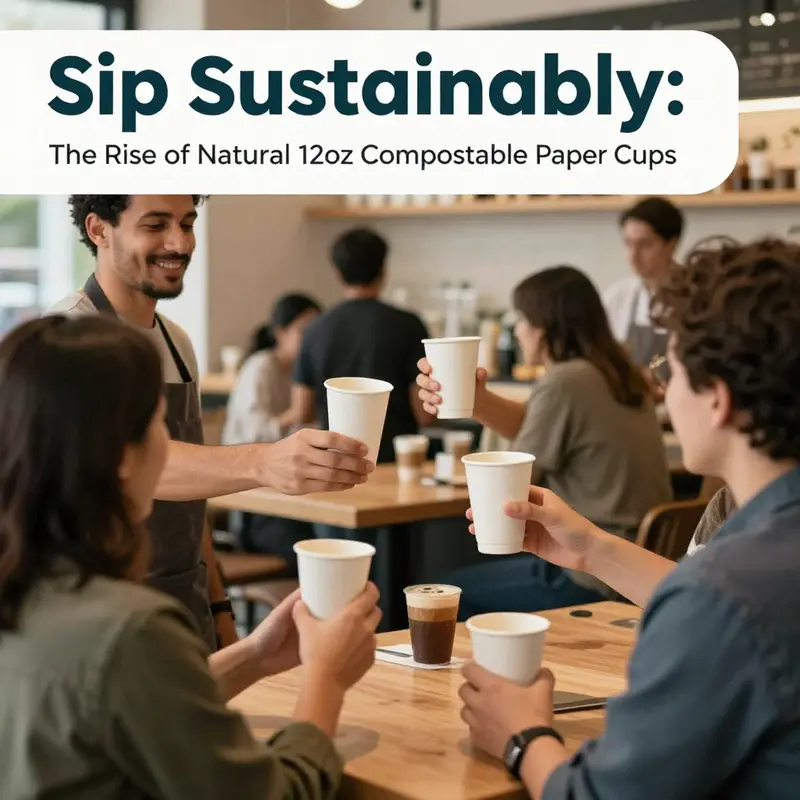
A cup is a small object with outsized implications. When it is a natural 12oz compostable paper cup, the implications extend beyond the table and into the broader conversation about how modern food service can operate with both efficiency and care. These cups are built from sustainably sourced paper and feature a plant-based coating, derived from polylactic acid, that originates in cornstarch. That coating is not just a barrier to moisture; it is a bridge to a future where disposal can become a meaningful part of the lifecycle rather than a misplaced end. Certified by respected bodies for industrial composting, these cups are designed to break down in facilities that convert used cups into organic matter rather than letting them languish in landfills. This certification underlines a practical, not merely aspirational, path toward waste reduction that aligns with tightening regulations and with a growing consumer appetite for greener service options. The 12oz size, versatile for hot and cold beverages, is a natural fit for a wide range of settings—from bustling cafes and casual restaurants to events and community gatherings—where the act of serving is as much about responsibility as it is about taste and refreshment. The unbleached, natural finish adds another layer of appeal, signaling to customers that the product is rooted in avoidance of harsh chemicals and in a philosophy of simplicity and transparency. In short, the cup becomes a tangible touchpoint in a broader shift toward sustainability, offering a pragmatic means to reduce waste without sacrificing user experience or operational practicality.
The transition to compostable cups is not incidental; it is the culmination of a convergence of material science, waste management infrastructure, and evolving expectations from both regulators and diners. PLA and starch-based coatings, when properly implemented, provide a compostable alternative to traditional plastic-lined options. The industrial composting environment, designed to manage the heat, moisture, and microbial activity needed to accelerate decomposition, is where these cups can fulfill their intended promise. It is not a claim that every consumer will see an immediate finish to the waste lifecycle, but it is a robust pathway toward diverting significant portions of single-use waste from landfills. This pathway is increasingly dependable as facilities expand and as manufacturers refine the processes that turn daily disposables into compostable feedstock. The certification marks—recognized indicators that a product meets specific standards for compostability—offer operators a level of assurance when communicating with customers and when designing waste streams within a business. The result is a more coherent and credible environmental narrative across the entire service environment, from the moment a beverage is poured to the moment the cup ceases to be a cup and becomes a part of the waste processing system.
The natural, unbleached finish matters not only for aesthetics but for the broader environmental story. A natural appearance resonates with consumers who associate whiteness with chemical processing and bleaching that can raise questions about a product’s overall environmental footprint. The absence of bleach and other harsh chemicals at the production stage signals a designed intent to minimize processing impacts. This aligns with a growing preference for products that demonstrate traceability and responsible sourcing. In practical terms, a natural finish contributes to a cohesive brand proposition—one that communicates stewardship alongside quality. Operators can leverage this alignment in menu design, signage, and staff training, reinforcing the message that the cup is more than a container; it is a statement about how business can function responsibly in a modern economy. The combination of sustainability credentials, functional versatility, and consumer-centric aesthetics makes 12oz compostable cups not only viable but strategically compelling for everyday use and for events that seek to minimize environmental footprints without compromising guest experience.
Economic viability sits at the heart of the broader adoption story. The math is nuanced: these cups typically carry a higher unit cost than conventional, non‑compostable alternatives, largely because renewable resources and specialized coatings demand more precise manufacturing and supply chains. Yet the gap is not static. As demand for sustainable packaging grows, economies of scale begin to bite, suppliers widen production capabilities, and the cost curve trends toward parity with traditional options. Market observers note that the step from niche to mainstream is increasingly a matter of volume and process efficiency, rather than fundamental technological barriers. In parallel, a strengthening regulatory landscape—ranging from local to global bans on certain single-use plastics—shifts the cost calculus. More operators now view the higher upfront investment as a hedge against compliance risks and as a lever for differentiating their brands through responsible packaging. The long-term financial logic often extends beyond per-unit price. When a business communicates its sustainable posture clearly, it can strengthen brand loyalty, attract a constituency of environmentally minded customers, and realize savings through streamlined waste handling and potential incentives tied to sustainability programs. The cumulative effect can be a more predictable demand pipeline, as patrons choose venues that align with their values and that consistently demonstrate accountability in waste management and resource use. In this context, natural 12oz compostable cups emerge as a powerful instrument—an operational choice that harmonizes cost considerations with reputational and regulatory advantages, creating a composite value proposition rather than a single financial metric.
The market dynamics supporting these cups are further reinforced by the signals they send to the broader supply chain. Events, offices, and food service operations are increasingly embracing compostable options, and the breadth of adoption is not limited to one geography. Within marketplaces that frequently host large gatherings or provide quick-service experiences, the presence of compostable cups signals both reliability and a commitment to responsible practice. This market penetration, in turn, encourages suppliers to expand catalogs, offer multi-size bundles, and tailor offerings to varied needs. Bulk configurations—such as multi-pack units designed for high-volume operations—enhance accessibility and reduce the friction of procurement decisions. A growing body of guidance from procurement platforms highlights the practicality of sourcing in bulk for large teams, event coordinators, and educational institutions, showing that eco-friendly cups can be a standard line item in everyday operations rather than a special-order exception. The broader implication is that sustainable beverage service is becoming a repeatable, scalable practice rather than a sporadic initiative. As organizations experiment with different service formats—grab-and-go counters, counter-service, or seated service—these cups offer a consistent option that can adapt to multiple contexts without demanding a separate set of ware or a bespoke system.
From a customer-facing perspective, the cups carry a perceptible lift in brand image. In the wake of heightened awareness about plastic pollution and the role of disposable items in waste streams, the choice of cup becomes part of a visible commitment to responsible practices. Diners notice the natural finish, the absence of bleaching, and the explicit alignment with industrial composting infrastructure. This awareness can translate into customer conversations, subtle education at the point of purchase, and a sense of participation in a collective effort to reduce landfill burden. The reputational benefits are not abstract; they manifest as increased trust, repeat visits, and word-of-mouth advocacy among communities that value environmental stewardship. For operators, the real payoff lies in the alignment between sustainability claims and actual practice. When cups are supported by clear waste-management instructions and by certified compostability, the service experience becomes less about empty gestures and more about an integrated approach to responsible consumption. The cup, in this framing, is not merely a tool for serving a drink; it is a conduit for values—an everyday artifact that embodies the possibility of doing better without surrendering convenience or cost competitiveness.
The practicalities of bringing natural 12oz compostable cups into daily operations are not solely about the cup itself. They involve the broader waste streams, the available facilities, and the education of teams on how to handle disposables properly. Operators need to think about where used cups go after the last sip is consumed and how that cup contributes to a cycle that ends in organic matter rather than in landfill. This requires clear labeling and straightforward instructions for staff and customers alike, as well as coordination with local composting services or municipal programs. It also means considering the wear-and-tear of serving environments: the coating must perform reliably under heat, humidity, and frequent handling, while remaining compatible with hot beverages and the short dwell times typical of quick service. The natural finish can pair well with branding elements that emphasize earth-friendly values, offering a cohesive aesthetic across packaging, signage, and merchandising. In practice, this calls for a balanced approach to inventory, with attention to shelf life, storage conditions that preserve the integrity of the coating, and the logistics of procurement that keep costs predictable even as demand fluctuates. When these pieces align, the cups become a quiet, dependable backbone of sustainable service, supporting efficient operations while contributing to a more responsible and resilient business model.
For operators who are exploring options beyond the cup itself, the packaging ecosystem offers a spectrum of choices that can complement the compostable cup strategy. One avenue is to consider a broader range of takeaway packaging solutions that align with the same sustainability goals, ensuring that every element in the service chain—from the container to the wrap and the lid—performs in concert with the central objective of responsible waste management. A practical step is to explore supplier catalogs that emphasize customization, durability, and compostability in tandem, so branding and environmental aims reinforce one another. To illustrate how this can work in a real-world context, operators can examine resources that present a cohesive suite of eco-friendly packaging options designed for events, offices, and restaurants. This integrated approach helps maintain a consistent message across products and channels, reinforcing the perception that sustainability is a deliberate and well-managed company value rather than a one-off choice. For readers interested in delving into compatible packaging options, a representative example of the broader ecosystem can be explored here: custom takeaway packaging supplies – disposable tableware for theme party.
The economics of adoption, then, does not hinge on a single price point or a single factor. It is a composite calculus that includes regulatory risk mitigation, brand equity, customer loyalty, waste-stream optimization, and the potential for operational efficiencies over time. In this light, natural 12oz compostable cups rise from being a single product to becoming a strategic element in a business’s sustainability playbook. As more venues commit to compostability, the supply chain responds with greater variety, better service terms, and improved predictability in pricing. This is not a speculative scenario; it is a pragmatic evolution backed by market data, evolving standards, and a clear consumer preference for packaging that respects the environment without compromising experience. The conversation around these cups is inseparable from the larger conversation about how service industries can modernize in a way that respects ecological boundaries while delivering reliable, high-quality guest experiences. The result is a more resilient, adaptable, and accountable food service ecosystem that recognizes the cup as a meaningful asset, not a disposable footnote in a throwaway economy.
External resource for deeper context: the landscape of eco-compostable paper cups is documented in industry references that trace the path from raw materials to end-of-life management. For a detailed, practical guide to market-ready options and adoption considerations, consult the following external resource: https://www.alibaba.com/product-detail/In-Depth-Guide-to-Eco-Compostable-Paper-Cup_1600543779436.html?spm=a2700.189961.0.0.6c1f3a4bRvKJmD. This guide encapsulates the considerations that operators weigh when integrating compostable cups into high-volume environments and provides a benchmark for comparing efficiency, cost, and environmental impact across suppliers and regional programs. The synthesis of material science, certification, and real-world usage presented there helps anchor the discussion in tangible, scalable practice, ensuring that readers can translate theory into actionable procurement and waste-management strategies.
Why Consumers Embrace Natural 12oz Compostable Paper Cups: Trust, Practicality, and the Rise of Sustainable Choices
Consumer Signals and Market Momentum
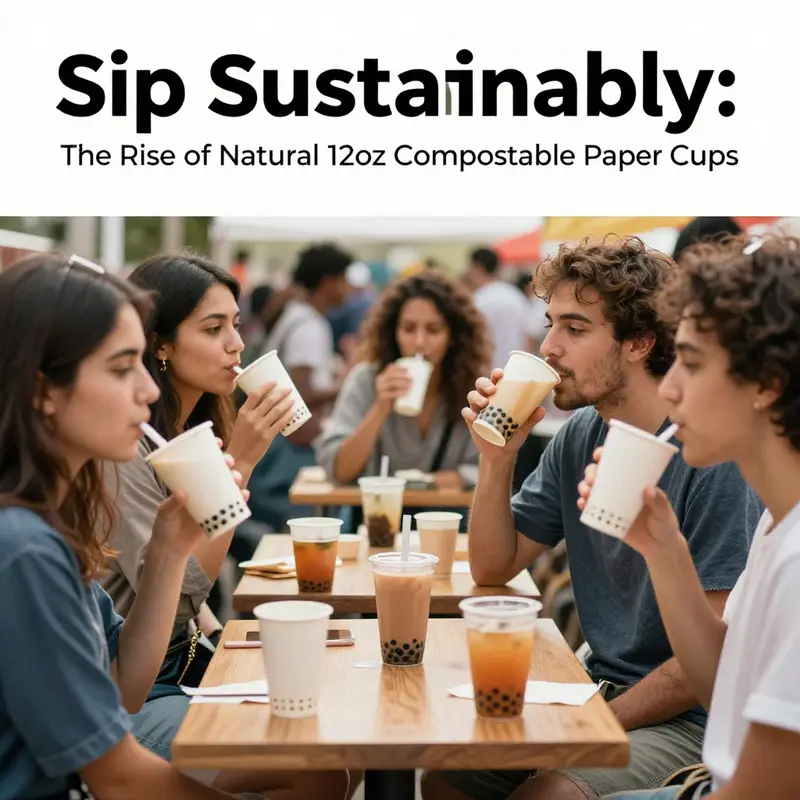
The uptake of natural 12oz compostable paper cups is driven by clear consumer signals. People now weigh environmental impact when choosing disposable beverage ware. That shift is not superficial. It affects purchasing decisions across cafes, event planning, office procurement, and home use. Consumers want single-use solutions that align with their values. They also expect reliable performance and straightforward disposal.
Environmental concern remains the primary motivator. Many buyers are drawn to cups made from sustainably sourced paper and plant-based coatings. The polylactic acid (PLA) lining, derived from cornstarch, communicates a tangible alternative to petroleum-based plastics. For people who prioritize compostability, the natural unbleached finish reinforces the message. It shows avoidance of chlorine bleaching and unnecessary chemical processing. This visual cue matters at the point of purchase. A plain, warm-toned cup signals simplicity, restraint, and honesty about materials.
Trust depends heavily on certification and transparency. Shoppers increasingly expect third-party verification when a brand claims compostability. Recognized certifications reduce skepticism and simplify choices. Labels from independent organizations assure consumers the product meets defined standards. When certification indicates industrial or home compostability, it directly affects perceived convenience. Home-compostable claims resonate with users who manage organic waste themselves. Industrial-only claims remain valuable for businesses that route waste to commercial composting, but they require explanation at checkout or in marketing.
Health and safety issues also influence acceptance. Stories about harmful chemicals in food contact materials have made some buyers wary. That makes PFAS-free messaging a powerful selling point. Consumers reacting to concerns about chemical migration often choose products that clearly state the absence of such substances. For many, knowing a cup is both compostable and free of persistent fluorinated chemicals reduces mental friction at purchase.
Functionality must match promise. A compostable cup that leaks, loses heat quickly, or peels under hot liquid will fail consumer expectations. The 12oz format strikes a practical balance for many beverage types. It fits coffee, tea, small lattes, iced drinks, and even desserts at events. Designers therefore focus on coating integrity, rim comfort, stacking stability, and compatibility with lids and sleeves. Visual and tactile finishes are important too. A smooth, consistent surface feels premium. A corrugated sleeve can add insulation while preserving the natural appearance of unbleached fiber.
Aesthetics and use case expand appeal. Natural 12oz compostable cups are versatile in formal and casual contexts. They serve premium coffee shops that emphasize craft and provenance. They suit caterers seeking cohesive zero-waste messaging at weddings and corporate events. They also find favor in offices wishing to reduce their plastic footprint. The neutral look complements diverse brand identities. That flexibility reduces barriers for businesses deciding whether to switch. Practical accessories such as lids, sleeves, and stirrers complement the cup experience. When those accessories are equally sustainable, the overall impression is stronger.
Demographics shape adoption patterns. Younger consumers, especially those aged 18–35, show the highest willingness to pay for compostable packaging. This cohort often prioritizes sustainability as part of a broader lifestyle choice. Their buying power and social influence encourage retailers and hospitality operators to respond. Families with small children and health-conscious buyers also weigh these attributes. Beyond age, geographic and cultural factors influence behavior. Communities with robust municipal composting systems see higher usage rates. Urban centers with visible sustainability initiatives often lead market shifts.
Price and perceived value remain central. Compostable cups can cost more than conventional paper-plastic hybrids. For many buyers, the premium is acceptable if the cup delivers on performance and credibility. Businesses evaluate total cost of ownership, including waste handling fees and customer perception. Some operators find savings when composting diverts waste from costly landfill routes. For event planners, the brand story and guest experience justify higher per-unit spend. Retailers that communicate both environmental benefits and product attributes tend to close more sales.
Information clarity reduces friction. Shoppers appreciate clear labels that explain how to dispose of the cup. Simple instructions like “industrial compost only” or “home compostable” remove ambiguity. Many consumers are willing to change behavior when they understand where the product belongs after use. Conversely, vague claims lead to confusion and distrust. Transparency about material sourcing, manufacturing processes, and certification bodies builds loyalty. Companies that publish traceability information and lifecycle comparisons foster deeper trust.
The role of retailers and operators matters. When cafes and event venues visibly choose compostable cups, customers adopt similar expectations. Staff training is pivotal. Employees who can explain composting practices and answer disposal questions reduce confusion. Clear on-site signage and properly labeled bins increase correct disposal rates. For business buyers, procurement teams must coordinate with waste haulers to ensure compostable streams are processed correctly. Without a viable composting infrastructure, the benefits of compostable cups are limited.
Competing priorities complicate choices. Not all sustainability strategies prioritize compostability. Some organizations emphasize reusable systems, while others focus on recycling. Each approach has trade-offs. Reusables reduce waste but require cleaning systems and behavioral change. Recycling depends on municipal capabilities and clean streams. Compostable cups find a natural fit where composting infrastructure exists or where single-use is the only practical option. For many, compostability and reusability coexist as part of a layered strategy.
Perception of authenticity drives acceptance. Consumers can detect greenwashing. If disposable cups are marketed as “eco-friendly” without clear backing, adoption stalls. Real change occurs where claims are verifiable and part of a broader sustainability program. Brands that align packaging change with carbon reduction, waste diversion, and supplier audits strengthen consumer confidence. Storytelling that explains material choices, such as the move to unbleached paper or plant-based coatings, resonates more than vague sustainability buzzwords.
Practical considerations influence business adoption. Stocking decisions balance hygiene, storage, and disposal logistics. Natural 12oz compostable cups offer storage efficiency similar to standard paper cups. They integrate easily into existing cashwrap and serveware systems. Compatibility with commonly available lid sizes and carriers reduces operational friction. For event rentals and catering, stack stability and printability matter. The option to apply logos or short messages without compromising compostability expands branding possibilities.
Design innovations continue to shape demand. Improved barrier coatings and multi-material laminates that remain compostable address past limitations. Coating formulations now offer better heat resistance and reduced moisture penetration. These advances expand the functional envelope of compostable cups. They enable use for hot and chilled items, and even for desserts and snacks. As design improvements accumulate, consumer confidence grows. That dynamic fuels broader market acceptance.
Cultural momentum amplifies change. Social norms around waste have shifted, making compostable options more desirable. When major foodservice establishments adopt compostable cups, they normalize the choice. Peer influence and social media further accelerate adoption. Consumers often reward businesses that mirror their values through loyalty and positive word-of-mouth. This feedback loop strengthens the market for well-made compostable cups.
Educational outreach remains necessary. Many consumers still confuse compostability with biodegradability and recycling. Clear education helps. Messaging should explain the practical difference between home and industrial composting. It should also show the benefits of diverting organics from landfills. When people understand that compostable cups can turn into soil or compost, they see a tangible benefit. That understanding motivates behavior change and reinforces purchase decisions.
Accessibility and availability drive mainstreaming. Availability in retail channels, online marketplaces, and foodservice suppliers determines reach. When compostable cups are easy to find, they become standard practice. Partnerships between manufacturers and waste providers expand the viable use cases. Retailers that offer supporting accessories like compostable lids and sleeves create a complete solution. For businesses, bundled offers that include stirring sticks and sleeves simplify procurement and ensure consistency. For example, businesses often pair cups with compatible sleeves such as brown coffee cup sleeves to improve insulation and user comfort.
Future demand looks robust. Market projections highlight continued growth in compostable packaging. Consumer preferences predictably shift toward products that reconcile convenience with environmental responsibility. That trend is supported by regulatory changes in many regions that restrict problematic plastics. As composting infrastructure expands, the utility of compostable cups will increase. Manufacturers will likely keep refining materials to reduce costs and improve performance.
Ultimately, acceptance of natural 12oz compostable paper cups depends on a combination of trust, utility, and infrastructure. Certifications and clear labeling build trust. Solid design and accessory ecosystems deliver utility. Accessible composting systems provide the final link that completes the sustainability promise. When all three align, consumers and businesses feel comfortable choosing compostable cups as a reliable, responsible alternative to traditional single-use options.
For more context on market growth and drivers, see the detailed industry analysis by Grand View Research: https://www.grandviewresearch.com/industry-analysis/compostable-packaging-market
Final thoughts
Natural 12oz compostable paper cups are leading the charge towards sustainable beverage service solutions. Their environmental credentials, coupled with economic viability, position them as a smart choice for businesses dedicated to reducing waste. As consumer preferences increasingly favor eco-friendly products, adopting these cups not only caters to market demand but also aligns with a larger mission towards sustainability. By choosing natural compostable options, beverage services can make a significant impact, ensuring a greener tomorrow for all.