
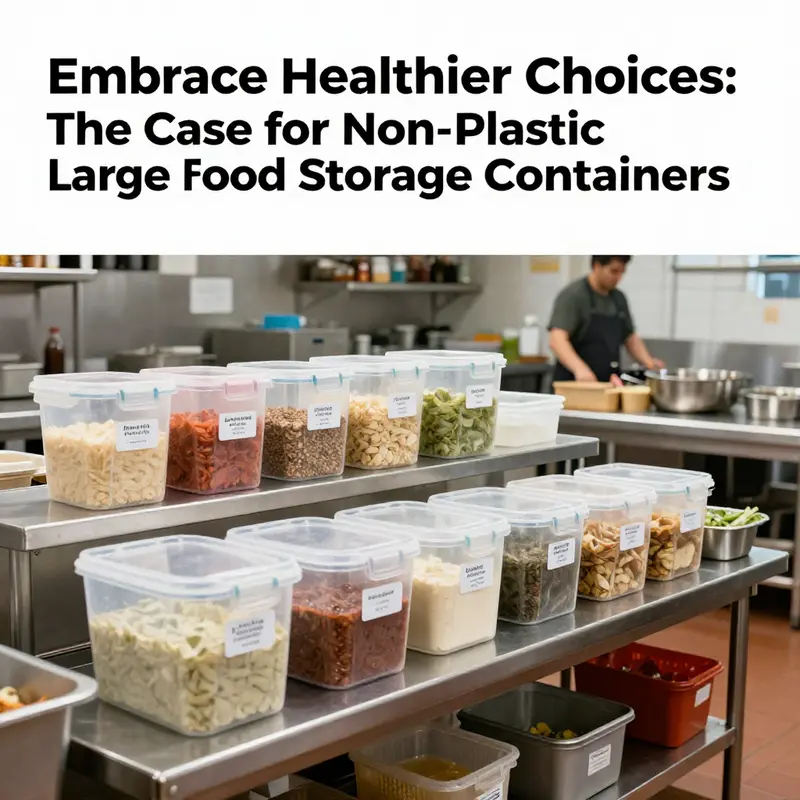
With a growing emphasis on health and sustainability, non-plastic large food storage containers are becoming essential for bubble tea shops, restaurants, food trucks, and other food establishments. As experts raise concerns about the impact of plastic on both health and environment, savvy businesses are making the switch. This article explores the profound health impacts, the durability and longevity of these containers, as well as how they (when selected thoughtfully) can enhance efficiency and organization. By understanding these aspects, businesses can not only ensure a safer kitchen environment but also streamline their operations.
Beyond Plastic: The Health, Hygiene, and Longevity Advantages of Non-Plastic Large Food Storage Containers
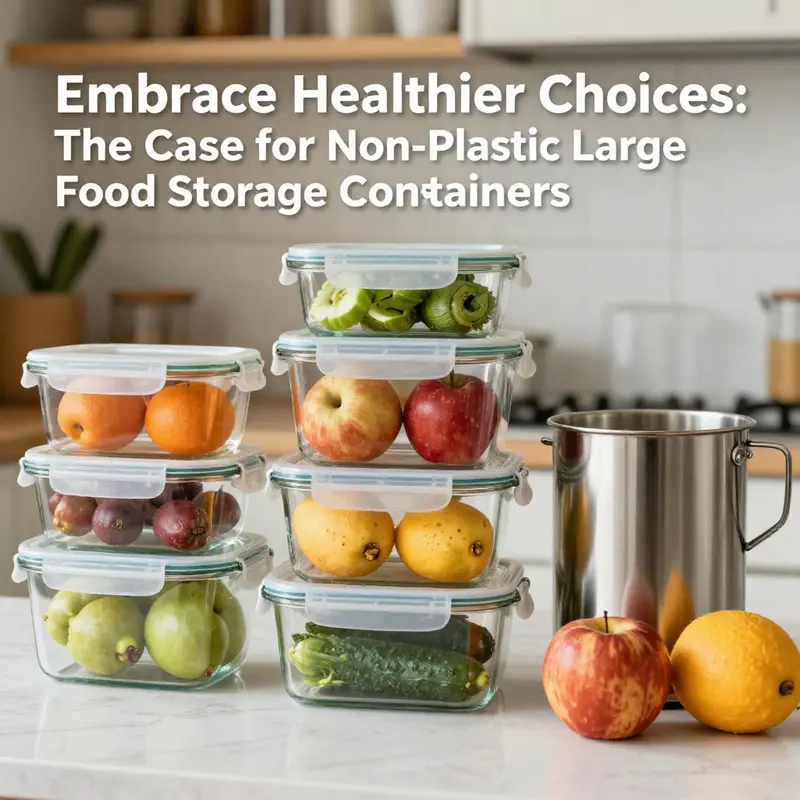
Choosing non-plastic large storage solutions for dry goods, leftovers, and bulk staples is more than a design choice; it is a deliberate step toward safer, more durable, and more hygienic food storage. The health narrative guiding this shift centers on the idea that what we store food in should not become a source of risk. Plastic containers, especially when used for heat, acidic ingredients, or repeated washing, can release a blend of chemicals that scientists have linked to endocrine disruption and potential cardiovascular concerns. In contrast, non-plastic options such as glass, stainless steel, and ceramics function differently; they do not shed small molecules into food under typical kitchen conditions. The difference is not merely theoretical. It translates into a practical reduction of exposure to substances that have shown up in various studies as potential irritants to the immune system and as factors in long term health outcomes. When households replace plastic with non-plastic large containers, they often report a calmer kitchen environment, not just in terms of aesthetics but in the way flavors, colors, and odors stay true to the food rather than absorbing into the container itself. The shift also aligns with a more comprehensive approach to health that weighs long term well being over short term convenience. The evidence favors materials that maintain a stable interior environment for food and that minimize contact with any leachable compounds. The result is a kitchen where food feels safer to handle, heat, and store at scale without the lingering concern that a container might contribute to unwanted exposures over years of use.
A central aspect of this health narrative is the reduction of microplastic contamination. Plastic shards and fibers shed through wear and tear, scratching, and aggressive cleaning can eventually become part of the food chain in ways that are difficult to monitor. Microplastics have been detected in human blood, placenta, and lungs, raising questions about possible inflammation, immune system changes, and associations with chronic conditions. Moving away from plastic therefore becomes not only an immediate safety choice but a proactive measure for reducing lifelong exposure to these tiny particles. Non-plastic materials limit the pathways by which such contaminants could enter food or be inhaled during handling, storage, or opening. The effect is cumulative: fewer chances for microplastics to migrate, less risk of cross contamination between stored items, and a more predictable, easier to clean storage system that supports consistent hygiene routines.
Hygiene and cleanability sit at the core of why non-plastic large containers are a practical health choice. Glass and stainless steel, for example, resist staining and odor absorption far more reliably than most plastics. They tolerate repeated cycles of washing, including hot water and, in many cases, dishwasher heat, without the micro-scratches that harbor bacteria in plastic surfaces. The absence of porous surfaces means that the bacteria and aroma molecules have fewer crevices to cling to, which translates into cleaner containers with less residual odor after long storage. With non-plastic systems, it is easier to achieve thorough sanitation, even when the pantry scene is busy and the number of containers is large.
Material by material, the health profile of these containers becomes clearer. Glass is inert and impermeable, making it a trusted option for both cold and hot foods. It stands up to exposure from acidic ingredients such as citrus and tomatoes without reacting chemically, a trait that preserves both flavor and nutrient integrity. It is not vulnerable to leaching compounds when heated in conventional kitchen use, and it does not impart flavors or colors to stored foods, a quality that helps home cooks maintain consistent taste across meals. This inertness is particularly valuable in bulk storage scenarios where flour, sugar, or grains sit for extended periods. The absence of reactive surfaces reduces the chance that storage conditions will alter the food itself, which can be a subtle but meaningful health advantage for people managing dietary sensitivity.
Stainless steel presents a different but equally compelling health proposition. It is non-reactive and highly durable, with corrosion resistance that stands up to rough handling and aggressive cleaning. This material excels at storing liquids or semi liquids in bulk—the kind of staples people ferment, brew, or stockpile in large quantities. Because it does not shed microplastics and does not interact with acidic substances in the same way as some plastics, stainless steel offers a robust barrier against leaching and flavor transfer. The drawback sometimes cited with metal containers relates to heat transfer and the potential for condensation, but modern designs address these concerns through careful engineering and effective sealing systems. The net effect is a container that remains safe across long storage horizons while minimizing the risk of contamination from the container itself.
Ceramics enter the conversation as another credible, non-plastic option. While not as light or as practical for certain bulk storage configurations, ceramic vessels and jars provide a sturdy, inert interior that guards against leaching and flavor carryover. They can be excellent for prioritizing food safety in a kitchen that values heat tolerance for reheating or warming. The caveat with ceramic is the potential for thermal shock and fragility; however, when chosen for appropriate use and handled with care, ceramic jars contribute to a safer storage ecosystem by offering a non porous surface that resists the transfer of flavors and microorganisms. Across these materials, the common thread is a design that emphasizes a stable interior, minimal chemical interaction, and a surface that is straightforward to clean and sanitize.
A topic that cannot be ignored in the health discussion is the sealing and organizational design of containers. The most effective non-plastic systems combine a tight seal with a dependable lid mechanism that keeps air and moisture out while preserving nutrients and texture inside. An airtight seal helps maintain the integrity of dry goods like flour, rice, and oats, reducing the risk of spoilage and mold growth during months of storage. The health payoff may be modest day to day, but it compounds over time: less exposure to dust, less need for repeated opening and closing, and reduced opportunities for contamination through a compromised seal. A tidy, well organized pantry also supports cleaner storage practices. When every container has a dedicated lid and a uniform shape, the kitchen becomes easier to clean and to inspect, which lowers the chances that neglected spills or forgotten items become a source of bacterial growth. The psychological benefit is notable as well; an orderly environment reduces stress around meal planning and reduces the cognitive load associated with finding and reusing stored ingredients.
The environmental argument threads through this health narrative as well, even though it may at first seem secondary to exposure. Non-plastic large containers are often more durable, more easily repaired, and more likely to be reused for many years. The long life of glass and stainless steel means fewer items end up in landfills and less frequent replacement, which in turn reduces the waste associated with packaging and production cycles. The environmental benefit is not only about end of life but about the way these containers withstand the daily stresses of a busy kitchen. They resist warping, staining, and odor absorption, ensuring that each use remains as fresh and as safe as the first. When families choose non-plastic options, they make a commitment to sustainable habits that align with broader goals of reducing plastic pollution and guarding health through responsible consumption patterns.
In sum, the health profile of non-plastic large storage containers is reinforced by chemistry and reinforced by practice. The absence of chemical leaching under typical use conditions, combined with the diminished likelihood of microplastic shedding and the practical advantages of easy cleaning, creates a compelling case for adopting glass, steel, and ceramics as the backbone of a safer kitchen. For readers seeking a concise synthesis of safe and sustainable options, engaging with reputable guides and practical demonstrations can help translate this science into daily habits. The chapter that follows this discussion forges a path from theory to kitchen practice, showing how these materials integrate with long term storage needs and how households can implement a robust non-plastic system that is both health conscious and realistically manageable in everyday life. For a practical overview that expands on leakproof performance and long term use, see the external resource linked at the end of this chapter.
The journey toward safer storage does not end with a single choice. It is a process of aligning the materials, lids, and storage habits to health outcomes, hygiene standards, and environmental values. It means thinking about how often containers are opened, how foods are heated or cooled, and how the pantry is organized to minimize contamination risk. It means recognizing that health in the kitchen is not confined to what is eaten, but also to how it is stored, transported, and reheated. The bottom line is simple: when non-plastic containers are chosen and used with thoughtful care, they minimize chemical and microplastic exposure, support easier cleaning and sanitation, and encourage longer lasting, more reliable performance. In combination, these factors create a kitchen environment that is safer, cleaner, and more resilient for families seeking to protect health without sacrificing convenience or practicality. And while the science behind material safety continues to evolve, the proven properties of glass, stainless steel, and ceramic under everyday conditions offer a reliable foundation for a healthier storage ecosystem.
For readers who want to explore specific options in a broader context, consider how a non-plastic approach intersects with other kitchen habits. A shift to non-plastic containers can be complemented by mindful cleaning routines, such as using non abrasive sponges, avoiding aggressive scrubbing that can scratch surfaces, and selecting dishware and lids that fit together in a way that minimizes air pockets and misplacement. It also invites a broader conversation about how to organize a pantry in a way that reduces waste and preserves nutrients over time. When the pantry is clear, clean, and well sealed, it becomes easier to see and manage what is on hand, which in turn supports healthier cooking choices and more precise meal planning. If the goal is a comprehensive, long term transformation, the narrative of non-plastic storage goes beyond just the container itself. It encompasses habits, routines, and the daily decisions that protect food and health over years.
To connect with a broader discussion on non-plastic storage solutions and to see real world examples of how households implement leakproof, non-plastic systems, you can explore resources such as a practical guide that reviews safe and leakproof options. For additional context and options, you may also consult a widely cited external overview that gathers insights from health and sustainability perspectives.
External resource for broader context: https://www.greenlivingguide.com/best-non-plastic-food-storage-containers-leakproof/
In addition, a practical example of how non-plastic storage concepts translate into everyday packaging choices for bulk and takeout uses can be explored through one of the following internal references, which offer a sense of how non-plastic packaging is presented in contemporary product lines and how such packaging supports safe storage in home kitchens: eco-friendly takeout boxes for food packaging.
Taken together, these threads form a coherent picture: non-plastic large storage containers do not just replace plastic; they reframe a kitchen around safety, cleanliness, and longevity. The shift reduces chemical and microplastic exposure, enhances hygiene through easier cleaning, and extends the useful life of the containers themselves. In doing so, it creates a practical and humane approach to daily food storage that supports healthier eating, steadier nutrition, and a smaller environmental footprint. This is not about rejecting modern convenience; it is about aligning convenience with health and sustainability in a way that endures across seasons, households, and generations.
Durable, Non-Plastic Pantry: Building a Long-Lasting Storage System
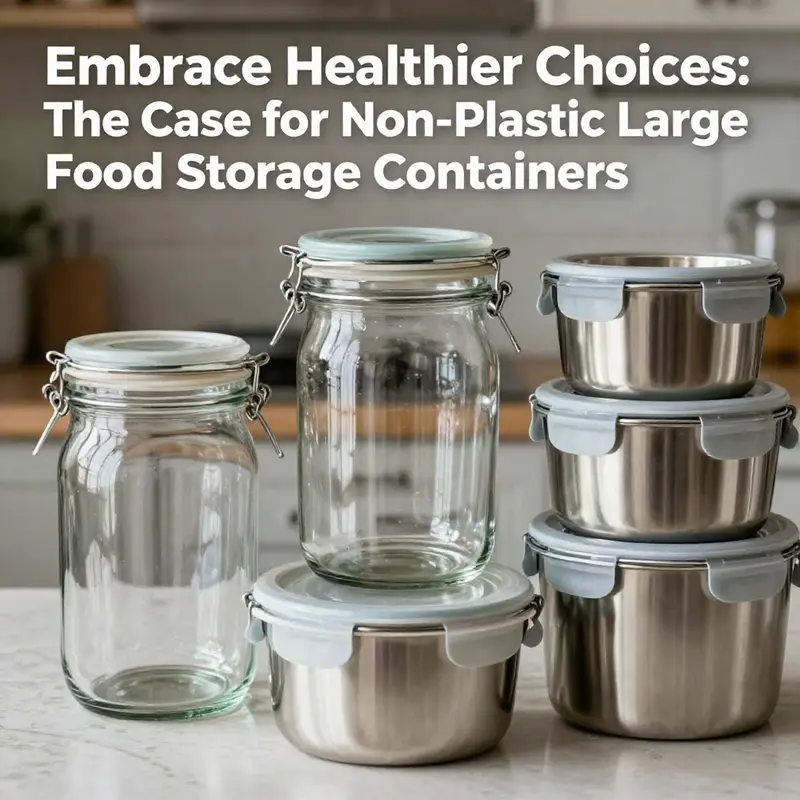
Durability lies at the heart of the shift away from plastic in large pantry storage. It is not merely about choosing a label or checking a sustainability box; it is about investing in containers that can withstand repeated cycles of freezing, thawing, washing, and daily handling without compromising safety or performance. In this chapter the argument unfolds as a cohesive narrative: glass and stainless steel offer resilience that plastic often cannot, while silicone and well designed lids extend that resilience by sealing in freshness and resisting wear over time. The value of durability becomes practical when viewed through health, environment, and everyday kitchen life, becoming a sensible aspirational standard for households and beyond. The first pillar of durability is material science itself. Glass and stainless steel possess intrinsic properties that resist the degradations common to plastic. Glass remains inert in contact with a wide range of foods and does not chip into microplastics with use. Stainless steel, especially when produced in food grade grades, resists corrosion odors and the pitting that can plague other metals exposed to moisture and salt. These materials do not chemically break down into harmful byproducts under typical kitchen conditions, so they preserve food safety not as a temporary assurance but as a long term certainty. In practice this translates to containers that maintain their shape, their seals, and their clarity. The durability narrative gains nuance when considering temperature dynamics. Modern non plastic containers are designed to handle rapid shifts from freezer to oven or microwave with a degree of tolerance that plastic often lacks. A robust glass container can endure the chill of a freezer and the heat of reheating provided one follows sensible guidelines about temperature changes and vessel thickness. Stainless steel handles heavy dense contents such as flours, grains, or sugar with ease. These materials resist the kind of degradation plastic experiences after repeated heating and cooling cycles when the inner lining can become stressed and small fractures can set the stage for leaks or contamination. In other words durability is not just about surviving a single use; it is about lasting through the lifecycle of a pantry. The practical implications extend beyond safety and longevity. They influence how a household organizes its food storage. A uniform set of glass or stainless containers eliminates clutter from mismatched lids and bases, which is a common source of daily frustration. A seal system designed with robust gaskets and sturdy clasps can offer an airtight seal that preserves dryness and aroma over extended periods. This is especially valuable for bulk staples like flour, sugar, rice, and oats where freshness depends on a tight seal and a container that can withstand repeated use. Within the non plastic category glass stands out for its inertness and clarity. When you pour flour or rice into a glass jar you can see at a glance how much remains and whether any residues have clung to the sides. The absence of a porous surface means fewer odors and stains that can linger and contaminate future batches. The durability of glass, when paired with well engineered lids, becomes a foundation for a kitchen that prizes longevity and health. A crucial piece of the durability story is the design of the lids and seals. A well engineered locking lid system creates a barrier against air infiltration, a primary driver of flavor loss and staling. Airtight seals help maintain the structural integrity of grains and flours, which do not simply spoil because of microbes but also degrade in quality when exposed to oxygen and moisture. When you combine a robust seal with a sturdy glass or metal container you have a system that can resist the knocks drops and occasional nudge from a curious child without compromising safety or performance. The longevity of non plastic storage also speaks to environmental stewardship. Durable containers withstand the test of time, reducing the need for frequent replacements and thus cutting down on waste. When families migrate from disposable or short lived plastic solutions to glass or stainless steel the impact multiplies fewer lids lost in the drawer fewer broken shards to dispose of and a diminished demand for manufacturing processes tied to frequent replacement. Care remains essential to sustaining durability. Glass though robust benefits from gentle handling and avoiding sudden thermal shocks. When a freezer item is moved to a hot oven or microwave without a staged temperature transition a tempered barrier can crack. Stainless steel while highly durable can still develop scuffs or dents if dropped and it requires attention to avoid rust or corrosion when exposed to high salt or acidic environments over long periods. The key to longevity is a balanced approach occasional handwashing for long term clarity careful drying to prevent water spots and following guidelines about the types of dishes that can be safely used with each container. In the end durability is a relationship a careful ongoing practice of choosing the right vessel for the right task and caring for it with a steady hand. The narrative also invites consideration of how non plastic options fit into broader patterns of kitchen organization and consumer choice. A pantry that houses uniform jars with compatible lids becomes a map of signposts and efficient use. You can group items by type and maintain a calm organized aesthetic that supports longer preservation and easier restocking. And because these containers are built to last they become a source of quiet assurance reminding us that a well maintained kitchen is healthier and more resilient in the face of supply fluctuations and the pace of modern life. If you are exploring practical options that embody this durable philosophy the broader ecosystem of non plastic storage continues to expand. The same emphasis on safety cleanliness and airtight performance seen in large pantry jars translates well to bulk storage needs from flour and sugar to coffee beans and dried legumes. A well sealed glass jar with a robust lid becomes a visible reminder of the long arc of use ahead a stainless steel bin stands ready to guard against moisture and pests and a silicone storage bag offers a flexible compact option when you want to tuck away snacks or prepped ingredients. Each piece of this durable fabric the vessels themselves and the care rituals surrounding them contributes to a kitchen that can sustain health order and enjoyment far into the future. As this chapter ends the message is not about rejecting plastic for good it is about recognizing when a durable non plastic option offers a more reliable path to safety cleanliness and longevity the evidence supports this view and the practical implications are tangible in everyday life. A kitchen built on durable non plastic containers provides a quiet confidence that what you store today will remain sound tomorrow and that your choices will reduce waste and support healthier living for years to come.
Clear Containers, Clean Efficiency: Elevating Safety, Space, and Style with Non-Plastic Large Storage Solutions
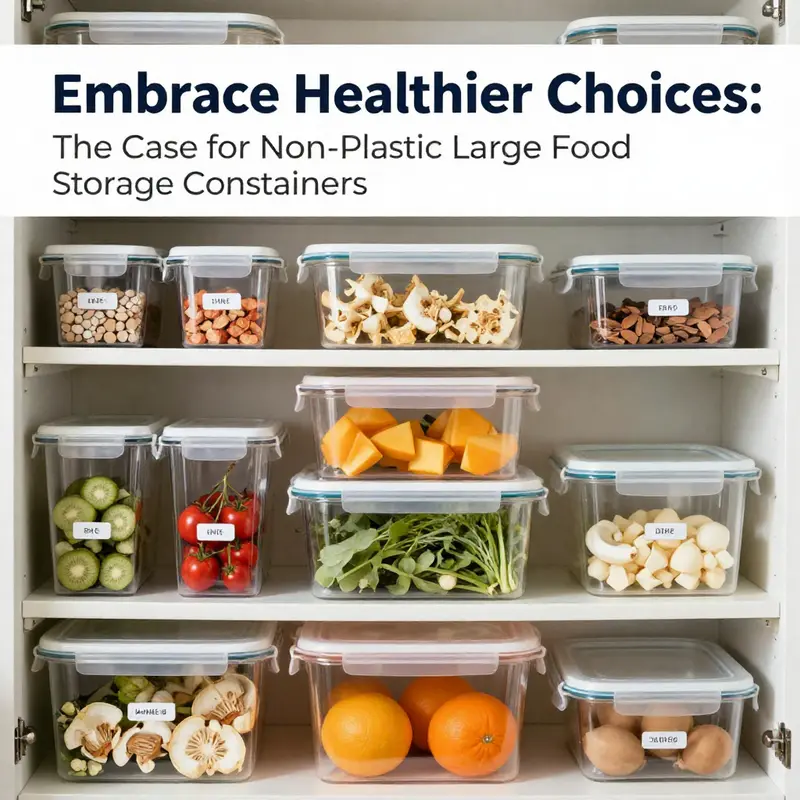
The shift toward non-plastic large food storage containers is less a trend and more a recalibration of how we interact with our kitchens. It is a practical posture that honors health, longevity, and order in equal measure. When we swap out plastic for glass, stainless steel, or silicone in the apron strings of our daily routines, we begin to see how storage can become a quiet engine of efficiency rather than a tangle of mismatched lids and uncertain contents. Health considerations sit at the core of this transformation. Plastic, especially when subjected to the rigors of freezing, reheating, or exposure to acidic foods, can contribute chemical migrants that worry both researchers and home cooks. Repeated cycles of temperature change can nudge elusive compounds from packaging into meals, a concern that has earned emphasis from health professionals in the field of environmental health. As one researcher notes, repeating the cold and heat in plastic raises the likelihood of chemical migration; by contrast, glass or stainless steel forms a far more inert boundary with food. That boundary matters because it means you can store a wider range of foods—dry grains, flours, coffee, spices, leftovers, and meal-prepped portions—without fearing transfer of substances or flavors. In practice, this translates into a kitchen that feels safer and more predictable, where what you store stays as intended and flavors remain untainted by the container itself.
The efficiency payoff goes beyond safety. Non-plastic containers generally offer superior durability. Glass and stainless steel resist staining, odor absorption, and warping after years of use, dishwasher cycles, and occasional microwaving. This durability shapes a different kind of economics in the kitchen: less replacement, fewer monochrome gaps in the pantry, and fewer misfit lids that undermine organization. When a set is designed with uniform dimensions and compatible sealing mechanisms, you gain a system rather than a collection of parts. The ability to stack securely without rocking or cascading into a cabinet sidewall makes every cabinet pull a little easier and every ingredient easier to locate. Visual access is another advantage. Transparent glass lets you identify contents at a glance, reducing search time and, by extension, reducing food waste. The small margin saved in a quick glance becomes measurable in a busy week: fewer trips to purchase more of what you already have, less disposal of forgotten items, and more confidence in inventory management.
The sealing capability of non-plastic containers is central to preserving both safety and freshness. Airtight or near-airtight lids limit exposure to air and moisture, two culprits of quality loss for dry goods like flour, sugar, and coffee, as well as prepared meals. When moisture and air are kept at bay, the shelf life extends and the risk of spoilage declines, which is especially valuable in larger households, in climate-variant homes, or in commercial kitchens where the pace of use is uneven. In addition, a well-sealed system contributes to a calmer kitchen environment. It reduces the spread of odors and the mingling of flavors across containers, making the contents easier to identify by scent and sight. Durable seals also withstand the routine wear of dishwashing and occasional freezer storage, contributing to long-term reliability rather than a one-season promise.
Space optimization sits hand in hand with safety and durability. Non-plastic options frequently embrace modular, stackable designs that maximize vertical storage without compromising access. In many kitchens, space is a premium asset, and every inch counts. A cabinet or pantry configured with uniform shapes and compatible lids creates a cohesive landscape where you can slide containers in and out with minimal friction. The square or rectangular forms popular in non-plastic lines, compared to the sometimes awkward round profiles of older plastic sets, tend to fit together more snugly, reducing wasted space between units. This efficiency is particularly meaningful for those who manage larger volumes—bulk storage of staple grains, beans, and cereals, or large batches of baking supplies. The better the storage geometry, the more confident a cook becomes about stocking what is needed and using what is stocked. A well-ordered kitchen becomes an ergonomic ally, supporting quicker meal planning, more consistent portioning, and fewer trips to the store due to mislaid supplies.
Another layer of practicality comes from the temperature versatility that many non-plastic containers offer. Freezer-safe, oven-safe, and dishwasher-safe capabilities broaden the ways you can prepare and store food. For example, the ability to freeze pre-portioned meals in a glass or stainless container and then reheat them directly in the same vessel simplifies the cycle from planning to plating. This reduces the number of dishes and tools required, which is a subtle but meaningful form of efficiency. It also minimizes the risk of cross-contamination, because fewer transfers between containers and utensils mean fewer opportunities for mixing flavors or residues unintentionally. And because glass, stainless steel, and silicone can tolerate a wide range of temperatures, you have flexibility to move from freezer to oven to table with a single container, sidestepping the habit of moving foods across several different vessels.
Economic viability threads through these practical benefits. Non-plastic storage is an investment in longevity. While initial costs may be higher than the cheapest plastic options, the long horizon reveals a different math: fewer replacements, less waste, and more durable performance. The environmentally conscious shopper tends to weigh costs against sustainability metrics—recyclability, reusability, and the potential for indefinite reuse. Glass and stainless steel are widely recyclable and highly reusable, aligning with growing consumer values around circularity and resource stewardship. For households and small businesses seeking affordable paths into this ecosystem, the market provides a spectrum of options—from sturdy, economical glass sets to robust, large-capacity stainless steel assemblies designed for bulk storage. In many cases, the income saved by avoiding frequent container replacement can offset the higher upfront price, particularly when the set is designed to fit a well-organized pantry strategy.
The narrative of efficiency is also a narrative of compatibility and minimalism in design. A uniform set of glass or metal containers reduces the cognitive load of remembering which lid belongs to which jar. It encourages routine, where every color-coded or embossed label reflects a standard measurement, enabling quick, accurate portioning or recipe scaling. This steadiness translates into less time spent on clerical kitchen tasks and more time for cooking, meal prep, and enjoying food with family or teammates. The practical design features that drive this outcome include airtight seal systems that stay secure after repeated use, magnetic or recessed lid storage that keeps lids with their corresponding bases, and clear graduations on sides for easy measuring or portion checks. For commercial kitchens or community pantries, these features matter even more. They contribute to consistent operations, predictable stock levels, and an atmosphere of cleanliness that supports compliance with safety guidelines and quality control procedures.
From a sustainability standpoint, non-plastic options also resonate with a broader social shift toward responsible consumption. They are frequently compatible with recycling streams or can be repurposed at the end of their life cycle without the hazards associated with plastic microplastics. Consumers looking for cost-effective yet forward-thinking choices may discover that high-quality non-plastic containers, purchased in modular sets or as bulk storage units, can be tailored to fit any space—larger apartment kitchens, shared kitchens, or small commercial spaces where maximizing every inch matters. The conversation around sustainability also highlights long-term practicality: containers that resist staining and odor uptake stay usable longer, reducing the frequency with which a kitchen must reconfigure its storage approach. In other words, the path to a saner, safer pantry runs through not just what you store, but how you store it and how long the storage system endures.
To support this arc toward informed choice, consider the broader landscape of options that fall under the non-plastic umbrella. Glass jars and canisters with secure, often locking lids offer a classic, refrigerator-friendly, and pantry-friendly aesthetic. They bring a sense of calm and easy navigation to the kitchen, letting you see at a glance whether you have rice, flour, or coffee ready for the next culinary project. Stainless-steel bulk storage tubs provide rugged capacity for large quantities and heavy use, with a hygienic profile that stands up to liquids and fermentations. Silicone bags, as flexible as they are protective, present a leak-proof alternative to traditional plastic bags and containers, serving well for portioning snacks, marinating vegetables, or freezing liquid components without introducing plastics into the freezer space. Together, these materials form a cohesive system that supports careful inventory, disciplined storage, and a kitchen that looks and feels as good as the meals it houses. This is a practical ergonomics of home life: the more you can see, seal, and stack, the more efficient and confident your routines become.
For readers seeking practical examples of how to weave these principles into daily practice, a thoughtful starting point lies in exploring non-plastic packaging that complements kitchen storage. Within the broader ecosystem of eco-friendly options, consider looking at non-plastic containers designed for home use and takeaway packaging that emphasizes recyclable materials and durability. One practical entry point is to browse kraft paper-based packaging solutions that feature clear windows, which combine visibility with a sturdy exterior. Such options illustrate how a non-plastic approach can extend beyond the pantry to everyday meal packaging, helping reduce plastic dependency across a household’s food lifecycle. This approach aligns with the idea that organization is not merely about storing food efficiently but about designing a kitchen ecosystem that respects health, space, and the planet alike. The idea is to curate a system where each piece—from jar to lid, from bag to box—fits together seamlessly, creating a coherent, quiet efficiency that supports everyday cooking and long-range planning.
As you contemplate adopting non-plastic large storage, the emphasis should remain on how the container system supports a safer, cleaner, and more organized kitchen. The material choice matters, but the real value emerges when the container becomes a reliable partner in routine: it should be easy to clean, unproblematic to seal, and compatible with the temperature realities of your cooking life. It should help you keep the right ingredients within reach, protected from moisture and odors, and quickly identifiable to minimize waste. It should also fit the scale of your needs, whether you’re stocking bulk staples for a family of four or managing a small commercial pantry. In this sense, efficiency is not a single feature but a network of benefits: safety and health, durability, airtight performance, space optimization, ease of use, and sustainability all working in concert.
To anchor these ideas in practical steps you can take today, start by auditing your kitchen’s current storage. Identify containers that show signs of wear, lids that don’t seal as they should, or shapes that waste space when stacked. Replace mismatched items with a uniform set designed for non-plastic materials that suit your cooking rhythms. Prioritize transparency for quick content checks and opt for lids with locking or locking-like mechanisms that reinforce a tight seal. Consider whether you need specialized solutions for bulk grains or flour storage versus everyday leftovers and prepped ingredients. Your goal is to cultivate a coherent system: a pantry where every item has a rightful place, where you can see at a glance what you have, and where every seal and surface resists odor, stains, and corrosion.
In this journey toward efficiency and organization, the non-plastic route offers more than a safer substitute for plastic. It presents a design philosophy: containers that stand up to use, respond to your needs, and contribute to a kitchen that behaves with calm, reliable consistency. The long horizon of health, economy, and environment is reflected in the choice of materials, the geometry of storage, and the discipline of routine. For those who plan for the future as actively as they plan for dinner, non-plastic storage is not a niche luxury; it is a practical framework for responsible kitchen living. And as the research shows, the benefits accrue not only in the safety of our meals but in the clarity of our spaces—the quiet efficiency that comes from a pantry where the contents are visible, the seals are trustworthy, and the architecture of storage itself supports a healthier, more organized life. To explore related packaging options that align with this approach, consider a practical example of non-plastic, eco-friendly food containers used for home and takeaway contexts, such as picnic kraft paper cake boxes with clear windows. picnic kraft paper cake boxes with clear windows. For further reading on broader external perspectives, an external resource on freezer-safe, non-plastic storage provides additional context and guidance: Best Non Plastic Food Storage Containers That Are Freezer Safe.
Final thoughts
Transitioning to non-plastic large food storage containers is a strategic move for any business in the food industry. With significant health benefits, enhanced durability, and improved organization, these containers present a sustainable solution that not only protects consumer health but also elevates operational efficiency. Investing in these products reflects a commitment to quality and responsibility, setting your business apart in a competitive market. Make the smart choice today and embrace a healthier, more organized storage solution.