
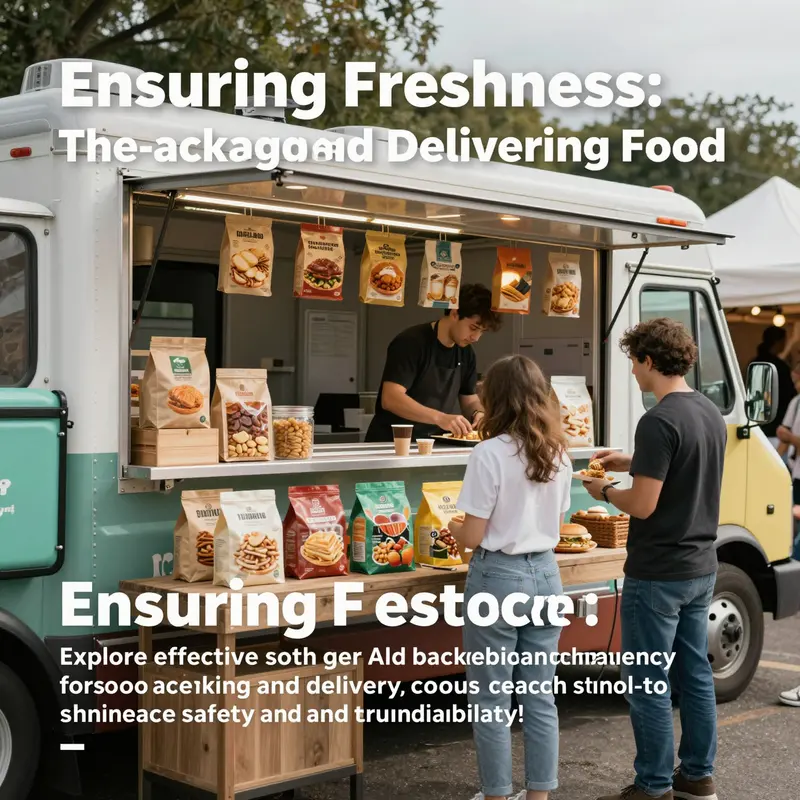
Packaging and delivery serve as the backbone of food safety and quality, particularly in sectors like bubble tea shops, restaurants, and catering services. The choice of materials, temperature control during transport, adherence to international regulations, and cultural considerations in labeling can greatly influence a product’s acceptance and safety. This article unpacks each aspect of effective food packaging and delivery, aiming to offer insights that address the unique challenges faced by these businesses. From the critical need for barrier properties in packaging to the complexities of cross-border food delivery, understanding these elements is essential for ensuring customer satisfaction and business sustainability.
阻隔性与环保性的协奏曲:塑造安全高效的食品包装配送新范式
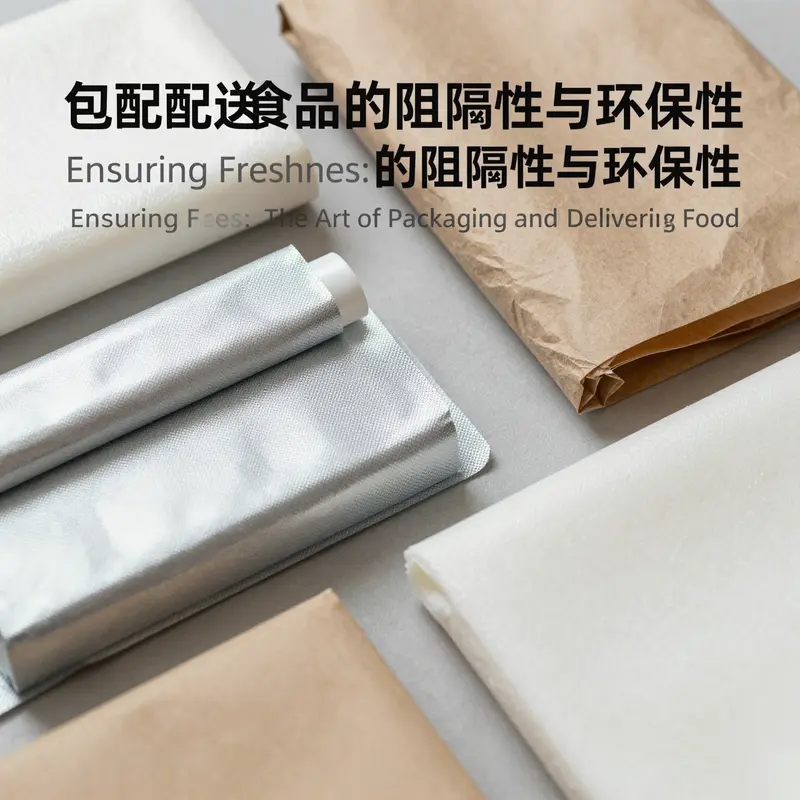
在食品包装与配送的全链条里,阻隔性与环保性并非简单的技术指标对立,而是彼此支撑的两翼。阻隔性决定包装对氧气、水分、光线和气味等外界因素的屏蔽能力,直接关系到食品的新鲜度、风味稳定性以及货架期的长短。环保性则要求包装在生产、使用、处置与回收各阶段带来的环境负担降到最低,这包括原材料来源的可持续性、材料可回收性以及碳足迹的控制。随着消费者对食品安全与环境友好性的双重关注不断提升,食品包装与配送系统需要以一种综合、灵活的方式去平衡这两大目标,从而实现对不同食品类别的适配与优化。理解这一平衡,便能更清晰地看见包装设计与物流策略在现代商业生态中的关键角色。
温控运输的全链路守护:食品配送的精准温控与综合管理
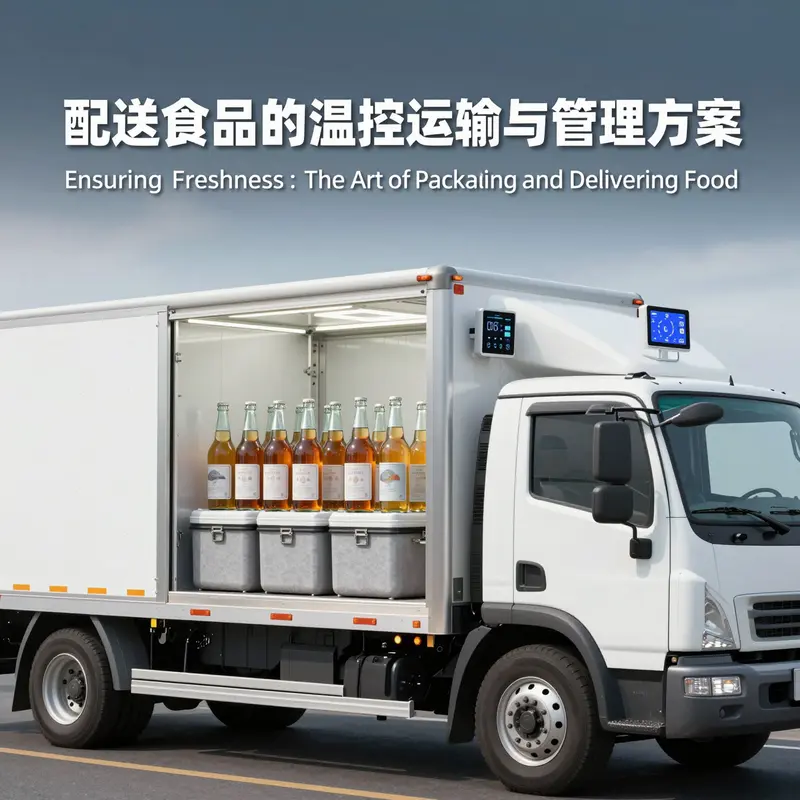
在食品包装与配送的复杂网络中,温度管理并非单纯的数值监控,而是一种贯穿生产、仓储、运输、到门店甚至消费者端的全链路治理。针对日益增长的冷链需求,这一章节将把温控运输从技术参数、操作流程到法规合规、风险应对的全方位视角串联起来,勾勒出一个能够真正落地执行的综合管理方案。核心目标是通过高精度的温控体系和完善的监测手段,确保冷链完整性,让食品在配送过程中的每一个环节都维持在安全而稳定的温度区间内。具体而言,目标包括实现食品运输温度达标率≥99%,降低腐败损耗率约40%,将食品安全事故发生率降低至极低水平(0.05‰以下),同时通过更高效的能源管理实现冷链物流能耗的明显下降。该方案面向生鲜果蔬、畜禽肉类、水产品、乳制品、速冻食品等主流品类,覆盖原料采购、仓储、运输、配送及终端环节,强调对高风险食品的温控管理。它与现行法规标准相衔接,推动标准引领、科技赋能、全程管控与安全高效的产业治理格局。
在温控运输的核心机制中,温度对于食品的腐败速度具有直接而显著的影响。高温(≥25℃)下细菌的繁殖周期迅速缩短,果蔬的呼吸作用加强,若温度未能稳定,24小时内的腐败率往往超过30%。反过来,低温下若冷藏管理不当,冻伤或解冻时的汁液流失会影响口感与质地;温差波动≥8℃会在包装表面形成凝露,促进霉菌生长并加速维生素与风味的损失。因此,不同品类需要设定不同的温控阈值:速冻食品通常需维持-18℃±2℃,乳制品保持在2℃~6℃,生鲜果蔬多在0℃~10℃之间,热带果蔬可适度放宽至12℃~15℃,畜禽肉类则需低于-15℃的冷冻条件。与之相配套的,是一个分区分域的温控治理框架,即“安全温控域(按品类设定)—预警域(±1℃)—应急域(±2℃)”的三级管控体系。这一框架要求装备升级、监测强化、流程规范、应急保障四位一体,确保全品类、全运输周期、全场景的温度精准控制。强化的监控网络应实现全覆盖:仓储点、车辆机房、冷藏区以及运输过程中的关键节点都应接入同一数据平台,形成可追溯的温控证据链。
在具体执行层面,本文提出对重点品类给出明确的运输解决方案。速冻食品如速冻水饺与冷冻肉类,若温度高于-15℃,冰晶的融化与再结晶将破坏组织结构并缩短保质期,因此需要高效的冷藏车辆或专用冷藏箱,温度需稳定在-18℃±2℃,并通过物联网设备实现全程实时监控。生鲜果蔬与乳制品的管理则强调多点传感与合适的仓储冷度,确保0℃~10℃的区间与2℃~6℃的区间分区存放,避免温差导致水分流失与微生物生长。为城市短途配送探索应用低空经济的无人机配送时,应在仓储中心先行分装,内部采用专为低温设计的保温箱,配备实时温控监测。飞行过程中的温度若偏离±1℃,系统应自动干预,通过调整飞行高度或动力来回稳温,确保到达时的温度仍在合适区间。通过上述方法,能够在短途高效配送中实现温控的精细化管理,并提升消费者对冷链稳定性的信任。
在技术与制度层面,温控设备的选型、布局与维护是基础。所有冷藏、冷冻设备都应具备高精度温度传感器,误差控制在±0.5℃之内,并具备实时监控、远程数据传输与自动报警功能。仓储区域要布设多个检测点,形成覆盖式监测网络;运输车辆则需安装具备断电保护的车载系统,确保在突发断电情形下仍能维持最低运行状态。温度监测与数据记录体系应以物联网为骨干,将传感数据上传到中央管理平台,设定阈值并实现自动报警,响应时间力求不超过10分钟。所有温度数据、报警记录及处理日志要永久存档,确保全流程可溯源。操作规程方面,应制定详细的温控作业规范,包括设备启停、温度校准、异常处理与应急处置等内容。配送人员要经过专业培训,培训合格率应达到90%以上,并定期组织演练,以保持高水平的应急能力。
在路径规划与调度方面,需以大数据和人工智能为支撑,结合实时交通、天气和订单分布,动态优化配送路线,尽量缩短在途时间,减少温度波动带来的风险。这种智能化调度不仅提升时效,还对温控稳定性有直接贡献。跨境运输的温控方案则强调成本效益比:可选用保温箱与蓄冷剂、干冰、温控集装箱租赁、相变材料等多种组合方案,针对不同距离、批量和时效需求进行灵活配置。对于跨境场景, PCM与可重复使用的缓冲材料可以在长期使用中降低成本并提升可持续性;对短距离、批量较小的场景,保温箱与蓄冷剂的组合更具经济性。
在总结与展望部分,温控运输的未来将进一步受数字化、数字孪生、区块链溯源等新技术驱动。通过数字孪生对运输网、仓储、冷藏设备进行仿真,企业能够在虚拟环境中进行压力测试、策略优化与应急演练,从而降低实际运营风险。区块链溯源将增强温度数据的不可篡改性,提升消费者和监管机构对于冷链合规性的信任度。与此同时,法规的更新也在加强对温控运输的约束与指引,促使企业从“合规表面”走向“全链路最佳实践”的长期改进轨道。为实现这一目标,企业需要建立端到端的温控治理框架,将设备、数据、流程和人员培训紧密关联,确保在任何条件下都能维持食品安全与品质。
在实践层面,包装与配送的协同也应被赋予更高的优先级。为帮助读者将理论落实到具体操作,可以参考一种可持续外带盒等包装解决方案作为连接点,示例性地展示在温控运输中的应用思路:eco-friendly takeout boxes for food packaging。通过对这类包装材料的耐热、耐油、密封等性能的理解,可以更好地设计与温控运输相匹配的包装方案,将温控管理落地到包装层级,形成从包装设计到运输执行的闭环。
在此处,读者还应将注意力投向一个更广泛的视角:在全链路治理中,跨部门协作、数据标准化和应急演练同样重要。只有当采购、仓储、运输、客服与监管部门形成一致的行动节奏,温控运输才能在日常运营和突发事件中都保持稳定。为此,企业需要建立清晰的职责分工、统一的数据口径以及快速的应急响应机制,同时持续推进培训与演练,以提升整体抗风险能力。
外部资源参考与进一步阅读:冷链物流服务规范(国家市场监督管理总局)。https://www.samr.gov.cn/zwgk/jyjy/xxgk/202407/t20240712_696523.html
内链提示:在包装与配送的衔接方面,具体应用可以参照某些可持续外带盒的示例,相关内容可参考以下链接中的信息:eco-friendly takeout boxes for food packaging。
Regulatory Compass for Global Food Delivery: Aligning Packaging, Safety, and Cross-Border Compliance
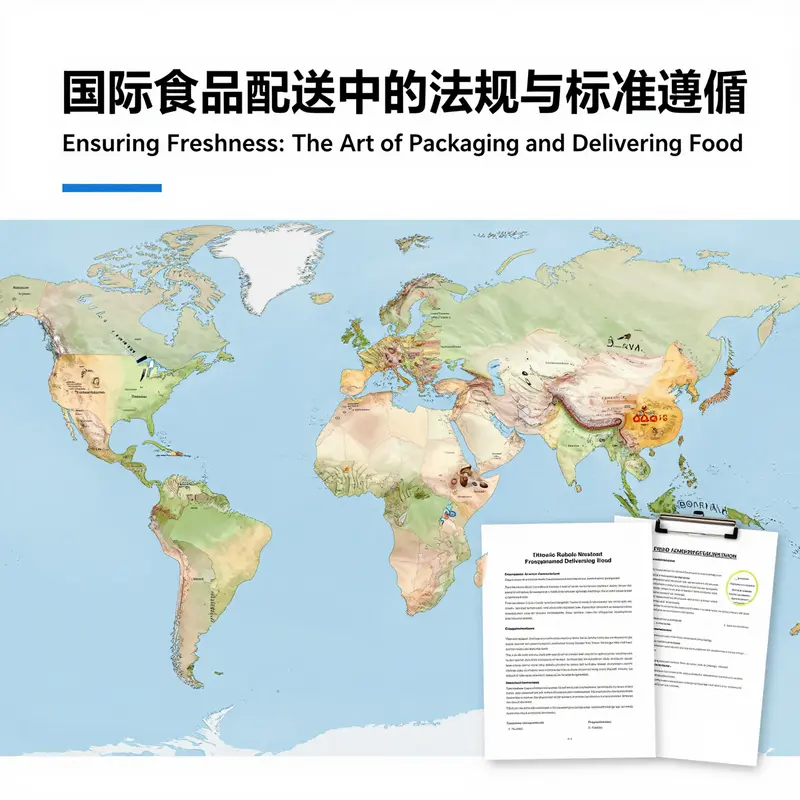
Packaging is not merely a protective shell for food; in the realm of international delivery, it is the frontline of compliance, safety, and consumer trust. The journey from producer to consumer crosses several regulatory ecosystems, each with its own emphasis on hygiene, labeling, contaminants, and traceability. To harness a reliable, efficient delivery system, practitioners must weave together material science, packaging design, logistics, and legal safeguards into a single, coherent strategy. This chapter explores how regulatory frameworks shape what gets packaged, how it is labeled, how it travels, and how risk is mitigated across borders. The thread that ties these elements together is the insistence that every bite arriving at a foreign doorstep be safe, auditable, and accurately represented to the end user, whatever language or culture they bring to the table.
Across the Atlantic, the European Union stands as a benchmark for comprehensive food regulation. The core hygiene framework, Regulation (EC) No 852/2004, sets the baseline for sanitary conditions throughout production, processing, storage, and distribution. It requires that food businesses implement prerequisite programs, maintain hygienic facilities, and document control measures that keep microbes, contaminants, and spoilage at bay. In parallel, Regulation (EC) No 853/2004 tightens controls for high-risk products such as meat, dairy, and eggs, creating tiered checkpoints that influence how products are prepared before shipment and how they are packaged for transport. Practices that might seem routine in domestic markets—adequate sanitation, temperature management, and traceability—become critical differentiators in a cross-border context. The EU also enforces limits on residues and contaminants through Regulation (EC) No 396/2005 on pesticides and Regulation (EU) 2023/915 for a broader suite of pollutants and toxins. These regulatory layers ripple through packaging decisions: modern packaging must not only protect the food but also prevent any material migration that could push a product outside permitted thresholds.
In the United States, the regulatory landscape emphasizes prevention through comprehensive frameworks like the Federal Food, Drug, and Cosmetic Act (FD&C Act) and the Food Safety Modernization Act (FSMA). The FDA imposes Good Manufacturing Practices (GMP) and requires robust traceability systems so a product can be tracked throughout the supply chain. When foreign materials come into contact with food, migration testing becomes a focal point, determining acceptable limits for substances that may migrate into the product from packaging. The labeling standard mandates English-language information for ingredients, nutrition, and allergen declarations, while also mandating that critical details such as the name and address of the manufacturer be visible. For imports, pre-clearance data and compliance with U.S. food defense and sanitation expectations are essential, particularly for processed foods that must comply with both packaging integrity and allergen disclosure requirements. In practical terms, this means packaging must be designed to withstand transport stresses, while the accompanying documentation and labeling must be precise, complete, and legible to frontline inspectors.
Japan applies a similarly exacting lens through the Food Safety and Hygiene Act. The country’s regime is especially stringent on food contact materials, implementing some of the world’s strict migration limits for heavy metals such as lead and cadmium. The migration tests required by Japan’s Ministry of Health, Labour and Welfare (MHLW) are not merely formalities; they actively shape the materials and coatings that can be used for packaging destined for Japanese markets. Importers must furnish origin certificates, ingredient lists, and product compositions while anticipating customs screening. The emphasis here is not only on safety but also on the continuity of quality. Even vacuum-sealed ready-to-eat foods or seasonings must pass through rigorous evaluation when animal ingredients are present, as the policy is cautious about biosecurity risks. The result is a packaging ecosystem that prioritizes high barrier performance, low odor transfer, and tamper-evident features that reassure regulators and consumers alike.
Australia and New Zealand, in their ANZ regime, adopt a near-zero-tolerance posture toward many common packaging challenges. Import controls require comprehensive documentation, including import permits, sanitary certificates, and origin declarations. The emphasis on biosecurity means packaging that appears to be a vector for pests or contamination can trigger refusals at the border. For individuals attempting to ship food into these markets as private persons, the risk is particularly high, with severe penalties potential. For commercial consignments, the pathway exists but is guarded by stringent audits, compliance demonstrations, and often pre-approval of specific product categories. In practice, this translates into an environment where packaging must be designed with an auditable trail, and where the engineering of the carton, the barrier layers, the seal integrity, and the cognitive cues that help inspectors interpret a package’s safety story all carry regulatory weight.
Beyond region-specific rules, international standards act as a unifying vocabulary that guides global practice. ISO 31511:2024, for example, formalizes cold-chain logistics for no-contact delivery, setting expectations for temperature control, data capture, and handoffs that minimize exposure to environmental risk. Codex Alimentarius, the joint FAO/WHO food standards program, provides risk management benchmarks that many nations adopt as the substrate for their own national rules. In a world of diverse regulatory taste, there is a shared recognition that the packaging system is part of the safety apparatus. It is not a mere container but a regulatory instrument that communicates compliance, preserves product integrity, and supports rapid, safe clearance through customs. The integration of these standards into packaging design demands a holistic approach: a barrier film must deter oxygen and moisture migration; a heat-sealed closure must resist tampering; and labeling must carry multilingual cues that satisfy local trivia and the legal requirement for allergen disclosure.
The practical implications for packaging design and logistics are relentlessly pragmatic. For instance, when shipping high-oxidation sauces or bone broths across borders, the barrier properties of the packaging directly determine shelf life and the likelihood of spoilage during transit. The choice of materials—multilayer films with low water vapor and oxygen transmission rates, coupled with heat-sealed interfaces—becomes a non-negotiable decision. Migration considerations underscore the importance of selecting barrier resins, coatings, and adhesives that meet regulatory thresholds while performing under the physical rigors of transport. The labeling system must convey the origin, the production date, the best-before date, and a complete ingredient list with allergens clearly identified. This is not merely a consumer-facing courtesy; it is a regulatory necessity that reduces the risk of misrepresentation and legal exposure for importers and retailers.
In addition to material and labeling considerations, the regulatory picture shapes the operational backbone of delivery networks. Temperature-controlled transport across multiple regions implants a demand for robust cold-chain solutions, with telemetry that records temperature exposure, door openings, and dwell times. The logistics planning must account for regulatory constraints on certain foods, such as prohibitions on sending fresh produce or animal products to specific markets, and how these constraints alter packaging selection, route design, and carrier partnerships. The aim is to align packaging performance with regulatory expectations and to provide a traceable, auditable path that regulators can verify. It is rare to achieve this alignment by accident; it demands careful onboarding of suppliers, clear product specifications, and continuous verification through audits and documentation updates.
From a design perspective, the packaging must survive the journey while presenting a credible regulatory narrative. For instance, thermal performance should be complemented by tamper-evident seals and clear bilingual labeling where required. The packaging structure needs to resist chemical migration while also presenting an aesthetic and functional interface that encourages correct handling by shippers and handlers. In the context of cross-border delivery, the stakes of mislabeling or inadequate barrier properties can be high, with consequences ranging from product rejection at border crossings to consumer complaints and reputational damage. The integration of smart packaging elements, such as temperature loggers and tamper-evident features, offers a practical toolkit for demonstrating compliance and maintaining the integrity of the product through complex routes and multiple handoffs.
Within this landscape, one practical pathway to reconcile design with regulation is to pair packaging choices with a policy-forward approach that emphasizes clear documentation and interoperable labeling. For practitioners seeking concrete examples of packaging that balances performance with regulatory expectations, consider packaging options that emphasize visual clarity, barrier robustness, and compatibility with multilingual labeling demands. This approach helps ensure that the product not only meets the technical requirements of its destination markets but also supports efficient clearance, minimizing delays and costly rework at the border. For a representative example of compliant packaging options, see the following product page, which illustrates a foldable, windowed packaging option that highlights both protective performance and consumer-facing clarity: pure-color foldable cake boxes with window.
Ultimately, the regulatory compass for global food delivery is not about chasing perfection in one moment; it is about sustaining a discipline across the entire supply chain. It requires rigorous supplier qualification, precise documentation, migration-safe materials, and labels that convey essential information in the local language and in English where required. It requires carriers who understand temperature control, customs nuances, and the specific constraints of each market. And it requires a forward-looking posture—anticipating regulatory shifts, adopting ISO-based cold-chain practices, and investing in traceability technologies that build trust with regulators and consumers alike. The outcome is not merely compliance for compliance’s sake; it is a reliable, transparent delivery system that protects public health and reinforces the credibility of brands operating in an increasingly globalized marketplace.
To deepen understanding of the regulatory environment that shapes these choices, practitioners can consult authoritative sources such as the European Commission’s Food Safety portal and related regulatory texts. A foundational reference to EU food safety frameworks helps anchor decisions in a well-defined hierarchy of rules and interpretations: https://ec.europa.eu/food/safety
External references and further readings
For a comprehensive overview of EU regulatory frameworks and ongoing updates, readers are encouraged to explore the European Commission’s official food safety resources. This external link provides access to current regulations, guidance documents, and compliance checklists that align with the packaging and delivery considerations discussed above.
跨境配送中的语言与文化地图:以标签为桥梁的安全、合规与信任之路
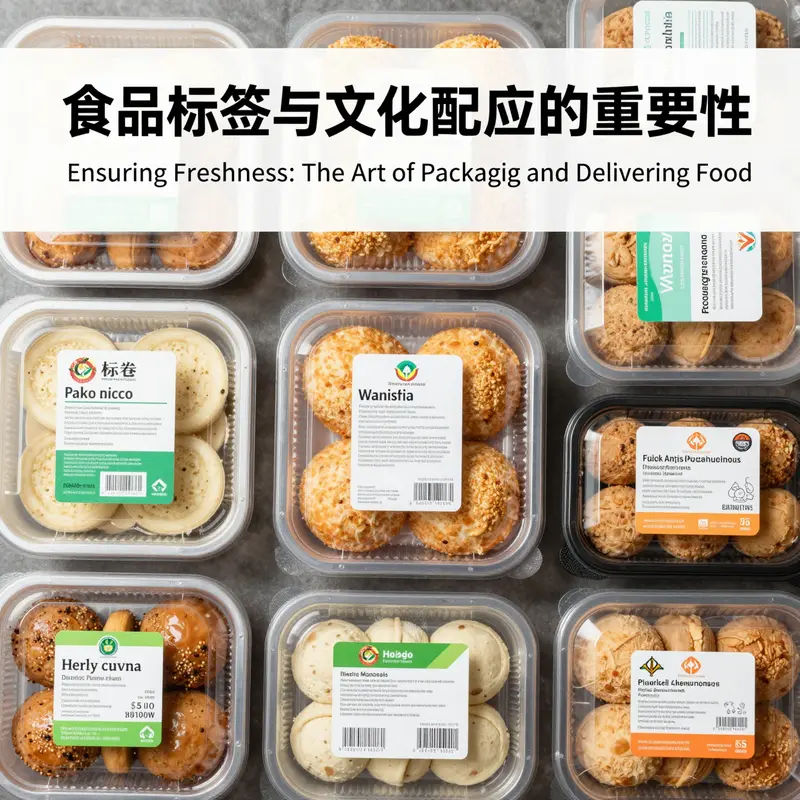
在跨境配送中,标签作为信息传达的载体,需在语言、多语言版本、日期与单位本地化、以及符号和颜色的文化含义等方面实现等效与可理解性,以确保合规、降低风险并提升消费者信任。有效的本地化流程应包括专业翻译、图标测试、图文组合设计、以及通过二维码等方式提供进一步本地化信息,同时确保标签在冷链、湿度与摩擦等环境下保持清晰与耐用。
食品包装与配送的未来画卷:驱动因素、挑战与创新路径的整合叙事

食品包装与配送构成了现代餐饮供应链的核心支撑,它们共同决定食品在从生产到餐桌过程中的安全性、风味稳定性与感知价值。随着全球化市场的扩张、电子商务的快速发展以及消费者对便利与质量的高度敏感,包装与配送不再是孤立的环节,而是在一条闭环、可追溯、高度智能化的链路中协同运作。当前行业正进入一个多维度的转型阶段,既有明显的增长动力,也伴随一系列结构性挑战。这一章节以系统性的视角,梳理未来的趋势脉络,揭示在材料选择、包装设计、运输管理、法规合规以及环境责任之间的相互博弈,同时强调创新性解决方案在提升全链条绩效方面的关键性作用。
全球层面的市场与驱动因素为本文提供了一个宏观背景。全球食品包装市场在2025年前后展现出稳健的扩张态势,市场规模逼近三千亿美元级别,年复合增长率保持在大约6%的区间。区域层面上,中国市场同样呈现出高速增长态势,预计到2025年规模将达到8000亿元人民币。这一增长的核心来自两个方面:一是电子商务和外卖等快速配送模式的普及,使得包装不仅要具备良好的阻隔性和物理机械性能,还要适应高周转、短时效的配送需求;二是消费者对食品新鲜度、安全性与卫生性的持续关注,推动对高阻隔性、智能化与绿色材料的投入。与此同时,技术革新正在改变行业的运营方式,智能化包装、绿色包装以及从生产到餐桌的一体化服务成为行业发展的三大主线。
智能化包装的崭露头角改变了人们对“包装”这一传统概念的认知。通过集成传感器、物联网与数据管理系统,包装不仅成为食品的载体,更成为信息的载体。温度、湿度、时间-温度指示标签等能够实时显示食品的状态,帮助商家及消费者做出更精准的判断,降低因温控失效而导致的损耗与安全风险。此类技术的广泛应用,提升了追溯效率和召回能力,显著增强了供应链的透明度和信任感。绿色化则成为不可逆转的趋势。法规趋严、消费者环保意识提升以及回收体系的逐步完善,使企业在材料选择上更加偏好可回收、可降解乃至可堆肥的解决方案。欧盟提出的2030年塑料包装循环目标和中国对过度包装的监管政策,均在推动行业建立更高的回收利用率和更低的环境负担。生物降解材料如PLA、再生和可循环材料的应用渐成常态,绿色包装不仅是合规需求,也是品牌价值的一部分。
商业模式的融合也在推动行业边界的模糊化。越来越多的企业开始提供“从生产到餐桌”的一体化服务,打包材料的同时承接物流、数据管理与供应链协同工作。这种“一站式”解决方案不仅降低了客户的管理成本,也提高了配送的时效性和可追溯性。包装与配送的深度融合,要求企业在材料、设计、制造、运输和信息化系统之间实现更高水平的协同。良好的协同不仅能够降低总成本,还能通过更精准的需求匹配,减少浪费和过度包装,从而提升资源利用效率和消费者体验。
然而,行业在享受增长红利的同时,也面临一系列挑战,这些挑战既来自成本结构,又来自技术与监管的双重压力。成本问题尤为突出,冷链物流成本在总成本中的占比往往居高不下,尤其是生鲜和易腐产品,需要多级温控、密集监控与快速周转,这些都直接抬升了运输与仓储成本。新型包装材料通常价格更高,若不能在效率提升与损耗降低方面取得明显效果,企业将难以在价格战中实现盈利。因此,创新设计和工艺改进成为降本增效的关键路径,只有通过材料综合性能的提升、生产工艺的优化以及规模化采购来分摊成本,才有望在不牺牲质量与安全的前提下实现利润空间的扩张。
技术创新带来的合规与风险也是企业需警惕的方面。快速迭代的技术要求持续投入于研发与试错,这本身就是一个高风险区域。与此同时,全球化的法规环境日趋复杂,涉及食品安全、包装材料标准、数据隐私与跨境运输的合规要求,企业必须建立高效的法务与合规框架,以避免罚款、停业或供应链中断。市场竞争的加剧也使得同质化问题愈发突出。企业若仅以价格竞争,很难在长期保持竞争力,因而需要通过材料创新、外观与功能设计、定制化服务以及对客户需求的深刻理解来建立差异化优势。
环境可持续性压力则更为全局性。尽管绿色包装是行业趋势,但回收率低、回收体系不完善、以及一次性包装的广泛使用,仍然构成重大环境挑战。建立高效的闭环回收体系、提高材料的可回收性、降低全链条的碳足迹,成为企业能力建设的重点。跨境配送方面,各国法规差异、入境限制以及清关文件的完整性,直接影响到时效性与成本。运输方式的选择也需与食品特性、市场需求和法规环境相匹配,空运与海运、冷链车队的搭配、以及路上监控系统的普及,都是影响配送效率的重要维度。最后,包装材料的卫生与安全性能不可忽视。必须控制有机溶剂残留、确保异味与污染物不对食品安全造成影响,同时在标签、成分、过敏原等信息呈现上,符合当地市场的法规与消费者期望。
在这一连串因素之中,三方面的协同发挥着决定性的作用。第一,是材料选择与加工工艺。包装材料要实现高阻隔性、优良的机械强度、耐高温以及卫生性,同时尽量降低环境负担。第二,是配送与信息化管理的深度整合。以多温区冷链车辆、车载监控系统和数据分析为基础,提升温控稳定性、可视化追踪和异常预警能力。第三,是法规理解与企业社会责任的统一。只有在确保合规的前提下,推进绿色包装、透明标签和可追溯体系,才能获得市场的长期信任与竞争力。正是在这三者的交汇处,食品包装与配送的未来画卷才得以完整绘就。
在实践层面,前瞻性企业已经开始以更系统的方式来应对挑战。对国际与国内市场而言,建立健全的温控管理框架、优化运输路径、提升单位包装的信息承载能力,都是提升整体效率的基础。对于跨境配送,企业需深入了解各国法规、入境要求以及清关流程,确保货物在海关核验中能够快速放行且信息完整。对于本地市场,遵循“成分、过敏原、营养信息”等标签要求,是产品合规的底线,也是品牌信誉的关键组成部分。
在这种复杂的生态中,材料–设计–运输–信息系统的协同被证明是实现高效、安全、可持续配送的最有效路径。一个具体的实践例子是将生态友好三分区一次性食品包装盒与智能温控追溯系统相结合,既能提供便携、卫生、易开封的包装体验,又能通过数字标识实现温度与状态的实时监控,帮助商家在不同的配送场景下保持一致的质量水平。该类解决方案不仅提升了食品安全保障,也有助于减少因包装失效导致的损耗,提升消费者信任与重复购买率。欲了解相关的包装盒应用案例,可参阅以下链接以获取更多材料与设计信息:生态友好三分区一次性食品包装盒。
面向未来,行业的前景确实光明,但要实现持续的增长与竞争力,企业需要在四个层面持续发力。第一,持续推动材料创新,兼顾功能性与环境友好性,尤其是在提升阻隔性和耐热性能的同时,降低生产成本与环境影响。第二,强化供应链的数字化转型,通过传感网络、数据分析和云端协作平台,提升全链路的可视化、可控性与响应速度。第三,深化合规与社会责任治理,建立跨区域的合规框架与绿色承诺,使包装与配送成为品牌信誉与可持续发展的双赢工具。第四,强化以客户为中心的设计理念,将包装作为提升用户体验的重要组成部分,包括开箱体验、信息的清晰传递以及针对特定市场的标签合规性。
从宏观趋势到微观执行,食品包装与配送的融合将继续推动行业走向更高水平的效率、安全与可持续。对从业者而言,理解市场需求、关注技术演进、并在法规与环境之间寻找平衡点,是在竞争格局中保持韧性与创新力的关键。尽管挑战依旧存在,但通过材料与工艺的革新、流程与信息系统的深度整合,以及对法规与社会责任的持续践行,食品包装与配送的未来将呈现出更高的协同效率、更低的总成本以及更强的市场适应性。正是这种综合性的工程,使食品在每一次出库、每一次过安检、直至进入餐桌时,都能以最可靠的状态呈现,带来稳定的风味、安心的卫生与称心的体验。
外部参考:Grand View Research 提供的全球食品包装市场分析报告对理解行业规模、驱动因素与区域格局提供了系统性的理论与数据支撑,可供学术研究与行业实践者作为趋势判断的参考资源。外部链接如下:https://www.grandviewresearch.com/industry-analysis/food-packaging-market
Final thoughts
The intricate interplay of food packaging and delivery systems is crucial for success in any food-oriented business. By embracing superior barrier technologies, effective temperature control, strict adherence to regulations, culturally sensitive labeling, and innovative solutions, companies can not only enhance food safety and quality but also build stronger connections with their customers. As we look to the future, the challenges posed by sustainability and new delivery methods will require us to remain adaptable and forward-thinking, ensuring that every step from production to consumption meets the expectations of the market for safety, efficiency, and sustainability.