
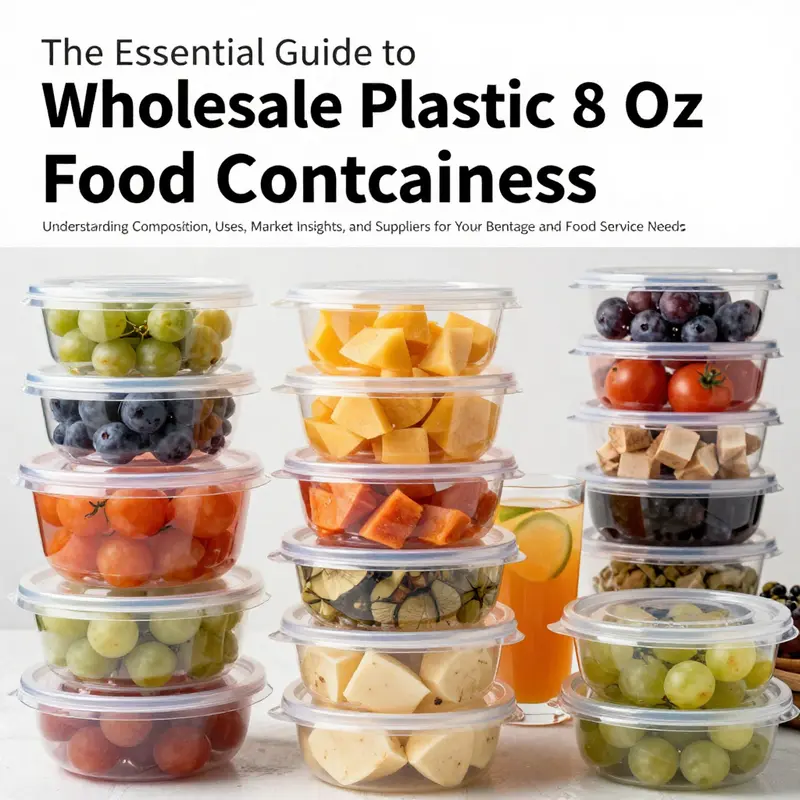
As food and beverage businesses grow, selecting the right packaging becomes vital for success. Among such options, 8 oz plastic food containers stand out, offering versatility across diverse applications. From bubble tea shops and restaurants to food trucks and catering services, these containers cater to a variety of needs while ensuring that your offerings remain fresh and visually appealing. Throughout this guide, we will explore the composition and key characteristics that make these containers a popular choice, examine their common uses within different industries, discuss current market availability and pricing, and provide insights into top suppliers in the wholesale market. Let’s delve into the specifics that can enhance your business’s packaging strategy.
Clarity, Durability, and Scale: Navigating the Composition and Key Traits of 8 oz Plastic Food Containers in Wholesale
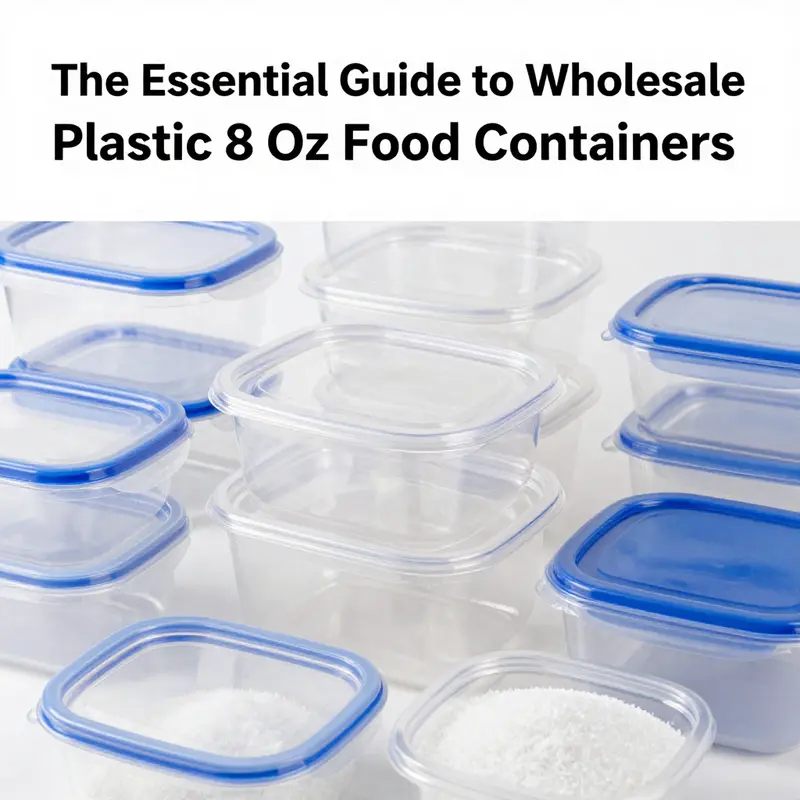
The 8 oz plastic food container sits at a practical crossroads where visual appeal, performance, and cost intersect. In wholesale channels, these containers must perform reliably across a spectrum of settings—restaurants, delis, caterers, meal-prep outfits, and retailers that value both efficiency and branding. The discussion of their composition is not merely a materials lesson; it becomes a blueprint for choosing the right packaging architecture to protect freshness, enable fast service, and support marketing goals. At the core, three common plastics—polypropylene (PP), polyethylene terephthalate (PET), and polystyrene (PS)—form the baseline, each bringing a distinct balance of heat tolerance, clarity, and adaptability. Beyond those basics, premium alternatives like Tritan™ copolyester are increasingly chosen by brands seeking durability and washing resilience, while still keeping sustainability and safety in view. The wholesale market rewards versatility, but it also demands careful alignment between content needs, storage realities, and end-user expectations about safety and reuse. The result is not a single perfect solution but an ecosystem of options that can be tuned to virtually every food category and service model.
PP stands out for heat tolerance and resilience. In a typical wholesale line, PP containers handle temperatures up to about 160°C (320°F), a threshold that covers hot holding, reheating, and certain cooking or warming scenarios in commercial settings. This makes PP a natural fit for meal-prep services that portion full meals and need containers that can survive the rigors of a busy kitchen and later use in consumer microwaves. BPA-free status is often assumed with PP, and many PP designs are designed to be microwave-safe, dishwasher-safe, and freezer-safe. The recyclability of PP—as code #5—adds another layer of practicality for brands seeking end-of-life manageability. Yet even with PP’s strengths, there are caveats. In some thinner profiles, prolonged exposure to high heat can cause warping or loss of structural integrity, especially when lids add variable pressure or the containers are stacked during high-temperature cycles. The scrolling rhythm of a bustling deli or a catering operation can magnify these tiny margins of error, so suppliers frequently offer polypropylene in a range of thicknesses and lid configurations to match specific throughput patterns.
PET, prized for its clarity, provides the visual advantage many products rely on to entice customers. The glass-like transparency of PET makes it ideal for displaying salads, dried snacks, layered desserts, or any product where the appearance of fresh contents enhances perceived value. The trade-off with PET is heat. PET generally carries limited heat resistance and is not recommended for high-temperature or prolonged microwaving use. For cold storage or ambient-conditioned retail displays, PET shines, offering a lightweight, shatter-resistant profile that travels well from kitchen to counter to consumer hands. Its recyclability, typically coded as #1, aligns with broader sustainability narratives that emphasize recyclability and post-consumer recovery. However, UV exposure can degrade PET over time, potentially affecting clarity and the integrity of any print or labeling that sits on the container or lid. In wholesale terms, PET containers often command a premium over PS when clarity and presentation are prioritized, with numerous lid options designed to lock in freshness and minimize leaks.
PS, or polystyrene, is the value workhorse of many takeaway and single-use packaging lines. It offers good clarity and cost-effectiveness, making it a frequent choice for disposable containers in quick-service contexts, snack packaging, and certain dessert or bakery applications. The downside is durability: PS is more brittle than PP or PET and exhibits lower heat resistance, reducing its suitability for microwaving or extended hot-food storage. PS containers are frequently marketed as budget-conscious options in bulk orders, which makes them attractive for high-volume venues that prioritize per-unit price over long-term reuse. The recyclability of PS is more complex in many regions, often coded as #6, and recycling programs can be uneven, which pushes buyers to weigh convenience against environmental considerations and local waste streams.
Premium alternatives have emerged to address growing demands for durability, safety, and reuse. Tritan™ and other copolyesters offer a compelling blend: BPA-free composition, high impact resistance, and clarity that remains steady after repeated washing. These materials often behave like glass in terms of resilience but with the plastic advantages of lighter weight and shatter resistance. They are typically safe for microwaves, freezers, and dishwashers, and their resistance to staining and odor absorption makes them attractive for meal-prep portions, family-sized containers, and branded retail packaging that sees repeated reuse. For brands aiming to emphasize sustainability without sacrificing performance, Tritan™-based containers can be positioned as durable, reusable solutions that align with consumer expectations for longer product life cycles. Yet premium materials come at a price, and buyers must factor in procurement costs, MOQs, and the balance between upfront investment and anticipated reuse rates.
Across these materials, a set of shared characteristics defines the user experience regardless of the plastic family. First is the essential combination of lightweight design with shatterproof reliability. In a warehouse, a stackable, nestable footprint matters for space efficiency, while in a store or delivery route, reliable lids—airtight or leak-proof—protect contents during transit and prevent spills. The visual advantage of clear plastics remains a key selling point, since visibility reduces the need for opening containers to identify contents—an efficiency boon for operators and a convenience boost for customers. In the consumer space, the perception of safety and cleanliness translates directly into trust, making FDA and EU food-contact compliance a baseline requirement that shapes procurement and labeling decisions.
Another thread running through these products is the balance between branding and practicality. On many wholesale lines, suppliers offer customizable features such as silk-screen or heat-transfer printing on PET or Tritan jars. The goal is to deliver branding that can carry messages like “HAND MADE” or “MISS YOU” in gift-oriented packaging or promotional campaigns, without compromising the container’s performance. For many businesses, this is more than cosmetic—it is a strategic opportunity to turn packaging into a marketing touchpoint that reinforces product narratives, differentiates a menu or line, and enhances giftability. The capacity to brand at scale is one of the most significant advantages of the wholesale route, especially when volume discounts align with a long-tail branding strategy that spans multiple product categories.
In terms of safety certifications, the landscape remains nuanced. BPA-free labeling is not universal across all older stock, and careful due diligence is required to ensure that the chosen materials meet FDA standards and comply with regional regulatory expectations. For retailers and meal-kit services that emphasize health-conscious branding, confirming BPA-free status and FDA approval provides a solid risk management baseline. It is also prudent to verify whether a container is explicitly rated for microwave use, as assumptions about heat tolerance can be misleading if the particular lid design or wall thickness is a limiting factor.
From a sourcing vantage point, the wholesale market appeals to retailers and operators seeking both breadth and price leverage. Global platforms facilitate access to bulk options ranging from basic clear containers with airtight lids to advanced configurations with tamper-evident or branded lids. The price spectrum is wide: basic, no-frills clear containers with airtight lids may start in the range of a few hundredths of a dollar per unit when ordered in bulk, while premium, branding-ready, or eco-conscious variants can command a higher per-piece price depending on design complexity, material choice, and minimum order quantities. This price dynamic underscores a broader truth in packaging: decisions about container selection ripple through the supply chain, influencing storage needs, procurement timelines, and the economics of menu pricing and promotional campaigns.
Sourcing options for wholesale purchasing are dense and diverse. Platforms that connect buyers with manufacturers enable access to a wide array of materials—PP, PET, PS, and premium copolymers—across a spectrum of capacities, lid configurations, and printing options. A critical advantage of sourcing in this space is the potential for CE certification and other safety assurances that bolster compliance with European standards and expand market reach. For buyers who prioritize customization, the ability to spec specific lid designs, moisture barriers, and branding remains a decisive factor in selecting suppliers capable of meeting MOQs and lead times without compromising quality. The scale of wholesale production also translates into shorter restock cycles and resilience to demand spikes—an important consideration for catering events, seasonal promotions, or new product launches.
All these dynamics intersect with practical considerations that restaurants, caterers, and meal-prep brands confront daily. In selecting an 8 oz container, operators weigh the content type, expected shelf life, and whether they intend to reheat or refrigerate. They assess the fragility of the material, the likelihood of warping under heat, and the convenience of stacking during storage and transport. They evaluate the lid system for tightness, ease of use, and compatibility with sealing methods. They consider whether a clear PET jar will make a salad look more appealing on a retail shelf or if a Tritan option will survive a week of consumer washing in a busy family kitchen. And they quantify the branding opportunity—the ability to print messages or logos that can transform ordinary packaging into a memorable unboxing moment.
To bring these considerations into a purchasing decision, buyers often map their use cases against material properties and price points. For example, a takeout operation prioritizing presentation might favor PET for its clarity, paired with a reliable lid that seals against leaks during transit. A meal-prep company focusing on reusability and dishwasher durability might lean toward Tritan or copolyester jars that hold up after multiple cycles and resist staining. A deli counter with a need for economical packaging might select PS where off-cut glass-clear visibility is valued but the risk of heat exposure is managed by serving cold items or short-term storage. In all cases, the objective is to align container performance with service speed, portion control, and the overall customer experience.
Within this framework, the 8 oz size becomes a versatile module rather than a rigid category. It fits neatly into custom egg-tray packaging, cupcake or dessert containers, and even specialty sauces or confections, expanding the range of occasions for which wholesale plastic containers are used. The ability to adapt size configurations, lids, and labeling supports both mass-market packaging and niche applications. In short, the composition and key characteristics of these containers animate a broader narrative about how packaging can support speed, safety, branding, and sustainability across diversified food service ecosystems. The chain from material choice to consumer perception is direct but nuanced, and the wholesale channel sits at the center of that interplay, translating technical material science into practical, scalable packaging solutions.
As businesses map their packaging strategy to their operating reality, the conversation often touches on sourcing paths that balance cost with reliability. Alibaba-style platforms and similar global marketplaces demonstrate how material choice, lid design, and branding options can converge to create a compelling value proposition for wholesale buyers. The scalability of production, the ability to manage MOQs, and the confidence that CE certification or FDA-compliant claims provide are all pieces of a larger puzzle that determines whether a given 8 oz container elevates a product’s shelf presence while staying within budget.
For readers seeking a practical anchor on the available configurations and to explore examples of nearby product families, consider this external resource that offers a concrete view of bulk container varieties and sizes, including 8 oz options: https://www.alibaba.com/product-detail/4oz-6oz-8oz-12oz-16oz-plastic-cookie-jars_1600577908575.html. And for a path to additional packaging ideas that align with theme-party or promotional packaging concepts, you can visit the internal example page on custom takeaway packaging supplies.
Internal link reference: a deeper dive into branding-friendly takeaway packaging can be found here: custom takeaway packaging supplies.
Small Size, Big Impact: How 8-Ounce Plastic Food Containers Fuel Wholesale Packaging Across Industries
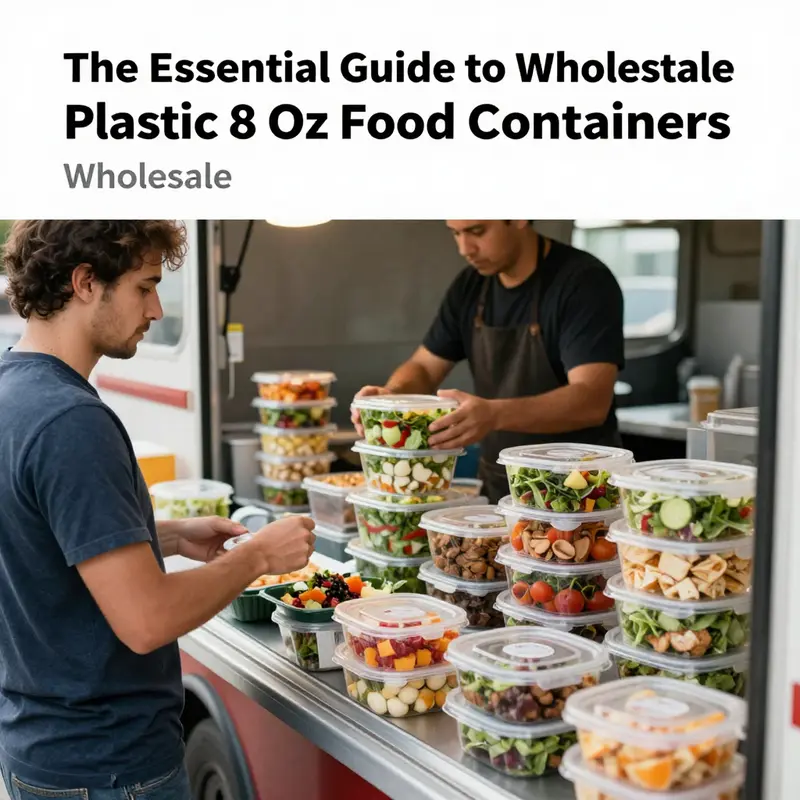
In the world of wholesale food packaging, the 8 oz plastic container occupies a quiet but indispensable niche. It is a vessel that combines compact form with adaptable function, and in large-scale distribution its impact compounds through volume, clarity, and reliability. The materials most commonly employed in these containers—PET, PP, and PS—each bring their own strengths to the table. PET offers transparency that makes salads, fruit blends, and multi-ingredient sauces visually appealing on display and during meal distribution. Polypropylene provides a tougher, heat-resistant profile for products that require brief microwaving or reheating, and polystyrene brings stiffness and cost efficiency to a carton that must hold its shape under a crowded deli or catering counter. Across wholesale markets, buyers weigh these material traits against safety certifications, end-use conditions, and the total cost of ownership, which includes not only the per-unit price but also the durability of lids, the seal integrity of joints, and the ease of stacking in warehouses and transport routes.
From the standpoint of safety and compliance, the value of a container lies not merely in its price point but in its suitability for direct contact with food, its resistance to leakage, and its behavior under temperature changes. The 8 oz size is particularly versatile because it can house compact servings without feeling excessive for a consumer who is buying or receiving a single portion, while still offering enough volume for a side dish, a sauce, a soup, or a dessert. In wholesale quantities, these containers are routinely offered with airtight or tamper-evident lids, and many configurations are designed for stackability, which streamlines inventory management and reduces handling costs in busy kitchens and distribution centers. Important safety notes accompany these benefits: some containers are explicitly labeled as microwave safe or BPA-free, while others are not rated for high heat. The buyer must align the container’s heat tolerance with the product’s temperature profile and storage conditions to avoid warping or compromising the seal.
The utility of 8 oz containers becomes especially clear when we examine their roles across major industrial channels. In the food service sector, they serve as a practical solution for portion control, a critical planning tool for today’s fast-casual concepts and corporate dining programs. A single container can cradle a salad measured to precise gram weights, a hot pack of soup kept warm by a design that minimizes heat loss, or a dessert portion that travels well for catering events. Their compact footprint means operators can assemble balanced meals with multiple components without crowding the plate or compromising presentation. The portability of these containers supports on-the-go consumption, a pattern that has become a standard expectation for many diners and meal-prep customers alike. For establishments that rotate menus or offer rotating specials, the predictability of an 8 oz format helps kitchens standardize packaging without complicating inventory or training.
Retail and grocery applications reveal another dimension of the same utility. In delis and grocery stores, 8 oz containers are commonly used for pre-packaged items such as sliced meats, cheeses, and ready-to-eat meals. The clear PET variants make it easy for shoppers to assess contents at a glance, which shortens the decision-making process and can boost impulse buys. For sampling programs and bulk displays, these containers offer a cost-effective, hygienic solution that preserves product integrity while enabling quick replenishment. The labeling and branding potential is notable as well. In wholesale programs, a few strategic touches—silk-screen or heat transfer logos, informative print on the lid, or a simple message such as a kindness note or a chef’s signature—can transform a basic container into a promotional touchpoint. The capacity for customization helps businesses differentiate their offerings in a crowded market, and in turn supports pricing strategies that recognize value in presentation as well as content.
In the home sphere, 8 oz containers prove their worth as storage and organization tools. They are ideal for leftovers, allowing households to portion meals for the week without overcommitting storage space. They support meal-prep routines, enabling bulk cooking that can be portioned and labeled for easy access. Their leak-proof designs reduce messes in refrigerators and pantries, and when made from food-grade PP or PET, they offer reassurance about safety for direct contact with prepared foods. In many households, the same containers are used for freezing, thawing, and even gentle reheating, provided the product specifications align with the container’s heat tolerance. The domestic use case reinforces the broader wholesale message: a dependable container can streamline operations at the scale of thousands of meals, while still performing gracefully in a kitchen drawer at home.
The versatility of these containers extends to industrial and commercial environments where food distribution and logistics demand efficiency. Offices, schools, and healthcare facilities often rely on bulk packaging to streamline meal distribution during shifts, classes, or patient care. In such settings, a standard 8 oz container paired with a reliable lid supports fast-paced service without sacrificing portion control or hygiene. The containers can be bundled in cases of dozens or hundreds, a packaging approach that reduces handling steps for staff and minimizes waste from incorrect portions. In manufacturing or commissary contexts, the ability to arrange meals in a predictable, uniform grid hastens assembly lines and simplifies inventory tracking. The same containers are useful for sampling programs in large-scale events, where producers can provide bite-sized portions of new products with clean, uniform presentation that translates into consistent consumer impressions.
Beyond straightforward containment, the 8 oz format has become a canvas for branding and storytelling in wholesale packaging. Businesses increasingly view the container not only as a utility item but as a portable sales channel. Clear options allow the product inside to tell its own story, while opaque or tinted variants can signal specific flavors or dietary attributes. Customization capabilities extend to the lids and the surrounding packaging ecosystem, including printed safety icons, cooking instructions, or approvals such as microwave suitability. A subtle but meaningful trend is the use of messages on the packaging wall or lid that convey care and craft, such as notes about handmade processes or family recipes. The potential for branding and theme integration has encouraged suppliers to offer flexible design adjustments, from color accents to tamper-resistant sealing features. In wholesale purchasing, these options translate into longer-term value, as packaging becomes part of the consumer experience rather than a disposable afterthought.
Another factor shaping industrial use is the broader supply chain dynamic that governs how these containers reach end users. On global marketplaces, the range of available configurations—from single-compartment bowls to multi-cell trays and stackable designs—accommodates both standard menus and more specialized offerings. The dominant suppliers often base their pricing on volume, with basic clear containers and airtight lids starting at a remarkably low per-unit cost when ordered in bulk. As complexity increases—such as tamper-resistant lids, eco-friendly materials, or custom branding—the price per piece rises, but so does perceived value for the buyer who wants to differentiate products or reassure customers about safety and quality. The Minimum Order Quantities commonly tied to these options are a practical reminder that wholesale decisions hinge on scale and the anticipated rate of turnover. The moral for buyers is clear: align material choice, lid design, and customization with the actual product profile and customer expectations to optimize both cost and customer satisfaction over time.
From a sourcing perspective, safety certifications and regulatory compliance become a meaningful differentiator in wholesale markets. While many containers are manufactured with food-grade materials that meet FDA or equivalent national standards, not all plastics are created equal when subjected to heating, storage of acidic foods, or long-term exposure to cold environments. The choice between PET, PP, and PS, therefore, rests on a careful assessment of the product’s chemical compatibility, temperature profile, and the intended consumer workflow. For instance, if a meal kit service plans to offer microwave-ready components, selecting a container with explicit microwave-safe labeling and robust heat resistance becomes essential to avoid deforming the vessel or compromising its seal. On the other hand, if the primary use is cold or room-temperature shelf storage, a clear PET option might provide superior visual appeal and a lighter weight, which can have meaningful implications for shipping costs and energy use in the supply chain.
In addition to safety and performance, many buyers leverage customization as a strategic asset. The opportunity to brand takeout packaging, bakery items, or sample platters can elevate a wholesale order from plain practicality to a value proposition that resonates with customers and enhances giftability. One path to achieving this is through labeling and decoration that can be applied via silk-screen or heat transfer printing. The resulting packaging can carry messages about craft, origin, or seasonal promotions, turning a simple eight-ounce vessel into a storytelling device that travels through kitchens, storefront displays, and consumer hands. The ability to incorporate branding without sacrificing recyclability or food safety is a key nuance for buyers who want to balance marketing goals with sustainability and regulatory realities.
As businesses navigate the procurement process, the balance among price, performance, and flexibility remains central. The basic option of a clear container with an airtight lid can be a compelling choice for high-volume operations seeking to minimize costs per unit while maintaining functional reliability. For brands pursuing differentiation, premium options featuring tamper resistance, labeling capability, or BPA-free materials offer advantages that may justify higher upfront costs through stronger consumer trust and repeat purchases. The wholesale market rewards buyers who bring clarity to their needs: the expected contents, temperature range, service style, and branding requirements all determine the right combination of container, lid, and customization level. This clarity helps prevent misalignment between product specifications and actual use cases, which can otherwise lead to waste, returns, and lost opportunity in a business that thrives on efficiency and predictability.
To illustrate how a buyer might translate these considerations into action, consider a scenario in which a meal-prep company needs 8 oz containers for daily portions of salads and grain bowls. The line would likely favor a PET container for its transparency and lighter weight, paired with an airtight lid to minimize leaks during transit. If the company wants to emphasize its handcrafted, wellness-oriented brand, it could explore a subtle print on the lid or a small, consumer-friendly message printed on the wall, alongside a label that includes heating instructions and a brief note about ingredients. A customizable option might also allow a theme that changes with seasons or promotions, turning the packaging into a marketing touchpoint without sacrificing performance or food safety. In another scenario, a deli counter might lean toward a robust PP or PS solution that can withstand brief microwaving for ready-to-heat items and still maintain a clear view of contents for customers choosing from a display case. The wraparound logic remains the same: select the right material for the product profile, maintain a reliable seal to keep items fresh, and consider any branding or labeling needs that can add value without compromising safety.
In the broader conversation about wholesale supply, convenience, and consumer expectations, one element that remains constant is the importance of compatibility across the entire packaging ecosystem. Lids, trays, and primary containers must work together, not in isolation. A mismatched seal or a lid that cannot withstand a typical transit route can undermine the reliability of an otherwise well-considered packaging strategy. It is also worth noting that the 8 oz size fits well within niche packaging configurations such as egg trays, cupcake boxes, and sauce cups, which opens opportunities for specialty lines in bakeries, baby foods, or condiment dispensing. This compatibility extends to distribution channels as well. Bulk sales are commonly offered in packs of 48 or larger, with cases designed to optimize warehouse storage, order picking, and loading into standard transportation pallets. When buyers coordinate these logistics with their production schedules and retail timelines, they create a more resilient supply chain capable of meeting demand across seasons and market segments.
For businesses looking to tailor their wholesale packaging to broader themes or seasonal campaigns, the sourcing landscape supports a spectrum of customization options. Some suppliers provide eco-friendly material choices, including biodegradable PP variants, enabling brands to align packaging with sustainability targets without sacrificing functionality. The economic calculus for such choices often includes a modest premium per unit that can be offset by consumer demand for greener packaging, especially in markets where environmental considerations weigh heavily on purchasing decisions. The ability to blend sustainability with practical performance—leak resistance, temperature tolerance, and transport durability—makes the 8 oz container not merely a cost-effective option but a strategic asset in product presentation and consumer engagement.
As these considerations come together, the practical takeaway for buyers is straightforward. Start with an evaluation of the core product profile: what will go inside, at what temperature, and how will the packaging be handled from kitchen to consumer. Then match that with the material class, lid design, and potential for branding that best serves that profile. Finally, align with supplier capabilities, including MOQs, lead times, and the scope for customization. In a wholesale market characterized by breadth, the most successful buyers are those who translate precise product needs into packaging decisions that unify safety, efficiency, and brand storytelling. For teams pursuing tailored takeout or theme packaging, exploring options that combine durability with customizable aesthetics can yield returns that extend beyond the initial purchase and into consumer perception and loyalty. To explore such customization options further, consider a supplier that specializes in takeaway packaging and disposable tableware for themed experiences, which offers a pathway to align packaging with brand narrative and event-driven campaigns. custom-takeaway-packaging-supplies-disposable-tableware-for-theme-party.
The wholesale world also invites a broader look at market dynamics and sourcing routes. In the current landscape, a significant portion of 8 oz containers are produced in high-volume facilities in major manufacturing hubs, with CE certification and FDA-compliant food-contact assurances familiar to importers and distributors. This global supply chain supports a wide price ladder, from the most economical clear containers with standard lids to premium options featuring advanced seal technology, color options, and branding opportunities. The value proposition of wholesale purchases lies not only in unit cost but in the predictability of supply, the flexibility to customize, and the assurance that the packaging will perform consistently across months of use, even in demanding service settings. For buyers, the cumulative effect is a packaging system that can scale with business growth, from single-store demonstrations to multi-unit chains and international distribution.
In closing, the 8 oz plastic food container, though modest in scale, embodies a critical intersection of design, safety, efficiency, and storytelling in wholesale packaging. Its broad appeal across food service, retail, home use, and industrial settings stems from a thoughtful balance of material science, practical engineering, and market adaptability. The container is a conduit for freshness, a carrier of brand identity, and a facilitator of streamlined operations. When chosen with attention to content, temperature, and customer expectations, it supports a seamless journey from kitchen to consumer hands. As industries continue to evolve toward more sustainable practices and more personalized consumer experiences, the 8 oz container remains a dependable partner in the wholesale toolkit, ready to be configured for a growing array of applications while preserving the fundamental virtues of safety, reliability, and value. External resources can offer broader supplier perspectives and market data to inform decisions, such as the global marketplaces that catalog 8 oz food containers for wholesale. https://www.alibaba.com/showroom/8-oz-food-containers.html
Where to Buy and What to Expect: Availability, Pricing, and Sourcing Strategies for Wholesale 8 oz Plastic Food Containers
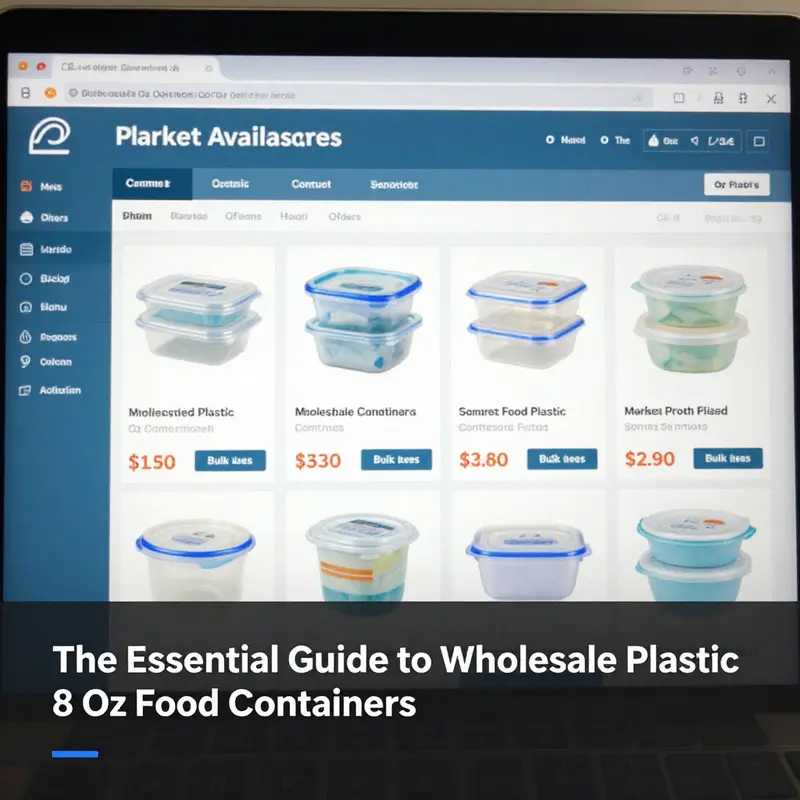
Availability and Pricing: a unified view of the wholesale 8 oz plastic container market
The wholesale market for 8 oz plastic food containers is a mature, wide-ranging supply network. Buyers can access standardized clear bowls, lidded cups, and small jars in huge volumes. Sourcing options span local distributors, national manufacturers, and large global B2B marketplaces. A single product type—an 8 oz container—appears in many configurations. Differences in material, lid style, certification, and customization create distinct price bands. Understanding how those variables affect availability and cost helps buyers choose the best option for their needs and budgets.
Most wholesale listings emphasize two competing value propositions: volume-driven low unit cost and added-value customization. For bulk buyers who only need a basic clear cup with a snap lid, per-unit prices can drop into the low cents when ordering tens of thousands. Those same buyers can opt for premium upgrades—tamper-evident seals, thicker walls, or custom-printed branding—at higher per-unit prices. The market is structured to satisfy both approaches, enabling restaurants and meal-kit services to economize, while retail brands buy branded packaging that supports higher margins.
Material choice is the primary determinant of availability and cost. PET and PP dominate because they combine safety, clarity, and manufacturing efficiency. PET offers the clearest finish and is common where visibility matters. PP provides greater heat resistance and is often chosen when microwave compatibility is required. Polystyrene remains a less flexible option, suitable only for cold applications. Suppliers typically list the material type, safety claims, and certifications. When price differences appear small on the surface, they usually reflect hidden differences in material grade, wall thickness, or additive treatments.
Lid design and sealing technology also shape price. Snap-on lids are simple and cheap. Airtight or tamper-evident lids require more tooling and higher production tolerances. Hinged containers or multi-compartment trays cost more. Stackable designs or nested forms that optimize pallet density sometimes carry a premium, because they reduce warehousing and shipping costs downstream. For buyers focused on takeout or meal delivery, spending slightly more on a leak-resistant lid delivers real savings through fewer customer complaints and returns.
Customization drives another pricing tier. Simple label printing, heat transfer, or silk-screening is affordable at scale. High-resolution full-wrap printing or embossed logos increase tooling fees and raise the minimum order quantity. Many suppliers offer tiered pricing: a base unit cost plus a setup fee for the artwork and tooling. If your business plans seasonal or limited-run packaging, negotiate for reusable artwork plates or smaller tooling fees to keep per-order costs predictable. Some suppliers will amortize the setup cost across multiple runs, reducing the effective price over time.
Ordering volume and minimum order quantities (MOQs) are central constraints. Many overseas factories list MOQs at levels like 5,000 to 10,000 units for standard designs. The cheapest per-unit prices usually appear at very large quantities. If you lack storage or capital for large orders, consider group buys with partners or staggered shipments. Some suppliers can accommodate mixed orders—multiple colors or slight design variants—within one shipment. This flexibility can reduce inventory risk while still unlocking favorable price breaks.
Logistics and total landed cost matter as much as unit price. Low nominal costs can erode quickly after shipping, duties, and handling fees. For example, placing a 10,000-unit order at $0.01 per unit seems attractive. But air freight, customs clearance, and inland trucking can add substantial expense. Buyers should calculate the total landed cost per unit, including duties and VAT where applicable. Consolidation services and full-container-load (FCL) shipping can reduce per-unit freight costs compared with smaller shipments. Where lead time allows, sea freight is far more economical.
Quality assurance and certification affect both availability and pricing. Containers that carry FDA, CE, or other safety certifications cost more. Certifications reassure retailers and regulators that the material and production processes meet food safety requirements. Some buyers accept uncertified, low-cost options for non-food uses. Most food businesses must insist on documented compliance. Also check for BPA-free claims, microwave-safe ratings, and polymer-grade disclosures. Verifying these claims through third-party test reports mitigates risk and justifies paying a modest premium for certified stock.
Sampling and testing minimize surprises. Good suppliers offer sample packs for testing at a nominal fee. Use samples to verify fit, clarity, and lid performance. Run real-world tests: fill containers with hot and acidic foods, stack them with product weight, and test for leakage during transit. If a supplier resists providing representative samples, treat that as a red flag. Small upfront sample costs save bigger downstream losses, especially when orders scale into tens or hundreds of thousands.
Pricing examples illustrate market dynamics. Basic clear containers in very large lots often list near $0.01 to $0.02 per unit for orders around 10,000 pieces. Premium options with custom printing or tamper-resistant lids push into higher ranges—commonly $0.25 to $0.38 per unit—depending on complexity and material. These figures reflect supplier listings on major B2B platforms. Always treat online quotes as starting points; negotiating terms, payment schedules, and shipping methods often yields better overall value.
Sourcing strategies reduce risk and cost. Diversify suppliers across regions when possible. Maintain at least two approved vendors to avoid production shocks. For new suppliers, ask for factory audits, product traceability records, and recent inspection reports. Establish clear quality standards in the purchase agreement and require pre-shipment inspection. Use staging warehouses to receive partial shipments and perform a final QA before wider distribution. These steps add administrative cost but prevent costly product recalls or customer complaints.
Sustainability options are increasingly available, though typically at a premium. Biodegradable resins, recycled content, or compostable blends can command higher prices. Some buyers accept the added cost as a brand differentiator. Others balance an eco-friendly product mix by using sustainable alternatives for certain SKUs while keeping basic PET or PP for high-volume, low-margin items. When sustainability matters, request chain-of-custody documentation and test results for recycled-content claims.
Inventory planning ties directly to pricing strategy. Large bulk buys lower unit cost but increase holding costs. Factor storage, expiration risk, and obsolescence into purchasing decisions. For perishable or highly seasonal offerings, smaller, more frequent orders can be more efficient despite a higher per-unit price. For stable SKUs, leaning into larger MOQs improves margins. Use forecasting and safety stock calculations to determine optimal reorder points and order sizes.
Negotiation tactics pay off. Ask suppliers about volume discounts, extended payment terms, and bundled pricing when buying complementary products. Consider requesting a price lock for a set period or a tiered discount structure as your annual purchases rise. Bundling lids, cups, and secondary packaging often yields better aggregate pricing. Be transparent about long-term forecasts; suppliers will offer better terms to customers with predictable demand.
Finally, regulatory and import considerations vary by market. Know your local import duties, labeling requirements, and material restrictions. Some regions restrict certain polymers or require disclosure of recycled content. File paperwork proactively to avoid customs delays. When in doubt, consult a customs broker or compliance expert.
For businesses seeking additional accessory options that pair well with 8 oz containers, suppliers also list companion products like disposable sauce cups and lids. For a practical example of such complementary items, consider this resource for disposable sauce cups with lids.
For product listings and a specific wholesale reference, see this external marketplace listing: https://www.alibaba.com/product-detail/Plastic-8-Oz-Food-Containers-Wholesale-518_1601793541465.html
From Factory Floors to Global Shelves: Supplier Insights in the 8-Ounce Plastic Food Container Wholesale Market
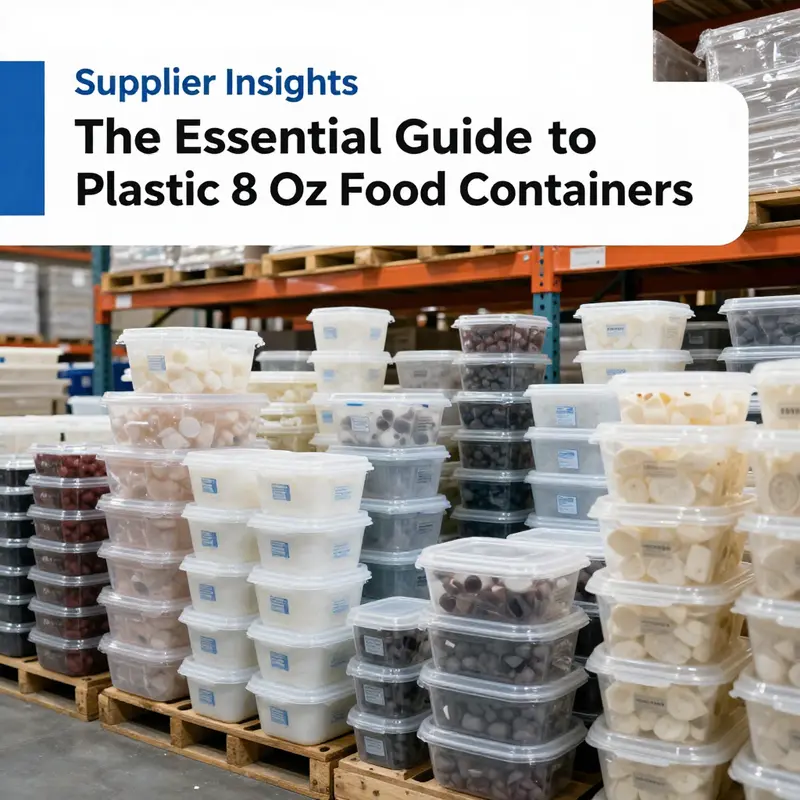
The wholesale market for plastic 8 oz food containers operates as a bloodstream for modern food service, meal preparation, and retail packaging. It is not just about the containers themselves; it is about the quality systems, the cadence of production, and the capacity to adapt quickly to evolving roles—from portion control in meal kits to brand-driven packaging in grocery aisles. When buyers look past the basic form and clear lid, they encounter a supplier ecosystem that translates specifications into reliable supply, and that is where regional clustering becomes more than a convenience. It becomes a strategic advantage. In practice, three regional dynamics in a key manufacturing hub—the Pearl River Delta region, the Yangtze River Delta, and the Fujian coast—coexist to satisfy a global demand that prizes safety, consistency, and cost efficiency. Understanding how these clusters operate helps explain why the same 8 oz container can be sourced with varying degrees of customization, lead time, and price, depending on the supplier’s origin, equipment, and process discipline.
The material composition of these containers anchors the conversation about performance and safety. The majority of wholesale 8 oz plastic food containers use food-grade polymers such as PET, PP, or PS. PET is renowned for its clarity, which makes it ideal for pre-packaged salads, fruit cups, and visually appealing snack portions where the contents must be identifiable at a glance. PP offers a balanced mix of heat tolerance and chemical resistance, making it a common choice for sauces, dressings, and items that may experience mild reheating or warm storage. PS, while zeroing in on cost efficiency and rigidity, is widely used in high-volume takeout contexts where crisp presentation and short shelf life are the primary concerns. Each material carries trade-offs: clarity versus heat resistance, stiffness versus impact strength, and cost per unit at scale. For buyers, the decision often hinges on the end-use scenario, whether a product will sit in a pantry, a deli case, or a microwave-equipped home kitchen. Many containers on the market are explicitly labeled as microwave-safe or BPA-free, signaling a response to consumer health concerns and stricter regulatory expectations. Yet not all plastic types tolerate high heat or prolonged exposure; some lids warp if the container is subjected to repeated microwaving or hot storage. Smart sourcing, therefore, blends material knowledge with a clear understanding of the planned lifecycle of the product.
Within the supplier landscape, the Guangdong cluster around Guangzhou stands out for customization and fast iteration. This region has built a dense ecosystem of factories equipped to handle OEM and ODM services, with a strong track record of aligning packaging with FDA standards for food contact, where applicable. The emphasis here is on design-driven manufacturing—complex mold design, rapid tooling, and a willingness to translate a brand’s aesthetic into shape, color, and finish. For an international buyer, this means not only access to standard gauges and lid configurations but a capability to tailor wall thickness, stackability, and even component integration for tamper-evident features. In practical terms, a supplier here can assist with a package that marries clear visibility for product appeal with robust seal integrity for transport and storage, while also accommodating label printing and branding requirements. The advantage is not merely a lower price point but the ability to compress development timelines through in-house tooling and rapid prototyping.
Zhejiang’s footprint, centered around the Shaoxing area, complements this with a strength in precise engineering and scalable production. Shaoxing suppliers have earned reputations for batch uniformity and dependable on-time delivery, which are decisive when food service chains need predictable replenishment cycles and consistent quality across thousands of outlets. The operational models in these facilities emphasize process control and traceability: standardized chemistries, tested production runs, and clear packaging specifications that reduce variance from batch to batch. For buyers who require tight schedule adherence—whether to support a multi-facility rollout of meal-prep services or to maintain a stable fill-rate for a deli counter—this reliability becomes a critical metric. Such capacity also supports longer production runs for branded lines, where a single color or a specific lid geometry must be repeated across many shipments without drift in dimensions or performance.
Fujian’s coastal belt—especially the hubs around Quanzhou and Xiamen—adds another layer of efficiency through vertical integration and cost discipline. A number of factories in this area control the chain from raw resin procurement to finished container fabrication, enabling tighter cost control and shorter supply chains. The economic logic here centers on reducing external dependencies, managing raw material volatility, and achieving lower landed costs for buyers who maintain large, ongoing packaging programs. In practice, this translates to a practical advantage: from resin intake to molded part, from quality testing to final packing, these suppliers can adjust inputs and outputs with a direct line of sight to the bottom line. The result is a compelling option for large buyers who prioritize value without compromising safety and performance, especially in a market where price sensitivity coexists with strict documentation of food-grade compliance.
The quality and performance considerations for 8 oz containers sit at the intersection of material science and sanitary practice. The typical containers are designed to withstand the daily rigors of food service—distribution, stacking, cold storage, and, in some cases, brief reheating. The protective shell of a container, its lid, and the seal must resist oily residues, minimize odor transfer, and maintain a barrier against moisture. This is where the choice of material becomes significant. PET’s optical clarity makes it ideal for product visibility, but its heat resistance profile limits its use in high-temperature reheating scenarios. PP’s higher heat tolerance expands its applicability to warm or hot food storage, with the caveat that certain designs may not achieve the same level of clarity as PET. PS offers low cost and strong rigidity, which suits portion control and display applications where extended structural integrity is needed during transit, yet it can be more brittle under impact. All three plastics can be manufactured with integrated features like airtight lids, locking mechanisms, or tamper-evident bands, but the presence and quality of these features depend on the supplier’s tooling, quality systems, and testing regimens.
Across industries, these containers play a central role in how businesses package and present food. In takeout and fast-food contexts, a compact, leak-proof design supports efficient service and reduces the risk of spills. For meal-prep operations and catering services, precise portioning and reliable sealing preserve freshness for longer periods, which translates to less waste and better customer satisfaction. In deli counters, the clarity of PET or the crisp edge of a well-manufactured PS lid helps customers inspect product quality without removing the container from the display. In retail packaging and gifting, the ability to brand the container—through silkscreen or heat transfer printing on the lid or body—adds value, enabling messages such as “HAND MADE” or “MISS YOU” to become part of the consumer experience. Customization extends beyond branding; it includes the configuration of compartments, multi-cell trays, or stackable vessels that optimize space in storage and during transportation. The opportunity to bundle branding with functional packaging has proven effective in creating a differentiated packaging proposition for niche categories, including bakery items or specialized condiments.
From a procurement perspective, market availability and pricing in 2026 reflect a broad spectrum of choices. Basic clear containers with airtight lids remain highly economical when ordered in bulk; prices can start around a few hundredths of a dollar per unit depending on volume, material, and finish. Premium options—featuring tamper-resistant lids, brand-friendly colorways, or biodegradable variants—range upward to the mid-tenths of a dollar per piece, with pricing sensitive to design complexity and minimum order quantities. Buyers should expect tiered pricing that rewards scale, but strategic considerations extend beyond the per-unit sticker price. Lead times, supply chain reliability, and the supplier’s certification portfolio are equally consequential. National and international buyers increasingly demand certifications such as FDA compliance for direct food contact, and some markets require CE certification for packaging components entering the European Union. The regulatory landscape underscores the need for due diligence: confirm that the chosen packaging solution meets applicable safety standards, and verify the supplier’s ability to provide documentation and traceability for every batch.
A practical path to sourcing excellence emerges from the nexus of regional capability, robust quality systems, and a proactive design mindset. Leading suppliers are not limited to supplying a standard container; they partner with buyers to align packaging specifications with brand, product protection, and supply chain realities. This means more than a price discussion. It means evaluating whether a supplier can deliver defined color and finish, whether they can adapt the design for high-speed packing lines, and whether they can provide engineering feedback on wall thickness and lid geometry to balance strength and weight. It also includes the ability to support a brand with print-ready proofs, digital dummies, and real-time samples before full production. For international buyers, the prospect of a single source that can handle design, tooling, certification, and large-volume production can cut through a maze of sourcing steps and reduce the time-to-market for new packaging programs.
One practical detail that often crystallizes supplier strength is the capacity to offer end-to-end packaging options, including branding-ready customization and packaging configuration that aligns with wholesale or retail needs. For readers who want a concrete example of how this works in practice, consider how a supplier can accommodate a branded 8 oz container with color-matched lids, a tamper-evident band, and a specific print area for a logo. Such capabilities are particularly valuable in sectors where brand recognition is a strategic differentiator, and where consistent quality across thousands of units is not optional but essential. Buyers who plan to scale their packaging programs should assess whether suppliers provide integrated services, such as color matching, pre-press proofs, and digital proofs, to minimize misalignment between expected and delivered aesthetics. This capability often correlates with clusters that invest in in-house design resources and advanced prototyping facilities, reinforcing the value of sustainable supplier relationships that extend beyond a single purchase order.
As you navigate the supplier landscape, a focused approach to evaluation can yield meaningful improvements in efficiency and cost. Start with a clear specification: material choice, wall thickness, lid type, seal performance, and compatibility with your intended use—microwave, freezer, or hot storage. Then assess the supplier’s certifications and testing practices, including food-contact safety testing and batch traceability. A robust supplier will describe their QA processes, describe how they manage tolerances, and provide documentation that supports regulatory compliance in the target markets. It is also wise to inquire about the supplier’s long-term capacity plans and their contingency strategies for supply continuity. The most reliable partners show a track record of consistent delivery performance, transparent communication, and a willingness to co-create packaging solutions that meet evolving needs. In practice, the best decisions come from comparing multiple regions and the specific capabilities they emphasize—custom design, fast tooling, reliable on-time delivery, vertical integration, and cost discipline—that collectively translate into a stable, scalable supply chain.
For readers seeking concrete examples of how to connect with a supplier that emphasizes take-away and catering packaging, consider exploring a category that reflects the broader packaging ecosystem while focusing on reliability and customization. Take-away packaging boxes for various foods illustrate the breadth of configurations and the importance of sealing performance, ease of use, and branding flexibility. This practical reference helps anchor the supplier discussion in real-world application and serves as a bridge to more detailed procurement planning. take-away food packaging boxes for various foods.
The strategic takeaway for buyers is clear. Supplier insights rooted in regional specialization, combined with a disciplined approach to material selection, certification, and customization, create a robust pathway to cost-effective, high-quality packaging. The Guangdong- Shaoxing-Fujian axis offers a spectrum of capabilities—from rapid tooling and OEM/ODM acceleration to strict batch control and vertical integration—that can align with different business models, whether a restaurant group, a meal-kit company, or a retail brand seeking consistent packaging across markets. As the market continues to evolve toward sustainability and safety, buyers should also remain vigilant about environmental claims, recycle compatibility, and the overall lifecycle impact of their containers. The most resilient packaging programs will be those that balance price, performance, and brand integrity while cultivating long-term supplier partnerships built on trust, transparency, and continuous improvement.
External resource: For a broader, strategic perspective on sourcing high-quality 8 oz containers with lids, including supplier evaluation and market considerations, see the external reference at https://www.1688.com/offer/654321098765.html.
Final thoughts
Understanding the nuances of plastic 8 oz food containers is essential for businesses looking to optimize their packaging solutions. With their varying compositions and characteristics, these containers cater to a wide array of applications across the food and beverage industry. Their practicality allows caterers, event planners, and food service businesses to maintain freshness while also providing a customizable branding opportunity. As demand continues to grow, staying informed about market pricing and reliable suppliers will ensure that you can offer your customers the best service possible. Relying on these insights can equip your business with the tools needed to thrive in an ever-competitive landscape.