
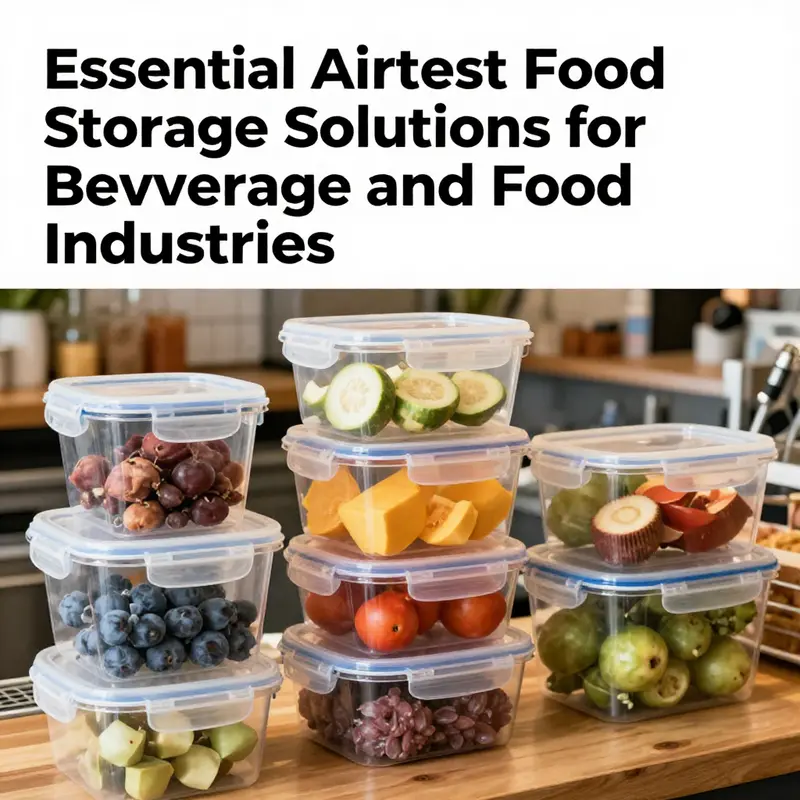
Maintaining freshness and quality in food and beverage service is paramount for businesses like bubble tea shops, restaurants, and catering services. One crucial tool for achieving this is the use of plastic airtight food storage containers. These containers not only help in preserving the taste and quality of various ingredients but also serve as space-efficient solutions. Throughout the following chapters, we will delve into the key features and benefits of these containers, explore material safety considerations, highlight popular product examples tailored for professionals, discuss their environmental impact, and provide practical usage tips to maximize their effectiveness in your kitchen.
null
null
Guardians of Freshness: Navigating Safety, Limitations, and Mindful Use of Plastic Airtight Food Storage Containers
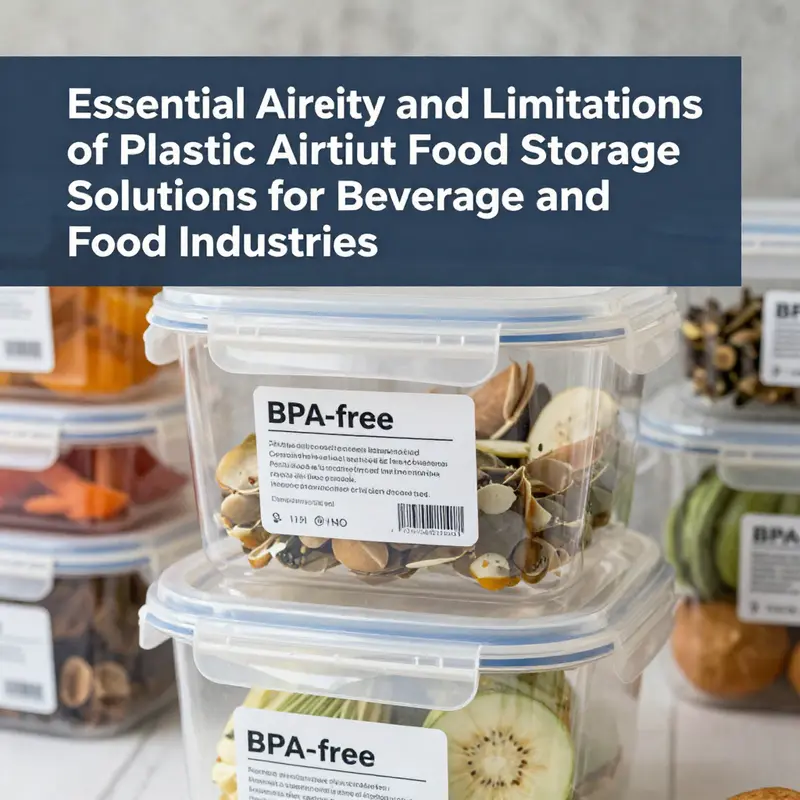
Plastic airtight food storage containers are so commonplace that their safety and limitations often fade into the background of daily routines. Yet understanding what sits beneath their transparent exteriors matters for health as well as for sustainable kitchen habits. The core of safety lies in the material itself, the way the container is used, and how it is cared for over time. When these elements align, plastic storage can protect flavors, preserve textures, and reduce waste. When they don’t, the very benefits can unravel, leaving food less fresh, containers stressed, and users uncertain about long-term safety.
At the heart of material safety is the plastic’s polymer family and the additives that accompany it. Most modern food storage containers rely on polymers such as polypropylene (PP) or Tritan-like copolymers that are marketed as BPA-free and food-grade. PP is widely regarded as one of the safer choices for contact with food. It offers heat resistance, typically up to around 160°C (320°F), and it holds up well to chemical exposure and odors. For everyday use, PP containers are often compatible with microwave reheating and dishwashing, which makes them convenient for busy households. Their performance is anchored in a balance of rigidity and resilience, providing a sturdy barrier against light, moisture, and air, while still being light enough to handle and stack.
HDPE, another common option, brings durability and a strong moisture barrier as well. It shares BPA-free credibility and is well-suited to storing dry goods, liquids, and even frozen items when reused appropriately. However, HDPE is typically not recommended for high-heat applications like microwaving, and users should observe label instructions. The safety narratives around these plastics emphasize that avoiding extreme heat and harsh chemical exposure preserves the container’s integrity and reduces the chance of unwanted migration of additives.
A more contentious material in consumer storage is polycarbonate (PC), historically associated with BPA-containing recipes for concern. In the wake of public concern, many PC products now bear BPA-free labels, but the caution persists. PC’s reputation rests on its toughness and clarity, yet repeated heating or exposure to acidic or fatty foods—especially over long periods—can degrade the resin and potentially release trace chemicals. The prudent path is to reserve PC for low-heat or non-acidic uses, and to favor safer alternatives when there is any doubt about exposure to heat or aggressive substances.
Other polymers—such as polystyrene (PS) or polyvinyl chloride (PVC)—are generally not favored for food storage, particularly for hot or acidic foods. These materials can leach when heated and may not withstand repeated use. While newer formulations have tried to mitigate these risks, the overarching guidance remains conservative: for any container made from these plastics, check the labeling for safe-use indications and avoid prolonged contact with heat or heated liquids.
Beyond the polymer type, the way a container is designed and labeled influences safety. Clear indications like “microwave-safe” and “dishwasher-safe” can be helpful, but they are not universal absolutes. Manufacturers may test for certain conditions, such as short-term heating or specific dishwasher cycles, but long-term aging can alter performance. The same container that handles a brief reheating cycle might degrade with repeated cycles or become scarred by abrasive cleaners. Scratches, cracks, and clouding are not just cosmetic concerns; they can harbor bacteria and provide niches where heat and liquids interact differently with the plastic matrix. When a container shows wear—discoloration, warping, or cracks—its safety profile should be reassessed, and replacement should be considered.
The risk of chemical leaching is a central theme in safety discussions. Additives used to stabilize plastics, control color, or improve flexibility can migrate into food under certain conditions. The likelihood of migration increases when the container is scratched, when it holds acidic or fatty foods, or when it is exposed to heat for extended periods. The sensitive dynamics of leaching are not a single alarm bell but a spectrum of possibilities, influenced by the nature of the plastic, the food, and the duration of exposure. For this reason, many experts advocate minimizing repeated use of single-use containers and prioritizing sturdier, more inert options for frequent, long-term storage.
A practical line of defense is to understand resin identification codes and to read product labeling carefully. The presence of a BPA-free claim is not a guarantee of risk-free storage, but it is a meaningful indicator of a design intent to minimize a known concern. In parallel, recognizing that heat tolerance varies by plastic helps set expectations. A container may survive a brief microwave session, but not a prolonged reheating or boiling scenario. Similarly, a container labeled as freezer-safe but not microwave-safe should be used with care when transitions between cold storage and hot handling occur.
Limitations in use extend beyond heat. Repeated washing, especially with aggressive detergents or high-temperature cycles, can introduce micro-scratches and micro-cracks that compromise the surface. These imperfections are more than surface flaws; they can alter the container’s barrier properties and create microenvironments where residual moisture and food particles linger. Over time, those micro-impurities can become breeding grounds for bacteria, undermining the very purpose of airtight storage. And while many plastics resist odors, strong-smelling foods—such as curry, tomato, or garlic—can leave a lasting impression on the container’s interior. Odor absorption can complicate future use, particularly if the container is not thoroughly cleaned between uses.
Staining is another practical limitation. Pigmented foods can leave visible marks on the interior, and while staining doesn’t always indicate safety issues, it can signal the container’s surface has become rougher or more porous over time. Once a surface is compromised, it may trap residues more readily and resist clean, pristine conditions. The takeaway is simple: when staining becomes persistent or if the container looks worn, it’s worth evaluating whether to replace it rather than risk imperfect storage.
From an environmental perspective, the safety conversation also intersects with lifecycle considerations. Many users want to minimize waste and choose containers that can be reused over long periods. Yet even durable plastics have finite lifespans. Heat, impact, and routine cleaning can gradually erode performance, and eventually the material’s structural integrity or barrier properties degrade to the point where safe use is questionable. Some contemporary programs and standards emphasize end-of-life responsibility, encouraging recycling and, in some regions, Extended Producer Responsibility (EPR) schemes. While recyclability depends on local waste systems and the resin type, the broader message is that responsible use includes planning for replacement and disposal in a way that aligns with regional recycling capabilities and environmental expectations.
To make informed choices, consumers can start with a few practical checks. First, read the labeling to confirm whether the container is explicitly rated for microwave or dishwasher use, and note any temperature limits. Second, inspect for scratches, clouding, or warping before each use, particularly when the container has a history of frequent reheating or aggressive cleaning. Third, separate storage for hot and cold items when possible, and avoid leaving acidic or fatty foods in contact with plastic for extended durations. Fourth, consider durable options for high-heat or long-term storage, such as glass or stainless steel, especially when the goal is frequent reheating or long-term food preservation. This is not a recommendation to abandon plastic outright, but rather a framework for reducing risk while preserving the conveniencе and efficiency these containers offer.
To connect these considerations to daily practice, it helps to view plastic airtight containers as a dynamic tool rather than a fixed solution. When used within their safe operating envelopes, they deliver consistent benefits: a reliable seal that limits moisture and oxygen, a transparent body that speeds identification, and a modular design that supports tidy organization. The seal itself is a complex engineering feature. It is not just about a snug lid; it is about the interplay between the lid’s material, the hinge or locking mechanism, and the groove geometry that defines an airtight contact. Over time, repeated closure and opening can lead to minor changes in how well the seal engages. A seal that begins to feel looser or that shows nicks in the lip might foretell reduced freshness protection. In such cases, evaluating the seal’s integrity is as important as inspecting the container’s body.
For those who want to align safety with broader values, there is a route that emphasizes informed consumption and responsible material choices. In contexts where high-frequency heating, acidic foods, or long storage periods are common, the preference may tilt toward glass or stainless steel, with plastic serving as a backup for specific tasks. In contexts where quick reheating, light storage, and space efficiency dominate, plastic remains a practical option when used conscientiously. This balanced approach helps households cut waste and still enjoy the convenience plastic storage provides. It also invites a broader discussion about how packaging choices affect energy use, water use, and end-of-life outcomes across the supply chain. The story of plastic storage, in short, is not a debate over purity, but a question of prudent use, ongoing maintenance, and informed disposal.
In framing these ideas, it is useful to consider packaging choices in a wider kitchen ecosystem. For those curious about how packaging standards translate into everyday practice, one relevant exploration is found in resources about eco-friendly takeout packaging options and their compatibility with consumer safety goals. For a practical example of how sustainability and usability can overlap, you can explore this discussion on eco-friendly takeout boxes for food packaging. It offers a concrete look at how design choices influence safety, reheating compatibility, and user experience in real-world settings. eco-friendly takeout boxes for food packaging
Ultimately, the safety and limitations of plastic airtight food storage containers hinge on a thoughtful fusion of material science, user behavior, and lifecycle awareness. The most resilient practice is ongoing vigilance: reading labels, inspecting for wear, honoring heat and temperature guidelines, and recognizing when the plastic’s capabilities have worn thin. In that light, plastic storage remains a valuable tool, but one that rewards careful handling, timely replacement, and alignment with broader food-safety standards.
For readers who want to deepen their understanding of the regulatory framework that underpins these materials, a trusted external resource offers comprehensive guidance. The U.S. Food and Drug Administration (FDA) maintains detailed information on plastics and food contact materials, including safety testing, regulatory standards, and practical consumer recommendations. This resource can help readers interpret labeling, understand why certain plastics are considered safe, and learn how to apply that knowledge to everyday storage decisions. External resource: https://www.fda.gov/food/food-contact-materials-industry/plastics-food-contact
Quiet Champions of the Pantry: Popular Plastic Airtight Storage Containers and What They Reveal About Freshness, Space, and Everyday Cooking
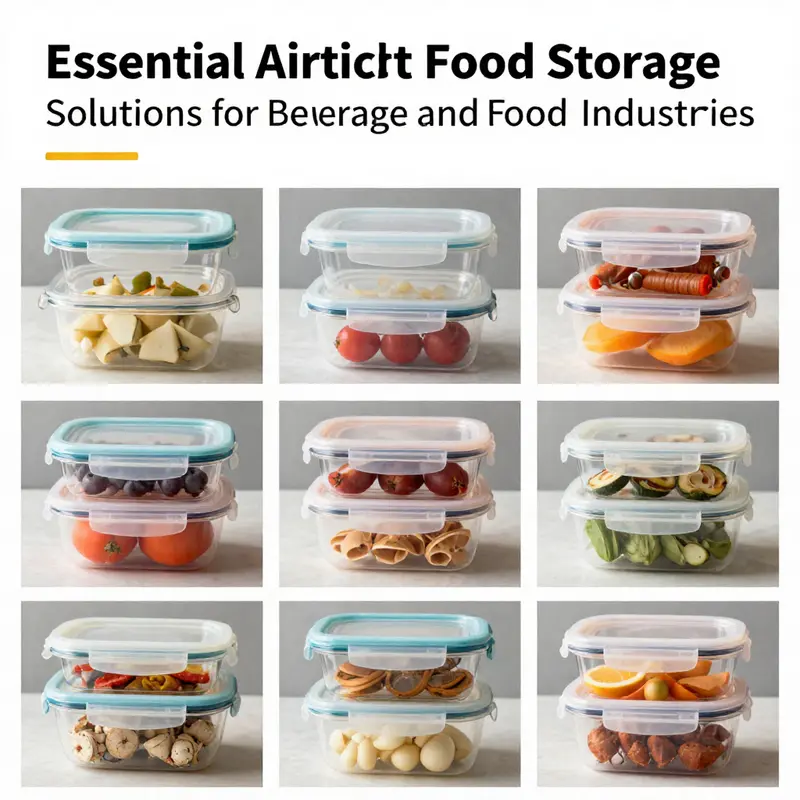
The appeal of plastic airtight food storage containers lies not in flash but in steady performance. They have become the quiet backbone of kitchens, pantries, and even bustling commercial spaces where efficiency and consistency matter. Popular designs emerge not by accident but through a shared understanding of three intertwined needs: preserve, organize, and save. The first is freshness. Airtight seals are the heart of these containers. They are engineered to block moisture and minimize exposure to oxygen, which translates into drier dry goods like flour, cereal, nuts, and pasta staying usable longer. The second is clarity and speed. A transparent body lets you see what’s inside at a glance, reducing the cognitive load of meal planning and inventory checks. In busy homes, the ability to identify contents without removing the lid or sacrificing the seal becomes a practical advantage. The third is space—the capacity to stack, nest, and fit into irregular pantry corners without creating an architectural headache in the kitchen. The most popular options are those that deliver a tidy blend of these three elements, so users can prep, store, and retrieve with minimal friction.
From a materials science perspective, the common winners between home cooks and professional kitchens are plastics that are durable, food-grade, and compatible with everyday safety standards. The workhorse polymers are polypropylene (PP) and Tritan, chosen for their balance of clarity, impact resistance, and safety. BPA-free variants have become a baseline expectation, especially in homes with children or frequent microwaving. These choices matter beyond the label, because they determine how the container behaves when exposed to temperature swings in a busy kitchen—grab-and-go lunches from the fridge, reheated leftovers in the microwave, or frozen ingredients awaiting the next batch of meal prep. Yet safety is not a one-issue proposition. Manufacturers also emphasize durability to withstand repeated opening and closing, resistance to staining from richly pigmented foods, and ease of cleaning in dishwashers. The aim is to ensure that a container looks and performs like new after months of use, not just a few weeks.
A defining feature of popular designs is their envelope of supplementary elements that extend usability. Some models come with internal partitions or grid-like arrangements that help you portion out ingredients with precision and keep different foods separated. The benefit here is twofold: it supports portion control, which is important for diet-conscious or time-pressed households, and it reduces cross-contamination of flavors when storing multiple ingredients together. Others sport built-in measurement cups or rulers, enabling quick, on-the-fly weighing or scooping without needing extra tools. The integrated pour spouts or spigots present in select designs further enhance convenience for liquids and semi-liquids, turning sauces, dressings, and smoothies into leak-proof, spill-proof affairs. It is no accident that these auxiliary features are as celebrated as the airtight seal itself. They transform a simple container into a versatile tool for cooking routines, grocery budgeting, and even small-scale food preparation in cafes or shared kitchens.
The question of organization often elevates certain archetypes over others. A square or rectangular footprint tends to maximize shelf efficiency, especially in tight spaces. When these shapes are combined with a tight, uniform lid seal, the result is a system that can be stacked securely, allowing a pantry to look orderly even when it houses a wide range of dry goods. Space-saving logic extends to nesting and modularity: containers that can be nested empty or filled to a predictable profile help minimize dead space in drawers and cabinets. For families who like to plan ahead, sets that include multiple sizes in a single series enable a consistent aesthetic while supporting a spectrum of storage needs—from a small handful of nuts in a 300–500 ml jar to bulk flour in a larger 1.5–2 liter model. These design decisions—shape, size variety, seal reliability, and stacking capability—have a real, observable impact on how people feel when they open the cupboard or pull ingredients from the fridge.
A closer look at popular archetypes (without naming specific brands) helps illustrate how these choices translate into everyday usefulness. The first archetype is a compact, square set designed for dry goods. Think a 10-piece collection built around a roughly 1.6-liter capacity per unit. This family-friendly size range fits neatly on most shelves and in most cabinets, and its airtight seal is calibrated to keep out humidity and pests while still allowing safe ingress for daily use. The square form factor optimizes vertical space, so a whole month’s supply of cereal or beans can be organized with minimal clutter. Fields such as safety certifications and FDA-compliant materials often accompany this archetype, signaling that the product has passed checks for direct food contact and general kitchen use. In many households, this is the go-to configuration for pantry staples, grains, and snacks, precisely because it answers the demand for reliability and tidy storage without demanding perpetual reorganization.
A second archetype emphasizes visibility and measurement. Picture a transparent container with an integrated measuring cup inside the lid or base. The transparency answers the “What is inside?” question at the exact moment of decision-making in the kitchen, while the measurement cue supports recipe accuracy and portion control. This design is especially popular among home cooks who are actively meal-prepping or who want to segment ingredients in a fridge for quick grab-and-go lunches. The culinary workflow benefits from a system where you can confirm quantity at a glance, then scoop or pour with minimal lids-off handling. In many cases, retailers highlight how such designs extend freshness, sometimes noting longer-than-average preservation relative to non-sealed containers, a practical claim that resonates with shoppers who want to minimize waste.
A third archetype centers on pour efficiency and liquid storage. It offers a smooth, leak-proof experience with a pour spout or controlled-dispense lid. Materials are chosen to resist warping and cracking when filled with sauces or smoothies, and the seal is tuned to prevent leaks during transport. These containers are prized in households that cook in batches, freeze portions, or keep dressings ready to pour over salads and bowls. The speakable advantages include faster access to ingredients, reduced air exposure during use, and improved hygiene because the liquid is less likely to be exposed to air when pouring. The trade-off for many users is deciding between tighter seals and pourability; among popular models, many strike a balance that delivers both, making this archetype a staple for people who value speed and cleanliness in meal prep and service.
A fourth archetype covers the bulk and versatility end of the spectrum. This is a larger, multi-size set designed for meal prep, bulk storage, and portable packs for school or work lunches. These containers often boast dishwasher and freezer safety, reinforcing the notion that modern storage is not just about extending shelf life but about enabling a more flexible daily routine. While not every model will advertise airtightness across all sizes, the overall trend favors reliable lids that lock in freshness for the foods intended for longer storage and ease of transport. For families who cook extensively in advance, or who shop in bulk and portion before freezing, this archetype can deliver meaningful value—reducing both waste and the friction of daily cooking.
Together, these archetypes illuminate how the market has responded to evolving consumer practices. They reflect a preference for combinations of transparency, measurable utility, space efficiency, and dependable seals. They also mirror an increasing interest in sustainability—whether through consumer choices that minimize waste or through the adoption of safer, BPA-free materials and the pursuit of certifications that signal responsible manufacturing. When a shopper surveys the shelf, the most successful products are those that integrate these priorities into a coherent system rather than presenting a single feature in isolation. The outcome is not merely a container but a modular approach to cooking, storage, and clean-up that aligns with how people live today—on the clock, in small spaces, and with a growing consciousness about waste and safety.
As we consider the role of these popular containers in the broader topic, it becomes clear that choosing the right option depends on how the user plans to use it. Dry goods in a pantry, liquids for sauces, weekly meal-preps for a family, or bulk storage for a cafe—each scenario benefits from a slightly different emphasis in design. Safety remains a constant: materials that are food-grade and free from hazardous additives, and lids that perform reliably after repeated opening and closing. Practical features—clear bodies for quick identification, integrated measuring aids, and stackable, space-saving formats—are the levers that shift ordinary storage into an organized, efficient workflow. In the chapters that follow, we will translate these archetypes into actionable guidance. You will learn how to assess your own kitchen profile, pick the shapes and sizes that maximize space, and evaluate seals and materials in ways that align with both short-term needs and long-term sustainability goals. The journey from pantry chaos to orderly efficiency is not about chasing the newest model; it is about understanding the underlying design choices that make storage reliable, repeatable, and genuinely helpful in daily life.
External reading for broader context on consumer expectations and storage design can be found here: https://www.amazon.com/dp/B08KQG5M9P
Airtight Yet Not Impervious: The Environmental Toll of Plastic Food Storage Containers
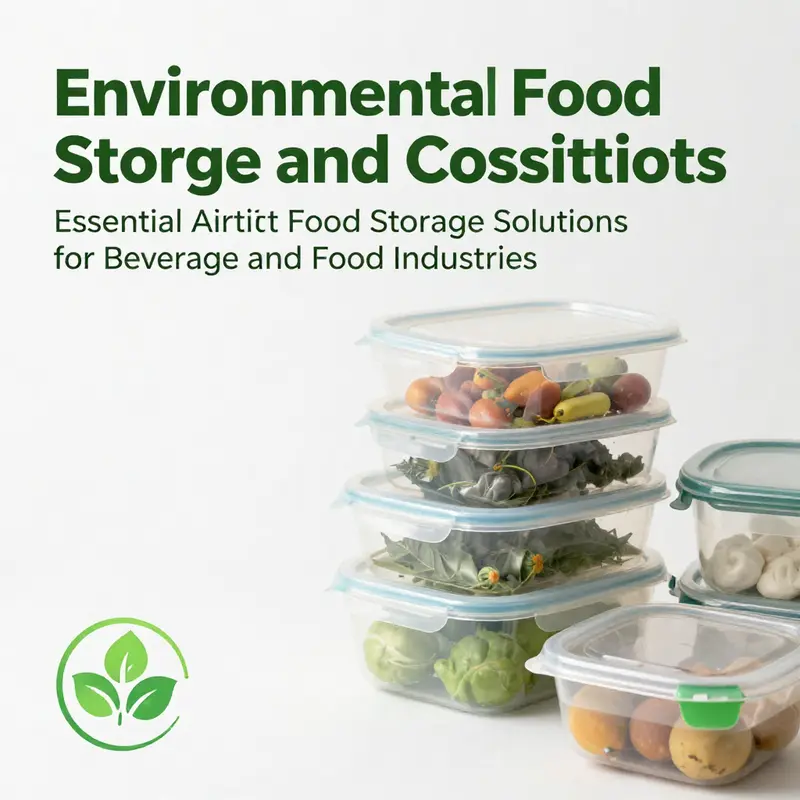
The pursuit of freshness in the kitchen has made plastic airtight storage containers nearly ubiquitous. They sit in clear rows on shelves, ready to seal yesterday’s leftovers and keep pantry staples orderly. Yet their value depends on a life cycle that extends far beyond a single meal. The common plastics used in these containers—PP, PS, PET—are derived from fossil fuels and designed for durability, making them convenient but not automatically sustainable.
The environmental ledger compounds when we look at end-of-life. The EPA notes that less than 9 percent of plastic ever produced has been recycled, and many containers never complete a closed loop due to contamination, mixed materials, and regional recycling gaps. Even recyclable labels do not guarantee capture in real systems.
Health and ecosystems add another layer. Plastic pollution is not just an ocean issue; microplastics have been found in blood and lungs, underscoring potential human exposure along supply chains and households. While some brands advertise BPA-free or eco-certified products, these signals do not remove the broader climate and waste consequences of plastic production and disposal.
The benefit of airtight storage—reduced spoilage and less wasted food—must be weighed against lifecycle costs. Durable design can invite longer use but also longer persistence as waste when damaged. End-of-life processing remains uneven across regions, and most discarded containers do not yet re-enter productive streams.
Looking forward, sustainable storage asks for more than just safer chemicals. It invites design for longevity, modular components, and take-back schemes; it also contemplates alternatives such as glass, stainless steel, or responsibly sourced bioplastics where end-of-life options are clearer. A holistic approach to packaging considers production energy, transport, and the reliability of local recycling infrastructure.
For households, practical steps exist: favor longer-lasting containers, seek products with transparent end-of-life guidance, clean and sort residues to improve recyclability, and support brands that pursue take-back or recycling programs. By aligning daily choices with stronger end-of-life pathways, we can preserve the benefits of airtight storage while reducing environmental risks.
null
null
Final thoughts
Plastic airtight food storage containers are invaluable for food and beverage businesses, ensuring quality, safety, and sustainability. As you integrate these containers into your operations, you’ll find notable improvements in food management and customer satisfaction. Selecting the right types for your specific needs—whether for storing bubble tea ingredients, dressings, or prepped food items—can enhance both functionality and organization in your kitchens. Remember to prioritize products that comply with safety standards and contribute positively to your environmental commitments.