
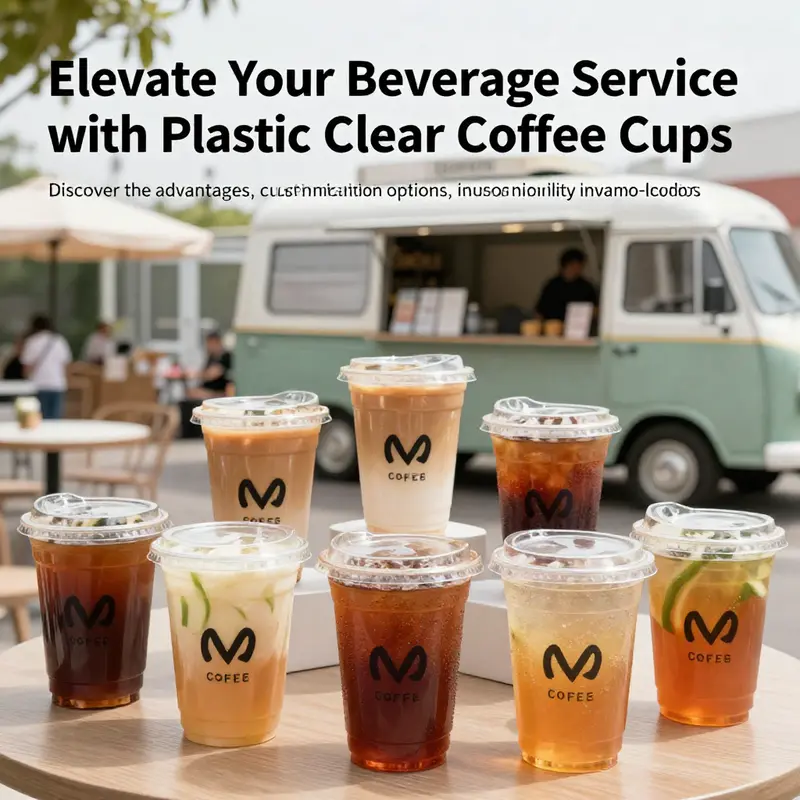
Plastic clear coffee cups have become indispensable in the beverage industry, particularly among bubble tea shops, beverage chains, and catering services. These cups not only enhance the visual appeal of drinks but also provide exceptional durability. From the materials used in their production to their performance and customization options, each element plays a crucial role in meeting the needs of various businesses. This article explores these factors while also addressing consumer trends and sustainability challenges, ensuring that stakeholders can make informed choices in today’s market.
Clear Strength in a Single Cup: How Polypropylene and Polyethylene Shape Modern Clear Coffee Cups
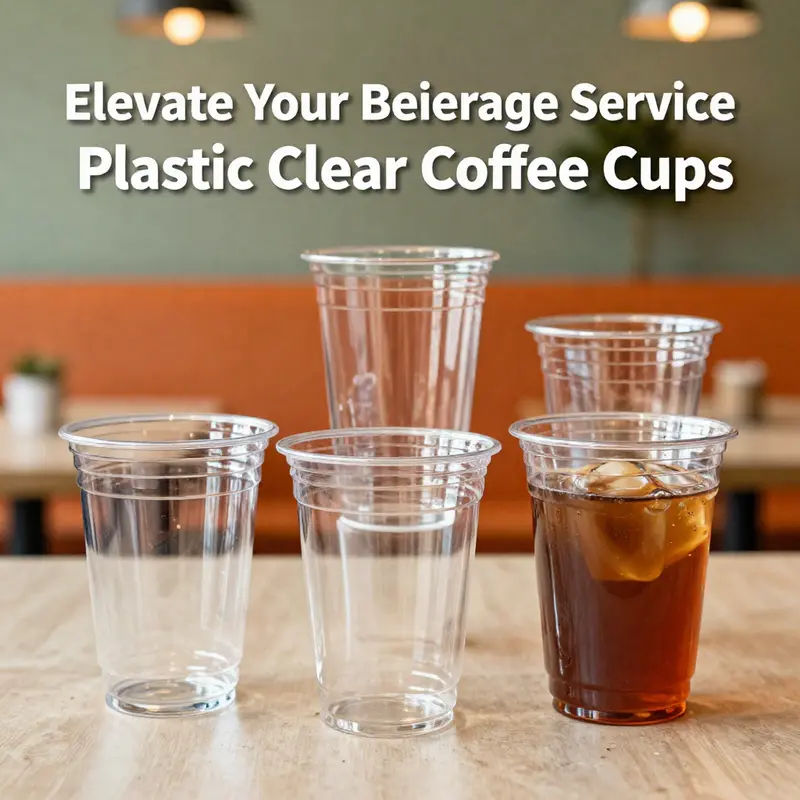
Transparency in clear coffee cups is not just aesthetics; it enables visible beverage layering, marketing clarity, and consumer confidence in safety. The two workhorses behind this clarity are polypropylene (PP) and polyethylene (PE).
PP offers heat tolerance, stability, and chemical resistance, handling hot beverages up to around 160C (320F) without warping, which ensures a reliable seal and sturdy performance in hot-fill applications. Its higher stiffness preserves a crisp rim and smooth interior, supporting easy handling and predictable stacking.
PE, by contrast, brings flexibility, impact resistance, and cost-effectiveness. It allows thinner walls and varied geometries while maintaining clarity, making cups lighter and cheaper to produce. In multi-layer constructions, PE contributes to a balance of stiffness and pliability, enabling designs suitable for both cold drinks and hybrid hot/cold usage. PE’s lower heat resistance is offset by toughness and lower material cost, contributing to a versatile toolkit for cup manufacturers.
Together, PP and PE provide a design-ready toolkit: hot beverages with PP, cold beverages with PE, or mixed configurations that leverage the strengths of both.
Beyond performance, safety and recyclability are essential considerations. Both polymers are commonly used in food-contact applications and can be formulated to be BPA-free, with standard regulatory compliance supported by labeling and testing.
Environmental sustainability remains a concern. While both materials are technically recyclable, real-world recycling depends on local infrastructure, contamination control, and the availability of take-back programs. Some producers pursue compostable alternatives in markets with suitable facilities, while others invest in improving recyclability, clearer labeling, and more efficient collection streams.
Designers emphasize minimizing wall thickness while maintaining safety and integrity, and branding opportunities through printing or labeling on disposable clear cups.
In practice, the ongoing evolution of clear cups hinges on balancing high performance with environmental responsibility: a cup that preserves temperature, resists leakage, and presents beverages attractively, while traveling reliably from shop to consumer, achieved through the complementary strengths of PP and PE.
Clarity Under Pressure: The Durable, On-the-Go Performance of Plastic Clear Coffee Cups Across Hot, Cold, and Mobile Service
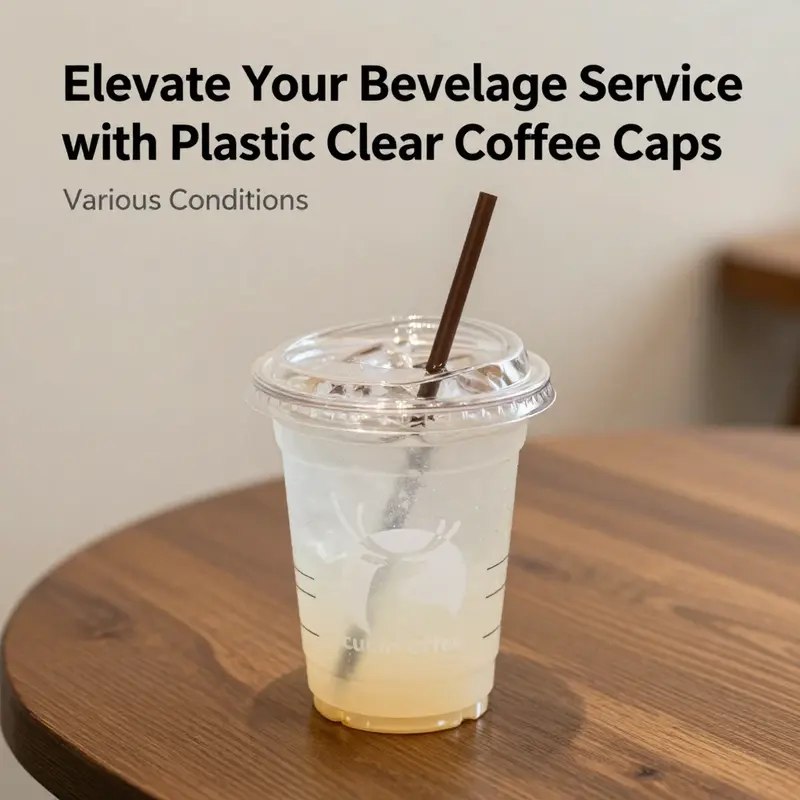
Clear plastic coffee cups are more than simple vessels; they are a practical intersection of material science, user experience, and logistics. In the beverage world, transparency matters as much as temperature control and spill safety. A consumer’s gaze moves from the color and swirl of a caramel latte to the pristine, unbroken clarity of the cup itself. This visibility, combined with deliberate engineering choices, builds trust and anticipation. The chapter that follows examines how clear cups—made predominantly from PP, PET, or PE—engineer reliability into everyday rituals, from a handhold on a crowded street to the precise timing of a café’s drive-through window.
At the core are material choices that balance clarity, strength, and heat management. Polypropylene is favored for its higher heat resistance and rigidity, enabling cups that accommodate both hot and cold beverages without buckling or warping. Polyethylene, valued for its flexibility and cost-effectiveness, supports lighter-weight designs that still maintain structural integrity. In some premium configurations, PET-based cups contribute additional toughness and a glossy, crack-resistant surface that resists scuffs during rapid handling. The result is a family of clear cups that maintain their form across a spectrum of temperatures and handling scenarios. In practical terms, a typical 16-ounce PP cup can withstand swings from frost to near-boiling temperatures, especially when paired with robust lids and secure seals. The real-world takeaway is not simply that these cups exist, but that they perform when the drink remains the focal point of the experience rather than the container.
Thermal stability sits at the heart of on-the-go reliability. This is where modern designs go beyond a single-wall construct. The industry has embraced double-layer sealing structures and anti-leak liners as standard improvements. These features create a buffer that prevents seepage even when a lid is jostled in transit or when an iced drink experiences a micro-tilt during a bumpy ride. The combination of a heat-tolerant material with a secure closure translates into a practical safeguard: less spill, less mess, and more confidence for both the server and the consumer. For hot beverages, this matters because the outer surface remains manageable to touch while the interior stays insulated enough to keep the drink at its intended temperature longer. For cold drinks, the structural rigidity helps maintain a comfortable, upright stance in a satchel, a car cup holder, or a crowded event table.
Transparency is not merely cosmetic; it is a functional advantage. High clarity materials enable customers to gauge the appearance of their drink—whether the level of ice is appropriate, whether a syrup has layered or settled, or whether fruit or foam has formed an appealing head. In some configurations, the light transmission can approach glass-like levels, providing a visually engaging experience that complements the sensory cues of aroma and texture. This aesthetic value translates into perceived quality, a factor that can influence both everyday purchases and special-occasion servings. Even in busy service environments, the cup’s clearness reinforces product integrity, signaling that the beverage in front of the customer is as described, unaltered by the container.
Beyond appearance, chemical and environmental resistance assures safety and durability. Materials used in these cups are designed to meet strict food-contact safety standards, often marketed as BPA-free and food-safe. They resist common beverage-related challenges—acids from coffee, oils from creamer, and flavored syrups—without developing odors or discoloration over the course of a day’s service. UV resistance helps prevent color shift or brittleness when cups are exposed to lighting in display cases or outdoor settings. In some advanced formulations, researchers have pursued molecular-level modifications to extend longevity in harsher conditions, reflecting a broader trend toward durability without compromising safety. The practical implication is straightforward: consumers receive a consistent experience, while vendors reduce the frequency of replacements and avoid spill-related waste.
From a processing perspective, these cups offer advantages that ripple through supply chains and point-of-sale workflows. Lightweight yet sturdy, they reduce shipping weight and material burden while still enabling efficient thermoforming and extrusion processes. The ease of integration with standard lids and seals means kitchens and event teams can standardize their cup-based offerings without sacrificing performance. This standardization supports a consistent user experience, whether a beverage is prepared at a cafe counter, handed to a barista during a rush, or packed for a catered outdoor event. The ergonomic design—often featuring a stable base, a slightly flared lip for comfortable sipping, and a lid that minimizes spill risk—contributes to a sense of confidence in the product. In turn, brand-conscious operators can blend practicality with marketing leverage, adding branded labels or logos that align with the cup’s clear canvas and highlight the drink’s color profile rather than competing with it.
The consumer side of the story is equally important. Clear cups define a modality of service that is both flexible and accessible. They enable mixed-use scenarios where hot beverages may be offered alongside iced options, or where a single supply line serves coffee, tea, and cold drinks during a shift. The capacity range—often from 12 to 16 ounces and beyond—accommodates a variety of beverage weights and ice levels, while still fitting standard cup holders and service stations. For catering and event work, the clear cup functions as a mobile advertisement, a blank surface ready for labels and graphics that reinforce branding without overshadowing the drink’s color profile. This synergy between product and marketing underscores why clear cups have become a practical staple in both street-level and more formal culinary contexts.
In terms of market adaptability, the breadth of usage scenarios reinforces the cup’s value proposition. For everyday home use, these cups offer a practical solution for coffee, iced beverages, smoothies, and even cold-brew experiments, all while reducing the risk of leakage and mess. For hospitality and food-service contexts, the cups support efficient service flows, particularly in hybrid hot-and-iced formats where a single vessel must perform under pressure. The combination of clarity, durability, and leak resistance translates into measurable benefits: fewer replacements, less waste from spills, and a smoother customer journey from order to sip. Importantly, the cups also support branding strategies by providing a clean canvas that can bear logos, thematic artwork, or simple color accents, allowing institutions to project consistency and quality across multiple outlets or events.
In practice, the versatility of these cups extends to a range of retail and event environments. Consider the mobile or pop-up setting, where durability and portability are essential. The cups’ lightweight construction reduces handling fatigue for staff while maintaining resistance to impact and temperature shifts. They accommodate quick pour-and-go service, inventory management, and safe transport to off-site venues. The same attributes translate to social and ceremonial contexts—receptions, weddings, outdoor festivals—where drinks must travel as reliably as people do. For these moments, the cup’s transparency helps preserve the drama of the beverage’s presentation, from the color depth of a dark roast to the shimmering highlights of ice and syrup. As a result, clear plastic cups embody a practical elegance: function that supports form without demanding compromise.
To illustrate the everyday practicality of these cups in action, imagine a scenario where an outdoor event relies on disposable vessels that can withstand sun exposure, wind, and casual handling. A cup designed for outdoor, everyday use—such as a disposable clear plastic cup suitable for picnics and gatherings—demonstrates how the material choice and design can adapt to dynamic conditions while preserving the user experience. This adaptability is not merely a convenience; it is a strategic consideration for vendors who aim to deliver reliable service across a spectrum of environments. In the pursuit of balance between performance and sustainability, researchers and manufacturers continue to refine the balance between clarity, strength, and recyclability, seeking formulations that offer robust performance yet remain compatible with circular economy goals.
For readers seeking a concrete example of an available option in this space, consider the broad utility of disposable clear plastic cups designed for outdoor use. These cups exemplify the principle that a well-engineered container can enhance the beverage experience rather than distract from it. They provide a practical reference point for operators evaluating packaging choices for on-the-go service, events, or café settings that demand a dependable, visually appealing, and cost-efficient solution. The bottom line is straightforward: the performance benefits of clear plastic cups in diverse conditions translate into tangible outcomes—durability in transit, faithful temperature management, and an engaging presentation that resonates with consumers who value both function and aesthetics.
Internal reference for further context: disposable clear plastic cup for outdoor picnics and events. For a broader safety and material overview, see external resources on food-contact packaging that discuss polypropylene, PET, and related polymers. External resource: https://www.fda.gov/food/packaging-food-contact-substances-fcs
Clear Identity: How Customization Elevates Plastic Clear Coffee Cups in the Beverage Industry
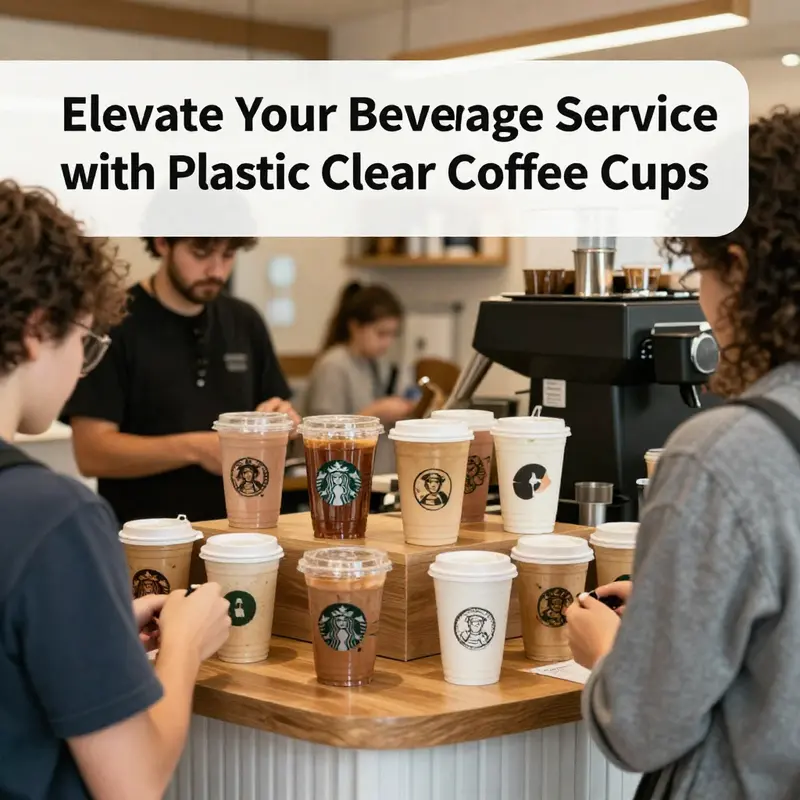
Transparency is more than a visual attribute in the beverage industry; it is a design canvas that invites brand storytelling, a stage where color, texture, and shape coalesce to communicate quality and personality before the first sip. The plastic clear coffee cup, long valued for its ability to show ice, swirls of syrup, and the gradient of a layered drink, becomes even more powerful when customization is treated not as an afterthought but as a core strategic feature. In this chapter, we explore how the spectrum of customization options—size, material finish, branding, closures, functional add-ons, sustainability cues, and scalable packaging—transforms a simple cup into a portable brand experience. These choices matter because today’s consumers seldom separate product from packaging. The cup is a moving billboard, a touchpoint that shapes perception, reinforces trust, and enhances memory long after the beverage is gone. And as the industry leans into hybrid hot-and-iced service with an eye toward sustainability, customization becomes the bridge between performance and personality, between practicality and a story customers want to tell others.
Size and capacity anchor the practical backbone of customization. Cups are offered in standard increments—12 oz, 16 oz, 20 oz, and 24 oz—allowing cafes to align portion sizes with beverage offerings, from a precise espresso shot to a generous cold brew. But beyond mere capacity, the choice of size signals a brand’s service model. A boutique cafe might favor compact, elegant 12 oz or 16 oz vessels that emphasize craft and restraint, while a modern coffee bar with a focus on iced drinks may lean into larger 20 oz or 24 oz options to accommodate generous ice loads and syrup shots. This sizing flexibility is not simply about reducing waste or controlling cost; it is a narrative tool that communicates the cadence of a shop’s day, the rhythm of its menu, and the pace at which it invites patrons to linger or move on.
Material and finish sit at the intersection of clarity, feel, and perceived quality. Transparent PET remains the workhorse for clarity and durability, ensuring the contents are visible in all their color and texture. But the aesthetic vocabulary expands with matte finishes, frosted surfaces, and even frosted-PP variants that provide a premium, tactile experience without sacrificing transparency where it matters. A matte finish can elevate a drink from everyday to boutique, offering a soft, sophisticated touch that resonates with a premium lineup. Frosted finishes, meanwhile, strike a balance between visibility and concealment, subtly concealing condensation while preserving the drink’s visual appeal. When brands select finishes, they are not merely choosing looks; they are shaping how the cup feels in a hand, how it conveys warmth or coolness, and how it communicates quality in a crowded display.
Logo and branding turn the cup into a mobile ambassador. Custom printing on the cup body, sleeves, or even lids enables brands to project identity with every purchase. Full-color printing is more than decoration; it is a way to convey personality, tell a story, and reinforce positioning with a glance. UV-resistant inks extend the life of branding from sunlit outdoor queues to bright kitchen lights, ensuring that a logo remains vibrant even as the beverage travels from bar to car window to office desk. The practical effect is immediate: consistent branding helps customers recognize and recall a cup long after the last drop of the drink. This is especially valuable for seasonal campaigns or event-driven promotions when a cup becomes a keepsake, a memory cue that reappears in conversations and social feeds.
Lid design and closure options are less conspicuous than the brand logo, yet they quietly define the drinking experience and spill resilience. Snap-on lids, screw-top closures, and lids with built-in drinking spouts each offer different advantages depending on the beverage and setting. For cold drinks, a removable lid with a straw hole can maximize convenience for on-the-go consumption, while hot beverages benefit from insulated, double-walled designs that retain heat and reduce condensation on the exterior. The choice of lid is therefore a practical extension of the cup’s customization, shaping usability and reliability—critical factors for cafés that rely on smooth, spill-free service in busy environments, at events, or during mobile operations.
Functional add-ons increasingly push customization beyond surface aesthetics. Handles become a practical feature for larger sizes, providing a secure grip in transit and on crowded walkways. Ergonomic grips and compatible straws or stirrers enhance the everyday user experience, offering comfort and ease of use. Some suppliers also offer customizable cup sleeves that carry branding while improving insulation and heat management, turning a simple barrier into a second canvas for visual storytelling. Each of these details contributes to a cohesive experience where the customer can appreciate the brand’s attention to detail, both in the drink and in the vessel that carries it.
Sustainability features are no longer optional accessories but integral parts of the customization conversation. Eco-friendly choices—biodegradable polylactic acid (PLA), recyclable PET, or other recyclable materials—provide a platform for brands to communicate environmental commitments. Certifications and clear labeling help consumers understand the lifecycle of the cup, from production to disposal. Even as traditional PP and PE variants remain prevalent due to performance and cost advantages, many brands see value in signaling sustainability through material selection, printing inks, and packaging practices. The ability to customize sustainability messaging—through cup color, finish, or labeling—allows brands to align their packaging with broader environmental narratives, a factor increasingly important to younger consumers who view packaging as a proxy for values.
Packaging and bulk customization scale the practice from one-off orders to campaigns that require rapid deployment. The market supports flexible minimum order quantities (MOQs) and efficient packaging solutions, enabling startups and seasonal operators to activate promotions without overcommitting. This scalability is essential for events, fairs, and pop-up experiences where immediate visibility can convert foot traffic into brand engagement. It also enables consistency across multiple channels—retail, online, and on-site—so the same cup design travels with a brand from storefront to curbside pickup to catering events. In this way, customization becomes a logistics asset as much as a design choice, ensuring that a brand’s visual language remains intact, coherent, and recognizable across varied consumption contexts.
In practical terms, customization is a dialogue rather than a single decision. It begins with a strategic assessment of the drink lineup, service model, and audience, then translates into tangible choices about size, material, and finish, followed by branding decisions, closure options, and functional add-ons. Each decision supports a broader objective: to create a memorable, seamless experience that reinforces brand values and elevates customer trust. A well-executed customization strategy aligns the cup with the beverage’s story, whether that story centers on craft, speed, sustainability, or celebration. The goal is not to overwhelm the drink but to amplify its appeal through a carefully tuned vessel that communicates intention at a glance.
For practitioners seeking hands-on inspiration, the correlation between customization and market demand is evident in how brands leverage labeling and branding opportunities to extend their narrative. A cup can carry more than a logo; it can carry a promise—how the drink was made, the care behind its sourcing, and the brand’s stance on environmental stewardship. An eye-catching, durable print can elevate a simple iced coffee into an everyday premium experience, while a recyclable or compostable option communicates responsibility without sacrificing practicality. The seam between beverage and vessel thus becomes the seam between product and story, a place where design, engineering, and storytelling converge.
To connect the practical and the promotional, consider the broader ecosystem of packaging that supports customization. Suppliers increasingly offer full-service options, including design consultation, proofing, color matching, and rapid prototyping, so brands can test concepts before committing to full runs. The ability to iterate quickly is especially valuable for seasonal menus or limited-time collabs, where a temporary cup design can drive new customer engagement and social sharing. And because the cup is a disposable item with a finite lifecycle, clear messaging about disposal and recyclability can enhance brand perception without compromising performance.
For readers seeking a direct line to practical resources, the broader category of customizable takeaway packaging provides a complementary avenue for exploring how brands extend their identity beyond the cup itself. One practical avenue is to explore pages that focus on theme-party packaging and disposable tableware, where customization is often central to event branding and guest experience. This approach mirrors how beverage brands extend their identity into the broader packaging ecosystem, ensuring a cohesive aesthetic across cups, sleeves, lids, and ancillary accessories. See the resource on custom takeaway packaging supplies for theme parties to gain inspiration for how a cohesive, branded package can elevate an event or storefront display. https://ecocupbowl.com/product/custom-takeaway-packaging-supplies-disposable-tableware-for-theme-party/
As this chapter closes on the practical and strategic value of customization, it is useful to recognize the balancing act involved. Brands must weigh the added value of a personalized cup against production complexity, lead times, and cost. Yet in a climate where customers increasingly equate packaging with brand integrity, the payoff can be substantial. A clearly branded cup with a thoughtful finish, a robust lid, and supportive add-ons can become a recognizable symbol of a brand’s identity, a portable ambassador that travels with the drink and strengthens the connection between consumer and company. In this sense, customization is not merely a decorative flourish; it is a strategic tool that aligns the physical vessel with the brand’s story, mission, and values.
External resources can provide broader context about materials, printing technologies, and supplier capabilities. For readers who want to explore industry benchmarks, certifications, and supplier directories beyond this chapter, an external resource is provided at the end of this discussion. It offers insights into materials, printing options, and sustainability considerations that underpin effective customization programs while helping brands navigate supply chain realities in a dynamic market. https://www.alibaba.com/trade/search?CatId=&SearchText=plastic+clear+coffee+cups+custom&tab=all
Crystal Clarity on the Shelf: Tracing Consumer Demand for Plastic Clear Coffee Cups in Modern Retail
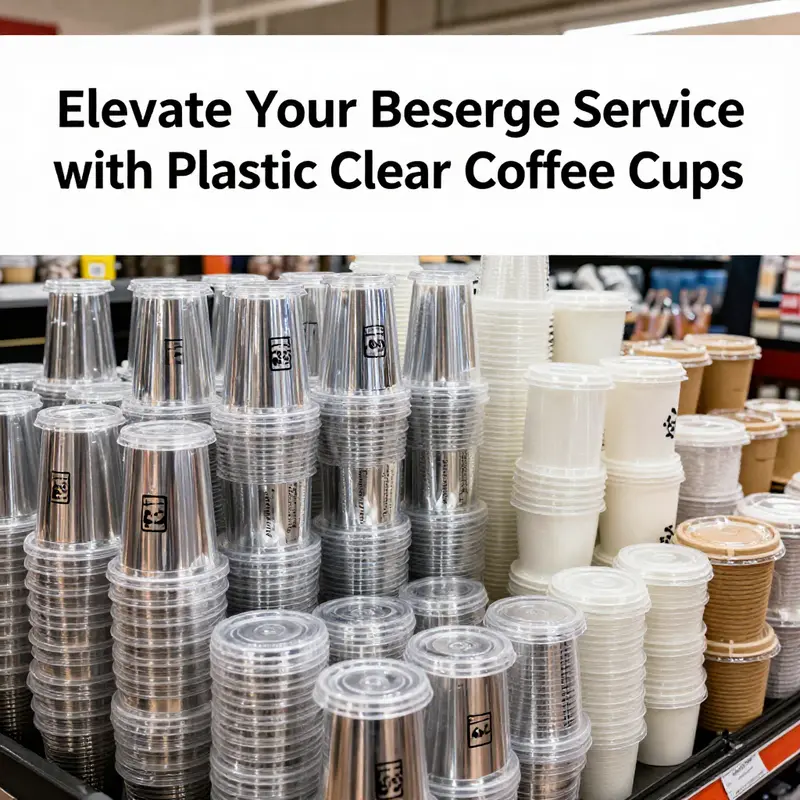
The shelf rarely offers a dull moment for consumers when a row of crystal-clear cups stands alongside an array of beverages. In the retail landscape, plastic clear coffee cups do more than hold a drink; they promise a visual shorthand about the product inside. The transparency invites a quick assessment of color, texture, and layering—ice crystals glitter like tiny prisms, syrups swirl into gradients, and the layered milk and coffee in a single cup can tell a story before a single sip is taken. This visual clarity matters because a large share of purchasing decisions happens in a blink, fueled by instinct and perception. The consumer gaze is drawn to how a drink looks between the lid and the lip, and the cup becomes a screen for that instant evaluation. In iced and cold beverages, where temperature and texture are as much a signal as taste, the ability to see the drink’s composition through the cup enhances the overall perception of quality. The cup serves as an early, tactile, and visual cue that a beverage is fresh, well-prepared, and worth the price on the menu. In this way, the cup is not merely packaging; it is an extension of the beverage experience itself, a transparent stage on which the drink performs for the consumer before the first sip is taken.
As this experience unfolds, the choice of material becomes a quiet but powerful driver of consumer perception. The most common workhorses are polypropylene (PP) and polyethylene (PE), chosen for their balance of clarity, strength, and cost. PP brings higher heat resistance, a trait that keeps clear cups versatile for hot-and-cold service while maintaining structural integrity. PET, or polyethylene terephthalate, also earns its place in the conversation for its crystal clarity and rigid feel, attributes that elevate the perception of premium beverages and layered drinks. PE, with its flexibility and lower cost, remains a practical option for high-volume operations where simple, reliable performance is valued over the occasional need for extreme heat resistance. In consumer minds, the distinction between PP and PET often maps to expectations of durability and the sense of value a cup conveys. A cup that resists cracking in a hurried line or during the transfer from bar to table reinforces trust in the brand and in the experience.
The practical performance of these cups under real-world stressors is a recurring theme in consumer storytelling. A typical 16-ounce disposable PP cup, when paired with a well-designed leak-proof lid, is capable of withstanding temperature fluctuations during transport without bending, leaking, or clouding the crystal-clear appearance. The ergonomic aspects matter too. A wider base, a stable footprint, and lids that seal securely reduce the likelihood of spills during rush hours and outdoor events, where the gaps between the drink and the audience widen into potential disaster if the cup design is inadequate. For many shoppers, the reliability of their cup becomes as important as the beverage itself. The cups are also widely recognized as BPA-free and food-safe, addressing growing consumer and regulator expectations around safety for direct contact with consumables. This reassurance is not merely a compliance note; it is a foundational element of trust, giving consumers the confidence to choose clear cups in a marketplace crowded with options.
Beyond function, the cups are increasingly treated as branding canvases, a feature that separates a generic experience from a memorable one. The clear surface invites brands to imprint logos, color schemes, or slogans with enduring impact. In fast-casual or high-volume settings, a cup becomes a lightweight, mobile advertisement that travels with the customer from counter to curbside and into the moment of consumption. This branding dynamic is a powerful incentive for retailers and cafes to invest in customizable cup bodies, where every unload or refill reinforces brand recognition. The result is a hybrid value proposition: functional packaging that guarantees performance, paired with a marketing platform that travels with the customer. A practical example of this concept lies in the availability of customizable space on the cup body, designed to accommodate labels, logos, or color blocks that align with a brand’s palette. In practice, this makes the cup a portable touchpoint for consumer engagement, extending the brand’s presence beyond the storefront and into every moment of the drinking experience. For retailers exploring this potential, a representative sample of offerings demonstrates how these cups can function as an effective marketing tool while protecting beverage quality and integrity. See an illustrative option here disposable-clear-plastic-cup-outdoor-picnic-pet-cup-drinking-cup-for-parties-birthdays-weddings-camping-utensils.
In recent years, consumer sentiment around sustainability has grown louder and more nuanced. A clear cup, to satisfy the modern shopper, must not only perform well but speak to values around plastic waste and environmental responsibility. The sustainability conversation is not about rejecting plastic; it is about choosing materials and designs that align with waste management realities and recycling infrastructure. Retailers and cafes thus look for cups that are recyclable, made with recycled content where possible, or compatible with take-back programs that support reuse and responsible disposal. In some instances, lids and other components are being upgraded to incorporate recycled PET (rPET) content, further extending the loop of materials that would otherwise become waste. This trend toward closing the loop resonates with a broad segment of consumers who want convenient packaging that does not compound environmental concerns. The clear cup thus sits at a crossroads: it must preserve the clarity and durability that consumers expect while respecting evolving norms around sustainability and circularity.
Market dynamics reflect this dual demand for performance and responsibility. The disposable cup market is projected to grow at a pace that suggests opportunity for retailers who balance quality with value. A compound understanding arises: consumers want to see the beverage, trust its freshness, and feel confident that the packaging aligns with their environmental values. In practice, this translates to cups that deliver reliable performance in busy service contexts—whether it is a quick service counter, a smoothie bar, or a high-volume coffee operation—without compromising on the visual appeal that transparency affords. The result is a convergence where practical usability, visual allure, and sustainability-minded design shape purchasing decisions. For many customers, the cup becomes a signifier of a store’s standards, a measure of how much care the establishment puts into both the drink and its packaging. When a cup looks pristine, ships well, and aligns with a shopper’s environmental beliefs, the whole beverage experience feels cleaner, more trustworthy, and more worth the moment of commuting, waiting in line, and choosing a drink over another.
The innovations in cup design and materials reflect a broader market shift toward smarter packaging that still respects the consumer’s eye for clarity. Lids crafted from recycled PET (rPET) embody this forward-looking approach, recycling post-consumer waste into functional components. Such developments show a willingness to experiment with recycled content to reduce the overall environmental footprint without sacrificing the gentle, crystal-clear aesthetic that customers expect. In this way, the clear cup becomes a flexible platform for both experiential and ethical concerns—the iced drink’s appearance remains the centerpiece, while sustainability adds a layer of consumer assurance. The ongoing evolution of materials, from PP and PE to PET-based solutions with recycled content, represents a thoughtful response to the modern consumer’s standards for both product performance and environmental stewardship. It is a reminder that packaging can be beautiful, practical, and responsible all at once, and that the retail landscape rewards those who balance these traits with consistency and clarity.
In predicting retail outcomes, it helps to consider how this combination of clarity, durability, branding potential, and sustainability informs consumer choice across segments. Fast-casual chains rely on rapid service and high-volume throughput, where the cup’s reliability and the visual presentation of the beverage matter as much as the drink itself. Smoothie bars and specialty coffee venues, in particular, benefit from a clear vessel that can showcase layered drinks and vibrant toppings, inviting customers to photograph their orders and share them, thus extending word-of-mouth reach. For many consumers, the cup is the first indicator of the experience to come; its quality can set expectations for the entire purchase. As retailers and cafés continue to experiment with recyclable and reusable options, the clear cup remains an essential, adaptable component of a modern, consumer-driven packaging ecosystem. The challenge and opportunity lie in delivering a product that consistently meets the desire for visibility and appeal while aligning with the values that shape today’s purchasing decisions. A future-ready cup will embody both crystal clarity and responsible innovation, sustaining its place on the shelf as an emblem of contemporary retail sensibilities.
External resource: for a broader market perspective on these trends and material advancements, see this external analysis: https://www.linkedin.com/pulse/plastic-cups-market-trends-assessment-2026-2033/.
null
null
Final thoughts
The evolution of plastic clear coffee cups signals a shift in how beverage businesses approach packaging and service presentation. By utilizing materials like polypropylene and polyethylene, companies can ensure durability and visual appeal, which are vital for customer satisfaction. Customization options empower brands to promote their identity, while awareness of consumer trends allows businesses to align their offerings with market demands. As sustainability becomes increasingly crucial, the development of eco-friendly alternatives offers a promising direction for the industry. Embracing these aspects will not only enhance service quality but also contribute positively to environmental goals.