

Plastic clear cups with lids and straws have become synonymous with convenience in the beverage industry. From bubble tea shops to catering services, these versatile drinkware solutions enhance not only the visual appeal of your beverages but also customer satisfaction. As we delve deeper into the intricacies of material choice, design features, and practical applications, we’ll outline how selecting the right cups can elevate your business operations and consumer experiences. Each chapter is crafted to provide varied insights essential for beverage chains, restaurants, and event planners alike, helping you make informed decisions tailored to your unique business needs.
Clarity, Composition, and Compliance: The Materials Behind Clear Cups with Lids and Straws
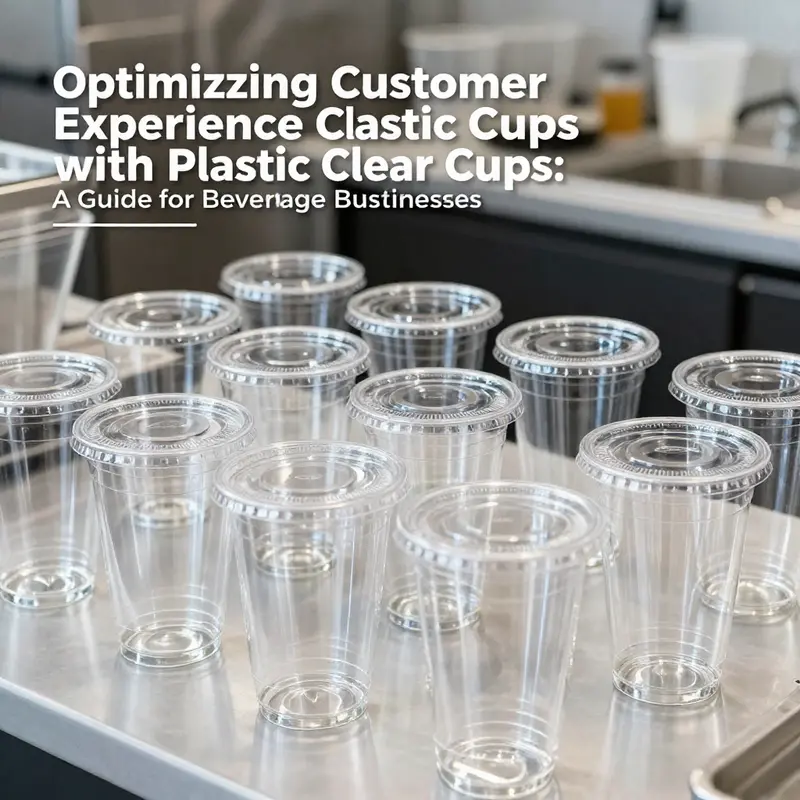
The material story behind plastic clear cups with lids and straws is more than a catalog of plastics. It is a narrative about how a product that often disappears after a single use is engineered to perform across temperature ranges, maintain visual appeal, and meet safety and sustainability expectations. The choice of polymer governs not only how transparent the cup remains after repeated chills or sun exposure but also how easily a lid seals, how durable the cup is during transport, and how responsibly a brand can project its values. In the broad spectrum of foodware, these cups sit at a crossroads of practicality and perception. The key decision points—clarity, strength, temperature tolerance, and safety—are governed by polymer science, manufacturing realities, and evolving consumer and regulatory demands. When you gaze at a clear cup on a counter, you are looking at a carefully selected marriage of material science and manufacturing efficiency, filtered through the lens of the beverage you intend to serve and the story you want to tell about your brand or event.
Foremost among the materials is a family of polymers designed to deliver crystal clarity and reliable performance. The most widely used option for clear cups today is a polyester that combines clarity with toughness and recyclability. This material is prized for its ability to stay transparent even after multiple cold fill cycles and gentle handling during distribution. It resists cracking when dropped from typical serving heights and maintains its stiffness enough to hold a tall, iced drink without collapsing. In practice, this means beverages—from iced teas and sparkling waters to milkshakes and smoothies—remain visually appealing, inviting customers to see the color, texture, and volume inside the cup. The environmental profile of this polymer is a central consideration for many operators; it is widely recyclable in consumer streams, offering a path to reuse rather than disposal. The decision to favor this polyester is often driven by a balance of clarity, durability, and end-of-life options, which aligns with broad attention to waste reduction in many markets.
In the modern material mix, a second polymer family plays a crucial role in the packaging assembly—the materials used for lids and closures. High-density polyethylene provides rigidity and toughness for the cap that sits securely atop the cup, forming a leak-resistant barrier that protects contents during transport. The HDPE lid resists chemical interaction with beverages and holds its form even when pressed firmly by a hand or a straw. The combination of a clear cup with a hardwood-shell feel from HDPE lids helps retailers and foodservice operators deliver a sense of premium practicality. It is important to note that while the clear cup itself may be highly transparent, the lid does not rely on the same level of transparency; its primary job is containment and seal, not visual display. The synergy between the rigid lid and the clear body is part of the design that reassures customers about spill resistance and product integrity during takeout or at a crowded event.
A third polymer family, often employed for flexible components such as straws and sometimes the lower seams of the lids, brings a different set of properties. Low-density polyethylene offers the pliability to be molded into comfortable straw profiles and resilient, flexible seal features for lids. Its tear resistance and impact tolerance mean that cups and lids can endure the rigors of busy service lines and transport without cracking or jamming. LDPE’s flexibility is particularly valuable when designing straw geometries that resist kinking and bending, enabling customers to enjoy thick beverages or aerated drinks without extra effort. The trade-off, of course, is a degree of translucence and rigidity compared with PET or PCTG. Still, LDPE remains a workhorse for small, flexible parts that must bend and fold without permanent deformation, helping keep costs in line while preserving user experience.
When the service demands endure beyond the typical disposable model, more durable and reusable options enter the conversation. Polypropylene provides a robust platform for reusable tumblers and travel mugs, blending heat resistance with toughness. PP commonly handles hot beverages and dishwasher cycles, offering a tolerance to higher temperatures that would distort other polymers. Although its clarity does not match PET, its resilience and chemical resistance make it a favorite for longer-term use in coffee shops, office environments, and travel contexts. The trade-off is clear: PP is not the front-runner for see-through presentation, but it excels in thermal stability and longevity, qualities that become decisive in programs that emphasize reuse and sustainability. In some designs, double-wall insulation and surface finishes further optimize PP-based cups for thermal comfort, helping keep beverages hot or cold for extended periods without condensing on the outside of the cup.
Rising in prominence, a premium, crystal-clear option known for toughness and high temperature tolerance has begun to redefine the upper end of reusable or commercial-grade cups. This material, a specialty polyester with enhanced clarity and impact resistance, offers an appealing balance of visual appeal and performance. It remains usable in higher-end event settings and professional environments where the appearance of premium glass is desired but the practicality and safety of plastic are required. The material’s resistance to thermal shock and its ability to withstand more demanding reuse cycles make it a versatile choice for branded drinkware lines, especially those aiming to project durability alongside aesthetic clarity.
Beyond these mainstream choices, another material has emerged in the conversation around sustainability and circularity: a biodegradable plastic derived from renewable resources. These cups prioritize an eco-friendly narrative by presenting a compostable or biodegradable option that can align with certain event themes and green initiatives. The practical realities of this option include variations in composting infrastructure, which means some facilities can process these cups while curbside compost programs may not universally accept them. Yet for events designed around sustainability messaging, PLA-based cups or similar bio-based alternatives offer a way to reduce nonrenewable plastic waste, especially when used in bulk for large-scale promotions or festivals. The economic side of this option is compelling in bulk, with market data indicating competitive unit pricing for large orders. The trade-off requires careful alignment with local waste management capabilities and a transparent consumer education plan about end-of-life pathways.
In the realm of safety and regulatory compliance, all these materials are evaluated for food contact safety. Regulatory frameworks around the world demand careful attention to what touches beverages and for how long. The question is not merely whether a material is food-grade, but whether it maintains stability in real-world conditions: exposure to cold temperatures, moisture, oily residues, and occasional heat. Food-contact safety standards guide choices about additives, colorants, and processing aids used during manufacture. A cup’s beauty film—its clarity—must endure without leaching or degrading when it carries beverages for long trips or lively events. The requirements also push manufacturers to consider consumer perceptions about chemicals of concern, such as residual monomers or potential contaminants. The result is a portfolio of options that can be tailored to the beverage profile, the expected handling, and the preferred recycling or end-of-life path.
The practical implications of material choice become evident once you consider the application spectrum. For festivals and mass gatherings, the balance tends toward clear, sturdy PET cups with reliable HDPE lids and LDPE straws. The clarity of PET helps beverage colors pop under strong lighting and at point-of-sale displays, creating visual appeal that can drive impulse purchases. For quick-service counters and drive-throughs, the ability to seal quickly and securely, without leaks, matters as much as the gloss and feel of the cup when customers lift it. Here, a snug lid with a leak-resistant seal and a slightly rigid cup body helps reduce beverage spills, especially during busy service. In home or office contexts, the durability and reusability of PP or premium variants of PET- or PCTG-based cups can turn a one-time purchase into a longer-term utility item. Reusability brings into focus the lifecycle conversation: what happens after the first drink? How easy is it to wash, dry, and reuse the cup without damaging its clarity or structural integrity? These questions shape product development, pricing, and marketing claims.
Material selection also influences printing and branding strategies. The body of a clear cup can accommodate branding through colorants and surface treatments that do not obscure the beverage—an essential feature for promotional runs and seasonal campaigns. For producers and distributors, printing capabilities, surface finishes, and resin compatibility determine what can be printed without compromising clarity or seal integrity. This is particularly important for mixed-use scenarios where cups are branded for events but need to perform across a range of beverages and temperatures. Color-changing features—while not universal—have captured imaginations and added a playful dimension to cups used for parties and children’s events. Such design elements rely on specific material behavior under temperature shifts, offering a visual cue that can enhance user engagement while remaining safely within the material’s performance envelope. The result is a product that not only serves a beverage but also communicates a brand message through its look and feel.
Supply chain considerations underscore the interdependence of material choice and practical delivery. The manufacturing ecosystem for clear cups with lids and straws sits largely in global hubs where scale and efficiency drive price and availability. Suppliers provide a broad spectrum of customization: choosing the material grade, selecting the specific lid mechanism, printing logos, and adjusting sizes to suit different beverage formats. Choosing a supplier, however, requires more than a low price. Compliance with international safety standards, batch traceability, production capacity, and responsiveness in communication determine long-term viability. For many operators, a reliable, consistent supply chain is as crucial as the material’s performance in the cup. A stable supply chain reduces the risk of stockouts during peak seasons and allows brands to maintain consistent product quality and customer experience. In practice, operators often pair the most suitable polymer with a robust lid design and a compatible straw geometry to create a cohesive package that works across a range of service contexts, from a bustling fast-casual line to a high-volume festival environment.
From a sustainability perspective, the dialogue around materials extends beyond the single-use mindset. Reusable options, often made from durable plastics such as Tritan or BPA-free equivalents, demonstrate a commitment to reducing waste while meeting the needs of daily use. These reusable cups bring insulation and ergonomic design into the conversation, enhancing user comfort and experience during commutes, outdoor activities, and long events. Insulation features help minimize heat transfer, reducing condensation and keeping beverages at the desired temperature longer. Ergonomic shapes improve grip, enabling comfortable handling even when wearing gloves or carrying multiple drinks. The move toward reusables invites a broader discussion about lifecycle management: the energy and water used in washing, the durability of the material under repeated cycles, and the end-of-life options that will be practical and scalable in diverse markets. In parallel, the bio-based and biodegradable options—while not universal solutions—offer pathways to reduce reliance on fossil-based feedstocks and align with packaging policies that favor circular economy principles. It is the convergence of these approaches—strict food safety, performance under real-use conditions, and responsible end-of-life planning—that shapes the future of clear cups with lids and straws.
To understand the broader implications of material choice on consumer perception and environmental impact, consider the trade-offs inherent in each polymer. PET provides superb clarity and recyclability, which can resonate with consumers who value visibility of the beverage and a straightforward recycling pathway. HDPE lids lend reliable containment but at the cost of some transparency, a trade-off many operators accept in favor of practical performance. LDPE’s flexibility supports flexible lids and straw components, reducing breakage but offering less rigidity for structural stability. PP’s heat resistance supports hot beverages and extended reuse, yet its opacity can limit the visual appeal of the drink inside. PCTG’s combination of clarity and toughness offers a premium feel suitable for reusable or high-end applications. PLA and other bio-based options introduce an environmental narrative, but their end-of-life realities demand clear communication with customers about composting capabilities and local waste infrastructure. Collectively, these material options form a matrix that operators can navigate to align product performance, consumer expectations, and environmental goals with the realities of manufacturing, distribution, and end-of-life waste.
In practice, the decision calculus often starts with clarity and ends with a lifecycle question. Will the cup be used for a cold beverage that benefits from transparent presentation, or will it function as a durable carrier for a hot or thick drink where insulation and heat resistance are paramount? How important is end-of-life recyclability in your market, and what infrastructure exists to support a compostable or recyclable option? How much branding flexibility do you need—the ability to print logos directly on the cup or to apply a colored sleeve that does not obscure the beverage? The answers will shape the polymer selection and the overall cup design. As markets evolve, so do expectations—for instance, the rise of events and venues that want to emphasize sustainability without sacrificing the aesthetic appeal of the beverage itself. In these contexts, bio-based and recyclable options may be paired with clear, high-clarity cups to deliver a message of responsible consumption paired with strong product presentation. The resulting products are not merely vessels; they are vehicles for experience, efficiency, and value transfer between brand and consumer.
For readers seeking a practical overview that aligns with the material-focused discussion above, this internal resource provides a concise snapshot of the elements involved in understanding clear plastic cups, lids, and straws: disposable clear plastic cup for outdoor use. This page captures how a single design choice—the material—ripples through the product’s performance, safety, and end-of-life considerations, offering a tangible anchor for the broader narrative about composition and use. While that resource presents a specific product example, the principles it embodies—clarity, durability, safety, and lifecycle—apply across the spectrum of clear cups with lids and straws. No matter the setting, the material foundation influences every encounter a consumer has with the cup, from the moment the beverage is poured to the final decision about disposal or reuse.
Finally, for researchers and practitioners seeking to extend their reading beyond industry lore, the broader literature and supplier guides provide a window into the standards and processes behind material selection. A reputable external resource that surveys material specifications, safety compliance, and practical considerations for clear cups, lids, and straws can deepen understanding of how these products perform in real-world contexts. This external reference complements the internal example and reinforces the idea that the material choice is a concrete, consequential decision with ripple effects across product safety, performance, and sustainability.
In sum, the materials used to manufacture plastic clear cups with lids and straws are not an afterthought. They are active determinants of clarity, durability, safety, and environmental impact. PET offers pristine presentation and recyclability, HDPE and LDPE contribute to strong seals and flexible components, PP brings heat resistance for reusable or hot beverage scenarios, and PCTG elevates both clarity and toughness for premium applications. Bio-based options introduce an environmental narrative while inviting careful planning of end-of-life pathways. Across the supply chain, from raw resin to finished product, the engineering choices embedded in these polymers define how beverages look, feel, and travel from hand to hand. As consumer expectations shift toward greater sustainability and transparency, the material story behind clear cups with lids and straws becomes more important than ever—the thread that ties function, form, and responsibility into a single, everyday object that touches millions of mouths and minds.
External resource for further reading: Understanding Clear Plastic Cups, Lids & Straws.
Crystal Clarity, Confident Closure: The Design Philosophy Behind Clear Cups with Lids and Straws

The allure of a clear plastic cup with a lid and straw lies in more than its transparency. It is the marriage of visibility, practicality, and subtle engineering that invites a beverage to speak for itself. When a cup is crystal clear, the drink’s color, texture, and even movement become part of the product experience. This is not mere aesthetics; it is a strategic design choice that can influence purchase decisions, customer satisfaction, and brand perception across a range of settings from fast-casual to festival grounds. Clarity makes product storytelling instant. A vibrant smoothie, a layered iced coffee, or a fizzy lemonade becomes a living advertisement in itself, attracting attention on a crowded counter and encouraging sharing in social spaces. The design challenge, then, is to preserve that visual magic while delivering reliability, portability, and ease of use in the fast pace of real-world service. In this balance lie the core design considerations that shape every aspect of these cups, from material selection and wall thickness to lid geometry and straw integration. Modern solutions must perform under hot or cold conditions, survive stacking and transport, and still arrive at the consumer looking like a premium visual proposition rather than a throwaway afterthought.
Material choices form the solid backbone of this design philosophy. Early clear cups leaned heavily on polystyrene for its unmatched clarity and low cost, a combination that made it a staple in many outlets seeking an economical takeout option. Yet even as PS delivers a pristine, glass-like look, it presents tradeoffs that matter in practice: it can be brittle under impact and less forgiving in high-heat scenarios. As consumer expectations shifted toward sustainability and safety, the field expanded to include alternative polymers that preserve clarity while offering enhanced performance and, in some cases, better environmental credentials. PET and high-quality Tritan emerged as popular choices for durable, impact-resistant cups that maintain their clarity through more demanding usage environments. PET strengthens the cup against cracking during transit and handling, while Tritan provides toughness alongside excellent optical clarity and a resistance to odors and staining that can help preserve the beverage’s true appearance over time. These materials support a wider temperature range and better resistance to deformation, making them suitable for longer events, busy service windows, and reusable or semi-reusable applications.
Alongside fully synthetic options, plant-based and biodegradable alternatives have entered the discourse with growing seriousness. PLA, a bioplastic derived from renewable resources such as cornstarch, offers a more sustainable narrative for eco-conscious events and venues that want to visibly reduce plastic waste. PLA cups align with composting or recycling programs where such infrastructure exists, and they can be priced competitively in bulk orders. For operators who aim to blend comfort and conscience, PLA provides a viable path, especially when paired with lids designed to minimize leakage and straws that maximize recyclability. The material story matters, not only for end-of-life considerations but also for consumer trust. When a cup communicates sustainability through its material choice, it reinforces the brand’s environmental commitments and helps justify the investment in better packaging and service experiences.
But the conversation about materials does not end with rigid plastic options alone. In practice, many modern cups rely on a blend of clarity, durability, and safety that extends beyond a single polymer. Some manufacturers now lean toward Tritan or PET variants that are designed to resist cracking from drops and mishandling, while still keeping a high level of transparency. These materials often come with improved chemical resistance, making them better suited to beverages with colorants, acidic components, or dairy-based mixtures that can otherwise interact with plastic surfaces. The result is not merely a cup that looks good; it is a vessel that preserves the beverage’s appearance from the first pour to the last sip, even after repeated chilling, shaking, or light transport.
Lid design and closure systems are where function and form converge most visibly in practice. A secure, leak-resistant lid is the most tangible benefit for users who need to take drinks on the go, whether rushing between meetings or navigating a crowded festival. The lid concept typically centers on a tight seal that minimizes spillage and an interface that accommodates various sipping preferences. A well-engineered lid may incorporate a venting feature—a small pressure-release mechanism—that helps prevent sprays when opening the cup, especially for hot beverages or beverages that are carbonated or foamy. This venting capability reduces the risk of accidental splashes and makes the product friendlier for users who carry a beverage in a bag or backpack.
Many lids also offer options for dual drinking experiences. Some designs provide a direct-mouth opening for quick sipping, paired with a dedicated straw slot that accommodates a reusable or disposable straw. This dual approach respects different consumer habits and regional preferences, allowing offices, schools, and events to standardize on one cup while supporting multiple consumption styles. The straw interface further influences how the cup is used in practice. A straw-inclusive design can be optimized for thick beverages like smoothies or protein drinks, where a wide straw diameter helps maintain a smooth flow. In other contexts, a standard straw slot is paired with a cap or plug that seals when a straw is not in use, reducing the chances of leaks during transit.
Ergonomics play a substantial role in the everyday practicality of these cups. As volumes increase—think 1.2-liter or 1.5-liter variations—carrying a full cup can become awkward if the design lacks a comfortable grip. Here, subtle ergonomics such as molded finger recesses, a slightly contoured wall, or a dedicated handle area can make a tangible difference in usability. Handles may be integrated into the cup body or offered as an optional accessory, particularly for larger capacities. A well-considered handle improves balance when lifting, while reducing the risk of spills. This is especially valuable in settings where customers may be distracted, in a noisy stadium, or during travel where one-handed operation is common. The choice of straw material and cleanliness considerations also feed directly into the user experience. Silicone straws, BPA-free plastics, and even collapsible or dishwasher-safe variants address different consumer concerns—from ease of cleaning to safety and sustainability. Silicone straws, in particular, can reduce the risk of mouthfeel issues and are often favored for their flexibility and heat resistance, aligning with a premium aesthetic that many venues seek to project.
Aesthetic and branding opportunities ride hand in hand with these functional features. The clear body is a canvas for color, logos, and patterns that can reinforce a brand’s personality without obscuring the beverage itself. Printing and customization options are shaped by the resin or polymer base, the tolerances of the molding process, and the degree of clarity required for optimal beverage visibility. Where taste and appearance intersect, cups can become recurring marketing assets—branded in a way that blends utility with promotion. There is a nuance here: the most effective branding does not obscure visibility but rather complements it. A translucent, lightly tinted cup can enhance perceived color depth, while a fully transparent cup preserves the purity of the drink’s presentation. In some designs, color-change or thermochromic features have emerged as novelty elements that attract attention at parties or seasonal promotions. These features rely on materials that respond to temperature changes, creating a playful moment when cold liquids are introduced, yet they must be carefully balanced against readability and the primary purpose of clear visibility.
The conversation about design would be incomplete without acknowledging the broader ecosystem in which these cups exist. The supply chain for clear cups with lids and straws remains heavily centered in parts of Asia, with manufacturing hubs that can deliver large volumes with rapid lead times. Suppliers in these regions typically offer substantial customization, including logo printing, material selection, size adjustments, and even specific packaging configurations. However, the same scale that enables rapid production also introduces considerations for buyers: how to verify safety compliance, ensure consistent quality, and manage supply continuity. Regulatory standards, such as food-contact safety requirements in major markets, demand due diligence in choosing a partner who can demonstrate material compliance, traceability, and robust quality control processes. The decision to source from a particular region or supplier goes beyond price; it hinges on a partner’s ability to provide documentation, respond to quality issues promptly, and maintain communication channels that stay open through peak seasons or supply disruptions. In practice, this means evaluating a supplier’s track record for on-time delivery, capacity for customization, and willingness to align with a buyer’s sustainability targets.
When considering environmental impact, the lifecycle of the cup matters as much as the moment of purchase. Disposable options can be attractive for their low unit cost and the convenience of not requiring returns or cleaning. Yet the broader environmental calculus invites a nuanced view. PLA-based cups offer a renewable resource pathway, but they still require appropriate waste management streams to make a real impact. Reusable cups—often built from tougher materials like Tritan and designed for repeated cycles of washing—represent a different kind of sustainability. They shift the burden from post-use disposal toward durable, long-lived use, which can be advantageous in offices, gyms, and travel contexts where consistent cleaning regimes are feasible. In these cases, the visual appeal of a clear, well-made cup is complemented by the practical benefits of enhanced durability, better insulation, and a more satisfying user experience during daily routines.
From a practical buyer’s perspective, the most valuable design insights emerge from considering the entire user journey. The journey begins with how the cup looks on display and ends with how well it performs during transport, at the table, and in the dishwasher. A well-designed cup balances clarity with resilience, safety with convenience, and branding potential with regulatory compliance. It also recognizes the realities of different service environments: a busy cafe line, a stadium concourse, a corporate event, or a backyard party all impose different stresses on the same basic product. The lid’s seal must withstand urban commutes in a bag, while the straw interface must remain functional when the cup is jostled, tilted, or stacked with others. The ability to print logos in a way that remains legible after multiple wash cycles, or to pair the cup with a color-coded system that helps staff identify beverages at a glance, can translate into tangible improvements in speed and accuracy of service.
To illustrate how these considerations play out in real-world procurement, imagine an event planner coordinating a large outdoor gathering. The planner needs cups that can handle iced beverages in a sunlit environment, that won’t leak into bags during transit, and that can be branded without compromising the drink’s visibility. A robust lid design with a secure seal, a venting feature to minimize spills when opening, and a straw interface that accommodates a reusable straw can deliver a reliable experience for attendees. The same planner might also weigh sustainability goals, choosing a PLA option or a reusable system that reduces waste over the course of the event. The decision then becomes a balance between performance, cost, and environmental considerations, with the supplier playing a critical role in ensuring that the chosen solution meets all regulatory requirements and quality expectations.
For teams that are charting a path toward more customized experiences, it is worth noting how the broader packaging ecosystem supports these needs. Bespoke packaging and accessory options—from branded lids to compatible straws and seal options—offer additional levers to refine the user experience. The potential for themed campaigns or branding through packaging is real, and it is amplified when the product design accommodates straightforward customization. With the right partnerships, a clear cup with a secure lid and a compatible straw becomes not just a vessel for a drink but a platform for storytelling and engagement at events, retail points, and promotional activities. In this sense, the design is not an isolated decision but part of a holistic approach to consumer experience that spans product, packaging, and service workflow. If an organization is pursuing such an approach, looking for suppliers with capabilities in custom takeaway packaging and disposable tableware for theme party needs can align operational goals with creative ambitions. See here for a sense of what such partnerships can offer: custom takeaway packaging and disposable tableware for theme party.
As innovation continues, the line between disposable ease and reusable resilience grows blurrier in productive, customer-centered ways. Advances in material science and lid design keep delivering clearer cups that stay clear after repeated use, lids that seal tighter without adding bulk, and straws that balance comfort with cleanability. The consumer benefits are tangible: fewer leaks, more consistent presentation, and a beverage experience that remains faithful to the drink’s appearance. The business benefits are equally tangible: improved customer satisfaction, better operational efficiency, and a packaging story that reinforces the brand’s values and commitments. In the end, the best designs not only show the drink—they invite the drink to be part of a bigger story about quality, care, and responsibility. The cup becomes a conduit for taste, color, and mood, a small yet powerful interface between product and person, between brand and experience, between the moment of purchase and the memory of the moment.
External resource: https://www.alibaba.com/product-detail/Custom-Plastic-Water-Bottles-with-Straws-and_1600794835592.html
Clear Vessels, Broad Reach: The Industry Uses and Practical Realities of Plastic Cups with Lids and Straws

Clear plastic cups with lids and straws populate every corner of the service landscape, from coffee kiosks to full scale banquets. Their ubiquity is not an accident but the result of deliberate design decisions that align with how people buy, drink, transport, and share beverages. The appeal rests on a clear blend of visibility, portability, and affordability. When a beverage is in a crystal-clear cup, the color, texture, and even the froth of the drink are immediately legible to the consumer. That visual honesty matters. It makes beverages feel premium without demanding premium prices. It also helps vendors upsell by showing real product quality at a glance. In this light, the clear cup becomes more than a vessel; it is a core element of the customer experience. Behind that experience lies a careful balance of materials, design choices, and supply chain dynamics that organize how these cups are produced, used, and disposed of.
Material and formulation choices shape the whole equation. Polystyrene remains the standard bearer for many clear cups because it delivers a level of clarity that lets customers savor the appearance of layered beverages, fruit smoothies, and iced coffees without distraction. The glassy look helps showcase premium mixes and toppings, which can influence perceived value and satisfaction. Yet concerns about plastic waste propel a countercurrent toward alternatives like PLA, a biodegradable option derived from renewable resources. PLA cups fit well with eco-conscious brands that host outdoor events or sustainable menus. They are not universal replacements, though. PLA can have different performance traits in terms of heat exposure, rigidity, and shelf life, which means operators must match material to application. The economics also shift with scale. In bulk, PLA can offer compelling unit costs that compete with traditional plastics, broadening the case for sustainable choice in large campaigns and seasonal promotions.
Beyond raw materials, the geometry and engineering of the lid and straw influence the entire user journey. A leak-resistant lid is not merely a convenience; it is a safety feature that reduces mess in transit and supports on-the-go consumption. The lid works hand in hand with a straw to enable quick sipping of cold or thick beverages, a combination that resonates with busy workplaces, event venues, and school campuses. Some designs go further with features that improve spill resistance and ease of use, such as secure fitments, vents for pressure equalization, or molded handles that promote grip during walking or commuting. In practice, these little engineering choices translate into fewer customer complaints, cleaner service environments, and longer life for the relationship between a brand and its patrons. Visual clarity is not sacrificed for function. In fact, many modern cups balance a transparent body with bright lids, bold branding zones, and improved printability that helps beverages look even more appealing when displayed on social media.
The palette of sizes and styles available adds another layer of versatility. Cups can range from compact 16-ounce designs to generous 24-ounce forms, with variations that support different beverage lines, from bold iced coffees to lighter fruit blends. Color options and patterns—whether for seasonal events or branded campaigns—offer a way to differentiate one drink from another, particularly when multiple offerings are presented in the same space or at a single event. Customization is a strategic tool; it can transform a simple cup into a moving advertisement, a delivery-friendly packaging asset, or a memorable takeaway souvenier. The practical upside is clear: consistent cup design helps reinforce a cohesive brand story across channels and touchpoints. In a landscape saturated with choices, the best cups help a beverage stand out without overpowering it.
In practice, applications span a wide array of industries and settings, each with its own priorities and constraints. Food and beverage service is the most obvious arena. Fast food restaurants rely on disposable cups for high-volume, predictable throughput. The combinations of lids and straws reduce handling steps, preserve product integrity during quick service, and support clean, efficient takeaway. Cafes and juice bars leverage the clarity of the cup to display beverage color and texture, turning a simple drink into a sensory advertisement for the palate. Vending machines, too, have adopted well-sealed, visually clear cups that minimize leakage and contamination during automated dispensing. The net effect is a smoother customer journey from the moment the machine or counter serves the drink to the moment the consumer lifts the cup to their lips.
The hospitality sector translates these benefits into experiences at events, conferences, and hotel settings. At large gatherings, bulk orders value the ability to serve consistent portions rapidly, maintain hygiene, and simplify cleanup after sessions or banquets. In-room dining and buffet lines benefit from leak-resistant containers that prevent embarrassing spills on carpets and linens. For hotel and resort operations, cups with lids and straws become a practical bridge between casual hydration and premium service, enabling staff to deliver beverages with speed and reliability even in high-traffic environments. The aesthetic dimension remains crucial: the cups must communicate quality at a distance, ensuring beverages look inviting under stage lighting or on buffet platters where the visual narrative matters as much as the taste.
Offices and educational settings are another significant frontier. In break rooms, students’ study desks, and corporate lounges, the combination of hygiene and convenience resonates with modern workplace norms. Disposable cups offer a reliable answer to daily hydration needs, while reusable variants appeal to organizations pursuing sustainability goals. Reusable cups often incorporate durable materials and insulation to maintain beverage temperature during long meetings or campus events. The design challenge here is to balance durability with ease of cleaning and maintenance, ensuring a strong return on investment while keeping the user experience frictionless. Reinforcing branding in such spaces happens through planned color schemes and logo placements on the cups, a low-cost marketing tactic that can reinforce corporate identity during everyday moments rather than at special occasions alone.
Delivery services have reshaped the functional requirements of these cups. In a world where a drink might travel across neighborhoods in a sleeve-knit bag or a courier tote, packaging integrity becomes a critical quality attribute. Seal integrity, leak resistance, and the ability to withstand bumps and temperature fluctuations all contribute to customer satisfaction at delivery. The right lid and straw system helps ensure the first sip arrives as intended, maintaining the beverage’s flavor profile and visual appeal. This is especially important for cold beverages, where phase separation or condensation could affect the drinking experience if not managed properly. For businesses that scale quickly, having a standardized cup system reduces complexity in packaging, inventory, and logistics, enabling more predictable performance across a diverse delivery network.
From a product development perspective, these cups sit at the intersection of form and function. The material dictates not only what the beverage looks like but how it behaves in real-world usage. Easy-to-print surfaces support branding and menu information without adding excessive production steps. In an era where sustainability matters to a growing share of consumers, the possibility to choose a compostable or recyclable option becomes a persuasive argument for brands seeking alignment with environmental expectations. The market is not static; it evolves as new resins, bioplastics, and recycling streams mature and as regulatory landscapes shift to require clearer labeling and responsible disposal. The choices operators make today ripple forward in how customers perceive a brand tomorrow, shaping loyalty and repeat business.
A practical example of how these choices play out can be seen in dessert packaging where presentation counts as much as portability. Clear cake cups for desserts offer a ready-made solution to showcase slices and portions with minimal handling. The concept is a natural extension of the same principles that guide beverage cups: clarity, containment, and compatibility with serving and transport. When a bakery or catering operation needs a dessert display that travels well, a well designed clear cup makes the difference between a slice that looks washed out and a slice that looks enticing. A single well chosen cup can streamline service, reduce breakage, and improve waste management at events or in-store displays. For a vivid example of the dessert packaging approach, you can explore a selection of clear cake cups at the following resource: clear cake cups for desserts.
The broader supply chain adds its own layer of complexity and opportunity. China remains a dominant hub for manufacturing these cups, with a network of factories capable of high-volume production and extensive customization. Suppliers offer a spectrum of options, from material selection to printing and print durability, from lid geometry to straw configurations. For buyers, this means access to a broad menu of specifications, but it also demands careful evaluation beyond price. Compliance with safety standards is crucial. Cups used for food contact must meet regulatory requirements that govern migration limits, approved materials, and labeling. Production capacity must align with demand spikes, such as seasonal promotions or large-scale events. Communication reliability matters, as does the ability to scale with a supplier who understands quality assurance, lead times, and risk mitigation in the long run. For buyers aiming at consistent performance, a clear framework for evaluating suppliers helps minimize the risk of delays, defects, or noncompliance. The result is a collaboration that supports reliable supply while maintaining the flexibility required by dynamic foodservice and retail environments.
Environmentally minded operators explore strategies that extend the useful life of clear cups beyond a single event or single-use cycle. Reusable alternatives in durable materials, such as Tritan or BPA free plastics, offer a pathway to reduce waste for daily commuters and office settings. These options typically incorporate better insulation, ergonomic shapes, and enhanced durability, which together encourage reuse rather than disposal. The tradeoffs include higher upfront costs and the need for cleaning infrastructure. Yet for many business models, the long-term savings from reduced packaging waste, lower disposal fees, and stronger brand alignment with sustainability can offset the initial investment. In parallel, some operations explore compostable packaging and recycling driven programs that can complement reusable options. The overarching objective remains clear: provide a reliable drinkware solution that respects user convenience, operational efficiency, and environmental considerations, all while preserving the visual appeal that makes beverages seem more desirable.
The conversation surrounding these cups naturally meets questions about safety, standards, and consumer expectations. In a landscape where regulations evolve toward greater transparency and responsibility, operators seek clarity on what constitutes safe food contact materials and how to interpret packaging claims. This is not a niche issue but a core risk management concern that touches product labeling, consumer trust, and brand integrity. Across different regions, guidelines and standards shape how cups are manufactured, tested, and marketed. Operators who stay informed about the regulatory environment tend to perform better, avoiding missteps that could affect health, compliance, or brand reputation. The interplay between material science, design, and governance defines the lifecycle of plastic cups from factory floor to consumer hand and eventually to disposal streams or recycling systems. It is a story of how simple vessels become instruments of experience, logistics, and responsibility.
In the larger arc of the industry, the clear cup represents a practical solution that continues to adapt. New materials and new disposal streams keep expanding the options for businesses seeking to balance cost, performance, and sustainability. The cups are not permanent fixtures; they are part of a broader system that includes packaging design, beverage formulation, service models, and consumer expectations. As the market evolves, the most resilient operators will be those who view cups not only as containers but as connectors—between product quality and consumer perception, between in-house operations and the market, and between short-term needs and long-term goals. The cup thereby becomes a small but influential piece of a much larger conversation about how foodservice, retail, and events can deliver memorable experiences with efficiency and responsibility. External reference for safety standards and food contact materials can be found here: https://www.cnis.org.cn/standard/food-contact-materials/.
Final thoughts
Understanding the material composition, design features, and industry applications of plastic clear cups with lids and straws empowers businesses to enhance customer experience and operational efficiency. Whether you’re running a bubble tea shop, a food truck, or organizing a corporate event, these cups offer a perfect blend of durability, functionality, and visual appeal. Adopting these solutions not only meets consumer expectations but can also set your service apart in a competitive marketplace. As you plan your next beverage offering, remember that the right cups can make all the difference.