
In the diverse Los Lagos region of Chile, the use of plastic containers for food has become a pivotal focus for businesses aiming for compliance with evolving regulations. With an increasing emphasis on food safety, environmental sustainability, and economic efficiency, understanding the regulatory standards, environmental impacts, economic implications, and technological advancements surrounding plastic containers is essential. This article evaluates these facets, providing insights valuable for bubble tea shops, restaurants, food trucks, catering services, event planners, and corporate procurement teams operating in or sourcing from this unique region.
Between Compliance and Coastlines: Navigating the Regulatory Landscape for Food-Grade Plastic Containers in Los Lagos, Chile
On the misty waters of the Los Lagos region, where fjords thread through sheltered channels and aquaculture anchors coastal livelihoods, the language of plastic containers for food is as much about trust as it is about engineering. The regulatory standards that govern what can come into contact with food in this part of Chile are not abstract rules but a practical framework that protects public health, preserves product quality, and supports a region whose economy hinges on seafood, tourism, and careful stewardship of fragile marine ecosystems. The chapter that follows traces how local practice in Los Lagos sits within a broader national and international mosaic of safety, quality, and environmental responsibility. It is a story of how a simple plastic takeout box or a bulk storage container becomes a point of intersection for producers, regulators, and the natural world, particularly in an area where water plays such a central role in daily life and economic activity.
The regulatory heart of Chilean practice in food-contact packaging rests on a layered system designed to ensure that materials used to hold and transport food do not compromise safety. While the emphasis in official discourse often centers on veterinary health certificates for animal and animal products, the regulatory logic extends naturally to the packaging that accompanies those products and to the foods that households and restaurants depend on daily. In this sense, the August 25, 2025 technical trade measures bulletin, which framed updates to veterinary health certificates, also serves as a reminder that regulatory changes frequently ripple through related domains—packaging included. The bulletin highlights how technical measures operate at the nexus of safety and compliance, signaling to businesses that documentation, traceability, and verified processes matter as much as the container itself. Such signals are critical in Los Lagos, where ship manifests, cold chains, and port throughput are part of a densely interconnected system that delivers seafood to domestic consumers and international markets alike.
Material safety sits at the core. Packaging intended for contact with food must be composed of materials that are food-grade and approved for direct or indirect contact with edible products. The fundamental expectation is that these materials will not transfer harmful substances to food under normal use. Chilean practice echoes international norms, drawing on ISO standards and Codex Alimentarius guidelines to define migration limits, permissible additives, and testing methodologies. In practice, this means a container may be tested for the migration of residual monomers, plasticizers, dyes, and heavy metals under conditions that simulate typical storage temperatures and contact times. For Los Lagos producers whose products endure cool, damp climates and long supply chains, this emphasis on migration testing carries practical implications: it reduces the risk that packaging will alter flavor, contaminate, or degrade seafood quality as products move from processing facilities to markets.
Beyond material safety, physical and mechanical properties are a second pillar. A food container must withstand the pressures of handling, stacking, and transport without deforming or losing integrity. A smooth finish free from sharp edges is essential to protect handlers and consumers, and any decorative elements must be securely attached so they do not detach and create debris or contamination. This is especially important in a region where fleets, warehouses, and cold storage rooms can expose packaging to temperature fluctuations and repeated mechanical shocks. The regulatory mindset thus elevates the importance of quality control at every stage—from resin selection to extrusion or molding, to final inspection. In Los Lagos, this helps ensure that containers used in aquaculture supply chains, processing facilities, and retail outlets remain reliable, reducing the likelihood of leakage, contamination, or compromised shelf life.
A third pillar concerns manufacturing quality and process hygiene. Compliance is achieved not by meeting a single criterion but by building a robust quality-management culture. Suppliers must demonstrate consistent conformance through batch testing, traceability of raw materials, and transparent documentation. Downstream users—processors and packagers—benefit from a clear chain of custody, with records that show when and where materials were produced, tested, and deployed. For a region that depends on seafood products whose value hinges on freshness and safety, this chain of custody translates into tangible benefits: fewer recalls, fewer disruptions to cold chains, and a stronger assurance for international buyers who demand the same high standards across time zones and continents.
Chile’s regulatory approach to food-contact materials does not exist in isolation. It intentionally references international standards to align national regulation with global best practices. ISO standards for plastic materials and articles intended for contact with food offer a comprehensive framework for testing, including physical property assessments, heat resistance, and compatibility with various food matrices. Codex Alimentarius guidelines provide migration limits and material composition criteria that help ensure a uniform interpretation of safety across borders. For Los Lagos, this is not mere formal alignment; it is strategic alignment with markets that require clear documentation and demonstrable safety performance. These standards underpin the regulatory dialogue that regulators, manufacturers, and exporters engage in when assessing new packaging solutions, particularly for perishable goods moving through the coastal supply chain.
The practical consequences of this regulatory regime extend to environmental stewardship, a matter of growing importance in Los Lagos. Aquaculture facilities, with their capacity to produce significant volumes of seafood, generate waste streams that can include plastic packaging. In fjord ecosystems where currents are often slow and water exchange limited, plastic waste can persist and fragment, contributing to microplastic pollution that concerns scientists and communities alike. The lifecycle perspective thus becomes as important as the upfront safety assessment. Designers and manufacturers are increasingly called to consider recyclability, reuse potential, and end-of-life options from the earliest planning stages. This lifecycle thinking complements safety objectives by reducing environmental risk and supporting the region’s broader goals of sustainable development. In practice, it means choosing materials with established recycling streams, designing containers for easier cleaning and reuse when appropriate, and providing disposal guidance that minimizes improper dumping.
The regulatory dialogue in Los Lagos also emphasizes documentation and transparency. The health certificate framework for animal products demonstrates the importance regulators place on traceability and accountability; similarly, packaging documentation—material safety declarations, formulation details, and verifiable test reports—plays a crucial role in demonstrating compliance and enabling smooth cross-border movement. The regional aquaculture economy, with its reliance on cold chains and precision handling, makes such documentation essential. A well-documented packaging solution reduces the risk that a shipment will be delayed by regulatory questions or rejected at the port of entry. It also helps build trust with international customers who expect to see evidence that packaging materials meet the same safety standards as the foods they purchase.
In Los Lagos, the environmental dimension is not tangential but central. The region’s waterways are lifelines for communities and industries, and they are also the final repository for waste streams that include packaging. The emphasis on lifecycle management and environmentally responsible design aligns safety with sustainability. It pushes producers to weigh the trade-offs between lightweight, cost-effective plastics and the environmental burden they may impose if not properly managed. Packaging decisions, therefore, are framed as part of a regional responsibility to protect fjords, reduce marine litter, and support a resilient fisheries economy. The regulatory framework reinforces this by encouraging innovations that meet safety requirements while also facilitating recycling, clean production, and responsible end-of-life handling.
To navigate this landscape effectively, Los Lagos players—manufacturers, importers, processors, and retailers—benefit from a disciplined approach to compliance. The starting point is a thorough understanding of the applicable national regulations that reference ISO and Codex standards, complemented by local guidance from the Chilean Ministry of Health and the SAG. Practically, this means upfront material selection guided by safety data, followed by rigorous testing, documentation, and ongoing supplier oversight. It also means engaging with environmental considerations, integrating waste-management strategies into packaging design, and prioritizing products with proven recyclability or reuse options. The interconnectedness of food safety, packaging performance, and environmental stewardship becomes clearer when one considers Los Lagos’ unique context: a coastally centered economy that depends on preserving the integrity of food while respecting the health of coastal ecosystems.
For those seeking the most authoritative, up-to-date guidance, the European Commission’s Safety Information Portal for food contact materials provides timely updates that can influence global packaging standards and supply-chain expectations. While Chilean regulation may not mirror every EU detail, the cross-border relevance is clear for exporters and suppliers who aim to access European markets. The portal serves as a valuable resource for understanding how regulatory trends in one major market can reverberate across others, guiding product development, testing strategies, and documentation practices in Los Lagos. In parallel, national and regional authorities remain the touchpoints for local compliance and continuity of operation. The combination of robust safety standards, a strong emphasis on quality control, and a proactive approach to environmental responsibility equips Los Lagos to meet the challenges of a modern, globalized food system.
A practical illustration helps translate these ideas into everyday practice. Consider a packaging operation in the region contemplating a new line for export to Europe. The design team would first ensure the chosen resins and pigments comply with migration limits and have a documented history of safe use with seafood products. They would conduct a battery of tests to confirm impact resistance, seal integrity, and performance under cold storage. They would assemble a comprehensive technical dossier—including batch records, supplier certifications, and test results—to accompany shipments. They would also craft clear usage and disposal instructions to align with consumer expectations and regulatory requirements. In this sense, the container becomes more than a passive vessel; it is a verifiable element of a safe, transparent, and environmentally responsible food system.
To close the circle, one can observe how the Los Lagos regulative ethos informs not only compliance but also innovation. As producers seek to balance safety with environmental goals, packaging design increasingly reflects a lifecycle perspective, encouraging designs that minimize waste, facilitate recycling, and support the region’s ecosystems. The regulatory framework thus acts as a catalyst for responsible innovation, encouraging safe materials, stable performance, and sustainable end-of-life practices while keeping Los Lagos competitive in a global marketplace. The synergy between rigorous safety standards and environmental accountability helps ensure that the region’s seafood—and the packaging that accompanies it—retains its reputation for quality and integrity.
For readers who wish to explore the broader regulatory landscape, the EU portal remains a primary external reference for ongoing updates to food-contact materials that could influence global packaging standards. This cross-border perspective underscores a shared aspiration: to safeguard health, preserve product integrity, and protect the environments on which coastal communities depend. And for a concrete example of packaging design aligned with these values, consider the internal link to a representative, sustainable multi-compartment packaging option that illustrates how thoughtful design can combine safety, usability, and recyclability in one package: eco-friendly-disposable-3-compartment-food-grade-packaging-box-for-fast-food-high-quality-takeout-boxes-for-fried-chicken-french-fries-packaging. While this is only one instance, it embodies the principle that regulatory alignment and environmental stewardship can reinforce one another in Los Lagos, enabling a food-packaging ecosystem that is safe, traceable, and responsible toward the region’s waters. For a broader regulatory reference, the EU safety information portal can be consulted at: https://ec.europa.eu/food/safety/foodcontactmaterials_en
Fjords, Food Packaging, and the Hidden Footprint: Reassessing Plastic Containers for Food in Los Lagos, Chile
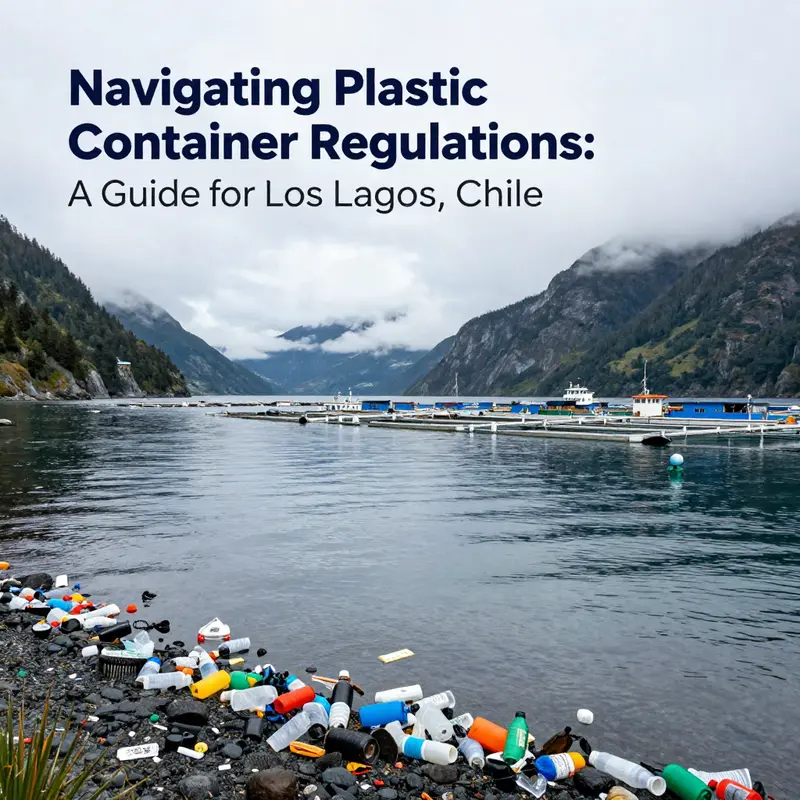
The landscape of Los Lagos is defined not only by its dramatic array of fjords and channels but also by the livelihoods that hinge on careful, regulated exchange of food with the world. In this region, plastic containers for food are more than convenient vessels; they are links in a fragile chain that stretches from hatcheries and harvests to markets abroad. The regulatory environment surrounding these materials is increasingly intricate, influenced by local health oversight in Chile and by international guidance on how packaging materials in contact with food must behave under scrutiny from major import markets. The regulatory thread begins with the Chilean National Agricultural Service, SAG, which oversees health certificates for animal and animal products. While these certificates are primarily aimed at animal products, the broader implications ripple through the packaging that supports the seafood supply chain. When products move toward export, especially to markets governed by stringent rules on food-contact materials, the packaging itself must meet standards that protect both consumer safety and ecological integrity. A clear anchor for these standards is the European Union’s framework on food contact materials, which is actively updated to reflect evolving science and trade realities. The most authoritative portal for this material is the European Commission’s safety information hub, where industry practitioners can access regulations, guidelines, and the latest compliance expectations for plastics and other packaging substrates used in contact with foods. This regulatory crosswalk matters deeply for Los Lagos because the region’s aquaculture-driven economy depends on reliable export pathways. Companies that provide packaging or packaging services in this region must not only ensure that containers preserve product safety and quality but also align with environmental and trade norms that govern how plastics behave in contact with food, how they are recycled or disposed of, and how they contribute to a cleaner coastlines. The packaging choice—how it is designed, produced, used, and disposed of—reverberates through the economy, the environment, and the reputation of the region as a responsible global supplier. In practice, this means a careful assessment of lifecycle impacts and a search for packaging solutions that balance food safety with environmental stewardship, especially given the region’s heavy reliance on aquaculture and its vulnerable fjord ecosystems. The regulatory imperative is clear: packaging used for food in Los Lagos must safeguard consumers and preserve the integrity of seafood products while minimizing environmental leakage and microplastic formation. Even if a given packaging material is technically compliant with food safety rules in one jurisdiction, it must also function within the broader expectations of the international markets that Chile serves. In other words, compliance is not a single box to check; it is an ongoing, dynamic process that reflects best practices in material science, waste management, and supply chain transparency. The Los Lagos context gives this issue immediacy. The fjords, channels, and coastal basins are not quiet backdrops for fishing and farming; they are active ecosystems where plastic waste can drift and fragment, influencing water quality and the health of aquatic life. Studies consistently show that a large share of marine plastic pollution concentrates near aquaculture centers. In the Los Lagos and Aysén regions, approximately 89% of observed plastic pollution is located within a one-kilometer radius of aquaculture facilities. Such proximity signals that operational plastics—from nets and feed bags to other gear and packaging materials used in the supply chain—are a primary source of pollution in these sensitive waters. Although not every plastic item can be traced to a single origin, the correlation between aquaculture activity and waste generation is strong enough to demand attention to the full lifecycle of packaging materials used in the seafood sector. Microplastics, those tiny fragments less than five millimeters in size, have become a pervasive concern in aquatic environments. They enter ecosystems through multiple routes: degraded infrastructure, contaminated inputs, and the shedding of microplastics from packaging materials themselves. In aquaculture settings, microplastics can infiltrate water intakes, feed systems, and the food web, posing ecological risks and potential human health implications through seafood consumption. The wider global pattern is stark: only about 9% of all plastic ever produced has been recycled, with the overwhelming majority ending up in landfills or the environment. In southern Chile, this fact translates into a pressing need to rethink how plastic packaging is designed, used, and disposed of, with special emphasis on the aquaculture sector that anchors local economies. The environmental stakes in Los Lagos are thus twofold: prevent plastic from entering the fjord system during the packaging and transport of seafood, and design waste management approaches that close the loop in a region where the circular economy has not yet fully matured. For producers and policymakers, the path forward lies in both mitigation and transformation. Mitigation involves reducing reliance on single-use plastics in the supply chain, improving waste collection at aquaculture facilities, and ensuring that packaging is recyclable or reusable where feasible. Transformation means reimagining the packaging architecture itself—emphasizing material selection, barrier properties, and end-of-life options that minimize environmental leakage without compromising food safety. A practical implication of these imperatives is that packaging decisions should be integrated with food safety and veterinary health considerations. The August 25, 2025 technical trade measures bulletin from Chile highlights the dynamic nature of regulatory updates that affect agricultural and food supply chains. Although the bulletin centers on veterinary health certificates for animal products, it underscores how closely connected the health status of food items is to the broader packaging and transport environment. In the global market, regulators increasingly view packaging as part of the chain of custody that protects consumer health and environmental sustainability. This holistic view is reinforced by the European Commission’s food contact materials portal, which acts as a comprehensive guide for packaging workers, regulators, and exporters who must ensure that plastics used in contact with foods comply with applicable safety standards, migration limits, and labeling requirements. The portal is a critical resource for Los Lagos companies seeking access to European markets, as it clarifies what counts as compliant packaging and how to document compliance across the supply chain. To illustrate how these considerations translate into practice, consider the role of packaging in the aquaculture supply chain itself. Food-grade containers used for transporting feeds, ingredients, finished products, and by-products must meet strict controls to prevent contamination and migration of substances into seafood. The physical integrity of containers is equally important; leaks or degradation can expose contents to contaminants or create waste streams that complicate disposal and recycling. In addition to performance, the environmental footprint of packaging must be minimized. This calls for a shift toward materials that offer adequate barrier properties while enabling higher rates of recycling, reuse, or compostability where appropriate. Reusable or returnable packaging systems, when implemented properly, can dramatically reduce the volume of single-use containers entering the fjords and channels. Such systems, however, require coordinated logistics, standardized cleaning protocols, and reliable reverse logistics to ensure that containers return to the supply chain in a safe, sanitary condition. In this sense, the Los Lagos region faces a unique challenge and an opportunity: the chance to align packaging strategies with both robust food safety norms and ambitious environmental targets. This alignment is not simply about compliance; it is about sustaining the region’s aquaculture-based economy in a world increasingly attentive to plastic pollutants and to the life that depends on clean, healthy waters. The internal trajectory toward better packaging begins with design choices that favor recyclability and material fidelity. For example, selecting plastics with higher recyclability profiles, stabilizing additives to improve longevity, and reducing multilayer constructions that complicate recycling can help close the material loop. It is equally important to ensure that the packaging does not hinder proper waste segregation at the source. Clear labeling, standardized recycling streams, and the provision of facilities to handle packaging waste at aquaculture facilities and processing plants are essential components of a comprehensive strategy. While the research literature does not always pinpoint the exact sources of packaging waste within the supply chain, the evidence around broader plastic leakage from aquaculture operations makes a compelling case for policymakers and industry stakeholders to invest in waste infrastructure and in packaging innovations that minimize microplastic generation. Integrating these considerations with local regulatory oversight and international market requirements can also help make Los Lagos a model for responsible packaging in aquaculture. A practical pathway to this vision involves ongoing collaboration among farmers, processors, packaging suppliers, regulators, and export partners. By combining food safety expertise with environmental stewardship, the region can safeguard seafood quality while reducing the long-term ecological costs of plastic packaging. For readers seeking practical exemplars of packaging approaches that balance aesthetics, functionality, and environmental responsibility, consider the linked resource that discusses eco-friendly takeout boxes and related packaging concepts. This internal resource provides a concrete sense of how packaging choices translate into real-world outcomes, from design to disposal. eco-friendly-takeout-boxes-for-food-packaging-stylish-food-containers-safe-microwave-craft-paper-lunch-boxes-leak-grease-resistant Integrating such approaches with the regulatory guidance from SAG and the European Commission’s food contact materials portal can help Los Lagos stakeholders chart a path that respects both public health and environmental integrity. For researchers and policymakers, the Los Lagos case underscores the importance of linking packaging design with watershed health. The 1-kilometer radius concentration of marine plastic pollution around aquaculture centers reveals that even seemingly distant practices—like how seafood is packaged and transported—can have measurable consequences for water quality and ecological functioning. The microplastic issue, in particular, highlights how tiny fragments can become pervasive in the food chain, complicating risk assessments and consumer perceptions. Addressing these threats requires a multi-pronged approach: reducing the use of disposable plastics in the supply chain, improving filtration and treatment of water sources, enhancing post-use waste management, and promoting recycling and reuse through policy incentives and market-driven innovations. The broader narrative in Chile and the international arena is that packaging cannot be treated in isolation from food safety and environmental outcomes. The European Union’s emphasis on food contact materials serves as a reminder that plastics bound to foods must meet migration and safety standards, while also being compatible with end-of-life options. For Los Lagos, this translates into a practical mandate: select packaging materials that minimize environmental leakage, design products with end-of-life in mind, and participate in a circular economy that can absorb and reinvest packaging waste into new products or materials. In this sense, the environmental footprint of plastic containers for food in the Los Lagos aquaculture landscape is not just a science problem; it is a governance and economic challenge that calls for coordinated action across multiple stakeholders. It invites producers to rethink how containers are used, how waste is managed, and how supply chains can remain resilient under evolving regulatory expectations and shifting consumer concerns. As the region continues to expand its export footprint, the partnership between regulatory compliance and environmental responsibility will determine whether Los Lagos can sustain its aquaculture advantage without compromising the health of its waters. The path ahead is not a single policy fix but a continuum of improvements—designing for recyclability, implementing robust waste streams, and aligning with international standards for food-contact materials. It is a course that acknowledges the realities of global trade and the moral responsibility to protect one of the planet’s most cherished aquatic landscapes. This integrated perspective will shape how future chapters describe the evolution of packaging in Los Lagos, ensuring that the story remains coherent with the larger arc of safe, sustainable, and export-ready food packaging in a world increasingly attentive to plastic footprints. External resources continue to guide this journey, including the European Commission’s safety portal for food contact materials, which consolidates regulatory expectations for packaging used in contact with foods and supports the ongoing alignment of regional industry practices with international standards. For readers who wish to further explore the broader context of plastic pollution in Chile’s southern waters and the links to aquaculture, the National Center for Biotechnology Information hosts a comprehensive article that examines marine plastic pollution in Chile, including microplastics and aquaculture-related debris, offering a scientific foundation for policy and industry responses (https://www.ncbi.nlm.nih.gov/pmc/articles/PMC11763245/).
Waves of Regulation: Navigating Plastic Food Containers in Los Lagos, Chile’s Aquaculture Corridors
The Los Lagos region of Chile sits at the edge of a living coastline where fjords and channels cradle a robust aquaculture sector. The same waters that sustain salmon and mussel farms also magnify the stakes of packaging choices. In this landscape, plastic containers for food are not simply vessels; they are links in a lifecycle that stretches from feed and harvest to consumption and disposal, with every step shadowed by environmental pressures and shifting regulatory expectations. As local producers, packagers, and retailers increasingly align with a broader circular economy, they must read the current currents of policy with the same care they give to the tides. The regional story is not only about compliance; it is about resilience—how a coastal economy adapts to tighter health-safety standards while reducing environmental footprints and preserving the reputational value of its exports.
Regulatory developments at national and international levels provide both guardrails and signals for the Los Lagos plastics ecosystem. Chile’s recent communications with the World Trade Organization regarding revised veterinary and sanitary certificates for animal and animal products, issued on August 25, 2025, underscore a broader trend: the drive to harmonize trade practices with rigorous health safeguards and environmental considerations. While these specific measures target animal products, their spirit infiltrates the packaging arena. They heighten expectations for traceability, documentation, and material integrity across product corridors that link Los Lagos with domestic markets and with export destinations. For a region where seafood and other animal-derived foods are prominent, the packaging that travels with these products must meet not only basic hygiene standards but also evolving rules about what can be in contact with food, how it is tested for safety, and how it can be recycled or disposed of without compromising the estuarine environment.
On the European side, the Directorate-General for Health and Food Safety has issued updates that reverberate through supply chains far beyond the EU’s borders. In August 2025, a bulletin on food contact materials highlighted heightened scrutiny of migration from plastics, more stringent traceability requirements, and a push toward reduced chemical leaching. For Chilean exporters and packaging suppliers serving the EU market, these developments are a reminder that the standard of care cannot be local alone. The EU framework, while not directly legislating Chile’s domestic packaging at every turn, creates a de facto benchmark that shapes buyer expectations, supplier practices, and the design choices that packaging manufacturers in Los Lagos must consider. Companies that can demonstrate robust data on material composition, recyclability, and end-of-life performance gain a competitive edge in Europe and in other markets seeking governance that aligns health protection with environmental stewardship.
Against this backdrop, a hypothetical yet highly influential policy drift—often referred to in policy circles as HAC, a potential packaging-related measure modeled to address cradle-to-grave responsibility—would redefine cost structures and competitiveness in the region. If HAC advances through the legislative process, virgin plastics could see price surges while recycled materials become 20% to 30% more cost-competitive. The arithmetic is not merely a financial calculation; it signals a fundamental shift in the regional production ecosystem. In Los Lagos, where small and mid-sized firms bear a meaningful share of the packaging supply, such a shift could rebalance the market toward higher value-added, recycled, or biodegradable options. It would likely accelerate investments in local sorting, cleaning, and pelletizing facilities, and stimulate a wave of technology adoption around lightweighting, barrier coatings, and improved sealants that reduce leakage and extend shelf life. Yet these benefits come with real transition costs: capital expenditure, supplier qualification, and the need to educate workers and vendors about new materials, new performance metrics, and new logics of compliance.
For many small-scale vendors and producers who rely on low-cost, disposable containers, this pivot would be challenging. The operational calculus for a family-owned fish-smoked empanada stand or a neighborhood seafood retailer in Puerto Montt or Quemchi shifts from annual price checks to ongoing supplier audits and material testing. The impulse to minimize upfront costs can collide with the longer horizon of regulatory compliance and consumer demand for safer, greener packaging. The result is a nuanced pressure: the market tightens on those who fail to adapt, while those who adopt sustainable packaging practices—recycled content, certified recyclability, and traceable supply chains—stand to capture share not just domestically but along export routes that insist on reliability and accountability.
The environmental dimension intertwines with the economic one in Los Lagos’ water-rich geography. Aquaculture activities generate nutrient loads and, when combined with mismanaged waste, contribute to microplastic presence in near-shore waters. In fjord systems where water exchange is limited, discarded or second-rate packaging can persist longer in the marine environment, fragmenting into microfibers and microplastics that find their way into the food web. This is not a distant risk; it is a present concern that translates into practical expectations for packaging design. Materials favored in the region increasingly emphasize recyclability and reduced leaching of additives. The emphasis is not only on the packaging’s safety for the food it carries but also on its lifecycle after serving its purpose. In a landscape where aquaculture facilities produce significant volumes of waste and where coastal erosion and pollution ratings influence consumer confidence, the life story of a plastic container has become a topic of policy conversation as much as a business decision.
The regulatory dialogue has direct implications for how packaging is sourced, labeled, and tracked. The SAG—the national agricultural authority in Chile—plays a critical role in aligning food safety with packaging standards that affect animal and animal product handling. While SAG’s core mandate centers on health certificates and animal product compliance, the overlap with food contact materials is clear as markets seek assurances that containers will not introduce hazards or contaminants into food products. This linkage pushes packaging suppliers to adopt stronger material declarations, ensure compatibility with processing and storage temperatures, and maintain rigorous cleanliness and sanitation records. The broader move toward harmonization with international standards also presses domestic actors to consider the compatibility of their packaging during transit, storage, and retail display. In practice, this means more robust documentation, better supplier management, and a more calculated approach to sourcing packaging that can travel alongside high-quality seafood into global markets.
A practical reflection of these trends is the tightening emphasis on traceability. Consumers and regulators alike want to know where a container came from, what it contains, and what happens to it afterward. A circular economy mindset in Los Lagos envisions packaging that can be traced back through its supply chain, verified for compliance, and directed to appropriate end-of-life streams. This is where partnerships between packaging manufacturers, recyclers, and waste-collection operators become a strategic asset. The region’s potential to host and scale recycling infrastructure—enabled by policy incentives, private investment, and community engagement—could turn a perceived liability into a local economic opportunity. If virgin plastic prices rise as projected under HAC scenarios, the financial rationale to invest in local sorting and reprocessing equipment strengthens, and a new generation of green jobs emerges in regions where aquaculture already anchors economic activity.
From a design perspective, the shift toward more sustainable containers also invites a reimagining of packaging performance. Food contact materials must not only survive the rigors of processing and transport but also preserve flavor, texture, and safety. Barrier properties, heat resistance, and seal integrity are essential, especially for ready-to-eat or seafood-based products that require refrigeration or cold-chain handling. Additives and plasticizers, once tolerated with fewer questions, now demand more transparency and compatibility data. The EU’s August 2025 updates underscore the expectation that packaging materials minimize migration of chemicals into food, which dovetails with domestic Chilean objectives for safer, more traceable packaging ecosystems. In Los Lagos, this alignment translates into practical steps: selecting materials with well-documented performance in cold and moisture-rich environments, validating compatibility with local processing waters, and engaging with suppliers who can provide end-of-life data and recyclability metrics.
The economic arc for Los Lagos could therefore pivot around three interlocking gears: regulatory clarity, material innovation, and waste management capacity. If the region succeeds in building out certified recyclers and creating demand for recycled content, it can attract investment, create jobs, and strengthen its appeal as a provider of seafood-to-table products that meet rigorous international standards. This is not a net subtraction from the local economy but a reallocation of value toward sustainability and resilience. The region’s future packaging strategy might emphasize modularity and standardization, enabling a range of products to share common packaging platforms that are easier to sort and recycle. It could also see public-private partnerships that fund pilot projects for closed-loop cycles, where containers used in one season are returned, cleaned, and repurposed for the next. The social and economic implications extend beyond the packaging itself: a more sustainable packaging regime supports fishing communities by reducing environmental risk, preserving the health of waterways, and maintaining the region’s reputation for responsible production.
For practitioners navigating this evolving space, the takeaway is not merely to comply but to recalibrate the supply chain toward safer, more sustainable, and more traceable packaging choices. The EU’s regulatory signals and Chile’s WTO notifications function as a map and a compass, steering decisions about material selection, supplier relationships, and end-of-life governance. A careful balance is required between cost pressures and long-term value creation. The most forward-looking operators in Los Lagos are those who invest in audit-ready supply chains, collaborate with recyclers to improve material loops, and design containers with smart, verifiable data about composition and performance. They recognize that packaging is not a commoditized expense but a lever for product safety, market access, and environmental stewardship in a region where the sea is both a livelihood and a shared responsibility.
In the spirit of practical applicability, it is worth noting a resource that reflects this ongoing dialogue around packaging choices and food safety. For teams seeking concrete guidance on sustainable packaging options and compliance considerations relevant to food contact materials, the following internal resource provides a useful overview of current best practices and product-form options that emphasize recyclability and safe performance in diverse conditions: eco-friendly takeout boxes for food packaging. This pointer offers a glimpse into the kind of packaging solutions that align with the region’s transition toward a more circular economy while still meeting the demanding standards of food safety and consumer expectations. While it does not replace regulatory texts, it helps translate policy language into tangible decisions on the shop floor and in the warehouse.
Looking ahead, the Los Lagos chapter of this broader story will likely hinge on how quickly local firms can adopt recyclable or biodegradable alternatives, how effectively they can document material provenance, and how well end-of-life systems are integrated into the regional waste management framework. The regulatory environment will continue to evolve, with EU-led influences shaping expectations for material safety and environmental performance. The region’s success will be defined by how it harmonizes cost efficiency with a credible commitment to health and sustainability, so that its packaging practices can support both a thriving aquaculture sector and a clean, resilient marine environment. The path is not a straight line, but a converging one: toward packaging that protects food, respects ecosystems, and enables Los Lagos to compete confidently in global markets that increasingly demand proof of responsible stewardship.
External reference: https://ec.europa.eu/food/safety/foodcontactmaterials_en
From Fjords to Freshness: Reimagining Food Packaging in Los Lagos through Sustainable Plastics and Regulatory Foresight
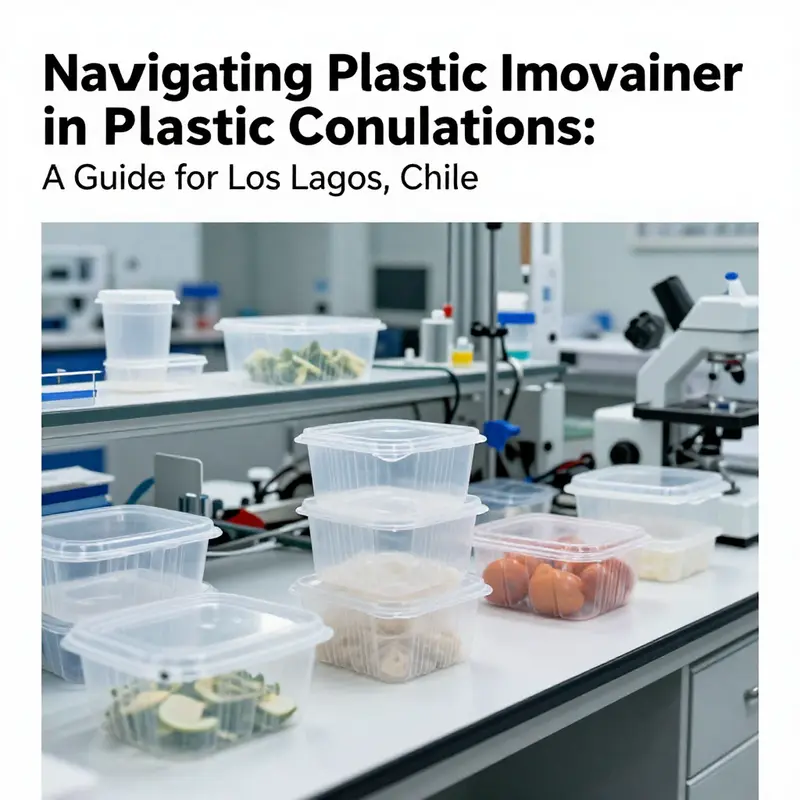
In the shadow of Los Lagos’ intricate network of fjords, channels, and island lifeways, the everyday challenge of moving food from the producer to the table takes on a new urgency. Aquaculture dominates the region’s economy, and the health of the marine environment is inseparable from the packaging that travels with seafood, fruit, and prepared foods. The discourse surrounding plastic containers for food in this maritime landscape is not only about what keeps food safe and appealing; it is about how packaging choices intersect with environmental stewardship, regulatory compliance, and the integrity of regional supply chains that rely on pristine waters and responsible waste management. When a consumer bites into a fresh product or opens a takeout box, the unseen narrative behind that moment includes a chain of decisions—material selection, barrier performance, end-of-life options, and cross-border regulatory expectations—that echo far beyond the fjords and into global markets. The local perspective, therefore, blends practical needs with a broader commitment to sustainability, safety, and economic resilience. The regional emphasis on seafood and fresh produce makes this especially acute, since products must endure transport through winding channels and variable climates while preserving taste, texture, and aroma. In this context, the packaging decision is not a mere container choice; it is a critical link in the chain of food safety, environmental responsibility, and market access that Chile must navigate in the era of heightened regulatory attention to food contact materials and animal product health standards.
A pivotal thread in this narrative is safety compliance across the food value chain. In August 2025, Chile issued a technical trade measures bulletin that, while focused on veterinary health certificates for animal and animal products, underscores the broader regulatory ecosystem that governs packaging materials used in the food sector. This bulletin signals that authorities view packaging not in isolation but as part of a holistic approach to food safety and traceability. For stakeholders in Los Lagos, that means aligning container specifications with emerging expectations around how packaging interfaces with food, how contaminants might migrate, and how documentation travels through import channels when consignments cross borders. The Chilean National Agricultural Service (SAG) remains a cornerstone for monitoring these requirements, and it is through SAG that manufacturers, exporters, and aquaculture operators can access up-to-date guidance on import controls, labeling, and packaging compliance. Concurrently, the European Union’s regulatory framework for food contact materials has global implications. The EU’s Safety Information Portal for food contact materials provides ongoing updates about permissible substances, performance standards, and testing regimes that influence packaging solutions used not only in Europe but in international supply chains that serve European markets. For firms in Los Lagos aiming to expand export opportunities, the EU portal serves as a compass, pointing toward materials that meet high safety and performance standards while also signaling potential future shifts in policy that may ripple back through Chile’s packaging industry.
As this regulatory backdrop evolves, the region’s packaging decisions must strike a balance between function, cost, and environmental impact. The market signals from Chile’s broader packaging landscape reveal a parallel shift away from single-use plastics toward more sustainable options, even as the country remains deeply connected to the practical realities of seafood logistics. Market analyses focused on Chile’s container formats reveal a notable movement toward sustainability across packaging categories, including a growing interest in alternatives to traditional plastics. While the figure cited in a recent market overview centers on the Chilean glass container market—projected to grow alongside broader efforts to reduce plastic usage—the trend within Los Lagos aligns with a regional appetite for materials that combine barrier performance with reduced environmental footprints. The glass market’s expansion is a helpful proxy for the broader willingness to invest in packaging solutions that boost shelf-life, protect sensory qualities, and support efficient cold-chain logistics in a region where weather and water dynamics can challenge preservation. The overarching lesson is clear: packaging strategy in Los Lagos benefits from being future-ready, adaptable to regulatory change, and compatible with a lifecycle approach that minimizes waste and environmental leakage.
In practical terms, this translates into a robust interest in innovations that enhance the sustainability and performance of food containers without compromising safety or cost. Bio-based and compostable packaging have gained traction globally, with researchers and industry players exploring enzymatic processing and other biotechnologies to create materials that perform in real-world conditions. Polylactic acid (PLA), among other bio-based polymers, has moved into commercial use as a feasible alternative for select applications that require reliable protection, extended shelf-life, and preservation of organoleptic quality. This is particularly relevant for Los Lagos, where fresh produce, small fruits, and ready-to-eat items demand packaging that can withstand regional logistics while minimizing migration of unwanted compounds into the food. The potential for enzymatic processing to produce bio-based films and compostable containers holds promise for the region’s aquaculture and agricultural value chains by enabling end-of-life options that align with circular economy principles. The takeaway for Los Lagos is not a single technology but a spectrum of possibilities that can be tailored to specific products, climates, and consumer expectations.
A key consideration in choosing between plastic, bioplastics, and alternative materials is how each option aligns with safety, performance, and environmental objectives. PLA-based solutions, for instance, offer attractive compostability credentials, but require appropriate industrial composting infrastructure to deliver the intended end-of-life benefits. In rural and coastal settings, where municipal waste management capacity can vary, developers and regulators must work together to ensure that the chosen packaging can be collected, sorted, and treated in a manner that minimizes leakage into waterways and marine habitats. The Los Lagos region’s peculiar environmental profile—fjords, sheltered bays, and high-density aquaculture activities—heightens the urgency of considering the life cycle of containers from production to disposal. This means evaluating not only barrier properties and product protection but also the energy consumption of manufacturing processes, the sources of raw materials, and the possibilities for recycling or composting at scale. Even as a tendency toward bio-based and compostable materials strengthens, companies should also examine the compatibility of new packaging with existing labeling, storage, and handling practices within the local supply chain. A container that performs reliably in a cooling room yet proves difficult to process at the end of its life is unlikely to deliver the sustainability payoffs that regulators and consumers increasingly demand.
From the perspective of consumers and small businesses in Los Lagos, the transition to more advanced packaging strategies is not merely an environmental concern but a public health and quality assurance issue. Food contact materials must not introduce contaminants or adverse tastes and odors, and they must support consistent product integrity throughout distribution. The regulatory ecosystem, particularly in Chile and among trading partners, emphasizes traceability and compliance, ensuring that packaging materials are appropriate for their intended use with a clear understanding of what is allowed for contact with various food types. In practice, this means selecting materials that meet conservative safety standards for animal products and processed foods, while acknowledging that packaging used for export to European markets may be subject to stringent documentation and material-specific requirements. The EU materials portal serves as a central resource for understanding these expectations and for aligning product development with international standards. The practical implication for Los Lagos manufacturers and exporters is a disciplined approach to material selection—one that prioritizes safety and performance while keeping doors open to diverse markets.
As the local ecosystem gradually tilts toward more sustainable packaging, opportunities for innovation also expand the options for small-scale producers who seek to differentiate their offerings. An important factor in this transition is the ability to incorporate packaging that supports extended shelf-life without resorting to excessive plastic usage. In this regard, the integration of bio-based and compostable materials, coupled with smart design that reduces material volume and facilitates recycling, represents a pragmatic path forward for the region. The idea is not to eliminate plastic altogether but to optimize its use in ways that minimize environmental impact and align with regulatory expectations. For instance, a container designed to maintain freshness during short-distance shipping, while also being compatible with industrial composting after use, can mitigate environmental concerns associated with aquaculture effluents and coastal waste streams. In a region where water quality is a critical parameter for industry and community well-being, reducing plastic waste that could enter fjords or estuaries is not just an ecological objective but a practical safeguard for long-term economic vitality.
To readers seeking concrete pathways for embracing this evolving landscape, the literature points to a few guiding principles. First, packaging decisions should be product-specific and process-aware. The barrier properties required for protecting delicate produce differ from those needed for high-fat foods or ready-to-eat meals. Second, a lifecycle lens is essential. Assessing cradle-to-grave impacts helps stakeholders compare conventional plastics with bio-based and compostable alternatives in terms of energy use, emissions, and end-of-life options. Third, regulatory alignment is non-negotiable. Maintaining up-to-date knowledge of SAG requirements and EU food contact material standards reduces the risk of non-compliance in both domestic retail and cross-border trade. Finally, communication with consumers matters. Clear labeling about recyclability or compostability and guidance on disposal can empower customers to participate in waste reduction and recycling efforts, reinforcing a shared commitment to environmental stewardship in a region where the sea and land are deeply interconnected.
In this spirit, businesses in Los Lagos have an opportunity to lead by combining robust safety practices with innovative material choices. The future packaging landscape in the region may well feature a hybrid approach that uses conventional plastics where durability and barrier performance are essential while incorporating bio-based layers or compostable cores where end-of-life options are favorable. This integrated approach supports the preservation of seafood and fresh produce through efficient cold-chain logistics, reduces environmental leakage into aquaculture-rich waters, and remains adaptable to shifting regulatory contexts. It also aligns with broader market signals that value transparency, sustainability, and resilience in the food supply chain. As Los Lagos continues to navigate the complexities of regional production, export potential, and environmental stewardship, the packaging conversation should stay grounded in scientific evidence, regulatory foresight, and the shared goal of safeguarding both public health and the extraordinary marine environment that characterizes this unique region.
For practitioners seeking practical resources, one accessible path is to explore a portfolio of packaging options that balances performance with sustainability while keeping an eye on regulatory requirements. For example, options that emphasize grease resistance, microwave safety, and leak prevention can be paired with design features that facilitate recycling and composting. The idea is to leverage innovation not as a replacement for traditional materials but as a means to optimize material efficiency, reduce waste, and maintain high standards of food safety. In Los Lagos, where the interplay between aquaculture and coastal ecosystems shapes economic and environmental outcomes, such innovations can help align local packaging practices with global expectations without compromising the region’s distinctive supply chain strengths. To support informed decision-making, it is worthwhile for manufacturers and distributors to consult both SAG guidance and EU materials safety resources, recognizing that the latter informs international markets and can influence the direction of national policy and industry standards. The convergence of local needs and global standards is not a contradiction but an opportunity to elevate the region’s packaging practices to a level that reflects its unique environmental context while ensuring that products move safely and efficiently through the supply chain.
For readers who want to explore examples of packaging innovations in a broader sense, there is a growing range of practical, sustainable packaging solutions that have found traction in similar markets. These include environmentally conscious takeout and retail containers designed for safe food contact, with attention to microwave compatibility, leak resistance, and end-of-life processing. In Los Lagos, such solutions could be adapted to regional flavors and display formats, supporting local producers as they expand their reach to discerning consumers and international markets. A specific avenue worth considering is the adoption of packaging options that emphasize eco-friendly takeout boxes for food packaging, which can be discussed in relation to local cuisine, seasonal produce, and ready-to-eat offerings. This approach supports the regional appetite for convenience without compromising ecological integrity or regulatory compliance. The dialogue between regulators, industry, and communities in Los Lagos can thus be framed around a shared objective: to protect the health and enjoyment of food while honoring the oceanic and terrestrial ecosystems that sustain the region.
External resources offer additional perspectives for those who want to dive deeper into the regulatory and safety dimensions of food contact materials. The European Commission’s safety portal on food contact materials provides comprehensive guidance on current standards and emerging trends, helping to anticipate regulatory shifts across markets and to align packaging development with best practices. For those who want to review this authoritative resource, the portal is accessible here: https://ec.europa.eu/food/safety/foodcontactmaterials_en. This external reference complements national guidance and market intelligence, illustrating how Los Lagos can benefit from a harmonized understanding of material safety that supports both local resilience and international competitiveness. In sum, the path forward for food packaging in Los Lagos rests on well-informed material choices, lifecycle-minded design, and proactive engagement with regulatory developments that shape the safety, sustainability, and reach of regional products. The conversation continues to evolve, but its core aim remains consistent: to ensure that food containers protect people and planet as food moves from fjord-front producers to tables near and far, with the integrity and respect that define this remarkable corner of Chile.
Final thoughts
Navigating the complexities of plastic container regulations in Los Lagos, Chile requires a keen understanding of various factors, including compliance with health standards, environmental impacts, economic viability, and the potential of technological innovations. By addressing these needs, businesses can not only meet regulatory requirements but also contribute positively to the local environment and economy. Embracing sustainable practices and leveraging innovative solutions will position your business as a proactive player in the food service sector, particularly in a region as vibrant and ecologically sensitive as Los Lagos.