
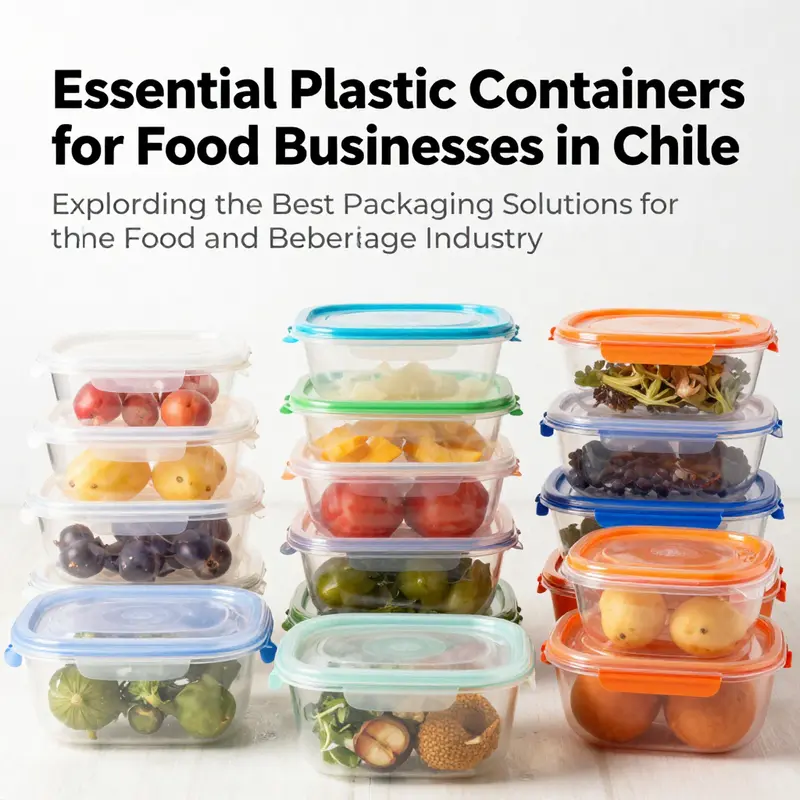
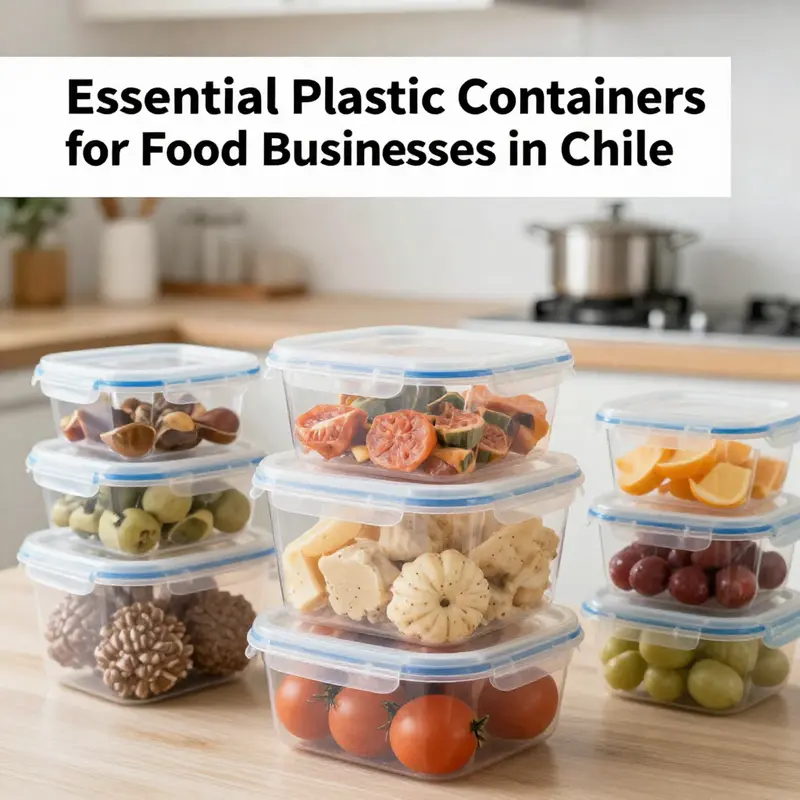
In the ever-evolving landscape of the food and beverage industry, particularly in vibrant markets like Chile, the right packaging solutions are crucial for success. Plastic containers are the backbone of efficient food storage and presentation across various sectors including bubble tea shops, restaurants, food trucks, and catering services. This article delves into outstanding options like stackable food-grade containers, versatile commercial storage boxes, and eco-friendly PET packaging. Each chapter explores specific types suited to different business needs, revealing how they enhance operational efficiency and food safety while aligning with environmental standards, ultimately guiding businesses in making informed choices for their packaging requirements.
null
null
Bulk-Scale Plastic Food Storage Containers: The Hidden Engine of Modern Kitchens and Industrial Workflows
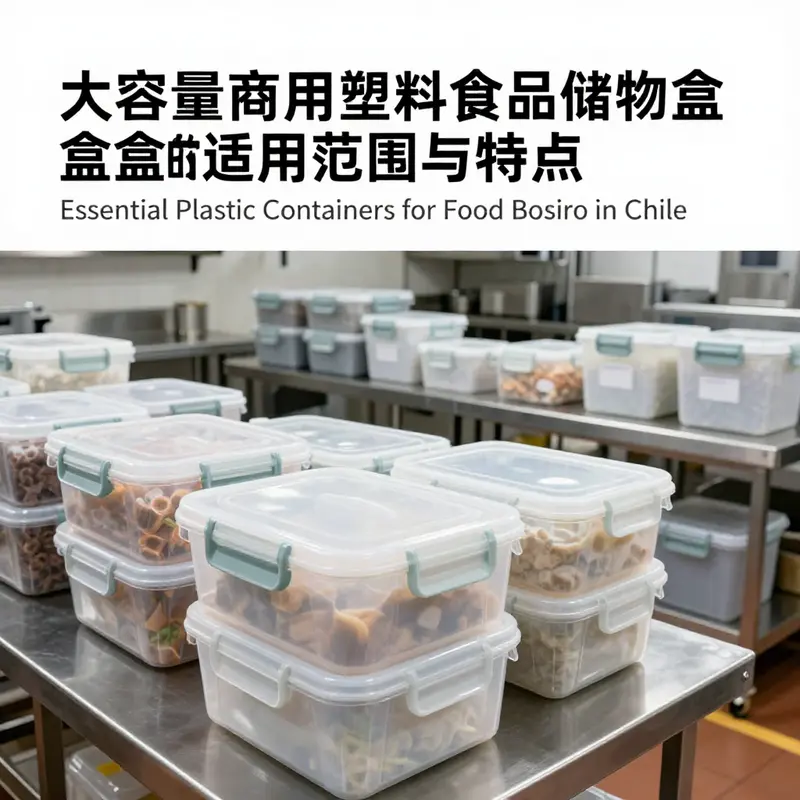
In the world of food production, processing, and distribution, large-capacity plastic storage containers operate as the unsung workhorses that keep operations moving with efficiency and reliability. They are not the most visible part of the supply chain, yet their impact echoes from the factory floor to the back of the restaurant and beyond. These bulk containers are designed to handle high-volume storage, support rigorous cleaning regimes, and survive the rigors of daily use in busy environments. They are employed across an array of industries because they marry durability with practicality, enabling teams to rotate inventories, reduce waste, and maintain consistent quality as ingredients flow through various stages of processing, packaging, and preservation. The scope of their utility becomes especially clear when one considers the diversity of tasks that demand sizable, dependable containers—from holding large batches of grains and vegetables to staging chemical mixtures used in cleaning, sterilization, or surface treatment. The adaptability of these storage solutions is what makes them a cornerstone of modern operations that prioritize both throughput and traceability.
At the heart of these containers is a careful balance between material science and hygienic design. The most common workhorse polymers, high-density polyethylene (HDPE) and polypropylene (PP), are chosen for their resilience, chemical compatibility, and safety for food-contact applications. When properly manufactured to meet food-grade standards, these materials resist absorption of odors and flavors, minimize the risk of chemical leaching, and tolerate repeated cycles of washing and sanitizing. In many markets, the products used for bulk storage are manufactured to be BPA-free and free from substances that could migrate into food under typical handling and cleaning conditions. This emphasis on food safety is not a one-time checkbox but a continuous commitment shaped by evolving regulatory expectations, testing protocols, and real-world performance in cold rooms, hot wash tanks, or straight-from-dryer environments.
Beyond the material itself, the geometry and construction of these containers play a decisive role in how well they function in daily practice. The rectangular or square footprint is a deliberate choice aimed at optimizing space on shelves, racks, and pallets. Such forms tessellate efficiently, allowing facilities to maximize vertical and horizontal storage while keeping access straightforward during loading, unloading, and inventory checks. When lids accompany these bodies, a well-designed gasket or seal becomes essential. A robust seal protects contents from cross-contamination, prevents the loss of moisture or aroma, and helps preserve product quality over longer storage periods. The transparency of many container walls is another practical feature. Clear walls enable quick visual verification of contents, reducing mislabeling mistakes and enabling more precise stock rotation without opening containers. Even without seeing every item, a warehouse operator can assess fill levels, identify spoiled lots, and track batch segregation at a glance. Such visibility adds a quiet reliability to everyday routines, lowering the risk of waste and miscommunication.
The capacity dimension itself is a critical performance factor. Large-volume containers—typically designed to hold multiple liters of product or material—offer advantages that ripple across procurement, production planning, and sanitary regimes. Their size supports bulk batching, which can lower per-unit handling costs and speed up processing lines by reducing the frequency of refilling. At the same time, these containers are engineered to be cleaned efficiently. Their smooth inner surfaces, often molded in single pieces or assembled with minimal seam exposure, reduce places where residue can accumulate and become challenges during sanitization cycles. When paired with compatible washing and sanitizing protocols, they can withstand repeated, high-frequency cleaning without compromising integrity. The result is a reliable lifecycle that aligns with the longevity expectations of industrial environments and budget-conscious food businesses alike.
The versatility of these containers becomes most evident when one surveys the breadth of applications across sectors. In food processing, they function as portable reservoirs for ingredients, bulk-fermentation stages, and staging areas for mixing or marinating large quantities. In this setting, the containers must resist the thermal and chemical stresses of cleaning steps and occasional temperature fluctuations during storage and transit. In chemical-related workflows tied to food production, containers may participate in rinsing or degreasing stages where resistance to cleaning agents and solvents is crucial for maintaining container integrity and preventing contamination of subsequent batches. In brewing and vegetable processing, these large boxes support fermentation and storage needs, providing stable environments that can accommodate prolonged contact with liquids or semi-solid materials while preserving hygiene and ease of handling.
The list of possible roles expands into other domains tied to manufacturing and distribution. In pharmaceutical and broader chemical contexts, these containers can serve as reliable staging basins for premixing or dilution, where precise handling and clean transfer are essential to process quality. In hardware, electronics, tools, and parts sectors, bulk storage boxes protect items during intermediate storage and transport, enabling efficient midstream transfers and reducing the risk of damage or loss. Even in textile and dyeing workflows, where large quantities of washing or rinsing agents are involved, sturdy containers support the movement of bulk volumes through various process steps. Across all these environments, the underlying design philosophy remains consistent: maximize space efficiency, minimize contamination risk, and extend usable life through resilient materials and robust engineering.
In practical terms, several core features define the performance envelope of these containers. Food-grade classification ensures that the material is suitable for contact with edible products and remains stable under routine cleaning cycles. A well-executed seal between lid and body protects contents from odors and external contaminants, helping to maintain product integrity throughout storage and transport. The inherent durability of HDPE or PP supports long service life even in demanding settings, while the ability to withstand the temperature ranges typically encountered during industrial washing and sanitation processes makes these containers a sensible investment for facilities seeking to simplify logistics and reduce waste. The option for clear or translucent walls further enhances operational visibility, supporting rapid stock checks and inventory control without unnecessary openings. And because capacity is a feature rather than a mere attribute, these containers are often available in a spectrum of sizes and configurations—from modest 3-liter selections to truly bulk 20-liter or larger formats—so teams can tailor solutions to specific workflows rather than forcing processes to adapt to a one-size-fits-all approach.
An important practical consideration concerns how these containers integrate into daily operations and broader supply chain strategies. The rectangular shapes lend themselves to palletization and warehouse shelving, enabling clean, predictable stacking that minimizes aisle clutter and accelerates loading times. Where higher throughput is essential, multiple units can be arranged in modular racks or systemized in line-storage configurations that support quick batch transfers between processing stages. The durability of the materials reduces the likelihood of dents, cracks, or warp under repeated handling or heavy use, which translates into steadier production lines and fewer interruptions due to equipment-related failures. Cleanup and sanitation, an ever-present obligation in food-related domains, are simplified by smooth interior seams and corrosion-resistant surfaces. Choosing containers with seamless or minimally seam-laden interiors means fewer creases for cleaning agents to cling to, shorter wash cycles, and easier drying—factors that contribute to both safety and efficiency in high-demand environments.
Sustainability and lifecycle considerations also inform acceptance of bulk storage solutions. Reuse across cycles and long lifetimes contribute to a lower environmental footprint per unit of storage capacity. When the materials selected are recyclable at end of life, facilities can close the loop through appropriate recycling streams, mitigating waste while maintaining the economic benefits of bulk storage. While the drive toward sustainability is not simply about choosing a single product, it is about integrating a portfolio of storage solutions that collectively reduce waste, improve energy efficiency in handling and cleaning, and support safer, more transparent handling of materials throughout the supply chain.
Within this broader context, procurement and product selection become strategic activities. Facilities evaluate containers not only on static specifications but on how these containers perform within their unique workflows. The best candidates provide a combination of proven food-grade safety, sturdy seals, space-efficient geometry, clarity for inventory management, and resilience to cleaning and sanitization practices. They fit into the rhythms of production schedules, storage protocols, and distribution cycles while delivering predictable costs per liter of storage capacity over their lifetimes. In practice, this means choosing sizes that align with batch volumes, selecting lid configurations that meet the sanitation standards of specific processes, and ensuring that the chosen materials and designs are compatible with existing handling equipment and wash systems. The objective, then, is to reduce touch points, minimize downtime, and maintain consistent product quality from intake to final dispatch.
For readers seeking a concrete touchstone illustrating how bulk storage solutions sit within a broader packaging ecosystem, consider exploring a practical example of takeout-oriented packaging solutions that complements larger storage systems. See this page for eco-friendly disposable, multi-compartment takeout packaging boxes, which offers a sense of how packaging design can harmonize with scalable storage strategies in fast-paced environments: eco-friendly disposable 3-compartment takeout packaging boxes.
External resources and industry data provide additional context for how large-volume storage containers are positioned in current markets. A representative reference from a major e-commerce platform highlights the demand and adoption patterns for bulk, food-grade containers, underscoring their central role in modern food operations and related industries: https://item.jd.com/100018999999.html
Clear Path, Circular Promise: Market Dynamics and Price Trends of Recyclable Transparent PET Food Packaging Containers
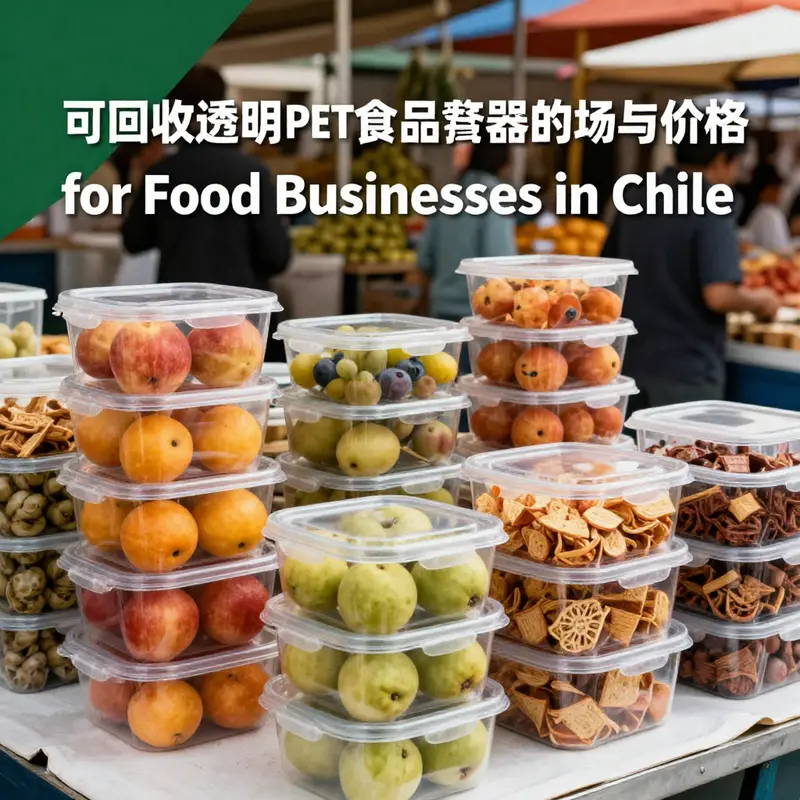
The chapter follows the trajectory of a material that sits at the intersection of consumer appetite, corporate responsibility, and policy ambition: recyclable, transparent PET packaging designed for food. As the global food system intensifies its focus on safety, visibility, and sustainability, the demand for high-purity, food-grade recycled PET (rPET) containers has moved from a niche niche to a central strategic interest for manufacturers, retailers, and brand owners. The market dynamics are not merely about a more sustainable material; they hinge on a set of converging forces—regulatory mandates, evolving consumer expectations, and the pressure and promise of circular business models—that collectively shape both scale and price. When we speak of recyclable transparent PET food packaging, we are really describing a system in which waste streams become feedstocks, and renewed clarity in both material performance and environmental impact becomes a value proposition that can justify premium cost and sustained investment.
Globally, the market for recycled polyester, including food-grade applications, has grown into a sizable and increasingly strategic sector. The most recent estimates indicate that the global recycled PET market reached about 13.37 billion USD in 2024. Projections show a compound annual growth rate (CAGR) near 6.9% from 2025 to 2031, with the market expanding toward roughly 20.77 billion USD by 2031. What makes this growth particularly meaningful for packaging is the share of food-grade rPET—already a meaningful and expanding slice of the overall pie. In 2023, food-grade applications accounted for about 22% of rPET usage in packaging, underscoring how the food sector is accelerating the adoption of recycled content as a standard rather than an exception. This is not mere sentiment; it translates into real demand for higher-purity processing, robust purification, and reliable supply chains that can deliver consistent quality.
China’s role in this global mosaic is especially consequential. As both the world’s largest consumer and largest producer of packaging materials, China’s policy and market development have ripple effects across the supply chain. A 2025 market analysis highlighted a clear push toward a more circular economy, with PET bottle recycling positioned as a priority category. The target to reach an 85% PET bottle recycling rate by 2025 signals not only regulatory intent but also the scale of feedstock available for rPET production. In practical terms, this creates a robust raw-material pipeline for transparent PET packaging that can meet stringent food-safety standards while delivering the environmental benefits that brands increasingly demand.
Regulatory frameworks in other regions have also sharpened the business case for recycled content. The European Union’s Single-Use Plastics Directive, for instance, has established milestones for recycled content in beverage bottles, aiming for at least 25% recycled content from 2025 and a further elevation to 30% by 2030. Although these targets focus on beverage packaging, they create spillover effects by tightening the overall quality and supply reliability of rPET, which in turn benefits food-contact packaging. The alignment of such policies with corporate pledges—from beverage majors to food brands—helps drive demand for recyclable transparent packaging that can meet both safety and performance requirements. In this context, market players are not simply chasing price discounts; they are crafting procurement strategies that balance premium costs with the long-term value of stable, verifiable recycled content.
Price dynamics for food-grade rPET are a prominent part of this story. Purified, food-grade rPET pellets tend to command a premium compared with virgin PET. Recent industry data place the average price of food-grade rPET pellets around 8,200 yuan per ton, which is roughly 18% higher than virgin PET. This premium reflects the purification sequence required to render post-consumer streams acceptable for direct contact with food: multi-stage washing, advanced filtration, and solid-state polycondensation (SSP) processes that remove metals and other contaminants to levels compatible with stringent safety standards. The typical price gap—often in the range of 1,200 to 1,500 yuan per ton—has proved relatively stable, suggesting that the market views the premium as a justified cost of delivering high-purity, compliant material. For packaging makers, this premium is a critical input; it can be offset by the value of enabling higher recycled content claims, improved brand positioning, and, where feasible, content-neutral design that leverages rPET’s aesthetics and performance.
Quality is inseparable from price. The purity standards for food-grade recycled PET go beyond clear appearance and mechanical properties. They demand meticulous control of contaminants, including trace metals, and precise control of color and flavor transfer risk. Industry competitors and standard-setting bodies emphasize that metal impurities must fall below tight thresholds—often cited as well under 0.5 parts per million (ppm) in certain purification streams. Achieving and maintaining this level of purity requires investment in state-of-the-art cleaning lines, robust sorting and contamination control, and consistent testing regimes. The marketing appeal of a perfectly clear PET container hinges not only on the material’s optical clarity but on the assurance to manufacturers and retailers that the container will not impart any off-flavors or safety concerns to food.
In practice, the shift toward recyclable transparent PET containers is less about a single metric and more about a suite of capabilities. The industry is moving from a scenario where recycled content was a sustainability aspiration to one where it is a design constraint and a competitive differentiator. The implications cascade through product development: packaging designers seek materials that deliver high clarity, strong barrier properties against moisture and oxygen, and compatibility with existing fill lines. The optics of transparent packaging matter because consumer decision-making frequently hinges on visibility—shoppers want to see the product they are purchasing, not a muted, tinted substitute. For manufacturers, this means rPET must deliver comparable or superior clarity, stiffness, and sealing performance, while also integrating seamlessly with automated assembly and palletization lines. The end result is a packaging format that is both aesthetically appealing and technically reliable—a combination that sustains demand and validates the premium placed on recycled content.
The market is also shaped by the behavior of large brand owners and retailers who have made public commitments to higher recycled content in packaging. Beyond the regulatory pressure, there is a concrete strategic incentive for brands to align with circular economy narratives. Major global brands have signaled aggressive targets—some aiming for 50% or more recycled content by mid-century, or pledging 100% recycled content for certain product lines in the near term. While the exact figures and timelines vary, the throughline is clear: bulk procurement of recycled plastics, especially in food-contact packaging, will intensify. This has a direct effect on price signals, contract structures, and supplier partnerships. A retailer or brand that can credibly claim a significant share of its packaging is rPET may command higher consumer trust and premium value, further justifying the cost of higher-purity recycled feedstocks.
From a market design perspective, the interplay between demand and supply for rPET is nurturing a more sophisticated value chain. Sorting technologies, contamination control, and verification of recycled content claims are no longer ancillary; they are core to the business model. The reliance on advanced sorting—to separate clean PET sources from contaminated streams—helps unlock feedstock with the purity needed for food packaging. At the same time, the process economics continue to benefit from policy-driven incentives and consumer demand for sustainability. The result is a virtuous, albeit complex, cycle: improved recycling rates feed higher-quality rPET supply, which enables more ambitious packaging designs, which in turn expands the potential for recycled content to become a standard feature rather than a premium option.
A practical implication for retailers and manufacturers is to consider packaging options that acknowledge the realities of recycled content while maintaining consumer appeal and cost competitiveness. For instance, packaging that emphasizes recyclability and transparent supply chain storytelling can reinforce the perceived value of rPET without sacrificing performance. As for consumer-facing design, the choice of clear, recyclable PET containers aligns well with the preference for see-through packaging that communicates freshness and quality. The presence of a ready-made narrative—environmental responsibility backed by measurable performance—can translate into consumer willingness to pay a modest premium for products displayed in recyclable, transparent PET containers. In certain cases, this may also open opportunities for partnerships with recyclers and packaging developers to certify and communicate recycled-content milestones, providing a trusted signal to shoppers.
An additional note on market entry and internal strategy: while the global narrative emphasizes large-scale, high-purity rPET, smaller manufacturers and regional players can still participate meaningfully. They can do so by leveraging existing supply networks for food-grade rPET, implementing robust quality control measures, and targeting niche applications where high clarity, precise packaging geometry, and reliable sealing are essential. For businesses evaluating procurement choices, it is prudent to consider not only the price of rPET pellets but the total cost of ownership, including purification, testing, and the potential for premium positioning on sustainability claims. A strategic approach may also involve exploring supply-chain partnerships that offer bundled services—rPET supply plus testing, certification, and packaging design support—to reduce risk and accelerate time to market.
In this evolving landscape, packaging designers and brand teams increasingly recognize the value of sustainability as a market differentiator rather than a compliance checkbox. For readers who want to see real-world alignment with these trends, consider how packaging decisions can intertwine with consumer experience. A practical, current example is the use of transparent PET containers in takeout and ready-to-eat formats, where visibility of food quality pairs with an overall environmental message. To illustrate a continuum of options that integrate sustainability with consumer convenience, many operators are turning toward packaging solutions that emphasize easy recyclability and clear labeling. The broader ecosystem—ranging from material suppliers to recycling facilities and end-market brands—continues to mature, delivering more reliable performance at scale while preserving the aesthetic and functional traits that consumers expect from food packaging.
For readers seeking a broader industry context that complements these market dynamics, the following external resource offers a comprehensive overview of the global recycled polyester market and its growth trajectory: https://www.researchandmarkets.com/reports/6323123/global-recycled-polyester-pet-market-2025-2031. This resource helps situate the chapter’s discussion of price, regulation, and performance within a longer-term macro view, underscoring how policy signals, brand commitments, and evolving consumer preferences converge to propel the market for recyclable, transparent PET packaging forward.
Internal reference for industry context: the shift toward eco-conscious packaging is not merely a theoretical ideal; it is being embedded in procurement portfolios and product development roadmaps across food and beverage categories. Brands that incorporate verifiable recycled content and demonstrate clear end-of-life pathways are positioning themselves to capture market share as consumer awareness deepens. A practical example is the growing emphasis on transparent packaging options that simultaneously convey product integrity and environmental stewardship. For teams exploring how to communicate these benefits in a credible way, consider examining ecosystem partners that offer sustainable packaging solutions, such as those addressing takeout and ready-to-eat formats with eco-friendly design features. eco-friendly takeout boxes for food packaging.
null
null
Rising Demand and Strategic Outlook: Chile’s Arena for Food-Grade Plastic Containers
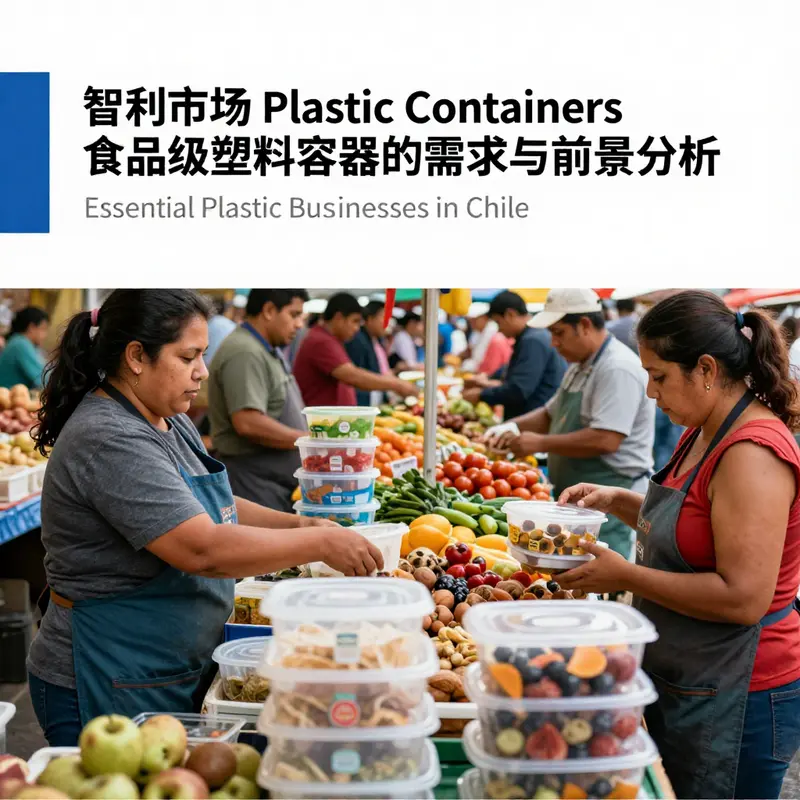
Chile stands at a pivotal moment in the evolution of its food packaging landscape. As a core economy in Latin America, the country has witnessed a steady uptick in consumer spending power, heightened health consciousness, and a preference for convenient, safe, and well-presented food. Taken together, these factors have accelerated the adoption of high-quality packaging solutions, particularly food-grade plastic containers, which can safeguard product integrity while aligning with fast-moving consumer demands. In this context, the Chilean market is more than a domestic stage; it is a gateway to broader Latin American opportunities, underpinned by resilient trade networks and a growing appetite for efficient, sanitary packaging across food services, retail, and home use.
Industry observers point to a clear signal from the industry’s pulse: a major regional showcase is on the horizon. The 2026 ESPACIO FOOD & SERVICE exhibition is anticipated to surpass substantial thresholds in exhibition area, attracting hundreds of exhibitors and tens of thousands of professional attendees. This event’s emphasis on food processing equipment, packaging machinery, and materials underscores the central role of packaging as a strategic enabler of productivity and quality in Chile’s food economy. For suppliers and manufacturers of food-grade plastic containers, the event is less a single moment of exposure and more a barometer of the region’s growth trajectory. It signals that packaging is increasingly viewed not as a convenient afterthought but as a critical component of product quality, safety, and consumer experience.
The empirical data backing this momentum is compelling. In parallel with Chile’s rising consumption, the packaging segment is benefiting from broader regional integration and global market dynamics. A notable indicator is the rapid upgrade of the beverage and food sectors across South America, where orders for plastic packaging have shown double-digit expansion in several markets. While growth rates fluctuate with macroeconomic cycles and raw material costs, the underlying trend remains robust: consumers want packaging that is reliable, transparent, and adaptable to a variety of foods—from ready-to-eat meals and snacks to fresh produce and beverages. In Chile, this translates into strong demand for containers that are food-grade certified, chemically safe, and capable of standing up to handling, stacking, and transport through complex supply chains.
A practical lens on this demand reveals a few decisive factors. First, the logistics of modern food distribution—whether at retail stores, in catering operations, or through e-commerce channels—depend on packaging that preserves freshness and reduces waste. Containers that are sturdy, leak-resistant, and easy to seal directly influence product shelf life and customer satisfaction. Second, the shift toward convenience has elevated the need for containers that are microwave-safe, easy to open, and visually clear for product visibility. Transparent packaging appeals to consumers who want to inspect contents without compromising hygiene, a preference that has grown in Chile as shopping shifts toward organized retail and supermarket formats.
Third, and perhaps most consequential, is the region’s exposure to regulatory and sustainability pressures that shape design and material choices. European environmental regulations, including those linked to plastic pollution governance, have created a ripple effect through Latin America. While Chile retains autonomy in its policy mix, multinational food brands operating there are increasingly mindful of eco-conscious packaging narratives. The result is a gradual tilt toward packaging solutions that balance performance with recyclability and lower environmental footprints. In practice, this means food-grade plastic containers that can be produced with high-quality resins, offer reliable barrier properties, and align with end-of-life strategies or compatible recycling streams. These dynamics create a viable pathway for manufacturers who invest in material science, process control, and traceability to demonstrate compliance and safety across markets.
From a market-sizing perspective, the global plastic container trajectory offers a north star for Chile’s potential share. The global market, which surpassed several trillion dollars in recent years, is expected to sustain a healthy growth rate as demand for durable, safe, and convenient packaging rises in both developed and emerging economies. For Chile, a high-income market with sophisticated consumer segments, the projection is a favorable one: local demand is likely to be complemented by imports that bring a range of sizes, shapes, and features suitable for diverse food formats. The interplay between domestic production capabilities and import channels is crucial. Chile’s network of trade agreements and its strategic access to global markets facilitates the flow of packaging materials suited to food-grade standards, while enabling local manufacturers to access global supply chains for critical resins, additives, and sealing technologies.
To paint a more concrete picture of the market’s direction, consider the broader regional context. The Latin American packaging ecosystem is increasingly integrated with global supply chains, and Chile sits in a position to leverage this integration. The expansion in beverage and snack categories, the growth of ready meals, and the rise of on-the-go consumption have all elevated the importance of reliable, high-performance plastic containers. In this environment, container design is not merely about capacity; it is about meeting strict hygiene standards, ensuring product integrity during transit, and providing convenient reuse and recycling options where feasible. This triad of priorities—safety, performance, and sustainability—defines the roadmap for Chile’s food-grade plastic container market.
For suppliers seeking to enter or expand within Chile, the opportunity lies in offering a versatile portfolio that can address both household and commercial用途. Family kitchens, small cafes, and street-food vendors increasingly demand containers that combine ease of use with long-lasting performance. Meanwhile, restaurants, hotels, and catering services look for standardized packaging that supports consistent service, reduces spillage, and minimizes waste. A practical approach is to emphasize modular solutions: stackable, nested designs that maximize storage space; leak-resistant seals that protect against moisture and grease; and materials that exhibit predictable performance across a range of temperatures and handling conditions. The objective is not only to meet current demand but to anticipate shifts toward more sustainable packaging ecosystems, where brands can showcase safety, functionality, and environmental responsibility in a coherent narrative.
In this landscape, one can observe the confluence of several trends that reinforce Chile’s potential as a hub for food-grade plastic containers. The first is ongoing consumer upgrading, which heightens sensitivity to product quality and packaging aesthetics. The second is the professionalization of foodservice and retail logistics, which values standardized packaging and scalable solutions. The third is the gradual alignment, albeit uneven, with global sustainability expectations that push for recyclability and lower carbon footprints. Taken together, these forces create a durable foundation for a market that, while competitive, offers meaningful room for differentiation through material science, supply chain resilience, and value-added services such as customization, labeling, and compliance certifications.
Within this framework, Chile’s market stands to benefit from pragmatic collaborations that blend local manufacturing capabilities with global sourcing. Local production can reduce lead times, support compliance with food safety standards, and tailor containers to regional dietary habits and culinary practices. At the same time, importing high-quality plastic containers that meet international standards ensures product reliability and helps brands respond quickly to shifting consumer preferences. For both routes, robust supplier relationships, transparent quality assurance, and a shared commitment to safety will be the differentiators that determine long-term success in the Chilean market.
As the narrative of Chile’s packaging market unfolds, it is essential to recognize the broader implications for Latin America. Chile’s experience can serve as a case study for how a high-income market balances performance with sustainability in packaging, while leveraging regional trade ties to scale up production and distribution. For stakeholders aiming to capitalize on this trajectory, the path forward involves investing in advanced materials, optimizing manufacturing processes, and building flexible supply chains that can accommodate fluctuations in raw material prices. It also means crafting compelling value propositions for retailers and food-service operators—promising not just containers, but end-to-end packaging solutions that simplify compliance, improve shelf life, and elevate brand perception.
To readers seeking practical anchors in this evolving space, consider how the Chilean market’s momentum informs strategic thinking across Latin America. The region’s packaging future is likely to feature a blend of durable plastic solutions and an increasing emphasis on sustainability. Companies that align product innovation with local preferences, regulatory expectations, and efficient distribution will be well positioned to expand beyond Chile’s borders. This is not merely a market entry question; it is a call to design packaging ecosystems that deliver safety, convenience, and responsibility in equal measure. For those who look to the wider industry as a source of ideas, the Chilean example demonstrates how a well-timed focus on quality, reliability, and adaptability can unlock growth opportunities in a growing, interconnected Latin American market.
Internal link reference: as packaging choices evolve, many buyers explore sustainable, versatile options available in the broader catalog of takeout and food packaging solutions. For an example of flexible, eco-friendly takeout packaging that emphasizes safety and usability, see this product page: eco-friendly takeout boxes for food packaging.
External resource: for an overview of supplier configurations and product variants that illustrate stacking, sealing, and material performance, you can review the following supplier catalog page: https://www.alibaba.com/product-detail/4-Layer-Stackable-Round-Food-Container_1600739283221.html
Final thoughts
Understanding the diverse options available in plastic food containers is vital for businesses in Chile. From stackable designs that optimize space to large-capacity boxes catering to commercial needs, these containers not only enhance functionality but also ensure food safety and preserve quality. As environmental awareness grows, the market for recyclable options like PET containers continues to expand, offering cost-effective solutions without sacrificing quality. Embracing these products can profoundly improve operations and resonate well with eco-conscious consumers. By staying informed about packaging advancements, businesses can better adapt to consumer demands and thrive in the competitive food and beverage landscape.