
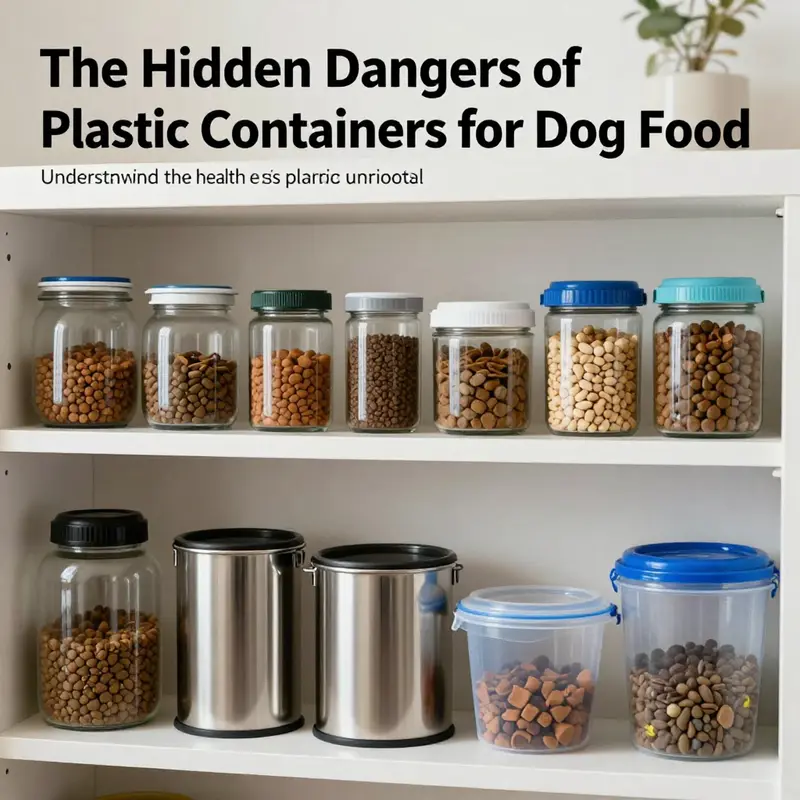
Plastic containers are frequently used for storing dog food, but they come with hidden dangers that can adversely affect canine health. From harmful chemicals leaching into food to the lingering threats of microplastics and hygiene issues, these risks underline the importance of selecting the right materials for pet care. This article delves into the chemical risks posed by plastics, the impact of microplastics on dog health, and why hygiene concerns make plastic containers a poor choice. By understanding these factors, businesses in the food industry can make informed decisions that promote the well-being of pets while also enhancing their service offerings.
When Plastic Meets Kibble: The Hidden Chemical Dangers Lurking in Dog-Food Containers
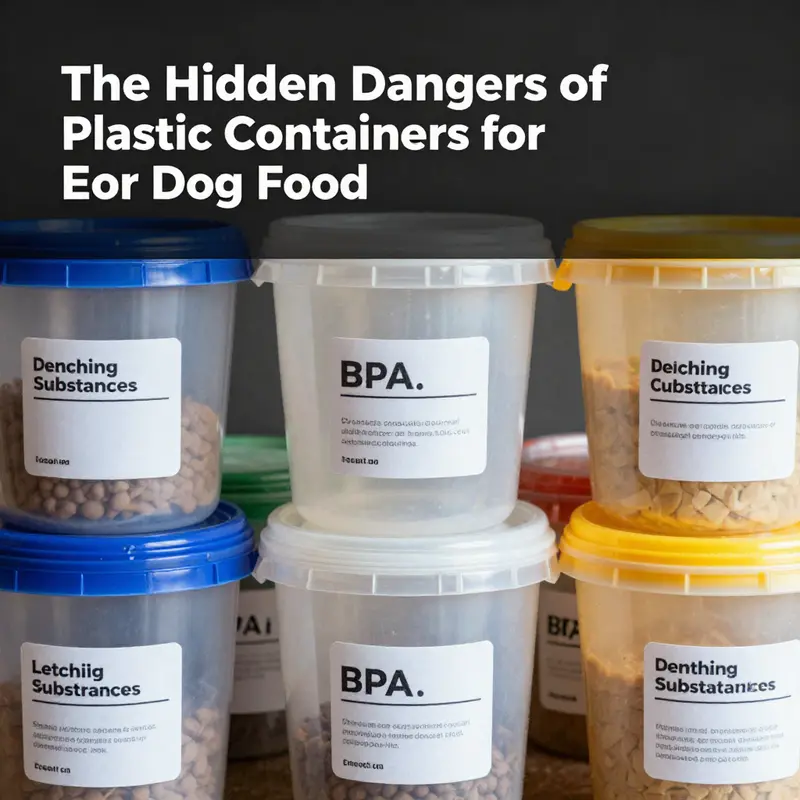
In the quiet rhythm of daily pet care, few routines feel more mundane than filling a dog’s bowl. We wipe the rim, scoop the kibble, and perhaps quickly wipe a spill from a plastic storage lid. Yet beneath that ordinary scene lies a set of risks that many guardians overlook. Plastic containers seem convenient: lightweight, affordable, and readily available in a spectrum of colors and shapes. They promise freshness and ease. But for dog food, that convenience can carry a price that accumulates over months and years of storage. The risks are not dramatic scandals but slow, cumulative processes that begin the moment food meets plastic. When we pause to examine what actually happens at the molecular level, a stark picture emerges: plastics can release chemical constituents into food, shed microplastics, and harbor microbes in scratches and grooves. These mechanisms may operate quietly, but they matter for the long-term health of a dog that relies on a steady, balanced diet and a resilient digestive tract to process it.
One of the most persistent concerns is chemical leaching. Many plastics are manufactured with additives that improve flexibility, durability, or heat resistance. Phthalates, used to soften certain polymers, and bisphenol compounds, often introduced to hard plastics, can migrate into food when containers are exposed to heat, fatty foods, or repeated use. In theory, containers labeled BPA-free should be safer, yet the real-world story is more nuanced. Substitutes such as BPS or BPF may serve the same hormonal-disrupting roles, sometimes with even less public scrutiny. When a bag of dry kibble sits in a plastic bin that has seen seasons of use, the surface is more likely to harbor microscopic reservoirs of these compounds. The growth in fatty content, a common feature of many pet foods, can act as a solvent in a way that encourages leaching. And heat—whether from a sunny kitchen, a warm pantry, or a car trip back from the store—can accelerate this migration. The dog’s body then encounters a steady, low-dose exposure to chemicals that function as endocrine disruptors in humans and animals alike. The health implications are not always immediate or dramatic. They are subtle and long-term: shifts in hormonal signaling, changes in reproductive maturation, or an altered cancer risk profile that might only reveal itself years later. Even if a container is marketed as BPA-free, that does not guarantee safety for pet food, because the plastic itself can still contain related compounds that perform similar roles and behave similarly under real-world conditions.
The language of risk grows more complex when we consider the growing body of research on microplastics. Plastic is not a one-time barrier but a material that degrades when stressed by use, washing, and exposure to heat. Over time, the surface of a plastic container accumulates micro-scratches and microgrooves that become fertile ground for tiny particles to shed. When dogs eat from a bowl or food stored in such containers, microplastics can accompany the meal into the digestive tract. The literature, still evolving, shows that microplastics can accumulate in the gastrointestinal system, irritate mucosal tissues, and provoke inflammatory responses. In some cases, the chronic irritation of the stomach lining can lead to more serious issues, including ulcers or bleeding, particularly in dogs with sensitive digestion or those consuming fatty, oily foods that already stress the stomach. The concern is not only the particles themselves but the contaminants that often ride along on those particles—additives, surface coatings, and even residual antioxidants used in plastic manufacture. The end result is a potential internal exposure profile that is hard to monitor in everyday life but measurable in controlled studies, signaling a real-frequency risk that stores or kitchens rarely isolate.
Hygiene and mechanical wear compound these chemical concerns. Plastic is not as inert as it might appear. Scratches, nicks, and micro-cracks accumulate with repeated washing, dishwashing cycles, and the occasional rough utensil sliding across the surface. Each imperfection creates microscopic crevices where bacteria and mold can take hold. Stainless steel and glass offer non-porous, easier-to-clean surfaces that resist microbial colonization far more effectively than most plastics. The problem is not just surface contamination. Knocks and drops can scuff the container, releasing tiny fragments into the food during scooping. The dog then has a dual exposure: chemical leachates and mechanical contaminants. Even thoroughly washing a scratched container may not erase the risk entirely because plastics are porous at micro scales and can trap residues. Bacteria and mold can thrive in these hidden corners, and once they colonize, they contribute to odors, rancidity, and a higher likelihood of gastrointestinal upset in dogs after a meal. Each cycle of use, wash, and re-use compounds the problem, signaling that a long-term storage solution should favor materials that resist scratching and are simple to sanitize.
The degradation aspect of plastic storage is particularly relevant for dog foods that lean on fats and oils. Many dog foods, especially wet varieties, contain oils to improve palatability and palatability contributes to acceptance by picky eaters. Oils can interact with plastic at the surface, softening some polymers and promoting the migration of additives into the food. The combination of fat, heat, and time becomes a recipe for accelerated material breakdown. In this context, a once-innocent plastic container may transition from a mere storage vessel to a source of chemical exposure. When fats begin to break down inside a container, they can further encourage microstructure changes in the plastic itself, causing more surfaces for leaching and more sites for microplastic release. The net effect is a cumulative risk that accrues with months of storage and repeated use rather than an isolated incident. The predictable, practical takeaway is straightforward: minimize long-term storage of dog food in plastic and favor materials with robust chemical resistance and inert surfaces.
Beyond the chemical and microbiological dimensions, there is a behavioral layer to consider. Some dogs develop a propensity to chew or lick their containers, drawn perhaps by boredom, anxiety, or a condition sometimes referred to as pica. Chewing introduces a direct ingestion pathway for plastic fragments. Even small amounts of ingested plastic can cause digestive irritation, partial blockages, or other mechanical issues that complicate feeding and recovery. The risk here is not limited to the ingestion event; it also speaks to the habit itself. Repeated episodes of chewing can lead to sustained exposure and an ongoing cycle of ingestion, irritation, and veterinary visits. Behavior is shaped by environment and routine, so a thoughtful approach to storage design and placement can reduce opportunities for such risk without punishing a dog’s natural curiosity. Durable, non-chew-friendly storage solutions, positioned out of reach, can mitigate this specific hazard and keep the food environment calmer and safer for the pet.
With these layers in mind, the safer alternatives are more than mere preferences. They are practical, evidence-informed choices that reduce the pet’s exposure to potential toxins and contaminants. Stainless steel bowls and storage containers are favored for their non-porous surfaces and resistance to scratching. They are easier to clean and less likely to retain odors or residues that attract bacteria. Glass containers, particularly those made from high-quality, non-reactive glass, offer another inert option that does not leach chemicals and remains stable across a wide range of temperatures. Ceramic storage, while more fragile, can also be a sound alternative if it is lead-free and finished with food-grade glazes. For some guardians, high-quality, food-grade plastics may still be used, but with strict limitations on use: avoid storing fatty or acidic foods, do not reuse single-use containers for long periods, and replace any container showing wear promptly. The overall principle is clear: keep dog food in materials with strong chemical resistance, simple cleaning profiles, and minimal opportunities for micro-erosion of the surface.
Translating this into daily practice involves more than choosing the right material. It also means thoughtful handling and storage routines. Cool, dry pantries or cabinets free from direct sunlight are ideal environments, because heat and light can accelerate chemical migration and surface degradation. Avoid leaving containers in hot cars or near warming appliances. Do not retask packaging that was intended for human foods without confirming it is non-reactive and suitable for long-term pet food storage. When possible, transfer dry kibble to glass or stainless steel canisters with tight-sealing lids that do not rely on porous or flexible plastics. For those who prefer transparency, glass has the added advantage of letting you see at a glance whether the food has developed an off-odor or a change in texture—an early, practical cue that something may be amiss before you feed it to your dog. And because dogs vary in size and metabolism, the choice of storage must reflect that variability: larger, kid-proof canisters reduce the temptation to reuse old containers, while smaller, more manageable options can be rotated to maintain freshness without inviting long-term storage that invites leaching and microplastic degradation.
The broader implications for dog health hinge on a balance between convenience and precaution. The body of evidence, while still developing in some respects, consistently points toward material choices that minimize chemical exposure and microbial risk. A 2026 report from a leading environmental health journal reinforces the view that substituting plastic with inert materials such as glass or stainless steel yields measurable reductions in detectable levels of problematic compounds in stored pet foods. While the details of long-term, low-dose exposure remain under study, the practical guidance is robust: avoid plastics for long-term storage of dog food and employ materials that resist leaching, stain, and bacteria. The mind-set shift is not about fear or alarm but about applying a simple precaution: treat storage as part of the nutritional equation, not as an afterthought. If the goal is to preserve palatability, nutritional integrity, and gastrointestinal resilience, the container matters as much as the contents.
To connect this practically to everyday choices, consider a packaging approach that keeps the conversation about safety active without becoming a burden. The idea is to keep food in inert materials for as long as possible and to relegate plastic to short-term tasks only, if at all. A small daily change can yield meaningful dividends over time: transferring kibble to a clean, durable glass or stainless steel container soon after purchase, wiping down the exterior, and keeping lids separate from food contact surfaces when cleaning. When you do encounter plastic, treat it as a limited-use option—not a default. And for guardians who want to explore safer packaging strategies more broadly, a quick reference to safer packaging practices can be found in broader discussions about non-plastic, durable solutions—such as the eco-friendly takeout boxes used in human food packaging. This example illustrates how non-plastic options can provide both practicality and peace of mind, showing that safe storage is not a luxury but a feasible baseline for responsible dog care. eco-friendly takeout boxes for food packaging.
For guardians seeking reassurance beyond the practical, the science increasingly supports a cautious stance toward plastic for long-term pet food storage. The migration of plasticizers and bisphenol compounds into fatty or acidic foods is a chemical reality that can be magnified by heat and repeated use. Microplastic shedding, while a newer field of investigation, presents a plausible risk for chronic exposure that merits attention as part of a broader strategy to minimize unnecessary ingestion of foreign materials. Hygiene challenges and the tendency of plastics to degrade under pressure from oils and external temperature changes further justify the recommendation to pivot toward non-reactive, easy-to-clean alternatives. The overarching message is not one of panic but of prudent risk management: protect your dog from the cumulative, long-term effects that a small misstep in storage can create. This is especially important for dogs with preexisting sensitivities, elderly pets with slower metabolism, or those on restricted diets where any additional inflammatory or endocrine disruption could shift outcomes in unpredictable ways.
If you would like to explore the science and the evolving consensus more deeply, a recent external resource surveys these exact concerns and offers a careful synthesis of the evidence around chemical risks in plastic food containers. The study highlights how repeated use, heat exposure, and the fatty nature of many pet foods synergize to raise the likelihood of leaching and microplastic formation, reinforcing the practical recommendations outlined here. This body of work provides a grounded context for the everyday choices pet guardians face and helps explain why the transition away from conventional plastic storage can be a meaningful step for long-term canine health. External resource: https://www.jehealth.org/2026/01/plastic-food-containers-chemical-risks/
Guarding Bowls and Belly: Microplastics, Leaching, and the Hidden Threat of Plastic Dog-Food Containers

Microplastics in dog food storage pose a practical, evolving risk. Particles shed from containers can enter kibble or canned foods, and exposure may accumulate over months and years. While direct health outcomes in dogs are not fully mapped, precautionary steps can reduce risk, such as avoiding heating foods in plastic, transferring kibble to metal or glass containers, and rotating storage to prevent wear. In urban households where plastic storage is common, these measures gain extra relevance for dogs with preexisting health concerns or older age. Guardians can balance convenience with caution by choosing food-grade, non-porous containers, ensuring lids create an airtight seal, and cleaning storage areas with non-abrading methods. The broader message is to minimize unnecessary microplastics entering the life of a dog, without sacrificing daily routine.
Grimy Scratches, Silent Leaks, and Microplastic Warnings: The Hygiene Hazards of Storing Dog Food in Plastic
Grimy Scratches, Silent Leaks, and Microplastic Warnings: The Hygiene Hazards of Storing Dog Food in Plastic
When you fill a kitchen bin with the remains of a dog’s meal, you might think the storage container is a simple afterthought. In truth, the container you choose can play a quiet but decisive role in how safe that meal remains from the moment it leaves the bag or canister until it is offered to your dog. Plastic containers are ubiquitous because they’re cheap, light, and convenient. But their popularity masks a set of hygiene risks that accumulate over time, especially when the food stored inside contains fat, oil, or moisture and the container endures heat, repeated washing, or rough handling. These conditions are not merely cosmetic concerns. They shape the chemistry of what ends up in your dog’s bowl, and they influence how microbes take hold in the microchannels, scratches, and tiny grooves that plastic inevitably develops with use.
A first and practical concern is the microscopic geography of plastic itself. Even when a container looks smooth to the naked eye, it bears countless micro-scratches and minute cracks along its interior. These micro-features are not just imperfections; they are tiny footholds for bacteria, mold, and other pathogens that thrive in crevices where ordinary cleaning fails to reach. Regular washing cannot guarantee a spotless surface when the polymer has been stressed, heated, or scuffed by utensils. Over time, those micro-trenches accumulate biofilm, a slimy matrix that shields microbes from sanitizing agents and creates a steady reservoir of organisms that can migrate into dog food during storage. The problem grows more acute when the animal’s meals are fed daily, turning a once-clean container into a recurring source of contamination.
The challenge of sanitizing plastic is intensified by its porous-like texture, which, while not truly porous in the way that ceramic might be, behaves similarly under real-world wear and tear. Plastic’s ability to resist complete cleaning is one of its most persistent drawbacks. Unlike glass or stainless steel, plastic materials can harbor tiny fissures even after scrubbing with brushes or hot water, and those fissures trap bacteria that can re-seed contamination after every wash. For a pet owner who frequently feeds a dog from the same container, the cumulative exposure period lengthens, raising the odds that a dog’s gastrointestinal tract will encounter pathogens that escaped initial cleaning attempts. In human hygiene as well as veterinary contexts, the principle is the same: surfaces with residual micro-architecture are harder to sanitize thoroughly, and the consequences can manifest as stomach upset, loose stools, or more serious infections in dogs with sensitive gut health.
Beyond the mechanical and cleaning challenges, plastic is not a chemically inert backdrop for food storage, particularly for oily or fatty dog foods. The combination of heat, fat, and time is a powerful driver of chemical migration from the container into the food it encases. Additives used to stabilize or harden plastics—such as certain esters or related compounds—can leach at measurable levels when heated or when in prolonged contact with fats. In the public discourse, much attention has focused on bisphenol A (BPA) and phthalates because of their well-documented endocrine-disrupting potentials in mammals. While many containers marketed as “BPA-free” make a safety claim, the broader plastic family contains alternatives that behave in similar ways under the same conditions. The oily matrix of dog food can act like a solvent, accelerating the migration of additives away from the polymer and into the food. This is not merely a theoretical concern; studies in laboratory and veterinary contexts have drawn connections between certain migrating compounds and hormonal disruption, reproductive issues, and metabolic irregularities in animals. The risk assessment, therefore, should consider not only immediate toxicity but also longer-term effects that could influence a dog’s development, reproduction, or appetite regulation in adulthood.
One particularly insidious dimension of plastic storage is the more subtle form of contamination: microplastics. Over time, plastic containers shed tiny fragments as they degrade, crack, or loosen under stress from heat and cleaning cycles. These minuscule particles—often invisible to the naked eye—can slip into dog food and be ingested by pets. Microplastics have been found to accumulate in the digestive tract in experimental settings, and even if a single exposure seems trivial, repeated ingestion can irritate the mucosal lining, provoke inflammatory responses, and, in extreme cases, contribute to gastric lesions or other internal damage over the long term. Dogs differ in their susceptibility depending on age, breed, and existing gut health, but the possibility of microplastic exposure through routine food storage remains a plausible hazard that should inform how guardians choose containers for dog meals.
There is also a behavioral dimension to consider. Dogs, especially those with higher energy or lower frustration tolerance, may chew on plastic containers or lick the interiors out of curiosity or boredom. Ingesting small plastic fragments is dangerous for any animal, risking obstructions, perforations, or chemical exposure. Pica, a condition characterized by the compulsive consumption of non-nutritive substances, can manifest in dogs under stress or anxiety, increasing the likelihood of plastic ingestion. The immediate risk—an intestinal blockage or chemical poisoning—cascades into veterinary emergencies with high costs and, more importantly, distress for both dog and owner. This behavioral risk intersects with the hygiene concerns because the act of chewing also damages the container’s surface, creating more micro-scratches for pathogens to inhabit and more crevices for chemical leaching to begin or accelerate.
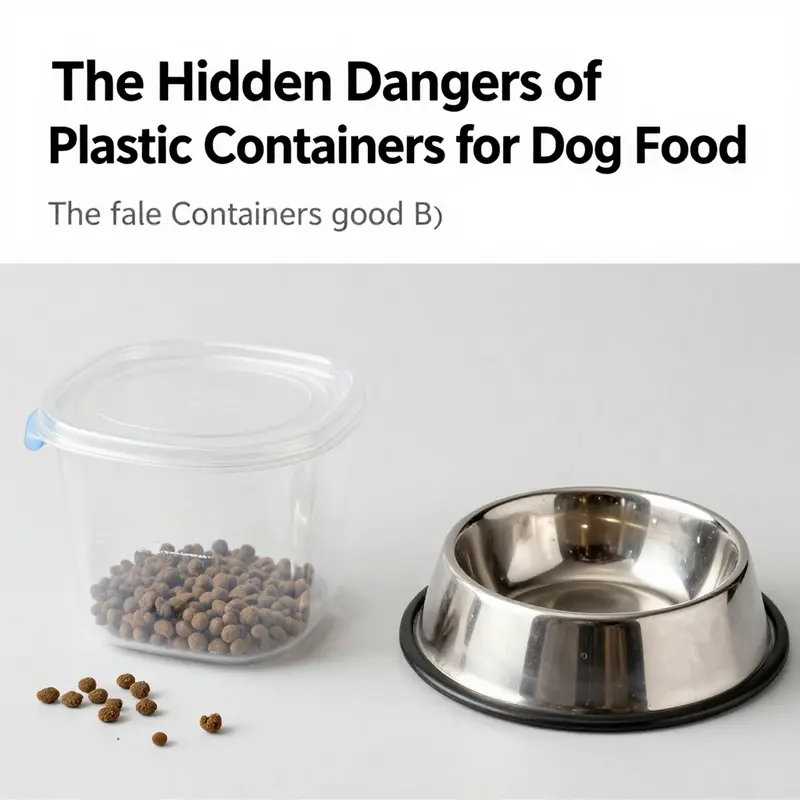
In the face of these layered risks, several safer storage alternatives stand out. Stainless steel, for instance, offers a surface that is non-porous, highly resistant to scratching, and easier to sanitize to a level that leaves far fewer crevices for microbial colonization. Glass containers, particularly those designed for food storage, share these non-porous advantages and, when used properly, do not contribute to microplastic exposure. Ceramic options can be a robust choice where lead-free glazes and proper quality control ensure safe use; they provide a non-porous barrier and a straightforward cleaning routine. For those who prefer plastics for reasons of weight or cost, choosing high-quality, food-grade plastics and using them within conservative limits—avoiding repeated exposure to heat and oily foods—can mitigate some risk, but it is essential to recognize that even these options require careful handling and regular replacement as micro-scratches accumulate or evidence of wear appears.
To navigate these choices, practical routines help. Cleanliness is not just about scrubbing but about understanding how materials interact with the food they hold. After every meal, wash the container with hot, soapy water, paying particular attention to the interior corners and any seams where a sponge may not reach. Dry thoroughly to reduce residual moisture that can foster microbial growth. Inspect containers regularly for visible scratches or dulling of surfaces, which signal an increased risk of harboring microbes or migrating chemicals. If a container shows signs of wear—deep scratches, cracking, or a cloudy appearance—replace it. It is a straightforward rule that durability translates to hygiene: the longer a container lasts beyond its capacity to stay clean and non-toxic, the greater the cumulative risk.
Another dimension of responsible storage concerns heat exposure. Containers left in a hot car, near a stove, or in a sunny kitchen window can heat the food and the container, accelerating chemical migration and creating a more favorable environment for microbial growth. Temperature integrity should be one of the first criteria when selecting a storage solution. A container that remains cool and stable during carry and storage reduces both the rate of any potential leaching and the likelihood of microbial proliferation caused by warmth. For households where ambient temperatures frequently rise, the choice of material becomes even more critical. In such contexts, non-porous materials with excellent heat resistance, like certain stainless steels and tempered glass variants, offer a more stable store for dog food.
The conversation about what to store dog food in also intersects with the broader conversation about the lifecycle and environmental considerations. Some owners prefer recyclable or reusable plastics for convenience or cost. It is important to approach these options with a tempered understanding: even when a plastic container is marketed as “recyclable” or “reusable,” its chemical stability and hygienic profile may degrade with repeated cycles of use and washing. In contrast, non-plastic options—stainless steel, glass, and ceramic—often carry a longer functional life when chosen with quality construction and sound maintenance in mind. The balance, then, is not simply about reducing a single type of hazard but about reducing the cumulative risks across the container’s life: the potential for chemical migration, the likelihood of microplastic generation, and the probability of bacterial colonization that could contribute to gastrointestinal distress in a beloved canine companion.
In the broader arc of pet care, this hygiene lens shifts how guardians think about the small, routine choices that accumulate over years. It invites a more proactive stance: selecting materials that remain non-porous, readily sanitized, and resilient to everyday wear and tear; adopting cleaning practices that target the most stubborn micro-environments; and recognizing when a storage solution has outlived its protective value. It also invites a more nuanced appreciation of what “safe” means in practice. A container marked as “food-grade” or “BPA-free” can still present risks if it is used in oil-rich conditions or exposed to heat for extended periods, or if it develops the scratches that invite microbial colonization. The aim is not perfection in a single moment but consistent reduction of risk through informed choices, regular maintenance, and timely replacements.
A note on practical action helps bring these principles into daily life. Consider labeling containers with the date of purchase and the approximate date of first use, then setting a replacement interval that aligns with how often you typically wash and reuse the vessel. Frequently used containers could become candidates for early retirement after a year or two, especially if you notice surface wear or if your dog’s dietary fats change in texture or composition. Store dog food in a cool, dry place away from sunlight, and avoid storing in the same containers used for other household substances that could contribute cross-contamination, odors, or residues that complicate cleaning. If you are temporarily using a plastic vessel, bias your routine toward a non-heat-exposed environment and a thorough dry-cleaning regimen when feasible, but recognize the trade-off: temporary convenience may come at the cost of long-term hygiene and safety. The overall pattern is straightforward: the longer the exposure, and the more the container’s surface degrades, the greater the probability that microscopic hazards will breach your dog’s dietary shield.
The take-home message is not to demonize plastic wholesale but to recognize its limitations within the practical realities of dog care. Plastic remains a useful material for many households, particularly for travel, portability, or short-term storage. Yet for the primary daily task—keeping dog food fresh, safe, and clean—the hygiene math often favors alternatives that offer easier sanitation, fewer micro-scratches, and less potential for chemical migration. If you must use plastic, choose higher-quality, food-grade options, keep them away from heat and direct sunlight, and retire them promptly when wear becomes evident. Pair that with a robust cleaning routine and a willingness to switch to non-plastic options as soon as affordable and convenient. The cumulative benefit is clearer appetite, fewer digestive complaints, and a happier, healthier long-term relationship with your canine companion.
For readers who want a practical nudge toward safer materials beyond plastic, exploring the broader world of safer containers can be helpful. A growing body of guidance emphasizes non-porous materials that resist scratches and are easier to sanitize. In this light, you might see suggested choices such as stainless steel or glass for primary food storage, with ceramic as an option when properly glazed and sealed. The idea is to minimize the number of micro-niches where microbes can hide and to maximize the ease of routine, thorough cleaning. And while it may feel like a small, routine decision, choosing the right storage container is a foundational step in preserving your dog’s microbiome health, preventing inflammatory responses in the gut, and supporting steady energy levels and mood through long-term meal quality.
If you are curious about safer packaging alternatives that still offer practicality and convenience, there is a path worth exploring: consider containers and packaging designed with non-toxic, non-porous, and easy-to-clean properties in mind. For example, the option to transition toward eco-friendly takeout boxes for food packaging represents a shift toward materials engineered for safer food contact, reduced leaching risk, and improved resilience against wear. While the packaging industry and home kitchen differ in scale and purpose, the underlying principle remains consistent: prioritize surfaces that resist microbial accumulation, resist chemical migration, and maintain integrity through repeated use and washing. By translating these design principles into the way you store dog food at home, you extend the idea of safety from the grocery aisle to the heart of your kitchen.
As you evaluate your current storage setup, remind yourself of a simple triad: cleanliness, material safety, and durability. Cleanliness means surfaces that can be scrubbed down to a near-zero microbial load. Material safety means that the container’s composition does not contribute harmful substances to the food or the dog’s body over time. Durability means the container retains its safe properties even after years of daily use. Together, these elements form a practical framework for making informed decisions about dog food storage. The result is not only a cleaner bowl but a healthier digestif for your dog, a less anxious owner, and a kitchen routine built around evidence-based choices rather than convenience alone.
For readers who want to connect this narrative with broader recommendations, a reliable, easy-to-navigate resource emphasizes that the risks associated with plastic can be mitigated by choosing safer materials and by prioritizing thorough cleaning. It also highlights the value of selecting containers that can be easily sanitized and that show minimal signs of wear. This perspective aligns with a cautious approach to pet health: invest in storage solutions that reduce risk today, rather than paying for potential problems tomorrow. The core idea is simple, even if the details are nuanced: the choice of storage container matters because it interacts with the very process of feeding—the daily act that shapes a dog’s health trajectory across years and even the length of a pet’s life.
To anchor these considerations with a broader public-health perspective, it is worth noting how the science of food-contact materials translates from human to animal health. The same concerns that drive regulatory attentiveness in human food packaging—migration of chemicals, potential endocrine activity, and cumulative exposure—apply with equal seriousness to pet food. Dogs, like humans, rely on a stable internal environment for growth, reproduction, and overall wellness. Reducing exposure to questionable substances and limiting the lifetime exposure to microplastic particles is an ongoing, practical investment in a pet’s future health. The goal is not alarm but awareness: to read the small print of packaging safety, to observe how a container wears over time, and to adjust habits before problems arise. This approach embodies the kind of mindful pet ownership that keeps a dog’s life comfortable, energetic, and free from needless worry.
If you seek a concise, reputable starting point for this discussion, consider the broader guidance offered by animal welfare organizations that directly address the materials used for feeding and drinking vessels. They emphasize that plastic bowls and containers can harbor bacteria in scratches and may release chemicals under certain conditions, underscoring the value of safer materials for pet food and water dishes. This guidance dovetails with the practical recommendations outlined here and serves as a reminder that the everyday choice of a storage container is part of a larger ecosystem of pet health decisions. The practical implication is clear: small decisions about the kitchen can have lasting effects on a dog’s gastrointestinal comfort, energy, and long-term well-being.
For readers who want to explore further, a practical resource provides a broader meditation on the topic, emphasizing safer materials and hygienic design for dog food storage and feeding. You can read more about material safety and the importance of non-porous surfaces in the context of pet care through this external guide.
Internal link to related guidance on safer food-storage materials: eco-friendly takeout boxes for food packaging.
External resource for broader veterinary and public-health context: The Humane Society’s guide on choosing the right food bowl for your dog.
Final thoughts
The findings on the use of plastic containers for dog food reveal significant health risks that shouldn’t be overlooked. From harmful chemical leaching to the dangers of microplastics and hygiene issues, it is clear that plastic is not a safe choice for storing pet food. Businesses serving pets can enhance their commitment to animal health by opting for safer materials like glass or stainless steel. Ultimately, adopting these alternatives not only protects the well-being of canine companions but also positions companies as responsible stewards of animal health.