
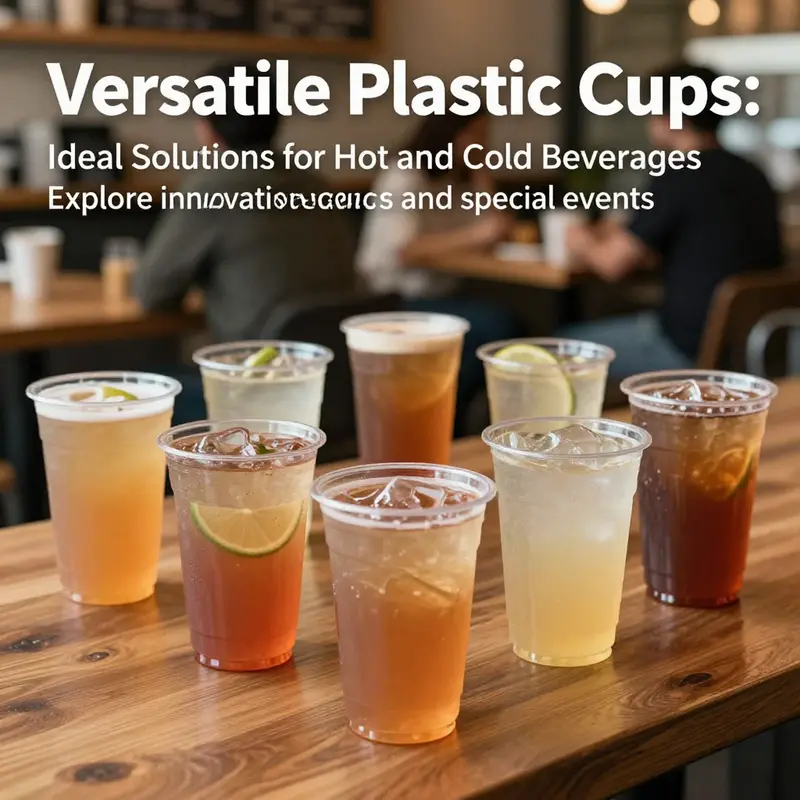
Plastic cups have become an integral part of the beverage industry, especially for bubble tea shops, restaurants, food trucks, catering services, event planners, and procurement teams. The versatility of plastic cups caters superbly to both hot and cold drinks, ensuring safety, convenience, and aesthetic appeal. As we dive into the various types of plastic cups available, we will explore heat-resistant options, insulated designs, high-capacity selections, industry suppliers, and the latest innovations that elevate beverage services while enhancing customer satisfaction. This comprehensive discussion will provide actionable insights tailored to help food service businesses excel with their beverage offerings.
Heat on the Horizon: The Quiet Engineering of Plastic Cups for Hot and Cold Drinks
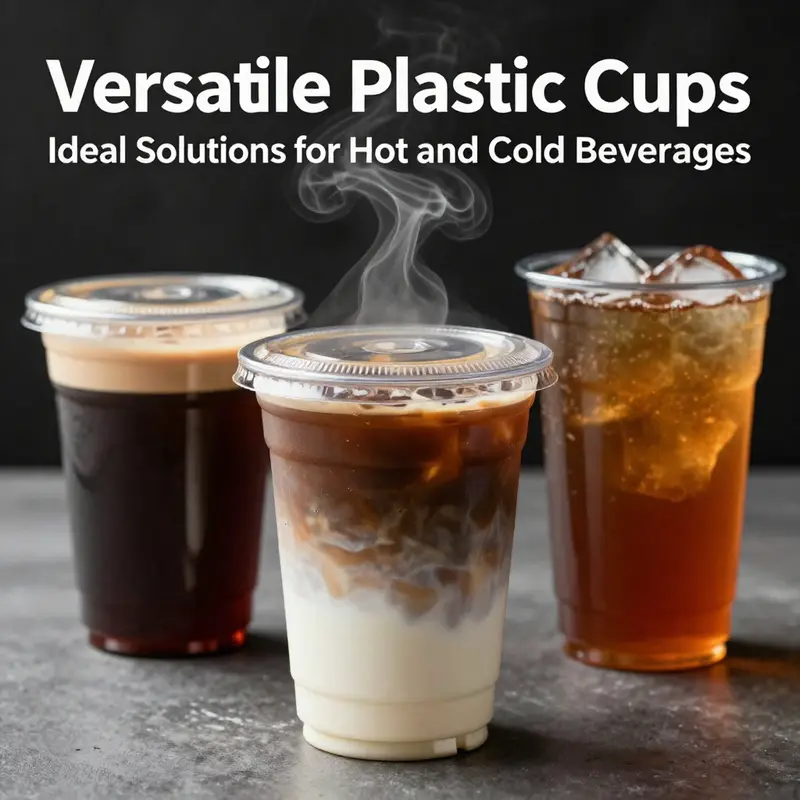
Every day, millions reach for a disposable cup that stands between heat and hands. A hot coffee in a clear or tinted cup carries comfort, while the choice of material quietly shapes the experience: how long the drink stays warm, how safely the cup can be held, and how easily it can be disposed of after the last sip. In the realm of plastic cups for hot and cold drinks, the most effective designs marry material science with practical design. They are not visible as hero products, but they support an endless cycle of daily rituals—from a brisk morning pick-me-up to a long afternoon of beverages at a busy event.
At the core of heat-resistant cups lies polypropylene, a thermoplastic known for its balance of toughness, chemical resistance, and relatively high melting point. When designed for hot beverages, these cups are crafted to withstand temperatures approaching 120°C without deforming or releasing surface compounds that could alter flavor or safety. This performance is achieved by selecting food-grade PP formulated to resist the repeated thermal shocks of freshly poured coffee or tea, then pairing the resin with a geometry that minimizes heat transfer to the user’s fingers. The result is a vessel that feels sturdy in the hand, even when the contents push the cup to its limit. In the modern supply chain, such cups are often specified for both home use and high-volume environments, where consistent performance across thousands of pieces matters every day.
From there, the geometry becomes the next line of defense against spills. A slightly flared rim creates a comfortable sip line while reducing the likelihood of dribbles when the cup is moved in crowded spaces. The diameter, typically tuned around a standard fit for common cup holders, ensures compatibility with business equipment such as beverage dispensers and car-friendlier cup racks. While this may sound modest, it is a judgment that affects service speed, waste, and even the perceived value of the beverage experience. In hot drinks, the outer surface of a plain cup would become a heat sink, but a carefully chosen wall thickness, rounded contours, and chosen surface textures can soften the sensation of heat, making the first contact with the cup both confident and forgiving for fingertips.
For customers who prize temperature retention and comfort, insulated cups with double-wall construction or integrated foam liners offer a different level of performance. The idea is elegant in its simplicity: you create an air or foam barrier between the hot liquid and the outer wall. The inner wall bears the liquid and its heat while the outer wall stays cool to the touch, even after a long pour. This setup dramatically reduces the burn risk and can make a hot beverage feel warmer for longer without requiring a larger cup or heavier material. The practical impact is a more stable drinking experience during commutes, conferences, or outdoor events where reaching for a sleeve or a hot hand can interrupt the moment. The design also helps resist condensation on the outside surface when cold drinks are served, preserving grip and reducing slick handling in busy service lines.
Manufacturers routinely offer a spectrum of capacities to fit different contexts—from small morning servings to generous, event-sized portions. Large-capacity cups designed for hot and cold drinks must balance robustness with manageability; the plastic must tolerate repeated re-filling and rough handling without cracking. The polypropylene base remains a common choice due to its resilience, while some lines explore thicker wells or ribbed textures to improve grip when wet. The end-user perception hinges on how the cup feels in hand: a comfortable hold, a predictable pour, and a surface that doesn’t sweat or warp under heat. This balance is not incidental; it is the outcome of careful material selection, wall geometry, and assembly precision across mass production and day-to-day reuse scenarios.
Businesses increasingly rely on this fusion of material science and design to craft cups that can carry branding while sustaining the required performance. The market embraces customization at scale, including varying sizes, colors, and branded inners or exteriors. For many operators, this means a turnkey approach: a supplier can provide a heat-resistant cup in a chosen size with branding applied in a way that avoids compromising barrier properties or heat resistance. The possibility of partnering on design details—such as a lip profile that reduces spill risk or a matte exterior that improves grip—adds a layer of value beyond simple containment. The strategic appeal lies in a single, reliable container that supports service speed, brand recognition, and customer comfort, whether the scene is a street-side coffee run or a formal corporate reception.
Safety and regulatory considerations are woven into every production step. Food-contact polymers used in hot-cup applications must meet standards that ensure the absence of harmful migration and the stability of additives under heat. For hot drinks, the supplier’s certifications, batch testing, and traceability become part of the buying decision. In practical terms, this means customers can rely on a product that remains inert, clean, and predictable, even after repeated exposures to hot liquids. The result is a material story that aligns with the expectations of cafes, chains, and households alike—where reliability is as important as price, and where the cup’s ability to handle heat quietly supports the beverage experience rather than interfering with it.
Beyond the cup itself, the lifecycle and procurement implications matter. Bulk procurement channels emphasize high production capacity, consistent quality, and a vendor network capable of meeting tight deadlines. The appeal of double-wall or insulated options becomes clear when a business wants to protect customers from burns during peak hours and ensure that temperatures are perceived as stable over the course of a service window. The strongest suppliers in this space frame their value in terms of certified food safety, scalable production, and flexible terms for large orders, from routine daily use to specials and seasonal campaigns. In practice, this means choosing a partner who can deliver thousands, or tens of thousands, with consistency—an operational advantage that translates into happier customers, smoother service, and better waste management.
While the material and geometric choices may seem technical, they translate into tangible benefits. A hot beverage that arrives at a customer’s hand with a comfortably cool exterior, a mouthfeel unchanged by a stray heat, and a shape that nestles into cup holders and sleeves alike—this is the everyday lifeblood of the industry. And when cold drinks are involved, the same cup must resist condensation and sweating, while maintaining structural integrity during transport. A double-wall cup can deliver this dual performance without adding excessive weight, creating a sense of value through reliable handling and predictable consumption. The practical upshot is simple: the right cup design becomes a quiet facilitator of the sensory experience, a small piece of engineering that shapes the moment of drink, not just the container that holds it.
Looking ahead, the field will likely continue to evolve toward even more nuanced formulations and smarter design cues. Developments in recycled-content polypropylene and other sustainable plastic systems promise to reduce environmental impact while keeping safety margins intact. Yet heat resistance remains non-negotiable for hot beverages, so innovations will aim to strengthen barrier properties, improve insulation efficiency, and expand the range of acceptable temperatures without compromising recyclability or safety. In busy service settings, that translates into cups that are lighter, more economical to produce at scale, and easier to recycle at the end of their life cycle, while still delivering the warmth and comfort customers expect.
This balanced perspective—that precision in material selection, geometric design, and scalable production can deliver cups that serve both hot and cold beverages—underpins the broader story of third-party packaging for everyday life. It is a reminder that the seemingly simple cup is the product of a disciplined synthesis of chemistry, ergonomics, and supply chain logistics. For operators, it is a cue to evaluate a cup not only by price or appearance but by its capacity to maintain safety, preserve taste, and support the flow of service in a bustling setting. For researchers and designers, it is an invitation to test new formulations and refine wall geometries that sustain performance across temperature ranges while aligning with evolving regulatory and sustainability trajectories.
Ultimately, the best hot-and-cold plastic cup becomes a collaborative result: a standard form pressed into service by countless hands, a symbol of practical engineering that quietly but persistently elevates everyday beverages. In this sense, the cup is more than a vessel; it is a mediator between temperature, comfort, and convenience, shaping how a drink is perceived from the moment it is poured to the moment the last drop is enjoyed. The chapter that follows will explore how these design choices affect consumer perception, service efficiency, and environmental considerations, tying together the science of heat resistance with the everyday rituals of sipping a hot coffee or a cold refreshment on a crowded day.
For a deeper dive into polypropylene and its heat-resistant characteristics, see https://en.wikipedia.org/wiki/Polypropylene
Holding Temperature with Confidence: The Quiet Engineering of Insulated Plastic Cups for Hot and Cold Beverages
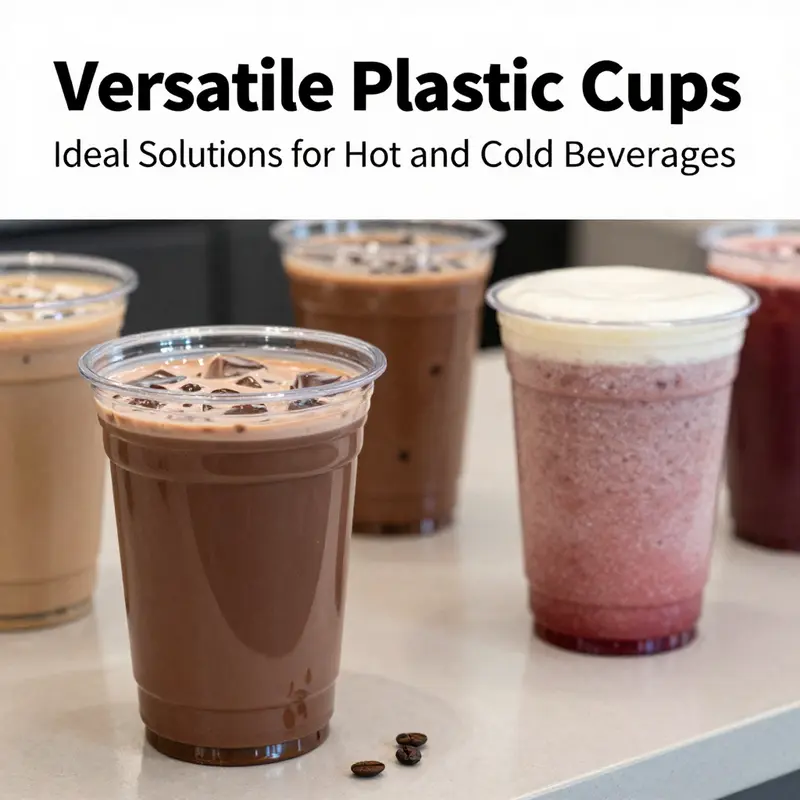
Serving beverages at the right temperature is more than a matter of taste. The moment a hot drink leaves the kettle, heat begins to escape through the cup’s walls into the surrounding air, and the clock starts ticking on flavor as the steam fades. Plastic cups designed for hot and cold drinks must do more than hold liquid; they must regulate temperature and protect the person who holds them. Insulated plastic cups do this through thoughtful engineering rather than fancy surfaces. They rely on a deliberate barrier between the warm interior and the cooler exterior, and they rely on materials that resist heat transfer while staying safe and convenient for everyday use.
Two common approaches dominate the insulation strategy: double-wall construction and foam lining. In a double-wall design, an air gap sits between the inner vessel and the outer shell. The air acts as a poor conductor of heat, slowing both heat loss from hot drinks and heat gain from cold drinks. In some cups, a foam layer sits inside the wall. Foam provides additional resistance to heat flow, keeping hot drinks hotter for longer while maintaining a comfortable outer surface to touch. Both approaches reduce the rate of heat transfer, but each brings its own trade-offs in weight, bulk, and recyclability.
These cups are inherently versatile. They are used for bubbly hot beverages like lattes or cappuccinos, hot chocolate, and herbal teas, where maintaining warmth matters. They also handle cold beverages such as iced coffee, smoothies, and juices without the outer surface becoming dangerously cold or sweating on a table. The design prioritizes a comfortable handhold, often through a smooth outer finish and a lid that fits snugly and resists leaks. Lids may feature sip openings, venting mechanisms, or twist closures, all aimed at preventing spills during transport while preserving temperature.
From the consumer’s perspective, the benefits are concrete. Heat retention means a hot drink reaches its intended flavor profile longer, giving the aroma space to evolve. A cool outer surface reduces burns and makes the cup pleasant to hold, even when the beverage inside is scalding. For on‑the‑go lifestyles, insulated cups offer a reliable experience from the moment the beverage is poured to the moment it is finished. They also support a broader set of beverages, including thick drinks like hot chocolate, where creaminess can be affected by temperature, and cold drinks like smoothies, where chill is part of the appeal.
The trade-offs, however, are real. Insulated cups tend to be heavier than single-wall options, and their extra layers add bulk that can complicate stacking, storage, or transport in tight spaces. Manufacturing complexity translates into higher costs for production and procurement, which can matter for cafes, event organizers, or institutional settings. The layered structure is also harder to recycle than simple single‑wall plastics, complicating end‑of‑life decisions for environmentally minded buyers. Even when the cups are labeled as BPA‑free or dishwasher‑safe, care must be taken to follow manufacturer guidance to maximize longevity and safety.
Design choices extend beyond the wall to the lid. A leak‑resistant seal is essential for commuting or driving, while an ergonomic mouth opening can enhance drinking comfort without sacrificing insulation. Many users appreciate a lid that is easy to clean and compatible with a variety of drinking styles, be it a straw or a direct sip. The combination of a well-sealed lid and an insulating wall creates a practical vessel that balances temperature management with convenience, making it feasible to enjoy a hot drink outdoors or a cold drink on a muggy day without sacrificing safety or taste.
Material safety and care are central to the conversation. Most insulated cups rely on plastics that are food‑safe and designed for repeated use. They are commonly marketed as BPA‑free and are intended to withstand multiple cycles in dishwashers, though there are caveats about heat exposure and long‑term wear. When microwave use is permitted, it is typically limited to the inner vessel and only when the outer shell can accommodate it, if at all. The ongoing shift toward reusable beverageware reflects a broader concern for waste reduction, yet it also demands attention to durability and the energy embedded in production. In practice, that means weighing the benefits of longer temperature retention against the environmental costs of heavier, more complex cups, and choosing products that align with local recycling streams.
Operationally, 16‑ounce and 24‑ounce sizes dominate many menus and household shelves because they align with common beverage portions and standard cup holders. These sizes offer a balance between sufficient liquid capacity and manageable weight. For venues that serve larger portions or want a more substantial hand feel, bigger sizes exist, but the rule of thumb remains: fit the event’s flow, not just a trend. The ideal insulated cup becomes part practical tool, part sensory experience—the heat or chill on the liquid level remains faithful while the user enjoys a steady grip, minimal condensation, and a clean hand feel through the entire drinking session.
Professionals who curate coffee corners, events, or catering know that selecting insulation is not only about temperature. It is about the overall experience: the aroma as the cap is lifted, the way the lid seals in scent, and how the cup’s weight and texture convey quality. In planning, teams weigh the intended beverage line, the expected volume, and the logistics of service. The decision to favor insulation often mirrors a broader strategy to elevate customer satisfaction, reduce waste from spillovers, and maintain consistent taste across batches. In this light, insulated plastic cups serve as a small but deliberate hinge between product design and user experience, where temperature management, safety, and ease of use cohere into a single, dependable tool.
Looking ahead, the evolution of insulated cups is likely to hinge on continued improvements in materials science and end‑of‑life solutions. Innovations may emphasize lighter walls that retain cold or hot temperatures without adding bulk, or new composites designed to simplify recycling. Manufacturers may also optimize the shape and lid systems to reduce leakage while preserving heat performance, enabling a broader range of beverage types to travel from kettle to cup to mouth with minimal disruption. In the meantime, buyers and users can prioritize cups that clearly state heat resistance, safe contact materials, and compatibility with common service workflows. The best practice is to match insulation capabilities to the beverage, the service context, and the environmental framework within which the cup will circulate.
All told, insulated plastic cups represent a pragmatic convergence of science and daily life. They translate the physics of heat transfer into tangible benefits—temperature stability, user safety, and a smooth drinking experience—without forcing a compromise between convenience and quality. In a world that values portability and consistency, these cups stand as a quiet, dependable workhorse for hot and cold beverages alike, ready to carry everything from a carefully brewed latte to a vibrant iced tea and a comforting cup of cocoa across rooms, streets, and days.
External reference: https://www.amazon.com/Insulated-Plastic-Tumblers-Double-Wall-Cups/dp/B08B5QX9VZ
Beyond Size and Sip: Engineering High-Capacity Plastic Cups for Hot and Cold Drinks
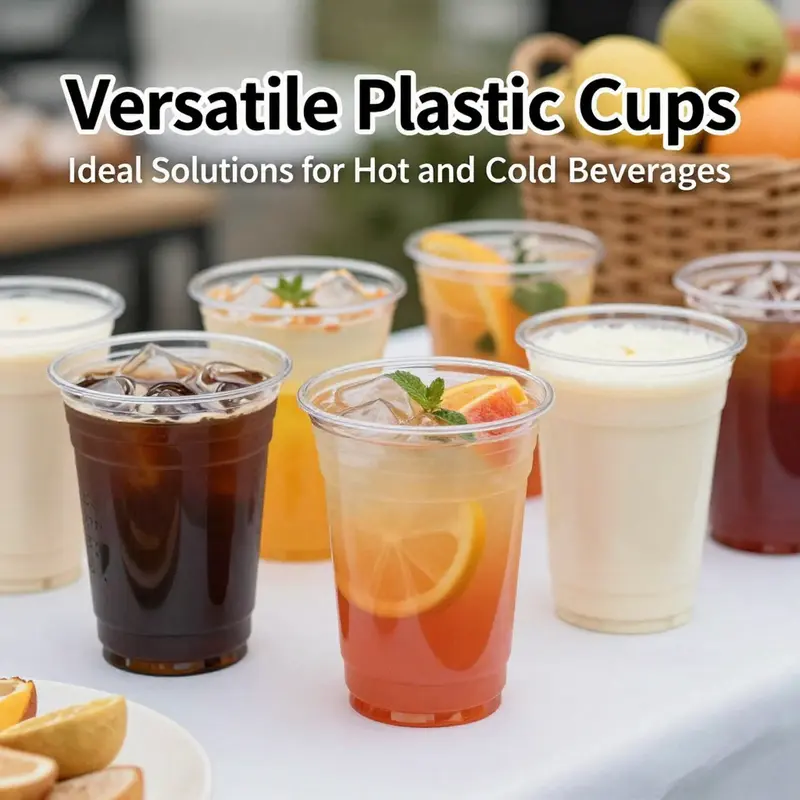
Two cups share the stage of everyday beverage service: a hot drink that demands careful handling and a cold drink that invites refreshment. When the need is high capacity, the challenge shifts from simply selecting a cup to choosing a vessel that manages heat, insulation, and comfort across many servings. This chapter examines high-capacity plastic cups designed for both hot and cold drinks, not as a catalog of brands but as a study in materials, engineering, and user experience. In busy cafés, office break rooms, catering events, and stadiums alike, these vessels must withstand repetitive use, keep beverages at their intended temperature, and feel sturdy in hand, all while remaining safe for food contact and straightforward to clean. The aim is not merely to hold more liquid but to optimize safety, ergonomics, and service flow in environments where speed and reliability matter.
Material choice is foundational. In the world of disposable and reusable drinkware, a few polymers dominate because they combine safety with performance. A cup intended for both hot and cold liquids benefits from a polymer that stays stable under heat without warping or releasing odors, while remaining lightweight enough for practical use. Food-grade status and the absence of harmful additives are central claims, since even brief contact with hot beverages can intensify the importance of clean, neutral-tasting materials. Durability extends beyond rigidity. A large-capacity cup must resist cracking if bumped and survive the occasional rough handling that comes with transport, stacking, or careless movement through crowded service lines. The safety story hinges on a material that does not release flavors or residues into beverages, even after repeated heating and cooling cycles. The temperature spectrum these cups must accommodate calls for a balance: heat resistance that keeps the vessel from deforming and a forgiving outer surface that remains comfortable to touch. When the goal is to serve both hot and cold drinks, the polymer must exhibit low thermal conductivity in the exterior layer while maintaining sufficient strength in the interior walls. In practical terms, this means a cup that can hold a near-boiling liquid without softening, yet remains comfortable to hold as steam curls from the rim. The avoidance of odors or tastes, along with non-porous interiors that resist staining, simplifies cleaning and contributes to a reliable user experience after many uses.
Insulation features transform what a hot drink experience feels like when a cup is large. The structural approach often employs a double-wall design, sometimes with a foam or air layer between walls. In practice, this configuration reduces heat transfer, so hot beverages stay hotter for longer while the outer surface stays cool to the touch. For cold drinks, the same architecture minimizes condensation and slows warming, preserving the intended chill through busy service periods. The result is a vessel that feels substantial in the hand yet remains manageable to carry, stack, or dispense from a cart. In high-volume settings, insulation couples with a well-sealed lid to create a reservoir that travels well in trays, pickup lines, and curbside service. A tight lid with a gasket and precision fitting can prevent leaks during transport, while lids that open with one hand offer a smooth drinking action in crowded aisles. For some designs, an integrated tea filter or infusion feature may be offered, enabling hot beverages to steep briefly without requiring a separate container. The best iterations merge wall construction and lid integrity so that temperature retention and spill resistance reinforce one another rather than compete for attention.
Capacity is the axis around which practical decisions revolve. Large-volume cups are about more than the raw number of milliliters; they reflect a philosophy of service that prioritizes fewer refills and smoother throughput. In office settings, events, or casual dining, a cup in the range of six to ten hundred milliliters often balances the need for substantial volume with reasonable weight. Yet the market also includes options approaching or exceeding a liter for long shifts, outdoor activities, or situations where refilling is costly or impractical. The diameter and lip geometry influence how comfortable a beverage is to drink and how easy it is to pour into without spills. A wide-mouth design supports quick filling, stirring, and the addition of flavorings, while a tapered interior can help with stirring and consumption of thicker beverages. The rim quality matters: a smoother, rounded edge can reduce palate irritation during longer drinking sessions, and a slightly curved interior profile can diminish foaming and splashing during movement. For hot drinks, a robust lip and a lip-friendly interior design matter for customer comfort, especially in fast-service contexts where customers may drink quickly and still expect a clean, non-burnt experience. For cold drinks, a design that allows a comfortable direct sip or an easy switch to a straw adds versatility, making the cup suitable for a wide array of beverages from iced tea to fruitades.
Ergonomics and safety drive practical choices in everyday use. Exterior textures and contouring improve grip, particularly when hands are wet or gloved. The outer surface should not become slick under moisture or condensation, because secure handling reduces the risk of spills. The interior should be easy to clean with smooth curves that minimize crevices where residues can hide. The cap or lid must seal securely to prevent leaks in transit, yet be simple enough to operate with one hand while steering or navigating a crowded space. Comfort at the rim is essential for longer drinking sessions; a gentle curvature can prevent discomfort while still maintaining a robust seal. The design must also consider the full lifecycle of the product: the ease of disassembly for thorough cleaning, the ability to dry completely, and compatibility with dishwashing equipment if the cup is intended for repeated reuse in a commercial setting. These considerations are not merely about aesthetics; they directly influence employee efficiency, customer satisfaction, and the likelihood that a given cup will perform well across thousands or tens of thousands of cycles.
Cleaning and maintenance are decisive in high-capacity contexts. Wide mouths and removable parts support rapid sanitation, reduce downtime, and improve hygiene in fast-turn environments. Non-porous interiors resist staining and odor absorption, enabling easier re-use and longer service life in reusable applications. While some cups are designed for single use, many in the high-capacity segment are intended for extended service, a factor that makes resistance to discoloration, flavor carryover, and buildup critical. The ability to withstand repeated exposure to hot liquids without releasing microplastics or degrading is part of the safety profile buyers expect. In addition, suppliers who can deliver consistent quality across large orders—tens of thousands or more—become indispensable. A robust supply chain ensures dependable lead times, uniform wall thickness, and predictable performance from batch to batch. For buyers, verifying material composition, heat tolerance, and testing standards before purchase reduces risk and supports compliance with food-safety regulations.
Industry-scale procurement emphasizes scalability, consistency, and compliance. The most successful high-capacity cups are those that strike a balance between mass production feasibility and everyday practicality. In markets with heavy demand, a single design can be produced at scale, shipped efficiently, and stacked neatly for compact storage, ensuring operators can meet peak periods without compromising safety or customer experience. Certification labels and traceable material data offer reassurance that cups meet relevant food-contact standards, a critical factor for businesses that aim to keep customers comfortable and confident in every sip. The end user benefits from a vessel that remains true to temperature expectations, helps maintain beverage integrity, and provides a dependable grip and leak protection across a wide range of temperatures and handling scenarios. In this light, choosing a high-capacity cup becomes a decision about reliability—an often overlooked but essential feature for brands that depend on consistent performance during long service hours, travel, or outdoor events.
The overarching takeaway is a simple one: the best high-capacity plastic cups for hot and cold drinks are those that harmonize safety, insulation, and ergonomics with practical service needs. They are designed to keep beverages at their intended temperatures, to protect hands from heat, and to support efficient operation in dynamic environments. They must be robust enough to handle frequent use, easy to clean, and compatible with a range of lids and dispensing mechanisms. In short, these cups are not merely vessels; they are integral parts of a system that includes storage, transport, and service workflows. When a cup meets these criteria, it helps baristas pour confidently, staff refill quickly, and customers enjoy a satisfying sip—whether their drink is steaming or refreshingly cold.
For readers seeking deeper technical context, one widely cited reference outlines standards and applications for professional beverage containers, offering practical insights into materials, testing, and design considerations that support safe and efficient use in both hot and cold scenarios. See the resource at https://insidecafecup.com/technical-details-standards-and-applications-for-professionals/.
null
null
Fueling Comfort and Safety: Innovations in Plastic Cups for Hot and Cold Drinks
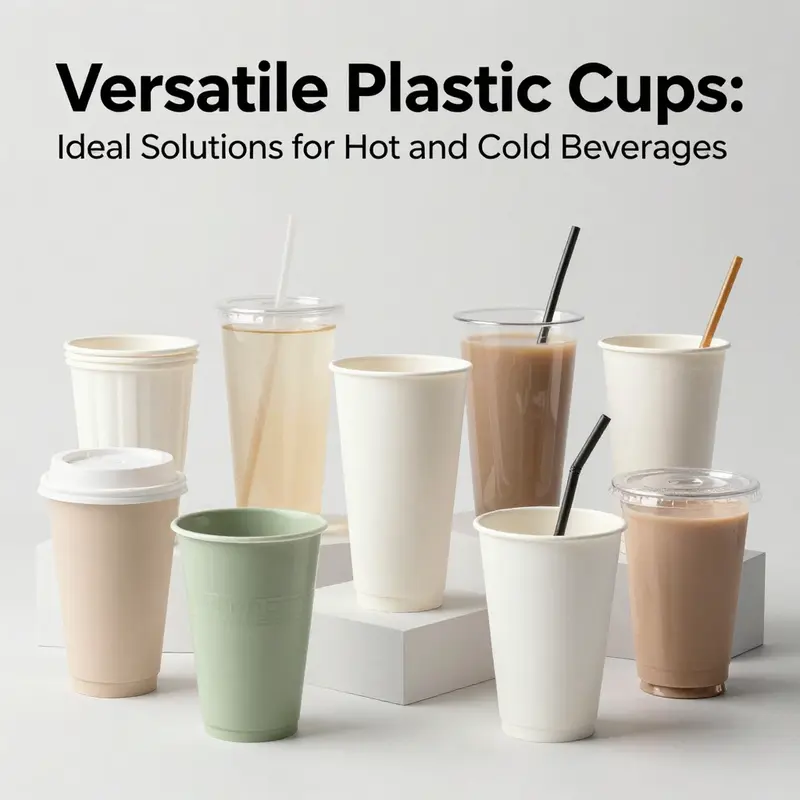
Across beverage service, plastic cups have evolved from simple vessels to carefully engineered interfaces that influence taste, temperature, and even safety. Today’s cups are designed to withstand the rigors of hot machines and icy service windows while remaining light, economical, and easy to recycle or reuse where possible. The innovations are not only about surviving heat or cold; they are about shaping the user experience. A heat-resistant, food-grade polypropylene cup has emerged as a reliable standard in many markets. It can safely hold beverages that approach near boiling temperatures, and its rigidity helps resist cracking or warping when bumped or carried by a customer in a crowded queue. Such cups often feature a flared rim that helps with pouring and sipping and a diameter calibrated to fit common cup holders, reducing spill risk and awkward transitions from street to counter to car. These practical details matter, because the moment a drink meets a hand—whether before a conference session or during a long commute—the quality of that contact can influence perception as much as the beverage itself.
Another strand of innovation centers on thermal performance. Insulated cups employ a double-wall construction or a foam lining that slows heat transfer from the liquid to the outer surface. The effect is twofold: the drink stays warmer for longer, and the outer surface remains cooler to the touch, reducing the chance of accidental burns for customers who handle the cup. In high-volume settings, this can translate into longer drink warm-up windows and happier patrons who do not have to request a sleeve every time they order. The double-wall approach also helps insulated beverages maintain their temperature profile through service, which matters for taste and mouthfeel. The design philosophy here is subtle yet impactful: insulation should be effective without making the cup bulky, and it should not compromise safety by introducing sharp edges, brittle parts, or lid incompatibilities. The best iterations deliver a sense of comfort and control that customers notice but cannot quite name.
Design features extend beyond insulation. Lids have become an essential element of user satisfaction, especially in transit and busy service environments. Modern lids with spill-proof seals and integrated straw slots minimize leaks while preserving the tradition of sipping directly from the cup. In some systems, lids are designed to accommodate a straw without having to remove the cap, which reduces drips and makes it easier for users to take a drink while walking. The interplay between lid and cup is part of a larger pattern: the package must be secure, convenient, and hygienic without forcing the user to contort the drink in order to sip. At the same time, the structural features of the cup—rigid walls, a comfortable interior diameter, and a stable base—support a reliable drinking experience across hot and cold beverages alike. For hot drinks, handles on larger capacity cups have become a practical choice; they offer a cooler grip and a safer alternative to grasping a narrow, hot surface for extended periods.
Yet as these design advances unfold, a quiet debate about safety and environmental impact continues to shape development. When plastics are heated, some materials can release microplastics into the liquid or surroundings. This concern has prompted researchers and manufacturers to weigh the benefits of conventional plastics against the potential health risks, and to explore safer alternatives wherever feasible. A recent study from Griffith University highlighted a critical nuance: polyethylene cups exposed to hot liquid around 60°C released about a third more microplastics than when the same cups contained a beverage at a cooler temperature, around 5°C. The finding is a reminder that heat can alter the interaction between the container and its contents, even in widely used household sizes. The implication is not that hot beverages must be banned from plastic entirely, but that choices of material, lining, and manufacturing processes matter, and that temperature thresholds deserve careful attention in quality control and consumer guidance.
Laminated paper cups, which pair a paper body with a plastic lining, offer an interim solution in many contexts. They still release microplastics, albeit typically at lower levels than fully plastic alternatives, and they provide improved rigidity and insulation over plain paper. For many operators, laminated designs can be a pragmatic compromise: a recyclable paper base with a protective inner layer that helps prevent leaks while maintaining a presentable, everyday feel. The trade-off is that they are not entirely free from microplastic concerns, so sustainability goals must account for the life cycle of the cup—how it is produced, used, disposed of, and, in some cases, recycled. In parallel with these material choices, manufacturers continue to experiment with options that mimic the glass-like appearance of fragile containers while offering the resilience of polymer. The aim is to deliver products that look and feel premium without enabling breakage or excessive energy use in manufacturing. However, developers caution that such glass-like composites may not stand up to the most demanding hot liquids, as higher heat can deform certain composites or increase leaching risk. The pursuit of elegance must always be matched by a rigorous assessment of safety and performance across temperature ranges, ensuring that aesthetics do not outpace responsibility.
Sustainability remains a central driver of the sector’s evolution. Companies increasingly invest in biodegradable or recyclable plastics and, in parallel, advocate for consumer behavior shifts toward reuse where feasible. The idea is straightforward: reduce the footprint by selecting materials with clear recycling pathways and, where possible, promote options that can be sterilized and reused rather than disposed of after a single use. Yet even as the industry promotes reuse, the environmental calculus becomes more nuanced when microplastics are considered. The conversation now blends performance with life-cycle thinking, calling out not only the end-of-life fate of cups but also the potential for microplastic release during use. In practice, this means that manufacturers must establish robust testing protocols, share transparent material disclosures, and collaborate with regulatory bodies to certify safety for hot beverage service. For some consumers, the shift toward reusable options—stainless steel, ceramic, or glass—offers a compelling path to minimize exposure and waste, even while appreciating the convenience and speed of disposable solutions for people on the go. The best outcomes, then, are not simply about making a single cup safer or colder; they are about building a systemic approach that aligns performance, safety, and responsibility in every cup that leaves a counter.
In the commercial landscape, the choice between hot and cold suitability often hinges on more than material composition. It encompasses cost, supply chain reliability, and the capacity to scale. A number of manufacturers emphasize the feasibility of bulk orders that preserve a consistent standard across tens of thousands of pieces. Food safety certifications, compatibility with standard lids and cup holders, and predictable performance under varying climate conditions all factor into procurement decisions for restaurants, cafes, and event organizers. The most successful iterations in this space are not single-use wonders but durable, adaptable tools that integrate into workflows—from counter service to catering stages—without forcing operators to compromise on safety or speed. The story of modern plastic cups for hot and cold drinks is not about choosing between plastic and alternatives; it is about choosing the right kind of plastic, the right design language, and the right governance around materials, testing, and end-of-life choices. In that sense, each cup becomes a small but meaningful component of a broader movement toward safer, smarter, and more sustainable beverage service.
Finally, a note on practicalities for practitioners and researchers alike. For anyone evaluating cup performance, a few guiding questions help connect material science with daily use. How does the chosen plastic behave when faced with repeated hot pours, a long meal service, or a crowded checkout line? What is the influence of film coatings or lining on heat retention and mouthfeel? How do design choices like lid geometry, rim thickness, and interior surface finish affect both safety and usability? And how can suppliers communicate the safety and environmental attributes of their products to buyers without overwhelming them with technical jargon? Answering these questions encourages a more nuanced approach to product development and procurement, one that values empirical testing, practical field observations, and consumer expectations as part of a continuous improvement cycle.
The ongoing quest for safer, smarter, and more sustainable beverage packaging continues to guide product development and policy, nudging practice toward responsible adoption. For a public overview of the microplastics issue in hot beverages, see the external resource: https://www.griffith.edu.au/news/2026/01/study-reveals-hundreds-of-thousands-of-microplastics-in-each-hot-coffee
Final thoughts
Choosing the right plastic cups for hot and cold beverages is crucial for enhancing the customer experience while maintaining safety and convenience. This exploration of options—from heat-resistant to high-capacity cups—affirms the importance of aligning cup selection with service expectations and operational needs. As industry innovations continue to evolve, embracing these advancements not only elevates beverage offerings but also supports sustainable practices in the long run. Ultimately, investing in quality plastic cups translates to better service and happier customers, which is the cornerstone of success in the beverage industry.