
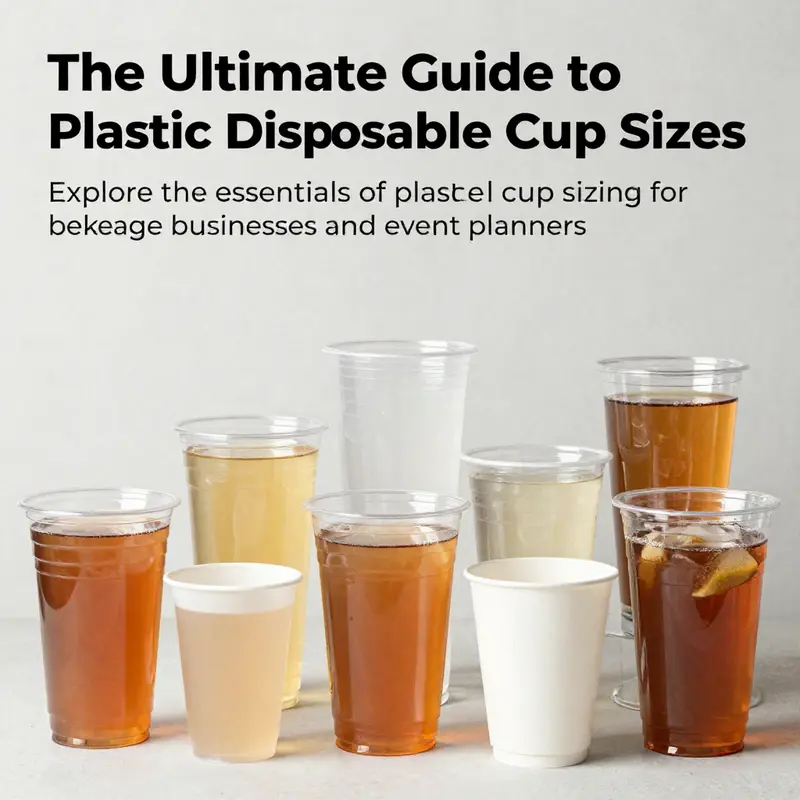
Understanding the various sizes of plastic disposable cups is crucial for businesses that serve beverages, from bubble tea shops to catering services. Each cup size offers unique advantages that align with specific drinks and consumer preferences. This guide delves into small, medium, and large plastic cup sizes, discussing their applications, market trends, and design specifications. Additionally, we will address the environmental impact of these cups and explore upcoming innovations and regulatory changes that may shape the industry. By the end, you will have a comprehensive understanding of how to effectively choose and utilize plastic disposable cups to enhance your beverage offerings and service.
Compact Utility, Broad Reach: The Lifecycle and Use of Small Plastic Disposable Cup Sizes
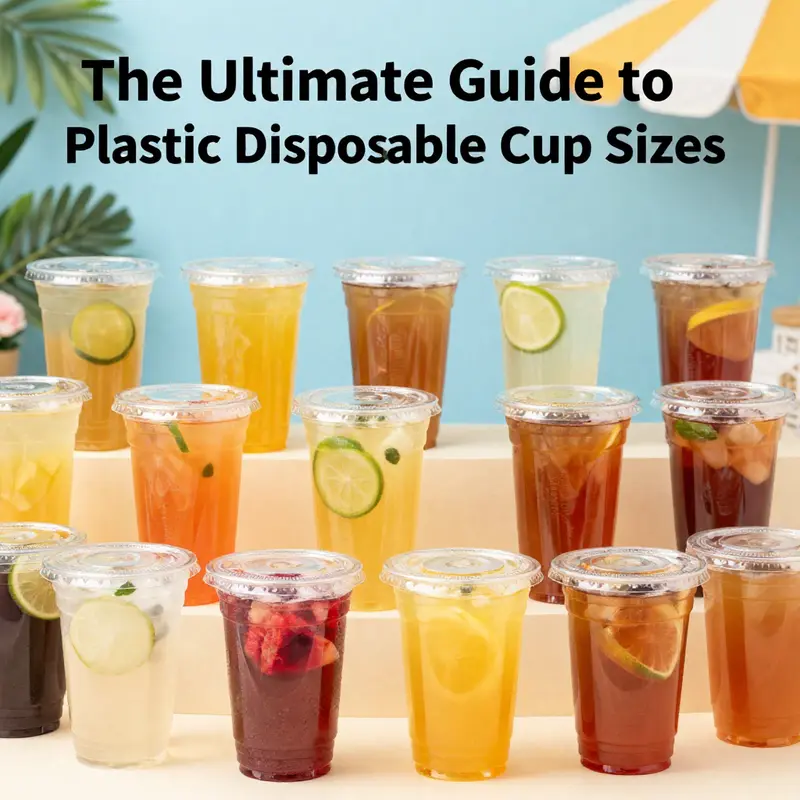
Small plastic disposable cups occupy a curious niche in the modern consumption environment. They are designed to be just large enough to satisfy a single serving, yet robust enough to survive the handling and transport demands of busy service spaces. In practical terms, these cups often sit in the 130g to 220g capacity range, with the 130g–160g subset preferred for compact, cold beverages and the 220g size commonly used for a wider array of hot or cold drinks. This tier of cup sizing becomes a quiet engine of routine in offices, quick-service outlets, and event settings, where the speed of service, the hygiene of a disposable container, and the cost per unit converge to shape decisions about how beverages are served, packaged, and even priced. Consumers rarely pause to deliberate on the physics of a 130-gram cup, yet the choice of that seemingly small vessel has ripple effects on workflow, branding opportunities, and waste streams that are easy to overlook in the rush of daily life. When service teams select these tiny cylinders, they are, in effect, scripting the tempo of service for the day and the character of the experience for hundreds or thousands of guests.
The everyday utility of small cups begins with their size, which is well-suited to single-serve portions of beverages such as water, tea, juice, or coffee. In office break rooms or vending environments, 130g–160g cups are prized for their portability and minimal storage footprint. They offer enough liquid to quench a short meeting or a mid-morning pause while keeping the footprint small for crowded supply closets or front-of-house stations. In fast-food or quick-service contexts, the slightly larger 220g cups step in to handle standard coffee orders, iced beverages, or soft drinks without resorting to mid-service refills. This sizing logic—choosing a cup that matches the expected drink volume—helps kitchens and service counters maintain efficiency, reduce spill risk, and standardize portioning across dozens of employees. The result is a predictable, uniform experience for the guest that also simplifies inventory planning for managers who must forecast demand and manage waste across peak hours and off-peak lulls.
The applications of these small cups extend beyond the beverage counter. In meal kits or ready-to-eat offerings, compact cups serve as convenient containers for sauces, dressings, or dipping portions that accompany entrees or snacks. In catering or events, disposable small cups can become a versatile vessel for hors d’oeuvres, dips, or mini-dessert components, enabling a clean, quick-service model that aligns with social dining formats and post-event cleanup logistics. The portability of these cups makes them a natural choice for self-serve stations at conferences, weddings, or festivals, where simplicity and hygiene are at a premium. In retail and convenience settings, small cups are used at self-serve drink stations or ice cup systems, allowing customers to portion their beverages quickly and with minimal mess. Across these contexts, the size choice does more than contain liquid; it signals expectations about portion control, service speed, and the kind of guest experience the operation aims to deliver.
Material choices undergird much of the practical story of small cups. The most common materials—polypropylene (PP, often cataloged as #5) and polystyrene (PS, #6)—offer a balance of durability, heat resistance, and cost that makes them viable for high-volume use. PP cups are favored when hot liquids or steam are involved because of their relatively better thermal insulation and safety margins. They remain a prudent option for coffee or tea served in a fast-paced setting where a hot cup must survive momentary handling without warping or leaking. PS cups, while lighter and sometimes cheaper, present more challenges when exposed to higher temperatures and long holding times. They can deform or soften if subjected to heat, which makes them less ideal for hot beverages in some environments, though they remain widely used for cold drinks due to their crisp feel and cost-effectiveness in high-volume scenarios.
An evolving segment within the material landscape is the emergence of plant-based alternatives such as PLA-based cups. These cups are marketed as compostable in industrial facilities and can offer a more favorable end-of-life profile compared with conventional plastics. However, the reality is nuanced: industrial composting infrastructure is not universal, and home composting or landfill conditions may not reach the levels required for complete degradation. The upshot is that, while PLA or similar biobased options can reduce some kinds of waste in the right contexts, they are not a universal solution. In many settings, the practical decision still lands on PP or PS based on temperature tolerance, stiffness, shelf life, and cost per unit. Even within the same material family, there is a spectrum of regulatory and certification considerations—food-grade certification, BPA-free assurances, and compliance with regional safety standards—that buyers must navigate to ensure both consumer safety and operational reliability.
From a safety perspective, a few cautions shape how small-cup programs are deployed. The primary concern centers on heat and transfer: hot liquids should not be heated inside certain plastic cups, as extreme temperatures can accelerate deformation and, in some contexts, raise safety concerns about chemical migration. Many buyers are now cautious about microwave exposure and direct boiling liquids in disposable cups. The emphasis on food-grade materials is not merely regulatory theater; it translates into real protections for customers and brand credibility for operators who want to avoid the perception of risk in everyday service. In addition, there is a growing emphasis on reducing reliance on single-use plastics where feasible, with many outlets exploring reusable options in parallel to their disposable offerings. The goal is not to abandon convenience but to elevate the conversation about waste, reuse, and lifecycle impacts across the entire cup ecosystem.
To understand the broader implications, operators and researchers alike increasingly examine how small cup sizing interacts with environmental considerations and consumer expectations. A notable thread in the literature centers on the lifecycle and disposal challenges associated with disposable cups, including the tendency for certain cup-packing configurations to complicate recycling streams. A broader caution in this vein is that even seemingly modest daily choices—such as selecting a particular cup size or material—accumulate into the larger story of resource use and pollution. This is where the tension between convenience and responsibility becomes most visible: cups ready for immediate use must still be considered within a framework that evaluates mobility, waste handling, and end-of-life outcomes. In this light, decision-makers at hospitality venues, corporate offices, and event organizers are increasingly asked to weigh the benefits of fast service against the longer-term needs of environmental stewardship and public health.
Within the practical seating of a busy day, the choice of small-cup sizes also intersects with branding and customer perception. Companies often customize cups with logos, colors, or messaging, transforming a simple vessel into a marketing touchpoint that travels through the customer’s day. The micro-ritual of choosing a 130g cold-drink cup versus a 220g hot-coffee cup can become part of a brand’s identity, signaling whether the operation leans toward compact efficiency or generous service. In fast-paced environments, the ability to standardize cup sizes helps staff predict hold times, ensure consistent fill levels, and maintain quality control across shifts. Yet the branding potential is not only about visuals; it also relates to the customer’s cognitive sense of value. A slightly larger cup can convey a different perception of portion size, even when the actual beverage amount is close to a standard measure. For operators focused on a coherent guest experience, aligning cup size with drink category, temperature, and expected consumption patterns becomes part of a broader service design strategy.
For readers seeking a concrete reference point on how these small-cup options translate into everyday packaging choices, consider the practical cataloging of sizes and materials that are common in printer-printed or kraft-paper styled cup lines. A representative sample of options in this space includes a range of 8- to 16-ounce cups designed for hot or cold beverages, with variations in weight and construction to suit different service contexts. To explore a tangible example of how such options manifest in product lines and to see a real-world selection described in a format that emphasizes sizes and compatibility, you can browse this collection of disposable paper cups in kraft packaging: 8-16 oz disposable paper cups in kraft paper.
A well-rounded approach to small cups also invites attention to the governance of waste and the opportunities for safer, smarter choices. The environmental literature stresses the need for infrastructure to manage microplastic risks and to improve end-of-life outcomes for single-use items. In addition to material selection, operational practices such as avoiding heating plastics, prioritizing BPA-free certainties, and encouraging the use of reusable alternatives where feasible are practical steps that businesses can implement without sacrificing service speed or guest satisfaction. The challenge is to balance the undeniable convenience of small cups with an informed awareness of how these items travel through consumption cycles—from kitchen to consumer to waste management system—and how those cycles can be optimized to minimize environmental impact. That balance requires not only technical knowledge about polymer types and their temperature tolerances but also a sensitivity to how customers perceive waste and value in a disposable world. In other words, the smallest cup carries with it a micro-story about how a society negotiates the trade-offs between convenience, health, branding, and planetary stewardship.
External considerations are not mere afterthoughts; they are integral to the practical decision-making that shapes every service operation. The Greenpeace examination of the lifecycle costs and environmental implications of disposable cups underscores why many organizations are rethinking single-use norms and investing in smarter packaging solutions. The chapter on small cup sizes thus becomes part of a broader, ongoing dialogue about how to reconcile fast, hygienic service with a durable ethical framework for materials and waste. While the immediate paycheck of small cups is measured in seconds shaved from wait times and inches saved in storage, the longer-term arithmetic concerns the cumulative effect of countless units and how those units ultimately break down—if at all—across the years ahead. The conversation is not about rejecting disposables wholesale but about enabling more informed choices, better material options, and smarter system designs that reduce risk while preserving the advantages that small cups deliver in the here and now.
For further context on the environmental dimension and to explore broader discussions about material lifecycles and policy implications, readers may consult external research on the topic, such as the Greenpeace report detailing the hidden costs of disposable cups and the broader waste challenge associated with convenience products. https://www.greenpeace.org/usa/report/47823/plastic-cups-hidden-cost-convenience/
Medium-Sized Moments: How 12–16 Ounce Plastic Cups Shape Convenience, Branding, and Sustainability
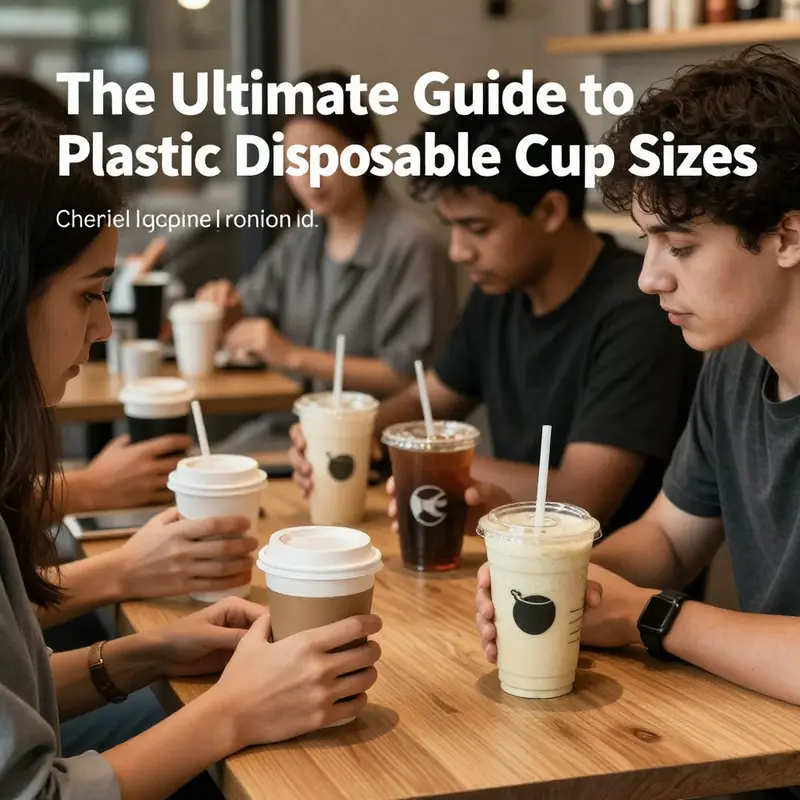
When we talk about plastic disposable cups, the 12 to 16 ounce range stands out as a practical hinge between portion size and everyday usability. These medium cups are not merely containers; they are a silent partner in daily routines, from the coffee runs that define morning rituals to the catered events where a single cup can carry a dozen stories of a brand. This size tier, typically spanning roughly 350 to 475 milliliters, has become an optimal point of balance. It holds a satisfying amount of cool or lightly sweetened beverages without feeling excessive, yet it remains easy to grip, stack, and transport. In busy environments—offices, quick-service restaurants, cafes, and catering setups—the medium cup operates as a reliable standard. It supports quick service without sacrificing customer experience, and it also doubles as a canvas for branding, making it a natural focal point for both operator efficiency and consumer perception. The question driving much of the current discourse is not only what these cups can hold, but how they hold up under pressure—literally, in terms of insulation and spill resistance, and figuratively, in terms of environmental responsibility and the story brands tell about their packaging choices.
Material choices shape much of that story. Medium plastic cups are commonly manufactured from PET (polyethylene terephthalate) or PP (polypropylene). PET brings clarity, light weight, and cost efficiency, which are compelling in high-volume settings where visual appeal matters—clear cups reveal the color and texture of the drink, a factor that can influence perceived quality. PP, meanwhile, offers a tougher surface that resists cracking and can better withstand frequent handling, making it a practical option for longer events or environments with high turnover. Both materials check essential boxes for the medium size: they deliver the durability needed for ice, carbonation, or heat transfer in a fast-paced service scene, while keeping production costs manageable for operators who rely on margins. The result is a familiar, dependable workhorse that supports efficiency on the front line and predictable performance behind the scenes.
Yet the efficiency of medium cups is increasingly tied to the evolving expectations around sustainability. The market narrative around disposable cups has shifted from a singular focus on price and performance to a broader conversation about lifecycle impacts. Eco-friendly alternatives are no longer niche experiments; they are part of mainstream procurement decisions. The movement toward biodegradable or compostable plastics—derived from plant-based materials like PLA (polylactic acid)—reflects a strategic response to consumer concerns about waste. Brands now weigh the benefits of a lower-cost petrochemical option against the reputational and regulatory advantages of sustainability-minded packaging. The push toward responsible choices is not just about compostability. It also encompasses improved recyclability, better end-of-life infrastructure, and the overall environmental footprint of cups across their entire lifecycle. In this sense, the medium cup becomes a microcosm of a larger shift in packaging strategy, where the balance between convenience, cost, and conscience is continually renegotiated.
Market dynamics reinforce that shift. A growing segment of the industry emphasizes sustainable packaging solutions as a growth driver, signaling that the medium cup category is evolving rather than stagnating. The medium range supports a wide array of beverages—ice tea, coffee, smoothies, cold-pressed drinks, and even specialty beverages that might be served with a splash of color or a touch of branding. This versatility helps explain why many operators default to 12 or 16 ounces as their standard serving, while still offering smaller or larger sizes to accommodate specific preferences or events. The trend aligns with consumer behavior that values portability and quick service but does not want to sacrifice taste or experience. As a result, the medium cup market is characterized by a dual emphasis on practical design and brand storytelling. Customization options—logos, colors, and prints—transform a simple cup into a small platform for marketing, reinforcing brand identity at the moment of use and enhancing overall perceived value for the guest.
From a design perspective, medium cups have seen meaningful refinements aimed at improving user experience. Innovations in insulation, for instance, help maintain beverage temperature without requiring a bulky vessel or an extra sleeve. This is particularly relevant for iced beverages and light hot drinks that travelers commonly carry in transit. Ergonomic handles, even in versions without a traditional grip, offer added comfort during longer sessions of sipping, while leak-proof lids mitigate spill risks during commutes and busy service periods. The evolution of lid design intersects with the cup’s size, because a well-fitted lid can dramatically improve usability without compromising the cup’s slim profile. All of these enhancements contribute to a smoother on-the-go experience, aligning with contemporary lifestyles that value convenience, reliability, and a sense of control in chaotic settings.
Price remains a critical variable that intersects with sustainability and performance. In bulk, 12-ounce and 16-ounce PET cups have, at times, been available at competitive price points—numbers that matter in high-volume channels such as coffee shops and large events. The ability to source these cups at lower unit costs without sacrificing functionality supports aggressive promotional strategies and competitive pricing, enabling operators to offer value while preserving margins. At the same time, the cost dynamics of sustainable variants are evolving as production processes improve and demand scales. The trade-off between cost and environmental performance is a central consideration for procurement teams, and it shapes decisions about whether to lean into traditional plastics with robust supply chains or to invest in newer materials that align with a brand’s sustainability commitments. The balance is delicate: it weighs not only the immediate expense but also potential long-term benefits, such as improved brand trust, eligibility for environmental certifications, and positive reception from customers who expect responsible choices from the businesses they patronize.
Consumer preferences in this space reflect the practical realities of daily life. Medium cups are favored for their portion control and spill resistance, aligning well with on-the-go routines, workplace snacking, and campus life. They fit neatly into a cadence of single-serving use where a customer can grab a cup, sip, and move along—often without needing a secondary receptacle. This convenience pairs with a growing emphasis on responsible consumption. The visual appeal of a clear PET cup can communicate freshness and clarity, while branded prints on the cup’s surface offer a mobile billboard for a business. In B2B contexts, such branding helps communicate a company’s values or a venue’s identity at events, whether in a conference hall, a trade show, or a local market. In B2C settings, the cup becomes part of a consumer’s daily ritual—an accessible, familiar interface between drink and moment.
Despite the gains in both performance and perception, the medium cup category is not immune to the broader waste-management challenges that accompany disposable packaging. Recycling streams for plastic cups vary by region, and not all facilities can efficiently process the materials after use. This reality has spurred interest in compostable alternatives and plant-based composites, which promise improved end-of-life outcomes but can present higher upfront costs or compatibility considerations with existing service environments. Operators weigh the potential benefits of such substitutions against concerns about infrastructure readiness, consumer education, and the risk of “greenwashing” if sustainability claims are not substantiated by real practice. In this context, continued innovation in qualified, truly compostable materials and improved lifecycle data become essential. Early adopters who clearly communicate material choices and invest in reliable end-of-life options can build trust with customers and differentiate themselves in a crowded market.
The medium cup segment thus sits at a crossroads of convenience, branding, and responsibility. It is a lens through which we can observe how a simple everyday item can influence consumer behavior, vendor strategy, and the trajectory of sustainability in foodservice. Even as cups carry drinks from point A to point B, they carry broader implications about design philosophy, manufacturing ecosystems, and the stories brands choose to tell about their commitments to the environment and to customers. In practical terms, this means more thoughtful packaging decisions in procurement, more precise alignment of cup size with beverage type, and more intentional integration of branding that complements rather than distracts from the beverage experience. As consumer expectations continue to evolve toward seamless usability and accountable stewardship, the medium cup will likely continue to adapt—refining its materials, refining its fit with lids and insulation, and refining the ways it communicates value to the end user. For those who study the industry, the elegance of the medium cup lies in its unassuming versatility: it is a vessel that quietly shapes a moment, a memory, and the ongoing conversation about how best to balance convenience with care.
For a practical example of everyday application in a consumer-facing context, see this product page illustrating a disposable clear plastic cup designed for outdoor picnics, parties, and events: disposable-clear-plastic-cup-outdoor-picnic-pet-cup-drinking-cup-for-parties-birthdays-weddings-camping-utensils. This reference underscores how material clarity, durability, and portability come together in a single item to meet diverse needs while enabling brands to communicate through design and presentation. As the chapter on medium-sized disposables continues, the interplay between performance and purpose remains central to decisions that shape both the consumer experience and the industry’s evolving sustainability narrative. External insights offer a broader perspective on standards, types, and market dynamics, including the detailed analysis of medium-sized disposables referenced in recent industry reports: https://www.researchandmarkets.com/reports/543210/plastic-disposable-chutney-cup-complete-analysis-of-standards-types-and-industry-performance.
Sizing Up Hydration: The Engineering and Material Science Behind Large Plastic Disposable Cups

Large plastic disposable cups function at the intersection of speed, reliability, and presentation. In busy service environments—from stadium concourses to corporate events and festival grounds—their size is not just about holding more liquid; it is about maintaining temperature, ensuring ease of use, and preserving branding power under pressure. The common large range centers on 12 to 20 fluid ounces (350–590 ml), with some applications extending to 24 oz (710 ml) for especially thirsty occasions. This span captures a deliberate design choice: a cup big enough to satisfy demand without becoming unwieldy or asking for a second serving a moment later. The context of usage matters as much as the physics of the cup itself. A 20 oz cup, for instance, might be chosen for iced coffee or big-sugar beverages at a stadium, while a 24 oz option could serve as a convenient grab-and-go for a company picnic or a trade-show lounge. The capacity acts as a signal—an expectation that this vessel can endure long lines, multiple handling passes, and a range of drink formats without compromising the user experience. The practicalities of on-site service—rapid pickup, minimal spill risk, and straightforward branding—shape the exact geometry and material choices manufacturers deploy for large cups. The design language of these cups emphasizes durability and clarity of function: they must be light enough to handle in bulk, yet tough enough to resist flexing under heat, condensation, or accidental tipping during a crowded event.
From a functional standpoint, the design specifications for large plastic cups often center on three core features: thermal management, usability, and a surface fit for brand articulation. Thermal management frequently relies on double-wall construction or foam insulation. This approach markedly improves thermal retention, helping hot beverages stay warm and cold drinks stay icy for longer periods. The outer wall remains comfortable to touch, which reduces heat transfer to the user’s hand and minimizes the perception of a drink’s temperature at a glance. It also curbs exterior condensation, a common cause of slippery handling in dynamic service environments. A wide mouth in larger cups makes sipping and pouring intuitive, allowing for easier ice addition and beverage customization on the fly. A sturdy base further anchors the vessel against accidental tipping when staff are moving quickly or customers are on the move. Together, these features support a swift service cadence while preserving user comfort and reducing waste from spills.
Material choice underpins nearly every performance attribute of large cups. The most commonly used plastics include PET (polyethylene terephthalate) and PP (polypropylene), each with distinct strengths. PET is prized for its clarity and light weight, qualities that make printed logos and vivid branding pop on the cup’s surface. This clarity is valuable in marketing contexts where visual impact matters at a glance—think of a self-service beverage counter where a bright logo and clear liquid color contribute to the overall customer experience. PET also offers shatter resistance and recyclability, which aligns with evolving consumer expectations around sustainability even in single-use packaging. For hot liquids or where higher heat resistance is needed, PP is favored. Its temperature tolerance lends itself to hot beverages like coffee or tea, while maintaining a degree of flexibility that enhances impact resistance. In some cups, designers combine a thick paperboard with a food-grade plastic lining, a composite approach that can offer robust insulation with potentially improved biodegradability profiles. However, the plastic layer in composites can complicate recycling streams, a factor that facilities and brands must weigh against performance needs.
The environmental conversation around large disposable cups is nuanced. On one hand, they offer convenience and economies of scale for high-volume service. On the other hand, misaligned disposal practices can contribute to plastic waste if recycling streams are not properly managed. PET and PP, when properly recycled, can close the loop in many regions, but contamination, liner materials, and labeling can hinder end-of-life processing. This has spurred ongoing exploration of reusable or compostable alternatives, as well as innovations in labelling, adhesive chemistry, and recycling-era design. In practice, this means large cups must balance performance expectations with responsibility, presenting a credible pathway toward more sustainable disposal where possible. The rise of closed-loop schemes and better consumer education around recycling lines up with the industry’s broader push toward sustainability, even if the path remains imperfect for all contexts. Within this framework, large cups are positioned not as a throwaway afterthought but as a design problem that invites smarter material selection, manufacturing efficiency, and end-of-life consideration.
Beyond the general market, certain specialized applications illustrate the breadth of large cup design. In clinical or therapeutic settings, there are niche cups crafted from medical-grade plastics designed for clear visibility and controlled handling. These applications underscore the principle that size, material, and form must be harmonized with intended outcomes and safety standards. In promotional and hospitality contexts, customization remains a staple. A large cup can serve as a mobile billboard, a practical vessel that travels to events and stays legible under bright lighting and crowded queues. The ability to print logos, colors, and messaging on a large surface area is a compelling value proposition for venues seeking consistency between product and brand experience. The end-user experience—how a customer perceives the drink, the cup’s feel in the hand, and the ease with which straw insertion or ice addition occurs—is as much a factor of the cup’s geometry as of the material choice. For readers seeking real-world references to mass-produced, customizable cups, one may explore examples of disposable clear plastic cups designed for outdoor events. These cups illustrate how design, material science, and branding converge in a single, practical solution. See the resource linked here: disposable-clear-plastic-cup-outdoor-picnic-pet-cup-drinking-cup-for-parties-birthdays-weddings-camping-utensils.
The broader standards environment anchors these technical choices in safety and performance expectations. Industry bodies provide guidelines on material grades, testing methods, and sustainability assessments that inform how large cups are manufactured, sold, and recycled. These standards help ensure that a cup meant to hold a beverage from a hot car to a crowded stadium does not introduce unexpected risks to users or operators. They also create a framework within which brands can communicate responsibly about recyclability, compostability, and end-of-life options. In practice, manufacturers and suppliers reference these specifications to optimize production, reduce waste, and harmonize labeling with local recycling capabilities. The interplay between design, material selection, and standards is the engine that keeps large cups functional, safe, and increasingly aligned with environmental goals. For those seeking deeper technical guidance on standards and sustainability in plastics, authoritative resources summarize material grades, safety criteria, and lifecycle considerations that underpin contemporary manufacturing practices.
As the industry continues to evolve, the decision matrix behind a large cup becomes less about sheer volume and more about the total experience. The choice between PET and PP, the preference for double-wall insulation, and the decision to pursue a composite structure are all calibrated to the intended context—whether a coffee shop line, a festival, or a corporate luncheon where speed and branding converge. Each design choice carries implications for handling, stacking density, transport, and even the potential for reuse or recycling in high-throughput environments. The goal remains to deliver a reliable, efficient, and visually coherent experience that scales with demand without compromising safety or sustainability. In this sense, large plastic disposable cups are a microcosm of modern packaging: a carefully engineered balance of materials science, ergonomic design, and environmental responsibility that enables everyday moments of refreshment to occur smoothly, even in the most demanding settings. They illustrate how a simple form factor can embody a system of trade-offs, commitments, and innovations that extend beyond the cup itself and into the broader conversation about how we drink, dispose of, and ultimately rethink single-use packaging.
Further standards and sustainability considerations can be explored through industry resources that consolidate material specifications and environmental assessments. For ongoing reference, see the Plastics Industry Association’s guidance on material standards and sustainability: https://www.plasticsindustry.org/standards
Sizing the Footprint: How Plastic Cup Dimensions Shape Waste, Resources, and the Path to Circular Systems
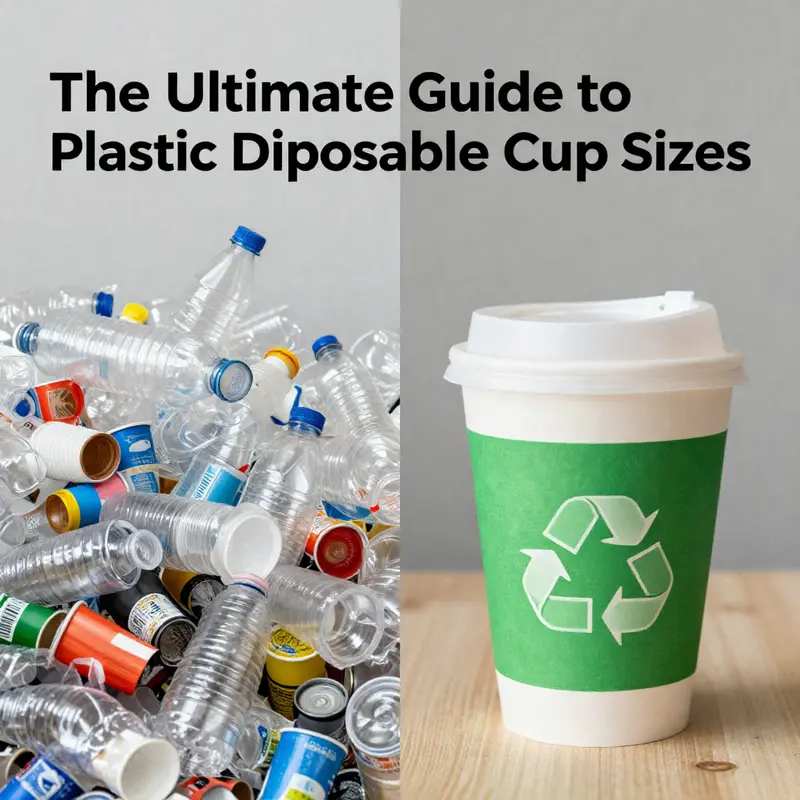
Sizes exist not only to hold a drink but to shape the entire life cycle of that drinkware. Every ounce chosen by a café or event manager carries implications for material use, energy, and waste streams. In the popular taxonomy, cups come in small, medium, and large, with modest variations in between. But the sizes themselves participate in a broader system, one that begins with raw materials derived from fossil fuels, proceeds through manufacturing and distribution, and ends in disposal, recycling, or reuse. The common disposable cups are typically made from polypropylene or polystyrene. These polymers are lightweight and inexpensive, yet their origins in fossil energy imprint the entire chain with greenhouse gas emissions and resource depletion. The lifecycle perspective matters because the same cup size can have different environmental consequences depending on the way it is used, transported, and finally treated at the end of its life. The decomposition reality is sobering. PP and PS materials do not vanish; they break down slowly into microplastics that mingle with oceans, soils, and even the air we breathe. The persistence of these plastics means that the environmental burden is not a one off event at disposal but a long tail of contamination and ecological disruption. The recycling story is equally stark. The EPA notes that only a small fraction of plastic produced is captured by recycling streams. The figure often cited is around 9 percent for plastics overall, underscoring a systemic leakage into landfills, incinerators, or litter in natural environments. This is not just a waste problem, but a climate and biodiversity problem, because the energy, water, and raw materials used to make those cups compounds emissions and resource depletion for every generation that follows. In parallel with these realities, there is the claim that plant derived, compostable components offer a path forward. Yet a 2025 German study assessed PLA cups in head-to-head comparisons with conventional PP cups and found no overall environmental advantage across a broad set of impact categories. PLA cups may degrade in industrial composting facilities, but they often persist in natural environments where they fragment into microplastics much like traditional plastics. The lifecycle evaluation cautions against assuming that renewable content automatically translates into lower overall harm. This nuance is essential because it reframes the conversation from a glossy material label to a systems problem. If a product is designed to go away after a single use, the questions shift to how that product is collected, processed, and reintegrated into the economy with minimal harm. The most striking evidence for reframing the problem lies in the potential of reusable systems. Greenpeace East Asia conducted work showing that the impact story changes dramatically when the single-use mindset is replaced by a circular loop. In high-turnover environments such as large venues, a PP reusable cup system with an efficient collection and cleaning process can outperform single-use equivalents after a surprisingly small number of uses. Conservatively, a reusable cup needs to be used ten times to surpass a disposable PP cup, and twenty to forty uses to beat paper cups with plastic coatings. In settings where cups are rapidly circulated and reliably cleaned, the break-even point can be achieved after only a few uses, sometimes as few as three. This is not a minor adjustment in policy or practice; it is a wholesale shift in how organizations design services, spaces, and workflows to enable reuse rather than disposal. These empirical observations emphasize that cup size matters, but not in the simplistic sense of more or less material per serving. Larger cups increase the material embodied per item and, all else equal, transport and handling energy for the same number of customers. They can encourage longer in-venue use, which might reduce the total number of cups required over a day but can also amplify waste if the reuse loop is not well designed. The sustainability calculus, therefore, must account for the entire system: the per-unit material, the turnover rate of cups, the efficiency of cleaning, the logistics of collection, and the end-of-life handling. When these elements are optimized in a closed loop, the advantage of smaller sizes can be amplified not by a miracle of material chemistry but by the efficiency of reuse logistics and durable design. In practice, the path toward sustainable cup use integrates design choices that enhance durability, cleanliness, and user experience without sacrificing convenience. The focus shifts from selecting a powerfully green material in isolation to constructing a circular system that can operate at scale. That means cups that resist cracking, tolerate repeated wash cycles, stack efficiently for transport, and stand up to the rigors of a busy service environment. It also means designing the surrounding workflow so that cups are consistently collected, sanitized, and returned for reuse with minimal cross-contamination and downtime. When a venue can align its staff training, dishwashing capacity, and cup inventory with a clear reuse protocol, the environmental benefits can accumulate quickly. To connect these ideas to a broader packaging ecosystem, consider how a venue might rethink not only cups but also the companion packaging used for takeout meals and beverages. In many operation models, the same principle applies: move away from disposables toward durable, reusable components supported by a robust service architecture. One example of this philosophy is the broader category of eco-friendly takeout containers that prioritize durability, cleanability, and lifecycle thinking. For readers seeking a concrete model of such an approach, a representative reference in the industry highlights how durable packaging can be integrated into service operations while maintaining convenience for customers. eco-friendly takeout boxes for food packaging. This link points to a practical example of how packaging designers are aligning material performance with circular-system logic, a reminder that cups are part of a larger packaging fabric that must be engineered for reuse and recovery rather than single-use discard. Policy makers are unlikely to wave away the waste problem with a single material solution. The EPA highlights plastic waste as a systemic problem that spans production, consumption, and end-of-life management. Efforts to close the loop require investments in infrastructure that can capture, clean, and return items to service, as well as incentives that encourage brands and venues to adopt circular models rather than one-off substitutions. The case for circularity becomes more persuasive when viewed through the lens of cup sizes and usage patterns. If a smaller cup increases the number of sessions a person has in a day, the total material use can become smaller or larger depending on how the cups are circulated and how often they are replaced. The real question is not simply whether a cup is small or large, but how the entire system is designed to minimize overall material throughput while meeting consumer needs. In application, this means rethinking the service architecture around drinks. Rather than marketing the notion that any one cup is perfectly green, operators should design a service that minimizes waste through reuse, ensures efficient cleaning, and reduces energy during washing. It means investing in facilities that can handle the throughput of a busy venue, employing staff who understand the intricacies of rack systems, multi-stage washing, and safe sanitation temperatures. It means thinking through the daily rhythms of service so that cups are not left to accumulate in back rooms or on countertops but are actively cycled in a controlled loop. In cities and regions where regulations are moving toward more stringent waste and recycling standards, the case for a circular cup system becomes not only environmentally prudent but economically attractive, because the cost of waste disposal and the price of virgin materials are factored into the operating model. The question of the ultimate sustainability of cup sizes, then, becomes a question of degree and design. It is not enough to declare that one cup is better than another on the basis of a single metric. Instead, the most durable wins are those that harmonize material choice with end-of-life planning, with the cleanliness and efficiency of reuse operations, and with the clarity of the consumer experience. The scale of adoption matters too. A reusable system deployed in a festival or stadium can achieve material savings far more quickly than a scattered set of individual beverage outlets struggling to coordinate returns. The science supports this intuition: repeated use saves material and energy when the system is well managed. This is not a theoretical ideal but a practical outcome that has been observed in real-world reuse programs, where the break-even point is reached after relatively few cycles. As we move toward examining final waste streams, the magnitude of the challenge becomes clear. The requirement is not merely to choose a smaller or larger cup but to stitch together supply chains, service operations, and consumer behavior into a resilient loop. The sizes of cups will continue to exist as a convenient metric of capacity, but the ecological metrics of waste, energy, and materials must hold sway in decision making. In other words, smaller cups can save resources if they align with a culture of reuse, while larger cups may impose a heavier payload if the reuse system is weak or absent. The call to action for practitioners is straightforward yet demanding: design for reuse, measure the total footprint across use cycles, and invest in the infrastructure that makes circularity practical at scale. Only by embracing that holistic approach can the industry begin to bend the curve of plastic waste, regardless of whether the cups carry 8 or 32 ounces. External resource: https://www.epa.gov/epa-ecosystems/plastic-waste-and-environmental-impacts
Sizing for the Next Wave: How Innovations and Regulations Will Redefine Plastic Disposable Cup Sizes
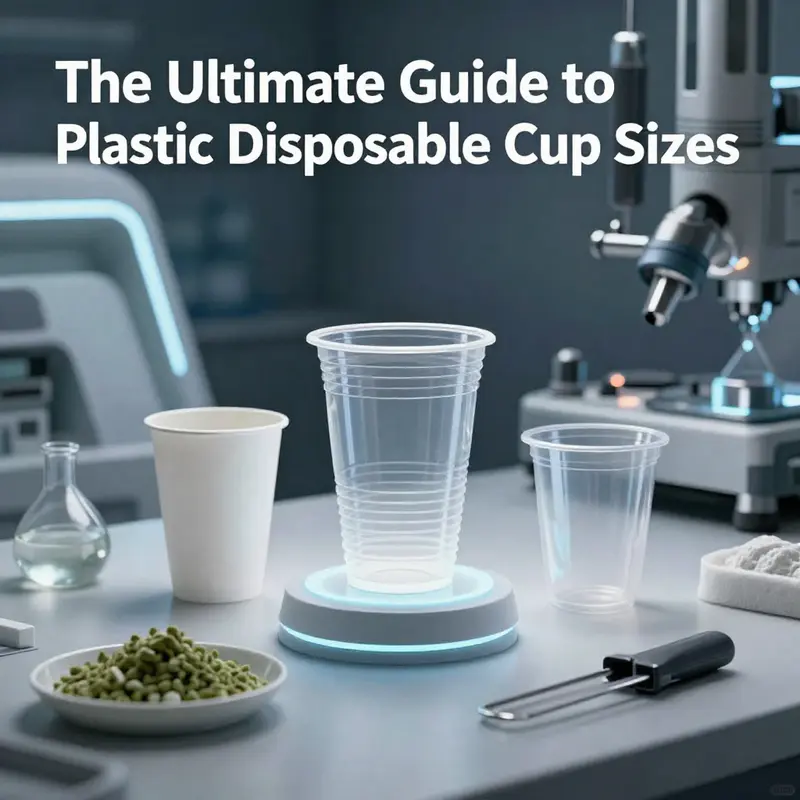
Cup sizes have long been a practical shorthand for how much fluid a drinker expects and how efficiently a server can dispense it. Yet the quiet evolution underway in plastic disposable cup sizes goes far beyond mere ounces. It is a story of balancing performance with responsibility, of aligning consumer convenience with a shifting regulatory landscape, and of rethinking the very geometry of a cup to squeeze more value out of less material. In this chapter, the arc of size design unfolds not as a patchwork of one-off SKUs but as a coordinated response to a broader push toward sustainable convenience. The result is a spectrum that spans compact espressos and grand iced beverages alike, underpinned by materials science, ergonomic thinking, and the market’s drive toward more responsible production and disposal practices. As this evolution accelerates, the sizes available today are less a fixed catalog and more a dynamically tuned set of configurations that respond to beverage type, service context, and environmental expectations.
Innovations in cup sizes are increasingly guided by the specific beverage profile and how users interact with the cup during the drinking experience. Compact nine-to-ten ounce and eight-ounce variants are becoming more common for espresso-based offerings and concentrated shots where heat retention is critical yet minimal volume is required. These compact cups optimize thermal performance and grip while reducing the amount of plastic used per serving. On the other end of the spectrum, the standard middle ground—often in the 12 to 16-ounce range—continues to dominate, especially for coffee, cold sodas, and smoothies. This size band remains popular because it aligns with common cup holders, lid compatibility, and the everyday expectations of both venues and consumers. In many operations, a 16-ounce cup is seen as the reliable workhorse, capable of handling normal beverage portions without pushing the limits of sleeve and lid fit.
The emergence of multi-sized configurations within a single product family reflects a growing recognition that beverage temperature, viscosity, and consumer preference cannot be reliably predicted by a single size. A growing array of multi-sized options now accompanies some product lines, enabling operators to tailor the cup to the drink. For instance, compact eight-ounce variants may be paired with high-visibility branding for premium espresso experiences, while larger 16-ounce cups are reserved for cold drinks that require more headspace and a different sleeve design. Rather than offer a dozen disparate SKUs, manufacturers increasingly bundle related sizes into cohesive families that share a common lip design, wall thickness, and lid interface. This approach reduces production complexity while expanding the practical range of servings a single line can cover. It also helps brands present a more deliberate, curated image at events and in retail environments where first impressions matter.
Integrated features are another frontier in cup-size innovation. The trend toward cups with built-in lids and compatible straws speaks to a broader desire for frictionless user experiences. In high-traffic settings such as events, stadiums, and busy cafés, having a cup and lid that click together with an integrated straw reduces the risk of spills and speeds up service. These integrated designs, carefully engineered to preserve insulation and structural integrity, also influence the perceived usability of a cup. The design challenge is to maintain a lightweight, cost-effective product while ensuring that the lid, straw, and cup form a seamless, tamper-evident unit. The result is not only a smoother user journey but also a more reliable platform for branding and messaging during promotional moments.
Eco-friendly materials play a crucial role in rethinking cup sizes, not only in what the cups are made from but in how their dimensions enable sustainable choices. A wave of “fancy” plastic cups is emerging that emphasizes aesthetics, tactile appeal, and environmental responsibility. These cups are often BPA-free and designed to be compatible with recyclable or biodegradable supply chains. The upper hand here is not simply the material’s recyclability but the overall life-cycle efficiency—lighter cups that still deliver the necessary performance, redesigned to use less plastic without compromising durability. By enabling more efficient packaging configurations and reducing waste, these materials support a circular economy narrative that resonates with environmentally conscious consumers at corporate events, premium coffee houses, and everyday use alike. In practice, the shift toward eco-friendly materials also nudges cup sizes toward formats that strike a careful balance between performance requirements and material efficiency. The result is a more nuanced approach to sizing that treats ounces as a design constraint to be optimized rather than a fixed target to be maxed out.
Underscoring these design shifts are regulatory developments that push manufacturers toward smaller, more efficient, and more easily recyclable formats. Stricter regulations on single-use plastics are expanding globally, and with them comes heightened scrutiny of cup sizes and the materials chosen to produce them. Policymakers are increasingly concerned with material use, the rate at which cups enter the waste stream, and the feasibility of recycling streams designed to handle common cup polymers. In response, some jurisdictions are prompting reductions in overall cup sizes to minimize material consumption while still meeting consumer demand for convenience and quality. These regulatory contours are shaping not just what cups are made from but how they are sized, especially for venues that handle large volumes and operate under tight waste-management guidelines. Consumer awareness and pressure add another layer of momentum. As shoppers become more informed about packaging waste, brands are motivated to pursue smaller, more efficient formats that do not sacrifice performance or brand promise. This convergence of policy and public sentiment creates a market environment where innovation in size is a tangible competitive advantage, not a theoretical improvement.
From a market perspective, these developments are translating into growth that blends technological progress with sustainability goals. Industry analyses project a steady expansion in the Disposable Cups and Lids category, with a compound annual growth rate in the low to mid-single-digit range. The acceleration is driven by ongoing experimentation with size optimization, the adoption of sustainable materials, and the push to harmonize product formats with regulatory expectations. In practical terms, the market is moving toward a suite of standardized size families that can be customized through branding and minor dimensional tweaks while preserving interchangeability with lids and accessories. Such standardization helps manufacturers achieve economies of scale, suppliers reduce complexity in production lines, and buyers gain confidence in a stable supply chain for multiple beverage occasions. These dynamics align with broader consumer trends that favor convenient, reliable, and responsible packaging choices, reinforcing the notion that cup sizes are not merely a customer-facing feature but a strategic element of product design and sustainability strategy.
Incorporating these trends into everyday practice means thinking about size as a function of the beverage ecology rather than a single numeric target. A practical way to conceptualize this is to view cup size as a lattice of choices that accommodate different beverage archetypes—hot versus cold, thin versus viscous liquids, and standard-sized servings versus specialty formats. The compact, eight-ounce variant might be ideal for concentrated drinks where heat retention and grip matter but display space is limited. The mid-range 12 to 16-ounce formats serve the bulk of typical beverage occasions, offering a balance of portability, insulation, and headspace for foamy or carbonated drinks. The larger 20 to 32-ounce formats, while less ubiquitous in many markets, serve the demand for bigger portions in specific contexts, such as iced coffee and shareable beverages, where the emphasis is on portion size rather than store footprint. The challenge for designers and manufacturers is to ensure that each size, and every family of sizes, remains compatible with a common set of lids, seals, and dispensing equipment, while still delivering on sustainability promises.
To translate these trends into a usable reference for practitioners, the sector’s attention increasingly turns to lifecycle efficiency. The ability to achieve more with less material—without sacrificing performance or user experience—defines the competitive edge. Modern cup engineering considers wall thicknesses, material stiffness, and heat-transfer characteristics in tandem with size choices to optimize both the end-user experience and the cost profile for operators who purchase in bulk. In practice, this means that a given size might become the preferred option across multiple beverage categories if it can demonstrate robust performance, lower material usage, and compatibility with recycling streams. Such cross-category versatility helps suppliers simplify procurement for large chains while supporting smaller venues that cannot stock a broad spectrum of formats. The result is a more coherent market where cup sizes reflect thoughtful design decisions that account for beverage type, service context, and sustainability commitments rather than tradition alone.
For readers seeking a tangible sense of how these ideas translate into the product landscape, consider a representative cross-section of size configurations that organizations might encounter when evaluating future purchases. The spectrum spans compact eight-ounce cups optimized for espresso-style servings, to mid-range twelve- to sixteen-ounce cups suited for a broad array of cold drinks, and up to larger twenty- to thirty-two-ounce formats used for specialized beverages. Across this spectrum, the advantages of cohesive design—shared lip geometry, lid interface, and wall thickness—become apparent. The bigger picture is clear: thoughtful sizing, when married to eco-friendly materials and stringent regulatory alignment, supports a more sustainable and efficient beverage service ecosystem without compromising the consumer experience. The evolution of cup sizes thus embodies a broader industry transition toward responsible innovation that respects both business realities and environmental imperatives.
As a practical note for practitioners following these trends, some operators—and even a growing number of event organizers—are experimenting with a modular approach to sizing. Rather than stocking a large number of discrete SKUs, they lean toward a family-based strategy that permits scalable customization. A compact eight-ounce option can serve as the espresso anchor, while a mid-range sixteen-ounce module covers most cold beverages, with optional larger formats for specialty offerings. The enabling technologies include improved lid and straw integration, standardized wall thicknesses, and lid compatibility matrices that reduce the risk of misfit during high-volume service. This approach also aligns with a broader push toward packaging standardization, which simplifies procurement, shortens lead times, and reduces waste across the supply chain. The net effect is a more resilient packaging ecosystem that can adapt to regulatory shifts and evolving consumer expectations without sacrificing the efficiency and cost advantages that high-volume operations rely upon.
A useful cross-reference for those who want to explore the technical landscape and standards driving these developments is a dedicated resource that covers cup specifications, standards, and application contexts. It offers deeper context on how material choices, wall thickness, and lid interfaces interplay with size to shape performance and sustainability outcomes. 20-50-200pcs-disposable-paper-cups-kraft-paper-cups-coffee-milk-cup-paper-cup-for-hot-drinking-party-supplies-8-10-12-16oz-cups provides a concrete example of how a family of cup sizes is positioned to cover common beverage scenarios while maintaining consistency in design language and compatibility. This kind of reference underscores the practical implications of the sizing shifts described above, illustrating how a rationalized set of sizes can support both operational efficiency and consumer satisfaction.
The story of future cup sizes is not merely about reducing ounces or chasing decorative trends. It is about rethinking the geometry, materials, and lifecycle implications of one of the most ubiquitous pieces of modern packaging. It is about designing for the beverage, the user, and the planet in a single, coherent framework. As regulatory scrutiny intensifies and consumer expectations sharpen, the most successful designs will be those that can demonstrate material efficiency, reliable performance, and end-of-life compatibility across a family of sizes. The next chapters will delve into how these principles influence standards, manufacturing workflows, and the broader ecosystem of disposable tableware, linking the micro-decisions in cup design to the macro trends shaping packaging innovation.
External reference for deeper technical grounding: https://www.insideplastics.com/cups-fancy-technical-details-standards-applications
Final thoughts
The evolving landscape of plastic disposable cup sizes presents numerous opportunities for beverage businesses and event planners. Each size offers unique benefits and caters to specific consumer preferences, making it essential to choose wisely based on serving requirements. As sustainability challenges are increasingly scrutinized, the industry is set to undergo significant transformations, with innovations paving the way for environmentally friendly options. Understanding these dynamics will empower businesses to adapt, ensuring they meet consumer demands while minimizing their ecological footprint. Embrace the insights and trends outlined in this guide to enhance your service and product offerings effectively.