
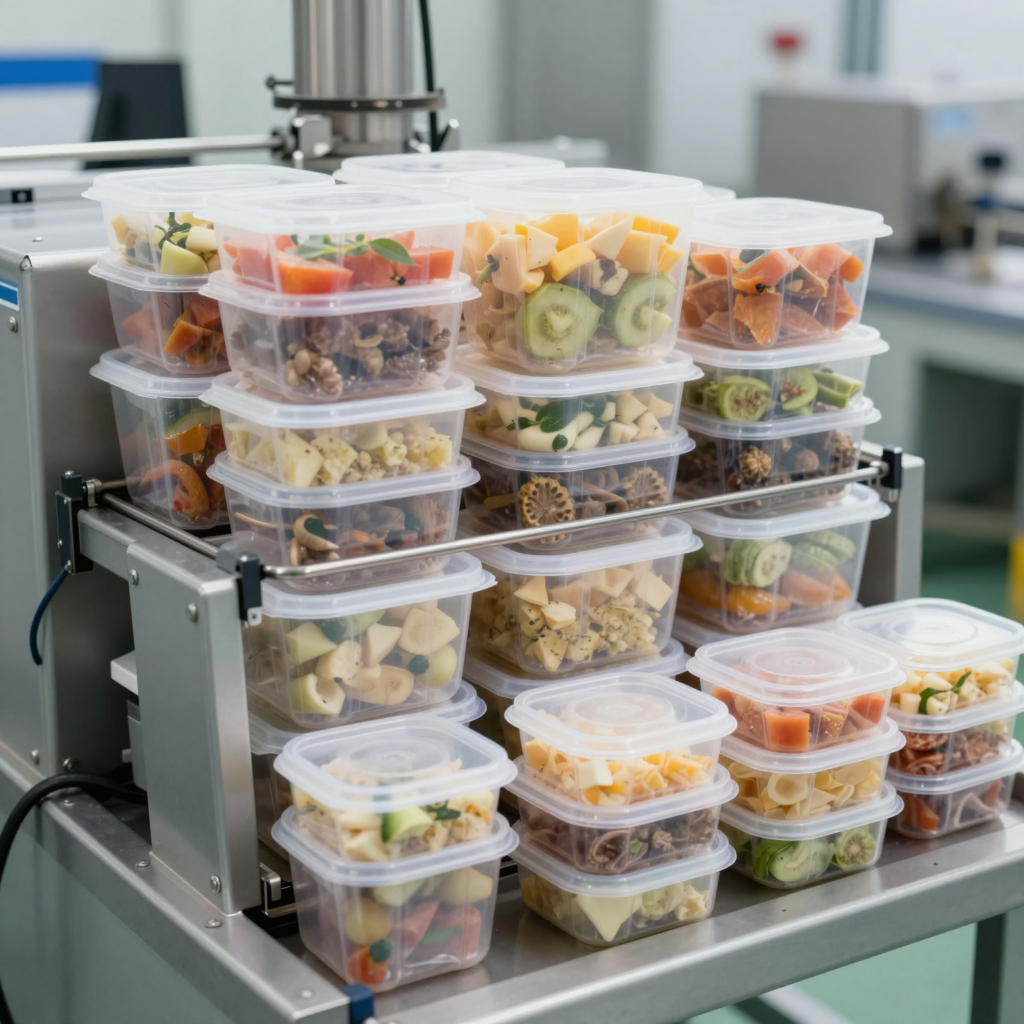
Introduction to Plastic Food Container Machines
In the bustling world of the food and beverage industry, the efficiency and reliability of production processes are vital. For bubble tea shops, restaurants, food trucks, catering services, and corporate procurement teams, the choice of packaging plays a crucial role in ensuring food safety, maintaining quality, and optimizing operational logistics. Enter plastic food container machines-innovative solutions that have revolutionized the production landscape. These machines not only significantly enhance productivity but also prioritize hygiene by minimizing human contact with food, reducing contamination risks, and supporting compliance with stringent food safety standards.
As the demand for convenient, ready-to-eat meals rises, driven by consumer preference for packaged foods, the importance of these machines becomes even more pronounced. They facilitate high-speed production while ensuring each container is consistently sealed and leak-proof. Furthermore, advancements in technology have introduced smart features like IoT integration which provides real-time monitoring of production processes, thereby enhancing operational efficiency and traceability.
Investing in a plastic food container machine is not merely a step towards productivity; it’s a strategic move that supports sustainability efforts by allowing precise material usage and compatibility with eco-friendly packaging options. For those looking to thrive in today’s competitive market, understanding the value of these machines is essential. They are not just equipment but integral components that can propel your business toward success and innovation. Learn more about the significance of plastic containers in the food industry as we delve deeper into this pivotal aspect of modern food service.
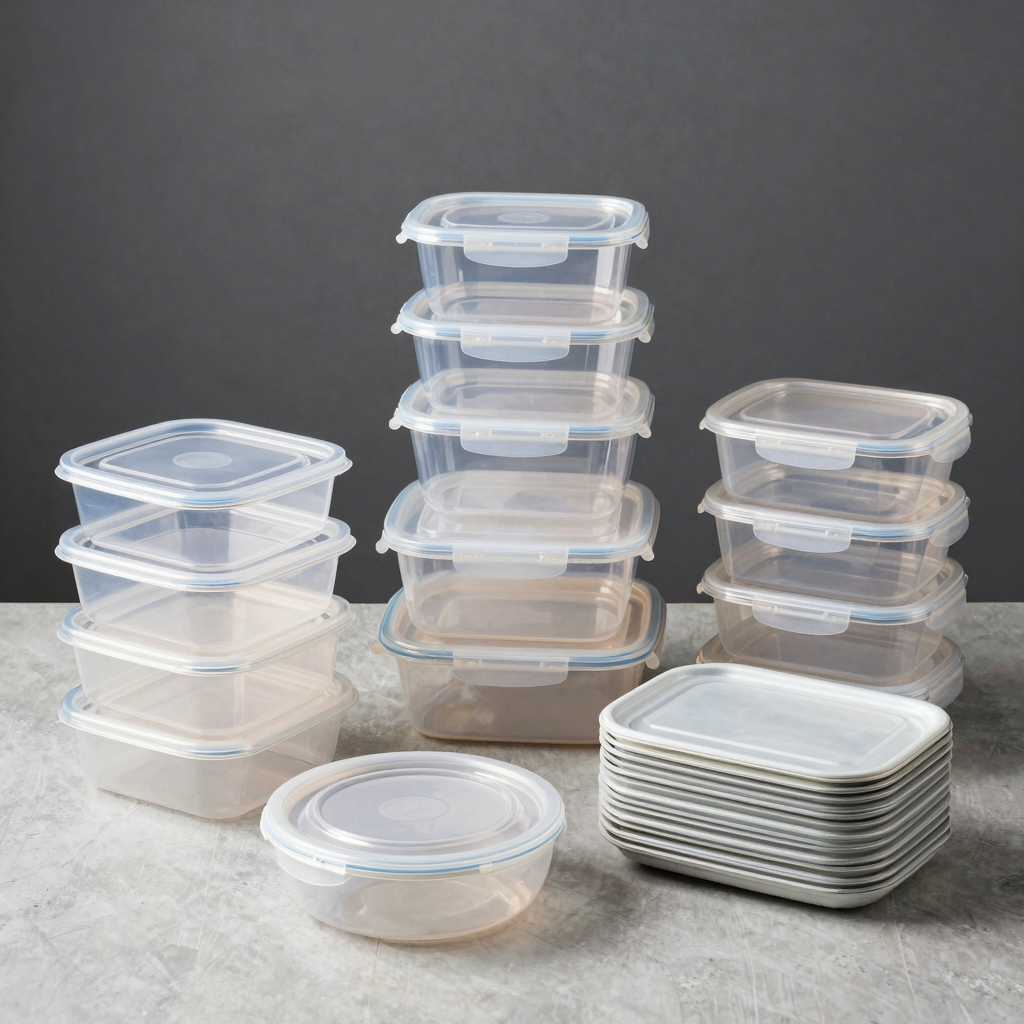
This image showcases an array of plastic food containers commonly used in the food service industry. From clear takeaway boxes to stackable trays, these containers are essential for businesses like bubble tea shops and restaurants. For more insights on the types of containers you can use in your food service, check out our article on plastic containers in the food industry.
Factors Affecting the Price of Plastic Food Container Machines
Understanding the pricing of plastic food container machines is crucial for businesses like bubble tea shops, restaurants, and catering services. Several factors can significantly influence the cost of these machines:
Machine Capacity
- Output Speed: Machines that produce a higher number of containers per hour generally come at a premium price. For instance, high-capacity machines can produce over 10,000 containers per hour, making them more expensive than lower-output models.
- Size and Scale: Larger machines designed for bulk production cost more due to their sophisticated design and capabilities.
Features
- Automation Level: Fully automated machines, equipped with robotic loading and smart inspection systems, increase initial costs but reduce labor and maintenance expenses over time. This level of complexity can add 20%-50% to the base price.
- Technological Enhancements: Features such as IoT connectivity for remote monitoring, energy-efficient motors, and compliance with international food safety standards drive up manufacturing costs and, consequently, the selling price.
Brand Reputation
- Trust and Reliability: Established brands with a history of reliable performance command higher prices. These companies often provide better after-sales support, which is crucial for businesses reliant on uninterrupted production.
- Market Positioning: Brands that position themselves as premium offerings may set higher prices based on perceived quality and service.
Manufacturing Quality
- Material Choice: The type of materials used, such as stainless steel compared to standard alloys, significantly affects the durability and cost of the machine. High-quality components built to withstand intensive usage will always attract a premium.
- Compliance with Standards: Adherence to rigorous food safety certifications (e.g., FDA, ISO 22000) often requires additional engineering and testing, which increases production costs.
To get more insights into the importance of food container machines in various industries, you can learn more about the food industry or explore sustainable food packaging solutions.
In conclusion, when considering investments in plastic food container machines, it’s essential for business buyers to assess these key factors, not just to understand initial costs but also to consider long-term savings and operational efficiency.
Comparative Table of Popular Plastic Food Container Machines
When searching for the right plastic food container machine, it’s essential to consider features, capacities, and price points. Below is a comparative table of some popular machines in the market:
| Machine Name | Features | Capacity | Price Range | Source |
|---|---|---|---|---|
| Full Automatic Disposable Nutrient Hot Food Container Making Machine | – Automatic four-column forming |
- Servo motor drive
- Ceramic heating system
- Touchscreen PLC control
- Integrated forming-punching-cutting-stacking
- Supports eco-friendly materials | Suitable for medium to large continuous production | $114,000.00 per set | Made-in-China.com |
| Food Container Clamshell Box Plastic Lid Thermoforming Machine | – Four-column pressure forming - Max forming depth of 70mm
- Single mold independent cutting
- Touchscreen control
- Suitable for common plastics | Ideal for small to medium food packaging enterprises | $48,000.00 – $52,000.00 per set | Made-in-China.com |
| High Speed Multi-station Plastic Lid Making Machine with Vacuum Forming and Punching| – 4-station high-speed automation - Integrated vacuum forming and punching
- High stability and production capacity | 4-station design, supports high-speed continuous production | $40,000.00 – $47,200.00 | Alibaba.com |
| Plastic Food Storage Containers Making Machine | – Various driving methods (hydraulic/electric/mixed) - Tonnage range from 20 to 1000 tons
- Adaptable to multiple plastic materials
- Custom production scale available | Covers from small batch to large-scale production | $8,500.00 – $58,000.00+ | Alibaba.com |
This table provides a quick overview to compare the features and prices of different machines that can fulfill your needs for food container production. Understanding these aspects will assist you in making an informed purchasing decision.
The plastic food container manufacturing industry is evolving rapidly, driven by various market dynamics and consumer preferences. Below is an analysis of current trends, growth areas, and challenges particularly relevant for bubble tea shops, restaurants, and food service businesses.
Current Trends
-
Growing Demand in Food Delivery Services:
The rise of the food delivery sector has significantly increased the demand for plastic food containers. A recent report noted that the food container industry is primarily driven by the expansion of the takeaway and street beverage markets, with the food delivery penetration rate in China growing from 12.8% in 2023 to 27.1% by the end of the year. This surge highlights a substantial market opportunity for businesses to provide efficient, quality packaging solutions. Learn more about the growth in the food delivery sector. -
Focus on Sustainability:
Amidst tightening environmental regulations, there is a noticeable shift towards sustainable practices. The industry is increasingly adopting biodegradable materials and green packaging technologies, in response to consumer preference for eco-friendly products. Despite challenges posed by restrictions like the “plastic ban,” the sector continues to innovate towards a more sustainable future. Explore options for non-plastic disposable food containers. -
Customization and Smart Packaging:
Customized food containers are gaining traction as businesses seek to differentiate themselves and enhance brand presence. Advances in printing technology allow for more flexible designs, catering to individual brands’ needs. This aspect attracts restaurants and beverage chains looking to elevate their marketing strategies.
Growth Areas
-
Expansion into Emerging Markets:
The global market for plastic food containers is projected to reach approximately 2530.5 billion yuan in 2023. This growth trajectory is driven by advancements in design and safety features, enabling manufacturers to cater to evolving consumer demands for high-quality, safe food packaging. -
Technological Innovations:
Technological advancements in manufacturing processes enable better production efficiency and higher quality standards. Companies are investing in research to develop containers that are not only visually appealing but also functional, such as microwave-safe options or containers designed for specific food types.
Challenges
-
Regulatory Pressures:
Compliance with environmental regulations presents challenges for manufacturers. These regulations impact production costs and material choices, requiring a delicate balance between cost-effectiveness and sustainability. -
Competitive Landscape:
The plastic food container market is highly competitive, with many players striving for market share. Companies are constantly innovating through technology and branding efforts to maintain or enhance their positions in the market.
Conclusion
The plastic food container manufacturing industry is on a path of growth, primarily fueled by the expansion of food delivery services, a shift towards sustainability, and the quest for customization. For bubble tea shops, restaurants, and catering entities, adapting to these trends can provide a competitive edge while addressing the challenges of an evolving regulatory landscape. Engaging with these innovations will not only enhance operational efficiency but will also meet the rising consumer expectations for packaging solutions.
For further insights and detailed guides on specific container types and technologies, check out our blog on food-safe disposable containers.
Investing in plastic food container machines can seem daunting, especially for small businesses like bubble tea shops, restaurants, and food trucks. However, with strategic planning and smart purchasing decisions, you can significantly reduce costs. Here are some actionable tips to help you save on your machinery investment:
1. Bulk Purchasing
One of the most effective ways to cut costs is by purchasing machines in bulk. Many suppliers offer discounts for bulk orders, so if you’re part of a group purchasing organization or can collaborate with other businesses in your area, consider pooling resources to make a larger order. This approach can reduce the unit price and help you access better financing options. Learn more about the food industry benefits of bulk purchasing.
2. Financing Options
Consider financing options available for food processing equipment. Many manufacturers and suppliers offer financing plans that allow you to pay for the machinery over time rather than upfront. Look for programs that have low-interest rates or even zero-interest options for eligible businesses. Additionally, some government grants and loans are specifically aimed at improving small business capabilities in the food industry, which can be a great way to fund your machinery purchase without straining your budget.
3. Look for Used Equipment
If you’re looking to save costs, purchasing used or refurbished machines can be a significant money-saver. Ensure that the pre-owned equipment has been well-maintained and is still under warranty. Generally, you can find reliable machines at half the price of new ones, enabling you to allocate your budget to other important areas.
4. Efficiency and Energy Consumption
Invest in energy-efficient machines that can reduce operating expenses in the long run. Machines that save on energy will not only reduce environmental impact but also lower your monthly bills. Consider looking for equipment that meets high energy efficiency ratings or those that utilize renewable energy sources.
5. Long-Term Supplier Relationships
Establish long-term relationships with your suppliers. Quality machinery providers will often offer loyalty discounts and after-sales services, which can save you money on maintenance and parts replacement in the long run. Building rapport with your suppliers can lead to more favorable terms and access to the latest technology without a hefty price tag.
Utilizing these cost-saving tips when purchasing plastic food container machinery can pave your path to a more sustainable and profitable business journey. With strategic investments, you can enhance your operating capabilities and keep your financials in check.
With these actionable strategies, businesses in the food industry can navigate the complexities of purchasing machinery while remaining budget-conscious. Always research your options and consider collaborating with peers to maximize savings and efficiency.
ROI of Investing in Plastic Food Container Machines
Investing in plastic food container machines can significantly impact your business’s profitability through cost savings and increased efficiency. The potential return on investment (ROI) varies based on the type and cost of the machine, as well as the volume of production. Below is a chart depicting the ROI analysis based on different machine prices and usage levels.
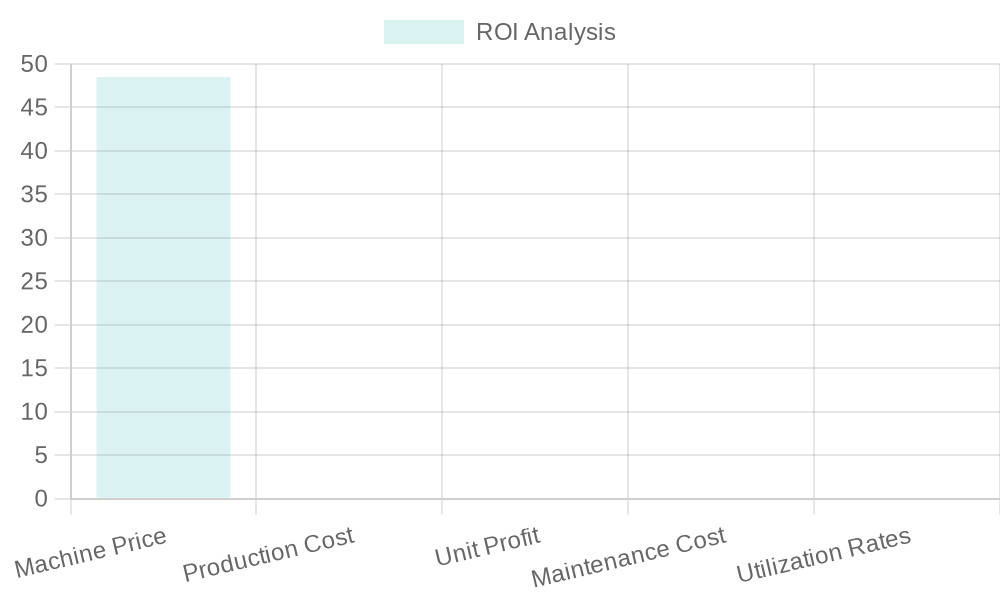
Click on the image to enlarge.
Key Points About ROI:
- Machine Prices: Prices range from $15,000 for small-scale units to upwards of $300,000 for advanced automated systems.
- Volume of Production: Businesses producing more than 1 million units annually often see a return on investment within 18 to 24 months due to economies of scale.
- Cost Savings:
- Reduced labor costs by up to 40%.
- Material waste reduction between 10% to 15%.
- Improved energy efficiency with modern machines.
For further insights into the food packaging industry, check our article on Understanding the ROI of Packaging Machinery Investments.
“Using the LITAI Fully Automatic Disposable Plastic Takeaway Food Containers Pallet Making Machine has revolutionized our production line! The durability of this machine, thanks to its stainless steel frame and modular components, has significantly increased our output while keeping maintenance costs low. We have cut packaging costs by nearly 40% and our efficiency has never been better! Highly recommended for anyone in the food service industry!”
- A Satisfied Customer, Food Packaging Company
Trusted Manufacturers of Plastic Food Container Machines
When it comes to sourcing plastic food container machines, it’s essential to partner with reputable manufacturers. Here is a compilation of five trusted manufacturers in the industry:
-
Pingyang Litai Machinery Co., Ltd.
A leader in the sector, Pingyang Litai specializes in fully automatic machines for producing disposable plastic food containers and trays. Their machinery supports various materials such as HIPS, PP, PET, and PS. They are known for their high-output capabilities, CE and ISO certifications, and lifetime warranty on machines. Learn more here. -
Zhengzhou Perfect Co., Ltd.
This manufacturer offers an automatic disposable plastic lunch box making machine that is recognized for its efficiency and compliance with CE safety standards. Their machines are priced around $46,500 to $47,500 and are designed for high-volume production. The company is noted for its reliability in serving the catering and foodservice industry. -
Longkou Leader Imp & Exp Co., Ltd.
Focusing on foam food container production, Longkou Leader provides fully automatic production lines dedicated to making PS/EPS foam lunch boxes and trays. They utilize vacuum forming technology and offer customization options, catering to clients across Africa, Europe, and Southeast Asia. -
Longkou Fushi Packing Machinery Co., Ltd.
Another prominent manufacturer in foam food container production, Longkou Fushi specializes in creating machinery for various food container applications. They focus on providing efficient and customizable solutions to meet diverse production needs. -
Longkou Fuchang Packing Machinery Co., Ltd.
This company rounds out our list by offering a comprehensive range of machinery for food packaging. They emphasize innovative technology and customization, catering to the evolving demands of the food service and packaging industries.
These manufacturers are crucial players in the plastic food container machine sector, providing innovative solutions vital for businesses in the food and beverage industry. For more insights into the plastic food industry, check out our related blog here.
Conclusion
In conclusion, understanding the plastic food containers machine price is crucial for businesses in the food industry. As highlighted in our article, factors such as the type of material, production capacity, and market demand play a significant role in determining these prices. The market for disposable tableware and packaging solutions continues to evolve, with an estimated valuation of $35.5 billion in 2023, growing at a rate of 3.04% annually due to increasing demand for both conventional plastic and sustainable disposable options like compostable materials.
The shift towards sustainability is driven largely by consumer preferences and regulatory pressures for environmentally friendly products, which now encompass up to 15% of the market. This trend not only influences purchasing decisions but also expands the market for innovative packaging solutions suitable for bubble tea shops, restaurants, food trucks, catering, and event planning services. Explore options for reliable disposable tableware that align with your business’s values and needs.
As you consider your packaging solutions, we invite you to explore our extensive range of products. Whether you are looking for eco-friendly materials or traditional options, our platform offers a variety of disposable containers that cater to all your requirements. Check out our wholesale options today and make informed choices for your business’s success!